
Sangiovese: sour cherry in Chianti, depth in Montalcino
34 cuvées, from everyday Chianti to single-cru Brunello, from €11.90Sangiovese is Italy's most widely planted grape, and its most versatile. In the Chianti hills, it produces a taut, sour-cherry red, perfect for everyday drinking. Further south, in Montalcino, the same grape yields Brunello: dense, tight, and not allowed to be sold until its fifth year.
Our range goes from €11.90 to €294 per bottle. The difference doesn't come from the grape variety, which remains the same, but from altitude, yields, and especially the aging period required by each appellation. The first table compares these regions.
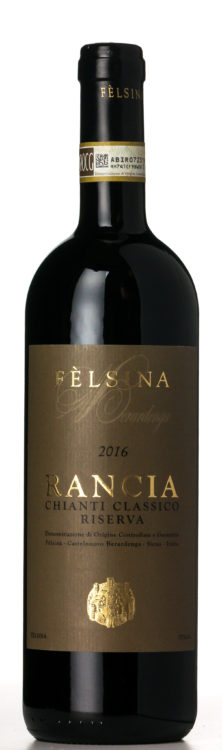
Felsina - Rancia Chianti Classico 2021
A great Sangiovese from the terroir, combining depth, precision and Tuscan energy.
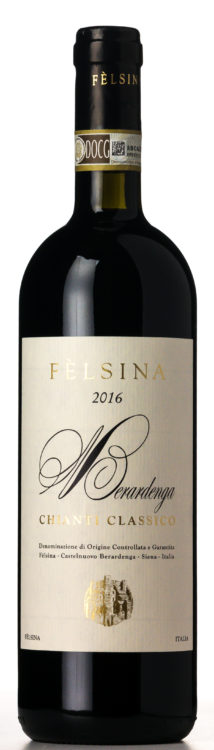
Felsina - Berardenga Chianti Classico 2022
A precise and energetic Chianti Classico from Berardenga, where the Sangiovese clearly expresses the depth and freshness of the Tuscan terroir.
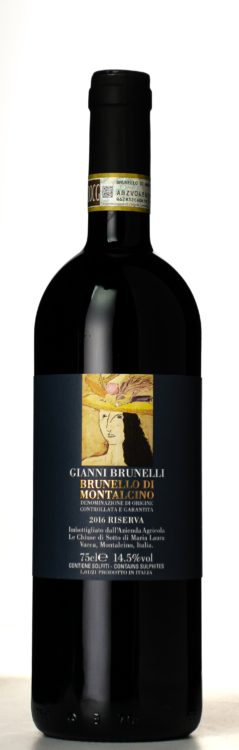
Gianni Brunelli - Brunello di Montalcino Riserva 2019
A Brunello di Montalcino Riserva combining depth, precision and elegance, carried by the purity of Gianni Brunelli's Sangiovese.
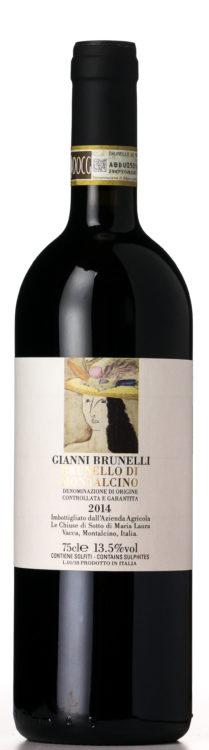
Gianni Brunelli - Brunello di Montalcino 2020
A Brunello of terroir, precise and profound, where the elegance of Sangiovese meets the power of the hills of Montalcino.
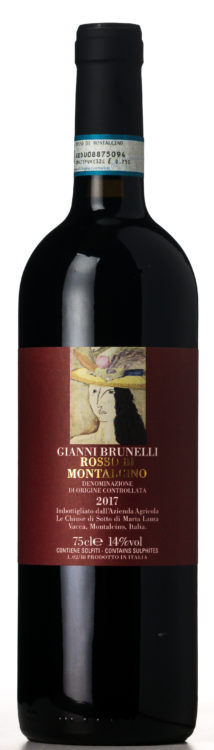
Gianni Brunelli - Rosso di Montalcino 2023
A precise and vibrant Rosso di Montalcino, combining Tuscan freshness, fine tannins and aromatic intensity.

Pieve Santa Restituta - Sugarille Brunello di Montalcino 2018
A deep and structured Brunello of the terroir, which precisely expresses the singularity of Sugarille.
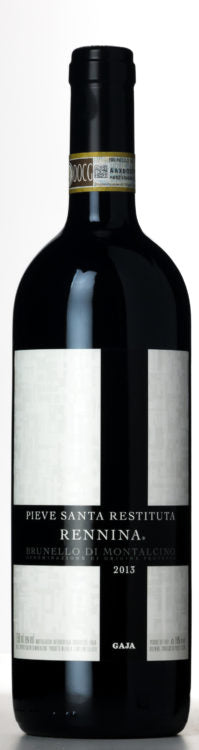
Pieve Santa Restituta - Rennina Brunello di Montalcino 2018
A Brunello of terroir, precise and profound, which combines Tuscan elegance and great aging potential.
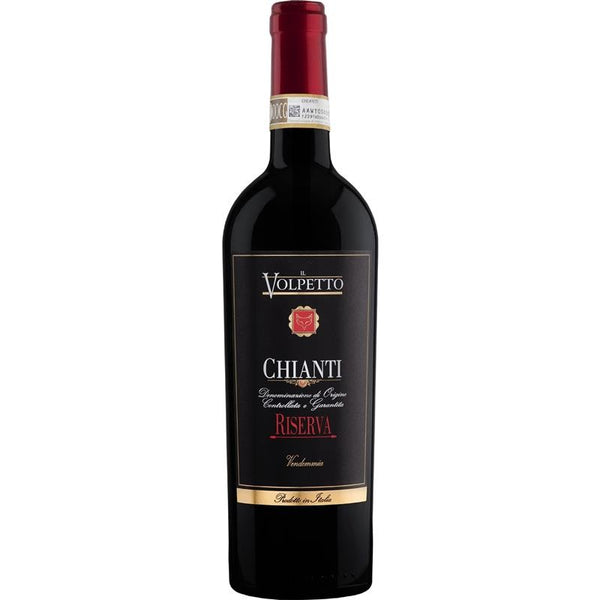
The Wine People - Volpetto Chianti Riserva 2020
A Tuscan Chianti Riserva that combines ripe fruit, freshness and structure in a classic and precise style.
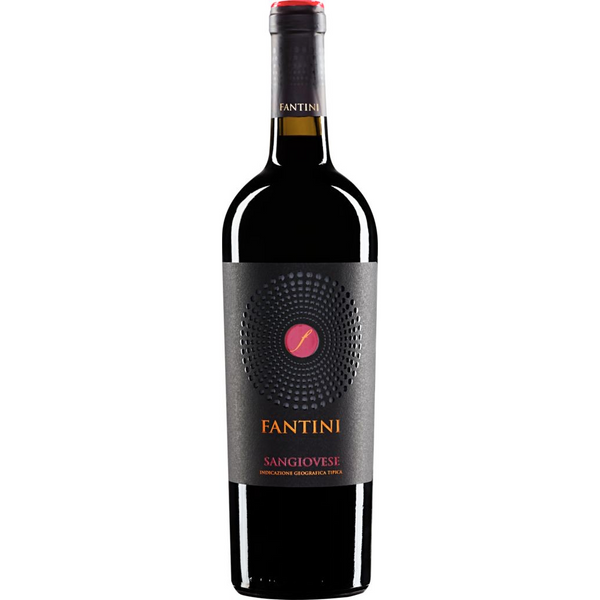
Fantini - Sangiovese Terre di Cheti 2022
A dense, fruity and balanced wine, with a marked typicality of Abruzzo

Sangiovese faces according to the appellation
One grape, six regulatory frameworks. What separates a €15 bottle from a €294 bottle is the authorized area, the proportion of other grape varieties permitted, and the number of years spent in the cellar before sale.
| Denomination | Where, in Tuscany | Assembly and rearing | The style | At our place, from |
|---|---|---|---|---|
| Chiantiand Chianti Rufina | A very large area, from north of Florence to south of Siena. | Sangiovese dominant, complemented by other grape varieties. No long aging imposed. | Tart cherry, fine tannin, a freshness that calls for food. The everyday face of the grape. | €15.50Renzo Masi Chianti 2022 |
| Chianti Classicothe historic birthplace | Between Florence and Siena, in the Gallo Nero area. | At least 80% Sangiovese, and aged longer than a simple Chianti. | More substance and depth, without losing any of its freshness. The best compromise on the shelf. | €105 for 3Felsina Berardenga 2022 |
| Rosso di Montalcino | The same hill as Brunello, around Montalcino. | 100% Sangiovese. Released approximately one year after harvest. | Brunello without the wait: livelier fruit, softer tannins, ready right away. | €25.90Tricerchi 2021 |
| Brunello di Montalcinoa single municipality | South of Siena, on an isolated hill and distinctly warmer than the Chianti region. | 100% Sangiovese. Not released before its fifth year, including two years in wood. | The densest and the longest. Tight tannins, black fruit, a cellaring potential measured in decades. | €65Tricerchi 2018 |
| Vino Nobile di Montepulciano the city, not the grape variety | Around the town of Montepulciano, east of Montalcino. | Predominantly Sangiovese, locally known as Prugnolo Gentile. Aged for a minimum of two years. | Between the two previous ones: structure, but with fruit that remains lively and digestible. | €123 for 3Avignonesi 2020 |
| Tuscan IGT Super Tuscans | All over Tuscany, outside of the appellation framework. | No blending or aging restrictions. Pure Sangiovese, or blended with Merlot and Cabernet. | The estates' uncultivated land. You'll find everything from an easy-drinking wine to their most ambitious vintage there. | €95.40 for 6Castello di Volpaia, Citto 2023 |
Our entry-level wine, the Fantini Terre di Chieti 2022 at €11.90, doesn't come from Tuscany but from Abruzzo: this grape variety is planted in almost all of central Italy.
What this acidity allows, and the only ground it refuses
Sangiovese is a meal wine before it is a tasting wine. Its acidity allows for pairings that most reds miss, with cooked tomato being the foremost example.
| The dish | Why it works | The vintage to open |
|---|---|---|
| Cooked tomato pizza, pasta, ragù | The acidity of the tomato neutralizes most reds. Here, both are of the same order and complement each other. | A simple ChiantiRenzo Masi 2022 · €15.50 |
| Tuscan cured meats finocchiona, prosciutto | Salt and fat call for freshness, not power or oak. | A Chianti RufinaFattoria di Basciano 2023 · €18.50 |
| Florentine steak grilled beef, rare | Grilled meat demands tannins, and the acidity cuts through the fat of the rib between bites. | A chianti riservaRenzo Masi Riserva 2019 · €24 |
| Game and wild boar | A powerful flesh, the only one that can stand up to the tight tannins of Montalcino wines. | A BrunelloTricerchi 2018 · €65 |
| Mushrooms and truffle | The earthy, undergrowth notes that the wine develops with age extend those of the dish. | A noble wineAvignonesi 2020 · €123 for 3 |
| Aged Pecorino | The salt in the pressed cheese softens the tannin and brings out the red fruit. | A Chianti ClassicoFelsina Berardenga 2022 · €105 for 3 |
| White fish and shellfish to be avoided | The only area where this grape doesn't work: the tannins and iodine turn metallic. | Switch to a white |
Serve between 16 and 18 °C. A Chianti can be drunk immediately upon opening. A Brunello benefits from an hour in a decanter, or longer for younger vintages.
A bottle for every intention
The tables give the theory. Here are the bottles, and only those that can be shipped today.
Everyday red
Abruzzo Sangiovese, unoaked, to drink lightly chilled with pizza. The lowest price in the aisle.
Fantini Terre di Cheti 2022 · €11.90The benchmark Chianti
Cherry, dried herbs, a frank acidity. The simplest definition of the grape, for the dinner table.
Renzo Masi 2022 · €15.50Step up a notch
La Rufina, a high, cool sub-zone northeast of Florence. Tauter, with a longer finish.
Fattoria di Basciano 2023 · €18.50Discover Montalcino without delay
Same hill and same grape as Brunello, but released about a year after harvest.
Tricerchi 2021 · €25.90A first brunello
The smoothest entry into the appellation, with a 2018 that already has all the necessary maturity.
Tricerchi 2018 · €65The classic from a great estate
Felsina, at the southern end of the zone, on stony soils. Sold in cases of three bottles.
Felsina Berardenga 2022 · €105 for 3Understanding Vino Nobile
The Sangiovese from the town of Montepulciano, where it is called Prugnolo Gentile. Sold in packs of three.
Avignonesi 2020 · €123 for 3The Montalcino Summit
Sugarille, one of Pieve Santa Restituta's two crus. The most expensive bottle in this section.
Pieve Santa Restituta 2018 · €294See all of Tuscany
The entire Tuscan section, appellations and free blends combined.
Our Tuscan wines
Acidity is not a flaw; it holds the wine together
Sangiovese is often criticized for being lean, hard, and a bit green. This criticism almost always comes from bottles vinified to achieve the opposite: extensive extraction, new oak, concentration at all costs—a wine that seeks to resemble something other than itself.
This grape has neither the color of Merlot nor the flesh of Cabernet, and it doesn't need to. What it does possess is an acidity that keeps the bottle standing for twenty years and makes it enjoyable at the table, glass after glass. It is for this reason that it holds the top rank in planted acreage in Italy, not by historical accident.
How do you choose
On digestibility before concentration. A Sangiovese whose glass is not finished has missed the point, whatever the name on the label.
And on wood: as soon as it covers the cherry and the stone, the bottle loses what made it Tuscan.
The Wine Wanderer Team
What we're asked about Sangiovese
Sangiovese, that's the grape used in Chianti, right?
Yes, it still constitutes the majority. But it doesn't stop there: Brunello di Montalcino and Rosso di Montalcino are 100% made from it, and Vino Nobile is largely composed of it. It's the same grape in all these bottles, from the €15 wine to the €294 one.
Montepulciano, is it a grape variety or a town?
Both, and this is the most common confusion. Montepulciano is a town in Tuscany whose wine, vino nobile, is made from Sangiovese. Montepulciano is also, separately, a red grape variety grown mainly in Abruzzo, which is not related to Sangiovese. Our bottles made from this grape variety are in the Montepulciano section, those from the town are here.
Is Classico a better Chianti?
The classico is the historical core of the zone, between Florence and Siena, recognizable by the black rooster on the neck of the bottle. It requires at least 80% Sangiovese and a longer aging period than regular Chianti, which covers a much larger area. For estates of equal quality, the classico has more substance and ages better.
Brunello or Rosso di Montalcino, which to choose?
These are the two names for the same hill and the same grape variety. The Rosso goes on sale about a year after harvest, the Brunello not before its fifth year, including two years in wood, and generally receives the best plots. For a bottle to open this month, take the Rosso at €25.90. For a cellar bottle, the Brunello, from €65 at our place.
Why is Brunello so expensive?
Because the estate ties up each vintage for more than four years before being able to sell it, in a restricted production area and with low yields. To this is added the reputation of a few historical growths. Our range goes from €65 to €294 per bottle, which covers almost the entire scale of the appellation.
How long does Sangiovese keep?
Three to five years for an entry-level Chianti, which doesn't benefit from cellaring. Eight to twelve years for a Chianti Classico or a Vino Nobile. Fifteen to twenty-five years for a Brunello, and even more for a Riserva. Our product sheets specify the aging potential of each vintage.
Should we decant?
Not for a Chianti, which is best enjoyed immediately upon opening and would lose its vibrancy. Yes for a young Brunello: allow an hour for the tannins to soften and the dark fruit to emerge. For an older vintage, serve carefully, without decanting.
What is a Super Tuscan?
A Tuscan wine produced outside the appellation system, under the IGT Toscana designation, which allows the winery freedom in its blending and aging. Some are pure Sangiovese, like Felsina's Fontalloro; others combine it with Merlot and Cabernet Sauvignon, like Castello di Volpaia's Citto.