
Wine from around the world: 24 countries in one cellar
Over 1,300 bottles for sale, starting at €8.30This page brings together the entire catalog, all colors and continents combined. It's the starting point when nothing has been decided yet, and the shortcut when you prefer to cast a wide net before narrowing down your choices.
The filters sort these bottles by country, color, estate, format, and budget. Further down, the world map opens onto each vineyard, and the table explains what distinguishes a European label from a bottle from the southern hemisphere.
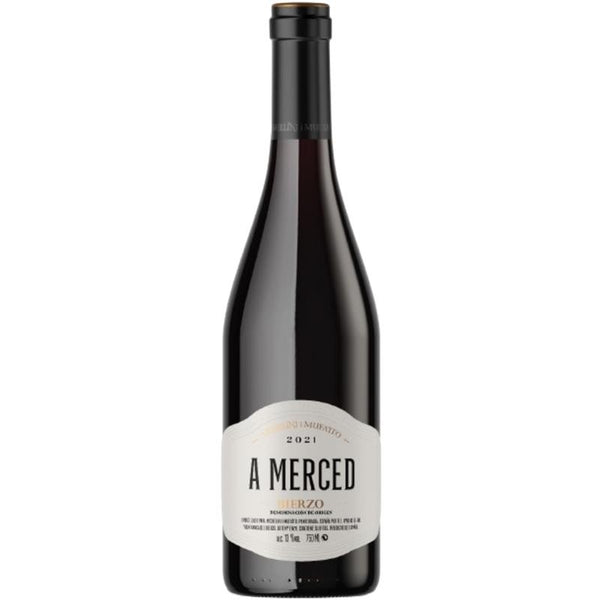
Michelini i Mufatto - A Merced Mencia 2021
A precise and fresh expression of Mencía from Bierzo, combining fruit, tension and tannic finesse.
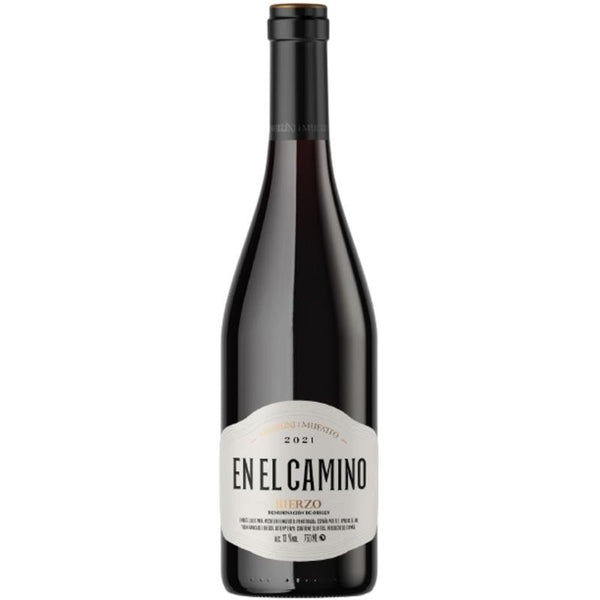
Michelini i Mufatto - On the Camino Mencia 2022
A precise and vibrant Mencía de Bierzo, combining fruit purity, freshness and fine texture.
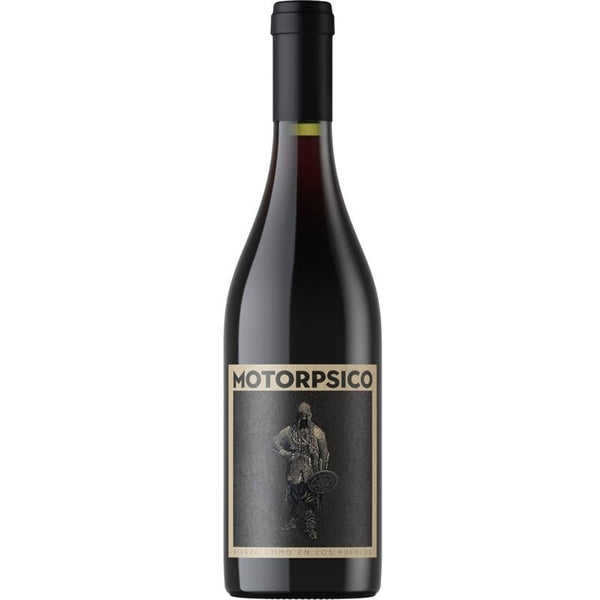
Michelini & Mufatto - Motorpsico 2022
A Bierzo de Mencía full of freshness and energy, driven by vibrant fruit and remarkable drinkability.
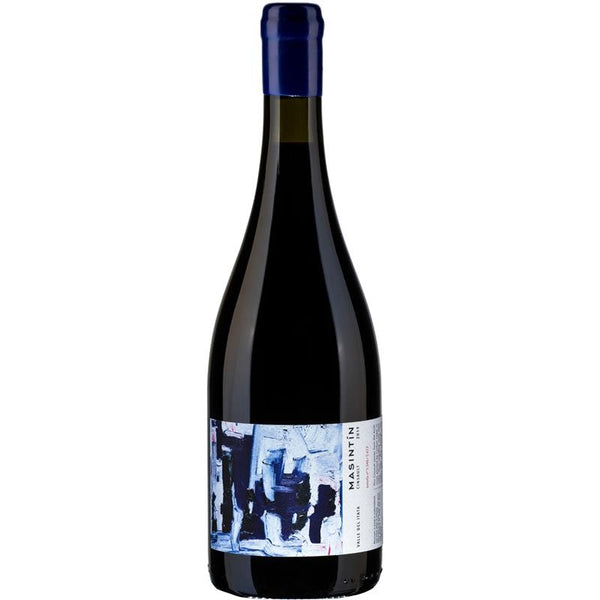
Masintin - Cinsault Los Castanos 2020
A juicy and digestible Chilean Cinsault, carried by the freshness of Itata and old varietal vines.

Luca Wines - Dante's Kiss 2019
An Argentinian red from high altitudes, combining Andean intensity, freshness and Bordeaux elegance.

Innocent Bystander - Chardonnay 2021
An Australian Chardonnay from a cool climate, combining precise fruit, vibrant freshness and measured elegance.
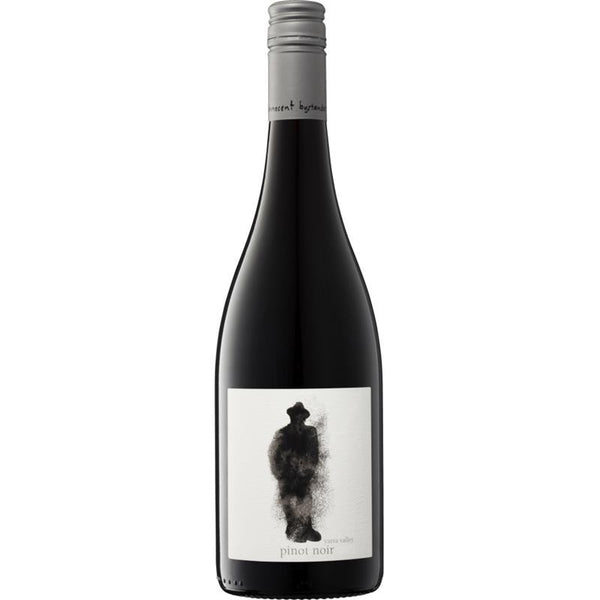
Innocent Bystander - Pinot Noir 2020
An elegant and juicy Pinot Noir from Yarra Valley, driven by freshness and aromatic finesse.
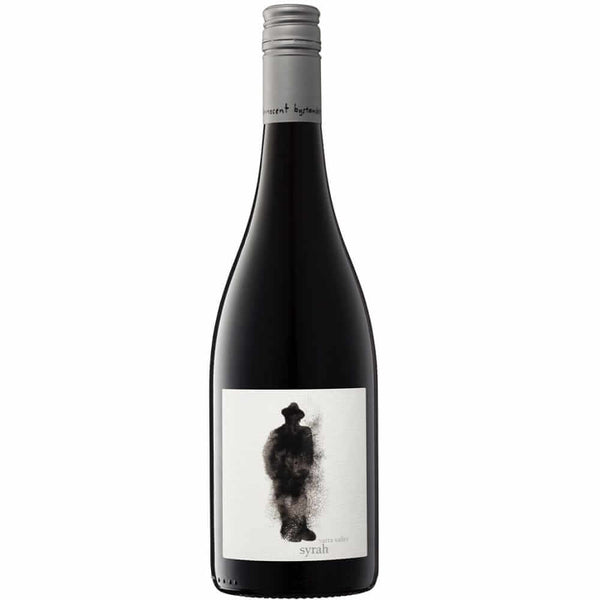
Innocent Bystander - Syrah 2019
A juicy and spicy Australian Syrah, carried by the freshness of the Yarra Valley.
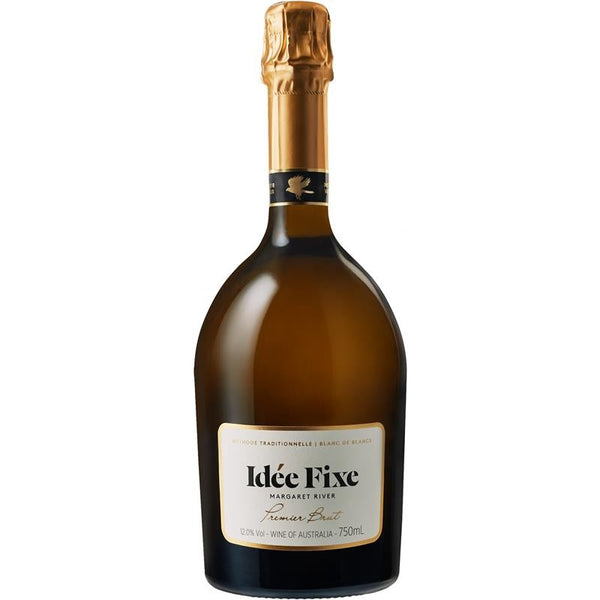
Idée Fixe - Premier Brut Blanc de Blancs 2021
A precise and vibrant Australian blanc de blancs, which combines oceanic freshness and elegant effervescence.
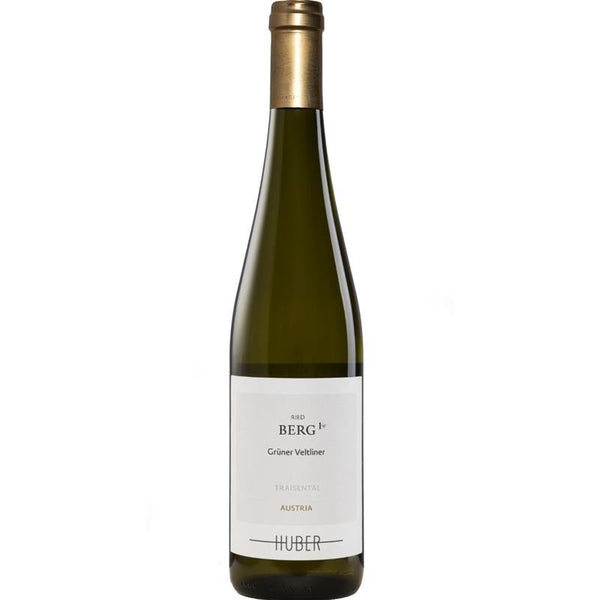
Huber - Berg Erste Lage Grüner Veltliner
A terroir-driven Grüner Veltliner, precise and saline, which highlights the mineral elegance of the Kamptal.
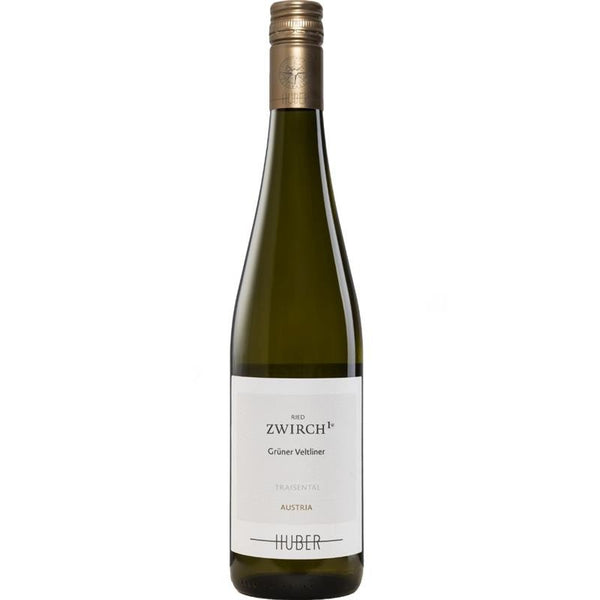
Huber - Zwirch Erste Lage Grüner Veltliner 2024
A precise and saline Grüner Veltliner of the terroir, which reveals all the finesse of the Zwirch en Erste Lage cru.

Huber - Alte Setzen Erste Lage Grüner Veltliner 2022
A terroir-driven Grüner Veltliner, precise and saline, which expresses all the limestone finesse of the Traisental.
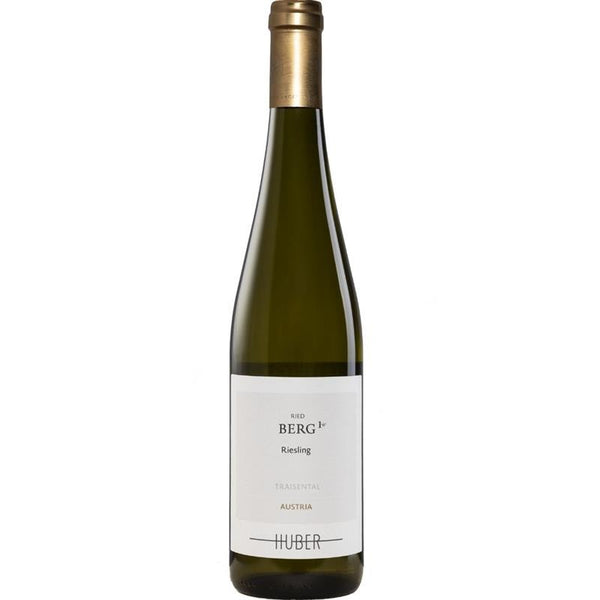
Huber - Berg First Growth Riesling
A precise and saline Riesling from a limestone terroir, which combines tension, aromatic purity and great elegance.

Huber - Terrassen Riesling 2025
A precise and crystalline Austrian Riesling, where freshness combines with a chiseled minerality.
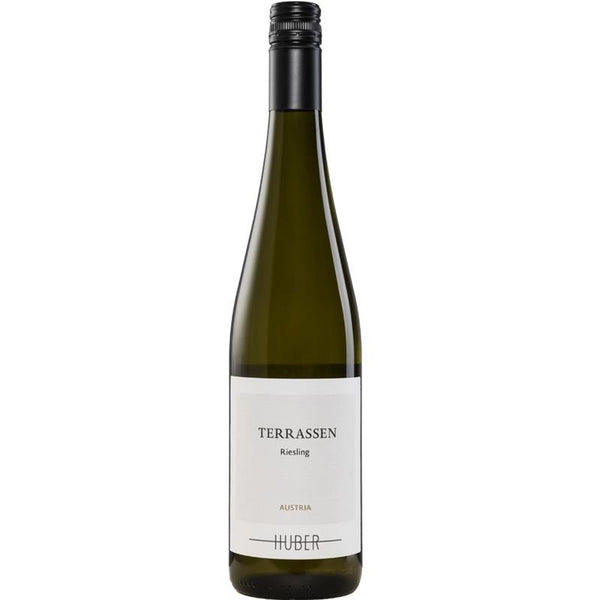
Huber - Terrassen Grüner Veltliner 2025
A terraced Grüner Veltliner combining incisive freshness, aromatic precision and a mouthwatering finish.
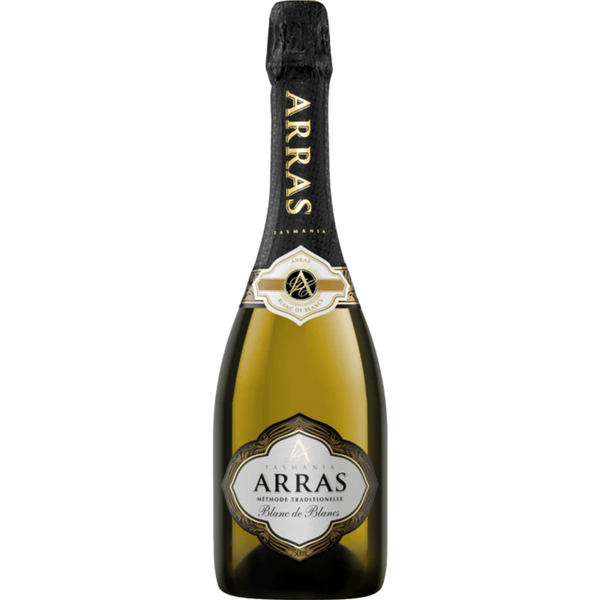
House of Arras - Blanc de Blanc -
A precise and vibrant Tasmanian Blanc de Blanc, which combines oceanic freshness and the complexity of long aging on lees.
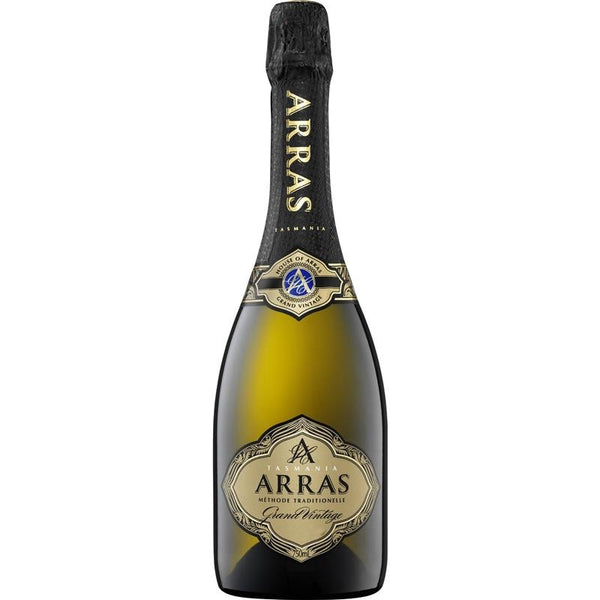
House of Arras - Grand Vintage 2013
A great sparkling wine from Tasmania, combining maritime freshness, complexity and depth.

House of Arras - A by Arras Premium Cuvée
A precise and elegant Tasmanian sparkling wine, combining maritime freshness and the complexity of a great vintage.

Henschke - Julius Riesling 2024
A Riesling from Eden Valley of great purity, taut and crystalline, marked by freshness and aromatic precision.

Henschke - Wheelwright Shiraz 2019
A Shiraz from the Eden Valley combining aromatic depth, freshness and elegant structure.

Henschke - Cyril Henschke Cabernet Sauvignon 2018
A precise and intense high-altitude Australian Cabernet Sauvignon, where power meets elegance.

Henschke - Mount Edelstone Shiraz 2019
A deep and refined Eden Valley Shiraz, made from old vines, which combines aromatic intensity and elegant texture.
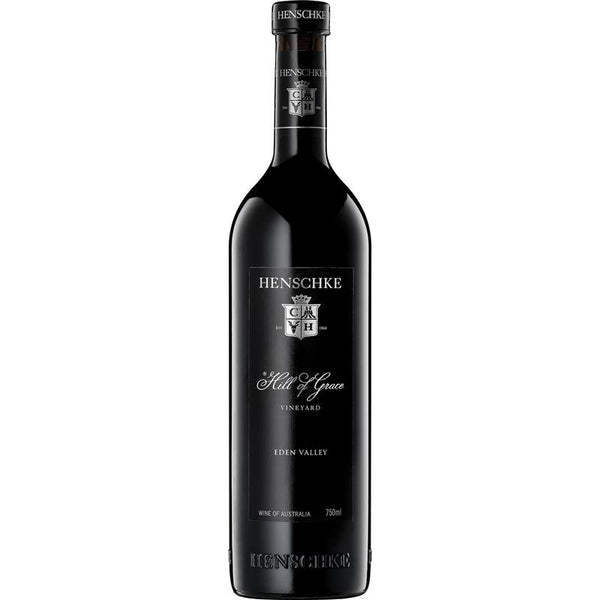
Henschke - Hill of Grace Shiraz 2019
An icon of the Eden Valley, this deep and elegant Shiraz precisely expresses the uniqueness of the historic Hill of Grace vineyard.

Henschke - Keyneton Euphonium 2021
An Australian red blend that marries the power of Barossa with the fresh elegance of Eden Valley.
Where we are going to get the wine
Twenty-four countries, across four continents. The countries in color are those from which we sell bottles, and each opens to its own selection.
The country-by-country catalog
The same grape variety does not produce the same wine depending on where it grows. Valais Syrah remains taut and peppery; planted in Australia, it becomes round and candied. The number of bottles indicated follows the direct catalog.
Europe Place over grape variety
Italy271 winesPiedmont Nebbiolo, Sangiovese, Corvina, AglianicoSpain144 winesTempranillo, Grenache, Carignan, Palomino FinoFrance101 winesBurgundy at 85%, Pinot Noir and ChardonnayPortugal71 winesDouro, Port and Madeira wines from BarbeitoGermany43 winesMosel Riesling, Prüm, and Dr. LoosenGreece38 winesXinomavro, Assyrtiko, Agiorgitiko, VidianoSwitzerland35 winesValais: Petite Arvine, Cornalin, ChasselasHungary30 winesTokaji, Furmint, HárslevelűAustria28 winesGrüner Veltliner and Danube RieslingSlovenia4 winesRibolla Gialla, Brda macerationsCroatia2 winesDalmatian PošipCyprus1 vinXynisteri, a dry white wineAmericas The grape variety written in bold on the label
United States164 winesCalifornia: Cabernet, Pinot Noir, ZinfandelArgentina131 winesMalbec from Mendoza, high-altitude chardonnayChili97 winesCarménère, Central Valley, CinsaultMexico4 winesBaja California: Zinfandel, Chenin, NebbioloBrazil4 winesSerra Gaúcha: Tannat, Cabernet FrancUruguay1 vinTannat, the national grapeAfrica and Oceania February harvest, early vintages
South Africa154 winesChenin Blanc, Syrah, Pinotage, ChardonnayAustralia109 winesChardonnay, Shiraz, Pinot Noir, RieslingNew Zealand53 winesCentral Otago Pinot Noir, Marlborough SauvignonAsia and the Middle East Grape varieties found nowhere else
Japan26 winesRice sakés: Zaku, yamada nishikiArmenia4 winesAreni Noir, from an ancient vineyardLebanon2 winesBekaa: Cinsault, Syrah, ViognierEach country has its own page, with its own filters by color, domain, and budget.
What exactly are you looking for?
The map of countries starts from the origin; this entry starts from what you have in mind.
Do not exceed €20
The cellar starts at €8.30. Below €20, Italy, Spain, and Argentina offer the best value per bottle.
The bulk of the catalogLook for red
From thirst-quenching reds to age-worthy wines, classified by profile: light, fruity, full-bodied, tannic.
By tasting profileFind a blank
German Riesling, South African Chenin Blanc, Greek Assyrtiko, Australian Chardonnay: this is the most exotic section of the cellar.
The Rare Grape Varieties sectionDrink organic or natural
Certified organic areas and winemaking without inputs, particularly well supplied in Argentina and Spain.
Organic, biodynamic, naturalTo take wine out of the cellar
Sake is a fermented rice alcohol, not a grape wine. It is served chilled and can stand up to dishes that would overpower wine.
The total breakupGift rather than drink
Three to six bottles centered around a country or a color, with a tasting note for each cuvée.
Our gift sets, from €75
Four families to read a foreign label
The distinction between Old World and New World is not geographical: it refers to what the label highlights, and therefore what you need to know before buying.
| Family | What characterizes it | In our cellar | Benchmark grape varieties |
|---|---|---|---|
| Old WorldHistorical Europe | The place takes precedence over the grape: the label announces an appellation, and it's up to you to know what's planted there. Wines are often tauter, more acidic, made for the table. | Italy, Spain, France, Portugal | Nebbiolo, Sangiovese, Tempranillo, Pinot Noir, Touriga Nacional |
| New WorldAmericas and Southern Hemisphere | The grape variety is paramount: it's written in bold, even before the region. Warmer climates, riper fruit, rounder texture. You know what you're buying without knowing the map. | United States, Argentina, South Africa, Australia, Chile, New Zealand | Malbec, Carmenere, Pinotage, Chenin Blanc, Shiraz, Zinfandel |
| Boutique wineriesCentral Europe, Caucasus, Levant | Varieties that have never left their region of origin and are unlike anything known. That's where the biggest surprises in the cellar are found. | Greece, Hungary, Switzerland, Slovenia, Croatia, Armenia, Lebanon, Cyprus | Xinomavro, furmint, areni noir, ribolla gialla, pošip, xynisteri |
| SakeJapan | Neither wine nor distilled alcohol: polished and then fermented rice. Served chilled, in a wine glass, and accompanies dishes that grape-based beverages cannot. | Japan | Yamada Nishiki, Gohyakumangoku, Omachi |
There's no need to pick a side: half of our customers switch from an Argentinian Malbec to a Piedmontese Nebbiolo in the same order.
It is better to know ten vineyards than to skim over a hundred.
Of our one hundred and one French wines, eighty-five come from Burgundy. This imbalance is intentional: we are not trying to represent France, or any other country for that matter. We go where we know people, and we stay there.
It is the same logic that explains the twelve port and Madeira wines from Portugal, or the thirty-four Rieslings among the forty-three German wines. A catalog that ticks all the boxes ultimately has no opinion on anything. Ours carves out a few furrows, even if it means leaving entire regions aside.
What does not go into a cellar
Mass-market references, even honest ones, and end-of-line products a winery is looking to sell.
A bottle is judged on the second sip, once the initial curiosity has worn off.
The Baroudeur du Vin Team
What we're asked before ordering
What is a world wine?
The term refers to wines produced outside France, as opposed to French appellations. It covers major European countries such as Italy, Spain, and Portugal, as well as New World vineyards and niche productions from the Caucasus or the Levant. On this page, France is also included: the classification is by country, not by border.
How many countries are represented in your cellar?
Twenty-four, spread across four continents. Italy leads with nearly three hundred references, ahead of the United States, South Africa, and Spain, all with over one hundred forty. At the other end, Uruguay and Cyprus are represented by a single bottle each. The world map provides the exact count, updated with the catalog.
What's the difference between Old World and New World?
It's a matter of labeling above all. In Europe, it indicates an appellation and implies the grape variety: a Barolo is Nebbiolo, but you have to know that. Outside Europe, it names the grape variety directly. The climate does the rest: warmer in the Southern Hemisphere, thus riper fruit and rounder wines, while Europe produces more acidic and tauter wines.
Which international wine should I choose when starting out?
A Malbec from Mendoza or a Chilean Carmenere: the grape variety written on the label, generous fruit, smooth tannins, and a price that remains under twenty euros. These are wines that require no prior knowledge. South African Chenin Blanc plays the same role on the white side.
What budget should I plan for a good foreign bottle?
Cellar prices start at €8.30, and half of the bottles are under forty euros. Between fifteen and twenty-five euros, Italy, Spain, Argentina, and Chile offer the best value per bottle. Above fifty euros, you enter the realm of age-worthy wines: Barolo, Napa Cabernets, Central Otago Pinots.
Do you also sell French wines?
Yes, around a hundred references, the vast majority of which come from Burgundy: Côte de Beaune, Côte de Nuits and Hautes Côtes de Nuits, in Pinot Noir and Chardonnay. We don't try to cover the entire French vineyard; we stick to the estates we follow.
Where can we find grape varieties we don't know?
From Greece, with Xinomavro and Assyrtiko, from Hungary and its Furmint, from Slovenia and its Ribolla Gialla, from Armenia and its Areni Noir. These vineyards produce varieties that have never been planted elsewhere, and these are often the bottles that are best remembered.
Is sake a wine?
No. It's an alcohol made from fermented polished rice, with no grapes or distillation involved. It's in the cellar because it's served like wine, chilled and in a stemmed glass, and because it holds its own against dishes that wine can't handle. Our twenty-five sakes come from Japanese breweries, including Zaku.
Are these bottles for keeps?
This depends on the wine, and the product sheet indicates it for each cuvée. As a general rule, crisp white wines and easy-drinking reds should be consumed within two years, while structured cru wines can wait five to fifteen years. Store bottles horizontally, away from light, between 12 and 16°C.
How to choose without knowing the fields?
Three possible entries: filter by food and wine pairing if the meal is already decided, start from a country via the world map, or let us choose and get a monthly box, which sends a different selection each month with its tasting notes.