
Tuscany: Sangiovese, from everyday Chianti to age-worthy Brunello
Three bottles available, from €15.50Tuscany rests on one grape, Sangiovese. It produces wines with lively acidity, notes of cherry and earth, and tannins that grip without being heavy. From the Chianti you open on a Tuesday night to the Brunello you age for fifteen years, it’s the same grape speaking: it’s the terroir and aging time that change everything.
Our Tuscan section is limited at the moment. Three Chiantis are available, all signed Paolo Masi in Rufina, and a 2018 Brunello di Montalcino that is out of stock. The table below shows what each appellation offers, including those we don't yet carry.

Tricerchi - Rosso di Montalcino 2021
A Rosso di Montalcino made with elegance and freshness
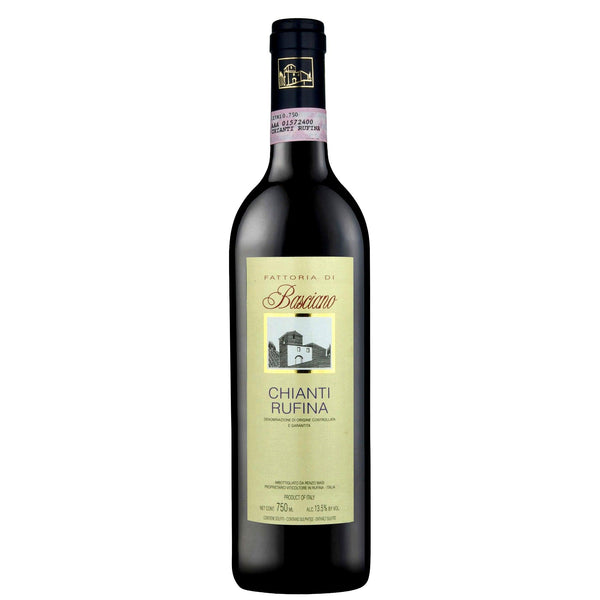
Fattoria di Basciano - Chianti Rufina 2023
A full-bodied Chianti combining complexity and freshness
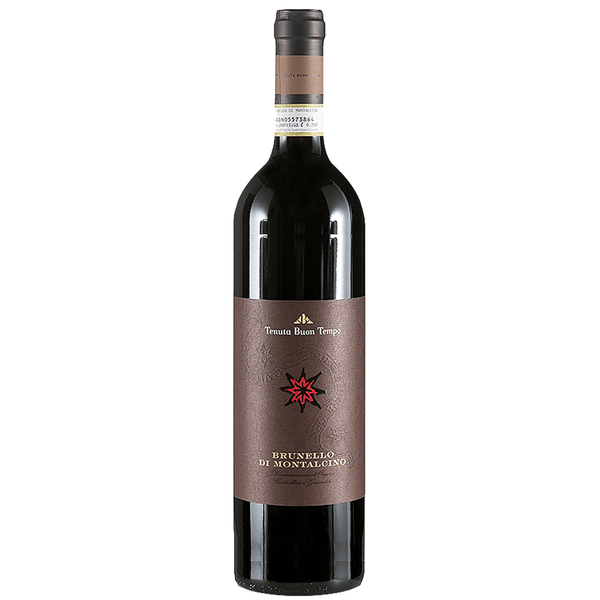
Tenuta Buon Tempo - Brunello di Montalcino 2018
A voluptuous Brunello di Montalcino with a persistent and tasty aromatic imprint.

Tricerchi - Brunello di Montalcino 2018
A fine and elegant Brunello di Montalcino, with a distinguished aromatic imprint
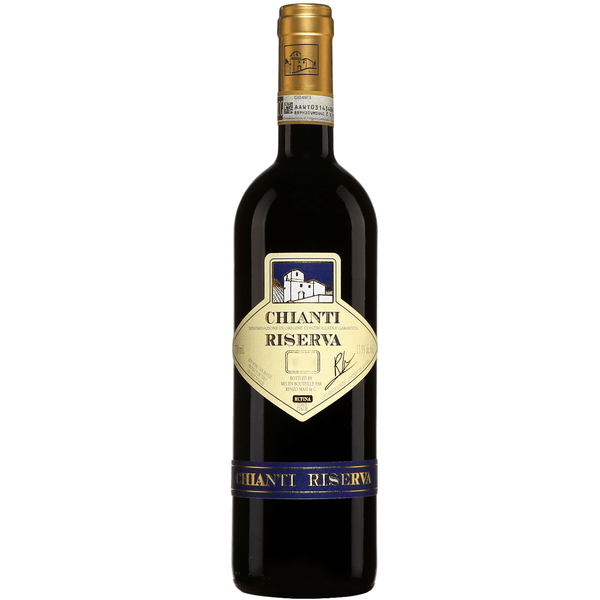
Renzo Masi - Chianti Riserva 2019
A magnificent Chianti with nuances of spices and wild fruits.
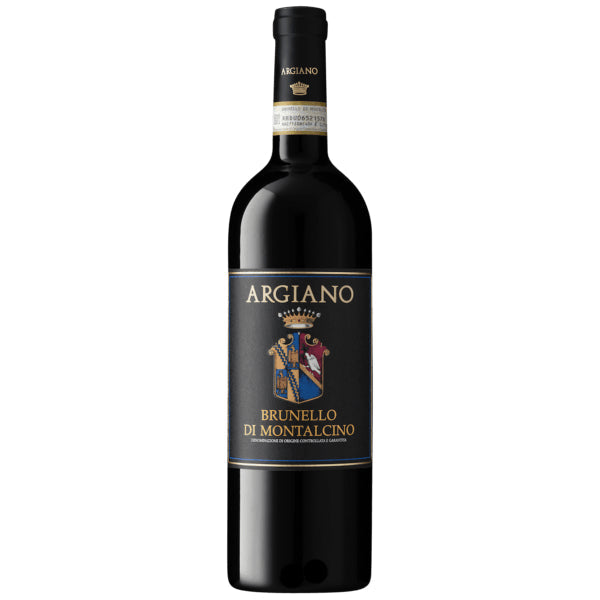
Argiano - Brunello Di Montalcino 2019
Le Sangiovese de Montalcino dans sa robe la plus profonde, cuir et cerise noire.

Rocca Di Frassinello - Poggio Alla Guardia 2023
Un rouge souple et fruité de la Maremme, cerise, épices douces, à boire jeune.

Castello Di Ama - L'Apparita 2019
A high-altitude Tuscan Merlot, combining aromatic depth, velvety texture, and great aging potential.
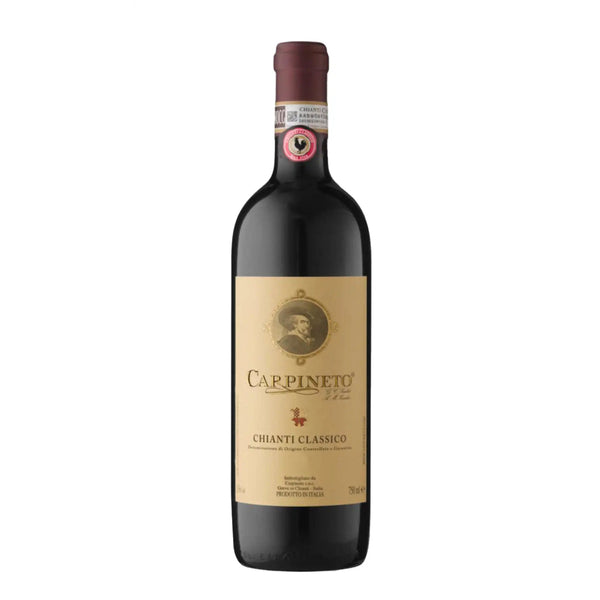
Carpineto - Chianti Classico Riserva 2020
Un Chianti Classico de garde, cerise mûre, cuir et tabac blond.
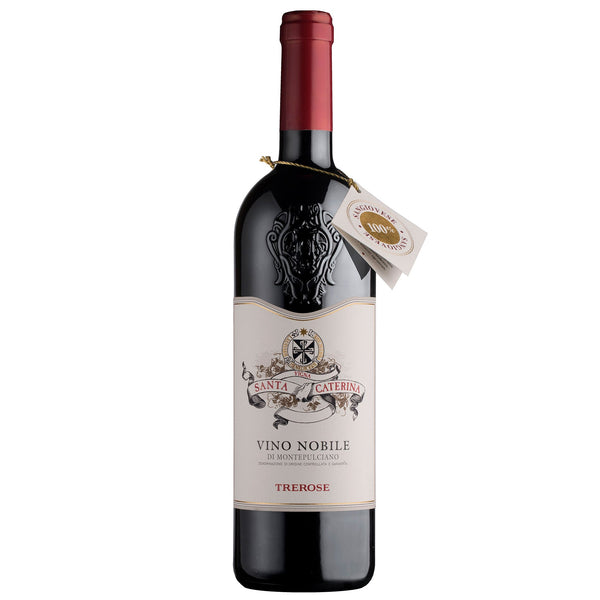
Tenuta Trerose - Vino Nobile di Montepulciano Santa Caterina 2020
Le vino nobile de Montepulciano version Santa Caterina, cerise noire, tabac et cuir.

Le Crocine - 57022 Bolgheri 2019
A Bolgheri red with character, combining ripe fruit, fine tannins and maritime elegance.
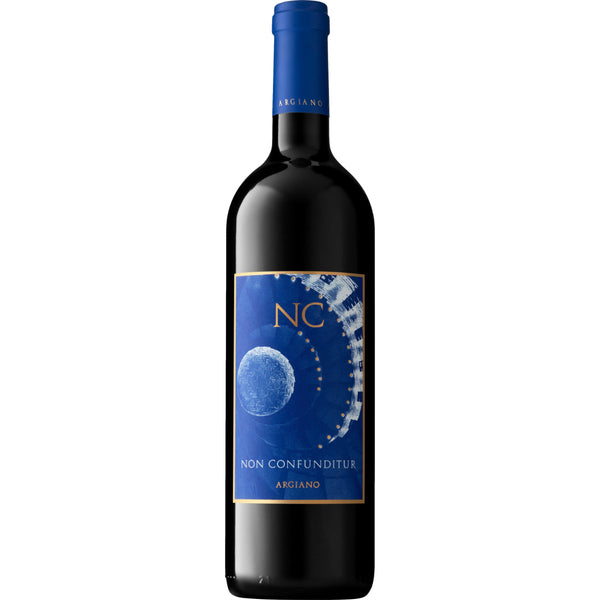
Argiano - Non Confunditur 2023
Quatre cépages, un rouge rond et immédiat, sur la mûre et les épices douces.
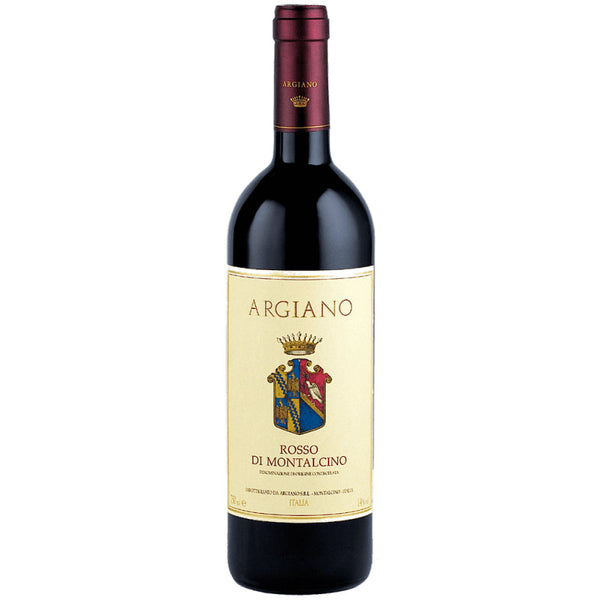
Argiano - Rosso Di Montalcino 2022
Montalcino en version souple et fruitée, à ouvrir sans attendre dix ans.
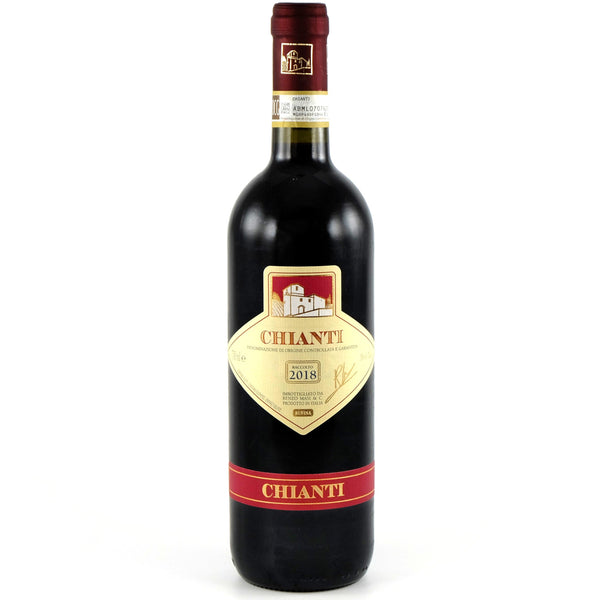
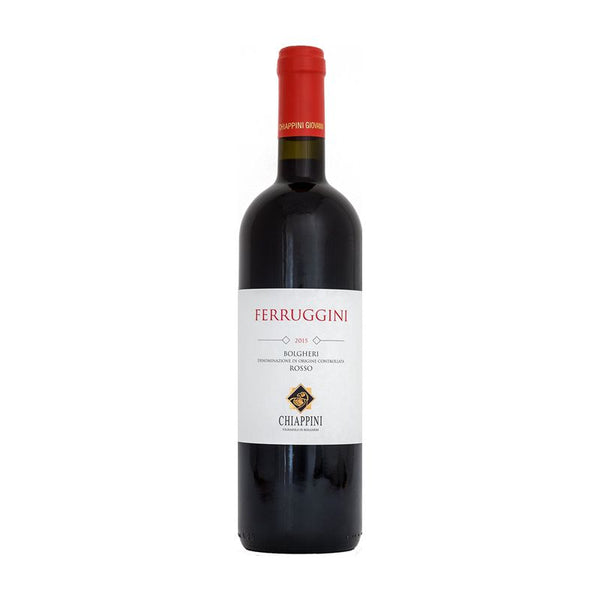
Chiappini - Ferruggini 2022
A gourmet and juicy Tuscan red, which frankly expresses the sunny character of Bolgheri.
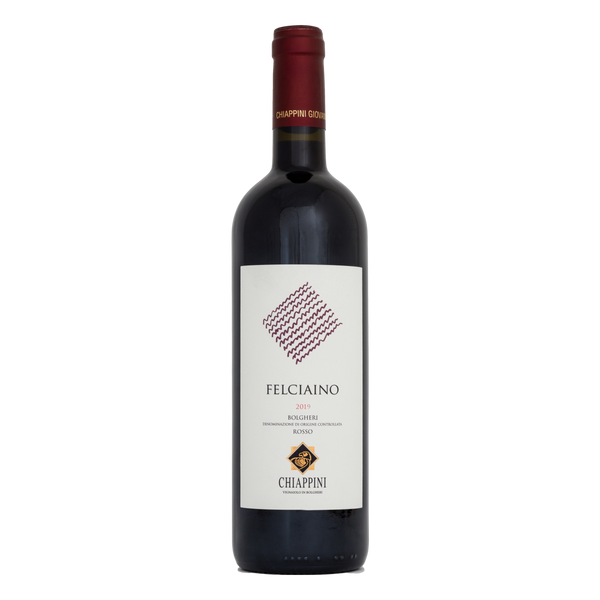
Chiappini - Felciaino 2021
A structured and gourmet Bolgheri red, where the ripeness of the fruit meets the Mediterranean elegance of the coastal terroir.
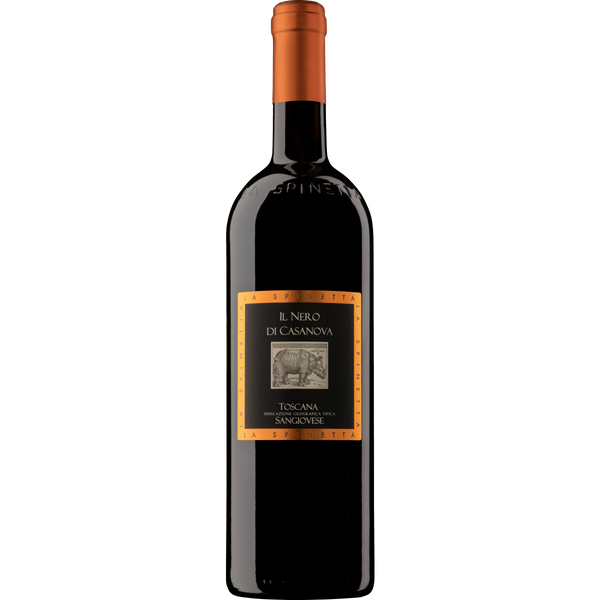
La Spinetta - Il Nero di Casanova 2021
A precise and juicy Tuscan Sangiovese, combining freshness, fine tannins, and aromatic intensity.

Gaja - Ca'Marcanda 2020
A great Tuscan red from the coast, combining depth, elegance and aromatic precision.
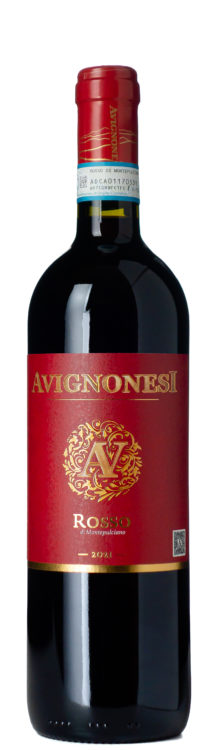
Avignonesi - Rosso di Montepulciano 2022
A juicy and precise Rosso di Montepulciano, which combines the freshness of Sangiovese with great drinkability.
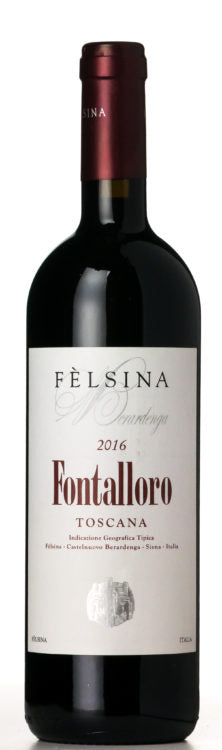
Felsina - Fontalloro Tuscany 2019
A Tuscan Sangiovese with character, where the depth of the fruit meets the elegance of the great terroirs of Fèlsina.

Castello Di Ama - Bellavista Vineyard 2019
A great cru Chianti Classico, combining aromatic depth, terroir precision, and textural elegance.

Pieve Santa Restituta - Sugarille Brunello di Montalcino 2018
A deep and structured Brunello of the terroir, which precisely expresses the singularity of Sugarille.
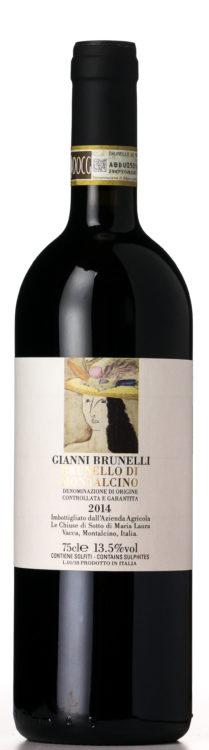
Gianni Brunelli - Brunello di Montalcino 2020
A Brunello of terroir, precise and profound, where the elegance of Sangiovese meets the power of the hills of Montalcino.
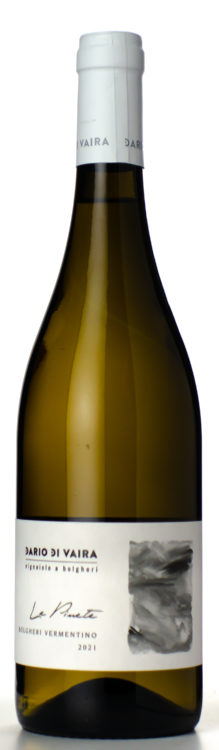
Dario di Vaira - Le Pinete 2023
A refreshing, marine Tuscan white wine, driven by the purity of the fruit and a beautiful saline tension.
What each Tuscan appellation offers in the glass
Sangiovese dominates almost everywhere, but the rules change from one appellation to another: minimum proportion of the grape variety, aging period, size of the area. This is where the difference between an everyday wine and a cellaring wine is played out.
| Denomination | Dominant grape variety | The style | In our cellar |
|---|---|---|---|
| Chianti DOCGCentral Tuscany | Sangiovese, 70% minimum | Cherry, frank acidity, fine tannin. Drinks within three to five years, no preparation needed. | Renzo Masi 2022, €15.50 |
| Chianti Rufina east of Florence | Sangiovese | The smallest of the Chianti sub-zones, and one of the highest. Cool nights, slow maturation, tense wines from limestone marl soil. | Fattoria di Basciano 2023, €18.50 |
| Chianti Riserva a mention, not a zone | Sangiovese | A minimum of two years of aging before sale. More body, a perceptible woodiness, melted tannins. | Renzo Masi Riserva 2019, €24 |
| Brunello di Montalcino DOCGa single municipality | Sangiovese only | Five years before release, including two in wood. Density, ripe tannins, long keeping potential. | Tenuta Buon Tempo 2018, out of stock |
| Bolgheri PDOon the coast | Cabernet and Merlot predominating | The Tuscan exception, born in the 1970s: Bordeaux grape varieties rather than Sangiovese, in a maritime climate. | No vintage in the cellar at the moment |
Chianti Classico, Vino Nobile di Montepulciano and Vernaccia di San Gimignano complete the regional landscape, without being represented here today. Be careful not to confuse Vino Nobile, which is Tuscan and made from Sangiovese, with the Montepulciano grape variety, which comes from Abruzzo.
Chianti or Brunello: What's the Real Difference
Same grape variety, two specifications that have nothing to do with each other. The price difference is not due to prestige: it is due to yield, the size of the area, and especially the years of cellar aging that the estate allows before cashing in.
| Criterion | Chianti | Brunello di Montalcino |
|---|---|---|
| Grape variety | Sangiovese, 70% minimum, supplemented if the winemaker so wishes. | Sangiovese only, no exceptions. |
| Area | A vast area of central Tuscany, divided into sub-zones including Rufina. | The single commune of Montalcino, south of Siena. |
| Before sale | A few months are enough. Two years for the Riserva designation. | Five years, including two in oak barrels. Six years for the Riserva. |
| The style | Fruit-forward, lively acidity, fine tannins. | Denser, ripe tannins, leather and tobacco with age. |
| When to open it | Within three to five years, often right out of the gate. | Ten to twenty years after harvest, taking your time. |
| At our place | Three wines, from €15.50 to €24. | A vintage, the 2018 from Tenuta Buon Tempo, currently out of stock. |
The word Riserva does not have the same value from one appellation to another: two years in Chianti, six in Brunello. It indicates a period of aging, never a level of quality.
A bottle for every desire
Three Tuscan vintages in stock today, then check the neighboring aisles if you're looking for something else.
The weekday Chianti
95% Sangiovese, 5% Colorino, grapes from Rufina. Cherry, raspberry, soft tannins, nothing to prepare.
Renzo Masi Chianti 2022 · €15.50Understanding the Rufina
Manual harvest, twenty days of maceration, twelve months in barrels for part of the wine. Dark fruit, blond tobacco, fresh finish.
Fattoria di Basciano Chianti Rufina 2023 · €18.50For a stew
A riserva produced only in good years, fourteen months in used barrels followed by bottle aging. Velvety, spicy, with melted tannins.
Renzo Masi Chianti Riserva 2019 · €24Tracking Sangiovese
The Tuscan grape variety as found elsewhere in our cellar, beyond the region's borders.
The sangiovese sectionMoving to Piedmont
The other great red region of the country, built on Nebbiolo. Barolo, Barbaresco and Langhe from €16.
Our Piedmontese winesSee all of Italy
Piedmont, Tuscany, Sicily, Apulia, Veneto: the complete Italian range.
Our Italian winesOffer a bottle
Our ready-to-go wine boxes, when the wine is for someone else.
Our wine boxes
Chianti is better than its pizzeria image
The straw-covered flask of the 1970s left its mark. It instilled the idea of a lean, acidic red, only good for washing down pizza. Yields have dropped since then, specifications have been tightened, and Sangiovese has become what it truly is: a grape of acidity and fruit, precise, that ages much better than one might think.
Our selection today is limited to a single producer, Paolo Masi, in Rufina. This is a small selection, and we stand by it: this high-altitude sub-zone to the east of Florence produces taut wines, without excessive oak, where the grape takes precedence over technique. The range will expand when we find better, not just to increase volume.
How do you choose
Regarding freshness. A Sangiovese that has lost its acidity has lost its raison d'être, no matter how dense the fruit.
And regarding the restrained use of wood. A riserva should be judged by its fruit, never by its barrel.
The Wine Wanderer Team
What we're asked about Tuscany
Which grape variety is used in a Chianti?
Sangiovese, at least 70%. The winemaker is free to supplement with other varieties: our Renzo Masi 2022 combines 95% Sangiovese with 5% Colorino, a local grape that adds color.
Chianti or Chianti Classico, what's the difference?
Chianti Classico is the historic zone, between Florence and Siena, with its own specifications and its black rooster on the neckband. Chianti simply covers a much larger area, divided into sub-zones including Rufina. We do not currently have any Classico in the cellar.
What does the Rufina mention on a label indicate?
Rufina is the smallest Chianti sub-zone, located east of Florence, and one of the highest in elevation. The nights there are cooler, the grapes ripen more slowly, and the calcareous marl soil that winemakers call galestro produces wines that are more taut and linear than the appellation's average.
What does "Riserva" mean on a Tuscan wine?
A longer aging period before release, and nothing else. Two years for a Chianti, six for a Brunello di Montalcino. This is not a quality classification: an unlabelled wine can perfectly surpass a riserva from the same estate.
What is Brunello di Montalcino?
A pure Sangiovese wine, produced in the sole commune of Montalcino, south of Siena. The specifications require five years before release, including two in wood, which explains its price and aging potential. Our vintage, the 2018 Tenuta Buon Tempo, is currently out of stock.
And what about Bolgheri, those Tuscan wines made from Bordeaux grape varieties?
Bolgheri is an appellation on the Tuscan coast, established in the 1970s around Cabernet Sauvignon, Merlot, and Cabernet Franc. These wines were initially sold as simple table wine, due to a lack of suitable appellation, hence the nickname "Super Tuscans." We do not offer any at the moment.
Should you decant a Chianti, and for how long should you keep it?
Half an hour in a decanter is enough for a young Chianti, an hour for a Riserva. As for aging, count on three to five years for a Chianti, eight to ten for a Riserva, and fifteen to twenty for a Brunello. Serve around 16 to 17 °C, never higher.
What to serve with a Tuscan wine?
The acidity of Sangiovese calls for fat and grilled dishes: beef, lamb, game, grilled vegetables and aged pecorino. Entry-level Chianti also pairs very well with simple cuisine, including tomato and herbs.