
Sparkling wine: from Prosecco to Champagne
23 bottles, from €9.90A bubble says nothing about the quality of a wine. What matters is the method that produced it: fermentation in the bottle, in closed vats, or stopped by cold. Each produces a different wine, price, and use.
The cellar covers all three, from Veneto prosecco to Premier Cru champagne, including Burgundy crémants and a South African Cap Classique. The methods table explains what sets them apart.
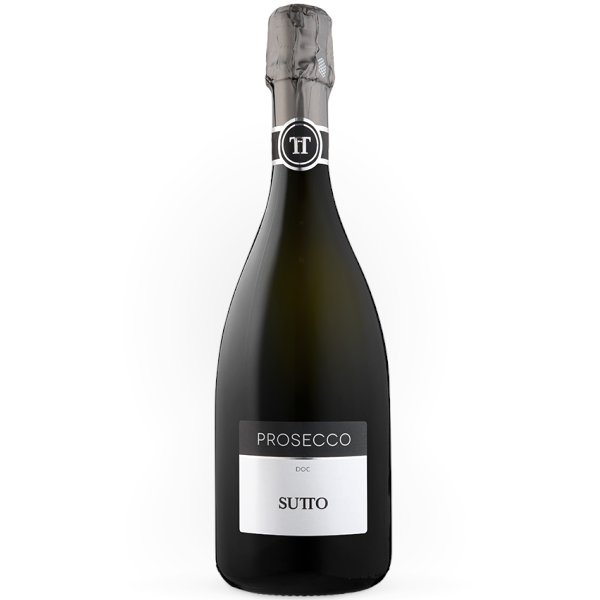
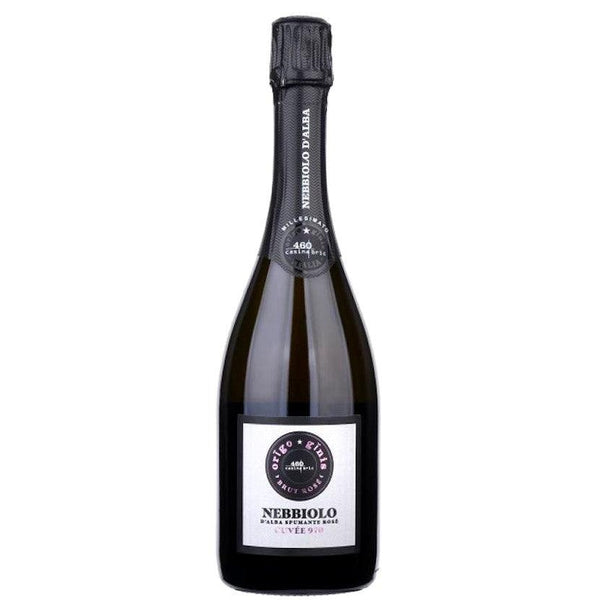
460 Casina Bric - Nebbiolo d'Alba Sparkling Wine "Cuvée 970" Brut Rosé 2021
A fine and elegant sparkling wine based on Nebbiolo
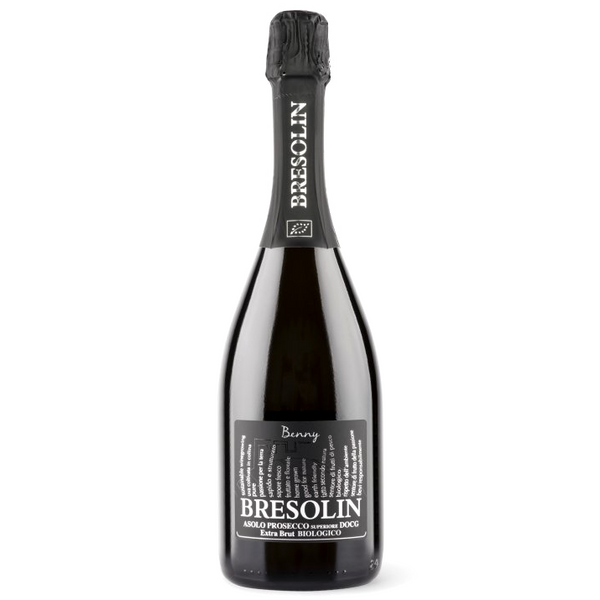
Bresolin - Asolo Prosecco Extra Brut
An organic Prosecco from the smallest regional appellation
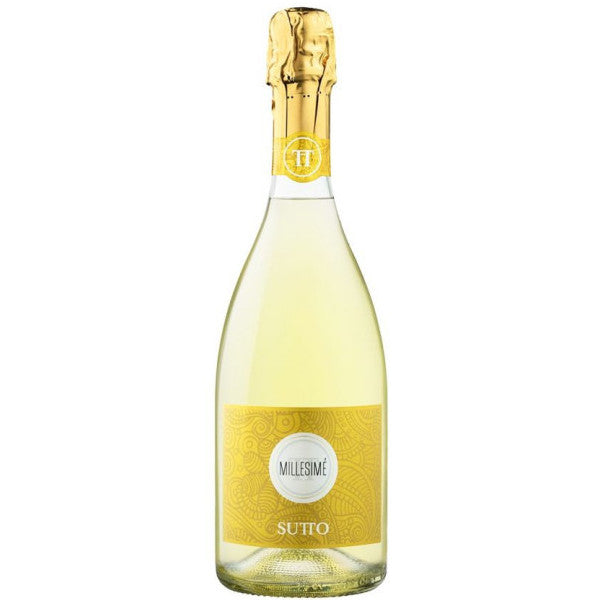
Sutto - Prosecco Spumante Extra Dry Vintage
A perfect companion for summer aperitifs or for making Spritz!
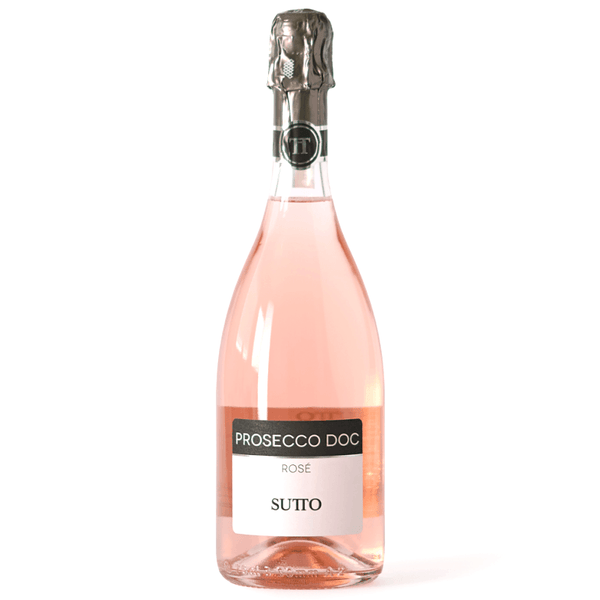
Sutto - Prosecco Brut Rosé Vintage 2021
A vintage rosé Prosecco made from Pinot noir and Glera
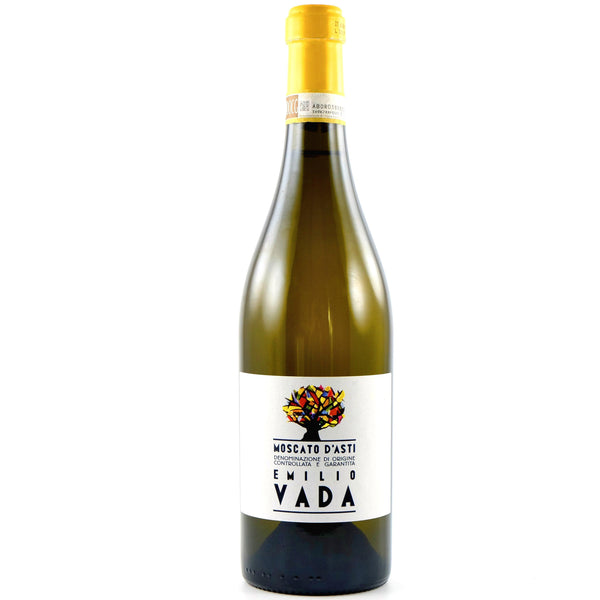
Emilio Vada - Moscato d'Asti 2025
Both fresh and explosive on the palate, this sparkling wine offers a mellow and refreshing effervescence, a real treat!
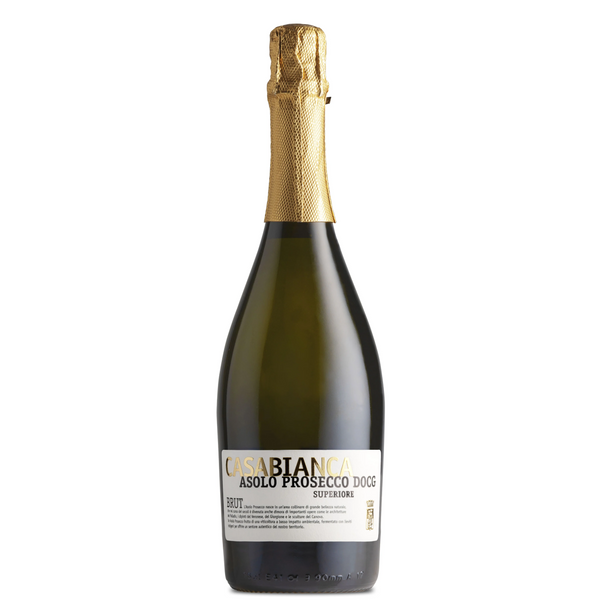
Loredan Gasparini - Casabianca Asolo Prosecco Brut
A Prosecco overflowing with fruit, fine and elegant.
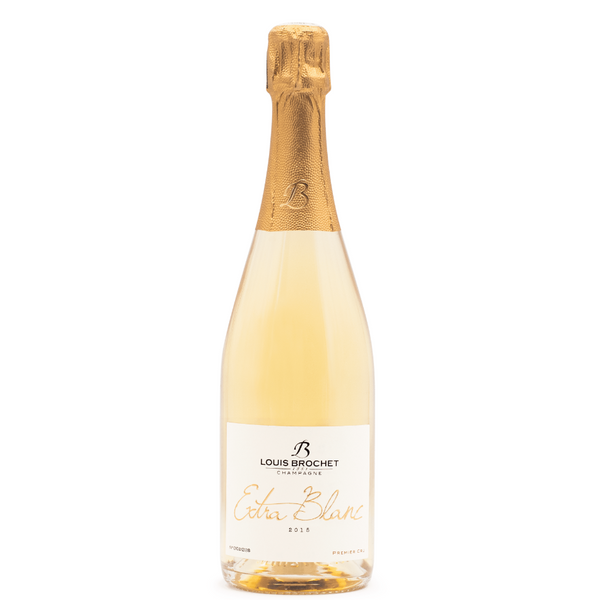
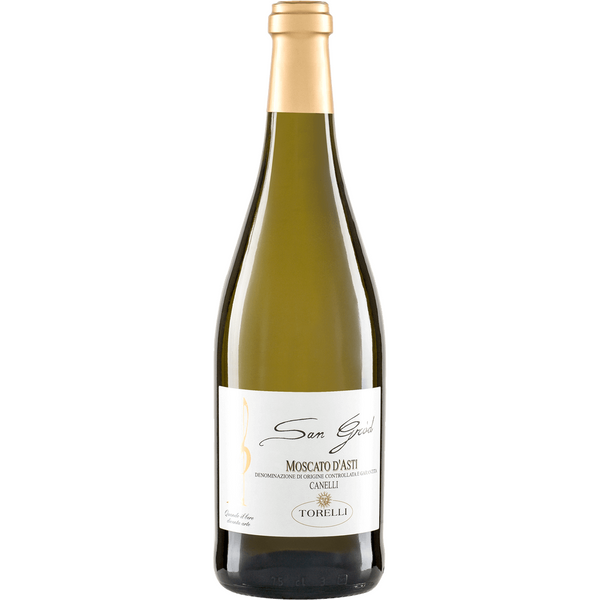
Torelli - Moscato d'Asti "San Gròd" 2023
A fresh, delicious Moscato d'Asti from organically grown vineyards
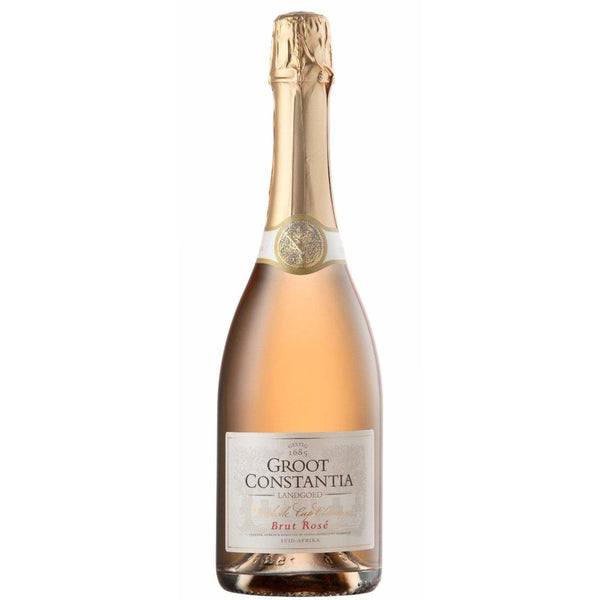
Groot Constantia - Cap Classique Brut
A sparkling wine from the Cape using the Champagne method, with exotic and brioche notes
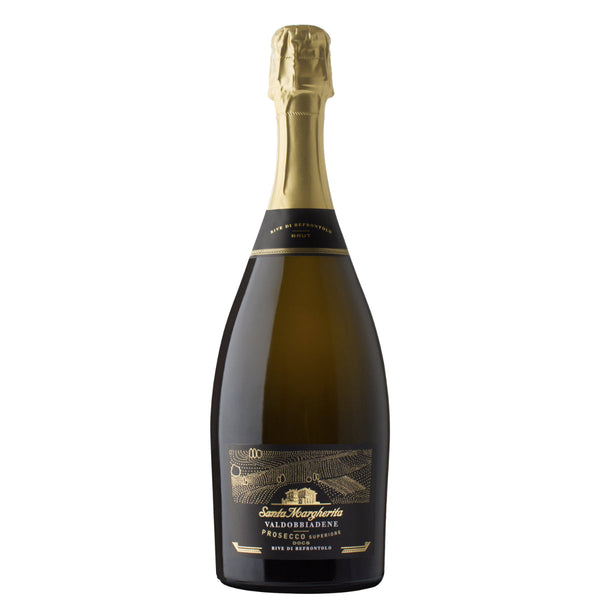
Santa Margherita - Prosecco Rive di Refrontolo Extra-Brut Superiore DOCG 2021
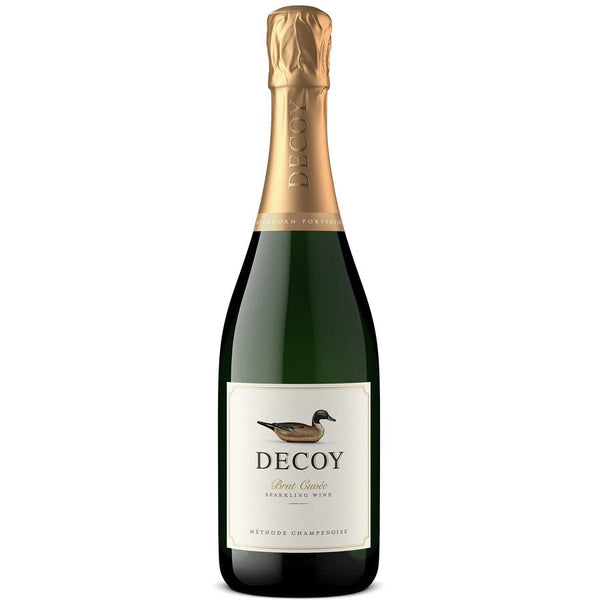
Decoy - Sparkling Cuvée Brut
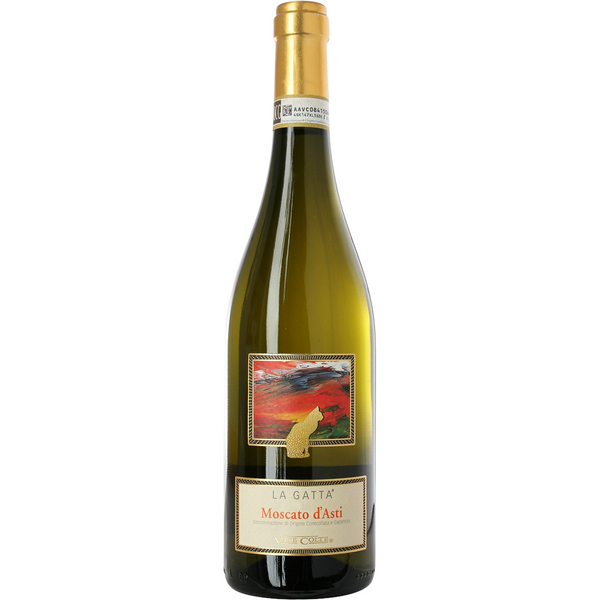
Vite Colte - Moscato d'Asti "La Gatta" 2024
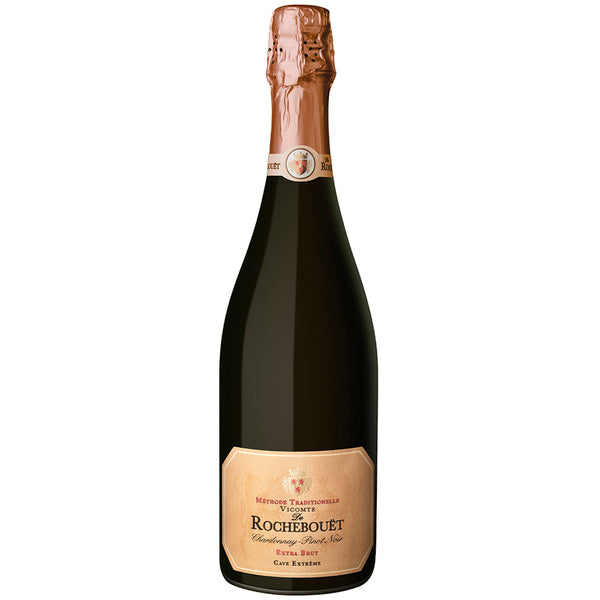
Atamisque - Viscount of Rochebouet Extra Brut
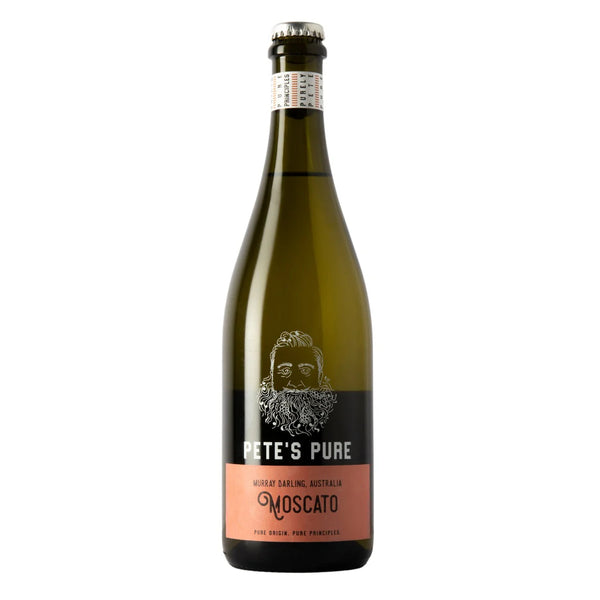
Pete's Pure - Moscato
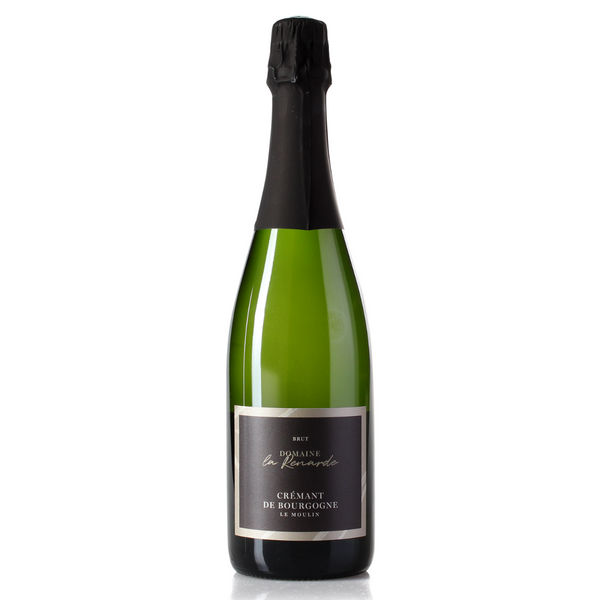
Domaine la Renarde - Brut Burgundy Creamery
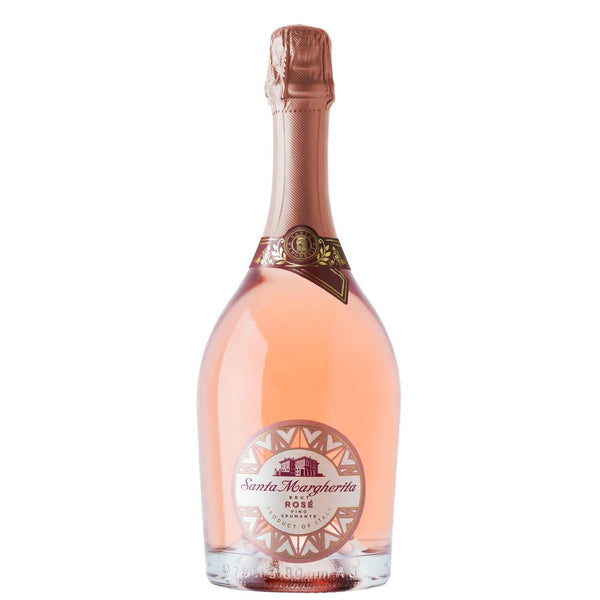
Santa Margherita - Sparkling Rosé
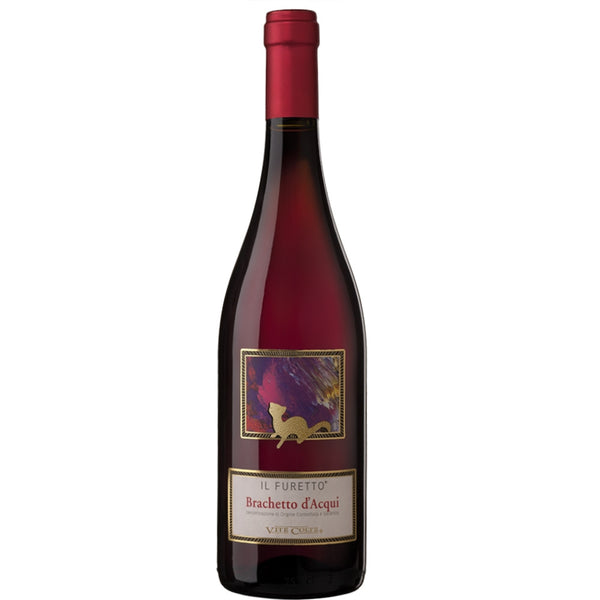
Vite Colte - Brachetto d'Acqui "Il Furetto"
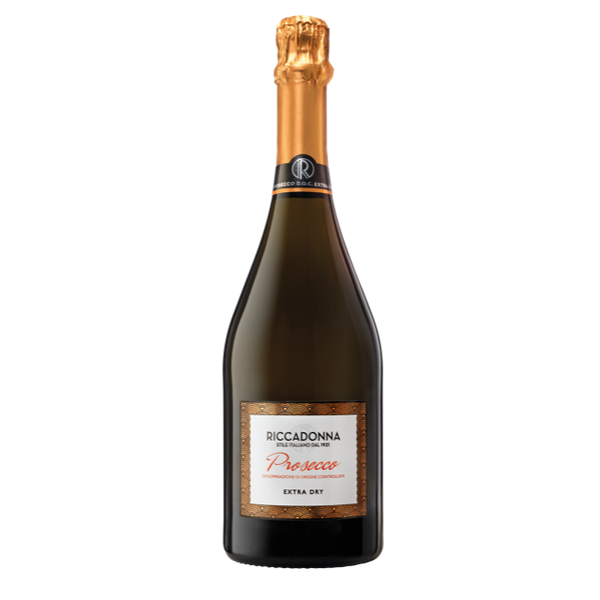
Riccadonna - Prosecco Extra Dry DOC
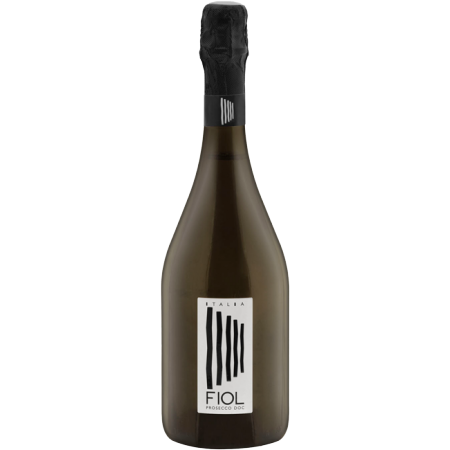
Fiol - Extra Dry Prosecco
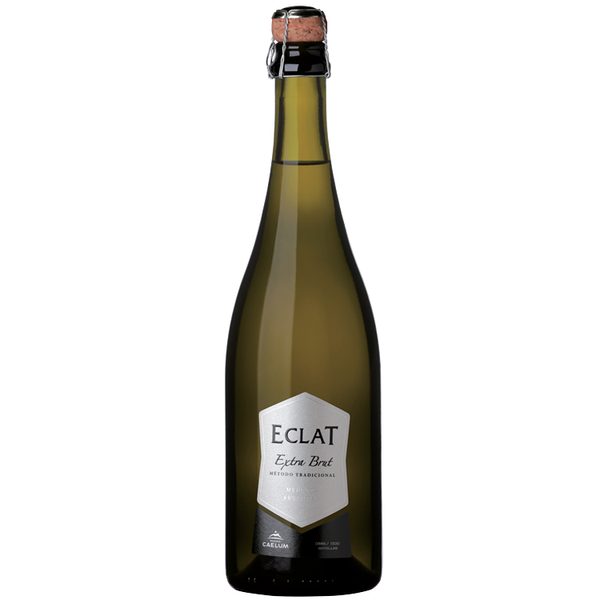
Caelum - Eclat Extra Brut 2017
A refined high-altitude sparkling wine, combining freshness, complexity and elegance in an ethereal harmony
Six entries on the shelf
Each leads directly to your selection, with filters already applied.
Prosecco
Second fermentation in closed tanks, Glera from Veneto. Direct fruit, light bubbles, this is the entry-level sparkling wine and the easiest to serve.
Valdobbiadene and AsoloChampagne
Second fermentation in the bottle and a minimum of fifteen months on lees. Fine bubbles, brioche notes, enough body to accompany a meal.
Grower's premier cru winesSparkling wines
The Champagne method, applied outside of Champagne. The best value for money in the entire department.
Crémants de BourgogneSparkling rosés
More red fruit and more body than the whites. They work well as an aperitif and then hold their own at the table.
From rosé Prosecco to NebbioloStay under €20
The section starts at €9.90, and most bottles are below that price point. This is where prosecco and crémant are unbeatable.
The majority of the radiusSweet treats
Moscato d'Asti and Brachetto d'Acqui, sweet and low-alcohol, made for dessert. They join our other sweet wines, sparkling or still.
Piedmont, 5 to 7 degrees
Three ways to make the bubble rise
This is the only distinction that really matters before buying: it explains the taste, the price, and the best time to serve the bottle.
| Method | How the bubble forms | What it looks like in the glass | In our cellar |
|---|---|---|---|
| Traditional methodalso known as the traditional method | A second fermentation takes place in the bottle itself, then the wine rests for months on its lees. A champagne waits a minimum of fifteen months. | Fine and persistent bubbles, brioche and toasted bread notes, full-bodied wine with substance. | Premier Cru Champagnes, Crémants de Bourgogne, Méthode Cap Classique from South Africa |
| Closed tankso-called Charmat method | Secondary fermentation takes place in closed stainless steel tanks for only a few weeks before bottling under pressure. | White flower, pear, very direct fruit. Lighter bubbles, wine to be drunk young without waiting. | Proseccos from Veneto, Valdobbiadene, and Asolo |
| Asti Methoda single fermentation | The unique fermentation is stopped by the cold before it has consumed all the grape sugar, which therefore remains in the wine. | Natural sugar, highly aromatic Muscat, and an alcohol content often below 7%. | Moscato d'Asti and Brachetto d'Acqui, both from Piedmont |
The price follows the method: bottle fermentation immobilizes the wine for months, while closed tank fermentation takes a few weeks.
What bubbles for what dish?
A sparkling wine can last an entire meal, not just the aperitif: it cleanses the palate and stimulates the appetite where many white wines fall short.
| The dish | The required profile | The grape variety | Why it works |
|---|---|---|---|
| Appetizer, gougères, almonds | Brut or extra-dry, light | Glera | The fizz sharpens the appetite, and the fruit remains discreet enough not to overpower what it's served with. |
| Oysters, seafood | Extra-brut, very low dosage | Chardonnay | A minimal dosage allows the iodine to express itself, where sugar would mask it. |
| Frying, tempura, chips | Gross | Glera | The bubbles and acidity cleanse the palate with each sip, resetting it. |
| Roast poultry, cream-based dishes | Wine-like, traditional method | Pinot Noir | You need substance to hold a sauce. A bubble from a closed tank would be swallowed by the dish. |
| Sushi, raw fish | White from whites | Chardonnay | Delicate flesh requires finesse rather than power, and acidity responds to the rice vinegar. |
| Fruit tart, panna cotta | Sweet, low in alcohol | Moscato, Brachetto | The wine must be at least as sweet as the dessert, otherwise it will seem sour and thin in comparison. |
| Soft cheese | Gross, lively | Chardonnay, Pinot Noir | Acidity cuts through fattiness, whereas a tannic red would become cloying and harsh. |
Each bottle's pairings are also listed on its page, and the dish filter includes them in the grid.
A well-made sparkling wine at €15 is better than a prestigious label on sale.
Bubbles are not an ornament: they are an aromatic vehicle and a palate cleanser. What we look for in a glass is its finesse and the balance between acidity and dosage. An over-dosed sparkling wine masks everything; a sparkling wine without substance is just an acidic, fizzy wine.
Our section leans heavily towards Italy and is committed to starting under ten euros. A producer's Valdobbiadene, from a house that owns its vineyards, provides more pleasure at the table than a major brand discounted at the same price. The two champagnes we keep are there because they come from a grower, not because we had to tick a box.
Three mistakes we see all the time
Saving it for special occasions. A dry sparkling wine can accompany an entire meal, from seafood platters to roasted poultry.
The flute. Too narrow, it concentrates the gas and smothers the aromas. An ordinary white wine glass reveals the bottle much better.
Serving it at 4°C. Too cold, the bubbles become aggressive and the wine mute. Aim for 8 to 10°C, a little more for a champagne that has matured for a long time.
The Wine Maverick team
What we're being asked about bubbles
What is the difference between Champagne and Crémant?
The region, not the method. Both are born from a second fermentation in the bottle. Champagne comes from Champagne and rests for at least fifteen months on its lees; Crémant comes from another French appellation, Burgundy in our cellar, with a shorter resting period. For the same producer quality, Crémant costs two to three times less.
Prosecco or champagne, which to choose?
It depends on the occasion. Prosecco is made in stainless steel tanks: fruity, light, unbeatable as an aperitif and under twenty euros. Champagne is made in the bottle: more vinous, more complex, it has the body to accompany a meal. These are not two levels of quality, they are two different uses.
What do Brut, Extra-Brut, and Demi-Sec mean?
This is the dosage, the amount of sugar added before the final corking. Brut Nature: less than 3 g/l, no added sugar. Extra-Brut: up to 6 g/l. Brut: up to 12 g/l. Extra-Dry: from 12 to 17 g/l, therefore sweeter than Brut despite its misleading name. Sec (Dry): from 17 to 32 g/l. Demi-Sec (Medium Dry): from 32 to 50 g/l.
What is the Cap Classique Method?
It is the South African name for the traditional method: second fermentation in the bottle and aging on lees, exactly like in Champagne. The appellation has been protected since 1992. Our bottle comes from Groot Constantia, one of the oldest estates in the country, in the Cape Winelands.
Which sparkling wine should I serve for dessert?
A Moscato d'Asti or a Brachetto d'Acqui, both from Piedmont. Their sugar is natural, stopped by cold during fermentation, and their alcohol content often falls below 7%. Simple rule: the wine must be at least as sweet as the dessert, otherwise it will seem acidic by comparison.
How much does a good sparkling wine cost?
The selection starts at €9.90, with most bottles remaining under twenty euros. Between €13 and €17, a Valdobbiadene prosecco or a grower's Burgundy Crémant already offer great value. Beyond thirty euros, you enter the realm of Premier Cru champagnes and long-aged cuvées.
At what temperature should I serve sparkling wine?
Between 8 and 10°C, a little more for a long-aged champagne. Too cold, the bubbles become sharp and the aromas close off. Allow three hours in the refrigerator, or twenty minutes in a bucket filled with water and ice, which cools much faster than ice alone.
Should sparkling wine be served in a flute?
Preferably in a white wine glass. The flute was designed to showcase the string of bubbles, not to reveal the aromas: it is too narrow for the wine to express itself. The only glass to truly avoid is the coupe, which allows the gas and aroma to escape within minutes.
How long does an opened bottle keep?
Twenty-four to forty-eight hours with a clip-on stopper, in the refrigerator. The spoon in the neck is a myth; it doesn't preserve anything at all. A bottle that has lost its fizz can still be used in cooking, in a risotto or a sauce.
Should sparkling wines be stored in a cellar?
It depends on the method. Prosecco and Moscato d'A'sti should be drunk within a year, as their appeal lies in their fruitiness, which fades over time. Champagne and traditional method Crémant can be kept for several years and will develop brioche notes. Store bottles on their side, away from light, between 10 and 12 °C.