
Cinsault: the light red you serve cool
12 bottles, from the old vines of the Swartland to the ungrafted vines of ItataA red with little tannin, drunk cool and leaving the palate clean: that is what you come looking for here. Long confined to rosé and to the bulk volumes of the south of France, this grape has been coming back over the past ten years as a single-variety cuvée, carried by growers who aim for freshness rather than power.
The world tour begins at the Cape, on the old bush vines of Swartland and the Atlantic coast, passes through Chile's Itata valley and its ungrafted vines, then stops in Lebanon, where it holds its place in the great blends of the Bekaa.

Bondar - Junto 2021
A luminous, juicy and delicately spiced McLaren Vale red. The fresh expression of a Mediterranean blend.

De Martino - Viejas Tinajas 2021
A pure and digestible Chilean Cinsault, aged in amphorae, highlighting the freshness and authenticity of the Itata Valley.
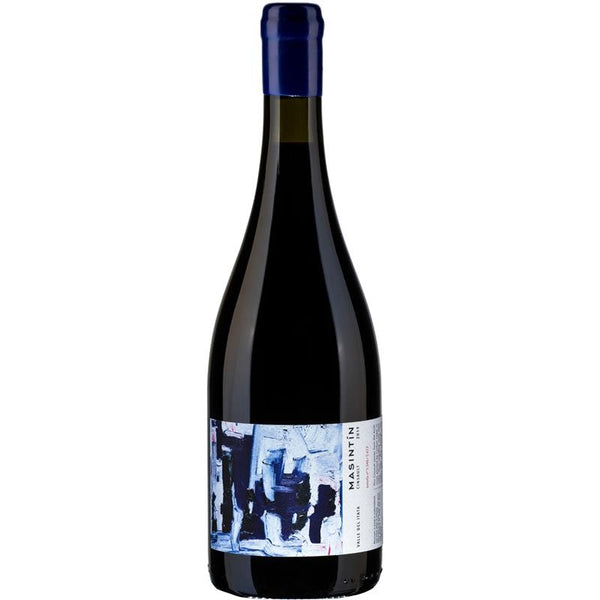
Masintin - Cinsault Los Castanos 2020
A juicy and digestible Chilean Cinsault, carried by the freshness of Itata and old varietal vines.
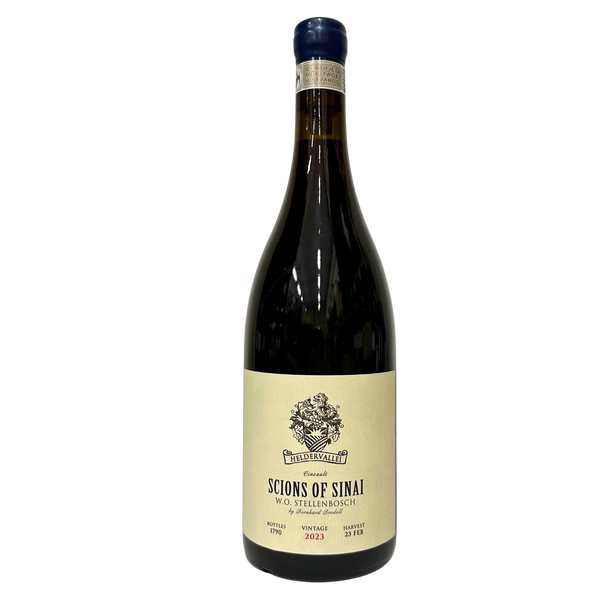
Scions of Sinai - Cinsault Heldervallei 2023
A juicy and precise South African Cinsault, which highlights the granitic finesse of the Helderberg.
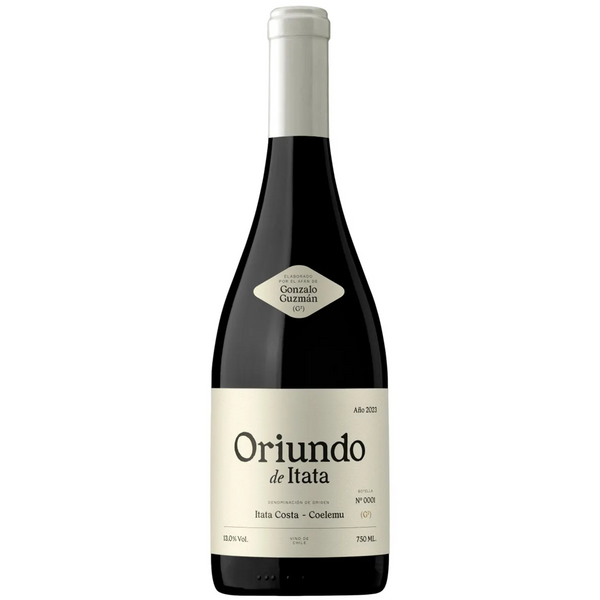
Gonzalo Guzmán - Cinsault Oriundo de Itata 2023
A juicy and vibrant Cinsault, reflecting the terroir of Itata

Fuerza Natural - Cinsault 2021
A fresh and vibrant Cinsault, from century-old vines in southern Chile
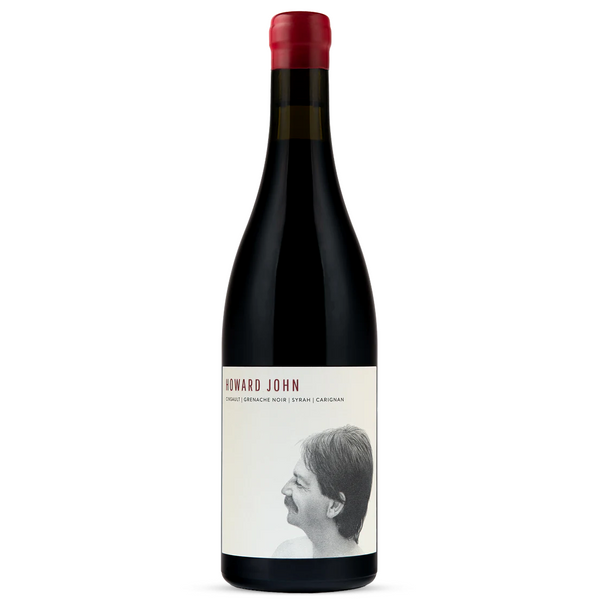
Lourens Family Wines - Howard John 2023
A fine and precise red blend, from Swartland vines

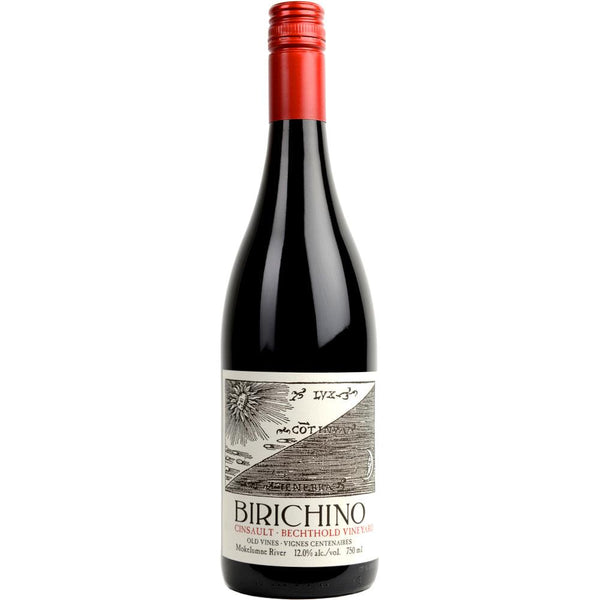
Birichino - Bechthold Cinsault 2023
A red with captivating aromas from old Cinsault vines over 130 years old!
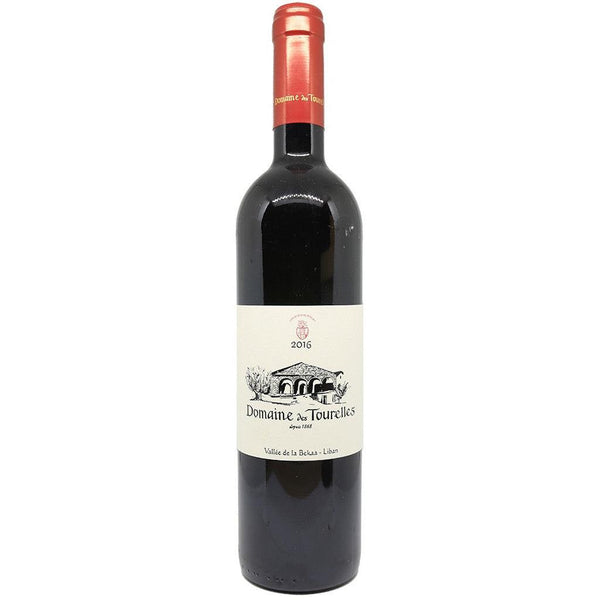
Domaine des Tourelles - Rouge 2022
A high-altitude red of great character, coming from one of the founding areas of Lebanese viticulture.

Dorrance - Rouge Cinsault 2023
A 100% naturally fermented Cinsault, straight and pure with fruit and spices!
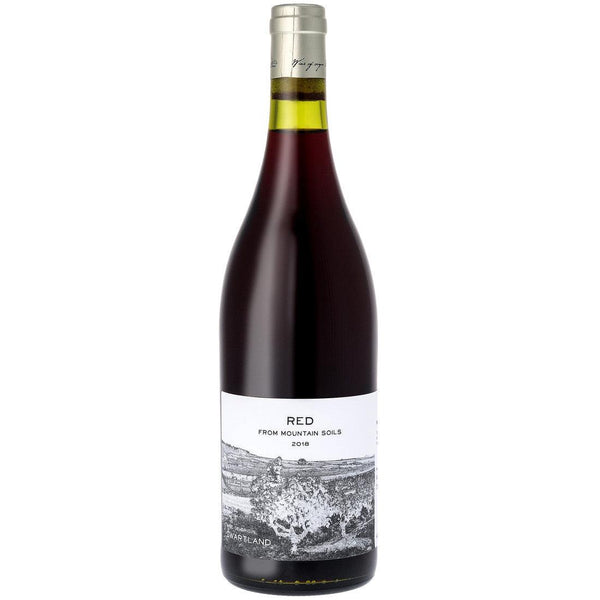
David & Nadia - Red From Mountain Soils 2019
A duo between Cinsault and Grenache with a spicy and juicy profile
The great terroirs of Cinsault
This grape variety likes dry heat, fears rich soils and improves on old bush-trained vines, where the crop limits itself. Everywhere, it is the poor soil and the cool wind that make the difference in the glass.
| Country and region | Vines and soil | The style in the glass | A wine from the section |
|---|---|---|---|
| Languedoc and ProvenceFrance, the grape's birthplace | Bush vines on plains and slopes, pebbles, limestone and garrigue | Light red fruit, supple palate, the backbone of rosés | French winesThe country's section |
| SwartlandSouth Africa, around the Paardeberg | Old dry-farmed bush vines, decomposed granite and schist | Crushed strawberry, mild pepper, a smooth texture, restrained alcohol | Dorrance Rouge Cinsault€15.50 per bottle, sold individually |
| Helderberg and StellenboschSouth Africa, False Bay side | Slopes of decomposed granite and clay sand, ocean breeze | Crunchy cherry, a floral note, a saline line and fine tannin | Scions of Sinai Cinsault Heldervallei€42 per bottle, sold individually |
| Darling and the Atlantic coastSouth Africa, vines planted in the nineteen-fifties | Deep sands over granite, constant offshore wind, stocky vines | Cranberry, fresh plum, a taut length, modest alcohol | South African winesThe country's section |
| Itata ValleyChile, Guarilihue and Coelemu sectors | Ungrafted vines, some a century old, poor granite, the Pacific close by | Raspberry, redcurrant, lively acidity, a slender silhouette | Fuerza Natural Cinsault€21.60 per bottle, sold individually |
| Bekaa Valley, Lebanon | High-altitude plateau, stony soils, dry summers and cool nights | Blending grape, black cherry, sweet spices, integrated tannin | Domaine des Tourelles Rouge€15.50 per bottle, sold individually |
| Lodi, CaliforniaUnited States, plot planted in 1886 | Ungrafted vines on deep sand, among the oldest in the world | Rose petal, hibiscus, redcurrant, an airy, fragrant texture | Birichino Bechthold Cinsault€48 per bottle, sold individually |
The Cape supplies the heart of this page: Swartland for the bush vines of the dry plains, Stellenbosch for the slopes of the Helderberg. Chilean wines then take over in a tauter register, and the kinship with Grenache can be read in most of the blends.
Serving temperature and food pairings
Freshness is the key to the pleasure here: a few degrees less tightens the fruit, lightens the palate and brings out the saline finish. A quarter of an hour in the fridge is enough for a bottle that has been sitting in a warm room.
| The time | Temperature | The dish that answers it |
|---|---|---|
| Aperitif and sharing board | 12 °C, the bottle in the fridge for a quarter of an hour | Dry-cured charcuterie, olives, tapenade, fresh goat's cheese |
| Grilled seafood | 12 to 13 °C | Seared tuna, griddled sardines, grilled octopus |
| Southern cooking | 13 °C | Confit tomatoes, grilled peppers, roasted aubergines, hummus |
| Poultry and white meats | 13 to 14 °C | Roast chicken with thyme, herbed pork, rabbit with mustard |
| Sweet spices | 13 °C | Lamb tagine with apricots, merguez, vegetable curry |
| Young cheeses | 14 °C | Fresh tomme, Saint-Nectaire, Pyrenean sheep's cheese |
| Blend for ageing, decanted | 15 to 16 °C, an hour of aeration | Rib of beef, slow-cooked shoulder of lamb, game birds |
Blends ask for a notch more: serve the Domaine des Tourelles Rouge, €15.50 a bottle, at around 15 °C, and decant The Sadie Family's Columella, €136 a bottle. The other reds to serve chilled are gathered in our light reds.
A bottle for every mood
From the first benchmark under sixteen euros to vines planted in 1886.
Discovering the grape variety for under €16
Swartland grapes fermented in whole bunches, aged in stainless steel and old barrels. The most direct glass for grasping this fresh, peppery style.
Dorrance Rouge Cinsault 2023 · €15.50 per bottle, sold individuallyA duo with Grenache
A majority of Cinsault rounded out with Grenache, on the mountain soils of the Paardeberg. A spicy, juicy profile, to serve at around 13 °C.
David & Nadia Red From Mountain Soils 2019 · €16.50 per bottle, sold individuallyTasting vines planted in 1915
Granite hillsides of Guarilihue, semi-carbonic maceration and eight months in amphora. The oceanic tension of the Itata in its purest version.
Fuerza Natural Cinsault 2021 · €21.60 per bottle, sold individuallyThe Chilean take on crunchy fruit
Old vines from Coelemu, a quarter whole bunches, ageing split between used barrels and stainless steel. Fresh raspberry and a mouth-watering finish.
Gonzalo Guzmán Cinsault Oriundo de Itata 2023 · €28.80 per bottle, sold individuallyAged in clay jars
Spontaneous fermentation in buried tinajas, long maceration on the skins. A rare chalky texture, to open alongside slow-cooked dishes.
De Martino Viejas Tinajas 2021 · €30.60 per bottle, by the case of 6A Swartland blend for the table
Grenache, Cinsault and Syrah from dry-farmed bush vines. Fine, precise, cut out for a Sunday roast.
Lourens Family Wines Howard John 2023 · €35 per bottle, sold individuallyThe floral side of the Helderberg
Old vines near Stellenbosch, native yeasts, very gentle extractions. Crunchy cherry and a saline thread, for a light celebration meal.
Scions of Sinai Cinsault Heldervallei 2023 · €42 per bottle, sold individuallyThe oldest vines of the grape variety
A Californian plot planted in 1886, ungrafted, aged ten months in neutral barriques. Rose petal, redcurrant, ultra-fine tannins.
Birichino Bechthold Cinsault 2023 · €48 per bottle, sold individually
How a rosé grape became a red for the table
For fifty years, this grape variety served above all as raw material: high yields in the Midi, thirst-quenching rosés, a top-up in blends. Its thin skin and juicy pulp gave an easy, anonymous juice. The turnaround came from the taste of wine lovers, who went in search of digestible reds, drinkable cool, with discreet tannin. Growers then looked at their own plots: very old bush vines, on poor soils that limit the crop by themselves.
The Cape showed the way. In 1925, Abraham Perold crossed this grape with Pinot Noir and obtained Pinotage, which became the country's signature. The parent long stayed in the shadow of its child, before the Swartland new wave made it a cuvée in its own right.
How do you choose
We taste every cuvée before listing it, and two points matter on this grape variety: the crunch of the fruit on the attack and the lightness of the tannin on the finish. A heavily extracted wine, marked by new wood, does not make the cut, even with a fine hillside behind it. The age of the vines comes next, then the alcohol, which we like kept to around 13%.
The Wine Wanderer Team
What we are asked about Cinsault
Cinsault or cinsaut, and what other names from one country to the next?
The two spellings designate the same grape, with or without the final l, and South African labels readily use cinsaut. At the Cape, the variety long went by the name hermitage, which explains that of Pinotage. In Chile, the old plots of the Itata sometimes call it cargadora. In Puglia, it answers to the name ottavianello.
What distinguishes a South African Cinsault from a Chilean one?
The South African, born on decomposed granite and ripened under a frank sun, rests on crushed strawberry, plum and a touch of spice, with a round palate. The Chilean from the Itata grows closer to the Pacific, on ungrafted vines: the fruit moves towards raspberry and redcurrant, the acidity gains in vivacity, the silhouette slims down. A pair of bottles is enough to grasp the gap.
Why are some bottles sold in packs or by the case?
The estates we follow ship their cuvées in full cases, and keeping that packaging makes it possible to hold the price as tight as possible. The price shown is always the bottle price, with the sales format right beside it. Many cuvées are still available singly, such as the Dorrance Rouge Cinsault at €15.50 a bottle.
At what temperature should it be served?
Count on 12 to 14 °C, cooler than for an ordinary red. A quarter of an hour in the fridge is enough for a bottle taken from a room at normal temperature. The coolness tightens the fruit and lightens the palate; beyond 16 °C, the alcohol takes over and the charm of the grape variety fades. The blends for keeping will take a degree or two more.
Is Cinsault really the parent of Pinotage?
Yes. In 1925, Professor Abraham Perold crossed Pinot Noir with Cinsault, then called hermitage at the Cape: hence the word Pinotage, a contraction of the two names. The crossing aimed at the hardiness of the second parent and the finesse of the first. Pinotage became the South African signature, and its parent is now taking back a place of its own.
How long does a bottle last?
Most of these reds are drunk in their first five years, while the fruit dominates. The old-vine cuvées, aged in large oak vats (foudres) or in amphora, will happily hold eight to ten years and take on notes of undergrowth and leather. The great blends of the Swartland and the Bekaa pass the decade. A cool, dark cellar is enough.
Which dishes suit it best?
Everything that comes from the South suits it: confit tomatoes, grilled peppers, roasted aubergines, tapenade. It stands up to oily fish, seared tuna or sardines on the plancha, where a tannic red would get in the way. It also goes with roast poultry, lamb with herbs and the sweet spices of a tagine. Served cool, it works wonders with a charcuterie board.
Does this grape variety also give rosés?
That is even its historic use: in Provence and the Languedoc it forms the backbone of many rosés, to which it brings roundness and the perfume of small red fruits. The red version as a cuvée on its own is more recent, carried by old vines and gentle extractions. The rosé wine range shows its other face.
Which bottle should I start with?
Start with a Swartland Cinsault at around €15 to set the marker for ripe fruit, then a Chilean Itata at around €20 to feel the oceanic tension: those two glasses are enough to understand the grape variety. The South African wines range then extends the tasting towards Chenin and Pinotage.