
Grenache, Garnacha, Cannonau: a single grape variety
64 bottles, from Priorat Garnacha to Swartland GrenacheA generous red, packed with ripe red fruit and sweet spice, whose tannins stay supple and whose palate is round: that is what people come looking for here. This grape ripens late, builds up plenty of sugar and therefore alcohol, and carries a thin skin that leaves little tannin, hence that velvety flesh you recognise from the first sip.
Spain takes the lead role, from Priorat and its black schists to the hillsides of Aragón and Rioja. Then come the South African Swartland, California's Central Coast, Barossa and McLaren Vale, where some of the oldest ungrafted vines in the world thrive.

Cuentaviñas - Garnacha 2020
Une Garnacha de Rioja fraîche et racée, née de très vieilles vignes de Cordovín.

Jose Gil - Labastida
Une Rioja de village vive et nuancée, portée par le fruit et la fraîcheur calcaire.

Vinyes d’Olivardots - Gresa Espresió 2019
Un rouge d’Empordà profond et minéral, porté par le carignan et les sols de gresa.

Bondar - Junto 2021
A luminous, juicy and delicately spiced McLaren Vale red. The fresh expression of a Mediterranean blend.

Clos Mogador - Clos Mogador 2022
A Priorat full of relief, where depth of fruit meets the mineral imprint of the schist.
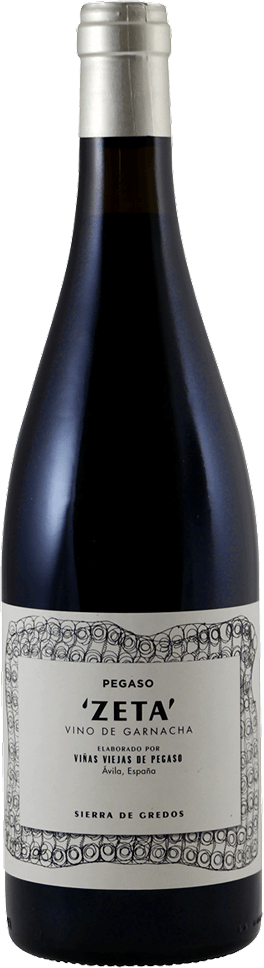
Pegaso - Zeta 2023
A delicate, luminous mountain Garnacha. Fresh fruit meets a fine mineral imprint.

Pegaso - Pizarra 2021
A deep, mineral high-altitude Garnacha. Slate gives it a fine, persistent palate.
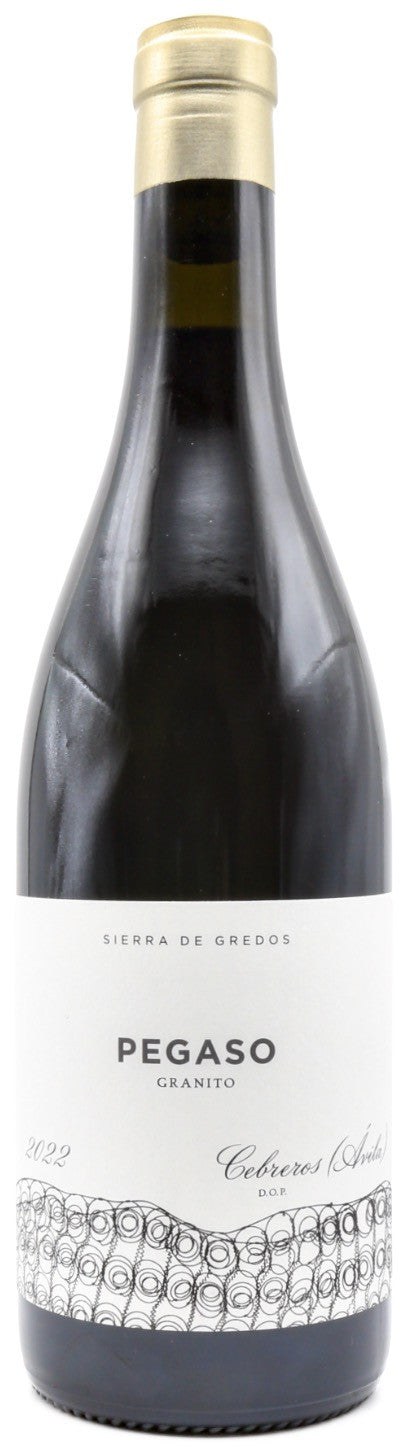
Pegaso - Granito 2022
A high-altitude Garnacha, vibrant and deeply granitic. Floral finesse meets a generous body.

Vinya del Vuit - Vinya del Vuit 2016
A deep, mineral Priorat, shaped by the slate slopes of Gratallops.

Sara I René Barbier - Partida Bellvisos Red 2016
A deep, mineral single-plot Priorat, where Mediterranean power meets remarkable freshness.
Portal del Priorat - Trossos Vells 2020
An intense, mineral Priorat, driven by the depth of old vines.
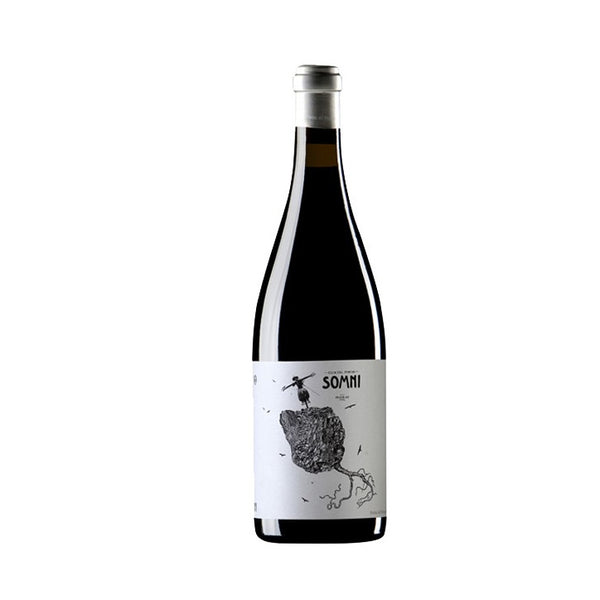
Portal del Priorat - Somni 2017
A deep, mineral Priorat, where black fruit meets spice and schist.
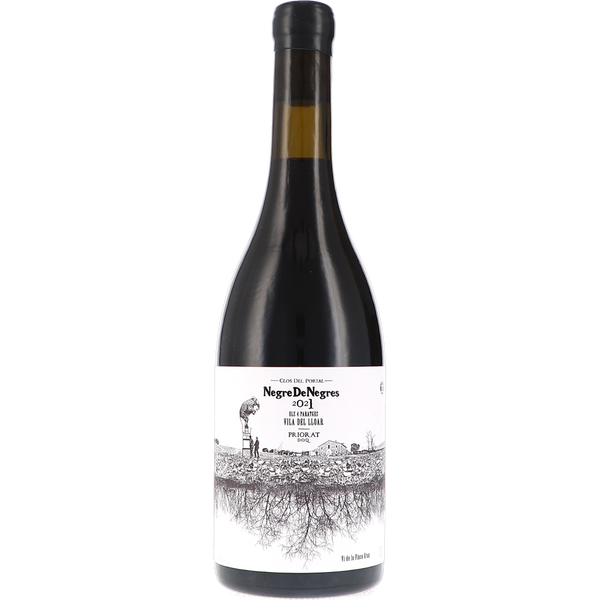
Portal del Priorat - Negre de Negres 2021
A generous, deep Priorat, between black fruit, spice and slate minerality.
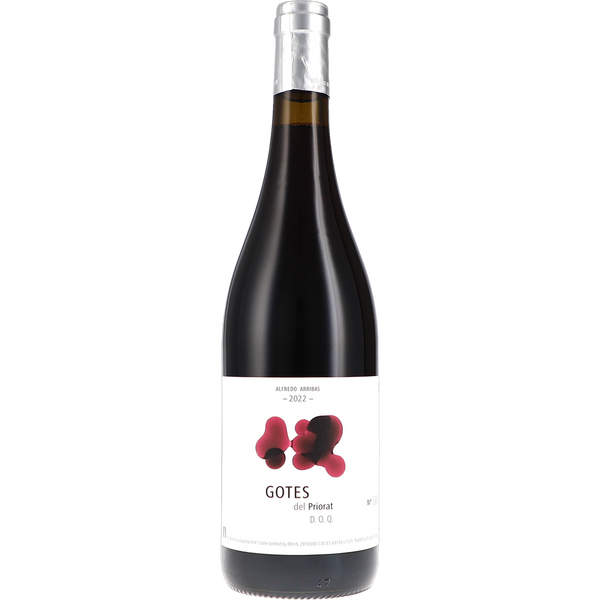
Portal del Priorat - Gotes del Montsant 2022
A generous, mineral Priorat, where ripe fruit meets the freshness of schist.

David & Nadia - Grenache 2022
The finesse of South African granite in an ethereal Grenache

Clos Mogador - Espectacle De Montsant 2022
A powerful Grenache from the Catalonian hillsides, at once robust, refined, and intensely expressive of the Montsant terroir.

Clos Mogador - Com Tu 2022
A high-altitude Garnacha, precise and profound, delicately expressing the freshness of La Figuera's slopes.

Bondar - Rayner Vineyard Grenache 2022
A precise and perfumed McLaren Vale Grenache, where coastal freshness meets the depth of the old-vine Rayner vineyard.

Artazu - Santa Cruz Tinto 2020
A precise, fresh high-altitude Garnacha that reveals the finesse of the Artazu terroir.
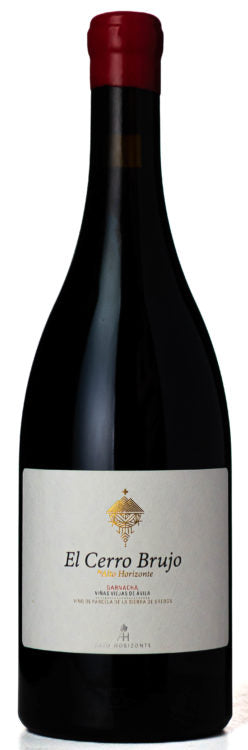
Alto Horizonte - El Cerro Brujo 2019
A Spanish red wine from high altitude, combining ripe fruit, freshness and spicy depth.
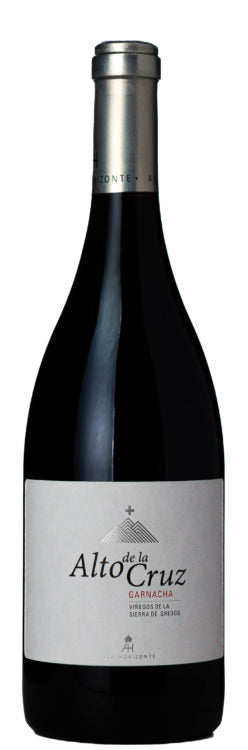
Alto Horizonte - Alto de la Cruz 2019
A Spanish red with character, combining aromatic intensity, freshness and elegant texture.
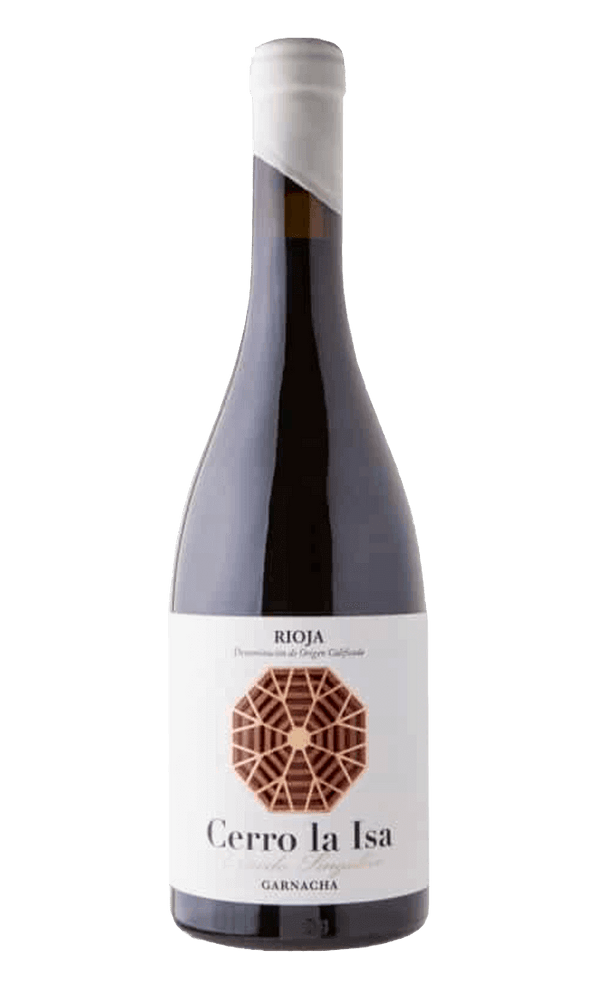
Juan Carlos Sancha - Cerro la Isa tinto 2019
A precise and fresh high-altitude Garnacha from Rioja Oriental, which finely expresses the unique character of the Cerro la Isa terroir.

Vinos del Viento - Garnacha Old Vines Rouge 2021
A pure Spanish Grenache, from old vines in Aragon, blending fruit, finesse and spice.
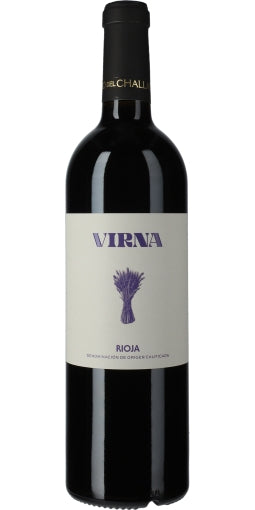
Dominio del Challao - Virna 2022
A rich and balanced Spanish red, where ripe fruit meets a supple and harmonious palate.
The great terroirs of Grenache
This grape wants sun and copes with drought better than most: it therefore follows the Mediterranean shores and the warm climates of the southern hemisphere. Soil and altitude then make all the difference, between a compact wine and an airy one.
| Country and region | Soil and climate | The style in the glass | A benchmark from the section |
|---|---|---|---|
| Priorat and MontsantCatalonia, steep hillsides | Flaky black schist, scorching summers, tiny yields | Dense, sanguine, tight black fruit, mineral finish | Álvaro Palacios Camins del Priorat€26.90 per bottle, by the case of 6 |
| Aragon | Historic cradle, clays, gravels and schists, dry continental climate | Crunchy red fruit, frank palate, peppery spice | Vinos del Viento Garnacha Old Vines€21 per bottle, individually |
| Rioja | Clay-limestone, vines at around 550 metres, Atlantic influence | Round, juicy, integrated tannins, sweet spices | Palacios Remondo La Montesa€23 per bottle, individually |
| SwartlandSouth Africa, Paardeberg | Weathered granite and schist, dry heat, offshore wind | Airy, saline, fine tannins, transparent red fruit | David & Nadia Grenache€38.40 per bottle, by the case of 6 |
| PiekenierskloofSouth Africa, Citrusdal | Weathered sandstone at altitude, old bush vines | Fragrant, floral, Burgundian in style, great freshness | Savage Wines Thief In The Night€38 per bottle, sold individually |
| Barossa ValleySouth Australia | Deep red soils, ancient sand, hot, dry summers | Rich, candied, broad texture, generous alcohol | Torbreck Old Vines€22 per bottle, individually |
| McLaren ValeAustralia, Gulf St Vincent | Sand and clay-limestone, sea breezes, slow ripening | Precise, fragrant, bright red fruit, a slender palate | Bondar Rayner Vineyard Grenache€31.50 per bottle, by the case of 6 |
| Central CoastCalifornia | Sandy soils, Pacific fog, cool nights | Vivid fruit, sustained acidity, silky substance | Birichino Scylla€38 per bottle, sold individually |
| JumpArgentina, Calchaquí Valleys | Vines at 1,750 metres, gravelly soils, wide temperature swings | Vibrant, floral, fruit tightened by altitude | El Porvenir Pequeñas Fermentaciones Garnacha€22.50 per bottle, individually |
The heart of the section remains Catalan and Aragonese: the Spanish wines page puts each appellation back on the map, and Swartland shows the South African reading of the same grape, lighter and more saline.
Blend or single-variety cuvée
For a long time this grape variety mainly served to round out the others: it brought flesh, alcohol and fruit, and left its name to the appellation. The single-variety cuvée has come into its own over the past twenty years or so, and both schools live side by side in the selection.
| In the bottle | What Grenache brings | Its usual partners | The profile at the table |
|---|---|---|---|
| Single-variety cuvée | All the flesh of the wine, vivid red fruit, silky tannins | The grape has the vat to itself, sometimes with a share of whole bunches | Roast poultry, lamb with herbs, Iberian charcuterie |
| The GSM formula | Roundness, ripe fruit and alcohol | Syrah for spice and colour, Mourvèdre for structure | Daube, lamb chops, slow-cooked Mediterranean vegetables |
| Catalan duo with Carignan | The mellowness that wraps around a biting acidity | Old-vine Carignan, sometimes a little Cabernet | Braised meats, aged ewe's-milk cheeses |
| Rioja duo with Tempranillo | Delicious fruit and immediate suppleness | Tempranillo for structure and barrel ageing | Rice dishes, tapas, grilled rib of beef |
| Cape duo with Cinsault | Depth of fruit on a light frame | Cinsault for drinkability, Syrah for pepper | Candied tomatoes, grilled chicken, to serve cool |
| Direct-press roséPale colour, quick winemaking | Delicate colour and crunchy red fruit | Cinsault and Syrah, in small proportions | Aperitif, grilled meats, Mediterranean food |
| Fortified sweet wineMaury, Banyuls, Rasteau | Natural sugar preserved by adding alcohol | Grenache Noir, Gris or Blanc depending on the house style | Dark chocolate, red-fruit desserts, end of the meal |
The three letters GSM come from the southern Rhône and have travelled the world: Australia, California and Argentina use them just as they are. To follow this trio's most frequent partner, the Syrah and Shiraz page takes over.
A bottle for every mood
Eight ways in, from the everyday red to the collector's bottle.
Discovering the grape variety for around ten euros
A Rioja from old vines grown at altitude, red fruit and sweet spices, where Grenache brings fruity expression to the Tempranillo.
David Moreno Tinto Madurado 2021 · €10.50 per bottle, by the case of 6Buy a single bottle
Old vines in Aragón on schist and gravel, in the region where the grape variety was born. The ideal benchmark before ordering a case.
Vinos del Viento Garnacha Old Vines Rouge 2021 · €21 per bottle, individuallyThe airy face of the Cape
Decomposed sandstone from the heights of Piekenierskloof, spontaneous fermentation, whole bunches: a perfumed red with a Burgundian air.
Savage Wines Thief In The Night 2023 · €38 per bottle, individuallyTasting pre-war vines
Planted in 1939 on the sands of Blewitt Springs, high up and well ventilated: the modern elegance of Australian Grenache.
MMAD Grenache 2022 · €49.90 per bottle, in packs of 2The Rhône formula seen from the Andes
Grenache, Syrah and Mourvèdre in equal parts, from vineyards perched at altitude in Cafayate. A balanced blend, taut fruit and fine spice.
El Porvenir Pequeñas Fermentaciones GSM 2022 · €22.50 per bottle, individuallyFilling the cellar for the week
An Australian blend of Grenache, Shiraz and Mourvèdre: plum, blackberry and liquorice, silky tannins, ready to drink now.
D'Arenberg The Stump Jump Red 2018 · €13.50 per bottle, by the case of 6The summit of Priorat
The plot that restored Priorat's glory, on pure schist, made by the winemaker who reawakened the region. A bottle for the cellar.
Álvaro Palacios l'Ermita 2021 · €1,350 per bottle, individuallyExplore the grape's home country
Priorat, Montsant, Rioja, Aragón: the country page gathers the terroirs that give this selection its backbone, appellation by appellation.
Country page · Spanish wines
Why this grape is coming back as a single-variety cuvée
Three traits explain its career. It ripens late and builds up a great deal of sugar, which gives warm wines, often above 14% abv. Its skin is thin, so low in colouring matter and tannin: the wine is built on flesh and fruit rather than on structure. Lastly it stands up to drought and wind, which has made it precious on poor land.
These qualities long made it a supporting grape variety, charged with rounding out blends. Growers in Priorat, the Swartland and McLaren Vale reversed the reasoning: earlier picking, gentle extraction, ageing in neutral barrels, and the grape speaks for itself, with a finesse once reserved for others.
How do you choose
We taste every cuvée before listing it, and two things decide here. The alcohol must stay carried by the fruit and by real freshness on the finish: a wine that heats the palate does not make the cut. We then look at the grain of the tannin, which must stay velvety even on the densest cuvées.
The Wine Wanderer Team
What we are asked about Grenache
Are Garnacha, Cannonau and Grenache the same grape variety?
Yes, one and the same variety under three names. Garnacha is the Spanish name, Cannonau the Sardinian one, Grenache the French form that has become common in the New World. Spain and Sardinia still argue over its origin, with the advantage to Aragón. On an Australian or Californian label you will read Grenache, sometimes Grenache Noir.
What distinguishes a Spanish Grenache from an Australian one?
Soil and vine training make the difference. On the schists of Priorat, the wine comes out dense, sanguine, very mineral, with firm tannin. In Barossa, the deep red soils and the dry heat give a broad, jammy palate, more generous in alcohol. McLaren Vale, cooled by the gulf, holds an intermediate position, more slender and perfumed.
Why are these bottles often sold in sets or by the case?
The estates we follow ship their cuvées by full cases, and keeping that packaging lets us hold the price down. The price shown remains that of the bottle, and the sales format sits beside it. Many cuvées are still available as single bottles, such as the Palacios Remondo La Montesa 2021 at €23 a bottle.
Are these wines all very high in alcohol?
The grape is rich in sugar, so the alcohol climbs easily, often between 13 and 15% abv. Everything then depends on the picking date and the altitude: cuvées from the Swartland, from Salta or from cool hillsides run at around 13% abv and stay light on the palate. Good balance is judged by the freshness of the finish.
At what temperature should you serve a Grenache?
Reckon on 15–16 °C for a light, perfumed cuvée, 16–18 °C for a Priorat or a Barossa of good density. Too high a temperature brings out the alcohol and crushes the fruit. A quarter of an hour in the fridge before serving is enough to bring a bottle from a warm room back into the right range.
Should these bottles be decanted?
A decanter earns its keep on dense, young cuvées, the schist ones in particular, which benefit from half an hour's air. The airy Grenaches of the Cape or McLaren Vale prefer the glass: they give up their scent straight away and open out over the meal. For older vintages, pour gently so as to keep the sediment at the bottom.
Which dishes go alongside?
The register is Mediterranean: lamb with herbs, roast poultry, daube, stuffed peppers, grilled aubergines. The spicy cuvées of southern Spain go with Iberian charcuterie and rice dishes. The light, fresh versions work very well with slow-roasted tomatoes or a board of sheep's cheeses, served at around 15 °C.
How long do these wines keep?
The fruity cuvées are drunk in their first three to five years, when the fruit is radiant. Schist and old-vine wines hold ten years and more, and then gain notes of garrigue, leather and dried fruit. The great plots of Priorat and California comfortably cross fifteen years in a cool cellar.
Which bottle should I start with?
Take a Rioja or an Aragón at around twenty euros to set the benchmark for fruit and roundness, then a Catalan schist wine to feel what the soil changes. Those two glasses are enough to grasp the grape variety. To go further, the Spanish wines page gathers the appellations that serve as its reference.