
Pinotage: the grape variety South Africa invented
20 South African bottles, from €17 to €264Pinotage was born in a laboratory, not in a vineyard. In 1925, at Stellenbosch University, Abraham Izak Perold crossed Pinot Noir and Cinsaut, then known in the Cape as Hermitage. The portmanteau name stuck, the first commercial bottling came in the early 1960s, and the grape has practically never left the country.
For a long time its reputation rested on industrial versions, hot and marked by a note of acetone. That is not what you will taste here: the selection on this page ranges from a €17 weekday red to a €264 old-vine bottle, and falls into three schools that the first table untangles.

Rijk's - Touch of Oak 2023
A complex and refined vintage based on the star grape variety of South Africa, Pinotage!

Groot Constantia - Lady of Abundance 2021
An astonishing blend with flavors of black fruits and spices

Southern Right - Pinotage 2022
An intense and complex Pinotage, grown on the shores of the Atlantic Ocean

Diemersfontein - Thokozani Pinotage 2020
A round and generous Pinotage with flavors of red fruits and spices
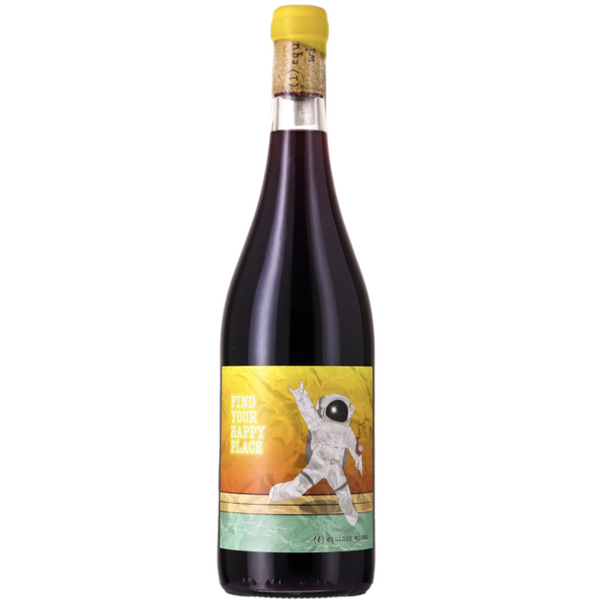
Equinox Wines - Find Your Happy Place Red 2022
A red blend made in South Africa, in a natural and digestible style
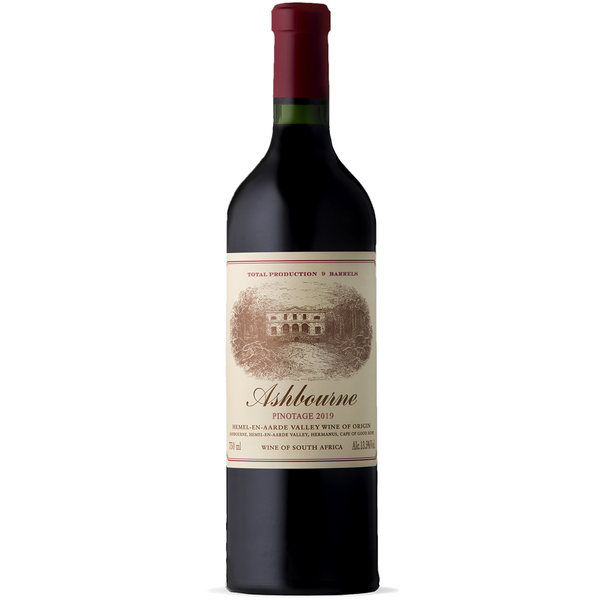
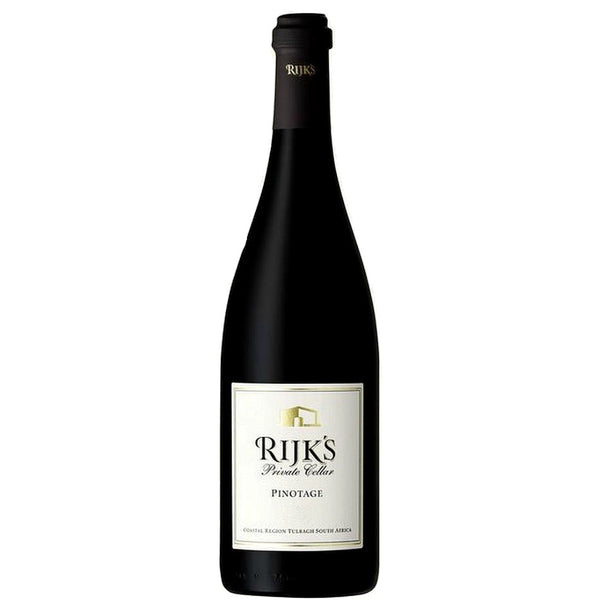
Rijk's - Private Cellar Pinotage 2021
A rich and complex Pinotage produced by a specialist estate

Diemersfontein - Carpe Diem Pinotage 2021
Top-of-the-range Pinotage from Wellington, roasted coffee and ripe plum, polished tannins.

Diemersfontein - The Original Pinotage 2023
A typical Wellington Pinotage with a rich and spicy profile
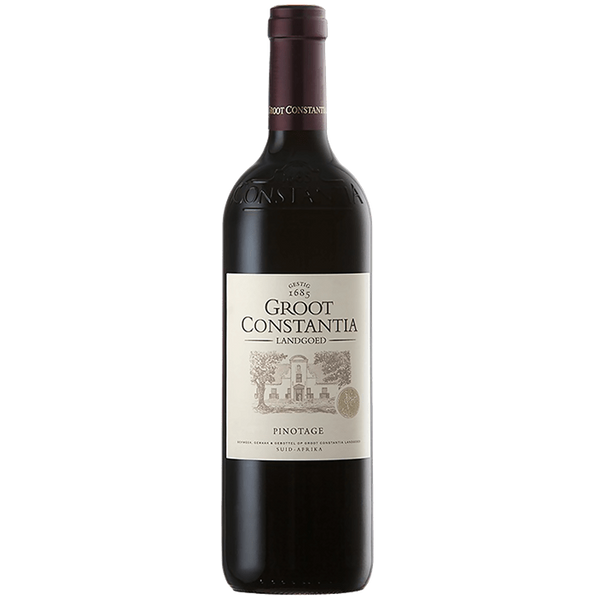
Groot Constantia - Pinotage 2024
A deep, generous South African Pinotage, where ripe fruit combines with toasty, spicy notes in a structured, elegant expression of the Constantia terroir.

David & Nadia - Elpidios 2021
A Swartland blend that is fragrant, fresh and structured. Grenache leads the dance with finesse.
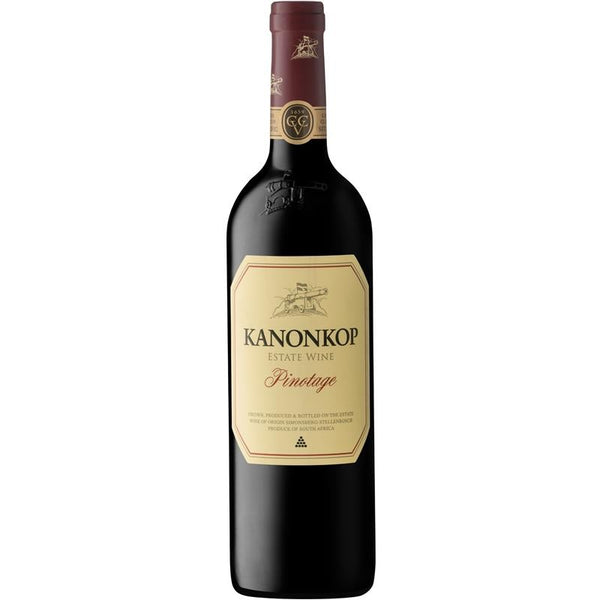
Kanonkop Wine Estate - Estate Cellar Release Pinotage 2015
A deep and structured Pinotage from Stellenbosch, combining aromatic intensity and elegant texture.

Kanonkop Wine Estate - Black Label Pinotage 2022
A powerful and precise Pinotage of the terroir, which intensely expresses the signature of Simonsberg.

Kanonkop Wine Estate - Estate Pinotage 2023
A deep and structured Pinotage that accurately expresses the personality of Simonsberg.

Beeslaar - Beeslaar Pinotage 2021
A deep and structured Pinotage that accurately reveals the elegance of Simonsberg-Stellenbosch.

Beaumont Family Wines - Jackal's River Pinotage 2021
A Pinotage from Bot River that is both precise and delicious, where maritime freshness meets a full and spicy texture.
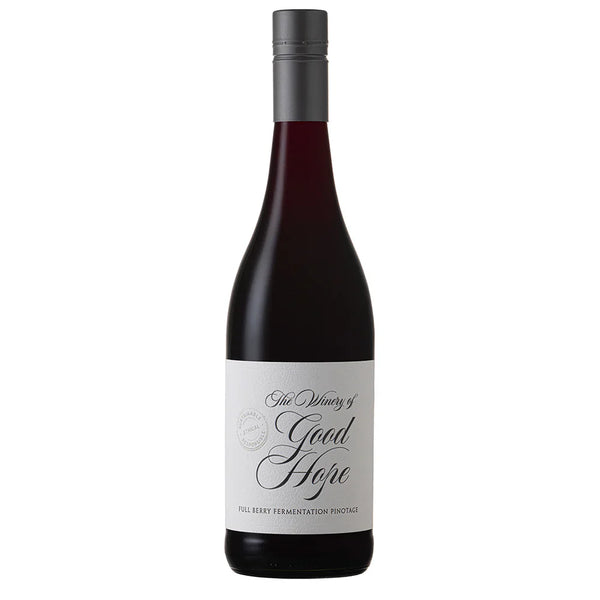
Winery of Good Hope - Pinotage Full Berry Fermentation 2023
A juicy and precise South African Pinotage, which emphasizes pure fruit and freshness rather than power.

Scions of Sinai - Pinotage Atlantikas 2023
A coastal Pinotage that is fresh, juicy and easy to digest, influenced by the salty taste of the ocean.
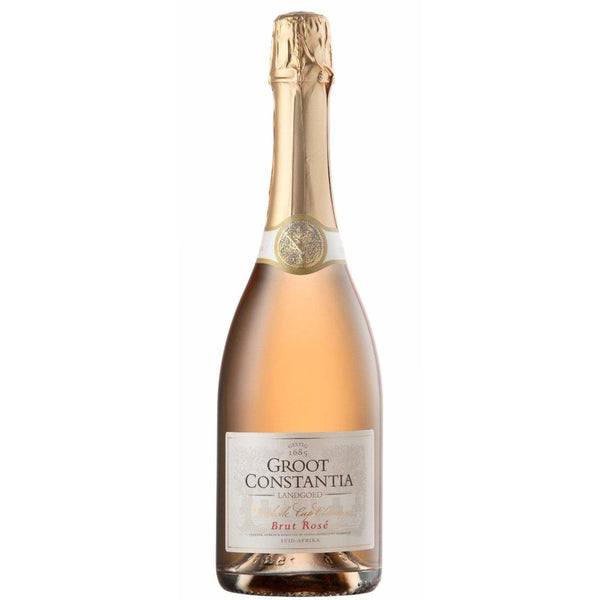
Groot Constantia - Methode Cap Classique Brut
A sparkling wine from the Cape using the Champagne method, with exotic and brioche notes

Stellenrust - Kleine Rust Red 2019
An astonishing blend of Pinotage and Syrah, with flavors of red fruits and smoky spices
Where to start in the section
Each tile leads to a real selection, not an article. The price shown is that of the first available bottle.
A first try under €20
The best way to get an idea without commitment. You will find the roasted-style Wellington version as well as a Stellenbosch blend.
From €17Kanonkop, the benchmark for the grape
The Simonsberg estate proved that a Pinotage could age. Bush vines, weathered granite, ageing in French oak.
Estate Pinotage €51.80 · Black Label €264The oceanic version
Three kilometres from the Atlantic, the grapes ripen slowly and keep their acidity. Ashbourne, Southern Right and Beaumont are in this register.
From €29.80 to €65The cradle, in Stellenbosch
Where the cross was made, and where the oldest plots grow. Six of our Pinotages come from there.
The historic heart of the CapeThe oldest estate in the country
Groot Constantia uses Pinotage in a four-variety blend and in a traditional-method sparkling rosé.
The four-grape blend, at €19.90The same family, in Pinot Noir
Anthony Hamilton Russell founded Ashbourne in 1996 on the eastern boundary of his vineyards. The parent house's Pinot Noir sheds light on what its Pinotage is aiming for.
Hamilton Russell VineyardsGo back to one of the parents
Cinsault, the Cape's Hermitage, gives Pinotage its generous fruit and easy ripening. Pinot Noir gives it the rest.
The other half of the crossThe whole South African section
Chenin, Syrah, Pinot Noir, Bordeaux blends: Pinotage is only one way into the Cape vineyards.
The complete section
What the cellar does with Pinotage
The grape is the same from one row to the next. What changes is the harvest date, the toasting of the oak and the length of ageing, and the difference in taste between the first three rows is greater than between two neighbouring Burgundy appellations.
| Style | What you smell | How it is made | In our cellar |
|---|---|---|---|
| The Stellenbosch classic the historic school | Black plum, black cherry, cocoa and leather. A firm tannin and a length that call for meat alongside. | Low-yielding bush vines, hand-sorting, fermentation in open tanks with punching down, then long ageing in French oak barriques, some of them new. | Kanonkop Estate Pinotage 2022, €51.80Beeslaar 2021, €66. Kanonkop Black Label 2022, €264. |
| Coffee Pinotage popularised by Diemersfontein | Freshly ground coffee, mocha, cocoa and a smoky finish. Ample palate, integrated tannins, an impression of sweetness. | The coffee does not come from the grape but from the cellar: heavily toasted oak, short ageing, measured extraction. The style was born in Wellington around the turn of the 2000s. | Diemersfontein The Original 2023, €19.90 Thokozani 2020, €19.90. Carpe Diem 2021, €28.80. |
| The fresh version the new generation | Crunchy red fruit, herbs, white pepper, a juicy and saline palate rather than a powerful one. | Earlier harvest, native yeasts, very gentle extraction, ageing in neutral barrels or in tank so as to mask nothing. Often vines close to the ocean. | Scions of Sinai Atlantikas 2023, €29.80 Winery of Good Hope Full Berry 2023, €17. Ashbourne 2021, €65. |
| In blends the Cape Blend principle | Pinotage no longer leads. It brings colour, blackberry and flesh to the mid-palate; the structure comes from the other grape varieties. | A Bordeaux or Rhône base topped up with Pinotage: Groot Constantia puts 26% into its Lady of Abundance, with 36% Syrah, 35% Merlot and 3% Tannat. | Groot Constantia Lady of Abundance 2021, €19.90Equinox Find Your Happy Place Red 2022, €24. |
| As a sparkling wine Méthode Cap Classique | Salmon-pink colour, apple and small red fruits, fine bubbles, dry finish. The only rosé on the page. | Whole-bunch pressing for a low-alcohol, acidic juice, six months on the lees in tank, then eighteen months of second fermentation in bottle, with riddling and disgorging by hand. | Groot Constantia Méthode Cap Classique Brut Rosé Chardonnay, Pinot Noir and Pinotage. |
None of this appears on the label. The words coffee or mocha are the only explicit clue; for the rest, the product page specifies the length of ageing and the type of barrel.
Where Pinotage grows, and what each terroir changes
Pinotage ripens quickly and copes poorly with excessive heat. That is why the difference between an inland valley such as Wellington and a plot facing the Atlantic is obvious from the first sniff.
| Region | Estates in our cellar | What the region changes | Admission fee |
|---|---|---|---|
| Stellenboschat the foot of the Simonsberg | Kanonkop, Beeslaar, Scions of Sinai, Winery of Good Hope, Stellenrust | Decomposed granite and red clay, breezes from False Bay, wide swings between day and night. Birthplace of the grape variety and home to the oldest plots: this is where the bottles for ageing come from. | €17 Stellenrust Kleine Rust Red 2019 |
| Wellington an hour from Cape Town, ringed by mountains | Diemersfontein | A warmer, more continental valley, with no direct maritime influence. The fruit arrives very ripe, which made possible the roasted style invented there. | €19.90 The Original and Thokozani |
| Hemel-en-Aarde and Bot RiverWalker Bay, a few kilometres from the Atlantic | Ashbourne, Southern Right, Beaumont Family Wines | Clays and weathered schists, sea fog, a longer ripening cycle. The coolest region on the page: lively acidity, fine tannins, restrained alcohol. | €29.80 Beaumont Jackal's River 2021 |
| Tulbagh 120 km north-east of Cape Town | Rijk's | Shale-rich soils, hot summers swept by cool winds, night harvesting. The estate works with only two grape varieties, Chenin Blanc and this one, with very long ageing. | €25 Touch of Oak 2022 |
| Constancein the southern suburbs of Cape Town | Groot Constantia | The oldest vineyard in the country, Mediterranean and ventilated by the Atlantic, on very varied soils for such a small area. Here Pinotage plays a supporting role, never the soloist. | €19.90 Lady of Abundance 2021 |
| Swartlandin the north, around the Paardeberg | Equinox Wines | Decomposed granite and a sandy layer, dry farming, winemaking without make-up. Here Pinotage is made as an easy-drinking wine, with whole bunches and short maceration. | €24 Find Your Happy Place Red 2022 |
Wellington and Tulbagh do not have their own page on our site: the Producer filter at the top of this page isolates Diemersfontein and Rijk's in one click.
A grape variety written off too soon
For twenty years, Pinotage served as a bogeyman. It was criticised for a smell of acetone or fresh paint, and the criticism was justified: it came from fermentations run too hot, on overcropped vines, at a time when the country exported little and cared little about what was in the glass. The grape variety paid for the mistakes of those who made the wine.
What changed comes down to two things. Yields brought down to the level of a great red, and temperature control in the tanks. The rest follows: the serious plots are unirrigated bush vines, some planted in the 1950s, and they give wines that last fifteen years without falling apart. Kanonkop proved it first; Ashbourne and Scions of Sinai prove it today in a much lighter register.
Then there is coffee Pinotage, which divides opinion. It is not after terroir but an immediate pleasure of mocha and black fruit, and it delivers what it promises. It is not a counterfeit of the grape variety but a different use, not to be confused with the other two.
Good to know before ordering
Serve at 15–16 °C, never at room temperature: above 18 °C, the alcohol takes over and the finish dries out.
Decant cuvées under €25 for thirty minutes, and old vines from Stellenbosch for an hour. The roasted-style versions, however, need no waiting.
It is the wine of the braai, the South African barbecue. Boerewors, rib of beef, grilled lamb, smoked aubergine: anything that has seen the embers suits it, and the coffee note of the Wellington wines answers the char of the meat directly.
The Wine Wanderer Team
What we are asked most often
What exactly is Pinotage?
A cross, not an ancient grape variety. Abraham Izak Perold created it in 1925 at Stellenbosch University by crossing Pinot Noir and Cinsaut, which South Africans then called Hermitage. The name combines the two. The first commercial bottling dates from the early 1960s, and it has since become the country's signature red.
Why does it have a bad reputation?
Because of a very recognisable note of acetone or fresh paint that marked the industrial versions of the 1980s and 1990s. It comes from fermentations run too hot on high-yielding vines, not from the grape itself. With controlled temperatures and reduced yields, the fault disappears: that is the case for every bottle on this page.
What is a coffee Pinotage?
A winemaking style born in Wellington, popularised by the Diemersfontein estate there, which deliberately pushes aromas of coffee, mocha and cocoa. They do not come from the grape but from heavily toasted oak and short ageing. The result is round, smoky, almost sweet. You either like it or you do not, but it is deliberate and clearly stated.
And a Cape Blend?
A Bordeaux-style blend in which Pinotage makes up a significant share, anchoring it in the Cape rather than Pauillac. Our Groot Constantia Lady of Abundance gives a good idea: 36% Syrah, 35% Merlot, 26% Pinotage and 3% Tannat, at €19.90.
What should I serve with it?
Anything off the grill. It is the wine of the braai, the South African barbecue: boerewors, rib of beef, lamb, grilled peppers and aubergine. The smoky note of the wine and that of the embers echo each other. The roasted-style Wellington versions also stand up to a spicy dish or a dark chocolate dessert.
What budget should you allow?
The section ranges from €17 to €264, with a median of €29.80. At around €20, you already get a well-made wine with character, such as the Diemersfontein The Original at €19.90. The bottles under €20 all reach that level. From €50, you move into Kanonkop and the old vines of Stellenbosch, where the wine changes dimension and becomes a wine for ageing.
Does it age well?
Entry-level wines and coffee Pinotages are drunk within three years; their appeal is the fruit. The old-vine cuvées from Stellenbosch keep ten to fifteen years, with tannins that soften and notes of leather and forest floor that take over from the black fruit. Our product pages give the potential cuvée by cuvée.
At what temperature should it be served?
At 15–16 °C, a little cooler than a red at room temperature. Pinotage is generous in alcohol, and two degrees too many are enough to bring out the heat at the expense of the fruit. Half an hour in a decanter is enough for recent cuvées, an hour for bottles over €50.
Is it produced outside South Africa?
Hardly at all. A few hectares exist in New Zealand, the United States, Brazil and Israel, but no country has made it a significant crop. The Cape vineyards account for most of the world's plantings, which makes Pinotage the most reliable marker of origin in the South African section.
Does it exist as a rosé or a sparkling wine?
Yes, and we have one. The Méthode Cap Classique Brut Rosé from Groot Constantia blends Chardonnay, Pinot Noir and Pinotage, with eighteen months of second fermentation in bottle. Salmon colour, fine bubbles, dry finish: it is the only non-red bottle in this collection.