
Groot Constantia: 1685, the oldest estate in the Cape
9 bottles, from €19.90 to €62The estate was born in 1685, when Simon van der Stel planted his first vines on the slopes of Table Mountain, a few kilometres from Cape Town. It is the oldest wine estate in South Africa, and the oldest still operating in the southern hemisphere. For two centuries, Constantia supplied Europe with its most sought-after sweet wine, served at court and cited in the literature of the time.
Today's range still bears the mark of that history. The Grand Constance is its direct heir, the Cape Ruby follows the Cape tradition of fortified wines, and the rest is shared between the Governors Reserve line, the estate wines and a Methode Cap Classique sparkling wine. The first table gives this overview and the prices, the second the detail of grape varieties and oak.

Groot Constantia - Grand Constance 2021
A legendary and historic wine, with incredible aromatic richness.

Groot Constantia - Lady of Abundance 2021
An astonishing blend with flavors of black fruits and spices
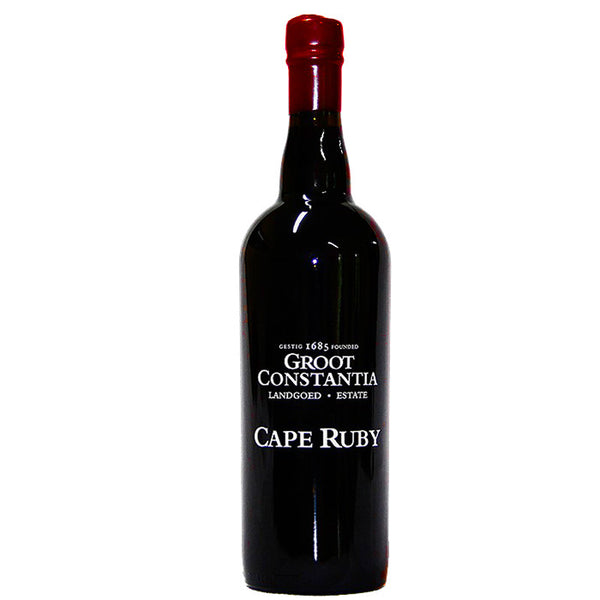
Groot Constantia - Cape Ruby 2021
A superb fortified wine from the Cape, made in the style of Vintage Port

Groot Constantia - Shiraz 2021
A magnificent Syrah with a fine and elegant structure

Groot Constantia - Gouverneurs Reserve Red 2019
A sophisticated Bordeaux blend with complexity worthy of a great vintage

Groot Constantia - Gouverneurs Reserve White 2024
The great white vintage from the Groot Constantia estate!
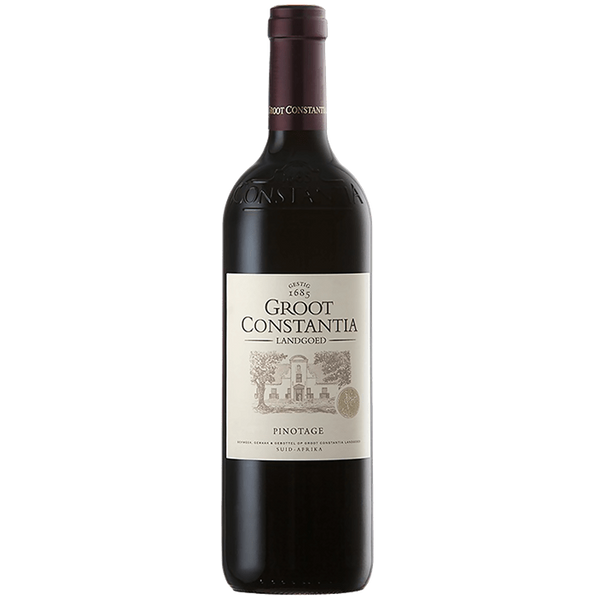
Groot Constantia - Pinotage 2024
A deep, generous South African Pinotage, where ripe fruit combines with toasty, spicy notes in a structured, elegant expression of the Constantia terroir.

Groot Constantia - Chardonnay 2021
A great Chardonnay regularly rewarded by international competitions
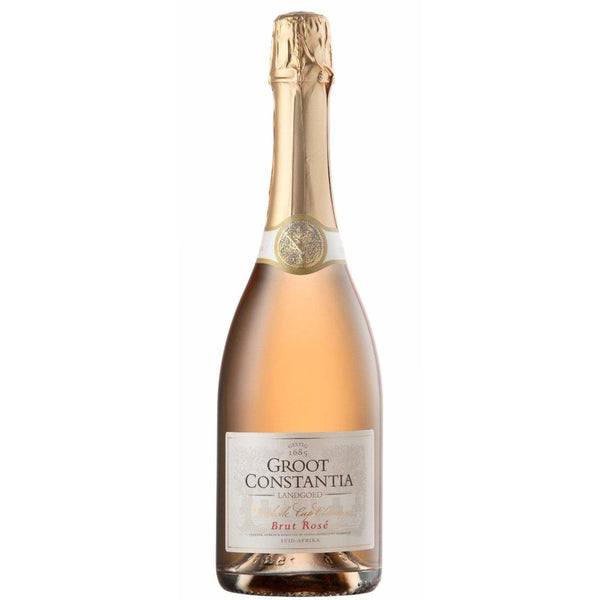
Groot Constantia - Methode Cap Classique Brut
A sparkling wine from the Cape using the Champagne method, with exotic and brioche notes
Where to start in this cellar
Eight bottles, five styles, and very different uses. Here are the ways in, depending on what you are looking for: a first taste, a gift, a dessert wine or simply a budget.
A first bottle from the estate
Syrah, Merlot, Pinotage and Tannat blended, twelve months in French barrels. Supple, immediate, the most affordable way into the cellar.
Lady of Abundance 2021 · €19.90The bottle of history
Muscat dried on the vine, late harvest, two years in barrique. The direct descendant of the wine that made Constantia's reputation in Europe.
Grand Constance 2020 · €62To give, or for a special meal
A Bordeaux blend aged fifteen months in French oak, three quarters of it new. Blackcurrant, black plum, tight tannins, a red for ageing.
Gouverneurs Reserve Red 2019 · €40.50The Cape's port
Touriga Nacional fortified with grape spirit, then aged twenty-two months in used barriques. Fig, cocoa, dried fruit. For a chocolate dessert or a blue cheese.
Cape Ruby 2021 · €38The estate's reserve white
The white cuvée of the Gouverneurs selection, from trellised, hand-worked vines at the oldest estate in the Cape.
Gouverneurs Reserve White 2024 · €39.90Stay under €30
Four bottles from the estate under this threshold: a red blend, a Syrah, a Chardonnay and the sparkling wine. Enough to cover a whole meal.
Budget under controlWiden out to the rest of the country
Stellenbosch, the Swartland, Hemel-en-Aarde: the other South African regions and estates we follow.
Our South African wines
Four registers in a single range
Few estates cover such a span. Here there is a collector's sweet wine, a wine fortified in the manner of port, two gastronomic reserves under the Gouverneurs label, an estate Shiraz and a red blend under €20. The table sorts them by register, from the everyday wine to the bottle of history.
| Vintage | The register | The wine | Price |
|---|---|---|---|
| Grand Constance2020 | The historic sweet wine | Sweet. Amber colour, sugar carried by a lively acidity. The heir to the 18th-century formula. | €62.00 |
| Gouverneurs Reserve Red2019 | Gouverneurs Reserve | Tannic red. Blackcurrant, black plum, black cherry, oak still present. A wine for the table and for ageing. | €40.50 |
| Gouverneurs Reserve White2024 | Gouverneurs Reserve | A white for fine dining. Elderflower, gooseberry, lime, apricot, a buttery touch. | €40.50 |
| Cape Ruby2021 | The fortified wine | Port-style sweet red. Ripe black fruit, plum, fig, cocoa and dried fruit. | €38.00 |
| Shiraz2021 | The estate wines | Full-bodied red. Blackberry, blackcurrant, white pepper, violet, liquorice, a touch of tobacco. | €26.10 |
| Lady of Abundance2021 | The estate wines | Fruity red. Four grape varieties blended, blackberry and blackcurrant, supple tannins, to drink without waiting. | €19.90 |
Two bottles are classed as sweet wines, the Grand Constance and the Cape Ruby, but they have nothing in common: the first gets its sugar from grapes dried on the vine, the second from fermentation stopped with alcohol. The other sweet bottles in our cellar are gathered in the sweet wines section.
Grape varieties, harvest and ageing, bottle by bottle
The estate documents its ageing precisely, down to the exact proportion of new barrels. That is where you can read the gap between the two Governors Reserve wines and the estate wines: the same hand-worked vines, but three quarters new oak on one side, a tenth on the other.
| Vintage | Grape varieties | The grapevine | The winemaking | Livestock farming |
|---|---|---|---|---|
| Grand Constance2020 | Muscat | Pruning, canopy management and harvesting by hand. Biological pest control, soils maintained with a selected cover crop. | Long ripening on the vine until the berries shrivel, late harvest, then a week of fermentation. | Twenty-four months in barriques. No added alcohol. |
| Gouverneurs Reserve Red2019 | Cabernet Sauvignon, Cabernet Franc, Merlot, Petit Verdot | Vertical trellising, hand pruning and harvesting, biological protection of the vineyard. | Each grape variety picked and fermented separately in stainless-steel tanks, then four weeks of post-fermentation maceration. | Fifteen months in French oak: 75% new barrels, 10% second-fill, 15% third-fill. |
| Gouverneurs Reserve White2024 | Sémillon, Sauvignon Blanc | Vertical trellising, hand-picking, the two grape varieties handled separately. | Fermented in oak barrels of different ages: 50% new, 25% second-fill, 25% third- and fourth-fill. | Ten months on the lees, then a year's rest in bottle before release. |
| Cape Ruby2021 | Touriga Nacional | Mediterranean climate ventilated by the Atlantic, very varied soils over a small area. Harvest in late March. | Skin maceration, pressing, fermentation stopped by adding grape spirit at 95 grams of sugar per litre. | Twenty-two months in used French barriques. |
| Shiraz2021 | Syrah | Vertical trellising, hand-harvesting, weeding and soil health managed without synthetic products. | Whole-bunch pressing. | Twelve months in 500-litre French barrels: 25% new, 25% second-fill, 25% third-fill, 15% fourth-fill. The remaining 10% goes into a 2,700-litre foudre before blending. |
| Lady of Abundance2021 | 36% Syrah, 35% Merlot, 26% Pinotage, 3% Tannat | Red clay, silty granitic soils, sandstone and granitic soils. Hand-harvested. | Vinified in stainless-steel tanks. | Twelve months in 500-litre French barrels, 10% new, 35% second-fill, 35% third-fill, 20% fourth-fill. |
A practice common to the whole range: pruning, canopy management and harvesting are done by hand, pest control is biological and the soils are maintained without herbicide. The estate does not, however, claim organic certification for these bottles.
A place of memory that has never stopped producing
Many very old estates survive as museums, with a shop and three token cuvées. Groot Constantia does the opposite. The non-profit foundation that runs the property opens it to the public, but these are genuinely eight wines for sale, made every year, including a sweet wine that revives the formula of the wine that made Constantia famous across Europe.
The Grand Constance is the piece that gives meaning to the rest. Muscat left to shrivel on the vine, late-harvested, a week of fermentation, two years in barrique and not a drop of added alcohol. The method is demanding and low-yielding, but it is what sets this wine apart from a fortified sweet wine such as the Cape Ruby, made right here, a few rows of vines away.
How do you choose
We take the whole range because it tells a story: one terroir, four centuries of history, and five ways of making wine side by side on the same property.
And we check that the history is not standing in for quality. The Grand Constance must have the acidity to carry its sugar, the Governors Reserve wines must absorb their oak. Without that, the estate's age would be nothing more than a label argument.
The Wine Wanderer Team
What we are asked about Groot Constantia
Where is Groot Constantia?
A few kilometres from Cape Town, in the Constantia valley, on the slopes of Table Mountain. The climate is Mediterranean, cooled by Atlantic winds, and the soils are remarkably varied for such a small area, which allows very different grape varieties to be grown. The rest of our bottles from the country are gathered in the South Africa section.
How long has the estate existed?
Since 1685, when Governor Simon van der Stel planted the first vines there. It is the oldest wine estate in South Africa and the oldest still operating in the southern hemisphere. The property celebrated its 336th anniversary in 2021.
What was Constance wine?
The sweet wine made in this valley in the 18th and 19th centuries, and the most sought-after wine Europe imported at the time. It was served at European courts and regularly cited in the literature of the period. Napoleon, exiled on Saint Helena from 1815 until his death in 1821, had it shipped to him: that is the anecdote the estate likes to recall most.
Is the Grand Constance a fortified wine?
No, and that is what sets it apart. Its sugar comes solely from the grapes: the Muscat is left to shrivel on the vine during a long ripening period, then harvested late. Fermentation lasts a week, ageing twenty-four months in barrique, and no grape spirit is added. It sells for €62 and is one of our sweet wines.
What is a Cape Ruby?
The South African take on ruby port. Here, Touriga Nacional, a Douro grape variety, macerates on its skins, then fermentation is stopped by adding grape spirit when 95 grams of sugar per litre remain. Twenty-two months in used French barriques follow. The result is a sweet red with fig, cocoa and dried fruit, at €38.
What does Methode Cap Classique mean?
It is the South African name for the traditional method, in which the second fermentation takes place in the bottle. At Groot Constantia, hand-harvesting takes place in late January, the first fermentation lasts six months in stainless-steel tanks on the lees, and the second eighteen months in bottle. Each bottle is riddled by hand, disgorged and then re-corked. The house brut rosé is built on Pinotage, which is unusual for a sparkling wine.
What is the Gouverneurs Reserve range?
The estate's two flagship cuvées, one red and one white, both at €40.50. The red blends four Bordeaux grape varieties and spends fifteen months in French oak, 75% of it new. The white combines Sémillon and Sauvignon Blanc, is fermented in barrel, matures for ten months on the lees, then rests for a year in bottle before release.
Which bottle should I start with?
With Lady of Abundance at €19.90 for a supple red blend, or with the Gouverneurs Reserve White at €39.90 for the house's reserve white. If the aim is to understand why this estate matters, you have to go straight to the Grand Constance: it is the one that carries the history of the place.
Are these wines organic?
The estate describes an approach that comes close: biological pest control, soil health and weed control managed without synthetic products, manual work in the vineyard. No certification is claimed for these bottles, so we do not list them as organic. Our certified wines are gathered in the organic section.
Can you visit the property?
Yes. Groot Constantia is now run by a non-profit foundation and the site is open to the public: you can visit the historic buildings, the vineyard and the cellar. It is one of the few wine addresses in the Cape where you can see four centuries of uninterrupted production on site.
How should you serve Grand Constance?
Chilled but not ice-cold, around ten degrees, in a small glass. It stands up to foie gras, a dessert made with yellow fruit or a blue cheese, and is very good on its own at the end of a meal. An opened bottle keeps for several days in the fridge; the sugar and acidity protect it.