
Organic wine: what certification guarantees you
167 bottles, from €9.90 to €440.00This range brings together certified organic bottles from €9.90 to €440.00. Some are sold by the bottle, others by the case, and the price shown on the product page always tells you which. The first line on the counter, a Giribaldi Barbera at €9.90, is sold by the case. The first wine available by the bottle is Quinta das Maias from the Dão, at €13.90, in both red and white.

Thymiopoulos - Alta Naoussa 2024
A Xinomavro of altitude, all in finesse and elegance
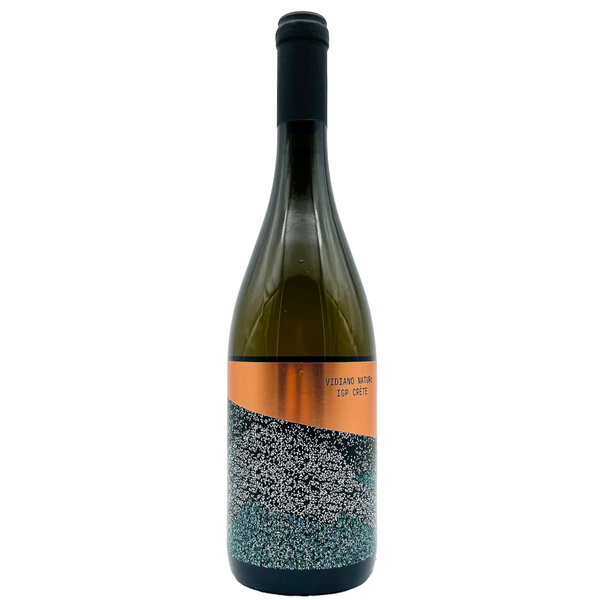
Zoumberakis - Vidiano Nature 2025
A fresh and tasty wine made from Vidiano, a great white grape variety from Crete

Castellucci Miano - Nero d'Avola 2024
Magnificent Nero d'Avola, all round and full of fruit. Buonissimo!

Thymiopoulos - Terre et Ciel 2024
The flagship of the Thymiopoulos estate, one of the greatest wines of Naoussa
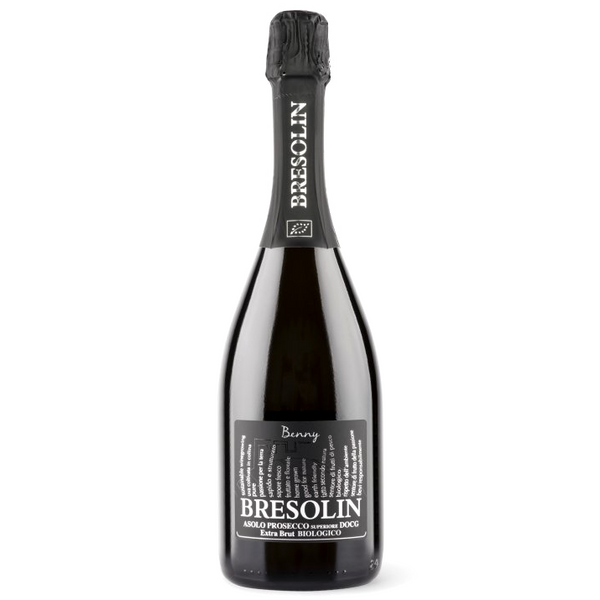
Bresolin - Asolo Prosecco Extra Brut
An organic Prosecco from the smallest regional appellation

D'Arenberg - The Olive Grove 2021
A beautiful chardonnay with a balanced and intense structure that delights and seduces the taste buds!
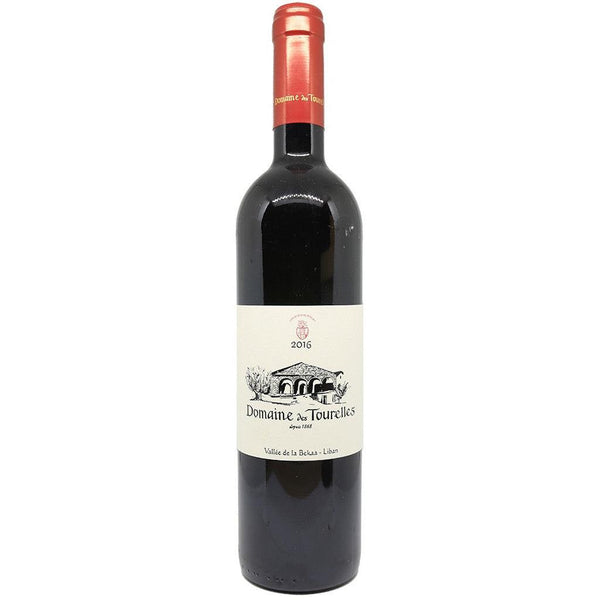
Domaine des Tourelles - Rouge 2022
A high-altitude red of great character, coming from one of the founding areas of Lebanese viticulture.

Zorah - Karasi 2022
A unique and complex wine aged in Armenian amphora with spices and black fruits.
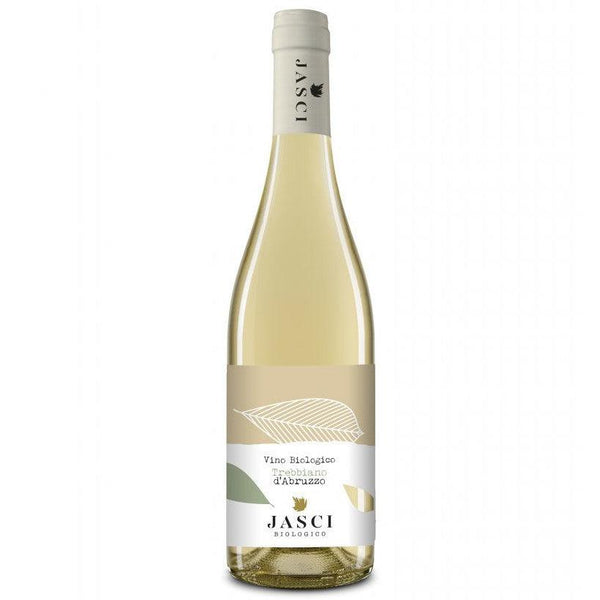
Jasci - Trebbiano 2024
A textured and invigorating organic white with flavors of white fruits and yellow fruits!

Dog Point - Sauvignon Blanc 2022
A Sauvignon Blanc, precise, of great finesse and beautiful aromatic intensity.
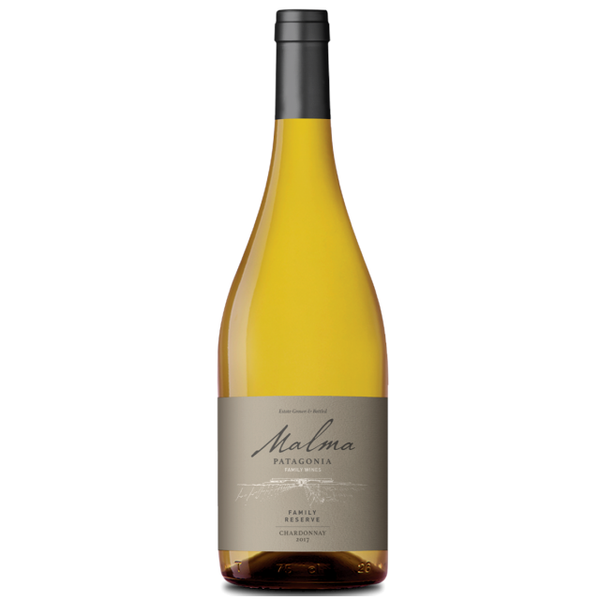

Tetramythos - Agiorgitiko nature 2025
A resurrected variety from the slopes of Mount Helmos
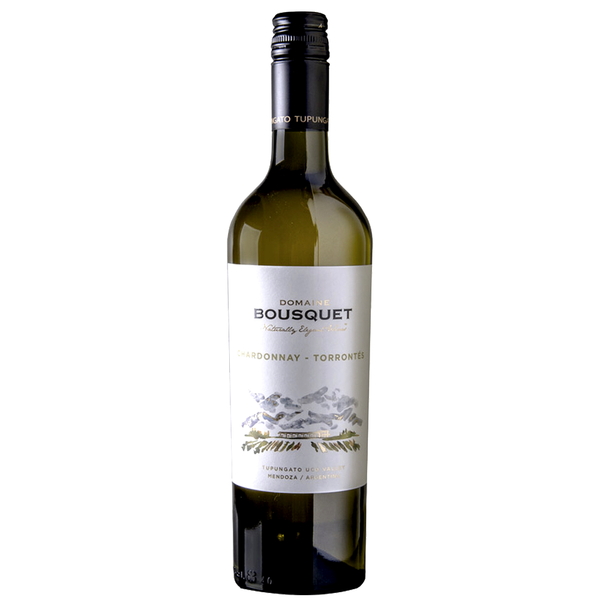
Bousquet - Chardonnay/Torrontés 2023
A fresh and aromatic white wine from the heights of Mendoza
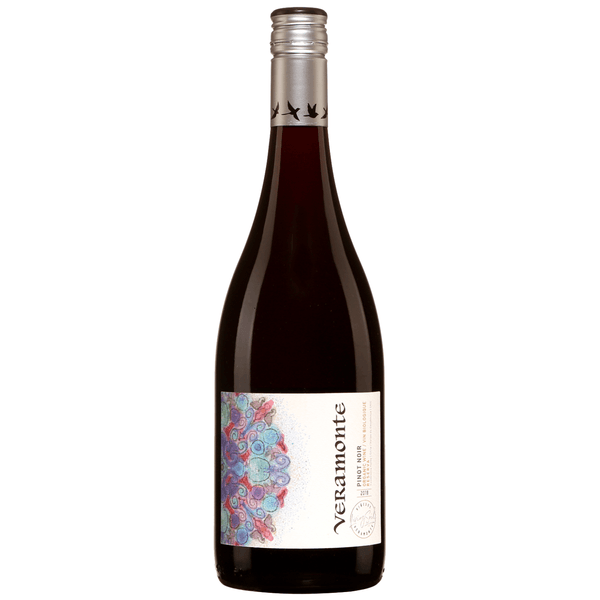
Veramonte - Pinot Noir 2021
A typical Chilean Pinot Noir, well structured, delicious and organic!

Quinta Das Maias - Tinto 2022
An organic red with character and typical of the Dão region
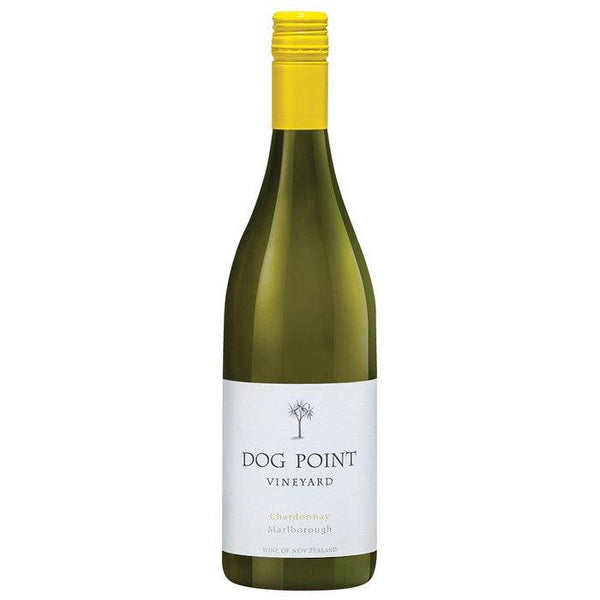
Dog Point - Chardonnay 2022
A Chardonnay full of class, thanks to its great complexity and creamy texture.

Barco Del Corneta - Cucú 2022
A white wine from northern Spain combining aromatic richness and minerality!
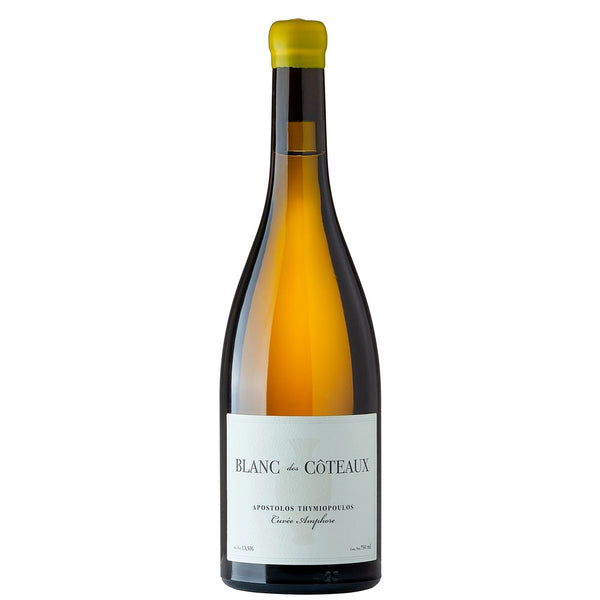
Thymiopoulos - Blanc des Côteaux Cuvée Amphore 2023
A complex, intense and saline blend
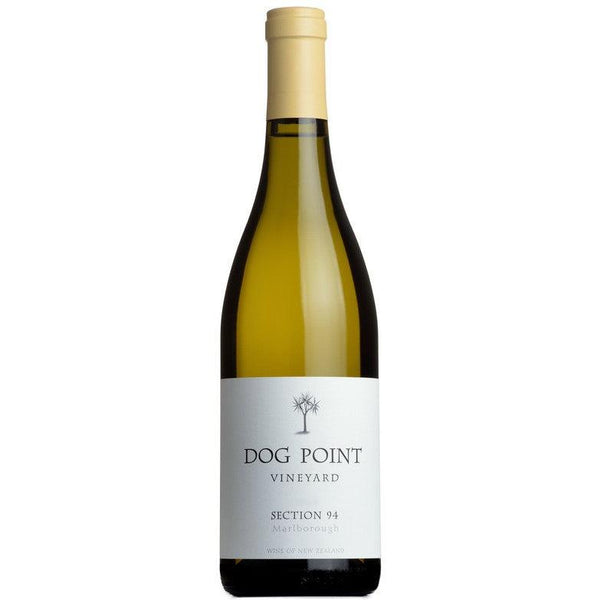
Dog Point - Section 94 Sauvignon Blanc 2018
An exotic and spicy sauvignon blanc, vinified in oak barrels for 18 months

Tetramythos - Mavro Kalavrytino nature 2024
Mavro Kalavrytino, a rare grape variety from the Peloponnese
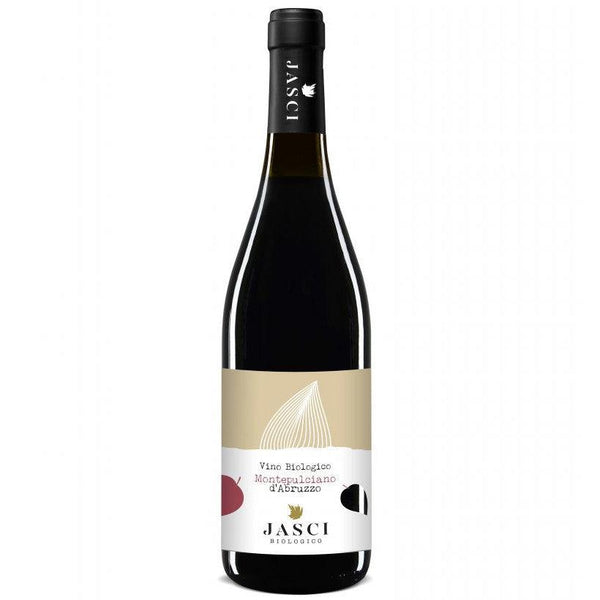
Jasci - Montepulciano 2022
A concentrate of red fruits and sweet spices in this cuvée dedicated to pleasure.
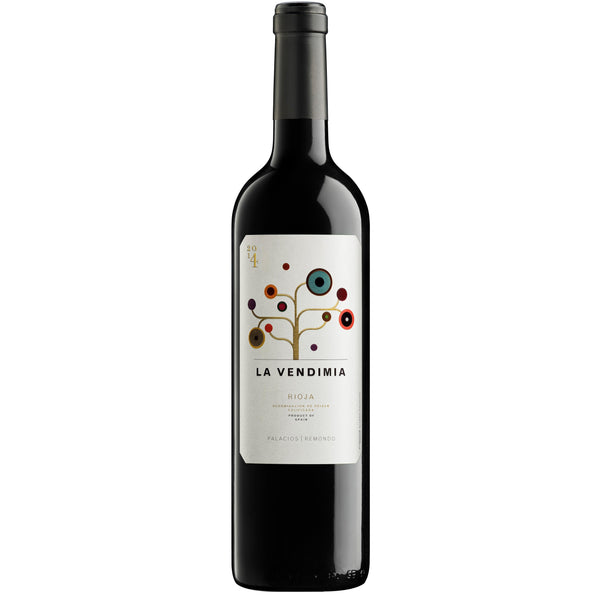
Palacios Remondo - La Vendimia 2018
A Rioja wine with plenty of drinkability and deliciousness to guarantee immediate pleasure.
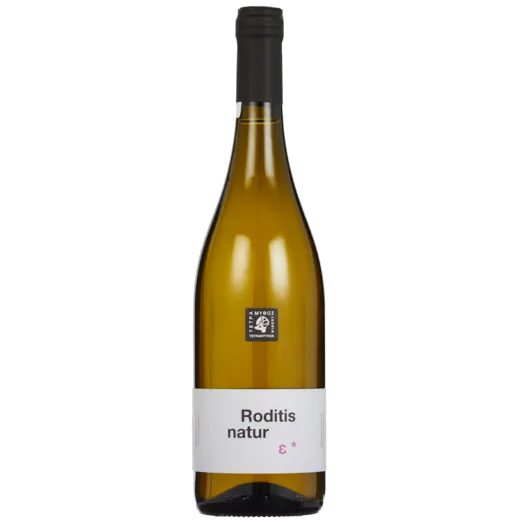
Tetramythos - Roditis nature 2024
A precise and refined expression of Roditis
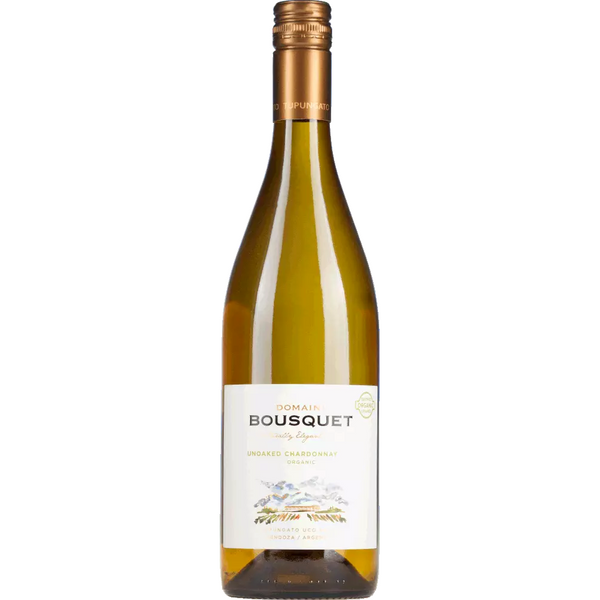
Bousquet - Unoaked Chardonnay 2022
A fresh and charming Chardonnay

Bousquet - Pinot Noir Reserve 2021
An altitude Pinot Noir with notes of undergrowth and spices
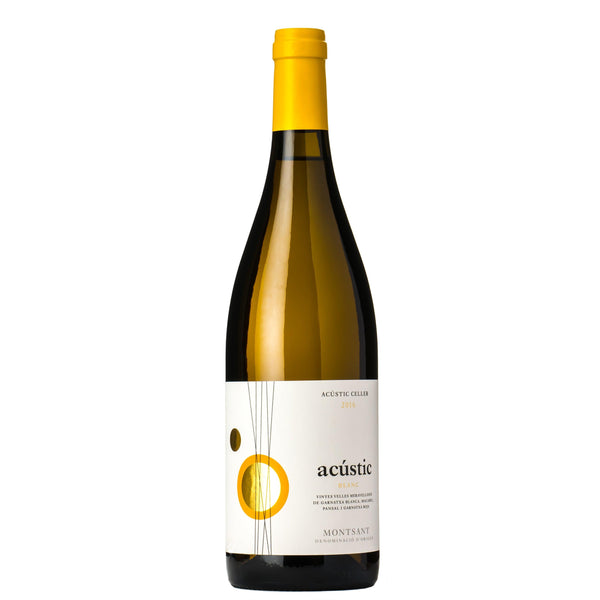
Acústic Celler - Montsant Blanc 2019
A Catalan vintage made from old vines aged 40 to 80 years old

Castellucci Miano - Miano Catarrato 2024
A superb Silica white with exotic and mineral notes.
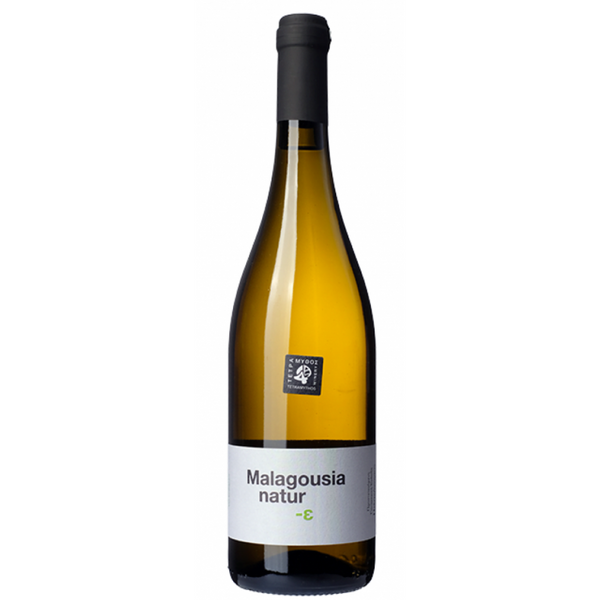
Tetramythos - Malagousia nature 2023
A Malagousia from the terroirs of the northern Peloponnese

Thymiopoulos - OenosNature Naoussa 2022
A magnificent supple, elegant and very fragrant Xinomavro

El Porvenir - Amauta Malbec 2023
A sunny wine expressing the typicality of Malbec from Cafayate

Gilvesy - Martinus 2017
An organic white wine with a mineral, fresh and complex profile.
From soil to sulphur, what organic requires at each stage
The word organic covers a set of European specifications that are very precise in the vineyard and more flexible in the cellar. It is first and foremost a way of growing the grapes you buy. The table follows the five stages of a bottle, from the soil to the sulphur, showing for each what certification requires, what it allows and what difference it makes when you choose.
| The step | What the label requires | What it allows | What it changes for you |
|---|---|---|---|
| The ground Weeding and fertilisation | Mechanical or thermal weeding and fertilisation of organic origin. | Compost, manure, grass cover between the rows, and copper as a treatment, within an annual cap. | This is the most visible part of the specifications: a grassed or tilled row rather than a yellowed strip beneath the vines. |
| The grapevine Treatments and plant material | Treatments derived from natural substances and plant material guaranteed GMO-free. | Sulphur and copper as contact treatments, plus plant extracts. The number of passes, however, is unrestricted. | Organic vines are treated, with different products. In a dry climate or at altitude the burden is light, which explains the geography of this range. |
| The grape harvest Harvest, sorting, transport | The regulation leaves each estate free to choose its harvesting method. | Machine harvesting as well as hand picking, and every size of crate. | Working by hand is the estate's choice. Pittacum brings in its Mencía from Bierzo in 12 kg crates, with hand sorting at the winery. |
| The cellar Winemaking and ageing | A restricted list of additives, and must kept as it is: the alcohol level and concentration remain those of the harvest, with partial dealcoholisation and cold concentration ruled out. | Inoculation with selected yeasts, fining, filtration, ageing in new oak. | The grower's margin is at its widest here. The Amauta range from El Porvenir, in Argentina, ferments in stainless-steel tanks and remains fully certified. |
| Sulphur Added sulphites | Sulphite doses capped below the threshold for a conventional wine. | Sulphiting at harvest, during ageing and at bottling, as long as the total dose stays below this ceiling. | An organic bottle almost always contains some, in measured doses. False Bay Slow Chenin Blanc spells it out in black and white: sulphur is the only added input, as a preservative. |
Three years of conversion before the first harvest can be claimed, an annual audit, a certification body number next to the logo: certification is a verifiable obligation of means, and it concerns the way the vines are farmed. The style of the wine remains the grower's signature. A telling case in this range, the Jasci Montepulciano without sulphur, sold by the case, declares its intentions in its very name: it is the estate's decision, and this bottle is certified exactly like the others.
Five origins and an entry-level range
Five ways in by country, because the geography of this range holds a few surprises behind a green label, and a sixth by price, which remains the first criterion here. Each tile states whether the bottles are sold singly or by the case.
High-altitude Argentina
This is the range's leading supplier, and by far the best stocked for single-bottle purchases. El Porvenir's fifty-year-old vines grow at 1,650 metres in the Cafayate Valley, Bousquet's in the Gualtallary Valley, at the foot of the Andes.
Malbec and TorrontésSpain, from Bierzo to Priorat
Pittacum's Mencía comes from 90-year-old plots on the clay slopes of Bierzo, in a cool Atlantic climate. At the other end of the range, Álvaro Palacios works Grenache on the slate soils of Priorat, down to the 1.3-hectare plot of La Baixada.
The widest price rangeGreece, Xinomavro and rare grape varieties
Thymiopoulos farms pre-phylloxera vines over 50 years old on schist and granite, 450 metres above the village of Fytia, in Naoussa. Tetramythos tends the slopes of Aigialia and Panos Sarris, on Kefalonia, raises Vostilidi and Tsaoussi, two grape varieties native to the island.
A few bottles sold individuallyChile, freshness comes from the Pacific
Emiliana runs vineyards where birds and insects do the work of insecticides, with compost made from grape skins, stalks and manure. Veramonte's Chardonnay ferments with natural yeasts, and Matetic's Corallilo Pinot Noir is one of the few Chilean wines in the range sold by the bottle, at €27.90.
100 vinsSouth Africa, old Swartland vines
False Bay's Slow Chenin Blanc comes from old vines in Swartland and Stellenbosch, ferments with native yeasts in stainless-steel tanks and spends ten months on its lees. Alheit Vineyards and the Sadie family occupy the top of the range, with blends from old plots.
Sold mostly in packsAffordable wines sold by the bottle
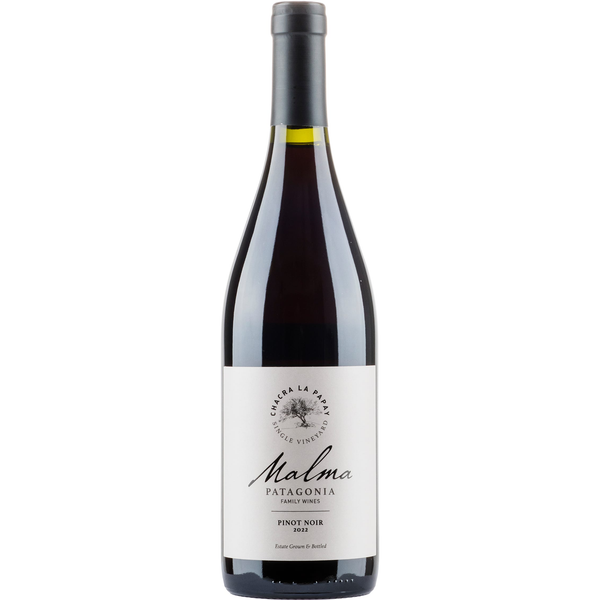
Under twenty euros, several bottles are sold singly: the two Quinta das Maias from the Dão at €13.90, E's Vino Chardonnay and Malbec at €14.90, Malma Chacra la Papay and El Porvenir Amauta Tannat at €16.50, and the Bresolin Asolo Extra Brut prosecco at €16.90.
From €13.90
Five pairings taken from the product pages
An organic wine is served like any other: colour, structure and ageing dictate the pairing. So the table starts from the dish, indicates the style of bottle to look for in the range, explains why the pairing works and gives a wine sold by the bottle, ready to add to your basket.
| The dish | The style to look for | Why | A bottle from the section, sold individually |
|---|---|---|---|
| Aperitif, grilled vegetables, vegetarian plateLittle fat, lots of freshness | A dry sparkling wine, or a tank-aged white | The bubbles and acidity liven up vegetables and hold up through a long aperitif. | Bresolin Asolo Prosecco Extra Brut, €16.90 |
| White fish, shellfish, seafoodShort cooking, light sauce | A lively white, with lees texture | The lees bring the richness and texture that carry a lively white, while letting the briny notes come through. | Barco del Corneta Verdejo 2021, €35.00 |
| Roast poultry, white meat, spicy dishTender meat, spices or a reduced sauce | A fruity red, discreet tannins | Discreet tannins respect tender flesh and soothe the chilli. A supple Grenache works across the board here. | Palacios Remondo La Montesa 2021, €23.00 |
| Beef, lamb, gameRed meat, slow-cooked or grilled | A full-bodied red, marked structure | The fat and blood of the meat bind the tannin and soften it. It is the only case where power really helps. | Acústic Celler Braó 2019, €34.00 |
| Pressed and soft cheesesSalt, fat, long maturing | A supple red, aged in tank | A wine aged in stainless-steel tanks lets the cheese board speak, whereas the salt in the cheese amplifies oak and alcohol. | Quinta das Maias Tinto 2022, €13.90 |
Two rules of thumb apply to the whole range. A wine aged in stainless-steel tanks keeps its fruit and tension: it goes with seafood, freshness and vegetables, whereas a barrel-aged bottle calls for cooking or a sauce of the same weight. And a red described as fruity on its page is best served slightly chilled, at around 15 °C, which matters far more for the pairing than the logo on the back label.
A label in the vineyard, a signature in the glass
Organic certification is an obligation of means in the vineyard. It requires mechanical or thermal weeding, organic fertilisation and treatments derived from natural substances, and it then restricts the list of inputs allowed in the cellar. The style of what ends up in the glass is down to the skill of the winemaker. On sulphur, the regulation is clear: it permits sulphites and lowers the maximum dose compared with a conventional bottle.
The second thing to know concerns the cellar. A certified wine can be inoculated with selected yeasts, fined, filtered and aged in new oak while keeping its label: El Porvenir's Torrontés Amauta, fermented in stainless-steel tanks with selected yeasts and then clarified before bottling, is a good example, and a very pretty high-altitude white. Many estates farm cleanly and put certification off until later, because it involves three years of conversion, an annual audit and fees that small holdings struggle to absorb. What the logo marks is a declared, verifiable boundary; quality is judged in the glass.
In practice, this comes down to two habits. Read the product page as closely as the back label: native or selected yeasts, filtration, declared sulphur, altitude and vine age are stated for most of the wines in this range, and they tell you far more than the green leaf. Then check the packaging, since part of the range is sold by the bottle and the rest by the case. The selection available by the bottle under twenty euros starts at €13.90 with the two cuvées from Quinta das Maias, a red and a white grown at 600 metres in the foothills of the Serra da Estrela.
To check before you pay
Sulphur: an organic bottle almost always contains some, at a capped level. For details, or to spot a cuvée made with sulphur as the only added input, read the product page.
The cellar: the specifications mainly concern the vineyard. Added yeast, fining, filtration and new oak are still allowed, so the product page remains the best guide to the winemaking style.
Buying individually: part of the section is sold by the bottle, the rest in packs. The price shown always tells you which, and single bottles start at €13.90.
The Wine Wanderer Team
What we are asked most often
What does the organic label bring to the glass?
Certification covers how the vines are farmed; the quality of the wine remains the winemaker's business. What makes the difference when tasting is the terroir, the vintage and the estate's work, exactly as with a conventional bottle. The finest successes in this range bring the two together: specifications respected in the vineyard and a sure hand in the cellar.
Does an organic wine contain sulphur?
Yes, in the vast majority of cases. The specifications allow sulphites and lower the maximum dose compared with a conventional wine. The page for False Bay Slow Chenin Blanc spells it out in black and white: sulphur is the only added input, as a preservative. To choose on this basis, the product page gives the information, bottle by bottle.
What does the European logo on a label guarantee?
The green leaf of stars means that the estate is certified organic by an approved body, whose number appears right next to it. It requires three years of conversion before the first harvest can be claimed, followed by an annual inspection. It guarantees a farming method and a list of inputs, verified at every audit.
Do the specifications also cover the cellar?
Yes, since 2012, through a European regulation dedicated to winemaking. It restricts the list of additives and preserves the natural alcohol and concentration of the must, ruling out partial dealcoholisation and cold concentration. On the other hand, it still allows inoculation with yeasts, fining, filtration and ageing in new oak. A certified wine can therefore be made with very technical tools in the cellar, and its product page says so.
How are organic vines protected?
The label requires products of natural origin and lets the grower protect the crop. Sulphur and copper remain the two basic tools against powdery and downy mildew, with copper capped at an annual dose, and plant extracts provide support. Spray drift from a neighbouring conventional plot remains possible, as everywhere. What the label guarantees is farming carried out with those products, inspected every year.
Which climates favour organically farmed vines?
Dry, windswept or high-altitude vineyards, from northern Greece to the Cafayate Valley, where disease pressure on the vines stays low and organic farming can be managed at a controlled cost. In a damp maritime climate, the same conversion demands more passes through the vineyard, more risk and deeper pockets. That logic is what draws the map of this range: high-altitude Argentina, Spain, Greece, Italy, Chile, South Africa, New Zealand and Portugal.
Where do the bottles in this range come from?
Mainly from eight countries: Argentina first, then Spain, Greece, Italy, Chile, South Africa, New Zealand and Portugal. The rest is scattered across a handful of rarer origins. Many of these vineyards are at altitude, up to 1,650 metres in Cafayate for El Porvenir's old vines.
How do I know if a bottle is sold individually?
The price shown on the product page always tells you whether it is for a bottle or a case. Part of the range is sold by the bottle, the rest goes by the case, and availability varies by origin: Argentina is by far the best stocked for single bottles, Spain and Chile follow, and Greece and South Africa offer a handful of bottles.
Which bottle should I start with on a small budget?
The two cuvées from Quinta das Maias, at €13.90, are the best entry point available by the bottle: a red and a white grown at 600 metres in the foothills of the Serra da Estrela, in the Dão, both fermented with native yeasts, the red aged in stainless-steel tanks. Just above them, E's Vino Chardonnay and Malbec at €14.90, then Malma Chacra la Papay and El Porvenir Amauta Tannat at €16.50, open the door to high-altitude Argentina.
How long does an organic wine keep?
Ageing potential depends on acidity, tannic structure and ageing in the cellar, as with any bottle. A lower sulphur dose makes transport and storage conditions a little more decisive. Storing the wine at 12–14 °C, away from light, is enough in almost every case.