
Rosé wine
16 wines in cellarRosé is not a summer wine by default: it is a wine for light gastronomy. Its color says nothing about its taste—it depends on the contact time with the skins, not the quality.
Filter by profile, by grape variety, or by the dish you are serving. The FAQ answers the questions we are asked most often.
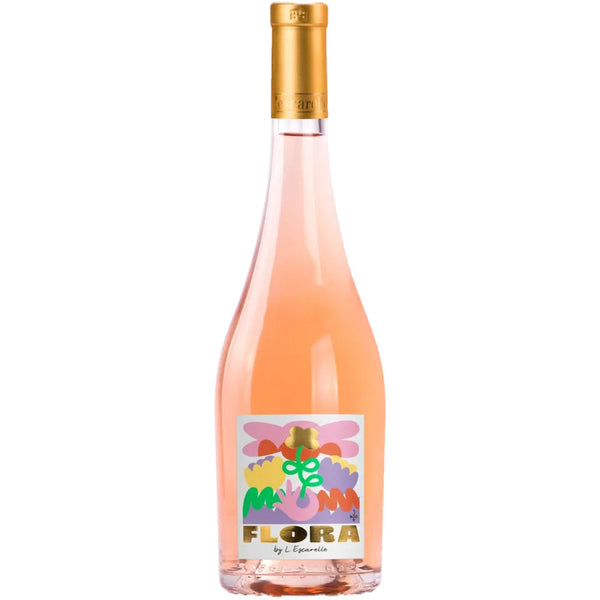
Château de l'Escarelle - Flora IGP Méditerranée 2024
Strawberry, redcurrant and melon: a rosé from the Var aged in stainless-steel tanks to keep it light.
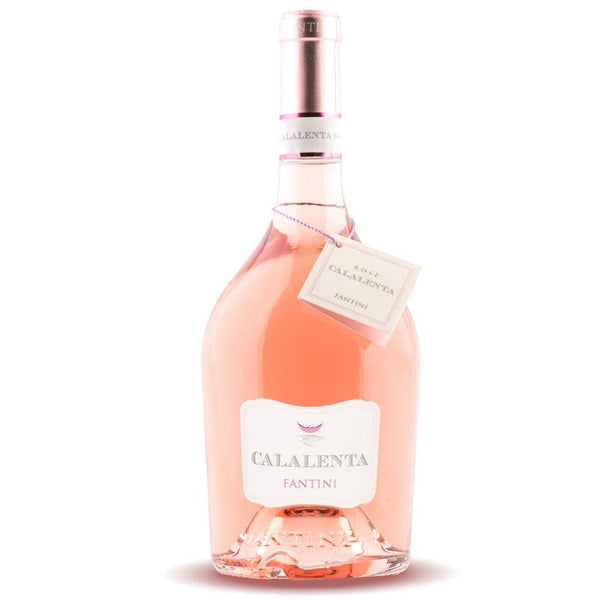
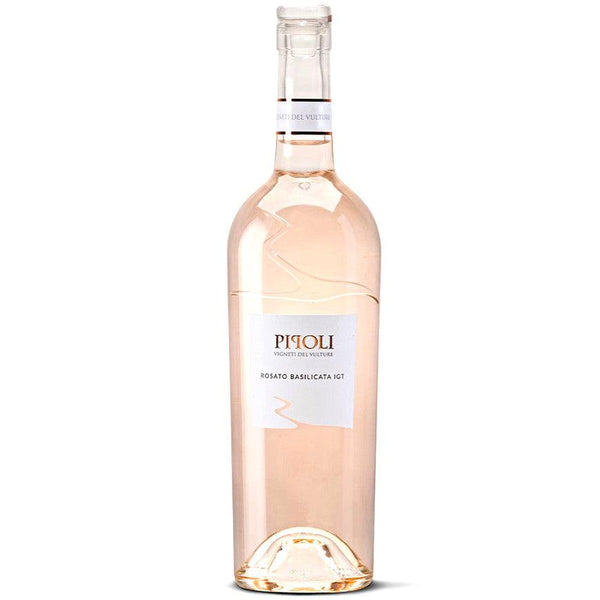
Vigneti del Vulture - Pipoli Rosato Basilicata 2025
A rosé made from Aglianico, elegant, fruity and delicious
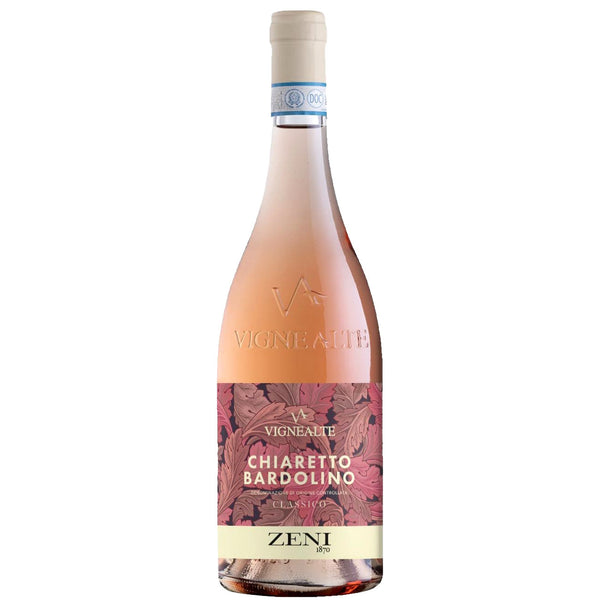
Zeni - Bardolino Chiaretto Classico "Vigne Alte" 2025
A gastronomic rosé, with gourmet flavors of red fruits
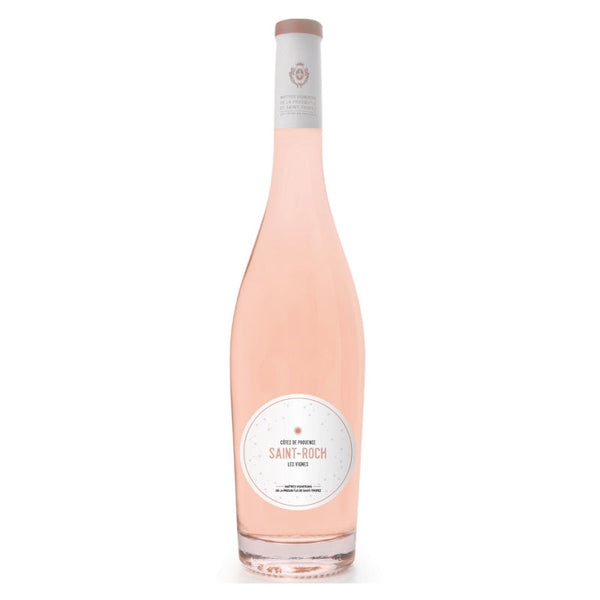
Les Maîtres Vignerons de Saint-Tropez - Saint Roch des Vignes Côtes de Provence 2024
Small red fruit and lemon blossom: Côtes de Provence rosé in a classic register.

Les Maîtres Vignerons de Saint-Tropez - Château Gabriel Côtes de Provence 2024
Red fruit, citrus and dried herbs, a Provence rosé that keeps its poise on the palate.

Olivier Guyot - Marsannay Rosé Fleur de Printemps 2022
Fleur de Printemps lives up to its name: strawberry and cherry on a lively, light palate.
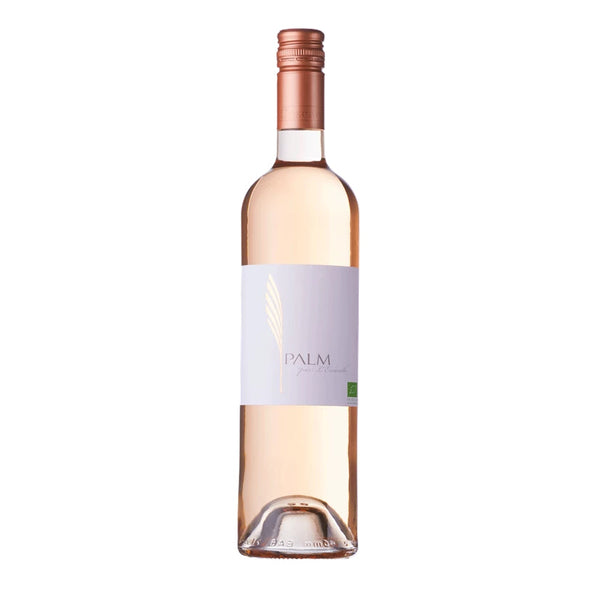
Château de l'Escarelle - Palm IGP Méditerranée 2024
A Mediterranean rosé of peach and apricot, lively and ready to serve from the aperitif onwards.
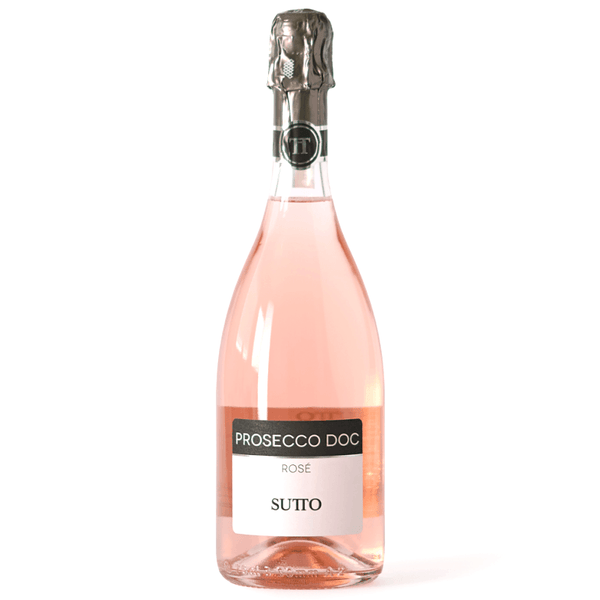
Sutto - Prosecco Brut Rosé Millésimé 2021
A vintage rosé Prosecco made from Pinot noir and Glera
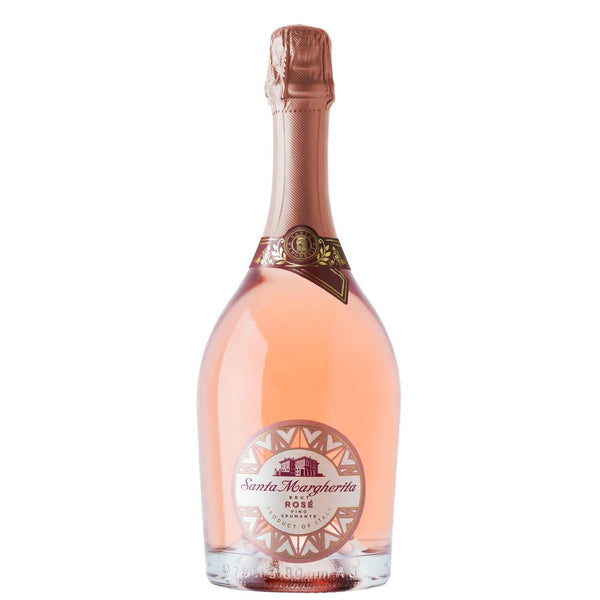
Santa Margherita - Spumante Rosé
Fine bubbles, red fruit and a hint of toast for the aperitif.
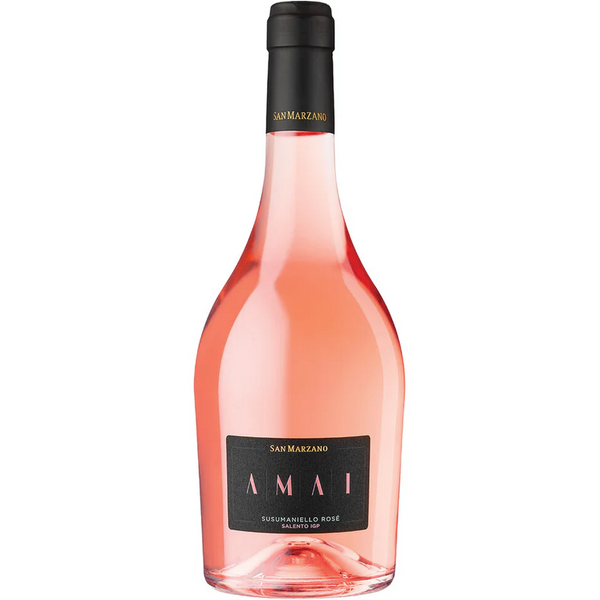
San Marzano - Amai Susumaniello Rosato 2023
An elegant and refreshing rosé made from Susumaniello, a rare grape variety from Puglia.
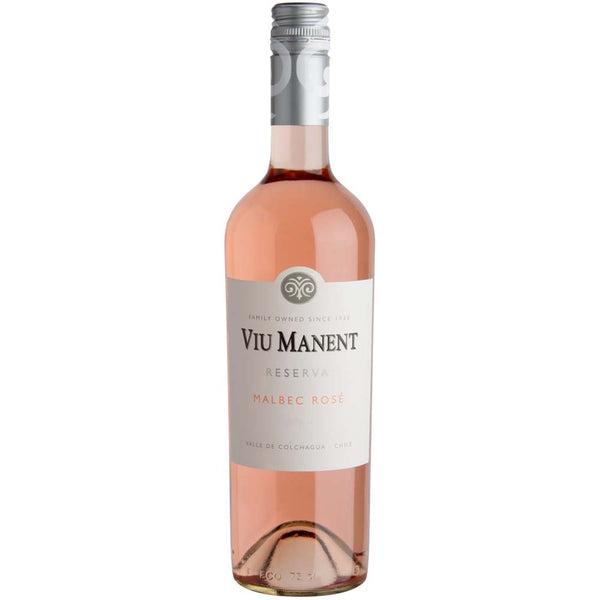
Viu Manent - Estate Reserva Malbec Rosé 2024
A pure Chilean Malbec rosé, lively and delicious, carried by the freshness of the Colchagua valley.
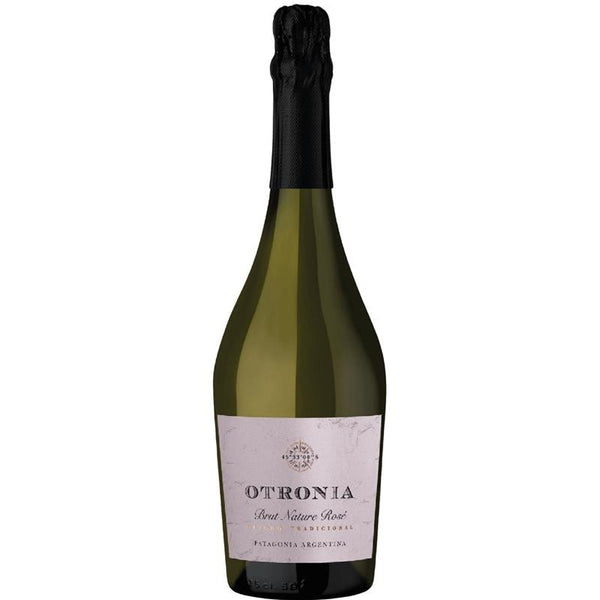
Otronia - Brut Nature Rosé
A sparkling Patagonian rosé of great freshness, where the precision of Pinot Noir meets the energy of the southern climate.
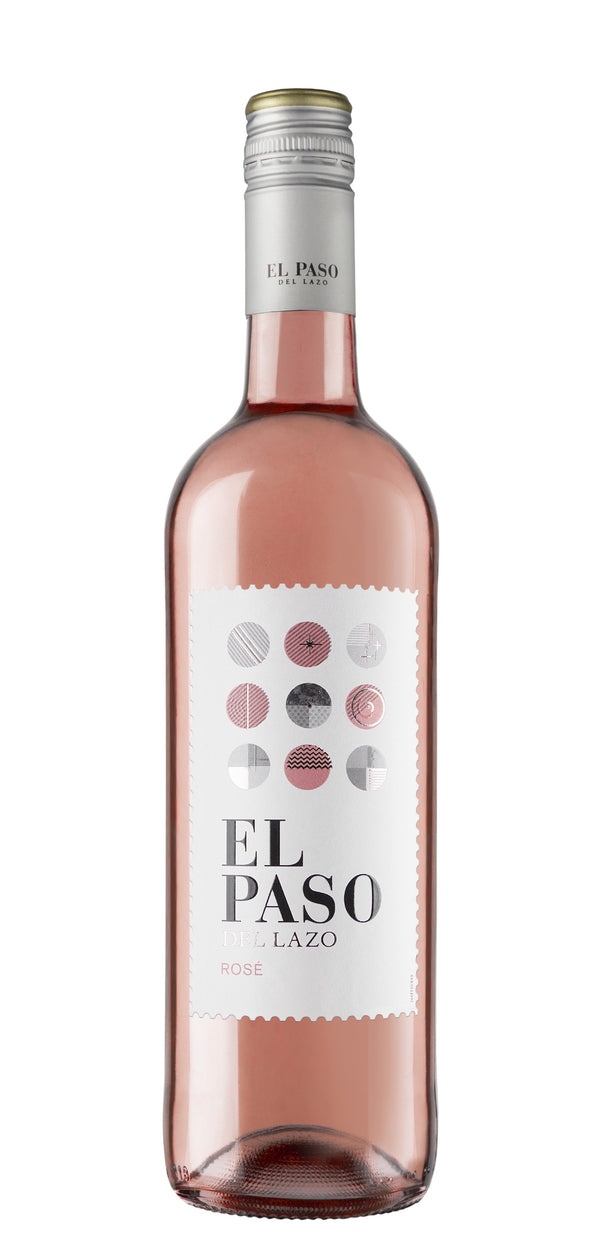
Hammeken Cellars - El Paso del Lazo Rosé 2024
A fresh and delicious Spanish rosé, driven by fruit and conviviality.
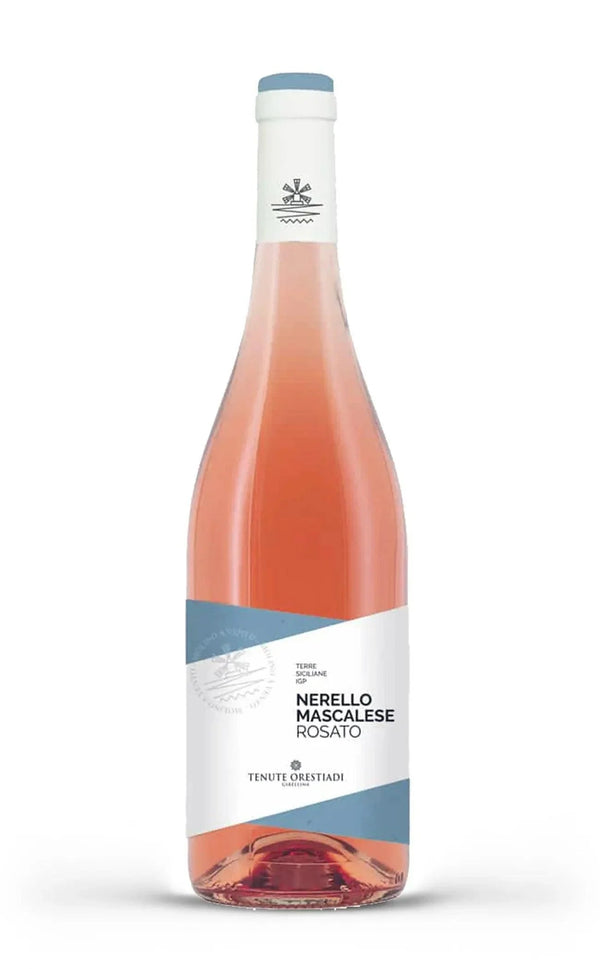
Cantine Ermes - Tenuta Orestiadi Rosato Nerello Mascalese 2024
An elegant and refreshing Sicilian rosé, where the finesse of Nerello Mascalese meets the minerality of the Gibellina hills.
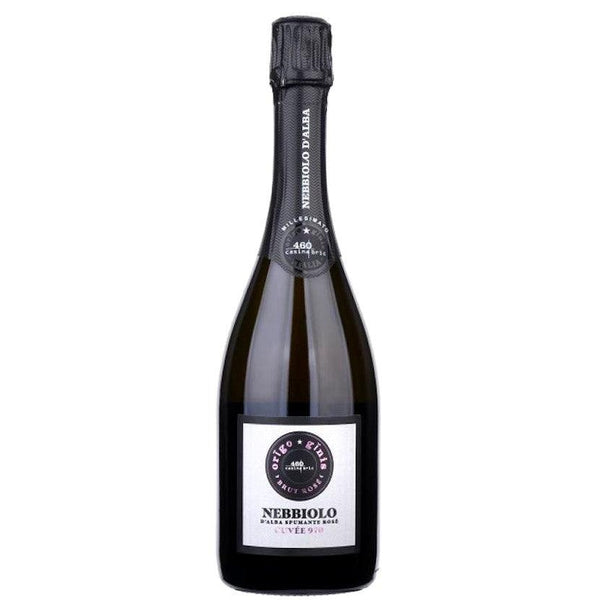
460 Casina Bric - Nebbiolo d'Alba Spumante "Cuvée 970" Brut Rosé 2021
A fine and elegant sparkling wine based on Nebbiolo
Which rosé for which taste?
From an easy-drinking rosé to a table rosé, the difference in style is as great as between two red wines.
Pale & Dry Rosé
Very pale color, citrus, dry and saline finish. The Provencal style.
Under €12Fruity & gourmet rosé
Strawberry, peach, roundness. The aperitif rosé, immediate and easy.
8 Italian rosésGastronomic rosé
More body, sometimes barrel-aged. Stands up to a main course, not just a salad.
Marsannay, €28.00Macerated rosé
Deep color, noticeable tannins. Between rosé and light red.
Skin-contact winesOrganic & sulfite-free
Organic or biodynamic farming, zero or minimal added sulfites.
167 vins
Grape varieties for rosé wine
Rosé is almost always a blend: each grape variety contributes a building block to it.
| Grape variety | Profile | Dominant aromas | Type agreement |
|---|---|---|---|
| Grenache | Fruity, round | Strawberry, peach, garrigue | Mixed salad, Mediterranean cuisine |
| Cinsault | Light, floral | Fresh red fruits, floral | Pre-dinner drinks, tapas |
| Syrah | Structured | Raspberry, pepper | Grilled meats, roasted vegetables |
| Mourvèdre | Sufficient | Dark fruits, spices, smoky note | Grilled fish, white meats |
| Tibouren | Fine, salty | Citrus, dried herbs | Fish, Provençal cuisine |
| Pinot Noir | Lively | Morello cherry, currant | Sushi, Japanese cuisine |
| Tempranillo | Fruity, colorful | Ripe strawberry, licorice | Tapas, cold cuts |
Which rosé for which dish?
A dry, crisp rosé plays the role of a lively white; a macerated rosé plays that of a light red. Start from there.
| The dish | The right profile | The grape varieties | Why it works |
|---|---|---|---|
| Salads, raw vegetables | dressing, herbs | Pale and dry | Grenache, Cinsault, Tibouren |
| Grilled dishes, skewers | marinated, smoked meat | Structured | Syrah, Mourvèdre |
| Mediterranean cuisine | tomato, olive oil, garlic | Fruity | Grenache, Cinsault |
| Sushi, raw fish | tender flesh, soy | Pale and saline | Pinot Noir, Tibouren |
| Tapas, cured meats | salt, fat, spices | Fruity and fresh | Tempranillo, Grenache |
| Spicy food | chilli, ginger | Fruity, lightly sweet | Grenache, Cinsault |
| Appetizer | olives, cheese puffs | Light | Cinsault, Grenache |
| Roasted vegetables, vegetarian dish | eggplant, pepper | Maceration | Syrah, Mourvedre |
What we look for in a rosé
The color of a rosé says nothing about its quality. It depends on the contact time of the juice with the skins: a few hours for a pale rosé, overnight for a macerated rosé. A very light rosé can be hollow; a deep rosé can be remarkable.
What we look at is the finish. A good rosé finishes dry and saline, making you want another sip. An industrial rosé finishes with a soft sweetness that saturates the mouth after two glasses.
Three mistakes we see all the time
Reducing it to summer. A gastronomic rosé accompanies roasted poultry in November as well as a salad in July.
Serving it iced. At 5 °C, only the cold remains. Aim for 8-10 °C, 11-12 °C for a maceration rosé.
Keeping it too long. The vast majority of rosés are best drunk within a year of harvest. Age-worthy rosés do exist, but they are rare and distinguished by their body.
The Baroudeur team, Lyon
Everything we're asked about rosé wine
How is rosé wine made?
Made from black grapes that are quickly pressed, or macerated for a few hours with their skins before the juice is separated. It is this contact time that gives the color. In Europe, mixing red and white wine is forbidden for still wines—the only exception being rosé champagne.
Does a rosé's color indicate its quality?
No. It indicates the maceration time and the grape varieties used, not the wine's quality level. A pale rosé can lack substance, while a deeply colored rosé can be precise and gastronomic.
At what temperature should rosé be served?
Between 8 and 12 °C. A pale, dry rosé is served at 8-10 °C, a macerated rosé at 11-12 °C. Served iced, it loses all its fruit.
Can rosé wine be aged?
Most are best drunk within the year. Some gastronomic rosés, aged in oak barrels or made from old vines, can be kept for three to five years and gain in complexity.
Which rosé for a barbecue?
A rosé with body: Syrah, Mourvèdre, or a macerated rosé. Very pale and light rosés are overwhelmed by the smokiness of grilled foods.
What's the difference between a Provence rosé and a maceration rosé?
Provence rosé is pressed quickly: very pale color, dry and saline style. Macerated rosé remains on the skins for several hours: deeper color, more fruit, sometimes light tannins. Two different wines, not a hierarchy.