
Wines of Portugal: from the dry Douro to ports and madeiras
77 bouteilles, du Douro sec au porto tawny et au madèreDry reds cut out for the table, brisk, taut whites from altitude, ports and madeiras that cross the decades: that is what this range brings together, at prices that have stayed keen.
The thread follows two movements. The dry wines first, from the terraces of the Douro to the granite of the Dão, on to the freshness of the Minho and the warmth of the Alentejo, carried by Niepoort, Quinta do Vallado and Quinta de la Rosa. Then the fortified wines, ports from the valley and madeiras from the Atlantic, some of which spend forty years in barrel before bottling.
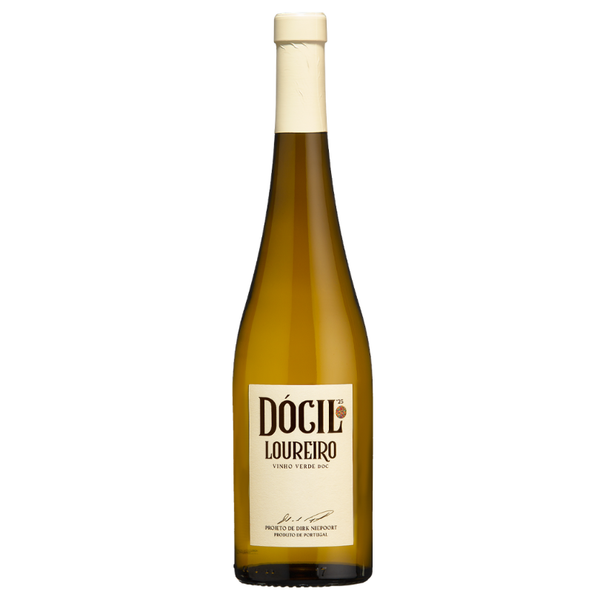
Niepoort - Vinho Verde Dócil 2025
A devilishly refreshing white wine from the North of Portugal with a beautiful minerality!

Niepoort - Drink Me 2022
A typical vintage from the Douro Valley by Dirk Niepoort!

Niepoort - Drink Me Nat Cool (1L) 2022
1 liter of happiness in a bottle for this wine vinified in a pure and natural style.
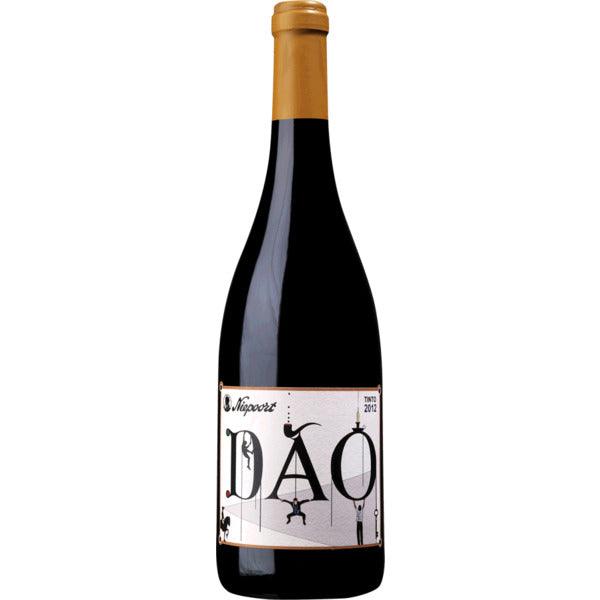
Niepoort - DÃO Red 2019
A fresh wine with a beautiful complexity based on spices and black fruits.


Niepoort - Redoma White 2019
Intense, mineral and precise, this white offers all the guarantees of a great vintage.

Niepoort - Conciso Red 2013
A great Dão wine made from century-old vines!
Où pousse la vigne portugaise
The vineyard fits into a strip six hundred kilometres long, yet the climate changes every fifty: ocean to the west, mountains in the centre, scorching plain in the south, a volcanic island out at sea. Each region gives a clear-cut style.
| Région | Climat et sol | Cépages phares | Le style |
|---|---|---|---|
| Douro | Schiste feuilleté en terrasses, étés brûlants, nuits fraîches | Touriga nacional, touriga franca, tinta roriz, sousão | Rouges profonds et frais, et le portoVoir le rayon porto |
| Dão | Granite, high plateau sheltered by the mountains | Touriga nacional, jaen, alfrocheiro, encruzado | Rouges élancés, blancs ciselés, acidité naturelle |
| Bairrada | Argile et calcaire, air marin de l'Atlantique | Baga, bical, maria gomes | Rouges tanniques de garde, blancs et mousseux vifs |
| Minho, le Vinho Verde | Pluvieux et granitique, vignes conduites haut | Alvarinho, loureiro, avesso | Blancs légers et salins, parfois perlants |
| Beira Interior | Arrière-pays montagneux, granite et schiste, altitude | Jaen, rufete, siria | Rouges fins et frais, blancs tendus |
| Alentejo | Plaine chaude du Sud, argile, granite et schiste | Alicante bouschet, trincadeira, aragonez | Rouges pleins et mûrs, à la texture large |
| MadèreÎle volcanique au large du continent | Basalte, humidité océanique, cultures en terrasses | Sercial, verdelho, boal, malvasia, tinta negra | Vins chauffés, salins, d'une longévité rare |
Ruby, tawny, LBV ou vintage, ce que la mention annonce
Every port begins with the same gesture: fermentation is stopped with a grape spirit, which leaves sugar in the bottle and takes the alcohol to around 20%. What follows sets them apart, depending on whether the ageing happens away from air or in contact with oxygen.
| Le style | L'élevage | Au goût | Quand l'ouvrir |
|---|---|---|---|
| Ruby | Deux à trois ans en cuve, à l'abri de l'air | Cerise noire, cassis, tanin jeune, sucre net | Dès l'achat, sur un dessert au chocolat |
| Tawny with an age indication | Dix, vingt ou trente ans en petit fût | Noisette, caramel, figue sèche, couleur ambrée | Chilled, at around 14 °C, with a walnut tart |
| LBV, Late Bottled Vintage | Quatre à six ans en foudre, d'une seule récolte | Le fruit d'un vintage, déjà assoupli | Prêt à servir, sur un fromage bleu |
| Vintage | Deux ans en foudre, la garde se poursuit en bouteille | Dense, tannique, fruits noirs, longue réserve devant lui | Après dix ans de cave, carafé, sur un gibier |
| Colheita | Un tawny d'une seule récolte, longuement élevé en fût | Rancio, écorce d'orange, fruits confits | At the end of the meal, with a dried-fruit dessert |
| Porto blanc | Cépages blancs du Douro, élevage court | Agrumes, fleur blanche, sucre discret | Very cold as an aperitif, or topped up with sparkling water |
The houses in the range cover that whole palette: Quinta do Vallado runs from white port to thirty-year-old tawny, Quinta de la Rosa works with LBV and vintage, Fonseca is one of the valley’s historic names. It is all gathered on the Port page.
A bottle for every mood
Eight ways into this section, from a first granite red to a Madeira of great maturity.
Discovering the Dão at a small price
Un rouge de granite d'altitude, cerise et poivre, au tanin fin. La façon la plus directe de saisir ce que donne le centre du pays.
Quinta Das Maias Tinto 2022 · 12,51 € la bouteille, à l'unitéA lively white for the aperitif
Loureiro from the Minho, lime and white flowers, light in alcohol. Serve it very cold with shellfish or a summer fry of small fish.
Niepoort Vinho Verde Dócil 2025 · 12,90 € la bouteille, à l'unitéLe Douro sec au quotidien
Touriga franca et touriga nacional sur schiste : fruits noirs, réglisse, tanin poli. Le rouge de semaine sur une viande grillée.
Quinta do Vallado Tinto 2022 · 14,85 € la bouteille, à l'unitéLe grand blanc de gastronomie
The encruzado of the Dão in its purest form: pear, almond, a saline and taut finish. For a baked fish or a poultry dish.
Quinta dos Roques Encruzado 2020 · 23,31 € la bouteille, à l'unitéA Port for the end of the meal
Ten years in small barrel: hazelnut, caramel and dried fig, amber colour. To be served chilled with a dried-fruit tart.
Quinta do Vallado Porto Tawny 10 ans · 32,40 € la bouteille, à l'unitéGetting into the world of Madeira
The sweetest style of the island, caramel and orange zest, lifted by a saline acidity. The bottle keeps for months once opened.
Blandy's Madère Malmsey 5 ans · 29,90 € la bouteille, par lot de 3Suivre la piste du porto
Ruby, aged tawny, LBV, vintage and white Port: the page brings together the Douro houses and explains how to find your way.
Page du rayon · PortoUn vin qui traverse le siècle
Deliberately heated then oxidised, madeiras age for decades and keep once opened. Dry sercial, sweet malvasia, it is all there.
Page du rayon · Madère
Le même coteau donne le porto et le grand rouge sec
The Douro was demarcated in 1756, the first vineyard in the world to be given official boundaries, and for two centuries it worked for one thing alone: Port. The schist terraces, cut by hand into the slope above the river, produced a fortified wine destined for the British export trade.
The shift dates from the 1990s. A few houses set aside their best plots for reds fermented right through, and the world discovered that this schist also gave deep, fresh table wines. Today the same vine, often the same row, goes into one vat or the other depending on the vintage.
Comment on choisit
We taste every cuvée before listing it, and two things matter in this section. Freshness first: a Portuguese red that slides towards jam stays in the cloakroom, even from a great name. Then length, especially on the fortified wines, where the finish has to stay saline rather than sweet.
L'équipe du Baroudeur du Vin
What you ask us about the wines of Portugal
Quelle différence entre un porto et un rouge sec du Douro ?
The two often come from the same grape varieties, on the same schist terraces. For Port, the fermentation is stopped with a wine spirit: sugar remains and the alcohol rises to around 20% abv. The dry red ferments right through, comes in at about 14% abv and is drunk at the table, with meat or a slow-cooked dish.
Ruby ou tawny, lequel choisir ?
The ruby keeps the colour and the fruit of a young wine, aged away from the air: black cherry, blackcurrant, tannin still present. The tawny ages in small barrel in contact with oxygen, takes on an amber hue and notes of hazelnut, caramel and dried fig. The first calls for chocolate, the second for dried fruit and mature cheeses.
Combien de temps un porto tient-il une fois ouvert ?
It depends on the family. A tawny or a colheita, already used to oxygen during its ageing, holds several weeks re-corked in the fridge. A vintage is drunk within two days, since it has just spent its life in bottle away from the air. Madeira beats everything, holding for months after opening.
Pourquoi le madère se conserve-t-il aussi bien ?
Because it deliberately undergoes what wears other wines out. The wine is fortified, then heated at length, in a coil for the everyday cuvées or under the roof for the great lots, where the heat of the island works the barrel for years. Cooked and oxidised in advance, it becomes stable: a bottle from the last century is still alive.
Quels cépages portugais faut-il connaître ?
En rouge, la touriga nacional donne la structure et le parfum de violette, la touriga franca la finesse, la tinta roriz la chair, le sousão l'acidité, la baga de Bairrada un tanin de garde, le jaen du Dão la souplesse. En blanc, retenez l'alvarinho du Minho, salin et précis, et l'encruzado du Dão, le plus gastronomique de tous.
Qu'est-ce que le Vinho Verde exactement ?
A young wine from the Minho, the damp, granite province of the north-west. The name refers to a region, not a colour: white, red and rosé are all made there. The usual style stays light, low in alcohol, with a touch of spritz. The alvarinho cuvées from Monção gain in density and age very well.
Pourquoi certaines bouteilles partent-elles par lot ou par caisse ?
Several Portuguese estates ship by full case, and we keep that format to hold the price down. The price shown on each listing is the bottle price, with the sales format right beside it. A good part of the range is still available by the single bottle, notably from Quinta do Vallado, Quinta Das Maias and Quinta dos Roques.
Which dishes should you serve with a Portuguese red?
Douro reds stand up to grilled red meat, lamb and slow-cooked dishes seasoned with bay. Those from the Dão, more slender, prefer roast poultry, pork and mushrooms. The Alentejo, fleshier, goes with stews and sheep’s cheeses. Serve them at around 16 °C.
What temperature should ports and madeiras be served at?
Allow 8–10 °C for a white port or a dry sercial madeira, served as an aperitif. A tawny is better chilled, at around 14 °C, which tightens its sweetness. A vintage or an LBV is served at 16 or 17 °C, the former decanted, as it throws a heavy deposit.