
Japanese sake: junmai brewed in six prefectures
25 flacons, de 28 € à 145 €A single figure governs the whole section: how much of the rice grain remains after polishing. 70% for a junmai, 60% at most for a ginjo, 50% at most for a daiginjo. The rest has turned to dust before fermentation even begins, and that is what you pay for.
Our entire range is junmai, with no added distilled alcohol. The table of the three categories explains what the name guarantees, and the temperature table what to do once the bottle is open.

Yoshimura - Kurumazaka Sake 2021
A Kimoto Junmai from Nara that is at once expansive, precise, and deeply umami.
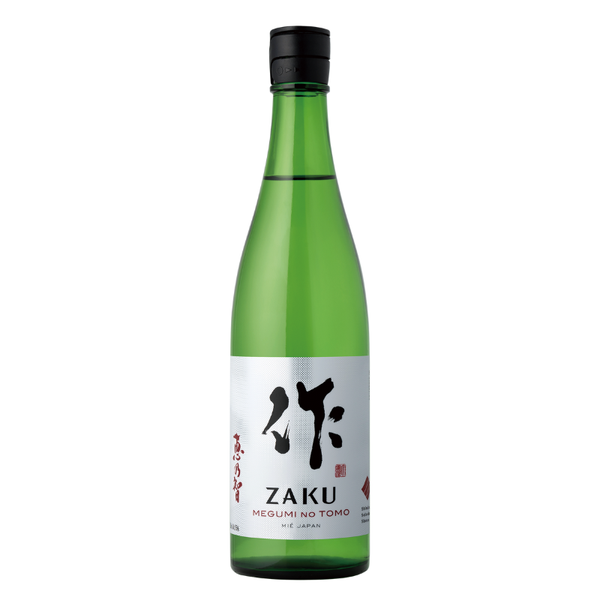
Zaku - Megumi No Tomo Sake
A Junmai Ginjo de Mie of great finesse, where the purity of the rice and aromatic freshness are expressed with balance and precision.
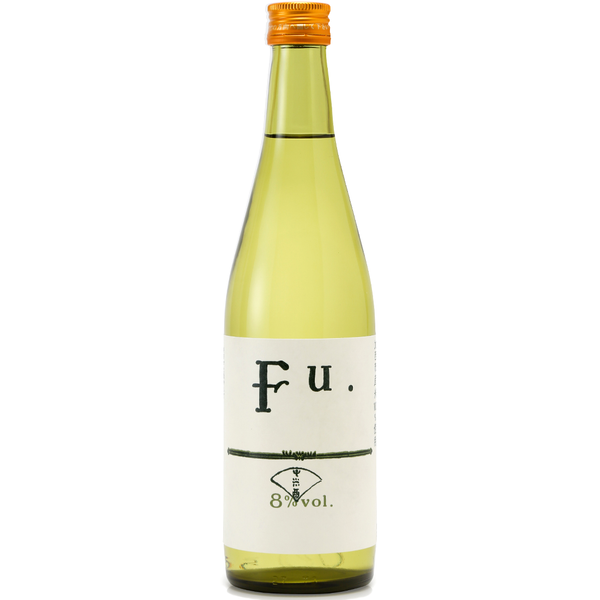
Fukunishiki - Sake Fu Junmai
A fine sake from Hyōgo Prefecture: a terroir rich in rice-growing tradition.
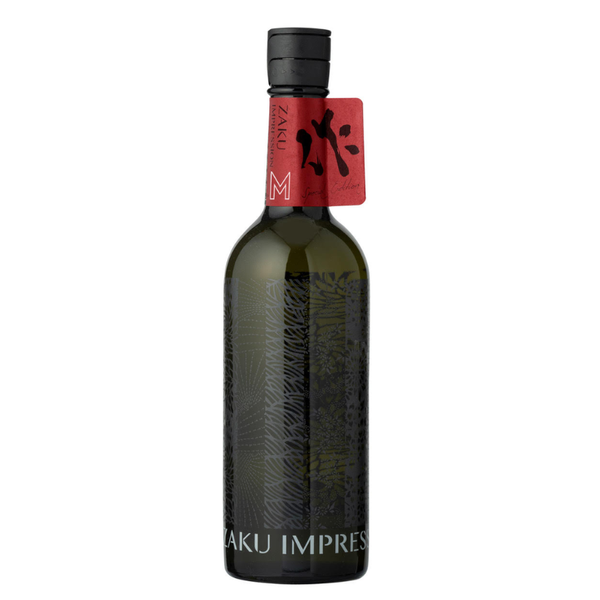
Zaku - Sake Print M Genshu
A precise and expressive Junmai Ginjo Genshu, which combines aromatic intensity and crystalline freshness.
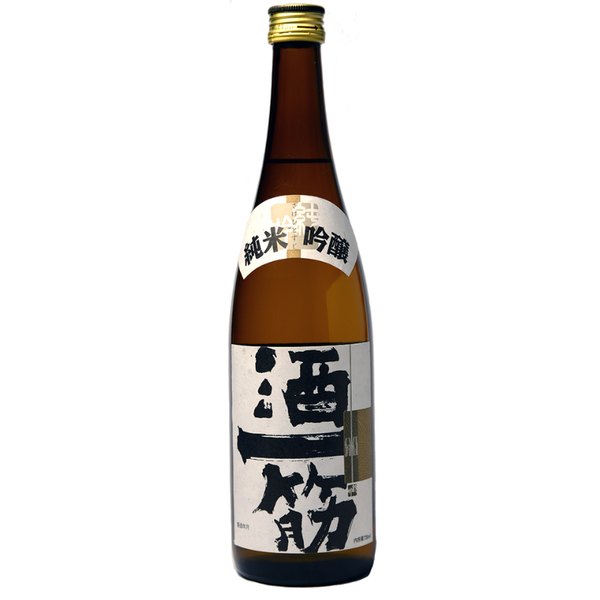
Sakehitosuji - Kinrei Sake
A delicate and pure Junmai Ginjo, which combines aromatic finesse and silky texture to enhance Japanese cuisine and seafood dishes.
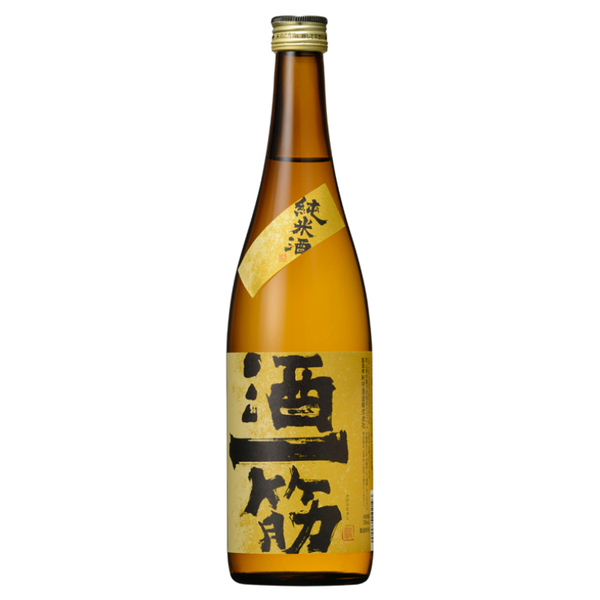
Sakehitosuji - Sake Junmaishu
A precise and harmonious Junmaishu from Okayama, where the purity of the rice meets a silky and umami texture.
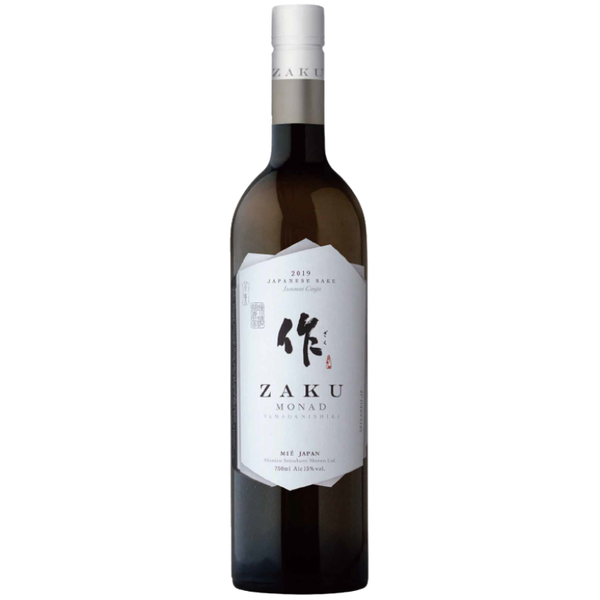
Zaku - Monad Sake
A precise and crystalline Junmai Ginjo, where the purity of the rice meets a delicately fruity freshness.

Zaku - Sake Kizui
A Junmai Daiginjo from Mie of great purity, combining aromatic finesse, silky texture and a clean, umami finish.

Zaku - Sake Naguwashi Suzuka Kaminoho
A pure and precise Junmai Daiginjo, which finely expresses the character of Kaminoho rice and the freshness of the Suzuka terroir.

Suginishiki - Kimoto Junmaishu 90 Sake 2021
A Kimoto Junmaishu 90 with a rustic and umami profile, which highlights the raw power of rice and traditional fermentation.

Suginishiki - Sake Edo No Haruzake Nigori
A Yamahai junmai nigori from Shizuoka, at once velvety, milky and deeply umami.

Suginishiki - Sake Tenpo 13 2023
A Yamahai Junmai from Shiga with a deep personality, where the richness of the rice meets a refined umami intensity.

Suginishiki - Bodaimoto Sake 2023
A pure and flavorful junmai bodaimoto, where the traditional method exalts the depth of the rice and a subtly gastronomic acidity.
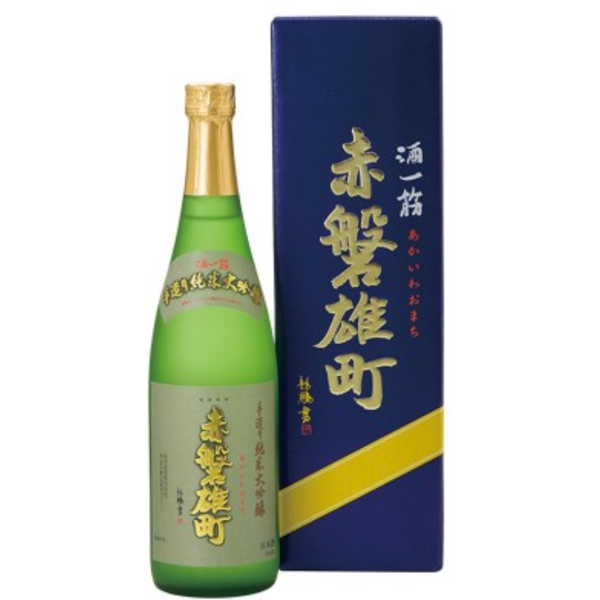
Sakehitosuji - Akaiwa Omachi Sake
A precise and crystalline Junmai Daiginjo from Omachi d'Akaiwa, which finely expresses the purity of its Okayama terroir.
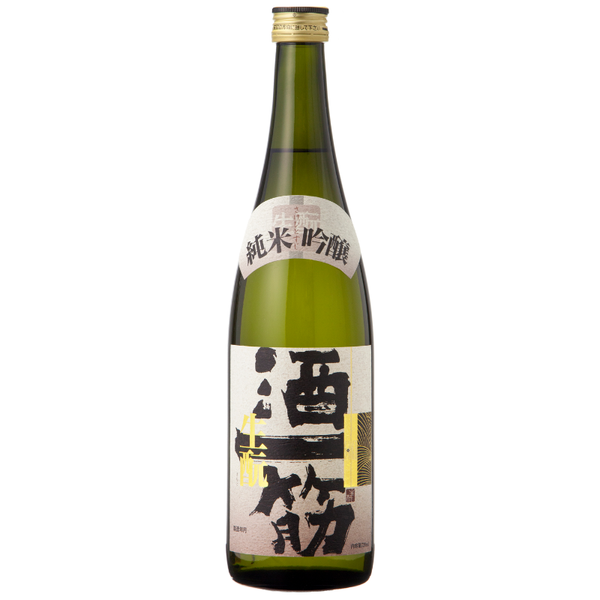
Sakehitosuji - Sake Kimoto
A precise and harmonious Kimoto Junmai Ginjo, where the purity of the rice meets a silky and deep texture.
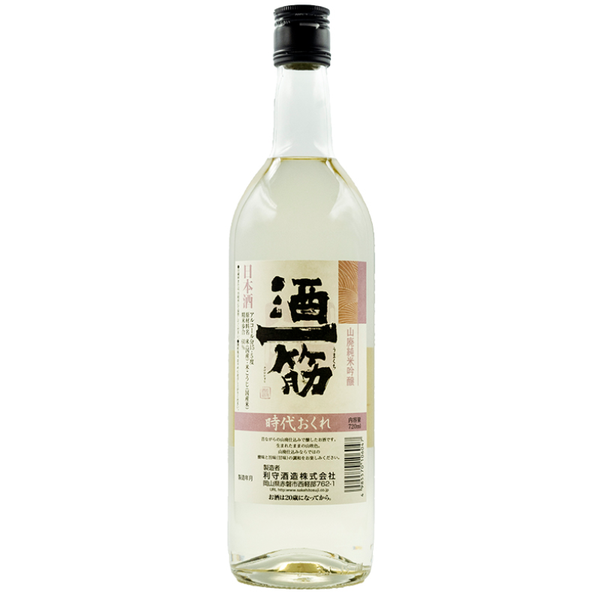
Sakehitosuji - Jidai Okure Sake
A deep-seated yamahai junmai ginjo from Okayama, where umami richness meets elegant freshness.
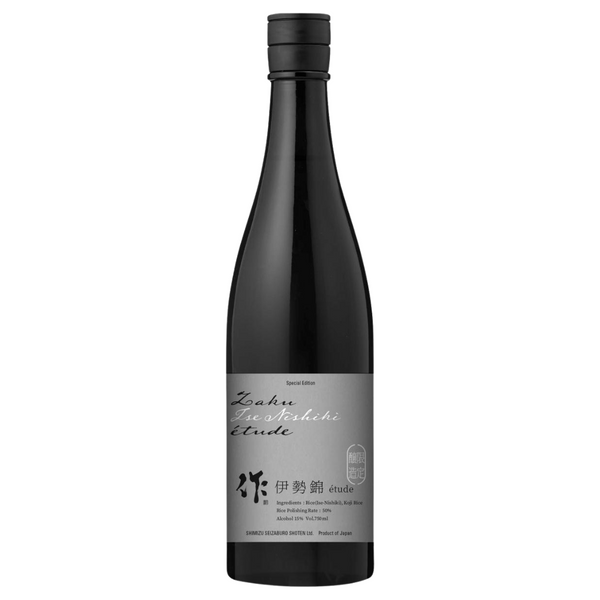
Zaku - Isenishiki Sake Study
A Junmai Daiginjo of great purity, where aromatic finesse meets a crystalline and deep texture.
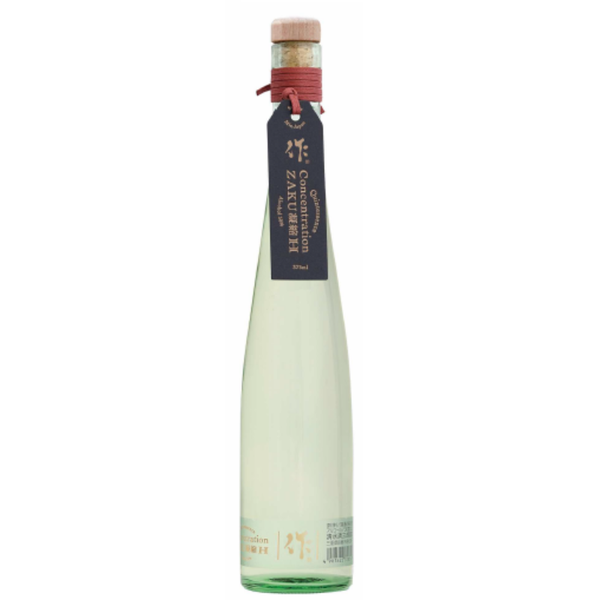
Zaku - Sake Concentration H
A precise and concentrated Junmai, which highlights the purity of the rice and the freshness of its Mie terroir.
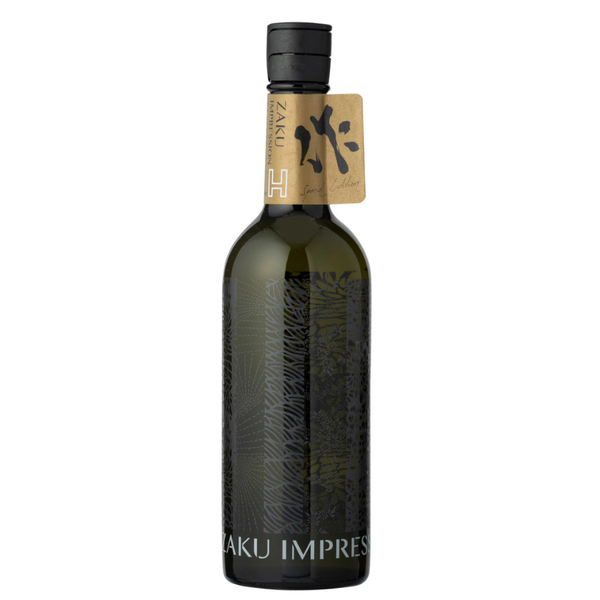
Zaku - Sake Impression H Genshu
A precise and vibrant Junmai Genshu, where the purity of the fruit meets a full and silky texture.
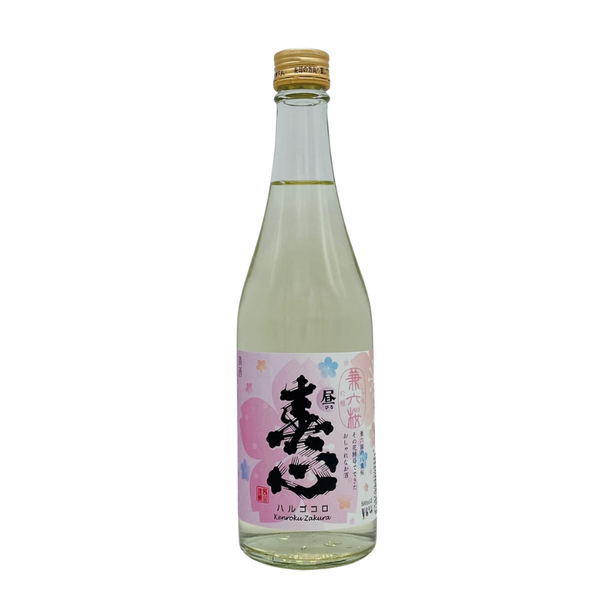
Harugokoro - Kenroku Zakura Hiru Sake
A Junmai Ginjo from Ishikawa that is all about delicacy, where the purity of the rice meets a subtle and refined freshness.
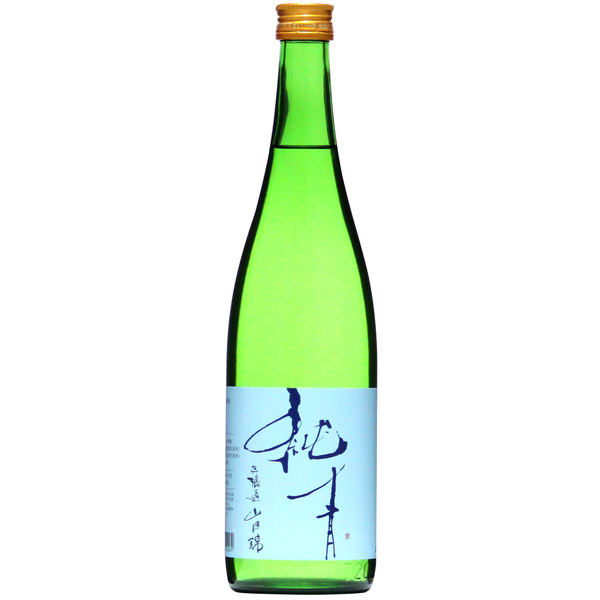
Fukunishiki - Sake Junsei Yamada Nishiki Genshu
A characterful, ample and deep kimoto genshu that accurately expresses the nobility of Hyogo's Yamada Nishiki rice.
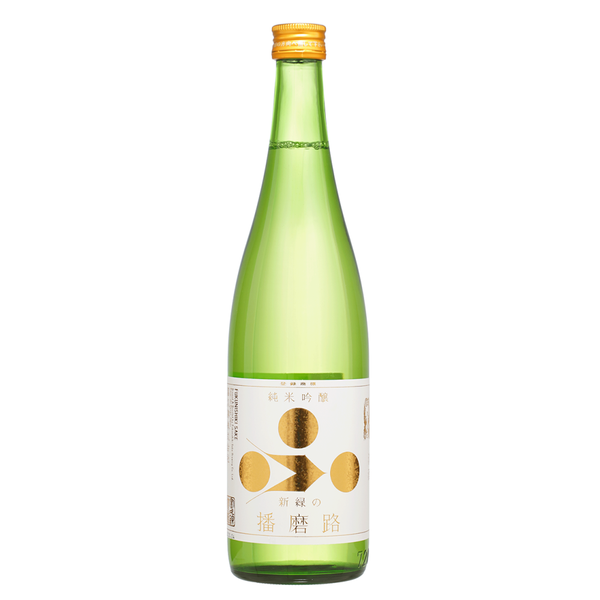
Fukunishiki - Harimaji Sake
A precise and refined Junmai Ginjo, which highlights the purity of the rice and the freshness of Hyogo.
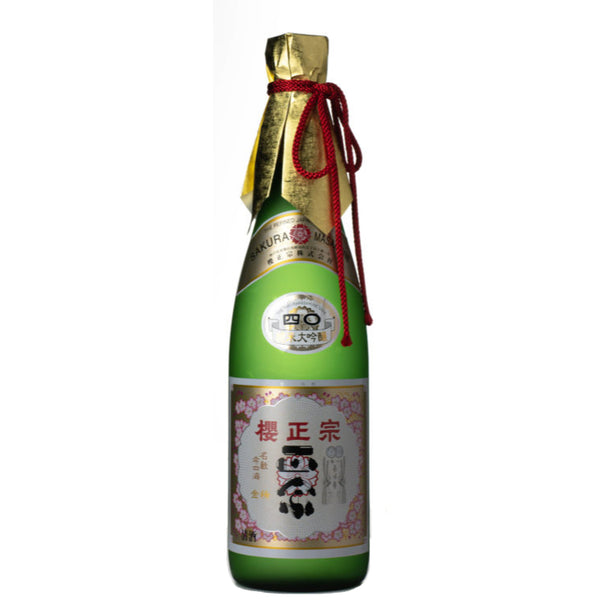
Sakura Masamune - Kinmare Junmai Daiginjo 40 Sake
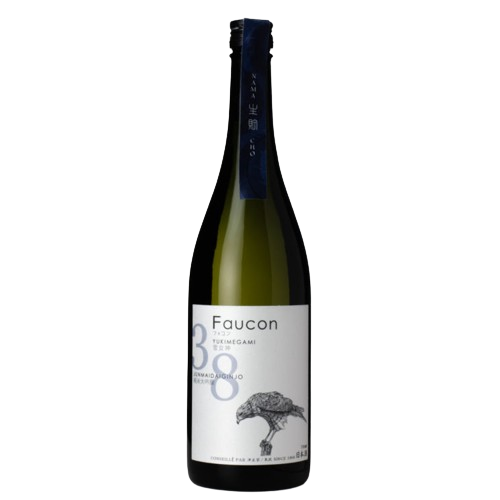
Hamada - Junmai Falcon Daiginjo 38 Sake
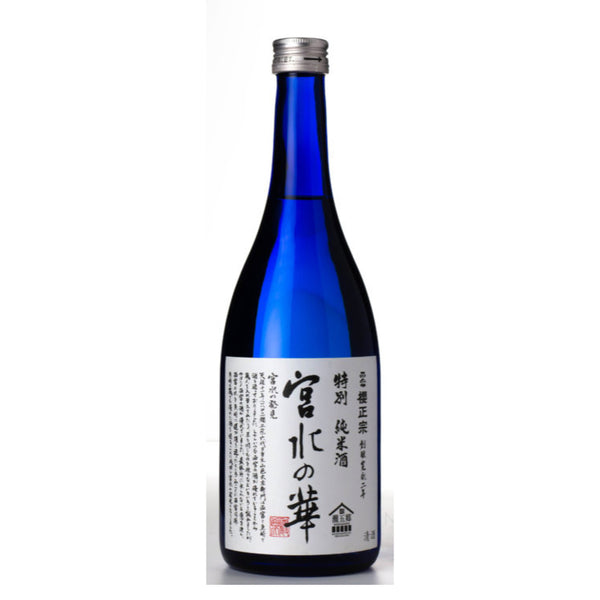
Sakura Masamune - Miyamizu-no-Hana Tokubetsu Junmai 65 Sake
Trois catégories, un seul chiffre à retenir
The polishing ratio, or seimaibuai, tells you how much of the grain remains after milling. The lower it is, the more rice has been discarded, and the finer and more expensive the sake. It is as much an indicator of cost as of style.
| Catégorie | Ce que le nom garantit | What it means in the glass | In our cellar |
|---|---|---|---|
| Junmai jusqu'à 70 % du grain conservé | Rice, water, koji, yeast. Nothing else, and certainly no added alcohol. Polishing remains moderate, sometimes barely begun. | Body, substance, notes of rice and grain. This is the style that gains most from being served warm, where the others lose out. | De 28 à 81 €, dont un Kimoto Junmaishu de Suginishiki poli à 90 % seulement |
| Junmai Ginjo au plus 60 % du grain conservé | Polishing goes down a notch and fermentation is long and cold. That is what creates the esters, those fruit aromas you do not find anywhere else. | Pear, melon, white flowers. More aromatic and lighter; serve chilled so as not to crush the fragrance. | From €42 to €66, including the Zaku wines from Mie Prefecture |
| Junmai Daiginjo au plus 50 % du grain conservé | La moitié du grain au minimum part en poussière avant la fermentation. Du riz et du temps perdus volontairement, c'est le sommet de la hiérarchie japonaise. | Texture soyeuse, aromatique précise, alcool fondu. Le style le plus fin du rayon, et le plus fragile à la chaleur. | De 52 à 145 €, dont le Faucon d'Hamada poli à 38 % et le Kinmare de Sakura Masamune à 40 % |
Aucun honjozo, aucun futsushu ici : ces deux catégories autorisent l'ajout d'alcool de distillation avant le pressurage. La cave s'arrête au junmai.
Huit maisons, de Kobe au pied du mont Fuji
Chaque tuile ouvre la sélection de la maison, filtre déjà appliqué.
Zaku
Préfecture de Mie, riz Ise-Nishiki local et eaux de la Miyagawa. La maison la plus présente ici, du junmai genshu au daiginjo de garde.
Préfecture de MieSakehitosuji
Okayama and its Omachi, a rice variety born there in the 19th century and reputed to be the hardest to grow. A kimoto and a yamahai in the selection.
Préfecture d'OkayamaSuginishiki
Shizuoka, snowmelt from Mount Fuji filtered through volcanic rock. The house of ancient starters: yamahai, bodaimoto, and a barely polished junmai.
Préfecture de ShizuokaFukunishiki
The Banshū plain in Hyōgo, birthplace of Yamada Nishiki, which brewers call the king of sake rice. Two cuvées out of three made using kimoto.
Préfecture de HyogoSakura Masamune
Le nom de sa cuvée, Miyamizu-no-Hana, renvoie au Miyamizu, l'eau minérale de Nada qui a fait la réputation du saké de Kobe.
Un daiginjo poli à 40 %Moins de 50 €
Le point d'entrée du rayon, junmai et ginjo mêlés. La catégorie ne dit rien du plaisir : plusieurs levains ancestraux se trouvent ici.
Deux tiers du rayon
La même bouteille change quatre fois de visage
Aucune autre boisson n'accepte un tel écart, de 5 à 50 °C, et le Japon a nommé chaque palier. Servir un saké à la mauvaise température, c'est passer à côté de ce qu'on a payé.
| Température | Le nom japonais | Ce que ça change | À réserver à |
|---|---|---|---|
| 5 °C sortie de réfrigérateur | Yuki-hie, froid de neige | Closes up the aromas and tightens the palate. Useful for taming a very fragrant or very textured sake. | Un nigori trouble, un daiginjo en plein été |
| 10 à 12 °C la zone la plus sûre | Hana-hie, froid de fleur | The fruity esters express themselves without the alcohol standing out. If in doubt, this is the one. | Ginjo and daiginjo, half of the section |
| 15 à 18 °C température de cave | Suzu-hie, frais | Le corps et la texture reviennent, le riz se fait sentir. Beaucoup de junmai ne montrent rien de plus au froid. | Junmai, kimoto and yamahai |
| 35 à 40 °C température du corps | Hitohada-kan, chaleur de peau | The umami unfolds, the acidity rounds out, a closed sake wakes up. This is where ancestral starters show what they can do. | Characterful junmai, the Suginishiki bodaimoto |
| 45 à 50 °C le seuil à ne pas dépasser | Atsu-kan, chaud | Dries out the finish and brings out the alcohol. Reserved for rustic sakes, never for an aromatic cuvée. | Le Kimoto Junmaishu 90 de Suginishiki, poli au minimum |
To warm it, use a bain-marie and never the microwave: direct heating breaks down the aromas and leaves a taste of burnt alcohol. A heated daiginjo loses exactly what cost the most to produce.
Le taux de polissage mesure un coût, pas une qualité
The Japanese hierarchy is crystal clear, and that is its flaw: it ranks sakes on a single criterion, the amount of rice discarded. A daiginjo at 38% costs more than a junmai at 70% because it took twice as much grain for the same volume, not because it is twice as good.
What we look at first lies elsewhere, in the starter. Some of our cuvées begin their fermentation the old way: kimoto, where the mash is pounded with a paddle for hours to let lactic bacteria from the air take hold; yamahai, the version where the mash works on its own; and bodaimoto, the method of 15th-century monks. The modern route, sokujo, simply adds lactic acid and saves two weeks.
A Kimoto Junmaishu polished to 90%, so barely milled, costs €47.60 and sits at the very bottom of the official hierarchy. Yet it is one of the most interesting sakes in our cellar, and it is served warm.
Trois idées reçues
Sake is drunk hot. True of an industrial sake, where heat masks the faults. On a ginjo, it destroys the work of the cold fermentation.
It is a strong spirit. Most are 15 or 16% ABV, less than a port. Genshu, which are undiluted, go a little higher.
It keeps like wine. No. Apart from koshu, which are deliberately aged, a sake should be drunk within a year of bottling, stored upright, away from light.
L'équipe du Baroudeur du Vin
Ce qu'on nous demande sur le saké
Quelle différence entre junmai, ginjo et daiginjo ?
The rice polishing ratio, and that alone. A junmai retains up to 70% of the grain, a ginjo 60% at most, a daiginjo 50% at most. The word junmai in front also guarantees that no distilled alcohol has been added, which is the case for all our cuvées.
Is sake a rice wine?
No, and the expression is misleading. Grapes contain directly fermentable sugar; rice does not. You first need a mould, koji, to convert the starch into sugar. This conversion and the fermentation take place at the same time in the same tank, a process that exists nowhere else.
Is sake a strong spirit?
Less than you might think. Most sakes are between 15 and 16% ABV, barely more than a powerful white wine and considerably less than a port. Genshu, not diluted before bottling, go a little higher.
Faut-il boire le saké chaud ou froid ?
Both are justified, depending on the cuvée. A ginjo or daiginjo is served at 10–12 °C, otherwise the heat destroys the aromas obtained through cold fermentation. A characterful junmai, on the other hand, benefits from being served warm, at around 40 °C. The temperature table above details the five levels.
Qu'est-ce que le kimoto et le yamahai ?
Two ancestral ways of starting fermentation. With kimoto, the mash is pounded with a paddle for hours so that lactic bacteria in the air take hold naturally. Yamahai does away with the pounding but keeps the principle. The modern method, sokujo, adds lactic acid directly. Nine of our 25 sakes use an ancestral starter.
Que veulent dire genshu et nigori sur une étiquette ?
A genshu has not been diluted with water before bottling: it is more concentrated and slightly higher in alcohol. A nigori has been coarsely filtered and retains particles of rice in suspension, hence its cloudy appearance and milky texture. Both can be found in this section.
Combien de temps se garde une bouteille de saké ?
Unlike wine, sake is not made to age. Allow one year after bottling, stored upright, away from light and heat. Koshu, deliberately aged, are the exception that proves the rule.
Et une fois la bouteille ouverte ?
One to two weeks in the fridge, re-stoppered. Sake oxidises faster than white wine because it contains almost no tannins or sulphites to protect it. A nigori should be drunk even sooner.
What dishes should I serve sake with?
It excels where white wine struggles: raw fish, shellfish, briny dishes, where its lack of biting acidity and its wealth of umami avoid a metallic clash. A warm junmai also goes very well with a pressed cheese or a broth.
What glass should sake be served in?
A white wine glass is better than the small traditional cup for a ginjo or daiginjo: it concentrates the aromas that these cuvées cost so much to produce. The ceramic cup still has its place for warm service.