
Biodynamic wine: nine countries, from Chile to New Zealand
41 bottles, from €10.90 to €75.00Twenty-six bottles, nineteen estates, nine countries, and not a single French label. The range lines up sixteen reds, eight whites and one orange wine, with a median price of €29.00. None of these wines appears in the organic range: each bottle is classed in one tier only, and biodynamics takes precedence over the organic certification that underpins it.
What these estates really do can be read on their product pages, and it is more concrete than the word itself: pruning and harvesting timed to the lunar cycles, compost made on the estate from animal manure or garden plants, fermentation with only the grapes' own yeasts, amphorae and concrete tanks instead of new oak, bottling without filtration. The first table sets these six practices side by side. One thing to check before you fall for a cuvée: stock is tight, only six bottles are available by the bottle, and the second table lists all six.
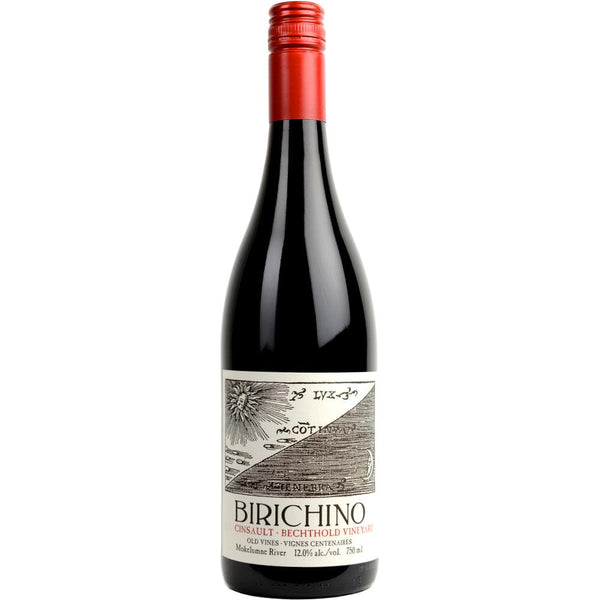
Birichino - Bechthold Cinsault 2023
A red with captivating aromas from old Cinsault vines over 130 years old!
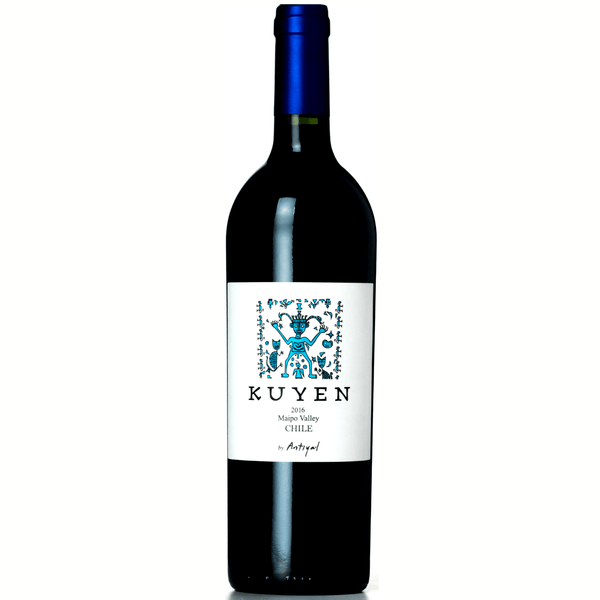
Antiyal - Kuyen 2020
A lunar and complex vintage, produced using the precepts of biodynamics.

Birichino - Besson Grenache 2023
A captivating wine from century-old Grenache vines.
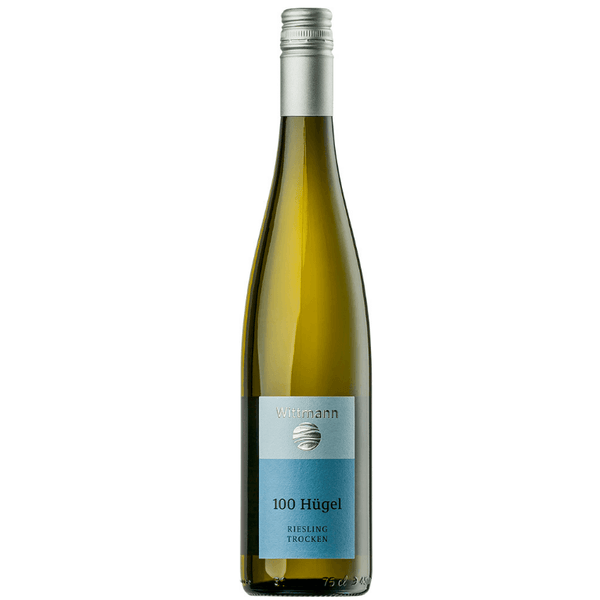
Wittmann - 100 Hügel 2024
A biodynamic riesling full of lightness and freshness straight from Germany

False Bay - Crystalline Chardonnay 2023
A vintage full of life made Biodynamically!
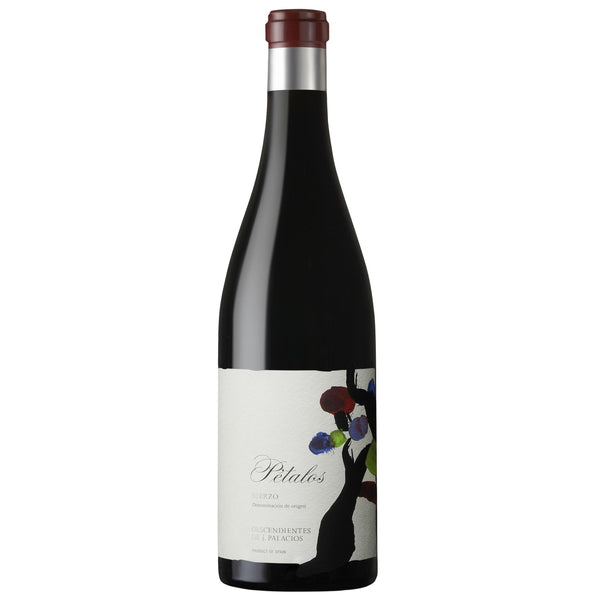
Descendientes de J. Palacios - Petalos 2023
A vintage full of energy and vitality, round and juicy at the same time, which makes it a reference in Spain.


Cruchon - Coteaux de Trumao Pinot Noir 2021
An intense and vibrant Pinot Noir from Chilean Patagonia

False Bay - Slow Chenin Blanc 2024
A pure and digestible Chenin blanc with notes of ripe fruit

D'Arenberg - The Stump Jump Red 2021
A blend of 3 grape varieties bringing together power and aromatic intensity!

Antiyal - Pura Fé Carménère 2023
A completely mastered Carménère, both creamy and very digestible

Antiyal - Escorial 2020
The quintessence of Carménère, expressed by a master of Chilean viticulture.

Morra Gabriele - Foravia Langhe Nebbiolo 2024
A Nebbiolo crafted in the codes of the modern era: fresh, elegant and airy

Felton Road - Block 6 Chardonnay 2024
A biodynamic Chardonnay from Bannockburn, from old north-facing vines, vibrant and saline.

Chappaz - Grain Pinot Chamoson 2024
A Pinot Noir from Chamoson in Valais, grown biodynamically on limestone scree.

Avignonesi - Desiderio Merlot 2021
Avignonesi's iconic Super Tuscan, a dense, juicy and deeply spiced merlot from Cortona.
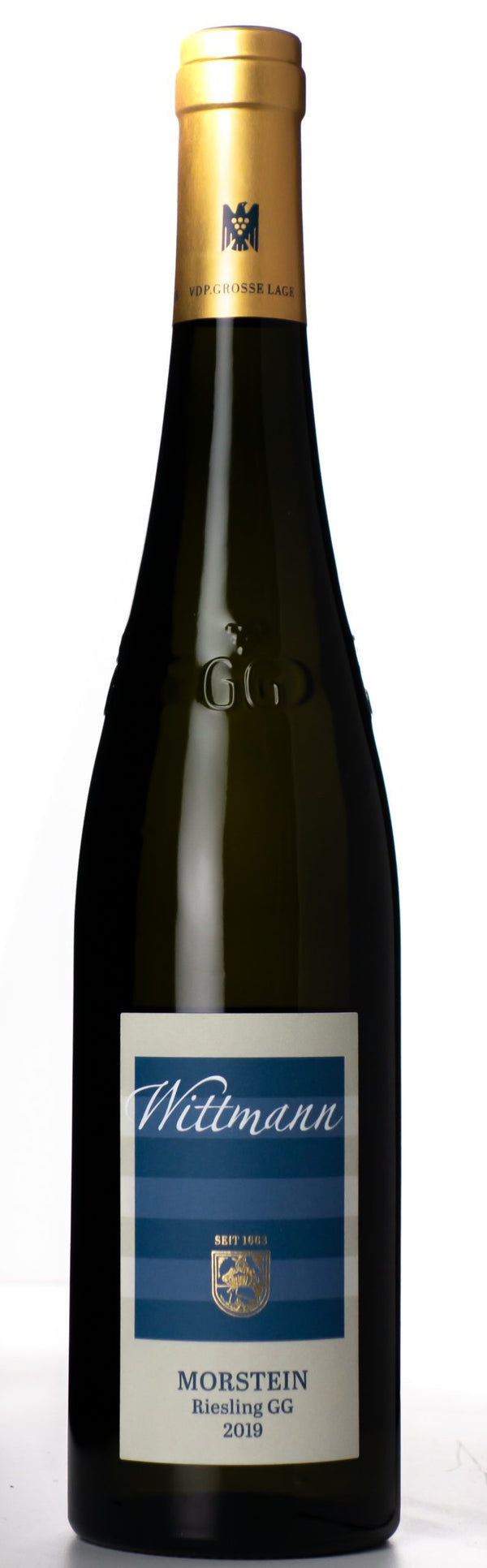
Wittmann - Westhofen Morstein Riesling Grosses Gewächs 2024
The oldest recorded cru of Westhofen as a Grosses Gewächs: a Riesling of rare concentration and tension.

Wittmann - Westhofen Brunnenhäuschen Riesling Grosses Gewächs 2023
A high-altitude Grosses Gewächs, creamy and racy, born on the red soils of the Brunnenhäuschen in Westhofen.
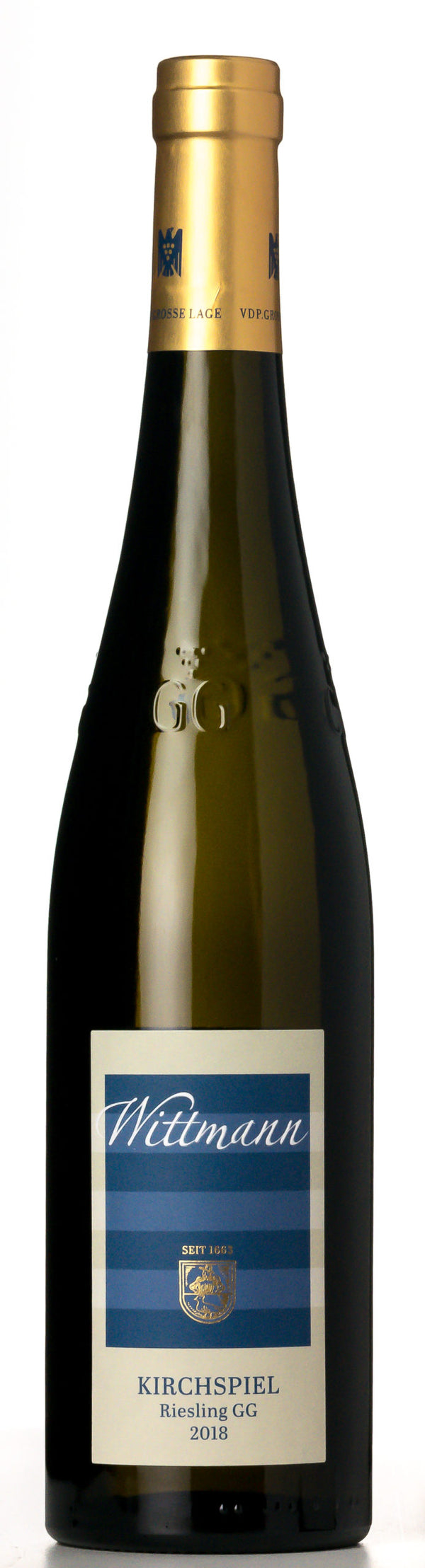
Wittmann - Westhofen Kirchspiel Riesling Grosses Gewächs 2024
A Riesling Grosses Gewächs from Westhofen, fresh and chalky, farmed biodynamically on limestone marls.

La Bastide Blanche - Bandol Rouge 2022
A Bandol with 81% Mourvèdre, biodynamic, with dense, smooth tannins, round and Mediterranean.

La Bastide Blanche - Bandol Blanc 2024
A biodynamic white Bandol, broad and sapid, between white peach, aniseed and a saline finish.
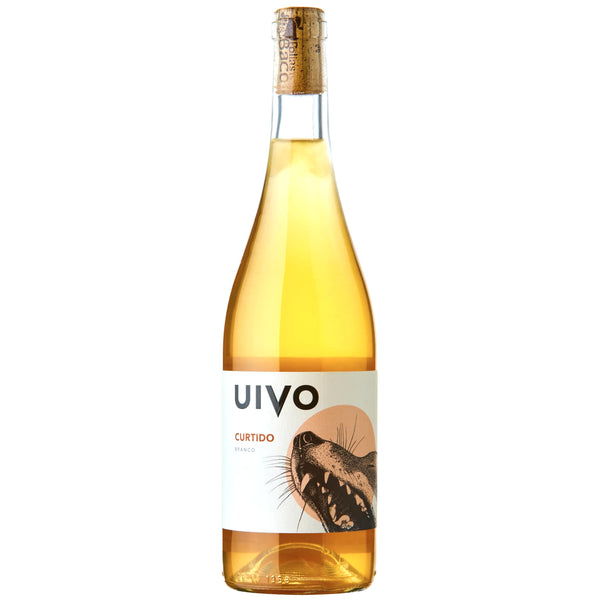
Folias de Baco - Uivo Curtido 2022
An orange wine from Alto Douro, fruity and mineral

Peregrine Estate - Pinot noir 2015
A Pinot Noir that combines purity and elegance, concentration and length.
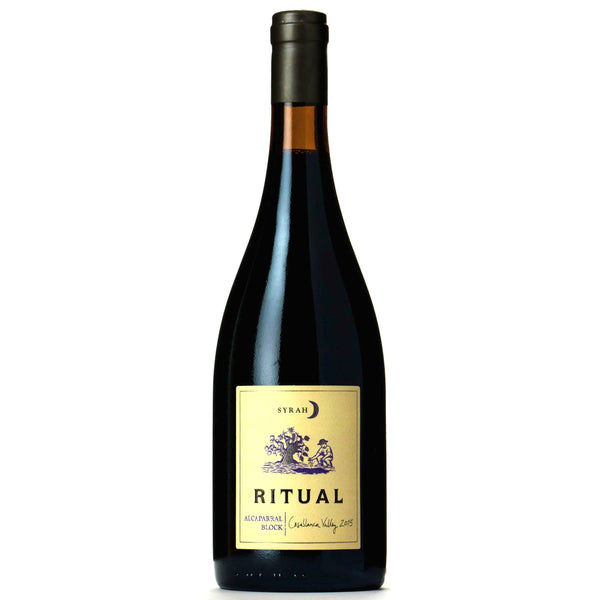
Ritual - Alcaparral Block Syrah 2018
A high-end syrah with complex aromas of black fruits and spices.

Rippon - Mature Vine Pinot Noir 2017
An elegant and refined Pinot noir, grown on the banks of Lake Wanaka

Equinox Wines - To Maike and the Rest 2022
A Chenin Blanc with short maceration which brings texture, complexity and freshness

Cullen - Moon Opposite Saturn Harvest - Sauvignon Blanc 2018
A complex and tense Sauvignon Blanc, made from biodynamic farming
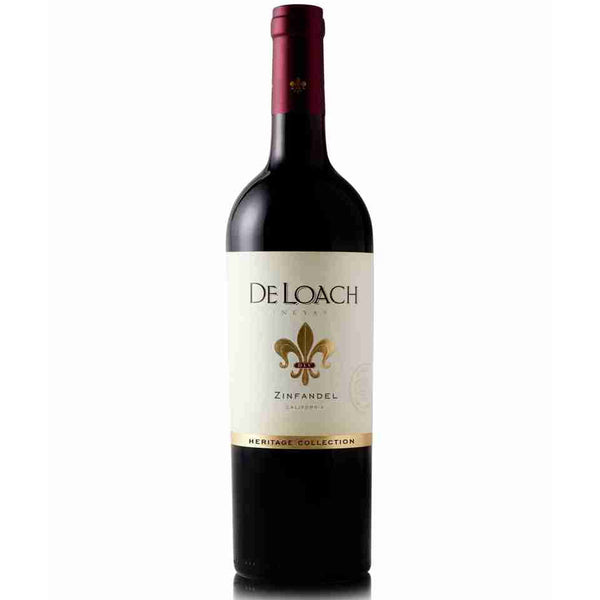
De Loach - California Zinfandel 2019
A fruit bomb made biodynamically
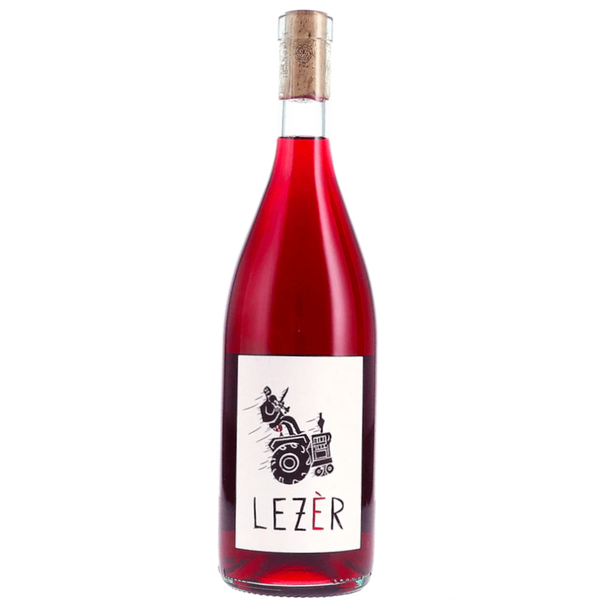

Jay Christopher - Basalte Pinot Noir Willamette Valley 2018
A world-class Pinot noir, with notes of spices and undergrowth
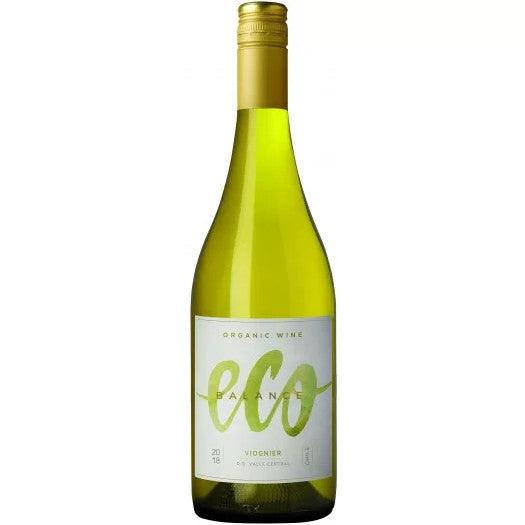
Emiliana - Ecobalance Viognier 2019
A biodynamic Viognier, made with pure respect for the environment

Alfredo Maestro Tejero - A Dos Tiempos 2017
A timeless biodynamic wine made only with grapes, vines and healthy soils.
Six practices, from the lunar calendar to bottling
Biodynamics is often explained by what it forbids. Seen through the product pages of these nineteen estates, it looks more like a list of tasks: harvest dates you don't choose, compost you have to make, fermentations you don't steer. Each of these six practices takes time, is written in black and white on at least two product pages in the range, and may or may not translate into something perceptible in the glass. We have set the two columns side by side, including when the honest answer is that you can't taste it.
| The practice | What these estates do | What it changes in the glass | Where to find it in this range |
|---|---|---|---|
| The lunar calendar Working dates imposed from outside | At Morra Gabriele, pruning and vineyard work follow the lunar cycles. Cullen goes further and picks on the day the moon is opposite Saturn, hence the name of the Moon Opposite Saturn Harvest cuvée. | Nothing measurable, and no one will prove it in a blind tasting. What it changes lies elsewhere: you give up harvesting at the moment that suits the team best. | Morra Gabriele in Italy, Cullen in Australia |
| Compost made on the estate Five product pages out of twenty-six describe it | Antiyal maintains pastures, feeds animals on them and composts their manure. De Loach makes its preparations from the medicinal plants in its kitchen garden, Jay Christopher makes his own with the flowers growing on his property, and Emiliana composts grape skins, stalks and plant residues. | Nothing immediate either, but this is what determines the life of the soil, and therefore how consistent ripeness is from one year to the next. | Chile, California, Oregon |
| The grapes' own yeasts Sixteen product pages out of twenty-six | Spontaneous, native or natural fermentation: this is the most widely shared practice in the range. False Bay lets its Chenin ferment in stainless-steel tanks and then keeps it on the lees for ten months, Alfredo Maestro Tejero works with wild yeasts, and Antiyal ferments Escorial in stainless steel with only the grapes' own yeasts. | This is where you can taste it. The wine becomes less uniform from one cuvée to the next and loses the standardised profile given by a commercial selected yeast. | Almost every country in the range |
| Neutral vessels Amphora, cement, concrete, foudre | Foradori macerates its Teroldego in amphorae, wood, steel and concrete, then leaves it for four months in concrete tanks. Antiyal ages Escorial for twelve months in egg-shaped concrete tanks, Folias de Baco ferments in concrete, and Morra Gabriele gives its Barbaresco eighteen months in foudre. | A lot, and straight away. No added vanilla or toasty notes: new oak becomes the exception and stops serving as make-up. | Italy, Chile, Douro Valley |
| Bottling without filtration Ten cuvées state it, sometimes without fining | Foradori, Descendientes de J. Palacios, Birichino, Rippon, Cruchon, Folias de Baco, Alfredo Maestro Tejero, Antiyal and Morra Gabriele bottle without filtering, and Morra's Barbaresco undergoes neither clarification nor filtration after eighteen months in foudre. | Denser texture and sometimes a slight deposit at the bottom. The wine keeps fine particles that carry the aroma, at the cost of a less clear colour. | Ten of the twenty-six product pages |
| Sulphur kept to a minimum Stated, never eliminated | Morra Gabriele uses only two products on its 4.5 hectares: sulphur in small doses and copper. Cruchon states a minimal addition of sulphites at bottling, Ritual claims oenological intervention reduced to the strict minimum. | Purer fruit and a bottle more fragile in transport and in heat. That does not make these wines sulphur-free, however. | Piedmont and Chilean Patagonia |
Two caveats on reading this table. First, not every product page details how the estate is run: the one for D'Arenberg Stump Jump Red only talks about the blend of Syrah, Mourvèdre and Grenache, without a word about the vineyard work. Second, these practices are not unique to biodynamics: native yeasts, old vines and no filtration are found among growers who claim nothing at all. What biodynamics adds is a framework that makes them compulsory rather than leaving them to the whims of the vintage.
Six possible ways in, five countries and one grape variety
Twenty-six bottles spread across nine countries makes for tiny groups: three countries have only one or two wines, and two estates alone supply six cuvées. So the first five ways in follow the range's real concentrations, and the sixth follows a grape variety that spans three continents.
Chile, from Maipo to Patagonia
The range's leading country. Antiyal, founded in 1996 by Alvaro Espinoza in the Maipo Valley, is its most represented estate, and Cruchon produces 2,000 bottles of Pinot Noir at the gateway to Chilean Patagonia, on compacted volcanic sand soils.
Red blends, also by the bottleItaly, Dolomites and Langhe
Foradori grows Teroldego in Trentino on pergolas and vinifies it in amphora, wood, steel and concrete. Morra Gabriele farms 4.5 hectares, 3 of them in Barbaresco, on the Montestefano and Ovello crus, with vines aged 60 to 70 years and a production of 25,000 bottles.
Teroldego and NebbioloUnited States, century-old vineyards
Birichino vinifies two historic Californian plots: Bechthold's Cinsault, planted in 1886, ungrafted and dry-farmed, and Besson's Grenache, planted in 1910. Jay Christopher works the volcanic soils of the Chehalem Mountains, in Oregon, with preparations made from the estate's own plants and flowers.
Cinsault, Grenache and Pinot NoirGermany, three Rieslings from Wittmann
A single estate covers the whole German chapter, in Rheinhessen, with vines farmed biodynamically, hand-harvested and deliberately low-yielding. The range runs from 100 Hügel on limestone soils to the dry, taut Riesling Trocken, up to an Auslese from overripe grapes in 500 ml.
From dry to sweetSouth Africa, Swartland and Stellenbosch
False Bay sources its Chenin from old vines in Swartland and Stellenbosch, hand-harvested and fermented with native yeasts before ten months on the lees. Equinox Wines makes wine in Paardeberg, on granite soils beneath a sandy layer, using whole bunches and short maceration.
Chenin and ChardonnayPinot Noir, four readings of the grape variety
Peregrine and Rippon grow it in Central Otago, one on a mountainside under snow eight months a year, the other at 330 metres on the shores of Lake Wanaka on quartz and pebble soils. Jay Christopher vinifies it in Oregon in the Burgundian manner, and Cruchon takes it to the southernmost point of Latin America.
New Zealand, Oregon, Chile
Six bottles sold individually, from the Langhe to Maipo Alto
Let's say it straight away: of twenty-six wines, only six can be bought by the bottle today. The others are sold by the case or are out of stock, including the most affordable ones, so the range starts at €10.90 by the case and €28.00 by the bottle. Here, then, is the complete list of what is available by the bottle, in order of price, with the biodynamic practice described on each product page. Three estates share these six bottles, which makes for a narrow but coherent journey.
| The bottle | What's inside | The practice its product page describes | Price |
|---|---|---|---|
| Morra Gabriele Foravia Langhe Nebbiolo 2023Italy, Piedmont | Langhe Nebbiolo made with 60% whole bunches covered with pressed must, spontaneous fermentation. The cuvée was created in 2018 in search of a fresher nose in the face of global warming. | Pruning and vineyard work follow the lunar cycles, and the cellar uses only small doses of sulphur and copper. | €28.00 |
| Antiyal Kuyen 2019Chile, Maipo Valley | A blend of four red grape varieties, natural fermentation, a year in French oak barrels then six months' rest in bottle before release. Liquorice, prune, blackcurrant and mocha, supple tannins. | The estate runs as a closed loop: pastures feed the animals whose manure is used to make the vineyard's compost. | €38.00 |
| Cruchon Coteaux de Trumao Pinot Noir 2021Chile, the edge of Patagonia | Vines aged 9 to 22 years on compacted volcanic sand and river sand, 2,000 bottles a year. Bunches destemmed berry by berry, a month of fermentation in large old casks, twelve months of ageing then twelve months in bottle. | Fermentation with native yeasts, no filtration and an addition of sulphites stated as minimal. | €38.00 |
| Birichino Bechthold Cinsault 2023United States, California | Cinsault from a vineyard planted in 1886, reputed to be the oldest plots of the variety, ungrafted and dry-farmed. Rose petals, cranberry, redcurrant, very fine tannins. | Native fermentation, ten months in neutral French barriques, bottled unfiltered. | €48.00 |
| Morra Gabriele Barbaresco 2020Italy, Ovello and Santo Stefano crus | Grapes hand-picked from vines 60 years old and more, four to five weeks of fermentation in stainless-steel tanks, eighteen months in foudre and six months in bottle. | Natural fertilisers from legumes, grasses and mustard seeds to feed the soil, bottled without clarification or filtration. | €52.00 |
| Antiyal Escorial 2020Chile, Maipo Alto | Carménère from a single 0.8-hectare plot, on volcanic and basalt soils rich in minerals and organic matter. It is the most expensive bottle in the range. | Fermentation with native yeasts then twelve months in concrete eggs, whose shape keeps the wine in constant movement. | €75.00 |
This table also shows what the range cannot offer. The two False Bay wines at €10.90, the three Wittmann wines and the Petalos from Descendientes de J. Palacios are available by the case, not by the bottle, and eleven wines are completely out of stock, including the only orange wine in the selection. If you are looking for a first biodynamic wine under twenty euros, this range is not the right door for now.
Not a single French bottle, and that's no accident
Let's start with what jumps out when you count the countries: there is not a single French wine in this range. Chile, the United States, South Africa, Germany, Italy, Australia, Spain, New Zealand, Portugal, and nothing from the Loire to the Rhône. That is surprising, since biodynamics was formalised in Europe and the French estates that practise it are among the most talked-about in the world. The reason lies first in what we are: a merchant of wines from around the world, whose list is built outside France.
The other half of the explanation is more interesting. In eight of these nine countries, there is no hierarchy of appellations comparable to France's for sorting bottles, and the way the vineyard is farmed has ended up playing that role of benchmark. The product pages say so in their own way: Alvaro Espinoza founded Antiyal in 1996, often described as Chile's first garage winery, and the estate is now seen as a local pioneer of biodynamics; Cullen settled in Margaret River in the 1960s and is a biodynamic pioneer there; Peregrine is among the oldest converted estates in Central Otago. Where a classification is lacking, the farming method serves as a calling card, and it is claimed far more loudly than it would be on a Burgundy label.
That leaves the question everyone asks: can you taste it? Our answer is yes, but not in the way you might think. The preparations and the lunar calendar leave no identifiable signature in a glass. What you can taste are the practical consequences of the framework: old vines kept rather than grubbed up, Cinsault from 1886 at Birichino, Mencía aged 40 to 90 years at Descendientes de J. Palacios, low yields, fermentations with the grapes' own yeasts, vessels that add no flavour and bottling without filtration. These choices are also found among growers who claim nothing at all, and those are the reasons to buy these bottles, not the word printed on the back label.
Three points before ordering
The real entry price: the range starts at €10.90, but those bottles are only sold by the case. The first cuvée available by the bottle is Morra Gabriele's Foravia Langhe Nebbiolo, at €28.00.
One tier per bottle: these wines go a step further than the organic specifications, so they are classed as biodynamic and listed here.
Sulphur-free? No: none of these product pages claims bottling with no added sulphites. They state reduced doses, which is not the same thing.
The Wine Wanderer Team
What we are asked most often
Why is there no French wine in this range?
Because ours is the selection of a merchant of wines from around the world, and because the most sought-after French biodynamic cuvées are distributed mainly by allocation. Our biodynamic bottles therefore come from Chile, the United States, South Africa, Germany, Italy, Australia, Spain, New Zealand and Portugal. It is counter-intuitive, as biodynamics was formalised in Europe, but it spread very quickly through young wine regions, where it serves as a mark of quality in place of a classification of appellations.
Why don't these wines also appear in the organic range?
Because each bottle is classed in one tier and one tier only. Biodynamics builds on the organic specifications and adds its own requirements, so these wines are placed in the higher tier and appear here rather than in the organic list. A bottle always joins the most demanding tier it reaches, and that is where it is counted.
Does the lunar calendar really change anything?
Nothing that can be proven in a glass, and we won't pretend otherwise. What it changes is how the estate is organised: at Morra Gabriele, pruning and vineyard work follow the lunar cycles, and Cullen picks its Sauvignon on the day the moon is opposite Saturn. In practice, these estates give up working at the most convenient moment, which requires an available team and small holdings. Morra Gabriele's 4.5 hectares or the 0.8-hectare Escorial plot at Antiyal make it manageable.
Can you taste biodynamics?
Indirectly. The preparations and cosmic rhythms leave no recognisable signature, but the practices that go with them do: sixteen of the twenty-six product pages describe fermentation with the yeasts naturally present on the grapes, ten state bottling without filtration, and several replace new oak with amphora, concrete or foudre. A wine fermented with native yeasts and left unfiltered has more relief and less uniformity than a standardised wine. That is what you taste, not the calendar.
How many bottles can I buy individually?
Six, and here they all are: Morra Gabriele Foravia Langhe Nebbiolo at €28.00, Antiyal Kuyen and Cruchon Coteaux de Trumao Pinot Noir at €38.00, Birichino Bechthold Cinsault at €48.00, Morra Gabriele Barbaresco at €52.00 and Antiyal Escorial at €75.00. The other wines are sold by the case or are out of stock. The price shown on each product page always tells you which it is, bottle or case.
Are these estates certified biodynamic?
Our classification is based on the practices described by the estates and reproduced on our product pages, not on a certificate we would display bottle by bottle. Some pages go into great detail about how the vineyard is farmed, such as those for Morra Gabriele, Antiyal or Jay Christopher; others make do with a single sentence. If certification matters to you, write to us before ordering and we will check with the importer.
Why do some of these bottles have a deposit?
Because ten cuvées in the range are bottled without filtration, and sometimes without fining. The fine particles that carry the aroma stay in the wine instead of being removed, and they eventually settle at the bottom over time. Stand the bottle upright the day before and pour gently, leaving the last centimetre in the bottle. It is not a fault; it is the price of wine left intact.
What budget should you allow?
The median price in the range is €29.00, within a spread running from €10.90 to €75.00. The cheapest bottles are sold by the case; the first cuvée available by the bottle is €28.00. So allow between €28.00 and €52.00 for a single bottle, the only exception above that being Antiyal Escorial at €75.00.
Are there whites, or only reds?
The range includes sixteen reds, eight whites and one orange wine. The whites are dominated by Wittmann's Riesling from Rheinhessen and by South African Chenin from False Bay and Equinox Wines, along with a Chardonnay from Stellenbosch, a Sauvignon from Margaret River and a Chilean Viognier. The orange wine is a Moscatel Galego from the Douro macerated for four months on its skins, from Folias de Baco. Note, however, that none of these whites is currently available by the bottle.
Are these wines for laying down?
Several are built for it. Morra Gabriele's Barbaresco has already spent eighteen months in foudre and six months in bottle before release, Rippon Mature Vine sixteen months in barrel on fine lees, and Wittmann's Auslese is described as a Riesling for ageing that gains complexity in the cellar. On the other hand, unfiltered cuvées with reduced sulphites dislike heat and careless transport: keep them at 12–14 °C, away from light.