
Wines of Portugal: from the dry Douro to ports and madeiras
128 bottles, from dry Douro to tawny port and MadeiraDry reds cut out for the table, brisk, taut whites from altitude, ports and madeiras that cross the decades: that is what this range brings together, at prices that have stayed keen.
The thread follows two movements. The dry wines first, from the terraces of the Douro to the granite of the Dão, on to the freshness of the Minho and the warmth of the Alentejo, carried by Niepoort, Quinta do Vallado and Quinta de la Rosa. Then the fortified wines, ports from the valley and madeiras from the Atlantic, some of which spend forty years in barrel before bottling.

Niepoort - Drink Me Nat Cool (1L) 2025
1 liter of happiness in a bottle for this wine vinified in a pure and natural style.
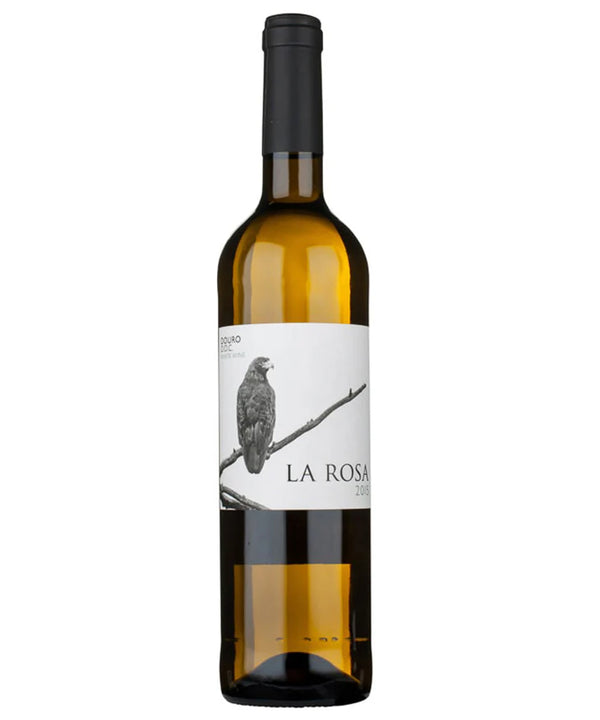
Quinta de la Rosa - La Rosa Branco 2025

Barbeito - Tinta Negra 3 ans (dry)
A dry Madeira from Tinta Negra, lively and saline, between toasted almond, dried fruit and light smoke.
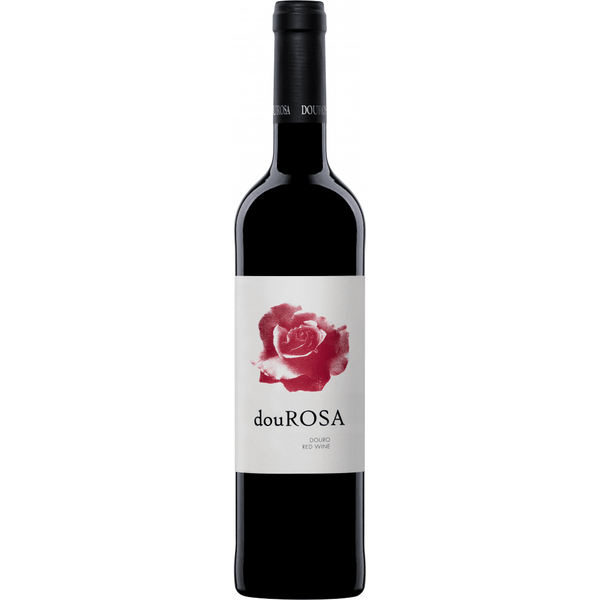
Quinta de la Rosa - DouRosa 2023
A beautiful red wine from the Douro: complex, fresh and voluptuous at the same time.

Luis Pato - Vinhas Velhas Branco 2024
An old-vine white from Bairrada, incisive and broad, with an almost saline freshness.

Casa da Passarella - Abanico Reserva Branco 2021
A white from the Dão grown on granite, round and fresh, where four native grape varieties blossom after long ageing.

Anselmo Mendes - Contacto 2024
A mineral and fine wine, made by a master of Vinho Verde
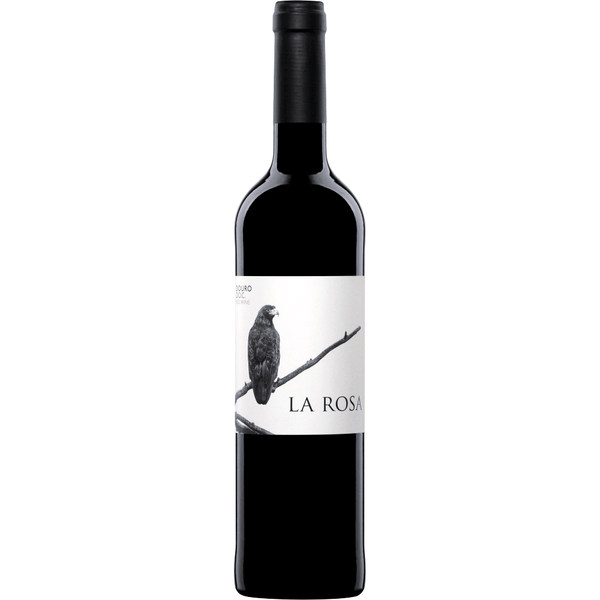
Quinta de la Rosa - La Rosa 2022
A rich, long and complex Douro wine

Quinta da Romaneira - Sino da Romaneira 2020
A precise and harmonious Douro red, which combines the richness of indigenous grape varieties with contemporary elegance.

Quinta de la Rosa - Reserva 2022
A Douro red foot-trodden in lagares, dense and spicy, born on the terraces of Pinhão.

Casa da Passarella - Enxierta Jaen Tinto 2016
A fresh and refined Jaen from Dão, where altitude and granitic soils produce a juicy and digestible red wine.
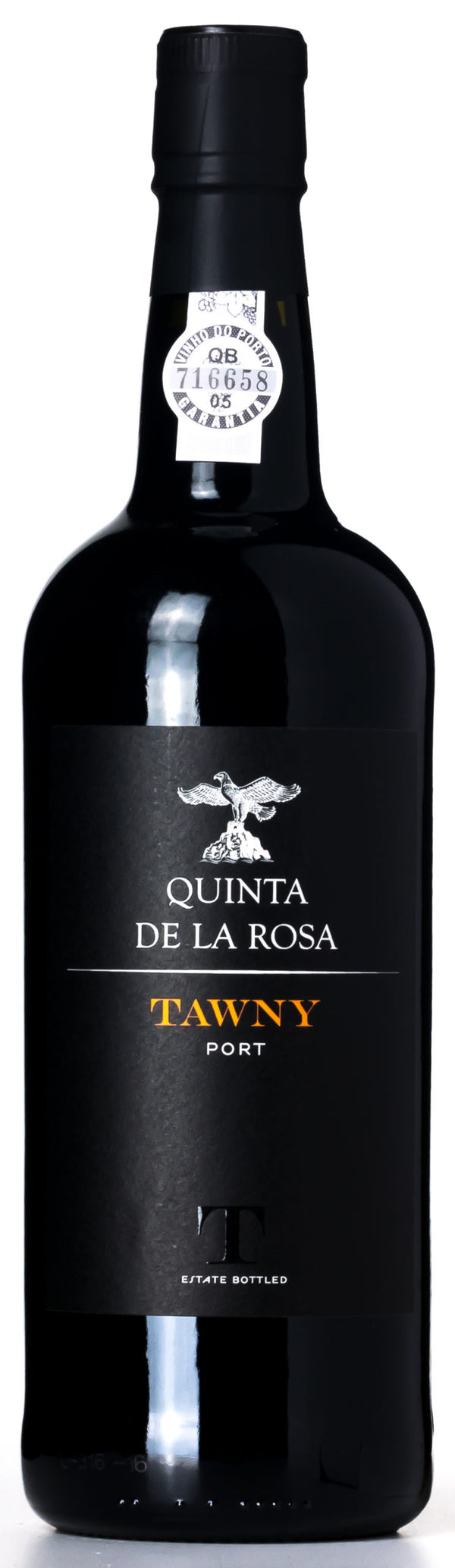
Quinta de la Rosa - Tawny Port
A tawny from Quinta de la Rosa, made from top-grade grapes, generous and lightly amber.
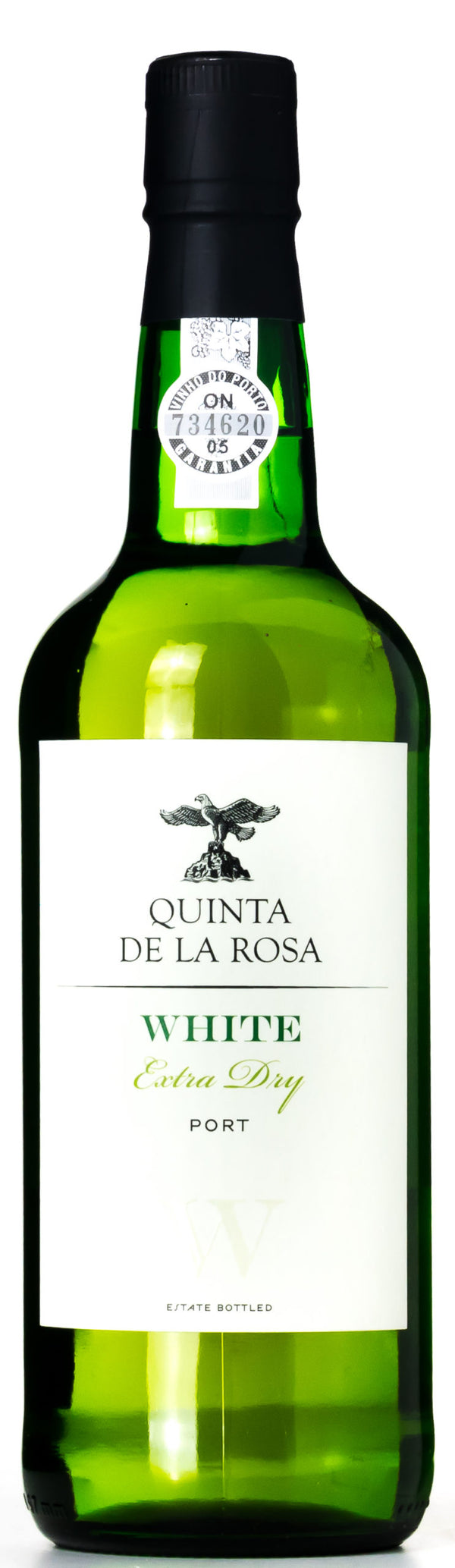
Quinta de la Rosa - White Port
An extra dry white port from Quinta de la Rosa, fresh, exotic and perfect as an aperitif.

Antonio Madeira - Tinto 2022
A high-altitude Dão, vibrant and mineral. Fine fruit meets the freshness of granite.
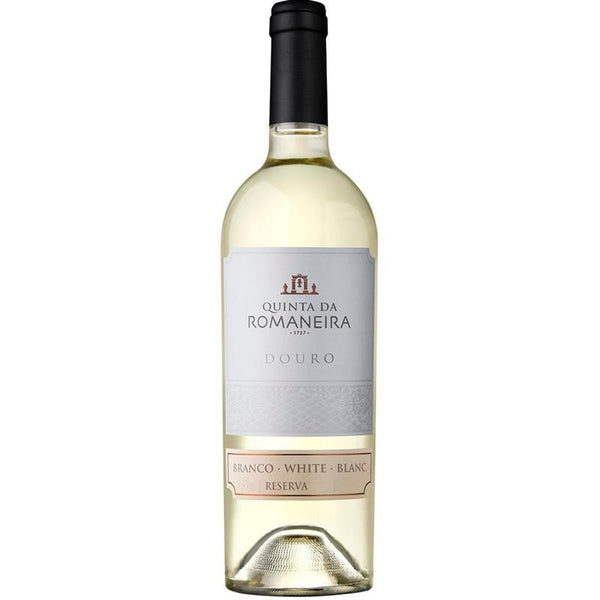
Quinta da Romaneira - Reserva White 2022
A great white wine from the Douro, combining mineral freshness, aromatic depth and gastronomic elegance.

Antonio Madeira - Branco 2023
A white from the Dão led by Encruzado, fresh and saline, with notes of yellow fruit and flowers.
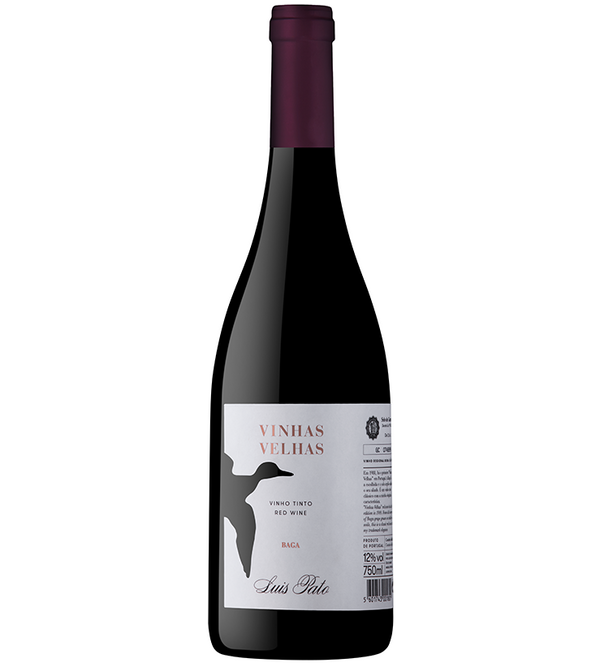
Luis Pato - Vinhas Velhas Tinto 2023
An old-vine Baga, vibrant and deeply food-friendly.

Niepoort - Redoma Branco 2025
Intense, mineral and precise, this white offers all the guarantees of a great vintage.
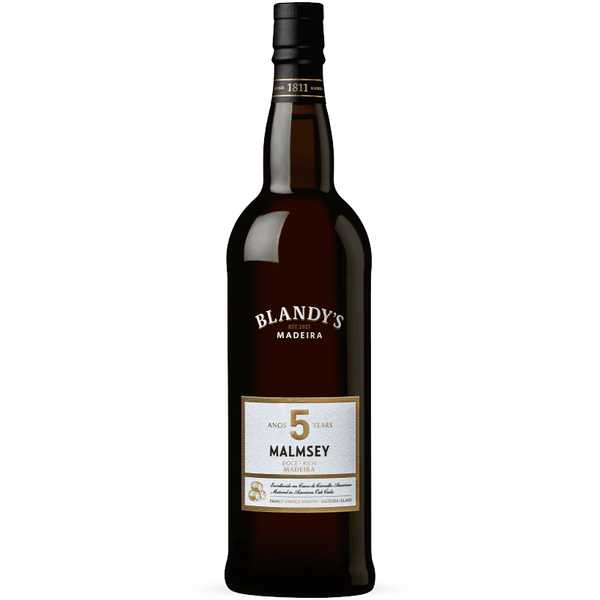
Blandy's - Madère Malmsey 5 ans
A rich, full and spicy fortified Madeira wine from one of the most historic houses on the island.
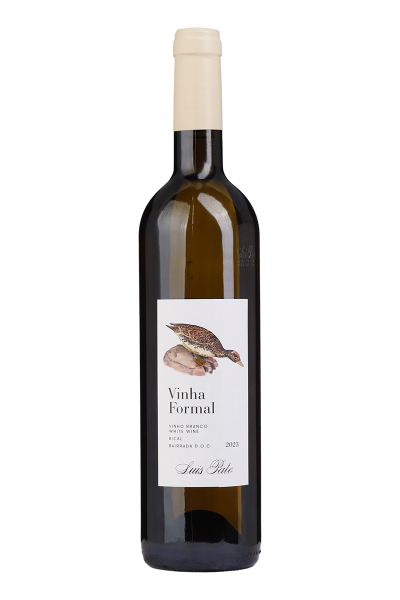
Luis Pato - Vinha Formal 2023
A great white from Bairrada, made taut by its minerality and fleshed out by precise ageing.
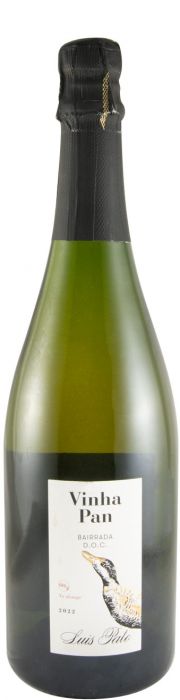
Luis Pato - Espumante Vinha Pan 2022
A Brut Nature from Baga, taut and deeply food-friendly. Bairrada in a sparkling wine of character.

Quinta de la Rosa - Late Bottled Vintage Porto 2019
A very beautiful LBV made in the pure Portuguese tradition

Blandy's - Bual 5 ans
A medium-sweet Madeira from the south coast, with notes of raisins, toasted walnuts and vanilla.

Quinta da Romaneira - Dona Clara 2019
A Douro red combining aromatic intensity, freshness and structure, true to the steep terroir of Quinta da Romaneira.
Where Portugal's vines grow
The vineyard fits into a strip six hundred kilometres long, yet the climate changes every fifty: ocean to the west, mountains in the centre, scorching plain in the south, a volcanic island out at sea. Each region gives a clear-cut style.
| Region | Climate and soil | Key grape varieties | The style |
|---|---|---|---|
| Douro | Terraced flaky schist, scorching summers, cool nights | Touriga Nacional, Touriga Franca, Tinta Roriz, Sousão | Deep, fresh reds, and portSee the port section |
| Dao | Granite, high plateau sheltered by the mountains | Touriga Nacional, Jaen, Alfrocheiro, Encruzado | Slender reds, finely chiselled whites, natural acidity |
| Bairrada | Clay and limestone, Atlantic sea air | Baga, Bical, Maria Gomes | Tannic reds for ageing, lively whites and sparkling wines |
| Minho, Vinho Verde | Rainy and granitic, high-trained vines | Alvarinho, Loureiro, Avesso | Light, saline whites, sometimes slightly sparkling |
| Beira Interior | Mountainous hinterland, granite and schist, altitude | Jaen, Rufete, Siria | Fine, fresh reds, taut whites |
| Alentejo | Hot southern plain, clay, granite and schist | Alicante Bouschet, Trincadeira, Aragonez | Full, ripe reds with a broad texture |
| MadeiraVolcanic island off the mainland | Basalt, oceanic humidity, terraced cultivation | Sercial, Verdelho, Boal, Malvasia, Tinta Negra | Heated, saline wines of rare longevity |
Ruby, tawny, LBV or vintage: what the term tells you
Every port begins with the same gesture: fermentation is stopped with a grape spirit, which leaves sugar in the bottle and takes the alcohol to around 20%. What follows sets them apart, depending on whether the ageing happens away from air or in contact with oxygen.
| The style | Livestock farming | On the palate | When to open it |
|---|---|---|---|
| Ruby | Two to three years in tank, protected from the air | Black cherry, blackcurrant, young tannin, clear sweetness | Straight away, with a chocolate dessert |
| Tawny with an age indication | Ten, twenty or thirty years in small casks | Hazelnut, caramel, dried fig, amber colour | Chilled, at around 14 °C, with a walnut tart |
| LBV, Late Bottled Vintage | Four to six years in large casks, from a single harvest | The fruit of a vintage, already softened | Ready to serve, with a blue cheese |
| Vintage | Two years in large casks, ageing continues in bottle | Dense, tannic, black fruit, a long life ahead of it | After ten years in the cellar, decanted, with game |
| Colheita | A single-harvest tawny, aged for a long time in cask | Rancio, orange peel, candied fruit | At the end of the meal, with a dried-fruit dessert |
| White port | White Douro grape varieties, short ageing | Citrus, white flowers, discreet sweetness | Very cold as an aperitif, or topped up with sparkling water |
The houses in the range cover that whole palette: Quinta do Vallado runs from white port to thirty-year-old tawny, Quinta de la Rosa works with LBV and vintage, Fonseca is one of the valley’s historic names. It is all gathered on the Port page.
A bottle for every mood
Eight ways into this section, from a first granite red to a Madeira of great maturity.
Discovering the Dão at a small price
A high-altitude granite red, cherry and pepper, with fine tannin. The most direct way to grasp what the centre of the country produces.
Quinta Das Maias Tinto 2022 · €12.51 per bottle, sold individuallyA lively white for the aperitif
Loureiro from the Minho, lime and white flowers, light in alcohol. Serve it very cold with shellfish or a summer fry of small fish.
Niepoort Vinho Verde Dócil 2025 · €12.90 per bottle, sold individuallyEveryday dry Douro
Touriga Franca and Touriga Nacional on schist: black fruit, liquorice, polished tannin. The midweek red for grilled meat.
Quinta do Vallado Tinto 2022 · €14.85 per bottle, sold individuallyThe great white for fine dining
The encruzado of the Dão in its purest form: pear, almond, a saline and taut finish. For a baked fish or a poultry dish.
Quinta dos Roques Encruzado 2020 · €23.31 per bottle, sold individuallyA Port for the end of the meal
Ten years in small barrel: hazelnut, caramel and dried fig, amber colour. To be served chilled with a dried-fruit tart.
Quinta do Vallado Porto Tawny 10 ans · €32.40 per bottle, sold individuallyGetting into the world of Madeira
The sweetest style of the island, caramel and orange zest, lifted by a saline acidity. The bottle keeps for months once opened.
Blandy's Madère Malmsey 5 ans · €29.90 per bottle, in a pack of 3Follow the port trail
Ruby, aged tawny, LBV, vintage and white Port: the page brings together the Douro houses and explains how to find your way.
Section page · PortA wine that spans the century
Deliberately heated then oxidised, madeiras age for decades and keep once opened. Dry sercial, sweet malvasia, it is all there.
Section page · Madeira
The same slope gives port and the great dry red
The Douro was demarcated in 1756, the first vineyard in the world to be given official boundaries, and for two centuries it worked for one thing alone: Port. The schist terraces, cut by hand into the slope above the river, produced a fortified wine destined for the British export trade.
The shift dates from the 1990s. A few houses set aside their best plots for reds fermented right through, and the world discovered that this schist also gave deep, fresh table wines. Today the same vine, often the same row, goes into one vat or the other depending on the vintage.
How do you choose
We taste every cuvée before listing it, and two things matter in this section. Freshness first: a Portuguese red that slides towards jam stays in the cloakroom, even from a great name. Then length, especially on the fortified wines, where the finish has to stay saline rather than sweet.
The Wine Wanderer Team
What you ask us about the wines of Portugal
What is the difference between a port and a dry red from the Douro?
The two often come from the same grape varieties, on the same schist terraces. For Port, the fermentation is stopped with a wine spirit: sugar remains and the alcohol rises to around 20% abv. The dry red ferments right through, comes in at about 14% abv and is drunk at the table, with meat or a slow-cooked dish.
Ruby or tawny: which one to choose?
The ruby keeps the colour and the fruit of a young wine, aged away from the air: black cherry, blackcurrant, tannin still present. The tawny ages in small barrel in contact with oxygen, takes on an amber hue and notes of hazelnut, caramel and dried fig. The first calls for chocolate, the second for dried fruit and mature cheeses.
How long does a port keep once opened?
It depends on the family. A tawny or a colheita, already used to oxygen during its ageing, holds several weeks re-corked in the fridge. A vintage is drunk within two days, since it has just spent its life in bottle away from the air. Madeira beats everything, holding for months after opening.
Why does Madeira keep so well?
Because it deliberately undergoes what wears other wines out. The wine is fortified, then heated at length, in a coil for the everyday cuvées or under the roof for the great lots, where the heat of the island works the barrel for years. Cooked and oxidised in advance, it becomes stable: a bottle from the last century is still alive.
Which Portuguese grape varieties should you know?
In red, Touriga Nacional gives structure and a violet perfume, Touriga Franca finesse, Tinta Roriz flesh, Sousão acidity, Baga from Bairrada a tannin for ageing, Jaen from the Dão suppleness. In white, remember Alvarinho from the Minho, saline and precise, and Encruzado from the Dão, the most food-friendly of all.
What exactly is Vinho Verde?
A young wine from the Minho, the damp, granite province of the north-west. The name refers to a region, not a colour: white, red and rosé are all made there. The usual style stays light, low in alcohol, with a touch of spritz. The alvarinho cuvées from Monção gain in density and age very well.
Why are some bottles sold in packs or by the case?
Several Portuguese estates ship by full case, and we keep that format to hold the price down. The price shown on each listing is the bottle price, with the sales format right beside it. A good part of the range is still available by the single bottle, notably from Quinta do Vallado, Quinta Das Maias and Quinta dos Roques.
Which dishes should you serve with a Portuguese red?
Douro reds stand up to grilled red meat, lamb and slow-cooked dishes seasoned with bay. Those from the Dão, more slender, prefer roast poultry, pork and mushrooms. The Alentejo, fleshier, goes with stews and sheep’s cheeses. Serve them at around 16 °C.
What temperature should ports and madeiras be served at?
Allow 8–10 °C for a white port or a dry sercial madeira, served as an aperitif. A tawny is better chilled, at around 14 °C, which tightens its sweetness. A vintage or an LBV is served at 16 or 17 °C, the former decanted, as it throws a heavy deposit.