
Madeira, the fortified wine shaped by heat and time
Wines from the island, from medium-dry Verdelho to MalmseyA fortified wine that has spent years in the warmth, that withstands air and keeps for months once opened: that is what makes Madeira unique. On this volcanic Portuguese island in the middle of the Atlantic, the vines cling to narrow terraces, then the wine is fortified with grape spirit and matures in the heat, in tank or in cask.
The grape variety named on the label gives the level of sweetness, from dry Sercial to rich Malmsey, and the age statement indicates the depth. Here is how to read a label and choose your bottle.
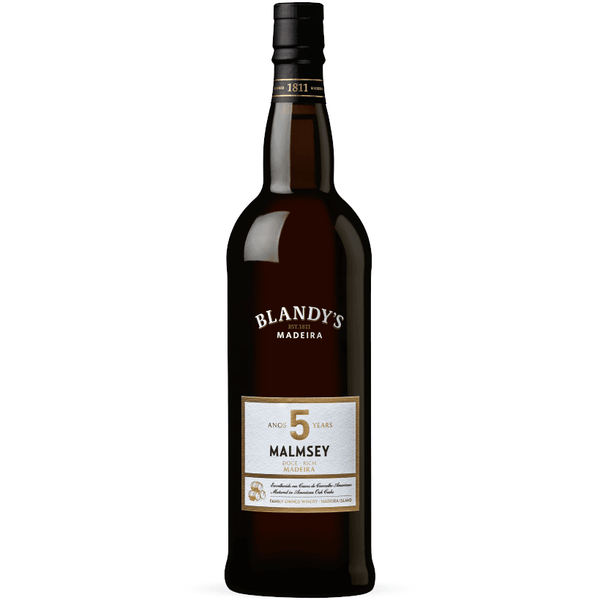
Blandy's - Madère Malmsey 5 ans
A rich, full and spicy fortified Madeira wine from one of the most historic houses on the island.
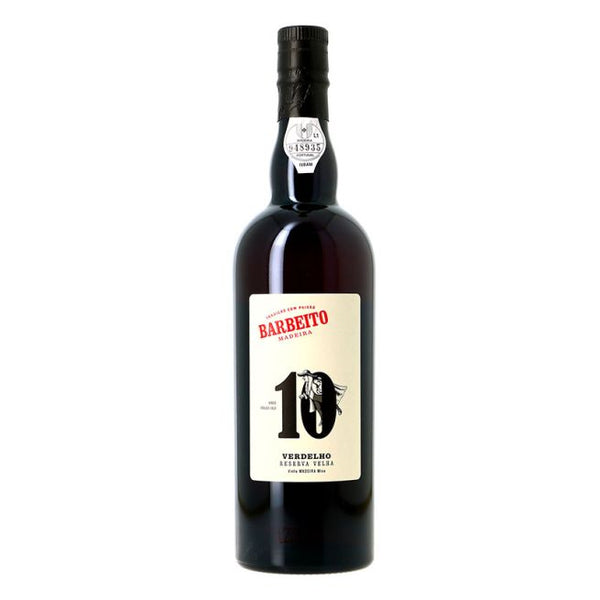
Barbeito - Verdelho Old Reserve (med dry) NV
A Madeira with character, where Verdelho combines measured sweetness and saline tension.
Madeira's grape varieties and their style
On a varietal Madeira, the name of the grape tells you the sweetness: the earlier the fortification, the more sugar remains. Sercial is fortified late, Malmsey early.
| Grape variety | Style on the palate | Moment and pairing |
|---|---|---|
| Sercial The driest, ripened on the cooler plots | Lively acidity, almond, citrus zest, saline finish | Aperitif, olives, toasted almonds, consommé |
| VerdelhoMedium-dry, Barbeito Verdelho Old Reserve | Measured sweetness, candied fruit, honey, saline tension | Pan-fried foie gras, mature Comté, mushrooms |
| Boal Medium-sweet, also spelt Bual | Dried fruit, caramel, walnut, acidity that holds the sweetness in check | Walnut tart, blue cheeses, milk chocolate |
| MalmseySweet, also called Malvasia, Blandy's Malmsey 5 ans | Rich and broad, raisins, vanilla, coffee, spice | Dark chocolate desserts, crème brûlée, digestif |
| Tinta Negra The most widely planted red grape on the island | Labelled by style: dry, medium dry, medium rich, rich | Cooking, aperitif or dessert depending on the style chosen |
Think of the grape varieties as a sweetness scale: for the same age statement, a Verdelho stays livelier than a Malmsey. See also our sweet wines section.
Age statements, from reserve to vintage
After the grape variety, the age statement tells you how long the wine has matured and what style awaits you in the glass.
| Please mention | What it guarantees | In the glass |
|---|---|---|
| 5 years Reserve | A blend of several years in the style of a five-year-old wine | Fruit still present, first notes of caramel and walnut |
| 10 years Special Reserve or Old Reserve | A blend in the style of a ten-year-old wine, often aged by the canteiro method | Notes of polished wood, candied citrus and walnut, taut acidity |
| 15 years Extra Reserve | A blend in the style of a fifteen-year-old wine | Deeper bouquet, spice, coffee, emerging rancio |
| 20 years and over 20, 30, 40 and 50 year old statements | Blends from old casks, released in small quantities | Concentration, intact acidity, a finish that lasts for long minutes |
| Colheita A single vintage | A single harvest, at least five years in cask before bottling | The character of a specific year, between freshness and development |
| Frasqueira A single vintage, long ageing | A single harvest, at least twenty years in cask | The island's pinnacle: intensity, tension, ageing potential of several decades |
The cask does the work: once in bottle, a Madeira evolves slowly. Buy the age you want to drink.
Where to start with Madeira
Two Madeiras from the island to order in lots, and the neighbouring sections for comparison.
A sweet Madeira to end the meal
Malmsey aged five years in used American oak casks: dried fruit, vanilla, caramel, honey and raisins, with a rich, spicy palate.
Blandy's Madère Malmsey 5 ans · €29.90 per bottle, in a pack of 3A medium-dry matured by the canteiro method
Verdelho from São Vicente and Prazeres, aged more than ten years in French oak casks: citrus zest, honey, walnut and saline tension.
Barbeito Verdelho Old Reserve · €53.60 a bottle, in lots of 2Compare with Port
Portugal's other great fortified wine, born in the Douro Valley: ruby, tawny and vintage, another way of combining sweetness and power.
Explore sweet wines
Fortified wines, late harvests, dried or botrytised grapes: all the ways of keeping sugar in wine, arranged by method.
Back to Portugal
From the Douro to the Alentejo, the country's reds, whites and fortified wines, to place Madeira among Portugal's wine regions.
Pairing with a blue cheese
A Boal or a Malmsey with a Roquefort or a Stilton: the sugar softens the salt, the acidity cleanses the palate. The wines that follow.
Estufagem or canteiro, two ways of maturing
Madeira owes its taste to a sailors' discovery: casks loaded onto ships crossed the tropics and came back better. The island recreated this heat on land. Estufagem heats the wine in tank, at around 45–50 °C for about three months, then leaves it to rest: a quick method, reserved for young wines and entry-level ranges.
Canteiro is slower. The casks rest on beams in the lofts of the wine lodges, warmed by the sun, for years. Evaporation concentrates the wine, oxygen gives it patina. Aged varietal Madeiras, colheitas and frasqueiras all go this way, like the Barbeito Verdelho, aged more than ten years in French oak casks.
Serving and keeping a Madeira
Serve a Sercial or a Verdelho chilled, at around 12 °C, and a Malmsey a little warmer, at around 14–16 °C, in a white wine glass rather than a small glass. Once opened, the bottle keeps upright, tightly stoppered, away from light: it stays enjoyable for several months.
The Wine Wanderer Team
What people ask us about Madeira
What is Madeira wine?
It is a fortified wine from the Portuguese island of Madeira, in the Atlantic. Grape spirit is added during fermentation to keep some of the sugar, then the wine matures in the heat, in tank or in cask. It is around 19% ABV and combines lively acidity with aromas of dried fruit, caramel and walnut.
How can you tell whether a Madeira is dry or sweet?
Look at the grape variety. Sercial gives the driest style, Verdelho a medium-dry, Boal a medium-sweet, Malmsey (or Malvasia) the sweetest. Tinta Negra Madeiras carry the style directly on the label: dry, medium dry, medium rich or rich. The Barbeito Verdelho is a medium-dry.
What do the terms 5 years, 10 years, colheita and frasqueira mean?
The terms 5, 10, 15 years and over refer to blends whose style matches the stated age. A colheita comes from a single harvest and has spent at least five years in cask. A frasqueira, also from a single vintage, has spent at least twenty years in cask: it is the island's longest-aged category.
What is the difference between estufagem and canteiro?
They are the two ways of heating the wine. Estufagem takes it to around 45–50 °C in tank for about three months: the method for young wines. Canteiro leaves the casks to mature for years in lofts warmed by the sun: slower, it gives the finest Madeiras and all the vintage wines.
How long does an opened bottle of Madeira keep?
Several months. Madeira has already been exposed to heat and oxygen during ageing, so air affects it very slowly. Stopper the bottle tightly and keep it upright, somewhere cool and away from light. Sweet and older Madeiras are the most resilient: you can serve them glass after glass, as the seasons go by.
How are the Madeiras in this section sold?
The two Madeiras in the section are ordered in lots. Blandy's Malmsey 5 ans works out at €29.90 a bottle, in lots of 3. The Barbeito Verdelho Old Reserve works out at €53.60 a bottle, in lots of 2. As the bottle keeps for months once opened, a lot can be enjoyed at a relaxed pace.
What should you serve with a Madeira?
Sercial and Verdelho are served as an aperitif with almonds, olives or a consommé, and go with pan-fried foie gras. Boal and Malmsey belong with dessert: walnut tart, dark chocolate, crème brûlée, or a blue cheese. An aged Malmsey is also perfect on its own, as a digestif.
What is the difference between Madeira and Port?
Both are Portuguese fortified wines, but Port comes from the Douro Valley and is made mostly as a red, whereas Madeira comes from an Atlantic island and is made mostly from white grape varieties. Madeira matures in the heat, which gives it livelier acidity and aromas of caramel and walnut. See our Port section.
What does the Blandy's house bring?
Blandy's is one of the founding houses of the Madeira trade, and the Blandy family, based on the island, still runs it. Its tradition dates back to 1811. Its Malmsey 5 ans is a fortified Malmsey then aged five years in used American oak casks: chestnut to golden colour, dried fruit, vanilla, caramel and honey.