
Hungarian wines: volcanic Furmint and spicy reds
37 bottles, from dry Furmint from Mád to Tokaj aszúA dry white that keeps the tension of a Chablis and the texture of a Loire Chenin, for under twenty euros: the Furmint of the volcanic hillsides of the north-east is worth the detour even before the first drop of sweet wine. Rhyolite tuff, old vines and the mists of the Bodrog give it that saline edge.
The selection follows two threads. The whites first, from dry Furmint from Mád to floral Hárslevelű, through to the Aszú wines for the end of the meal. Then the reds, Kékfrankos and Kadarka blended into Bikavér, spicy, fresh, cut out for the table.
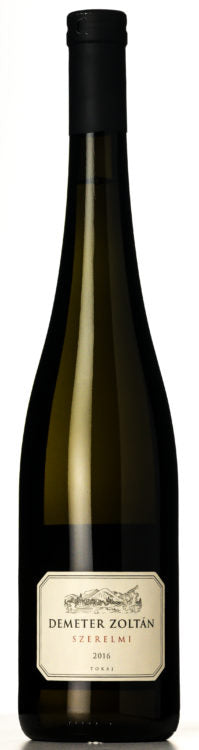
Zoltan Demeter - Szérelmi Tokaji 2017
A precise and vibrant Tokaji of the terroir, where rich liqueur-like texture is combined with crystalline freshness.

Sebestyen - Görögszo bikaver 2019
A Bikavér from Szekszárd that is both generous and balanced, which precisely expresses the spicy and fruity character of its terroir.
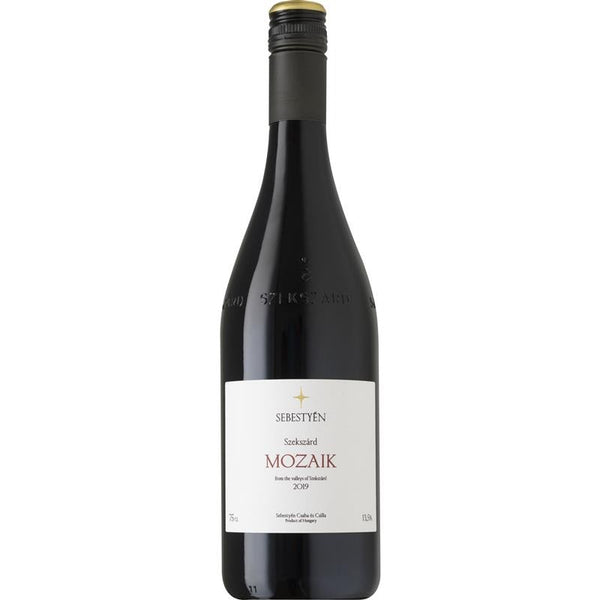
Sebestyen - Mozaik bikaver 2019
A precise and harmonious Bikavér from Szekszárd, where the freshness of the fruit meets delicate spices.
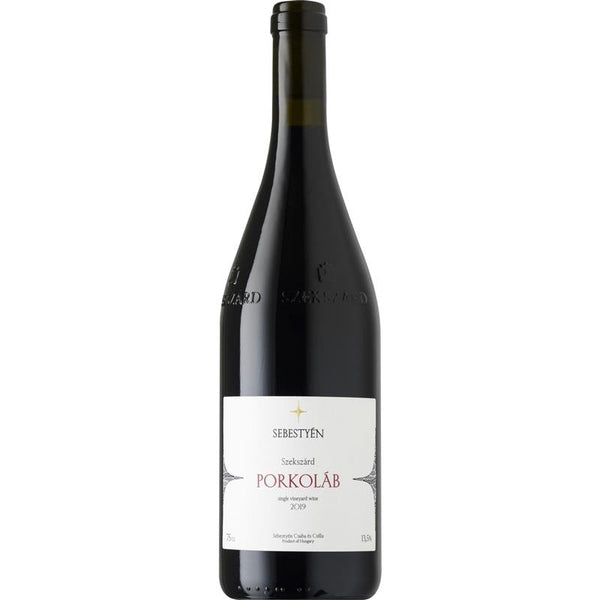
Sebestyen - Porkolab bikavér 2019
A Bikavér from Eger combining black fruits, spices and freshness, rooted in Hungarian tradition.
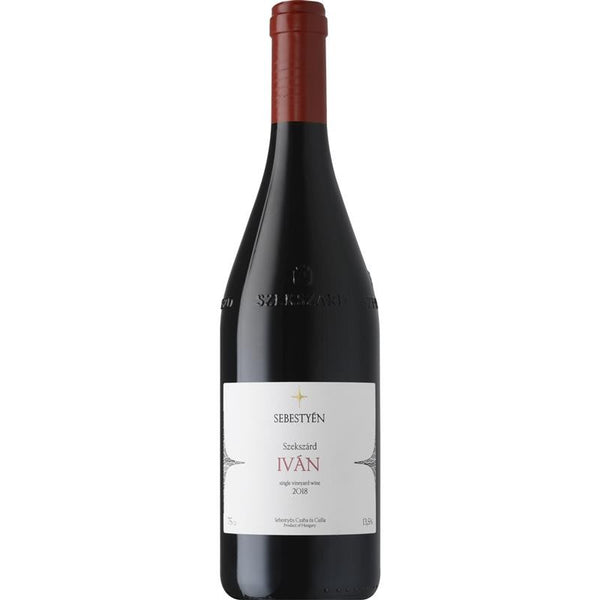
Sebestyen - Ivan bikavér 2019
A balanced and expressive Bikavér from Szekszárd, driven by fruit and spices.
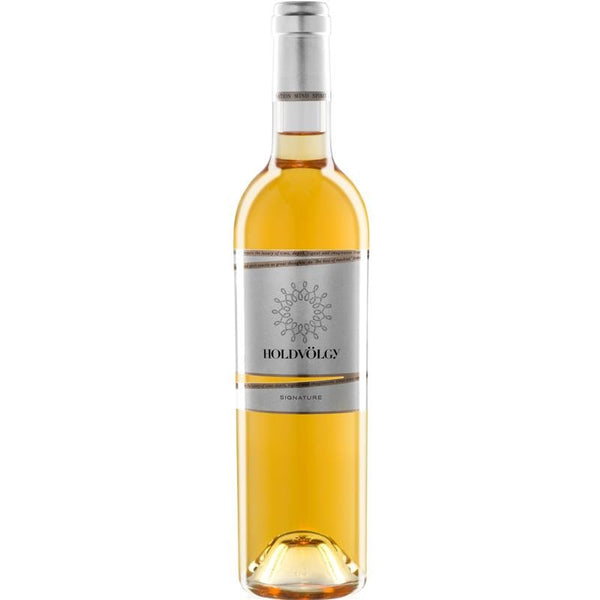
Holdvölgy - Signature 2007
A botrytized wine combining density, brilliance and finesse, the signature of the precise know-how of the Holdvölgy estate
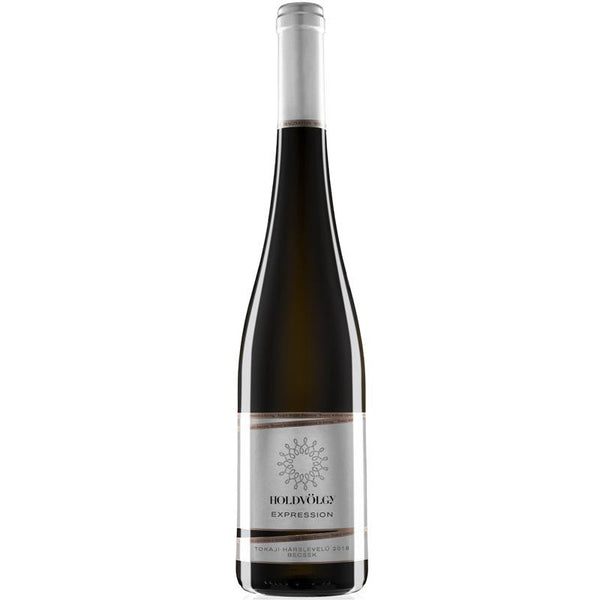
Holdvölgy - Expression 2019
A 100% Hárslevelű from the historic Betsek vintage in Tokaji
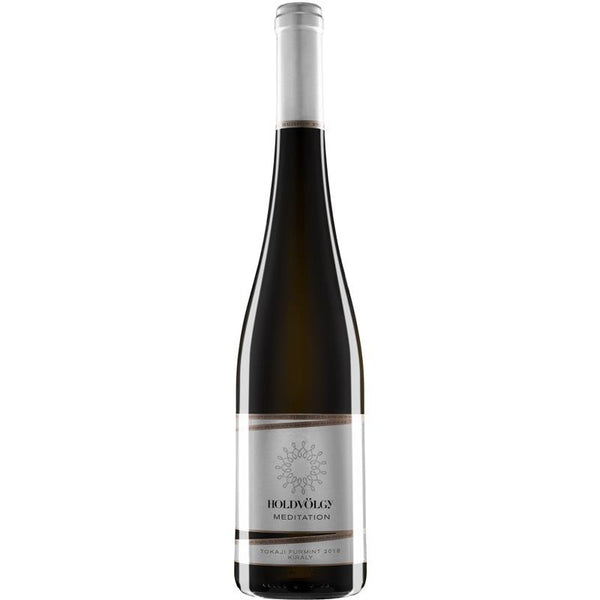
Holdvölgy - Meditation 2021
A 100% Furmint from the historic Király vintage in Tokaji
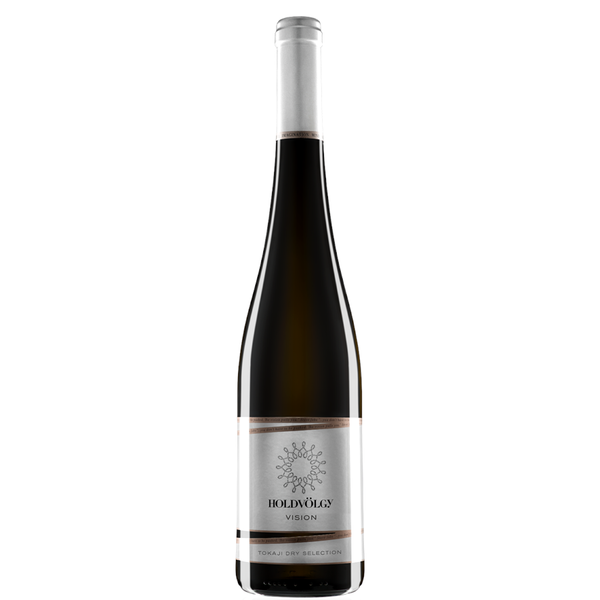
Holdvölgy - Vision 2019
A wine that embodies the purity and finesse of the dry Tokaji style.
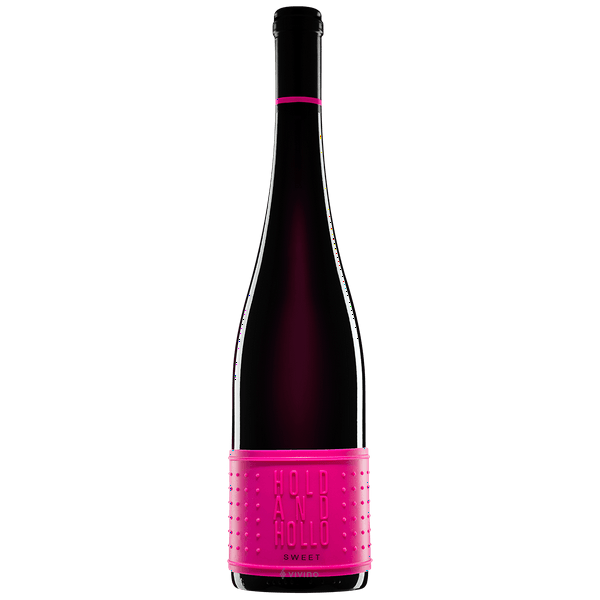
Holdvölgy - Hold and Hollo Sweet 2019
A wine that illustrates the modernity and finesse of Hungarian sweet wines
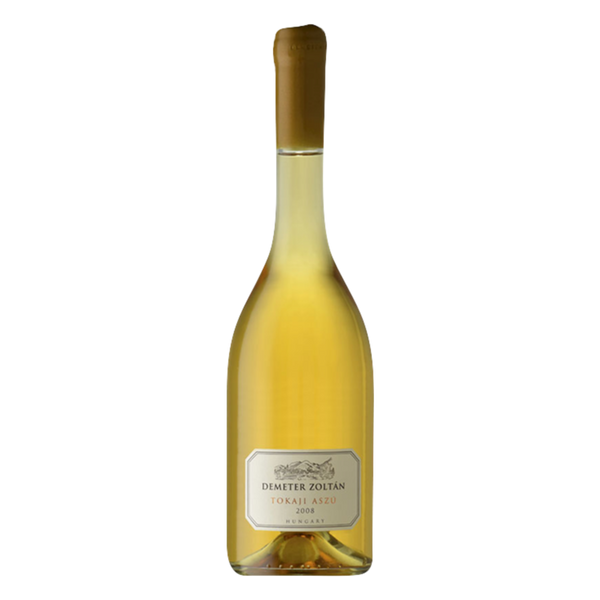
Demeter Zoltan - Tokaji Aszú 6 puttonyos 2016
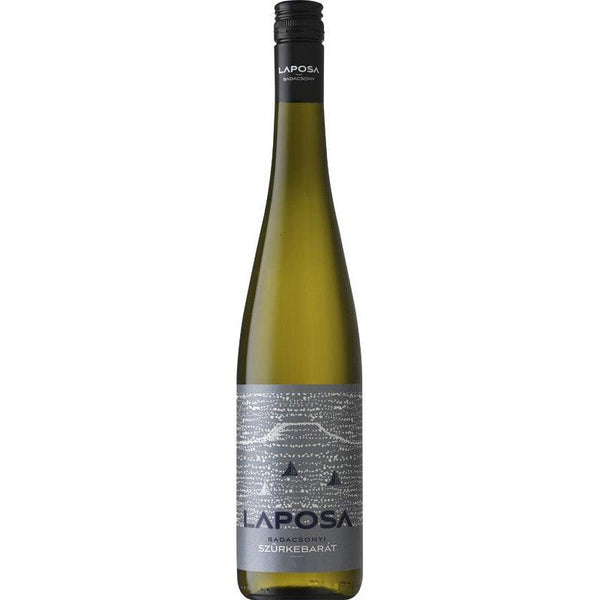
Laposa - Szurkebarat 2018
A wine full of freshness from the surroundings of the Hungarian Lake Balaton
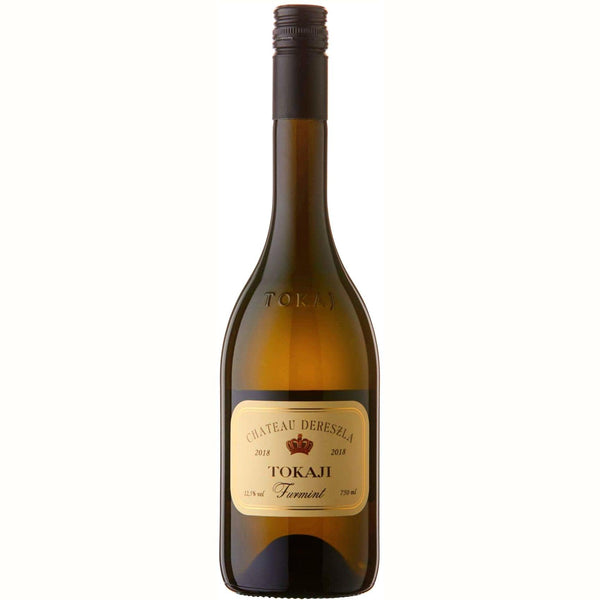
Château de Dereszla - Tokaji Furmint sec 2019
A dry white wine typical of Hungary, lively and mineral
Where Hungarian vines grow
The country sits in a basin closed off by the Carpathians, with a markedly continental climate and long dry autumns. Each landform stamps its own style: volcanic rock in the north-east and by the lake, loess in the south, limestone on the Croatian border.
| Region | Soil and climate | King grape variety | The style |
|---|---|---|---|
| Tokaj, in the north-eastBalassa, Holdvölgy, Zoltan Demeter, Royal Tokaji | Rhyolitic tuff and red clay, mists from the Bodrog | Furmint, Hárslevelű | Sharp, saline dry white, sweet aszú for ageing |
| Szekszárd, south of BudapestSebestyen | Deep loess, sheltered hills, hot summers | Kékfrankos, Kadarka | Red blend, red fruit, sweet paprika, supple tannins |
| Balaton, north shoreMoric Project Villa Tolnay | Basalt buttes facing the largest lake in Central Europe | Olaszrizling, Riesling | Lively, smoky white, salinity marked by the black rock |
| Badacsony and Somló | Isolated volcanic cones, full south-facing exposure | Juhfark, Szürkebarát | A dense, smoky white that gains from five to ten years in the cellar |
| Villány, on the Croatian border | Limestone and marl, the hottest summers in the country | Cabernet Franc, Kékfrankos | Ripe, fleshy red, barrique ageing, Bordeaux-like style |
| Eger, at the foot of the Bükk mountains | Volcanic tuff and brown soils, altitude and cool nights | Kékfrankos, Kadarka | Egri Bikavér, a peppery, easy-drinking blend known as bull's blood |
| Kunság, the Great Plain | Deep sands between the Danube and the Tisza, flat and dry | Kadarka, Olaszrizling | Light red and easy-drinking white, the country's everyday wine |
On a Hungarian label, the suffix -i marks provenance: Villányi means “from Villány”, Egri “from Eger”, Tokaji “from Tokaj”. Then comes the name of the cru, Szent Tamás or Betsek for example, then that of the grape variety. The north-eastern selection has its own page, Tokaji, which details the puttonyos scale.
Five unpronounceable names, five familiar tastes
The names put you off, the flavours reassure you: every Hungarian grape variety has its cousin in a vineyard you already know. Here is the translation, from white to red, with what each gives in the glass and at the table.
| Grape variety | The familiar reference | In the glass | Dinner's ready |
|---|---|---|---|
| Furmint | Chenin from the Loire, for its double life dry and sweet | Quince, pear, citrus, flint, a saline, taut finish | Trout in beurre blanc, poached poultry, fresh goat's cheese |
| Hárslevelű, the linden leaf | A Viognier held up by acidity | Linden, camomile, mirabelle plum, a broad, fragrant texture | Fish in cream sauce, lemon chicken, Thai food |
| Juhfark, the sheep's tail | A Chablis grown on volcanic rock | Smoky, ashy, tight density, high-tension acidity | Aged ewe's-milk cheese, veal sweetbreads, roasted mushrooms |
| Olaszrizling | Central Europe's Welschriesling, a distant cousin of Riesling | Green apple, toasted almond, a mineral backbone, a noble bitter finish | Fried lake fish, smoked charcuterie, warm salad |
| Szürkebarát, the grey monk | Alsace Pinot Gris, in a tauter version | Ripe pear, peach, acacia blossom, a broad, fresh palate | Roast pork, squash, sweet-and-sour dishes |
| Kékfrankos | Austrian Blaufränkisch, word for word | Morello cherry, black pepper, lively acidity, fine tannins | Grilled lamb, goulash, duck with cherries |
| Kadarka | The Pinot Noir of the plain, with more spice | Raspberry, sweet paprika, pale colour, light body | Charcuterie, stuffed peppers, served at around 15 °C |
Kékfrankos crosses the border under the name Blaufränkisch: the same grape variety, a cooler climate, on the Austria page. Furmint picked over-ripe joins the Sweet wines and Dessert wines pages, which sort these bottles by sugar level.
A bottle for every mood
Eight ways into this vineyard, from your first dry Furmint to the bottle for the end of the meal.
Discover dry Furmint
Five volcanic plots in Mád blended, native fermentation, short ageing. The way in most faithful to the country's style.
Balassa Tokaji Furmint Duck 2023 · €17.91 per bottle, individuallyStep up to a cru
The Betsek slope, rhyolite tuff and clay, barrel fermentation and eight months on the lees. Dense, linear, saline, with ten years' ageing potential.
Balassa Tokaji Furmint Betsek 2023 · €32.40 per bottle, individuallyThe evening red at a small price
A Bikavér from Szekszárd, Kékfrankos and Kadarka with a Bordeaux touch: crunchy fruit, sweet spice, supple tannin. Serve it lightly chilled.
Sebestyen Mozaik Bikavér 2019 · €18.60 per bottle, by the case of 6A single-plot red for a roast
The single-site cuvée from the same estate, deeper and spicier, built on Kékfrankos. It stands up to lamb or goulash.
Sebestyen Görögszo Bikavér 2019 · €33.80 per bottle, by the case of 6Taste Balaton basalt
Riesling and Furmint in equal parts on the volcanic hillocks by the lake, made with an Austrian grower. A smoky, straight, very saline white.
Moric Project Villa Tolnay Hidden Treasures n°3 2020 · €25.50 per bottle, by the case of 6Discover Hárslevelű
One hundred per cent Hárslevelű from the Betsek cru, vines over forty years old, barrel ageing. Jasmine, Williams pear, grapefruit and spice.
Holdvölgy Expression 2019 · €38 per bottle, in a pack of 3A sweet wine for foie gras
Botrytised berries sorted one by one, macerated in a Furmint must. Candied apricot, honey and an acidity that revives the palate.
Château de Sárospatak Tokaji Aszú 5 Puttonyos 2010 · €59.90 per bottle, sold individuallyGo to the north-east selection
Szamorodni, forditás, Aszú from three to six puttonyos: the dedicated page explains the sugar scale and gathers the bottles of Tokaj.
Section page · Tokaji
Why the volcano makes the difference
The rhyolite tuff of the Mád basin is a light, porous rock, born of eruptions several million years old. It holds water deep down and releases it slowly, so that the vine gets through the continental summer while keeping its acidity. It is that acidity which gives Furmint its double life: lively enough to make a cutting dry white, solid enough to carry the two hundred grams of sugar in an Aszú.
The meeting of the Bodrog and Tisza rivers adds the rest. The morning mists settle noble rot in autumn, the sunny afternoons dry the berries, and the fruit concentrates berry by berry on the vine.
How do you choose
We taste every cuvée before listing it, and we look for two things in this selection: the clarity of the fruit and the length of the saline finish. Among the reds, we keep those that hold on to fruit and spice at 15 °C serving temperature, rather than those that bank on oak. The rest follows the terroir, from dry Furmint to six puttonyos.
The Wine Wanderer Team
What you ask us about Hungarian wines
Is Hungarian wine just sweet Tokaji?
Dry wine now takes up most of the vineyard, including in Tokaj itself, where Furmint has been giving taut, saline whites since the nineties. Add to that the reds of Szekszárd, Villány and Eger, and the volcanic whites of Lake Balaton. Sweet wine remains the historic summit, and it keeps its own page, Tokaji.
What does the -i suffix on a label mean?
It marks the origin, like the French "de": Villányi means "from Villány", Egri "from Eger", Tokaji "from Tokaj", Szekszárdi "from Szekszárd". The label then gives the name of the cru, for example Szent Tamás or Király, followed by the grape variety. Three words are then enough to place the bottle.
What is Egri Bikavér, the bull's blood?
It is a blended red, born in Eger and taken up in Szekszárd, built around Kékfrankos with Kadarka and Bordeaux varieties added. Its name comes from a legend of an Ottoman siege. Today's style remains medium-bodied, peppery and easy to drink, to serve at around sixteen degrees with a slow-cooked dish.
Is Kékfrankos the same grape variety as Blaufränkisch?
Yes, word for word: kék means blue, frankos refers to Frankish. It is the most widely planted red in central Europe, from Hungary to the Austrian Burgenland. In Hungary, the warmer climate gives it more ripe fruit and spice; the Austrian version stays more slender, on the Austria page.
What is the difference between szamorodni, forditás and aszú?
All three come from grapes touched by noble rot. Szamorodni presses the whole bunch, just as it comes, and gives a sweet or a dry wine depending on the year. Aszú adds berries sorted one by one to a base must, in rising puttonyos. Forditás goes back over the Aszú pomace. The levels are set out on the Sweet wines page.
Why are these wines often sold in sets or by the case?
The Hungarian estates we follow ship their cuvées by full cases, and we keep that packaging to hold the price. The price shown on each listing is that of the bottle, and the sales format sits right beside it. Several cuvées are still available as single bottles, notably from Balassa and Château de Sárospatak.
Which dishes go with a dry Furmint?
Its acidity calls for richness and salt: trout with beurre blanc, smoked salmon, poached poultry, fresh goat's cheese, oysters. The barrel-aged cuvées, broader in style, stand up to fish in sauce or to sweetbreads. Serve them at 10–12 °C, in a fairly wide glass.
How long does a Tokaj white keep?
A dry single-vineyard Furmint holds ten years and more: acidity and dry extract carry it, and it then gains notes of beeswax and candied fruit. The Aszú wines cross the decades, and some vintages from the two thousands remain astonishingly fresh. Keep the bottles lying down, at around 12 °C.
Which Hungarian wine should you give?
For a lover of dry whites, a single-plot cru from Mád makes a strong impression, with a hillside name on the label and long ageing potential. For the end of a meal, an Aszú in a fifty-centilitre bottle plays the same role as a Sauternes, only more saline. The Dessert wines page brings together the alternatives.