
Greek wines: Xinomavro from Naoussa and volcanic Assyrtiko
38 bottles, from Naoussa Xinomavro to island AssyrtikoA red with firm tannin and high acidity, recalling the Nebbiolo of Piedmont in its frame and its dried-tomato notes: Xinomavro from Naoussa throws anyone expecting roundness and sunshine. Further south, Assyrtiko grows in woven baskets at ground level on Santorini, on volcanic ash spared by phylloxera, and gives saline whites of rare tension.
The selection follows these two threads, from the mountainous north to the Ionian islands. Thymiopoulos in Naoussa, Tetramythos in Achaia and Domaine Sarris on Cephalonia form its backbone, with Agiorgitiko from Nemea and Robola to complete the picture.

Thymiopoulos - Alta Naoussa 2024
A Xinomavro of altitude, all in finesse and elegance

Gaia - Notios White 2022
The sun of Greece united in this vintage full of freshness!
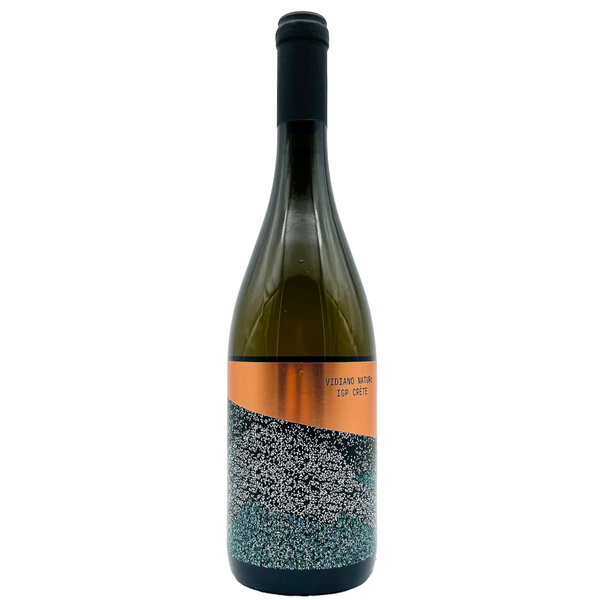
Zoumberakis - Vidiano Nature 2025
A fresh and tasty wine made from Vidiano, a great white grape variety from Crete

Thymiopoulos - Terre et Ciel 2024
The flagship of the Thymiopoulos estate, one of the greatest wines of Naoussa

Tetramythos - Agiorgitiko nature 2025
A resurrected variety from the slopes of Mount Helmos
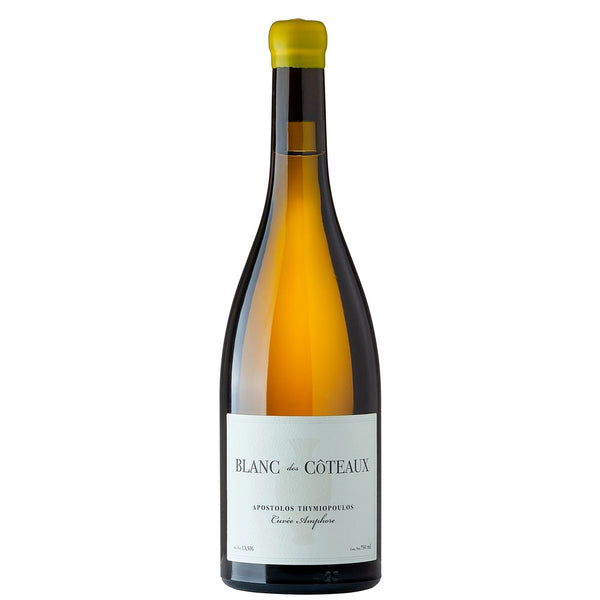
Thymiopoulos - Blanc des Côteaux Cuvée Amphore 2023
A complex, intense and saline blend

Tetramythos - Mavro Kalavrytino nature 2024
Mavro Kalavrytino, a rare grape variety from the Peloponnese

Gaia - Notios Red 2019
A unique wine made from the indigenous Agiorgitiko grape variety and a hint of Syrah. Roundness and spices are there!
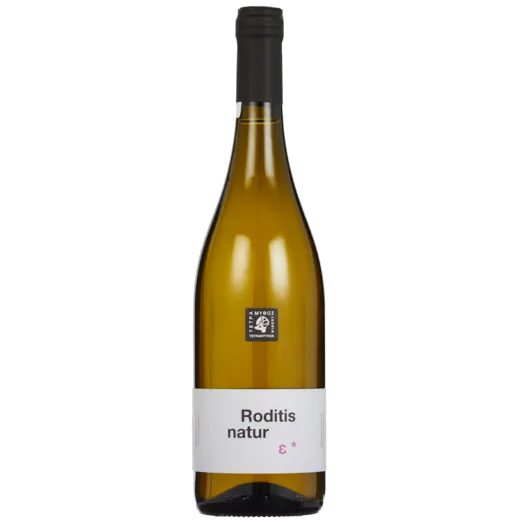
Tetramythos - Roditis nature 2024
A precise and refined expression of Roditis
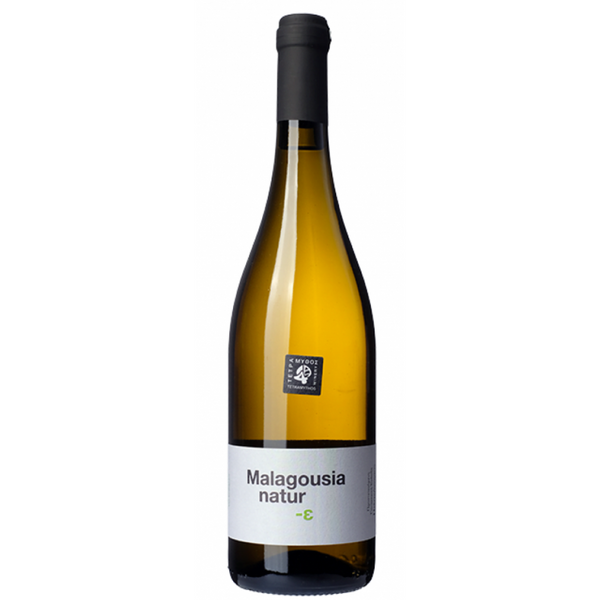
Tetramythos - Malagousia nature 2023
A Malagousia from the terroirs of the northern Peloponnese
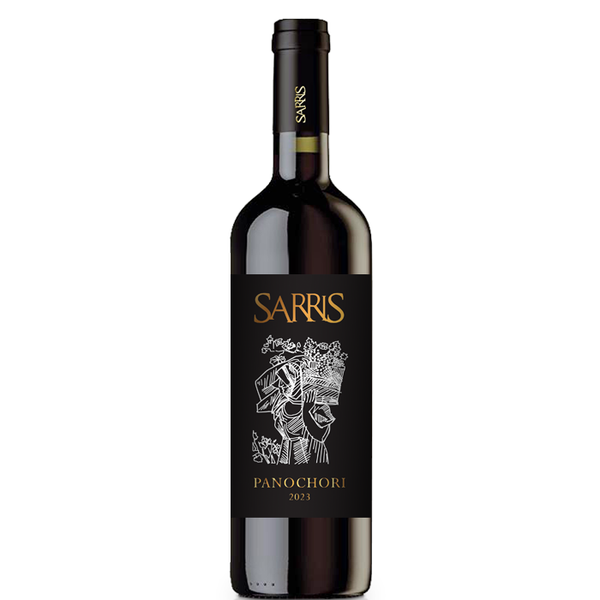
Panos Sarris - Panochori Vieilles Vignes 2023
Robola, the other great white grape variety of the Greek islands

Thymiopoulos - Terra Petra 2020
A harmonious blend of Greek red grape varieties, grown in the foothills of Mount Olympus

Thymiopoulos - Atma Rouge 2021
A red wine from Northern Greece, combining indulgence and freshness
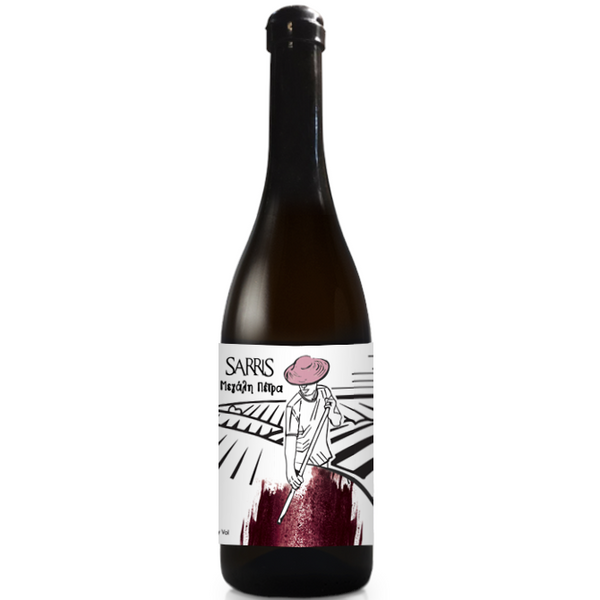
Panos Sarris - Megali Petra 2023
A magnificent expression of Mavrodaphne
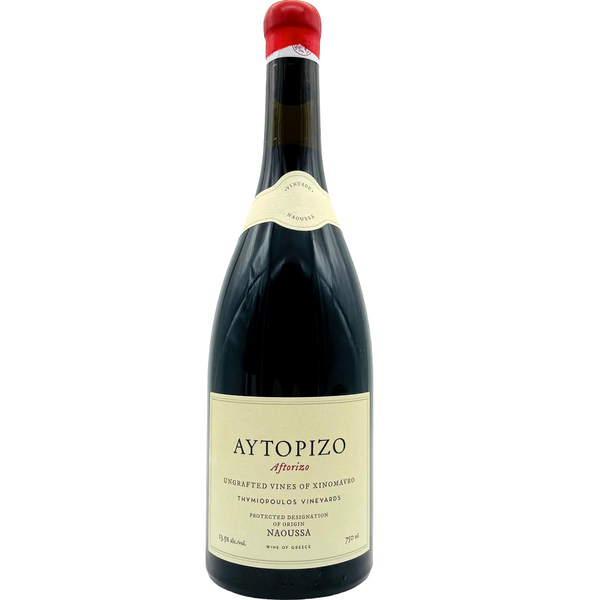
Thymiopoulos - Aftorizo 2020
One of the estate's Grands Crus, produced from ungrafted vines

Thymiopoulos - Assyrtiko Jeunes Vignes 2023
An Assyrtiko from northern Greece combining tension, fruit and salinity.
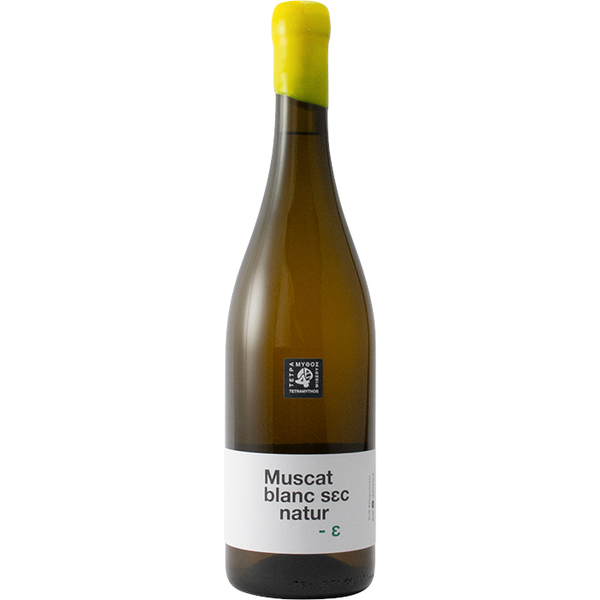
Tetramythos - Muscat sec nature 2022
An elegant and straightforward expression of Muscat
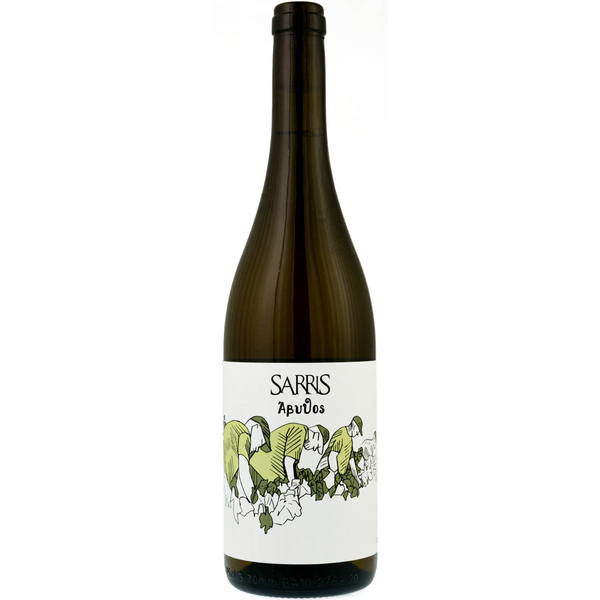
Panos Sarris - Avithos muscat sec 2024
A fragrant and elegant muscat from pre-phylloxera muscat vines

Thymiopoulos - OenosNature Naoussa 2022
A magnificent supple, elegant and very fragrant Xinomavro

Vassilis Vaîmakis - Mater Natura Muscat d'Alexandrie 2021
A white wine from the volcanic island of Limnos with a saline and mineral character
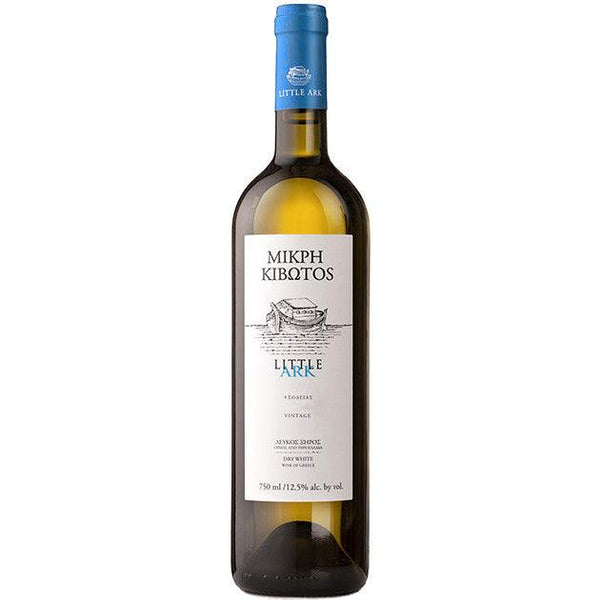
Lantides - Little Ark White 2019
A fine and refreshing wine from southern Greece, with exotic and mineral notes
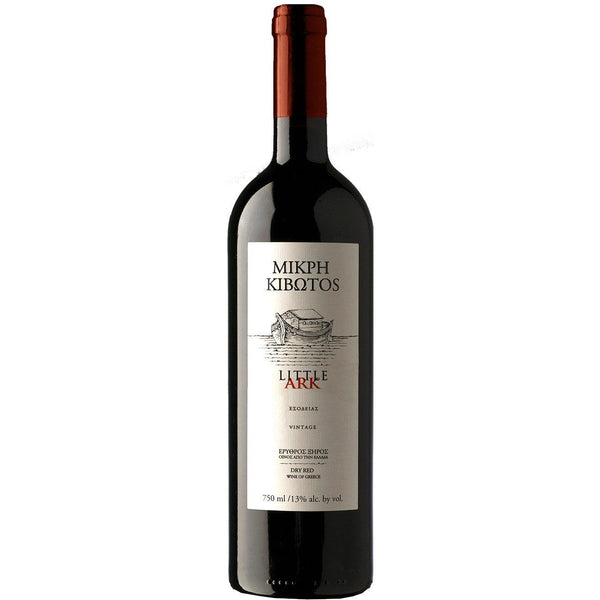
Lantides - Little Ark Red 2020
A blend of 2 indigenous Greek grape varieties, with flavors of black fruits and spices

Panos Sarris - Lygia 2023
An elegant and refined maceration wine made from a rare grape variety from the island of Kefalonia
Where Greek vines grow
The Greek vineyard stretches from mainland Macedonia, backed against the mountains, to the islands of the Aegean and the Ionian Sea. Each zone takes its style from altitude, soil and distance to the sea.
| Region | King grape variety | The style | The estates in this section |
|---|---|---|---|
| Naoussa, in Macedonia Slopes of Mount Vermion, continental climate | Xinomavro | Tight tannins, high acidity, sun-dried tomato and faded rose | ThymiopoulosAlta Naoussa, Terre et Ciel, Kayafas |
| Nemea, in the Peloponnese | Agiorgitiko | Black cherry and plum, velvety tannins, delicious young | Gaia on the hills of Nemea, Giannikos near Corinth |
| Santorini, in the Cyclades Ash, pumice and basalt | Assyrtiko | Lemon, flint, frank and long salinity | Gavalas Winery in Megalochori, Artemis Karamoulegos |
| Kefalonia, in the Ionian Sea Limestone, sea breeze, slopes of Mount Ainos | Robola | Candied citrus, dried flowers, a saline, straight finish | Domaine SarrisPanochori, Megali Petra, Avithos |
| Achaea, in the north of the Peloponnese Mountain vines above Kalavryta | Roditis | Lively, floral whites, natural winemaking | TetramythosRoditis, Malagousia, Laurier Noir |
| Crete | Vidiano | A broad white, apricot and almond, supple acidity | Zoumberakis for Vidiano, Iliana Malihin for Thrapsathiri |
The island of Samos owes its reputation to Muscat Blanc à Petits Grains, grown on mountain terraces and made both dry and sweet. To place these names in relation to one another, the appellations page gathers the production zones the shop follows.
A familiar benchmark for every local grape
The vocabulary puts people off before the first sip. So here, for each indigenous grape variety in the selection, is the flavour it gives, the French or Italian wine it comes closest to, and the dish that suits it.
| Greek grape variety | In the glass | The marker | Dinner's ready |
|---|---|---|---|
| Xinomavro | Tight tannins, lively acidity, sun-dried tomato, black olive | Nebbiolo from Piedmont | Roast lamb, grilled aubergines, slow-cooked meats |
| Agiorgitiko | Black cherry, plum, supple tannins, discreet alcohol | Right Bank Merlot | Moussaka, lamb meatballs, stuffed tomatoes |
| Assyrtiko | Lemon, flint, straight acidity, saline finish | Chablis from limestone slopes | Grilled octopus, taramasalata, fried small fish |
| Robola | Citron, yellow peach, dried flowers, minerality | Vermentino from Liguria | Baked fish, capers, olive oil and lemon |
| Malagousia | White peach, basil, jasmine, round palate | Viognier from the northern Rhône | Stuffed vegetables, fresh cheeses, herb-led cooking |
| Moschofilero | Rose, lychee, citrus peel, pinkish skin | Gewurztraminer in a lighter version | Aperitif, Greek salad, raw vegetables with dill |
| Roditis | Pear, lemon peel, fine and salty acidity | Pinot Gris grown at altitude | Grilled sardines, tzatziki, fried courgettes |
These same grapes also go through skin maceration: Vostilidi and Tsaoussi from Cephalonia give tannic, textured maceration whites, which the orange wines page brings together with their cousins from Italy, Georgia and Armenia.
The ways into the Greek range
Eight ways into this wine country, from a first Xinomavro to the bottle for the end of the meal.
Discover Xinomavro at a small price
A light red from Naoussa, cherry and dried herbs, completed by a touch of Mandilaria. Serve it cool, at around 15 °C.
Thymiopoulos Atma Rouge 2021 · €15.90 per bottle, by the case of 6Xinomavro in its cru version
Hillside vines at the foot of Mount Vermion, straight tannins, high acidity and a long black-olive finish. The benchmark of the Naoussa style.
Thymiopoulos Alta Naoussa 2024 · €24 per bottle, by the case of 6A natural mountain white
Roditis grown at altitude above Kalavryta, native yeasts, sulphites kept to a minimum. Pear, lemon, a saline, easy-drinking finish.
Tetramythos Roditis nature 2024 · €19.90 per bottle, by the case of 6Tasting Santorini in the glass
Assyrtiko from basket-trained vines on volcanic ash, aged on fine lees. Lemony tension and marked salinity from start to finish.
Gavalas Winery Posta 2024 · €34.80 per bottle, by the case of 6The great white of the Ionian Islands
Robola from ungrafted vines planted in 1960 in Kefalonia, on limestone. Citron, yellow peach, smoky stone and a broad palate.
Panos Sarris Panochori Vieilles Vignes 2023 · €32 per bottle, in packs of 3A red from the Peloponnese for the table
Pure Agiorgitiko from the hills of Corinth, ripe red fruit, pepper and Mediterranean herbs, fine tannins. To open with a slow-cooked dish.
Giannikos Winery Pegasus 2022 · €35 per bottle, in packs of 3An exceptional bottle to give
The single-plot cuvée from the estate that put Naoussa back on the map, available by the bottle. Long ageing potential and depth of terroir.
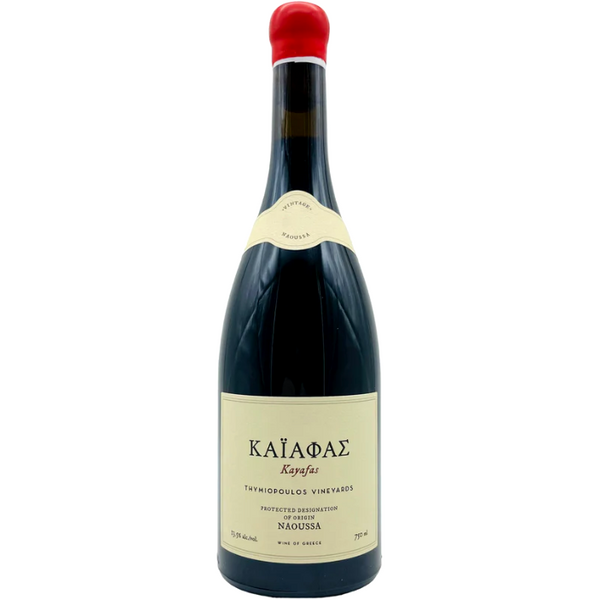
Thymiopoulos Kayafas 2019 · €88 per bottle, individuallyFollowing the trail of the skin-contact whites
The Vostilidi and Tsaoussi of Cephalonia join the skin-contact whites from the rest of the world here, textured and lightly tannic.
Section page · Orange wines
The recovery of a very old wine country
Vines have been grown here for more than three thousand years, and yet modern Greek wine dates from the nineteen-nineties. A generation of growers who had gone off to study oenology in Bordeaux, Dijon or Davis came home and found an intact heritage: hundreds of local grape varieties, mountain vineyards, islands where phylloxera failed. They gave up high yields, replanted on slopes, reduced extraction and vinified each grape for itself.
The result comes down to two comparisons that have become common among sommeliers: the Xinomavro of Naoussa for Nebbiolo, the Assyrtiko of Santorini for the great taut whites of cool climates. Retsina, for its part, remains a tradition apart.
How do you choose
We taste every cuvée before listing it, and we look for two things in this range: freshness, which the Greek heat makes precious, and faithfulness to the local grape variety. A heavy red or a white that could come from anywhere stays at the door. The rest follows the estates, from Naoussa to Cephalonia.
The Wine Wanderer Team
What you ask us about Greek wines
Do all Greek wines taste like Retsina?
Retsina, that white flavoured with pine resin, now occupies a niche of its own in the country. Most of the production follows the path of native grape varieties vinified cleanly: saline Assyrtiko, tannic Xinomavro, fruity Agiorgitiko. These wines play on freshness and on precision of fruit, and many spend several years in the cellar without fading.
Why is Xinomavro compared to Nebbiolo?
Both grape varieties share a deceptively pale colour, abundant, tight-knit tannin, high acidity and a scent of dried rose, sun-dried tomato and olive. Like Barolo, a Xinomavro from Naoussa rewards ageing: the first few years stay austere, then the wine opens out on notes of forest floor and leather.
What makes Santorini Assyrtiko so special?
The island's soil is made of ash, pumice and lava, ground where phylloxera is powerless: the vines grow on their own roots, some of them for more than a century. Growers train them into low woven baskets, the kouloura, to shelter the bunches from the wind. What comes out is a very taut white, lemony and frankly saline.
What is the difference between Agiorgitiko and Xinomavro?
Agiorgitiko from the Peloponnese gives supple reds, all black cherry and plum, with velvety tannin: it is the grape variety that pleases straight away, at ease with a moussaka. Xinomavro from the north does the opposite, with firm tannin and high acidity that call for a rich dish and a few years in the cellar.
Why are these wines often sold in packs or by the case?
The Greek estates we follow work in small volumes and ship by full cases, which keeps the price per bottle tight. The price shown on each listing is always that of the bottle, and the sales format sits right beside it. A few cuvées are also sold as single bottles, notably from Thymiopoulos and Domaine Sarris.
Which Greek wine should you serve with mezze or Mediterranean food?
A white from Assyrtiko or Robola stands up to grilled octopus, taramasalata and fried fish thanks to its salinity. With stuffed vegetables and fresh cheeses, Malagousia and its scent of peach work better. For lamb, aubergines and slow-cooked dishes, go for a Xinomavro or an Agiorgitiko.
How long can you keep a Greek wine?
It depends on the grape variety. A Roditis or a Malagousia is drunk within its first three years, on the fruit. An Assyrtiko from Santorini happily holds ten years and takes on notes of wax and honey. A Xinomavro from Naoussa asks for patience and improves over fifteen years, sometimes longer.
Does Greece make orange wine?
Yes, and the practice revives an old gesture there. On Cephalonia, rare grape varieties such as Vostilidi and Tsaoussi macerate for two weeks with their skins, which gives golden, textured whites with powdery tannins and notes of quince and orange peel. The orange wines page brings this family together.
At what temperature should these bottles be served?
Reckon on 10–12 °C for an Assyrtiko or a Robola, a little cooler for a dry Muscat as an aperitif. Reds from the Peloponnese are served at around 16 °C, Xinomavro from Naoussa between 16 and 18 °C. A light red such as Atma benefits from a quarter of an hour in the fridge before serving.
Where should I start if I'm new to this wine region?
Take an entry-level Xinomavro and a natural white from Achaia: these two glasses set out the grammar of the country, tannin on one side, high-altitude freshness on the other. Then an Assyrtiko from Santorini shows what the volcano brings. The Thymiopoulos and Tetramythos pages bring together the heart of the selection.