
Vin doux : porto, tokaji et liquoreux du monde
62 bouteilles, de 12,90 € à 299 €The sugar in a sweet wine comes from the grape, and it stays there for five reasons that have nothing to do with one another. A port is fortified with grape spirit, a Tokaji owes its concentration to a fungus, an Eiswein to the November frost.
This origin determines the taste, the alcohol level and when the bottle should be served. The table of the five methods makes it clear before you buy.
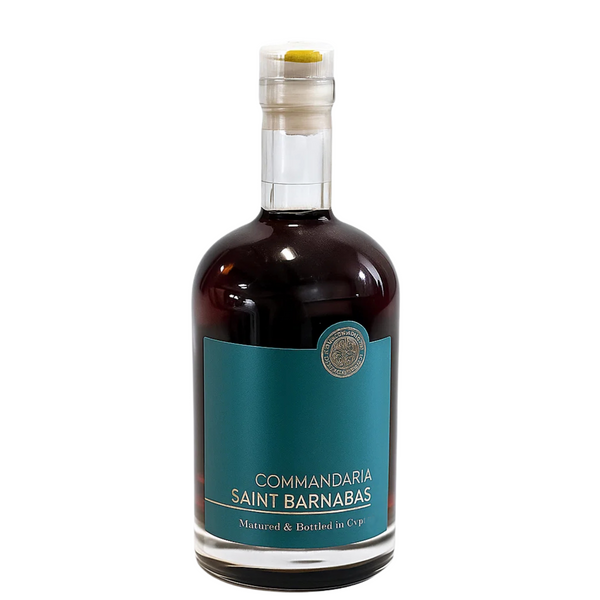
Kamanterena - Commandaria Saint Barnabas
Commandaria, a legendary sweet wine from the island of Cyprus

Groot Constantia - Grand Constance 2020
A legendary and historic wine, with incredible aromatic richness.

Bruno Landauer - Gewürztraminer Ruster Spätlese 2024
A sublime Austrian late harvest!
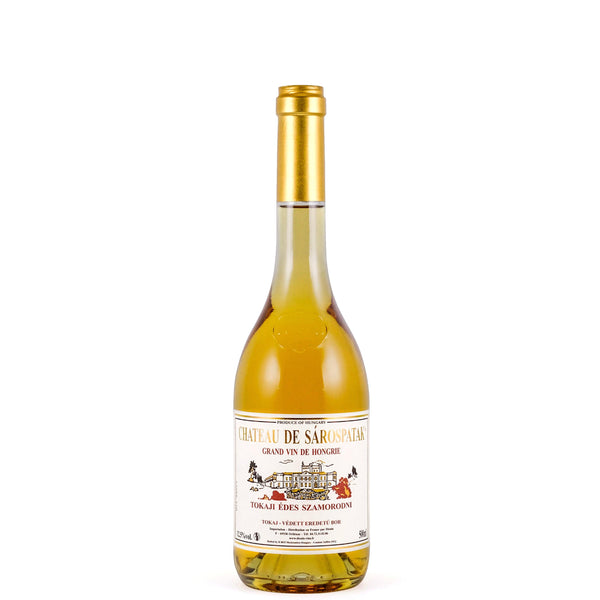
Sárospatak Castle - Tokaji Edes Szamorodni 2021
A late harvest vintage of noble grains, from the mystical terroirs of Tokaj
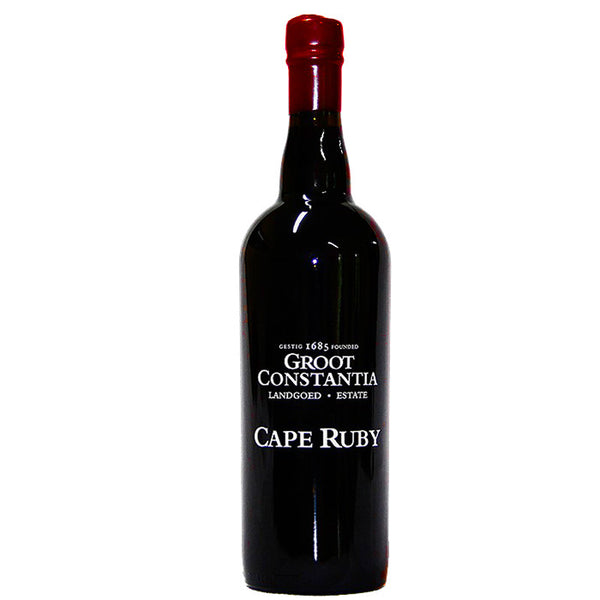
Groot Constantia - Cape Ruby 2021
A superb fortified wine from the Cape, made in the style of Vintage Port
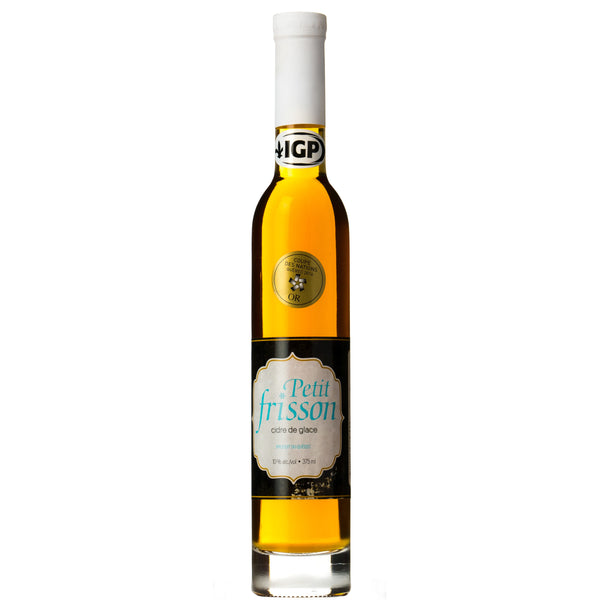
Les Vergers Petit & Fils - Petit Frisson Ice Cider
An ice cider from the slopes of Mont Saint-Hilaire, near Montreal.
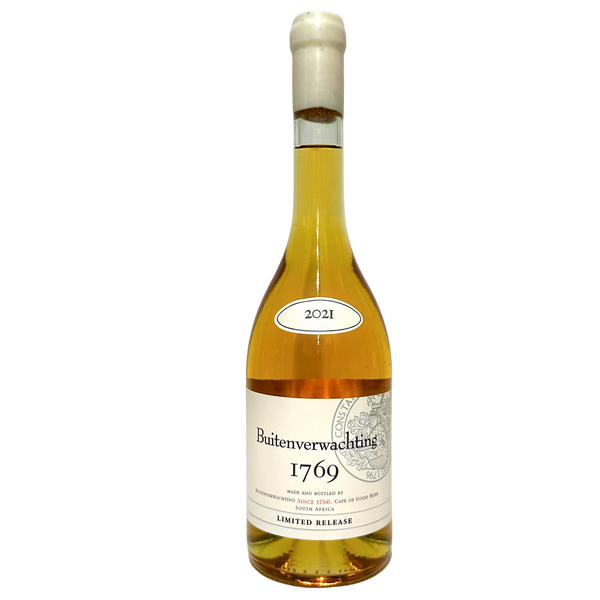
Buitenverwachting - Constantia wine "1769" 2021
A sweet wine with splendid intensity and balance
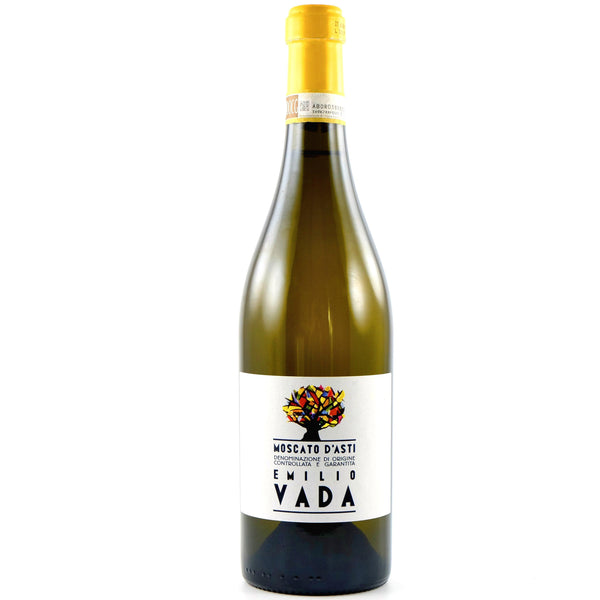
Emilio Vada - Moscato d'Asti 2025
Both fresh and explosive on the palate, this sparkling wine offers a mellow and refreshing effervescence, a real treat!
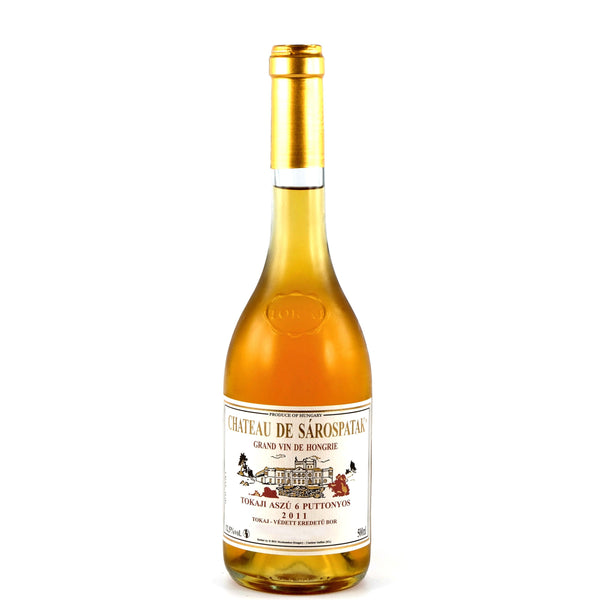
Sárospatak Castle - Tokaji Aszú 6 Puttonyos 2011
The jewel of Tokaji from an exceptional vintage!
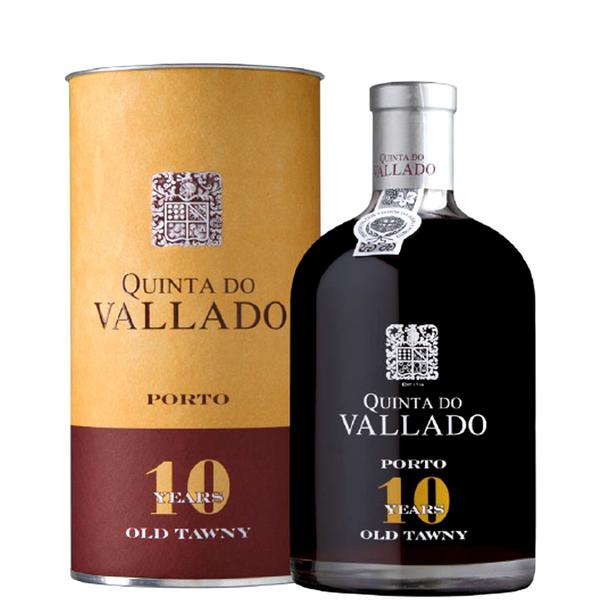
Quinta do Vallado - Porto Tawny 10 years
A classic from Vallado
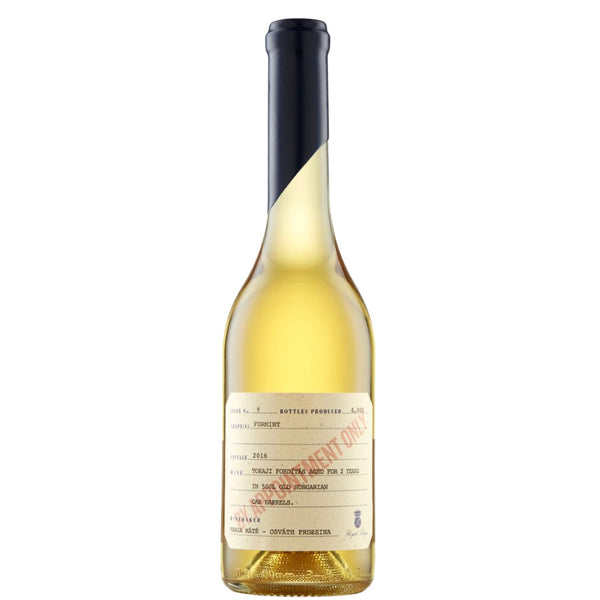
Royal Tokaji - Tokaji Forditas Furmint 2016
A Tokaji Forditas looking like 6 Puttonyos
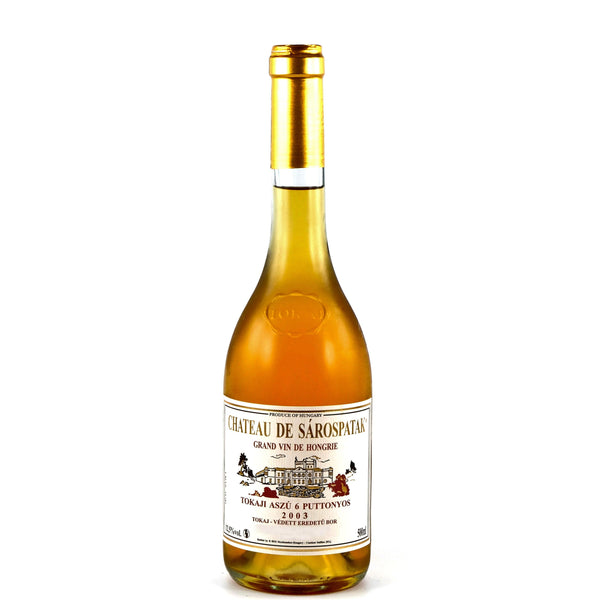
Sárospatak Castle - Tokaji Aszú 6 Puttonyos 2003
A great sweet Tokaji with a unique and confidential vintage
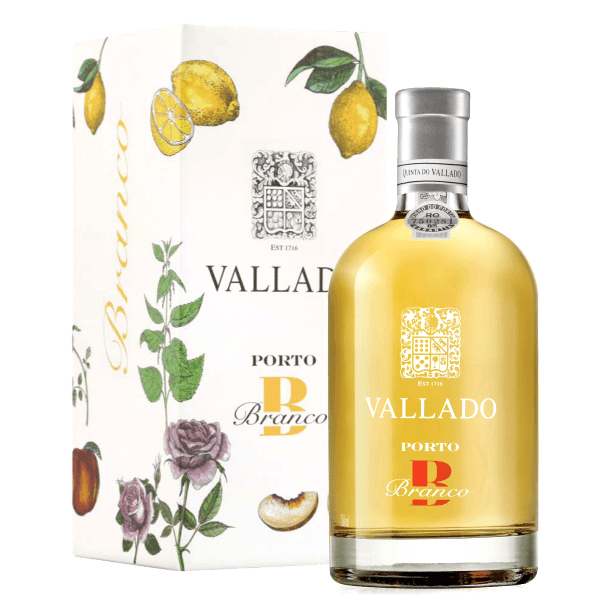
Quinta do Vallado - White Port
A white port focused on the freshness and exuberance of the fruit
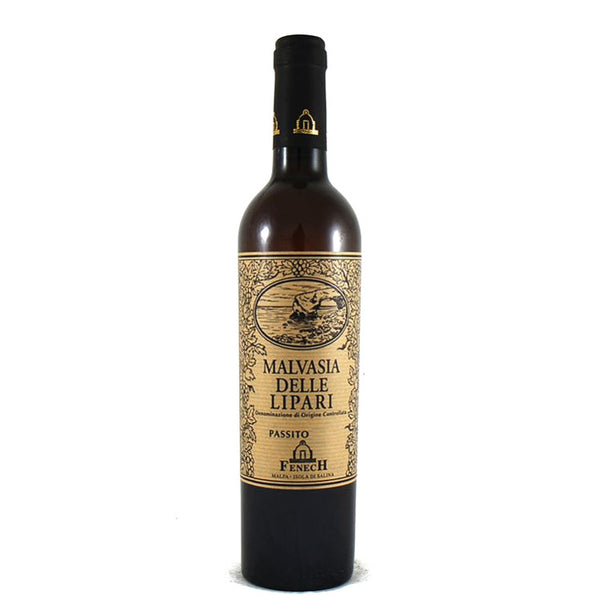
Fenech - Malvasia Delle Lipari Passito 2020
A rare sweet wine from Salina Island
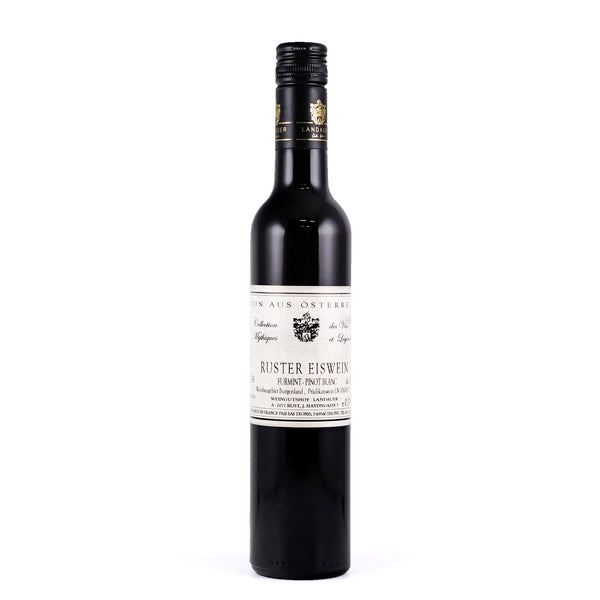
Bruno Landauer - Ruster Eiswein Furmint/Pinot Blanc 2018
An Austrian ice wine combining finesse and complexity
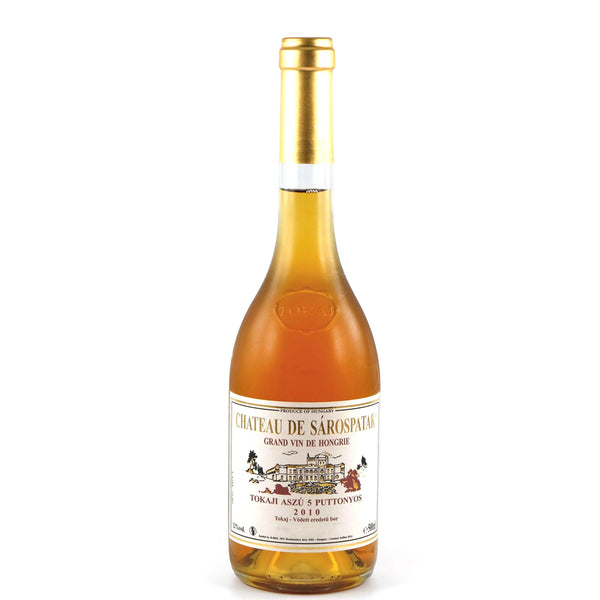
Sárospatak Castle - Tokaji Aszú 5 Puttonyos 2010
A splendid Tokaji with incredible complexity and balance.
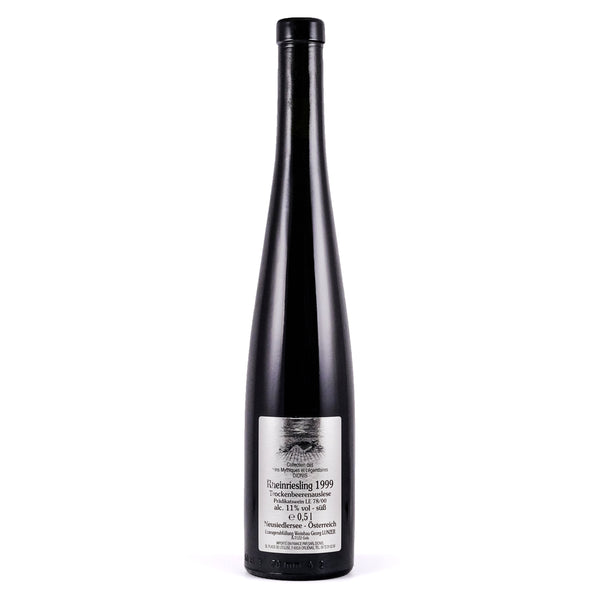
Georg Lunzer - Golser Rheinriesling Trockenbeerenauslese 1999
A sublime Austrian sweet wine, which has retained all its freshness and developed incredible complexity over time
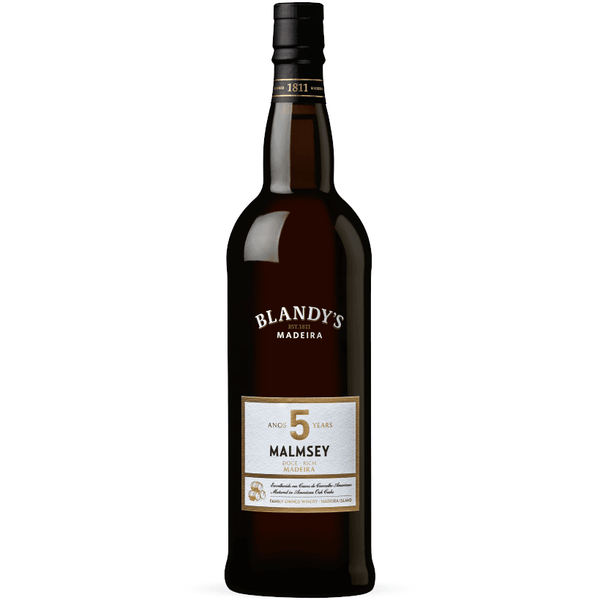
Blandy's - Madeira Malmsey 5 years
A rich, full and spicy fortified Madeira wine from one of the most historic houses on the island.
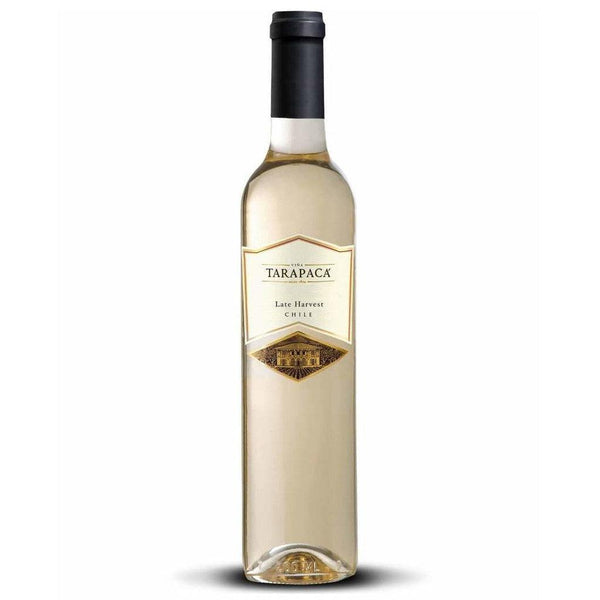
Tarapaca - Late Harvest 2022
A very nice late harvest from a blend of 5 white grape varieties!
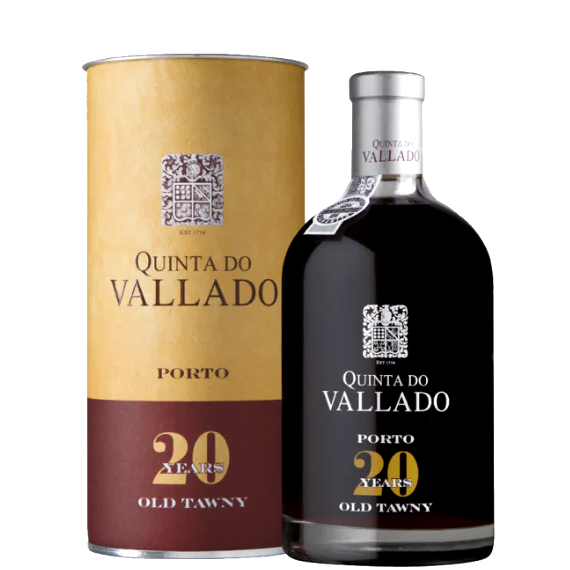
Quinta do Vallado - Porto Tawny 20 years
A 20 year old Tawny Port, complex, aromatic and long in the mouth.
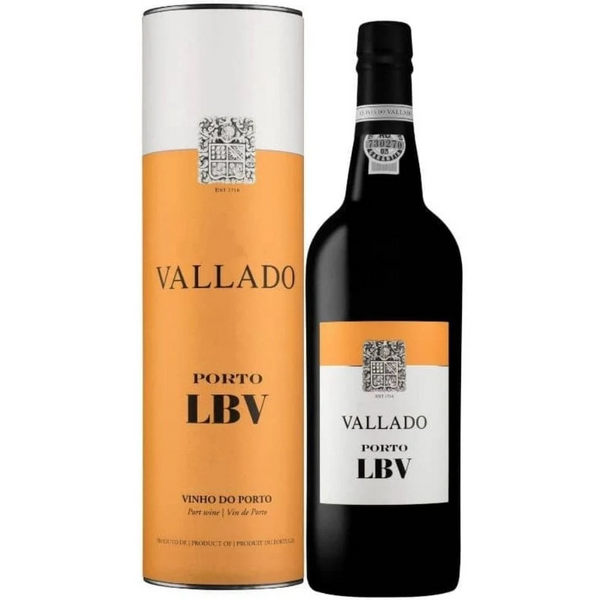
Quinta do Vallado - Late Bottle Vintage Port 2019
A superb LBV from Vallado
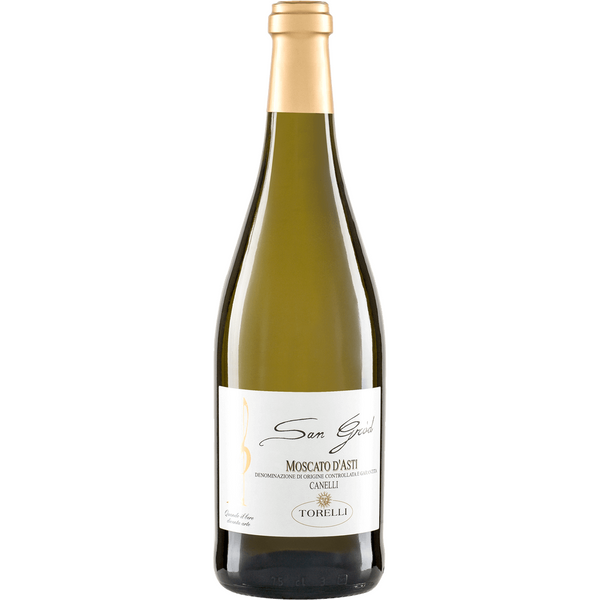
Torelli - Moscato d'Asti "San Gròd" 2023
A fresh, delicious Moscato d'Asti from organically grown vineyards
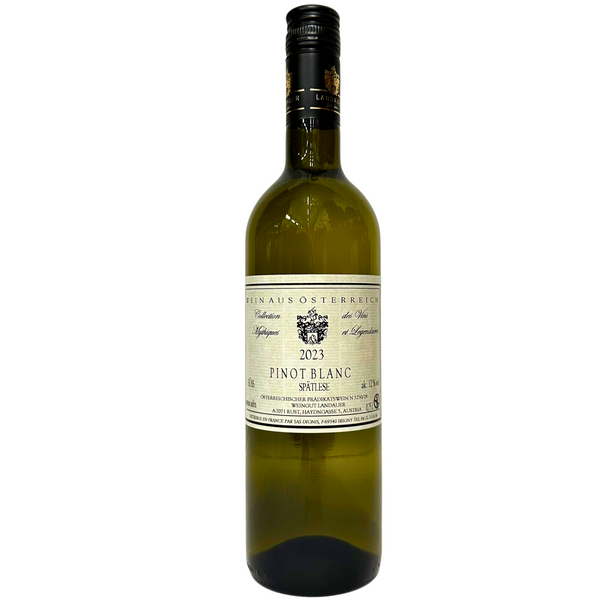
Bruno Landauer - Late Harvest Pinot Blanc Ruster Spätlese 2023
A superb late harvest of Chardonnay
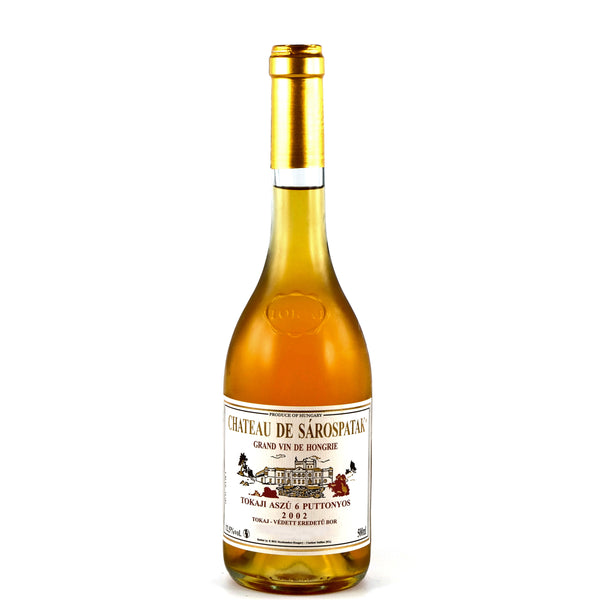
Sárospatak Castle - Tokaji Aszú 6 Puttonyos 2002
A great sweet Tokaji with a unique and confidential vintage
Cinq façons de garder le sucre du raisin
This is the distinction that matters before you buy. Two bottles can show the same amount of sugar and be nothing alike, because the sugar did not get there in the same way.
| Méthode | Comment le sucre reste | What it means in the glass | In our cellar |
|---|---|---|---|
| Mutageporto, madère, muscat de Rutherglen | Grape spirit is added in the middle of fermentation. The alcohol stops the yeasts dead before they have had time to convert all the sugar. | Vin puissant, 17 à 20 % d'alcool, fruits secs et café quand l'élevage oxydatif a duré, fruit noir quand le vin a vieilli en bouteille. | Ports from the Douro, Australian Muscats from Rutherglen and Groot Constantia's Cape Ruby |
| Pourriture nobletokaji aszú, auslese, noble late harvest | Botrytis pierces the grape skin on the vine. Water evaporates through the holes, and the berry shrivels, concentrating its sugar without losing its acidity. | Candied apricot, orange peel, saffron. Plenty of sugar, but an acidity that keeps the wine upright and stops it from cloying. | Hungarian Tokaji from Mád and Sárospatak, from 3 to 6 puttonyos, at the top of the range |
| Passerillagepassito, recioto, vendange tardive | Le raisin sèche, sur la souche ou sur claies après la récolte. Pas de champignon ici, de la déshydratation pure, parfois pendant plusieurs mois. | Fig, currant, cooked fruit. A sunnier profile than botrytised wines, less sharp, often more enveloping. | Du Recioto de Zeni en Vénétie au Grand Constance du Cap et à la Commandaria chypriote |
| Vin de glace eiswein, icewine | The grapes are harvested frozen, often at night, below −7 °C. In the press, the ice stays in the cage and only the concentrated juice runs off. | High sugar and cutting acidity at the same time. The most taut style of sweet wine, produced in very small volumes. | Austrian Eiswein from Rust and Canadian bottles |
| Fermentation arrêtéemoscato d'Asti, brachetto, demi-doux | The tank is chilled to put the yeasts to sleep before they have consumed everything. Nothing is added, nothing is dried, nothing is concentrated. | Peu d'alcool, 5 à 11 %, muscat frais et raisin croquant. Le seul doux qui se boit au verre sans effort. | Moscato d'Asti and Brachetto d'Acqui from Piedmont, plus a Portuguese white stopped at 30 g of sugar |
Le degré suit la méthode : un porto muté titre près de 20 % d'alcool, un moscato d'Asti 5,5 %. Deux vins doux, deux usages qui n'ont rien en commun.
Six ways into the range
Chacune mène à une sélection réelle, sans page intermédiaire.
Ports
Douro, mutage à l'eau-de-vie, élevage en fût ou en bouteille. La famille la mieux fournie du rayon, du Branco d'apéritif au Tawny 30 ans.
12 vinsTokaji
Hongrie, furmint botrytisé, de 3 à 6 puttonyos. Le rapport sucre et acidité le plus spectaculaire qu'on connaisse en vin doux.
14 vinsSweet wines
Everything above 45 g of sugar, whether from botrytis or drying on the vine. The range to open for foie gras or Roquefort.
29 vinsMuscats
Un cépage qui sent déjà le raisin frais avant toute vinification. On le retrouve muté à Rutherglen, séché au Cap et arrêté au froid en Piémont.
11 vinsSweet reds
Recioto della Valpolicella, Brachetto d'Acqui, Cape Ruby. The only sweet wines that can take on dark chocolate without being crushed.
7 vinsMoins de 30 €
Moscato d'Asti, spätlese autrichiennes, premiers portos. De quoi découvrir chaque méthode sans engager une bouteille de garde.
Le premier tiers du rayon
Which sweet wine for which dish?
The principle never changes: the wine must be at least as sweet as the dish, otherwise it tastes sharp and thin. The rest comes down to the richness, saltiness and power of the dish.
| Le plat | Le profil qu'il faut | La famille | Pourquoi ça marche |
|---|---|---|---|
| Foie gras | Sucre franc et acidité vive, sans excès d'alcool | Tokaji aszú, vendange tardive | Le gras du foie sature le palais, l'acidité du botrytis le relance à chaque bouchée. |
| Roquefort et bleus | Beaucoup de sucre, de la puissance | Liquoreux, porto vintage | Le sel du persillage et le sucre du vin s'annulent mutuellement, chacun rendant l'autre plus supportable. |
| Comté vieux, pâtes pressées | Oxydatif, notes de noix | Porto tawny, madère | Aged cheese develops the same dried-fruit aromas as barrel-aged wine. |
| Dessert au chocolat noir | Tannins et sucre à la fois | Porto vintage, recioto | A sweet white is crushed by cocoa. You need a sweet red to stand up to it. |
| Yellow fruit tart | Arômes d'abricot et de coing | Vendange tardive, passito | On cherche l'écho : le vin reprend le fruit du dessert au lieu de lui opposer autre chose. |
| Cuisine épicée, curry | Peu d'alcool, sucre rafraîchissant | Moscato, gewurztraminer doux | Le sucre calme la brûlure du piment, là où l'alcool l'amplifie. Un vin léger vaut mieux qu'un liquoreux puissant. |
| Apéritif | Léger, frais, peu alcoolisé | Moscato d'Asti, porto blanc | At 5.5% alcohol, a Moscato opens a meal without closing it. White port plays the same role, with added length. |
Serve all these wines chilled, at 8–12 °C, except tawny ports, which can take 14 °C. A sweet wine served lukewarm shows nothing but its sugar.
Un vin doux ne se boit pas qu'au dessert, et rarement à la fin
The place it is given in France, the last glass after the cake, is where it performs worst. The palate is already saturated with sugar and the wine arrives on occupied ground.
The best moments lie elsewhere: a Tokaji with foie gras as a starter, a tawny port with a thirty-month Comté, a Moscato d'Asti in the middle of the afternoon. Sweet wine is a wine for savoury pairings far more than a dessert wine, and it is also the most misunderstood in the range.
Price follows the same logic. What costs money is not the sugar but the yield: a hectare of Tokaji Aszú sometimes produces ten times less than a hectare of dry white, because the grapes are sorted berry by berry.
Trois erreurs qu'on voit souvent
Le servir trop chaud. Au-dessus de 12 °C, il ne reste que le sucre. Vingt minutes au réfrigérateur suffisent à retrouver l'acidité.
Le remplir comme un blanc sec. Un tiers de verre, pas plus : c'est un vin qui se boit lentement et qu'on n'avale pas.
Le jeter après trois jours. Bouché et au frais, un liquoreux tient une semaine, un porto tawny plusieurs mois. Le sucre et l'alcool le protègent.
L'équipe du Baroudeur du Vin
What people ask us about sweet wines
Quelle différence entre un vin doux, un moelleux et un liquoreux ?
It is a matter of grams of sugar per litre. Below 45 g we speak of moelleux (medium-sweet), above it of liquoreux (sweet). “Sweet wine” is the broad term covering both, plus fortified wines such as port. On this page, bottles range from about 30 g for a Portuguese medium-sweet to more than 200 g for a 6 puttonyos Tokaji Aszú.
Qu'est-ce qu'un vin muté ?
A wine whose fermentation has been stopped by adding grape spirit. The alcohol kills the yeasts before they have consumed all the sugar, giving a wine that is both sweet and strong, around 19%. Port, Madeira and the Muscats of Rutherglen are made this way.
Que veut dire 5 ou 6 puttonyos sur un tokaji ?
The puttony was the hod used to carry the botrytised berries added to the base must. The more of them there are, the more concentrated the wine: a 5 puttonyos contains at least 120 g of sugar, a 6 puttonyos at least 150 g. Our Tokaji cover both levels.
Combien de temps une bouteille ouverte se conserve-t-elle ?
Much longer than a dry wine. Sugar and alcohol slow down oxidation: allow a week for a sweet wine re-corked in the fridge, several weeks for a tawny port, and several months for a Madeira, which has already been deliberately oxidised in the cellar.
À quelle température servir un vin doux ?
8–10 °C for a sweet wine or ice wine, 10–12 °C for a Moscato, 12–14 °C for a tawny port or a Madeira. Too cold and the aromas close up; too warm and the sugar takes over.
Un vin doux se garde-t-il longtemps en cave ?
In fact, it is one of the most resilient families. A Tokaji Aszú or a vintage port can be drunk after thirty years without difficulty, and Madeira is reputed to be indestructible. The exceptions are Moscato d'Asti and Brachetto, to be drunk within two years for their fruit.
Which sweet wine to serve with a chocolate dessert?
A sweet red rather than a sweet white. Cocoa brings bitterness and tannins that a white wine, however sweet, cannot stand up to. A vintage port, a Recioto della Valpolicella or a Brachetto d'Acqui hold their own, all gathered in the sweet reds.
Do you need a Sauternes for foie gras?
No, and it is not even the most interesting pairing. A Tokaji Aszú brings the same richness with higher acidity, which cuts through the fat instead of adding to it. An Austrian late harvest does the same job on a more modest budget.
Why do these wines often come in half bottles?
Because they are drunk in small glasses and production is small. 37.5 cl and 50 cl are the norm in this range: more than half of our wines come in these formats, which makes the great names far more accessible.
Why are some sweet wines so expensive?
The cost comes from the yield, not the sugar. Sorting botrytised berries one by one or harvesting frozen grapes at night takes ten times more passes than a normal harvest, for ten times less juice. A hectare of Tokaji Aszú may yield only a few hundred bottles.