
Wines of France: Burgundy, Champagne and the Loire Valley
114 bottles, from Burgundy to Champagne, the Loire and BordeauxThe journey sometimes starts two hours' drive away: a limestone slope, a Pinot Noir with a pale colour, a white that smells of hazelnut and wet stone. That is what the shop keeps from France, a handful of terroirs that stand comparison with the wines of the whole world.
The range follows two threads. Burgundy first, from the family estates of the Côte de Nuits to the Côte Chalonnaise, up to a few grands crus. Then what else France has to offer: the chalk of Champagne, Cabernet Franc from the Loire Valley, Chenin from the Layon, a rosé from the Var and a right-bank Saint-Émilion.

Domaine de la Roche Aiguë - Auxey-Duresses Rouge 2023
A delicate Pinot, all freshness, that never overpowers the plate.
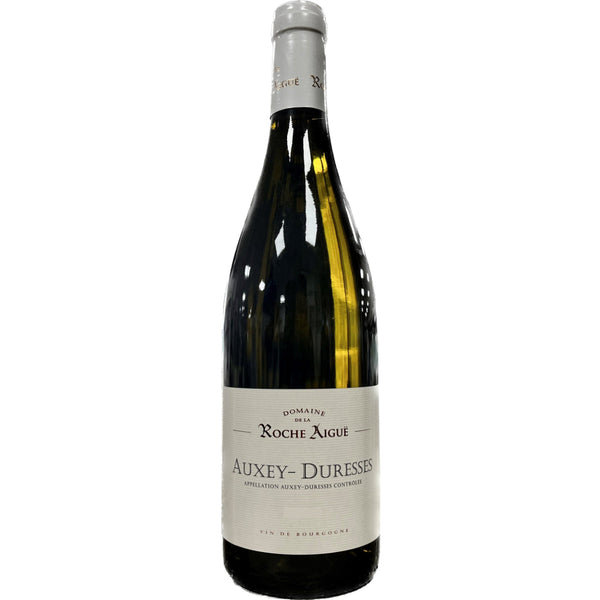
Domaine de la Roche Aiguë - Auxey-Duresses Blanc 2022
Auxey-Duresses in white, a straight Chardonnay that improves in the cellar.

Domaine de Bel-Air - Bourgueil Les Vingts Lieux Dits Rouge 2022
Blackberry, blackcurrant and green pepper: a tank-aged Bourgueil to serve cool with grilled meats.
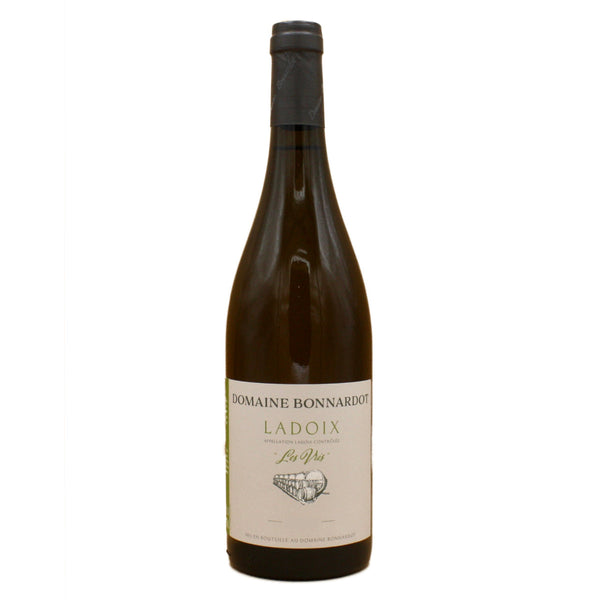
Domaine Bonnardot - Ladoix Les Vris Blanc 2022
A white Ladoix that puts chalk and lemon ahead of the oak.
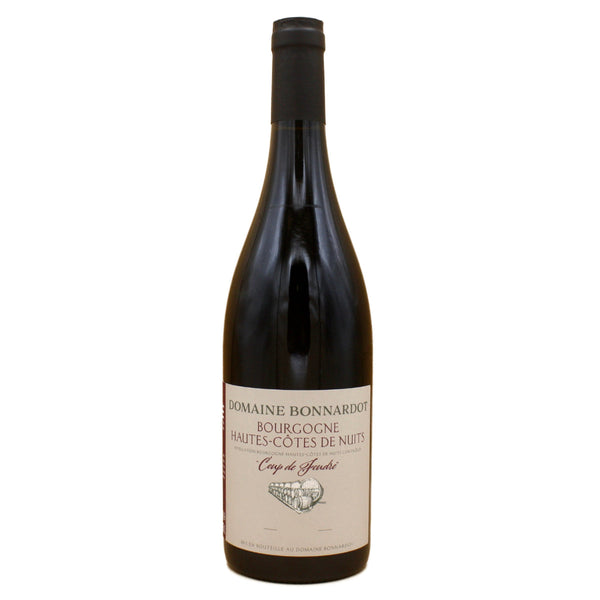
Domaine Bonnardot - Hautes-Côtes de Nuits Coup de Foudre Rouge 2025
A generous Pinot to drink young, all fruit and roundness.

Domaine Bonnardot - Côtes de Nuits Villages Rouge 2023
Côte de Nuits-Villages, black cherry and undergrowth, silky tannins.
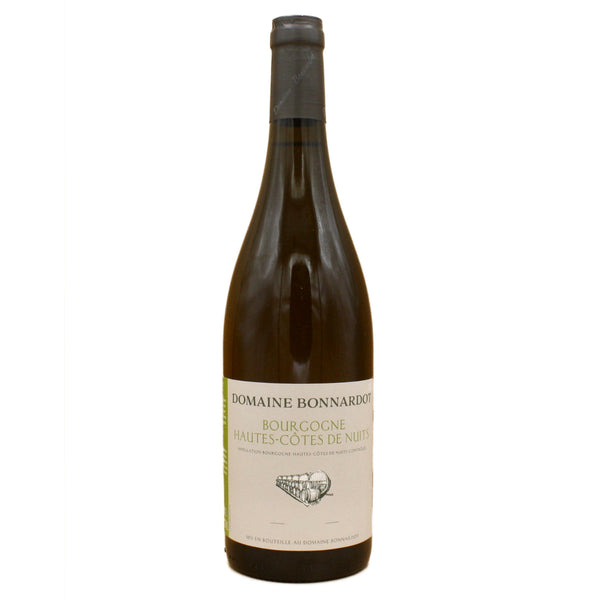
Domaine Bonnardot - Bourgogne Hautes-Côtes de Nuits Blanc "Les Frangines" 2024
A high-altitude Chardonnay, lively in fruit, only lightly touched by oak.
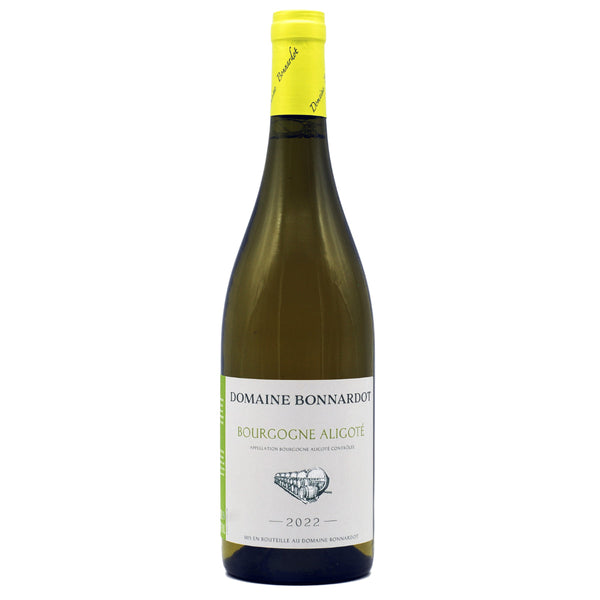
Domaine Bonnardot - Bourgogne Aligoté Blanc 2024
Taut Aligoté, lemon and flint, without an ounce of fat.
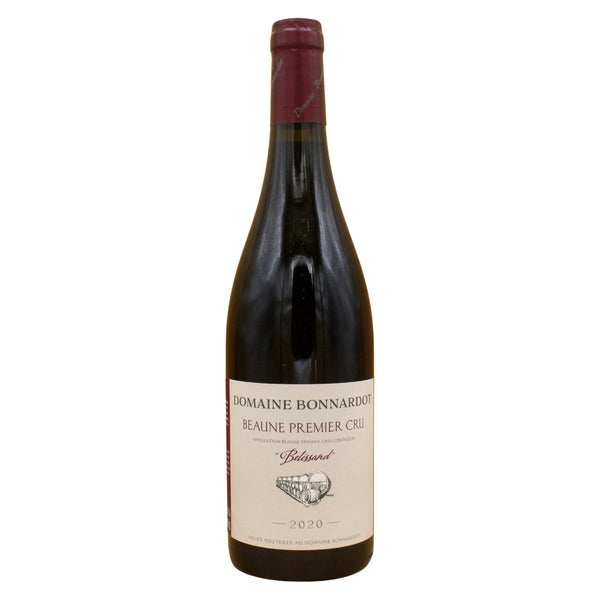
Domaine Bonnardot - Beaune 1er Cru Les Béllissants Rouge 2023
A Beaune premier cru all in lace: floral, long, never heavy.
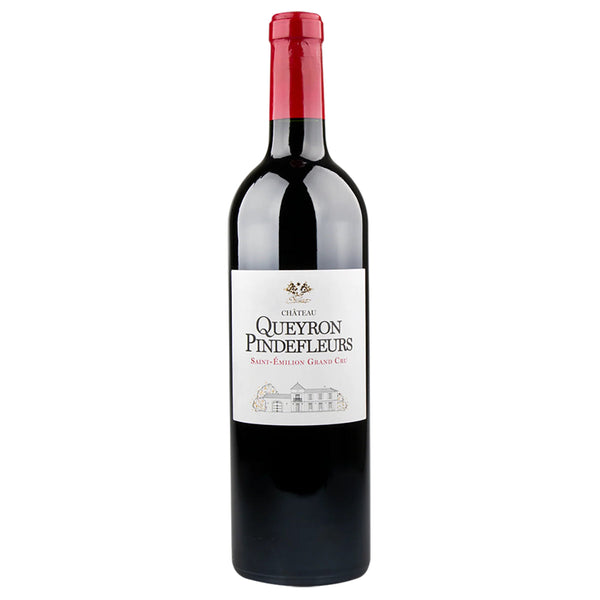
Château Queyron Pindefleurs - Saint-émilion Grand Cru 2018
Right Bank Merlot: black fruit and leather, with the structure of a Saint-Émilion built for ageing.
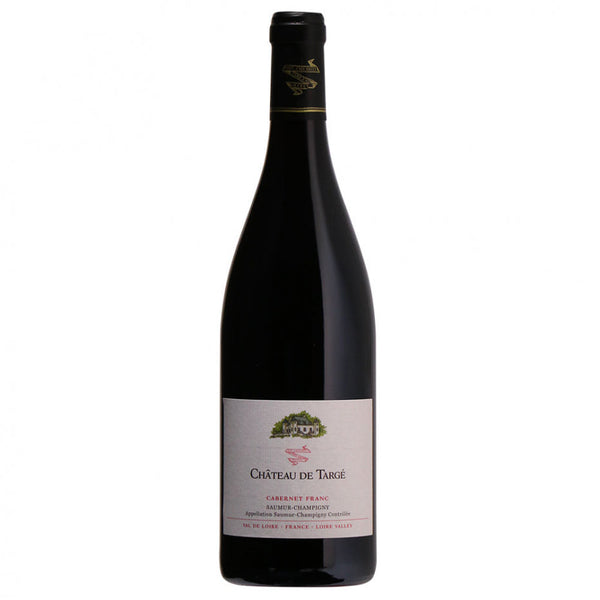
Château de Targé - Saumur-Champigny Rouge 2019
Blackcurrant, blackberry and green pepper: Saumur Cabernet Franc in its structured style.
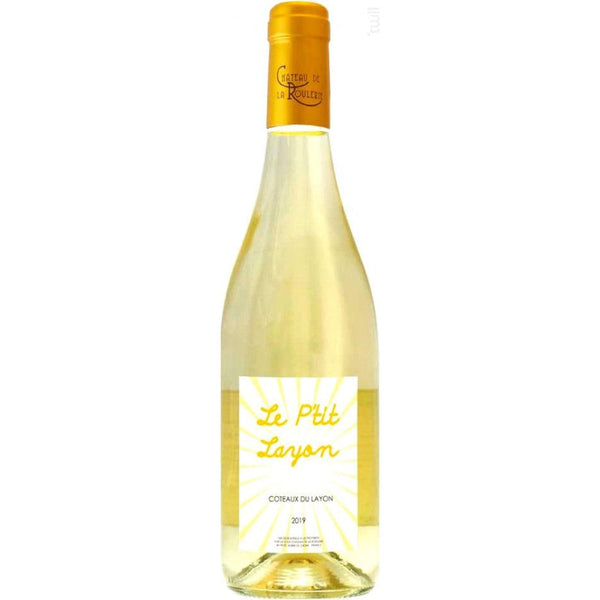
Château de la Roulerie - Côteaux du Layon Le P’tit Layon Blanc 2022
Peach, honey and honeysuckle, a tender Layon whose acidity keeps it far from heaviness.
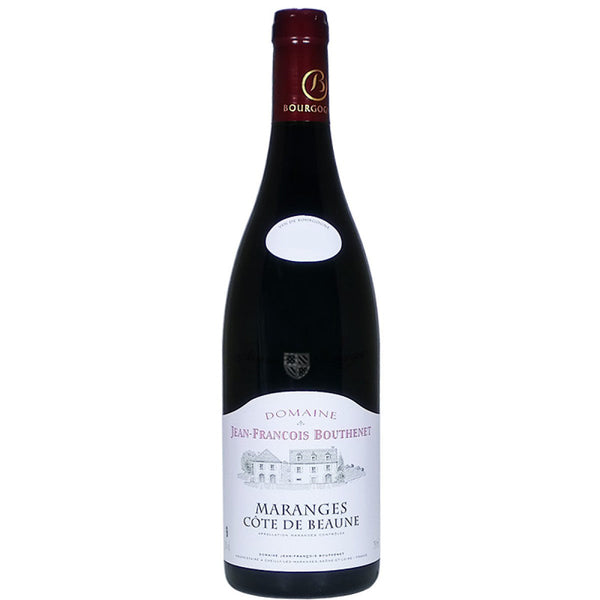
Domaine Jean-François Bouthenet - Maranges Rouge 2022
Maranges in a silky style, cherry and violet on a background of blond tobacco.
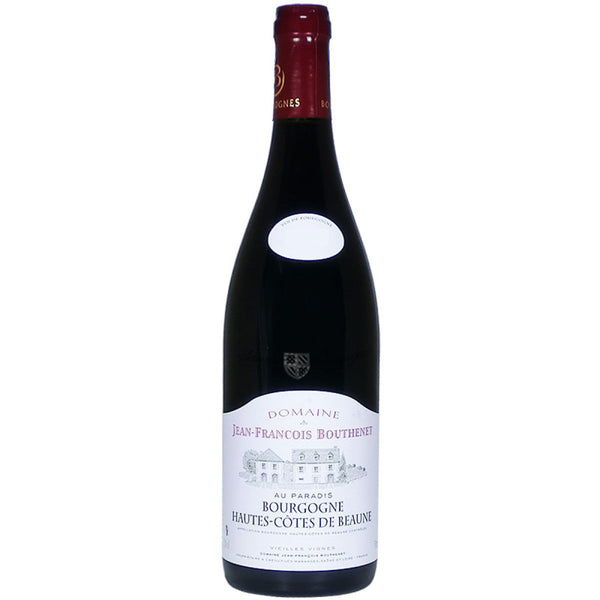
Domaine Jean-François Bouthenet - Bourgogne Hautes-Côtes de Beaune Au Paradis Rouge 2022
Red fruit from the Hautes-Côtes, lifted by a hint of gentle spice.
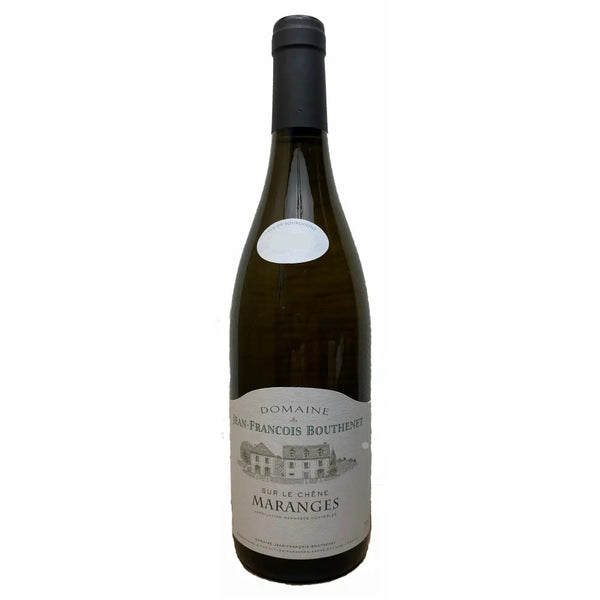
Domaine Jean-François Bouthenet - Maranges Sur Le Chêne Blanc 2022
A white Maranges with a creamy texture, held by a lively acidity.
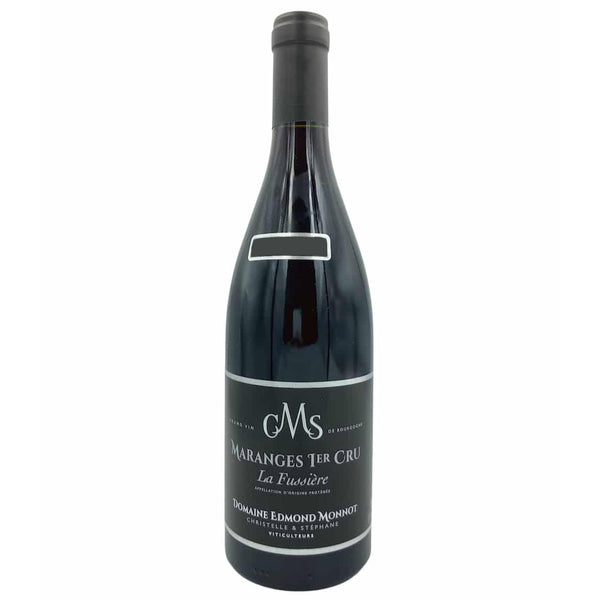
Domaine Edmond Monnot - Maranges 1er Cru La Fussière Rouge 2023
Morello cherry, violet and silky tannins from one of Maranges' flagship climats.

Domaine Edmond Monnot - Maranges 1er Cru Clos Roussots Rouge 2023
Black fruit, cedar and cocoa in a Maranges premier cru with a dense palate.
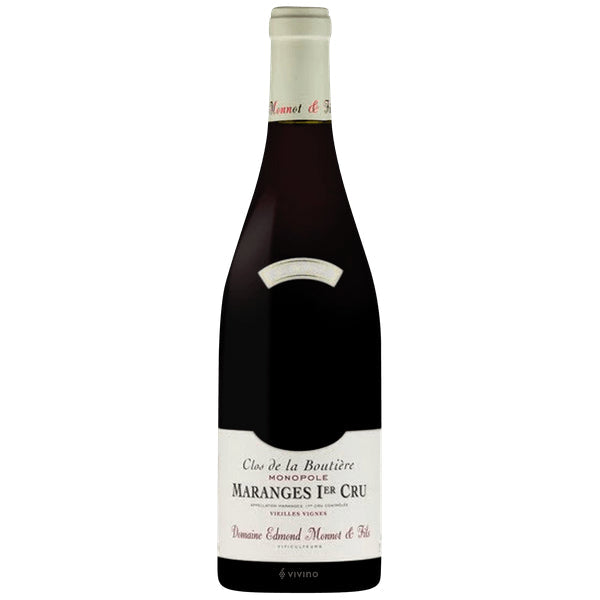
Domaine Edmond Monnot - Maranges 1er Cru Clos de la Boutière Rouge 2022
A Maranges premier cru where cherry and violet dominate the oak.
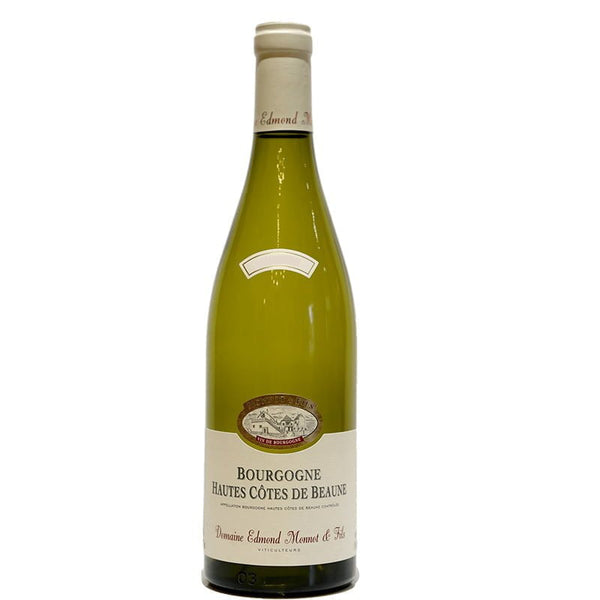
Domaine Edmond Monnot - Bourgogne Hautes-Côtes de Beaune Blanc 2022
A Hautes-Côtes Chardonnay that puts freshness before oak.
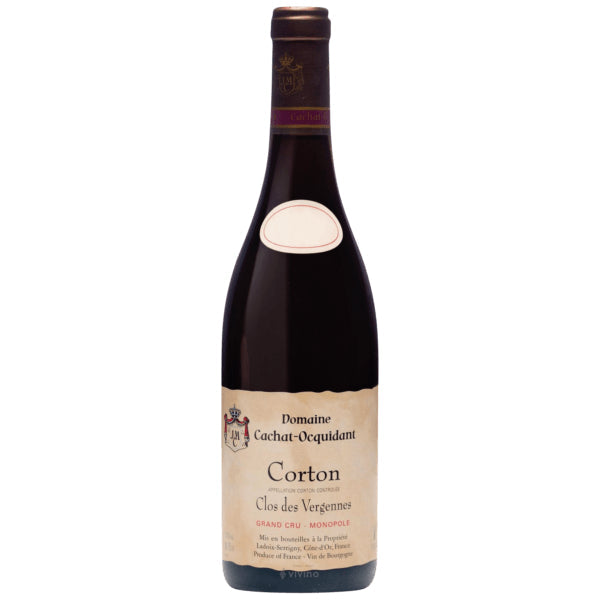
Domaine Cachat-Ocquidant - Corton-Vergennes Grand Cru Clos des Vergennes Rouge 2023
The estate's crowning glory: a Corton grand cru built to age in the cellar.
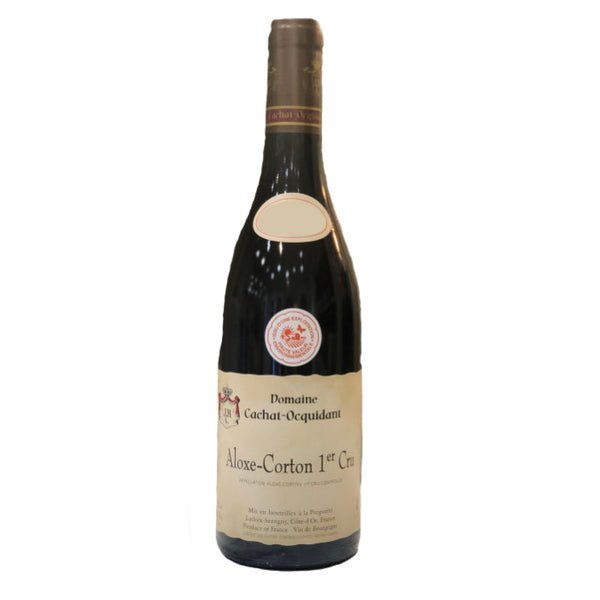
Domaine Cachat-Ocquidant - Aloxe-Corton 2023
Aloxe-Corton Pinot Noir in its broad style: tannic and deep.
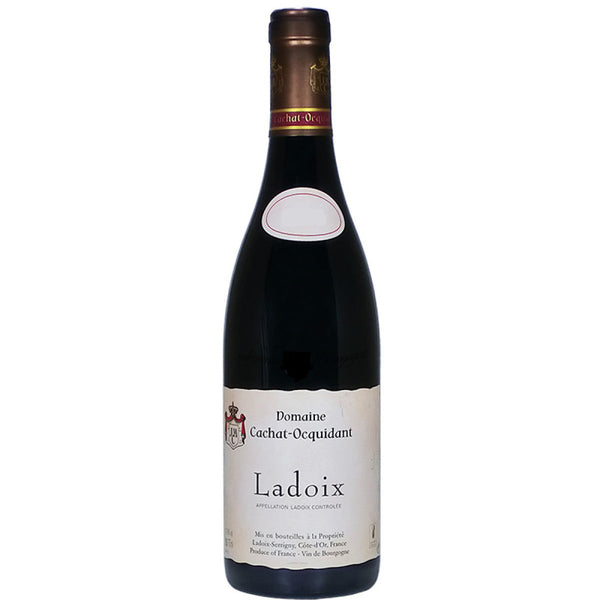
Domaine Cachat-Ocquidant - Ladoix Rouge 2024
Ladoix in red, violet and pepper on a firmly present tannic structure.

Domaine Cachat-Ocquidant - Chorey-Lès-Beaune Rouge 2024
Chorey-lès-Beaune, plum and cherry lifted by a hint of leather, silky tannins.
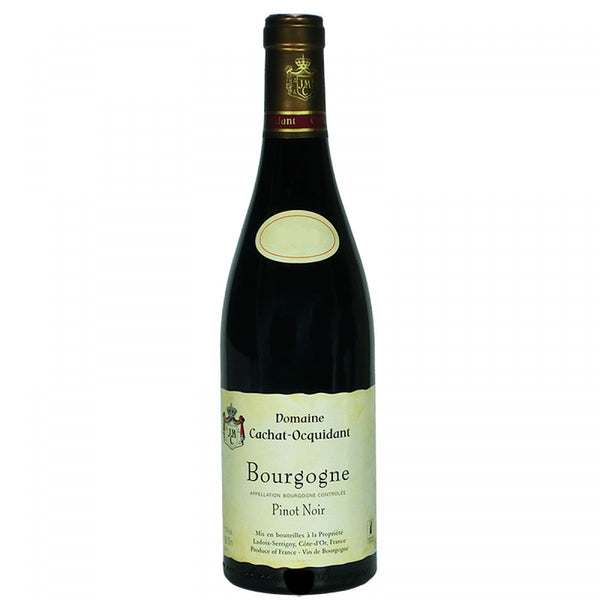
Domaine Cachat-Ocquidant - Bourgogne Pinot Noir 2024
Cherry, raspberry and black pepper: a red Bourgogne to drink for its fruit.
The French terroirs in the cellar
France here comes down to a few areas, kept for what they do better than anywhere else: Pinot Noir and Chardonnay on Burgundian limestone, sparkling wine on chalk, Cabernet Franc on Loire tuffeau, rosé on the hills of the Var.
| Region | What you will find | Grape varieties | The dedicated page |
|---|---|---|---|
| Côte de Nuits | Structured reds, cherry and undergrowth, made for ageing | Pinot Noir | Côte de NuitsGevrey, Morey, Nuits-Saint-Georges, Vosne |
| Côte de Beaune | Taut limestone whites, suppler and more fragrant reds | Chardonnay, Pinot Noir | Côte de BeauneBeaune, Pommard, Volnay, Meursault, Saint-Aubin |
| Côte Chalonnaise | The same pair of grape varieties, at gentler prices | Pinot Noir, Chardonnay | MercureyRully, Givry and Mercurey |
| Champagne | Grower bruts, blanc de noirs, reserve cuvées | Pinot Noir, Chardonnay, Meunier | ChampagneMontagne de Reims and Côte des Bar |
| Loire Valley | Fresh reds from tuffeau and tender Chenins from schist | Cabernet Franc, Chenin Blanc | Bourgueil, Saint-Nicolas-de-Bourgueil, Saumur-Champigny, Coteaux du Layon |
| Provence and the Mediterranean | Pale aperitif rosés, raised in tank to stay light | Grenache, Cinsault, Syrah | Rosé wineThe rosé section, here and elsewhere |
| Bordeaux, Right Bank | Fleshy Merlot, black fruit and leather, tannins built for ageing | Merlot, Cabernet Franc, Cabernet Sauvignon | Bordeaux winesA collection that is growing |
Burgundy takes up the largest share of the section and has its own pages: Burgundy wines brings the whole range together, from regional to grand cru, and Domaine Dubois shows what a single estate gives, followed from Bourgogne Côte d'Or up to Clos de Vougeot.
Ageing and serving guide
French wine falls quickly into two families: those that give everything in their youth and those that gain from waiting. The ranges below start from the vintage and apply to a cool, dark cellar.
| The wine | Suggested ageing | Serving | Dinner's ready |
|---|---|---|---|
| Provence rosé and IGP Méditerranée | Within two years | 8–10 °C | Aperitif, tomato salad, grilled fish |
| Loire Cabernet Franc | Three to eight years | 14–16 °C | Grilled meats, poultry, goat's cheese |
| Sweet Chenin from the Layon | Ten to twenty years | 8–10 °C | Foie gras, Roquefort, apricot tart |
| Crémant and grower brut | Two to five years | 10–12 °C | Aperitif, oysters, fried seafood |
| Vintage Champagne or blanc de noirs | Ten years and more | 12 °C, in a wine glass | Roast poultry, fish in sauce |
| Burgundy village white | Five to ten years | 11–13 °C | Fish in beurre blanc, young Comté |
| Burgundy village red | Five to ten years | 15–16 °C | Braised beef, duck, Époisses |
| Premier cru and grand cru | Ten to twenty-five years | 16 °C, decanted for an hour | Game birds, veal sweetbreads, truffle |
| Saint-Émilion grand cru | Eight to fifteen years | 16–17 °C | Rib of beef, lamb, duck breast |
These guidelines apply to bottles lying down at around 12 °C. A red from the Côte de Nuits almost always gains from waiting, while a Mercurey is drunk earlier and gives the same pleasure at table.
The ways into the French range
Five bottles to get into the range, and three pages to carry the visit further.
A rosé for the aperitif
Peach and apricot, lively and ready to serve. A Mediterranean rosé aged in stainless-steel tank, which keeps its freshness until the end of the meal.
Château de l'Escarelle Palm IGP Méditerranée 2024 · €11.20 per bottle, individually or by the case of 6A Loire red to serve cool
Blackcurrant, raspberry and violet, an organic Cabernet Franc whose tannins stay supple. Give it a quarter of an hour in the fridge before the barbecue.
Laurent Mabileau Saint-Nicolas-de-Bourgueil 2022 · €17.00 per bottle, individuallyRight Bank Merlot
Black fruit and leather, with the structure of a Saint-Émilion Grand Cru built for ageing. To be decanted half an hour before a rib of beef.
Château Queyron Pindefleurs Saint-Émilion Grand Cru 2018 · €33.40 per bottle, individuallyA grower's sparkling wine
A reserve brut with a fine bead, which holds its own as an aperitif and with a fish course. The bottle to keep chilled for the unexpected.
Bernard Robert Champagne Brut Réserve · €34.80 per bottle, individuallyAn off-dry wine for foie gras
Peach, honey and honeysuckle, a tender Layon kept light by its acidity. Chenin from Anjou schist, to serve well chilled.
Château de la Roulerie Coteaux du Layon Le P'tit Layon 2022 · €29.50 per bottle, individuallyGetting into Burgundy
From affordable Hautes-Côtes to the grands crus, village by village and estate by estate: the main door into the French range.
Section page · Burgundy winesFollow the chalk
Grower bruts from the Montagne de Reims and the Côte des Bar, blancs de noirs and reserve cuvées gathered on a single page.
Section page · ChampagneKeep an eye on Bordeaux
This page brings together the Bordeaux wines in the cellar, right-bank Merlot first, and will fill out as the spring arrivals come in.
Section page · Bordeaux wines
Why limestone always comes back
Look at a map of French soils and the same ribbon reappears: the Jurassic limestones that carry the Burgundian slope run up towards the chalk of Champagne and outcrop as far as the hills of the Berry. They are what give a Meursault Chardonnay its tension, a grower brut its straightness and a village Pinot Noir its fine tannins.
That is the thread we follow in France, rather than the map of the appellations. It explains the cellar's leaning towards northern terroirs, and why the excursions in this range, the tuffeau of the Loire, the schists of the Layon, the hills of the Var, keep the same signature: freshness, precise fruit, a light palate.
How do you choose
We taste every cuvée before listing it, and the question stays the same for a bottle from Burgundy or from the Cape: does it bring something more to the glass? We look for clarity of fruit, an acidity that holds the finish and a tannin that leaves the palate free. A heavy wine stays at the door, however fine the label.
The Wine Wanderer Team
What people ask us about the wines of France
How is the French selection put together?
It starts from Burgundy, which takes up the largest part of the range, then opens up to what the other regions do best: sparkling wine in Champagne, Cabernet Franc and Chenin in the Loire Valley, rosé in Provence, Merlot on the right bank of Bordeaux. Every bottle is tasted before it enters the catalogue.
Where should you start in Burgundy?
Take a Hautes-Côtes or a regional Bourgogne to catch the hand of the estate behind it, then a village wine from the Côte Chalonnaise, Rully, Givry or Mercurey, which offers the best ratio between price and pleasure. The Burgundy wines page brings them all together, and Mercurey covers the village in detail.
What is the difference between the Côte de Nuits and the Côte de Beaune?
The Côte de Nuits, to the north, gives more structured Pinot Noirs made for ageing, around Gevrey-Chambertin, Morey-Saint-Denis, Nuits-Saint-Georges and Vosne-Romanée. The Côte de Beaune, to the south, shares both grape varieties and adds leading whites at Meursault or Saint-Aubin. Two pages are devoted to them: Côte de Nuits and Côte de Beaune.
Which Champagne should you choose for a whole meal?
A grower brut with a classic dosage goes with everything, from the aperitif to fish. To carry a whole meal, look for a blanc de noirs or a vintage cuvée, more vinous, served at around 12 °C in a wine glass rather than a flute. The Champagne page gathers the selection, from the houses of the Montagne de Reims to the growers of the Côte des Bar.
Are there any Bordeaux wines in the cellar?
Yes, with the right bank leading the way: a Saint-Émilion Grand Cru dominated by Merlot, black fruit and leather, at €33.40 a bottle. Serve it at around 16 °C, decanted half an hour before the meal. The Bordeaux wines collection will welcome the next arrivals, Saint-Émilion and Pomerol first.
Which French wine for a summer aperitif?
A rosé from Provence or from IGP Méditerranée, served at 8–10 °C, remains the safe bet: peach, citrus, a dry finish. Crémant de Bourgogne plays the same part with bubbles, at €16.85 a bottle. And a Loire red given a quarter of an hour in the fridge works wonders with a charcuterie board.
Are some cuvées sold by the case?
A few, especially among the Provence rosés: the Saint Roch des Vignes Côtes de Provence then works out at €11.90 a bottle, in cases of 6, and the Château Gabriel at €13.90 a bottle, in cases of 6. The price shown on each product page is the price of the bottle, with the sales format right beside it. Burgundy wines remain available as single bottles.
Does Burgundian Pinot Noir stand apart from the others?
It serves as the reference for the whole world: a pale colour, a scent of cherry and undergrowth, fine tannins, an acidity that lifts the palate again. German or New Zealand versions often aim for riper fruit, while Burgundy looks for texture and length. The Pinot Noir page lets you compare the origins side by side.
How long can you keep a French bottle?
It depends on the style far more than on the region. A rosé is drunk within two years, a Loire Cabernet Franc holds for three to eight years, a village Burgundy five to ten years, a premier cru a good deal longer. The reference table gives the range and the serving temperature for each family.
Which French bottle should you give?
Aim for a recognisable signature: a premier cru from the Côte de Beaune, an old-vine Morey-Saint-Denis or a vintage grower Champagne. The cellar's grands crus go up to €199.90 a bottle. For a lighter occasion, a gift box takes whoever receives it travelling beyond France.