
Wein aus Südafrika: Vom Swartland bis zum Ozean
154 Flaschen, ab 9,50 €The Cape has been pressing wine since 1659, but the country you taste today is less than thirty years old. It took the end of apartheid, the return of export markets and a generation of winemakers who went looking for forgotten old plots for the vineyards to finally find their style.
A Swartland Chenin, a Hemel-en-Aarde Pinot Noir and a Stellenbosch Bordeaux blend have almost nothing in common, apart from two oceans and a mountain range. The regions table shows what is planted where, and what it gives in the glass.

Creation - Viognier 2022
Kühler Viognier, Aprikose und weiße Blüten am geschmeidigen Gaumen.

Creation - Pinot Noir 2022
Pinot Noir aus kühlem Klima, Kirsche und Himbeere auf seidiger Textur.

Creation - Chenin Blanc Cool Climate 2022
A Chenin produced on the cool soils of the east coast of the Cape

Creation - Sauvignon Blanc Semillon 2024
Sauvignon und Sémillon aus Hemel-en-Aarde, spritzig mit Zitrusnoten und cremig auf der Hefe.
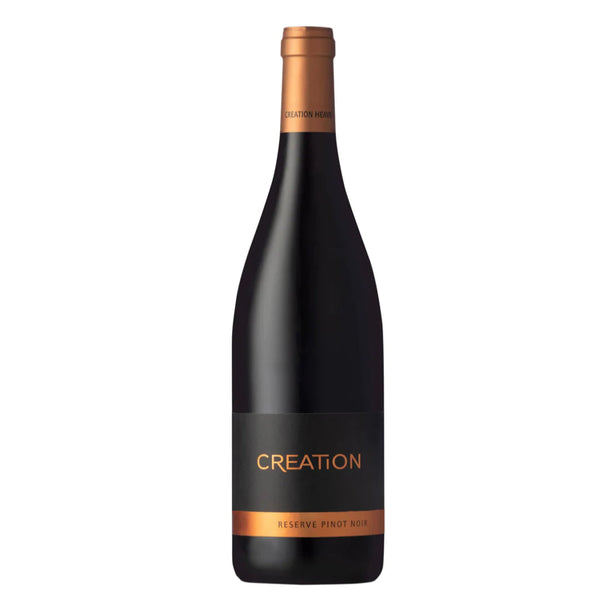
Creation - Pinot Noir Reserve 2021
A selection of the estate's best vines: ripe black fruit and fine minerality.

Creation - Chardonnay Reserve 2021
A selection of the best plots in Hemel-en-Aarde: toasted oak, almond and freshness.
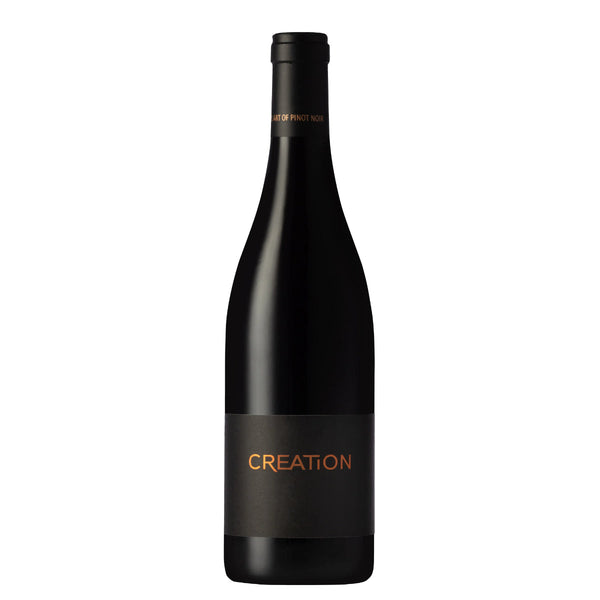
Creation - The Art Of Pinot Noir 2020
Der Spitzenwein des Weinguts aus Spätburgunder, reife Kirsche, Veilchen und dezente Rauchnoten.

Creation - Chardonnay 2020
Chardonnay aus dem Hemel-en-Aarde-Tal, grüne Äpfel und Brioche, getragen von einer feinen Mineralität.
Wo anfangen
Jede führt direkt zu ihrer Auswahl.
Der Chenin Blanc vom Kap
The most widely planted grape variety in the country, often on old, unirrigated vines. It ranges from bone-dry to sweet without ever losing its acidity.
Die Signatur-RebsorteDer Pinotage, vor Ort gekreuzt
Born in 1925 from Pinot Noir and Cinsaut, it is not grown in quantity anywhere else. Long rustic, it is now made with far greater precision.
Eine Exklusivität des LandesThe old vines of the Swartland
Eben Sadie led the way in the late 1990s: dry farming, bush vines, granite and schist. Two emblematic blends and six single-plot wines.
Die Familie SadiePinot Noirs from the ocean
In Hemel-en-Aarde, the Atlantic blows a few kilometres from the vines. This is where South African Pinot Noir comes into its own, at alcohol levels you would think were Burgundian.
Himmel und ErdeConstantia, das Weingut der ersten Stunde
Planted in 1685 on the slopes of Table Mountain, it supplied 18th-century Europe with its most sought-after sweet wine. Grand Constance is still made there.
Seit 1685Blends of plots
Chris and Suzaan Alheit seek out forgotten rows of Chenin from one end of the Western Cape to the other, then bring them together in a single wine.
Alheit VineyardsThe whites, where the Cape is strongest
Chenin, Chardonnay, Sauvignon und Sémillon. Es ist die Farbe, die die internationale Kritik zurückgebracht hat, und die preiswerteste, die man probieren kann.
Fast jede zweite FlascheUnter 20 € bleiben
Das Sortiment beginnt bei 9,50 €. Es ist das Weingut, bei dem die Diskrepanz zwischen dem, was man bezahlt, und dem, was man trinkt, im gesamten Weinkeller am größten ist.
Ein Viertel des Radius
Wo wächst der Wein am Kap?
The entire vineyard lies in the Western Cape, wedged between two oceans and a mountain range. Over a hundred and fifty kilometres, you go from a windy, cool climate to Mediterranean summers, and that explains the difference in style from one bottle to the next.
| Region | Estates in our cellar | Königsrebe | What it means in the glass |
|---|---|---|---|
| Stellenbosch Hinter dem Kap, am Fuße des Simonsbergs | Kanonkop, Glenelly, Hartenberg, Stark-Conde, Jordan, Scions of Sinai | Cabernet Sauvignon | The historic and most classic heart of the country. Firm Bordeaux blends, upright Cabernets, old-vine Pinotages: these are the Cape's wines for ageing. |
| Swartland Im Norden, rund um Malmesbury und den Paardeberg | The Sadie Family, David & Nadia, A.A. Badenhorst, Porseleinberg | Chenin Blanc | Bush vines, grown without a drop of irrigation on granite and schist. Peppery reds without make-up, taut and saline Chenins. |
| Hemel-en-Aarde und Walker Bay Im Süden, nur einen Steinwurf vom Atlantik entfernt | Hamilton Russell, Creation, Bouchard Finlayson, Crystallum, Storm, Beaumont | Spätburgunder | Sea fog and clay soils give elegant Pinots and taut Chardonnays, at moderate alcohol levels. It is the coolest region in our cellar. |
| Konstanz On the slopes of Table Mountain | Groot Constantia, Buitenverwachting | Sauvignon Blanc | The oldest vineyard in the country, cooled by the south-easterly wind. Lively whites, and the sweet Muscat wine that made its name throughout Europe. |
| Paarl, Wellington und Franschhoek Das Hinterland, wärmer und geschützter | Diemersfontein, Joostenberg, Boekenhoutskloof, Wildeberg, Colmant | Shiraz | Dry summers that give generous, fleshy reds. Franschhoek is also where our Cap Classique sparkling wines come from, made as in Champagne. |
| Elgin, Tulbagh und Piekenierskloof The cool pockets of the interior, up to a thousand metres | Paul Cluver, Rijk's, Lourens Family, Savage Wines | Cinsault | Hier kommt die Frische eher aus dem Relief als vom Meer. Trockene Rieslinge, leichte, kühl zu servierende Cinsaults und pfeffrige Syrahs mit geringem Alkoholgehalt. |
The region appears on the label under the WO abbreviation, from the broadest to the most precise. The Producer filter at the top of the page remains the quickest way to find a particular house.
Was das Etikett besagt
Unlike European bottles, those from the Cape state the grape variety before the origin. It is the first thing to read, and the most reliable way to guess what is in the glass.
| Rebsorte | Was dabei herauskommt | Bevorzugte Regionen | Wissenswertes | Im Katalog |
|---|---|---|---|---|
| Chenin BlancSteen, on old labels | Quitte, gelber Apfel und eine Säure, die alles zusammenhält | Swartland, Stellenbosch | South Africa grows more of it than France. Many of these plots are over thirty-five years old, which explains the concentration at such low prices. | 37 |
| Pinotage | Brombeere, Pflaume und eine rauchige Note | Stellenbosch, Wellington | Crossed in 1925 at Stellenbosch University from Pinot Noir and Cinsaut. The best come from bush vines planted in the 1950s. | 17 |
| ShirazShiraz auf manchen Etiketten | Pfeffer, schwarze Olive, dunkle Frucht ohne Schwere | Swartland, Paarl | Zwei Schulen koexistieren: die warme und konfierte Version aus Wellington und die aus dem Swartland, pfeffrig und alkoholarm, die eher an die nördliche Rhône erinnert. | 21 |
| Chardonnay | Zitrusfrucht, Haselnuss, eine zurückhaltende Holznote | Hemel-en-Aarde, Elgin | This is the white where the gap with Burgundy narrows most, for a fraction of the price. The best grow on clay soils close to the sea. | 20 |
| Spätburgunder | Kirsche, Unterholz, feine Tannine | Hemel-en-Aarde, Elgin | The grape variety cannot stand heat: it only succeeds a few kilometres from the ocean or at altitude. That is why it remains rare and expensive. | 15 |
| Cabernet SauvignonPur oder als Bordeaux-Verschnitt | Cassis, Zeder, feste Tannine | Stellenbosch, Simonsberg | Blending with Merlot, Cabernet Franc and Petit Verdot is Stellenbosch's speciality. These are the bottles that age best in the country. | 8 |
| Cinsault | Strawberry, grenadine, very little tannin | Swartland, Piekenierskloof | The leading red grape variety in the 1960s, then grubbed up, and replanted over the past ten years. It gives light reds served at around fourteen degrees. | 6 |
Sémillon, Grenache, Mourvèdre und Muscat vervollständigen die Liste auf einigen Flaschen. Jeder zwölfte Wein trägt hier die Bio-Kennzeichnung.
Bei dieser Qualität kostet kein anderes Weingut so wenig.
A bottle from the Cape costs two to three times less than a Burgundy or Bordeaux of comparable standing. That is not a sales pitch; it is what blind tasters have been finding for some fifteen years. It is also why this is the largest section in our cellar outside Europe.
We built the selection around independent houses rather than volume brands, and around some fifty estates rather than complete coverage of the country. The Swartland and Hemel-en-Aarde carry a lot of weight, Stellenbosch provides the wines for ageing, and we would rather own this imbalance than pad out the range.
Ein südafrikanisches Etikett lesen
WO, for Wine of Origin, guarantees the stated origin. The designation goes from general to precise: Western Cape, then the region, then the district such as Stellenbosch, then the ward.
Estate Wine means the grapes were grown and vinified on the property, with no outside purchases.
Cap Classique refers to sparkling wines made by second fermentation in the bottle, using the traditional method.
Old Vine Certified is a seal reserved for plots over thirty-five years old, with the planting year printed on it.
Das Team vom Baroudeur du Vin
What people ask us about Cape wines
What are South Africa's great wines?
Four names come up time and again: Kanonkop's Paul Sauer and Black Label Pinotage in Stellenbosch, the Columella and Palladius from The Sadie Family in the Swartland, the Pinot Noir from Hamilton Russell in Hemel-en-Aarde, and the sweet wine of Constantia. These are the bottles where the country plays at world level, between €80 and €260 in our shop.
Was ist Pinotage?
A red grape variety created in 1925 at Stellenbosch University by Abraham Perold, by crossing Pinot Noir and Cinsaut. It is not grown in quantity anywhere else. Its reputation suffered from the industrial versions of the 1990s and their paint-like note; today's bottles, from old bush vines, are a different world.
Ähnelt ein Chenin vom Kap einem Vouvray?
Same grape variety, two climates. The Cape gives riper wines, with quince and yellow fruit, and acidity that stays high thanks to the age of the vines and early harvests. The Loire plays more on green apple and tension. The best Swartland Chenins stand up to the comparison, often at half the price.
Warum spricht man so viel über das Swartland?
Because a generation of winemakers changed how the country is understood there from the late 1990s. Eben Sadie first, then David & Nadia, Badenhorst and Porseleinberg: unirrigated bush vines, granite and schist, fermentations with no added yeast. The result is saline Chenins and peppery Syrahs, at much lower alcohol levels than you would expect from a warm region.
Which South African wine should I serve with a barbecue?
The braai is the national meal and Pinotage was made for it: its smoky note echoes that of the grilled meat. A Swartland Syrah works just as well, especially with lamb. For wood-fired fish or grilled vegetables, an old-vine Chenin holds up to the smoke better than a neutral white.
How much should I spend on a good South African wine?
The section starts at €9.50 and half the bottles stay under thirty-seven euros. Between €15 and €25 is probably the best value for pleasure in the whole cellar. Above seventy euros, you enter the world of Sadie, Kanonkop and Hamilton Russell, up to €264 for the Black Label.
Are Cape Pinot Noirs as good as Burgundy's?
In terms of finesse, the best get there, in Hemel-en-Aarde and Elgin, where sea air and altitude keep alcohol levels moderate. The difference lies mainly in the age of the vines and centuries of observing the plots. Yet at forty or fifty euros, a Crystallum offers what can no longer be found at that price in the Côte de Nuits.
Was ist Vin de Constance?
A sweet Muscat wine made in Constantia since the 18th century, from grapes dried on the vine and with no added alcohol. It was served at the French court, Jane Austen mentions it, and Napoleon had it sent to Saint Helena. Two estates in our cellar still make it, under the names Grand Constance and Vin de Constantia.
Do South African wines age well?
Stellenbosch Bordeaux blends and the great Pinotages easily keep for fifteen to twenty years. Almost all old-vine Chenins benefit from five years' wait, and the best go well beyond that. Conversely, entry-level whites and light Cinsaults are made to be drunk within two years.
Was bedeuten WO, Estate und Old Vine auf dem Etikett?
WO stands for Wine of Origin: the system introduced in 1973, which guarantees the stated origin, vintage and grape variety. Estate Wine indicates that the grapes come from the property and were vinified there. Old Vine Certified is a more recent seal, reserved for plots over thirty-five years old, with the planting year shown on the bottle.