
New Zealand wines: lively Sauvignon and Pinot Noir
56 bottles, from Marlborough Sauvignon to Central Otago Pinot NoirA white that smells of citrus and passion fruit, a straight acidity, a clean fruit: that is what Sauvignon has brought the world in forty years, from one valley on the South Island. This section starts there, then goes further.
The pinot noirs take over next, from Martinborough to Central Otago, with tight, fresh reds that hold the table. Alongside come barrel-aged chardonnays, dry rieslings and a few peppery syrahs, carried by Dog Point, Felton Road, Escarpment and Ata Rangi.

Dog Point - Sauvignon Blanc 2022
A Sauvignon Blanc, precise, of great finesse and beautiful aromatic intensity.
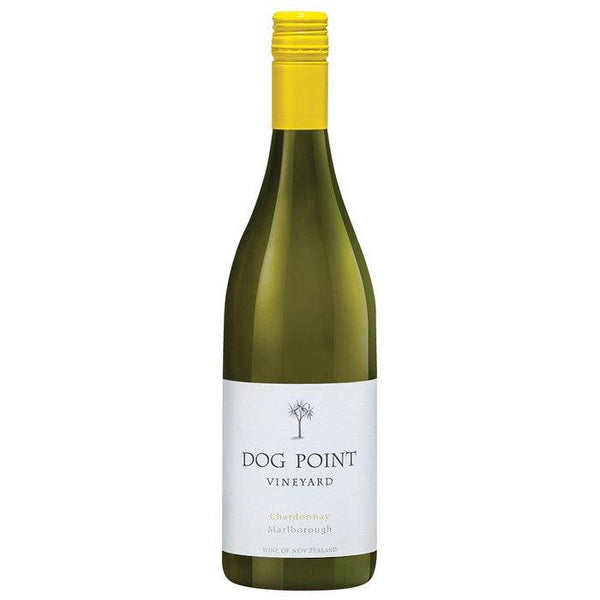
Dog Point - Chardonnay 2022
A Chardonnay full of class, thanks to its great complexity and creamy texture.
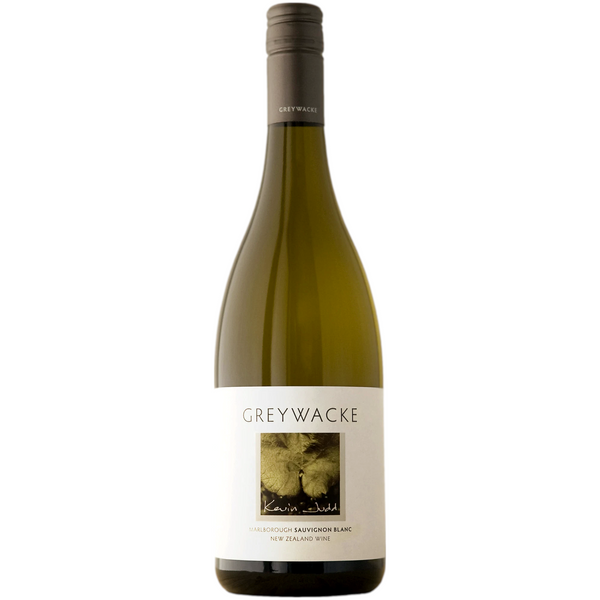
Greywacke - Sauvignon Blanc 2023
A Sauvignon Blanc by Kevin Judd, where the precision of the fruit meets the vibrant freshness of the best Marlborough terroirs
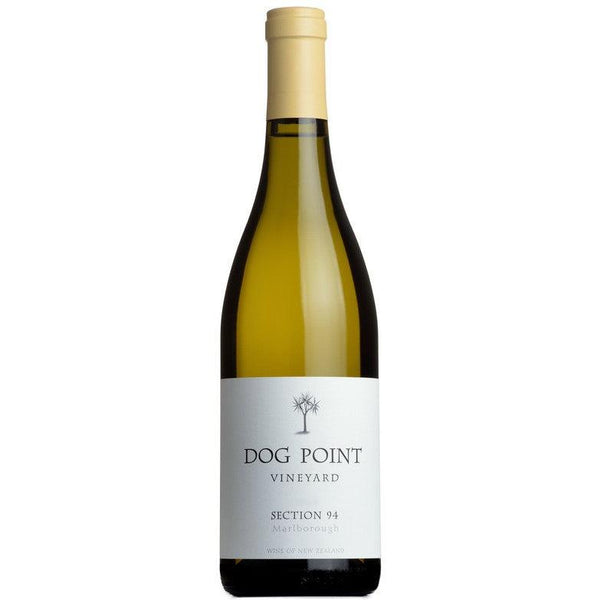
Dog Point - Section 94 Sauvignon Blanc 2018
An exotic and spicy sauvignon blanc, vinified in oak barrels for 18 months
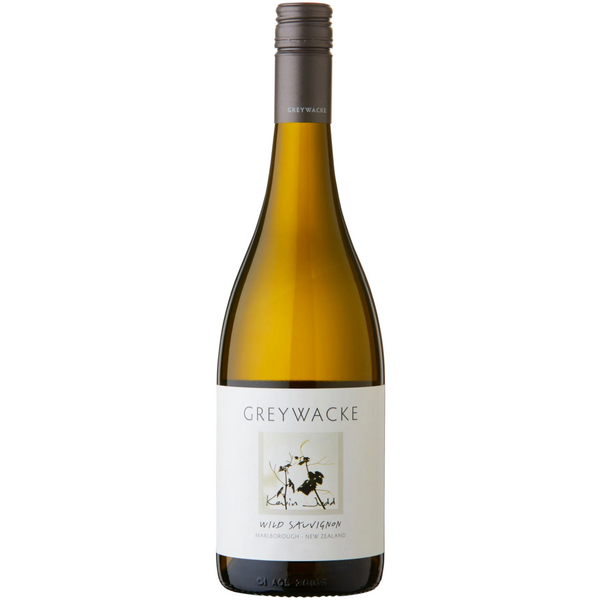
Greywacke - Wild Sauvignon Blanc 2021
A Sauvignon Blanc out of the ordinary, complex and tasty
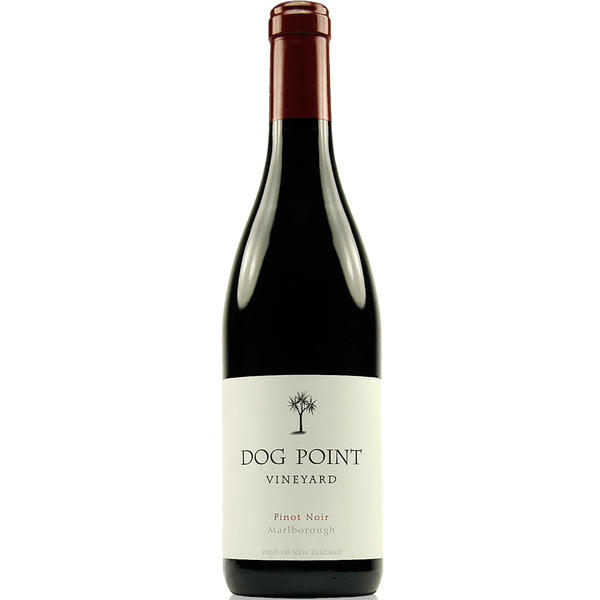
Dog Point - Pinot noir 2021
Concentration, silky texture, complex aromas: a high-flying Pinot Noir!
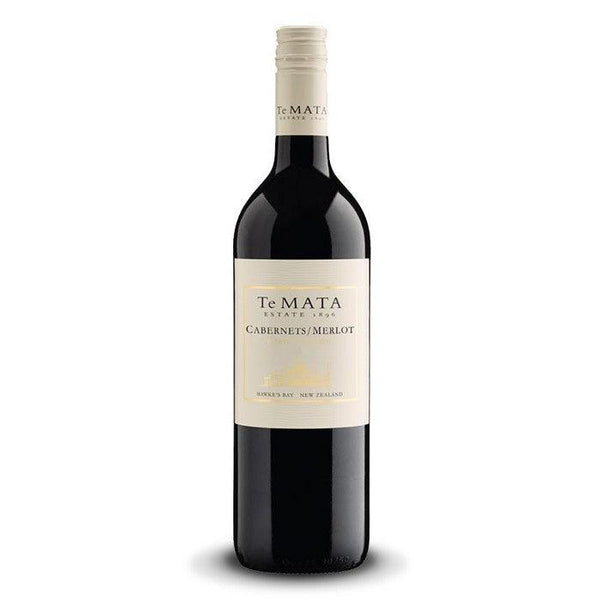
Te Mata Estate - Merlot Cabernets 2020
Aromatic complexity and voluptuousness come together in this beautiful full-bodied wine from New Zealand.
Escarpment - Pahi Pinot Noir 2022
A single-plot Pinot Noir, silky and deep, born on the gravels of Te Muna Road.
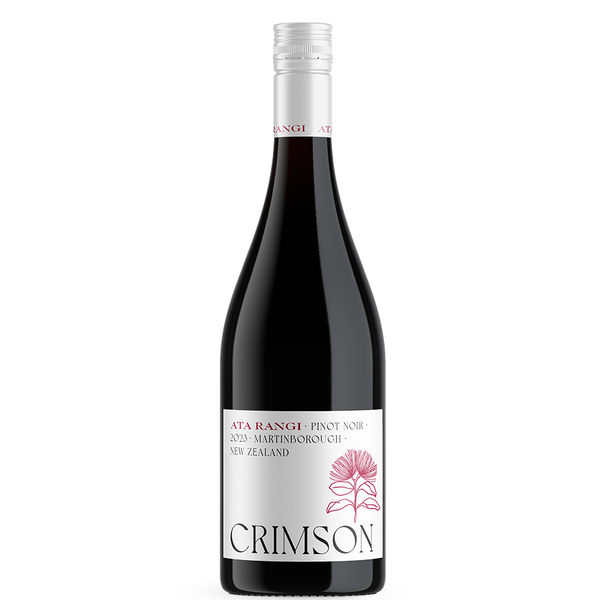
Ata Rangi - Crimson Pinot Noir 2022
An elegant New Zealand Pinot Noir, seductive with its balance between fruit, structure and finesse

Felton Road - Cornish Point Pinot Noir 2023
A precise and intense Pinot Noir from Central Otago, combining purity of fruit, finesse of tannins and aromatic depth.

Greywacke - Pinot Noir 2022
A Pinot Noir that embodies the elegance and complexity of the Marlborough terroir
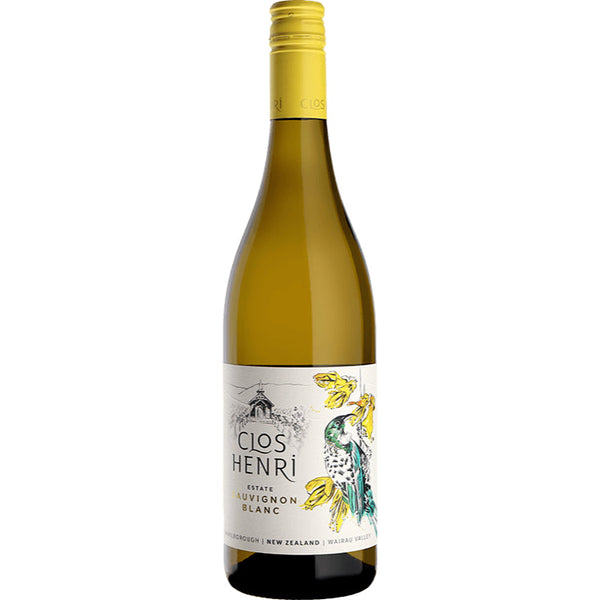
Clos Henri Vineyard - Estate Sauvignon 2025
Marlborough Sauvignon in a biodynamic version, grapefruit and passion fruit.
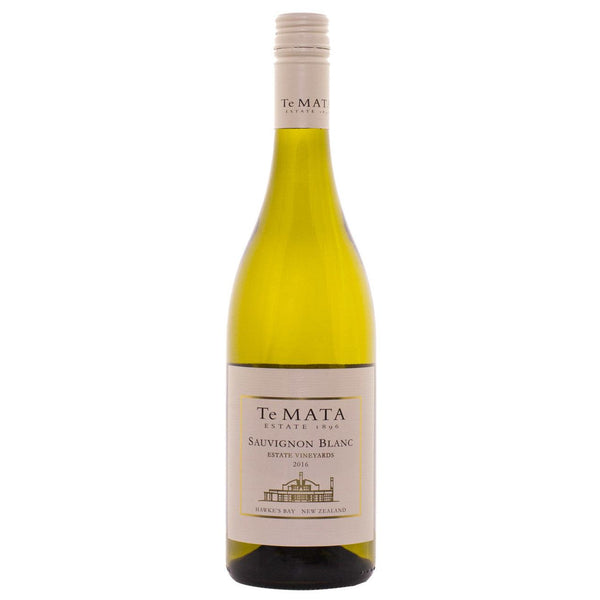
Te Mata Estate - Sauvignon Blanc 2022
With its exotic notes and freshness, this New Zealand Sauvignon is a delight.
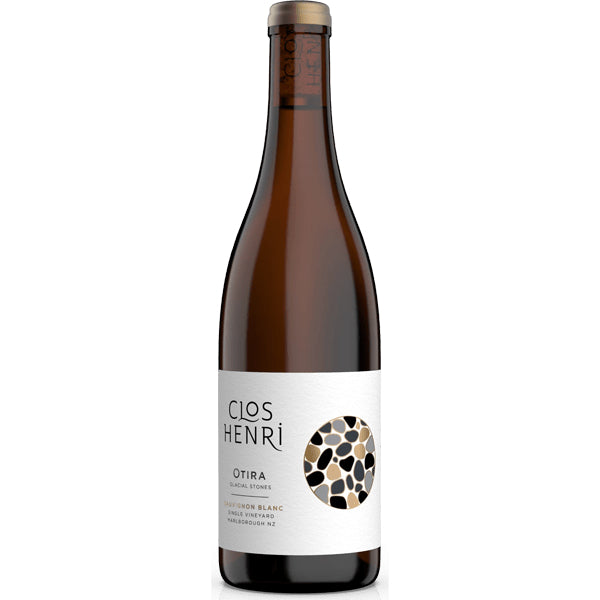
Clos Henri Vineyard - Otira Sauvignon Blanc 2024
A single-parcel Sauvignon Blanc: ripe citrus and chiselled minerality, made for the table.

Seresin Estate - Rachel 2016
A precise and elegant Marlborough Pinot Noir, where the freshness of the oceanic climate meets a silky and profound texture.

Kusuda - Syrah 2021
A Martinborough Syrah of great precision, combining freshness, finesse and aromatic depth.

Kusuda - Pinot Noir 2022
A highly precise Pinot Noir from Martinborough, combining purity of fruit, freshness and fine texture.

Kusuda - Dry Riesling 2023
A dry and crystalline New Zealand Riesling, where sharp freshness meets aromatic precision of great purity.

Ata Rangi - Mc Crone Vineyard Pinot Noir 2020
A precise and refined Pinot Noir from Martinborough, where the elegance of the fruit meets the depth of the McCrone terroir.

Fernlands - Sauvignon Blanc 2024
A New Zealand Sauvignon blanc, lively, fragrant and typical of the region

Peregrine Estate - Pinot noir 2015
A Pinot Noir that combines purity and elegance, concentration and length.

NZ WINERIES & Samantha Bailey - Cloud Factory Pinot Noir 2020
A fresh and delicious Pinot Noir, grown near the coastal areas of New Zealand


Rippon - Mature Vine Pinot Noir 2017
An elegant and refined Pinot noir, grown on the banks of Lake Wanaka
Ways into the New Zealand section
Six bottles and two grape trails, from a first Sauvignon to a Pinot Noir for ageing.
Taste the Marlborough style
An estate farmed biodynamically on the stones of the Wairau, by a family from Sancerre: citrus, white flowers and a straight acidity.
Clos Henri Vineyard Estate Sauvignon 2025 · €21 per bottle, sold individuallyA Sauvignon for fine dining
Native-yeast fermentation and ageing in older barrels: a creamy, long palate, a world away from the exuberance you might expect.
Dog Point Section 94 Sauvignon Blanc 2018 · €38 per bottle, sold individuallyGetting into the country's Pinot Noir
Cherry, sweet spice and supple tannin, from vines farmed biodynamically in Marlborough. The midweek red that sets out the New Zealand style.
Seresin Estate Momo Pinot Noir 2023 · €23.20 per bottle, by the case of 6The benchmark Central Otago Pinot Noir
Biodynamic farming in Bannockburn, deep black fruit, salinity and fine tannin. The bottle that explains the region's reputation.
Felton Road Bannockburn Pinot Noir 2023 · €69 per bottle, sold individuallyA peppery, fresh Syrah
Far from Australian power: violet, white pepper and taut fruit, on a fine tannin. Syrah, maritime-climate style.
Blank Canvas Una Volta 2020 · €52.40 per bottle, in a pack of 2A Bordeaux-style red for the table
Merlot and cabernets on the gravels of Hawke's Bay, from the oldest estate in the country: blackcurrant, cedar and polished tannin.
Te Mata Estate Merlot Cabernets 2020 · €21.90 per bottle, by the case of 6Compare Pinot from one continent to another
The grape variety page brings together the burgundies, the pinots of Otago, of Oregon and of elsewhere: the same grape, read by opposite climates.
Section page · Pinot NoirFollow the Sauvignon trail
From the Loire Valley to Marlborough, the grape variety page ranks the styles, from flinty whites to the exotic fruit of the antipodes.
Section page · Sauvignon Blanc
Where New Zealand's vines grow
The vineyards stretch one thousand six hundred kilometres from north to south, roughly the distance from Bordeaux to Athens. The latitude goes down to the forty-fifth parallel south, closer to the pole than any other commercial vineyard.
| Region | The island and the climate | King grape variety | The style in the glass |
|---|---|---|---|
| MarlboroughThe cradle of modern Sauvignon | South Island, northern tip, very sunny and windy | Sauvignon Blanc | Citrus, passion fruit, razor-sharp acidity |
| Martinborough and WairarapaStony terraces in the south of the North Island | North Island, Cook Strait winds, low rainfall | Pinot Noir | Tight, spicy Pinot, firm tannin, long ageing |
| Central OtagoThe southernmost wine region on the planet | South Island, inland, semi-continental climate | Pinot Noir | Black cherry, thyme, dense substance and vibrant fruit |
| Hawke's Bay | North Island, east coast, Gimblett gravels | Chardonnay, Syrah and Bordeaux varieties | Ripe fruit, black pepper, round textures |
| Gisborne | North Island, the east, mild and humid | Chardonnay | Supple white, exotic fruit, broad palate |
| Waipara and North Canterbury | South Island, sheltered by the Teviotdale hills | Riesling and Pinot Noir | Taut, lemony whites, fragrant reds |
Barely twenty kilometres of sea separate the two islands, and yet the styles stand apart in the glass: aromatic whites dominate south of the strait, reds for the table to the north. On the other side of the Tasman Sea, two thousand kilometres away, the neighbouring vineyard plays a completely different card, that of heat and old ungrafted vines: see Australian wines.
The faces of Sauvignon according to the cellar
The version that travelled the world is still the best known: stainless-steel tank, selected yeasts, exuberant aromas. For twenty years now, the same growers have been drawing far broader terroir wines from it, mainly by changing what happens after the harvest.
| The winemaking | What it changes in the glass | Dinner's ready | When to open it |
|---|---|---|---|
| Stainless-steel tank, selected yeasts, early harvest | Citrus, passion fruit, boxwood, sharp attack | Oysters, fresh goat's cheese, green asparagus | Within two years, at 8 °C |
| Several plots blended, staggered harvest | Broader fruit, fuller mid-palate, soft finish | Grilled fish, Thai salad, sushi | Two to three years, at 9 degrees |
| Fermentation with native yeasts | More muted aromatics, saline palate, noble bitterness | Poached chicken, roast vegetables, leeks vinaigrette | Three to five years, at 10 degrees |
| Ageing in old barrels, bâtonnage on fine lees | Creamy texture, discreet smoke, length on the palate | Scallops, spring risotto, chicken in cream sauce | Five years and more, at 11 degrees |
| Single plot, old vines, limited yield | Tight fruit, mineral tension, saline length | Sole meunière, roast turbot, young Comté | Five to eight years, at 10 degrees |
| A long time in bottle before release | Passion fruit turns to quince, wax and honey | Roast chicken, pressed cheeses | From the fifth year, at 11 degrees |
The two extremes of this table are worth tasting side by side: a tank Sauvignon and a cuvée fermented with native yeasts then aged in barrel, such as Dog Point's Section 94 or Blank Canvas's Reed Vineyard. The Sauvignon Blanc page brings the variety together from one end of the world to the other, from the Loire Valley to Marlborough.
What the ocean does to the grape
The sea is never far, a hundred and thirty kilometres at most, and that alone explains the style of the country. The sea air keeps the nights cool while the long, very bright days push the ripening on. The grapes ripen slowly, keep their acidity and develop clean aromas.
Hence a signature you can recognise anywhere: a bright fruit set on a lively acidity. It holds for Sauvignon as much as for Pinot Noir, and it explains how easy these bottles are to drink. Central Otago is the exception, sheltered by the Southern Alps: its climate leans continental, with sharper swings between day and night.
How do you choose
We taste every cuvée before listing it, and two points decide: the clarity of the fruit and the staying power of the finish. With Sauvignon, a wine that shouts its aromas and then immediately falls flat stays in the cloakroom. With Pinot Noir, we look for fine tannin and a freshness that lifts the palate, rather than power.
The Wine Wanderer Team
What people ask us about New Zealand wines
Why are these wines often sold in packs or by the case?
New Zealand estates ship from the other side of the world, and the full case keeps the price tight despite the distance. The price shown on each listing is always the price of one bottle, with the sales format right next to it. Part of the selection remains available singly, from Clos Henri, Dog Point, Ata Rangi or Felton Road.
Are Shiraz and Syrah the same grape variety?
Yes, they are two names for a single grape. Australia says shiraz and pushes the variety towards power, candied black fruit and liquorice. New Zealand says syrah and looks for freshness, pepper and violet, as in the northern Rhône. It all comes together on the Syrah page.
What gives Marlborough Sauvignon its taste?
Very strong sunshine, cold nights and stony soils laid down by the Wairau river. That combination pushes the grapes to produce sulphur compounds and thiols, responsible for the notes of passion fruit, box hedge and gooseberry. The Marlborough page sets out the valley and its sub-zones.
Martinborough Pinot or Central Otago Pinot: which one to choose?
The first, on its wind-swept gravel terraces, gives a tight, spicy wine with a firm tannin that calls for red meat. The second, sheltered from the rain by the Southern Alps, leans towards black cherry and thyme, with more flesh. See Martinborough and Central Otago.
Why so many screw caps on these bottles?
The producers of the country switched to this closure en masse in the early 2000s, after years of cork taint on wines exported a very long way. The result proved them right: the fruit stays fresh for longer, the ageing unfolds consistently, and the bottle opens by hand.
How long does a New Zealand Pinot Noir keep?
The entry-level cuvées are best drunk within their first five years, on the fruit. The single-plot selections from Martinborough and Bannockburn easily hold ten years, sometimes longer: their acidity and their fine tannin carry them. The wine often closes up around the third year, then opens again on notes of forest floor.
At what temperature should these wines be served?
Allow 8–9 °C for a tank Sauvignon, 10–11 °C for a barrel-aged version or a Chardonnay, which would lose their texture if served too cold. The pinot noirs are served at 14–16 °C, the syrahs at 16 °C. A quarter of an hour in a decanter benefits the reds built for ageing.
What is the difference with Australian wines?
Two thousand kilometres of ocean and a considerable difference in climate. Australia works warm terroirs, vines that are sometimes a century old and ungrafted, and signs generous reds. The New Zealand antipodes bank on maritime freshness, aromatic precision and acidity. The two sections compare well: see Australian wines.
Where to start in this section?
Take a tank Sauvignon at around twenty euros a bottle, then a version fermented with native yeasts and aged in barrel: those two glasses sum up how the country has moved on. Then go to Pinot Noir, with an entry-level cuvée from Martinborough. The Sauvignon Blanc and Pinot Noir pages carry the comparison further.