
Chilean wine: valleys, grape varieties and estates to know
100 bottles, from €8.50 to €136 eachA ripe Cabernet for under €10, a seaside Pinot Noir, an old-vine Cinsault to drink chilled: three wines with nothing in common, all from the same country. Between the Pacific and the cordillera, the wine-growing strip is never more than a hundred kilometres wide, yet it crosses desert, the great central plain and the forests of the south.
This page is a starting point: what each valley produces, what each grape variety is worth at the table, and where to find the bottles in the range.
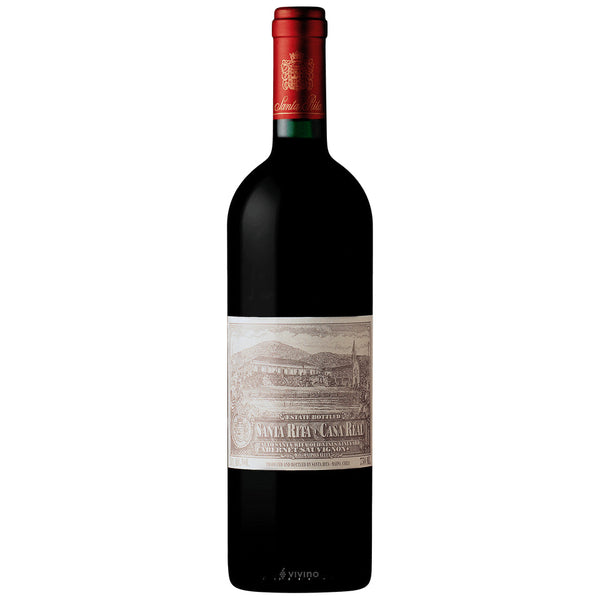
Santa Rita - Casa Real Cabernet Sauvignon 2019
Santa Rita's flagship wine: blackcurrant, cedar and tobacco on a tannic frame built to last.
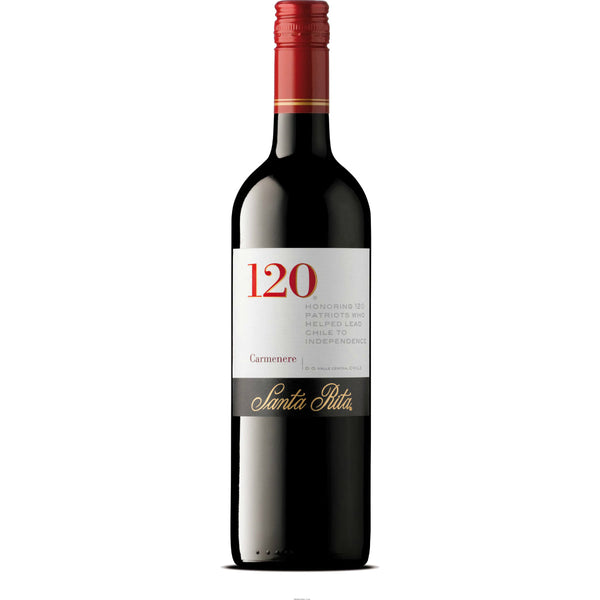
Santa Rita - 120 Carmenere 2019
Chilean Carménère in its supple style: blackcurrant, black pepper and cocoa.

Santa Rita - 120 Reserva Especial Chardonnay 2019
Green apple and brioche, a creamy Chardonnay kept straight by its acidity.

De Martino - Tierra Alta Cabernet Sauvignon 2019
An expressive Cabernet Sauvignon with assertive varietal character
Ways into the section
Central Valley
The historic basin around Santiago, from Maipo to Maule. This is where you will find most of the everyday Cabernets and Carménères, but also cuvées for ageing.
The heart of the countryColchagua
A wide, warm valley, open to the Pacific through a coastal gap. The stronghold of Viu Manent and the Apalta hillside, with ripe reds from €11.80 to over €60.
Fleshy redsAconcagua
At the foot of the highest peak in the Andes. Errázuriz makes Cabernets and Syrahs for ageing inland here, and taut whites on the Aconcagua Costa side.
Two climatesCasablanca and Leyda
The seaside vineyards, under the morning fog and the cold afternoon wind. This is where to look for saline Sauvignons and fine Pinot Noirs.
Coastal whitesItata
The country's oldest wine region, with old Cinsault and País vines, often ungrafted. Light, easy-drinking reds, far from the cliché of the powerful Chilean.
Old vinesLimarí and Elqui
The semi-desert north, limestone in Limarí and up to two thousand metres of altitude in Elqui. Straight Chardonnays, fresh Pinots and Syrahs, the tautest wines in the range.
The mineral northCarménère
The Bordeaux grape variety that the country made its own after it disappeared in Europe. Roasted pepper, black fruit, smooth tannin: this collection brings together Carménères from every valley.
Signature grapeUnder €20
The part of the range that serves as weekday wine, from the Undurraga Chardonnay at €8.50 to reserve Carménères. The price filter gathers these bottles on one page.
Budget-friendly
The Chilean valleys and their wines
The country can be read in two directions. From north to south, the climate goes from the edges of the Atacama to the rains of Araucanía. From west to east, each valley descends from the cordillera towards the Pacific, so that a single river gives mountain, plain and seaside wines. It is this second, transverse reading that explains the most in the glass.
| Valley | Where it is and what the climate is like | Grape varieties that thrive there | What it means in the glass |
|---|---|---|---|
| Central ValleyMaipo, Rapel, Curicó, Maule | The historic basin around Santiago, hot and dry, cooled in the evening by air from the Andes | Cabernet Sauvignon, Carménère, Chardonnay | Full, supple reds, most of the entry-level wines, and Maipo's Cabernets for ageing |
| Colchaguawith the Apalta hillside | South-west of the capital, broad and sunny, opened to the Pacific by a coastal gap | Carménère, Cabernet Sauvignon, Malbec | Ripe, fleshy reds, from everyday wines at €11.80 to Apalta cuvées above €55 |
| Aconcaguaand the Aconcagua Costa seaboard | North of Santiago, beneath the continent's highest peak, a warm valley floor and a windswept coastline | Cabernet Sauvignon, Syrah, Pinot Noir, Chardonnay | Errázuriz's reds for ageing inland, taut whites near the ocean |
| Casablanca and Leydawith San Antonio | Less than twenty kilometres from the Pacific, fog in the morning, cold wind in the afternoon | Sauvignon Blanc, Chardonnay, Pinot Noir | Lively, saline whites, fine and tangy Pinots, never jammy |
| Itataand the old south around Coelemu | Granite soils, old ungrafted bush vines, no irrigation | Cinsault, País, Sémillon, Carignan | Light, easy-drinking, peppery reds, textured whites made without artifice |
| Limarí and Elquithe semi-desert north | On the edge of the Atacama, almost rainless, limestone in Limarí, high altitude in Elqui | Chardonnay, Pinot Noir, Syrah, País | Straight, mineral whites, peppery Syrahs that stay fresh despite the latitude |
| Malleco and the far south | Several hundred kilometres south of the capital, cool and rainy, a short season | Pinot Noir, Chardonnay | A few limited-production cuvées, marked acidity and crunchy fruit, such as Baettig's Pinot at €38 |
A Chilean label often layers three scales: the basin, the sub-valley and the Costa, Entre Cordilleras or Andes designation. An Aconcagua Costa and a plain Aconcagua refer neither to the same wine nor to the same climate.
The right pairing for each style
These vineyards were long reduced to their sun-drenched reds. Our range tells a different story: the same country supplies seaside whites cut out for shellfish and old-vine reds that are drunk chilled. Here is how to spread the main styles across a meal, with prices per bottle.
| The wine | What it brings to the glass | What to serve it with |
|---|---|---|
| Carménèrefrom €9.40 to €108 | Black fruit, roasted pepper, pepper spice and integrated tannin, generous alcohol | Rib of beef, chili con carne, roasted aubergines, mature cheddar |
| Cabernet SauvignonMaipo, Colchagua, Aconcagua | Blackcurrant, mint, pencil lead, a firm tannin that needs a few years | Roast lamb, grilled rib-eye, long-simmered dishes in sauce |
| SyrahAconcagua, Elqui, Choapa | Black olive, violet, white pepper, clean acidity when it comes from the north | Duck breast, lamb skewers, barbecued vegetables |
| Pinot NoirCasablanca, Leyda, Limarí | Cherry, redcurrant, light tannin, saline finish in the coastal cuvées | Grilled salmon, roast poultry, fine charcuterie, seared tuna |
| Cinsault and Paísold vines of Itata | Pale colour, crushed strawberry, very little tannin, to serve at around 14 °C | Empanadas, griddled vegetables, ham, mild cheeses |
| ChardonnayLimarí, Leyda, Aconcagua Costa | Citrus, almond, limestone tension, discreet oak in the selected cuvées | Scallops, fish in white sauce, poultry in cream sauce |
| Sauvignon BlancLeyda and San Antonio | Green citrus, boxwood, a briny note, frank acidity and a clean finish | Oysters, ceviche, fresh goat's cheese, herb salad |
| Sweet whites | Botrytised or late-harvest Sémillon, honey and quince, sugar carried by acidity | Foie gras, yellow-fruit tart, blue cheeses |
The country's reds do not take well to being served at the temperature of a heated home. Allow sixteen to eighteen degrees for a Cabernet, fourteen for a Cinsault from Itata, and decant young, tannic cuvées an hour beforehand.
The country that rediscovered its lost grape
Phylloxera never crossed the desert to the north or the cordillera to the east. So the vines still largely grow on their own roots, which has preserved plant material that has disappeared elsewhere. In 1994, a French ampelographer identified, in plots planted as Merlot, a Bordeaux grape variety that Europe had lost after 1870: Carménère. The country made it its signature, and today it is the best-represented grape variety in our range.
The other shift is recent. Estates have left the plains for the coast and for altitude, in search of freshness. The whites of Limarí and the Pinots of Leyda were born of this move.
Reading a Chilean label
Three terms matter. The name of the valley first. Then the suffix Costa, Entre Cordilleras or Andes, which indicates the position from west to east, and therefore the freshness. Finally the house hierarchy, from Reserva to Gran Reserva and then single-plot cuvées: it is governed by no common rule and varies from one producer to another.
The Wine Wanderer Team
What people ask us about Chilean wines
Which Chilean wine to start with?
With a Carménère, the easiest way in: black fruit, supple tannin, nothing austere. The range offers them from €9.40 with the Santa Rita 120, and at around €16.80 with the Viu Manent Gran Reserva, which already shows what the grape variety gives when the vineyard is better sited.
What is the difference between a coastal wine and an Andean wine?
Distance from the ocean changes everything. Near the Pacific, the morning fog and cold wind delay ripening: the wines keep their acidity, with a saline touch. Towards the cordillera, the difference between day and night gives more concentrated reds with tight tannins. The valleys of Casablanca and Leyda illustrate the first case.
What is a Chilean bottle under €15 really worth?
It is the strong point of these vineyards. The big houses offer clean, fruity, faultless wines here, such as the Undurraga Chardonnay at €8.50 or the In Situ Reserva Carménère at €13.90. At this level, you are looking for immediate pleasure rather than ageing. The price filter sorts the range by bracket.
Why are some bottles sold only by the case or in packs?
It depends on what the supplier makes available. A good part of the range is offered in cases of six, sometimes in packs of two or three, while the rest is bought by the bottle. The available format appears on each wine's page, before you add it to your basket.
How long can you keep a Chilean wine?
The entry-level cuvées are drunk within two or three years, for their fruit. The selected reds last much longer: a Cabernet such as Santa Rita Casa Real at €136 or Errázuriz Don Maximiano at €128 easily keeps for ten to fifteen years. The Limarí whites will keep for five years.
Are there organic or biodynamic Chilean wines?
Yes, a small selection. Tarapacá offers a certified organic Gran Reserva at €20.90, Emiliana farms organically for its Ecobalance range, and Antiyal has been farming its vines biodynamically for a long time. Our organic wine range brings these bottles together with those from other countries, if you want to widen the comparison.
Chilean or Argentinian wine: which to choose?
The two countries share the cordillera but not the climate. Argentina plays on altitude and Malbec, with thick, velvety reds. Chile offers more contrasts, from saline seaside whites to light reds from old vines. For a rich dish, Argentina. For a fish meal, Chile.
Which Chilean bottle to give as a gift?
Above €50, the country brings out its benchmark cuvées: Errázuriz Kai at €108, a Carménère for long ageing, Viu Manent El Incidente at €68, or Neyen Espiritu de Apalta at €79.40. For a more moderate budget, the Tabalí Talinay Caliza Chardonnay at €52 often surprises those who do not know these vineyards.
How do you find the wines of a specific valley?
Each well-represented valley has its own page: Central Valley, Colchagua, Aconcagua, Itata and Limarí and Elqui.