
Austrian wines: dry Grüner Veltliner and Blaufränkisch
39 bottles, from dry Grüner Veltliner to the sweet wines of RustA white that smells of white pepper and lime, a straight acidity, a saline finish: Grüner Veltliner is recognisable from the first sip. It grows on dry-stone terraces overlooking the Danube, in a valley listed as World Heritage, where the harvest is still done by hand.
The range follows two threads. The whites first, from taut Grüner Veltliner to the crystalline Riesling of the Wachau, carried by Emmerich Knoll, Huber and Ott Estate. Then the reds and the sweet wines, old-vine Blaufränkisch from Moric and late harvests from the hillsides of Rust.

Weingut Bründlmayer - G. V. Kamptal Terrassen 2024
A terrace-grown Grüner Veltliner, lively and peppery, where fruit meets fine mineral tension.

Ott Estate - Ried Rosenberg Feuersbrunn 2021
A terroir-driven Grüner Veltliner, precise and saline, which intensely expresses the loess depth of Wagram.

Ott Estate - Ried Stein Engabrunn 2021
A terroir-driven Grüner Veltliner, precise and saline, which brilliantly expresses the stone and freshness of Engabrunn.

Ott Estate - Der Ott 2023
A precise and saline Austrian white, which elegantly expresses the freshness and depth of Wagram.

Emmerich Knoll - Loibner Riesling 2024
A precise and crystalline Wachau Riesling, where the purity of the fruit meets a chiseled minerality.

Emmerich Knoll - Vinothekfüllung 2024
A great Riesling from Wachau, precise and mineral, made for aging and gastronomy.
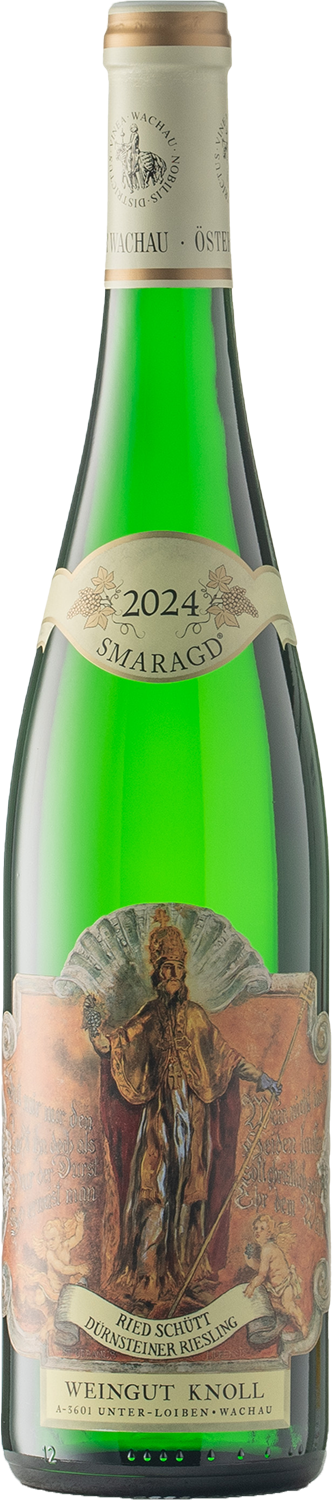
Emmerich Knoll - Ried Schütt 2022
A terroir-driven Grüner Veltliner, precise and profound, where the Wachau expresses itself with intensity and minerality.

Emmerich Knoll - Ried Loibenberg 2024
A terroir-driven Riesling, precise and mineral, which intensely expresses the luminous power of the Ried Loibenberg.
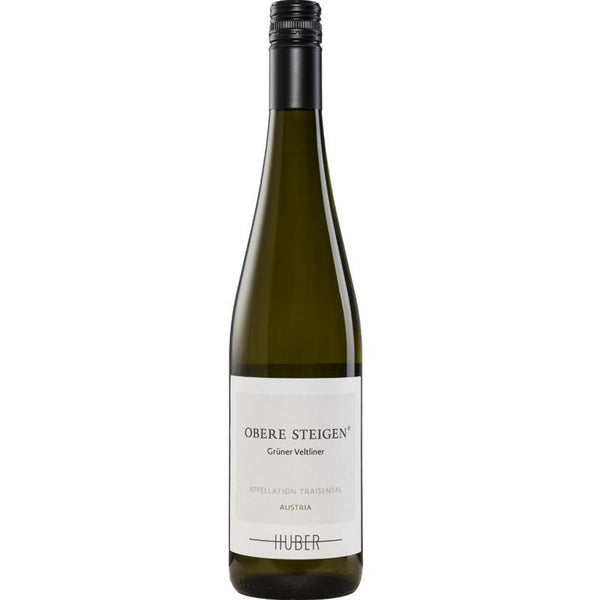
Huber - Obere Steigen Grüner Veltliner 2024
A precise and vibrant Grüner Veltliner, marked by the freshness of the Traisental and the minerality of its limestone slopes.
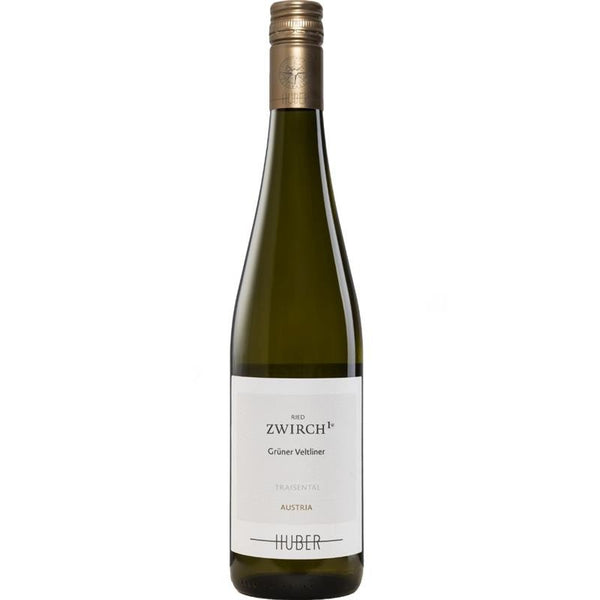
Huber - Zwirch Erste Lage Grüner Veltliner 2023
A precise and saline Grüner Veltliner of the terroir, which reveals all the finesse of the Zwirch en Erste Lage cru.

Huber - Alte Setzen Erste Lage Grüner Veltliner 2023
A terroir-driven Grüner Veltliner, precise and saline, which expresses all the limestone finesse of the Traisental.

Huber - Terrassen Riesling 2019
A precise and crystalline Austrian Riesling, where freshness combines with a chiseled minerality.
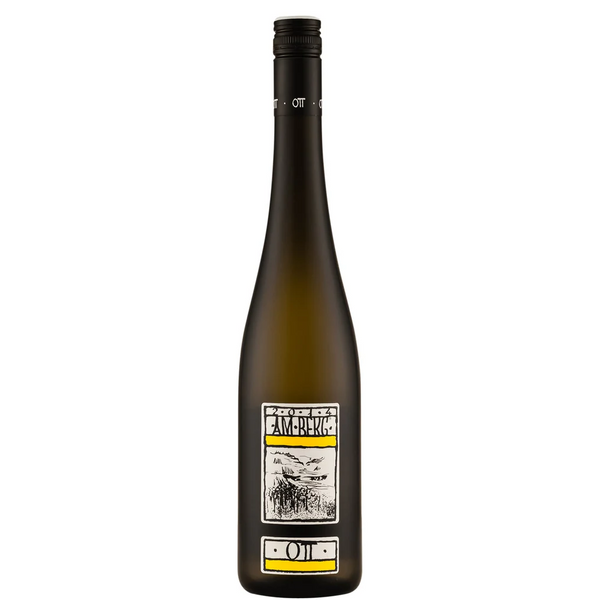
Ott - AM Berg Grüner Veltliner 2023
A white wine that perfectly embodies the revival of great Austrian white wines: terroir, precision and elegance.
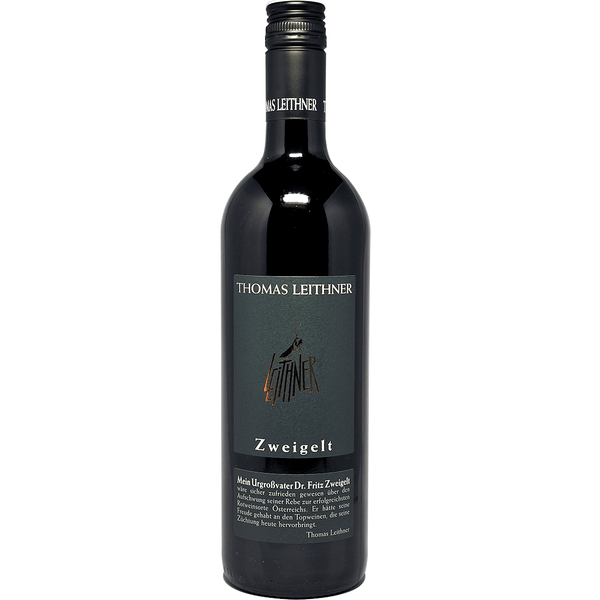
Thomas Leithner - Zweigelt 2013
The estate that created Zweigelt, an iconic Austrian grape variety with peppery flavors.
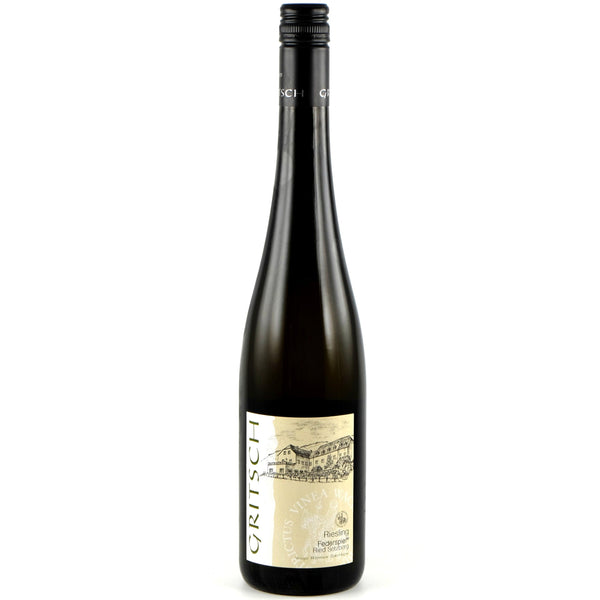
Gritsch - Riesling Federspiel cru Setzberg 2017
An expressive, fine and mineral Austrian Riesling.
Where Austrian vines grow
The vineyards lie in the east of the country, sheltered by the Alps, where the continental heat coming off the Pannonian plain meets cold nights dropping down from the north. That range gives wines that are both ripe and taut.
| Region | Climate and soil | King grape variety | The estates in this section |
|---|---|---|---|
| Wachau Dry-stone terraces above the river | Gneiss and schist, loess at the foot of the slopes, cold winds at night | Grüner Veltliner and Riesling Crystalline, straight, a stony finish | Emmerich Knoll, in LoibenRied Schütt, Ried Loibenberg |
| Kamptal and Kremstal | Thick loess over gneiss, cool air from the Waldviertel | Grüner Veltliner Broad, spicy, rounder than in the Wachau | Bründlmayer and Karl Steininger, around Langenlois |
| Wagram | A terrace of deep loess on the north bank of the Danube | Grüner Veltliner Broad, saline, built for ageing | Ott Estate, in FeuersbrunnRied Rosenberg, Ried Stein, Der Ott |
| Traisental | Shell limestone and loess, a cool valley open to the Alps | Grüner Veltliner and Riesling Taut, chalky, remarkably clean | Huber, in ReichersdorfTerrassen, Zwirch, Alte Setzen |
| Burgenland Along Lake Neusiedl | Pannonian heat, schist and limestone at the foot of the hills | Blaufränkisch and Zweigelt Black fruit, pepper, firm tannin | Moric, in MittelburgenlandOld Blaufränkisch vines |
| Rust and the Seewinkel | Lake mists in the morning, sun in the afternoon: regular botrytis | Furmint, Pinot Blanc, Traminer Golden sweet wines, lively acidity | Bruno Landauer and Georg LunzerSpätlese, Ausbruch, ice wines |
Styria, in the far south, plays a different tune: steep hills, frequent rain and nervy whites of Sauvignon and Welschriesling, much prized in the cafés of Vienna. The sweet wines of Lake Neusiedl are also found on the Sweet wines page.
From aperitif to the end-of-meal glass
In the Wachau, the growers created their own scale, based on the ripeness of the grapes at harvest and on the natural alcohol that follows from it. Elsewhere in the country, the late-harvest terms inherited from German usage serve to classify the sweet wines.
| Please mention | What it tells you | In the glass | Dinner's ready |
|---|---|---|---|
| Steinfeder Wachau | The lightest grapes, up to 11.5% abv | Floral, lively, light, to drink young | Aperitif, cucumber salad, smoked trout |
| Federspiel Wachau | Intermediate ripeness, from 11.5 to 12.5% abv | Dry, straight, precise fruit | Wiener schnitzel, river fish, asparagus |
| Smaragd Wachau | The ripest grapes, beyond 12.5% alcohol | Dense, ample, cut out for ageing | Poularde in cream sauce, pike-perch, veal sweetbreads |
| Spätlese | Late harvest, once the sugars have risen | Lightly sweet, yellow fruit and honey | Foie gras, blue cheese, apple tart |
| Auslese | Overripe bunches sorted in the vineyard | Rich, candied, with acidity that lifts the palate | Roquefort, apricot desserts |
| Ausbruch Rust | Botrytised berries put back in contact with fresh must | Golden, dense, saffron and dried fruit | End of the meal, on its own in the glass |
| Trockenbeerenauslese and Eiswein | Botrytised berries sorted one by one, or grapes pressed frozen | Very concentrated, syrupy, endless finish | A small glass after dessert |
Two other words come up often on these bottles: Ried designates a delimited lieu-dit, the equivalent of a Burgundian climat, and Erste Lage a cru classified by the association of traditional estates, with capped yields and hand harvesting. Neighbouring Hungary takes botrytised Furmint further still, over on the Tokaj side.
The ways into the Austrian range
Eight ways into this wine country, from the first white off the terraces to the glass at the end of the meal.
Start with a white from the terraces
White pepper, lime and a mouth-watering finish, on the limestones of the Traisental. The way in that stays truest to the country's style.
Huber Terrassen Grüner Veltliner 2025 · €19.90 per bottle, by the case of 6Riesling from the Wachau
Gneiss slopes above the Danube, fermented in large oak vats: a dry, crystalline Riesling whose finish recalls warm stone.
Emmerich Knoll Loibner Riesling 2024 · €36.40 per bottle, in packs of 3An Austrian red for a dinner
Blaufränkisch from Burgenland, black cherry, pepper and firm tannin. Serve slightly chilled with duck breast or smoked meat.
Moric Blaufränkisch 2020 · €23.70 per bottle, by the case of 6A sweet wine for the cheeseboard
Late harvest from the hillsides of Rust: lychee, mango and honey, with an acidity that keeps the palate fresh right to the end.
Bruno Landauer Gewürztraminer Ruster Spätlese 2024 · €17.91 per bottle, sold individuallyA sweet wine for ageing, already open
A selection of botrytised berries on the shores of Lake Neusiedl, amber colour, dried apricot and saffron. The vintage has had time to open up.
Georg Lunzer Golser Rheinriesling Trockenbeerenauslese 1999 · €61.20 per bottle, sold individuallyAn exceptional bottle to give
The keeping cuvée of the most emblematic estate in the Wachau, from the best plots, cut out to wait a decade.
Emmerich Knoll Vinothekfüllung 2024 · €102 per bottle, sold individuallyFollow the king of grapes
From the thirst-quenching white to the lieu-dit cuvée, the Grüner Veltliner page gathers the bottles of this grape variety, here and elsewhere.
Section page · Grüner VeltlinerComparing the world's Rieslings
Wachau, Mosel, Alsace or Australia: the Riesling page lets you place the Austrian style against the other origins.
Section page · Riesling
The wine country that rebuilt itself through the law
In 1985, a diethylene glycol fraud at a handful of merchants brought Austrian exports to a dead stop. Within a few months the country answered with the strictest text in Europe: capped yields, official analysis and tasting before any release to market, and a control number printed on every capsule.
The generation that took over the estates in its wake went further still: it traded mass-market sweet wine for dry wine of terroir, hand harvesting and the lieu-dit. Forty years later, the Austrian style is recognised by that rigour: measured alcohol, frank acidity, clean fruit.
How do you choose
We taste every cuvée before listing it, and we look for two things on this range: the frankness of the acidity and the clarity of the white pepper on Grüner Veltliner. A soft white, or one marked by wood, does not make the cut, even with a prestigious label. The rest follows the terroir, from the gneiss terrace to the loess hillside.
The Wine Wanderer Team
What people ask us about Austrian wines
What sets Grüner Veltliner apart from other whites?
Its perfume first: white pepper, lime, fresh peas, sometimes a hint of radish. Its texture next, broad on the attack then drawn in by a straight acidity that leaves the palate clean. It takes fried food, asparagus and artichoke, three things that put most whites in difficulty. The complete selection is on the Grüner Veltliner page.
Does Austrian Riesling resemble German Riesling?
It comes from the same grape variety, but it is almost always vinified dry and comes in one or two degrees higher in alcohol, carried by a warmer continental climate. Where the Mosel gives a light, floral wine, the Wachau gives a straight, saline wine, broader on the palate. The comparison can be made bottle in hand with the Germany page.
What do Steinfeder, Federspiel and Smaragd mean?
They are the three levels of the scale created by the growers of the Wachau, based on the ripeness of the grapes at harvest. Steinfeder designates the lightest wine, Federspiel the mid-range dry, Smaragd the wine made from the ripest grapes, the densest and the best suited to ageing. All three remain dry.
Which Austrian red to choose for a meal?
Blaufränkisch plays the card of black fruit, pepper and firm tannin: it stands up to a duck breast, a stew or smoked meat. Zweigelt, its offspring, gives a suppler, fruitier red, pleasant lightly chilled. For a first try, Moric's old-vine Blaufränkisch gives an accurate idea of the style.
Why are some wines sold in packs or by the case?
The Austrian estates we follow ship their cuvées in full cases, and we keep that packaging to hold the price down. The price shown on each listing is the bottle price, with the sales format right beside it. Several cuvées are still available singly, notably from Bruno Landauer, Georg Lunzer and Emmerich Knoll.
What makes Austrian regulation so strict?
Every batch goes through a laboratory analysis and an official tasting before it receives its control number, printed on the red and white capsule. Yields are capped, enrichment is regulated, and naming a lieu-dit commits the producer to a registered perimeter. This discipline goes back to the 1985 reform and applies across the whole country.
Which dishes go with a Grüner Veltliner?
Its acidity and its peppery note call for green vegetables and fried food: green asparagus, artichoke, leeks vinaigrette, tempura, Wiener schnitzel. The terrace cuvées, lighter, make a remarkable aperitif with trout rillettes. The lieu-dit wines, broader, stand up to a roast chicken or a fish in sauce.
What is an Ausbruch from Rust?
It is the sweet-wine speciality of the small town of Rust, on the western shore of Lake Neusiedl: botrytised berries, dried on the vine, which the grower puts back in contact with fresh must to start the fermentation. The result is dense and golden, marked by dried apricot and saffron. See also the Sweet wines page.
At what temperature should these wines be served?
Count on 10 to 12 °C for a Grüner Veltliner or a dry Riesling, a little cooler for an aperitif Steinfeder. The Smaragd wines for keeping are better towards 13 °C, in a decanter. Blaufränkisch is served at around 15 °C, barely chilled, and the sweet wines between 8 and 10 °C.
Where should I start if I'm new to this wine region?
Take a terrace Grüner Veltliner at around €20 a bottle, then a Wachau Riesling: those two glasses set out the country's grammar. Add a Burgenland Blaufränkisch to understand the local red. The Riesling page then lets you place the Austrian style among the other origins.