
Primitivo: Puglia's Red Wine, Genetic Twin of Zinfandel
From Salento to Manduria, from €11.90Primitivo is grown in the southern part of Puglia, in Salento. Mediterranean heat, breezes from two seas, red clay and limestone soils: it produces ripe reds, with notes of plum and fig, with rounded tannins that are never harsh and a warm finish.
DNA analysis has also established that it is the same variety as Californian Zinfandel and Croatian Tribidrag. One grape, three names, three ways of cultivating it. The first table distinguishes the appellations of the region, the second compares the Italian and American versions.
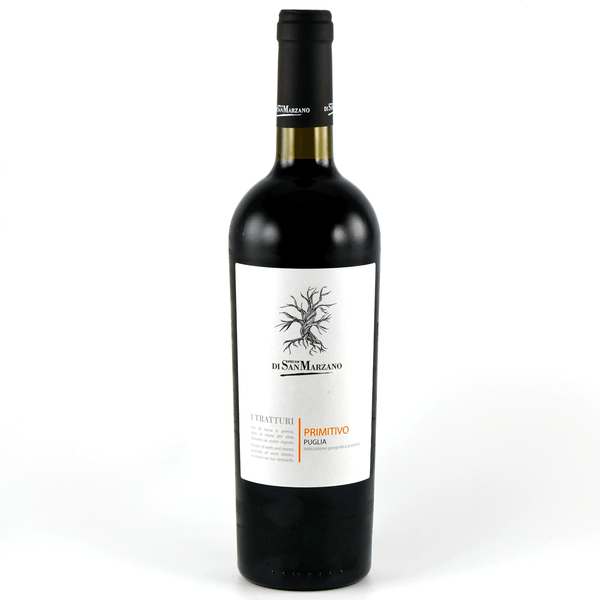
San Marzano - Primitivo Puglia 2024
An intense and generous Primitivo with flavors of black fruits
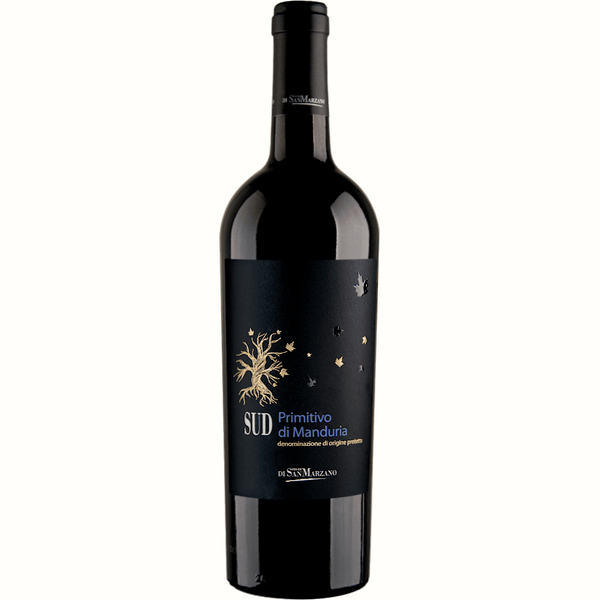
San Marzano - Primitivo di Manduria SUD 2023
A cuvée of fabulous structure and complexity, from the star region of Primitivo.
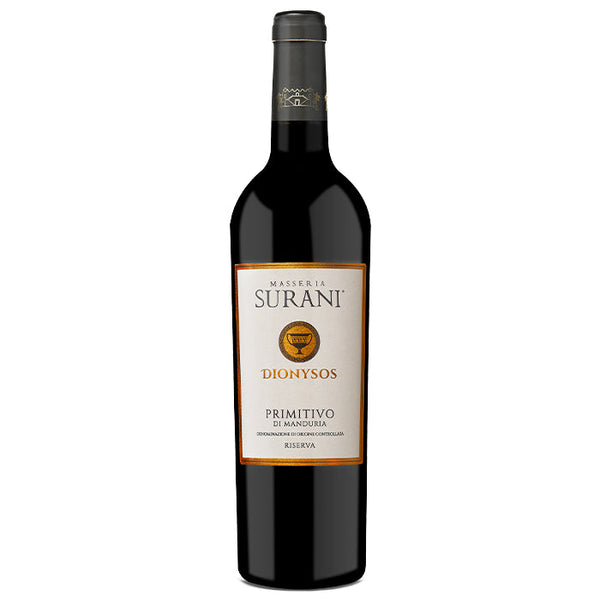
Masseria Surani - Primitivo Di Manduria Riserva Dionysos 2019
Primitivo di Manduria Riserva, candied fruit, cocoa and velvety tannins.

Masseria Surani - Heracles Primitivo di Manduria 2022
A powerful, intense Primitivo di Manduria, with notes of violet, black cherry and liquorice.

Masseria Surani - Primitivo Cabernet Sauvignon Ares 2022
A Salento blend of Primitivo and Cabernet Sauvignon, fruity, enveloping and lightly spiced.

San Marzano - Primitivo di Manduria Dolce Naturale 11 Filari 2022
A naturally sweet Primitivo from eleven rows of old vines, dried on the vine, between candied cherry and fig.
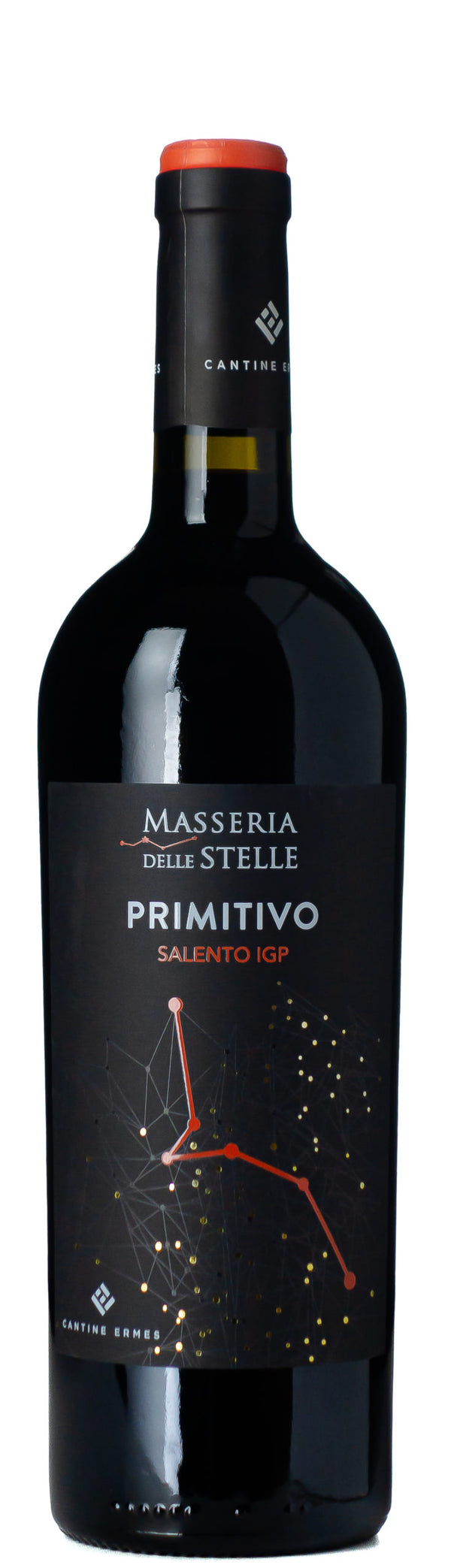
Cantine Ermes - Masseria delle Stelle Primitivo 2025
A generous and velvety Primitivo from Puglia, which combines ripe fruit, sweet spices and Mediterranean warmth.
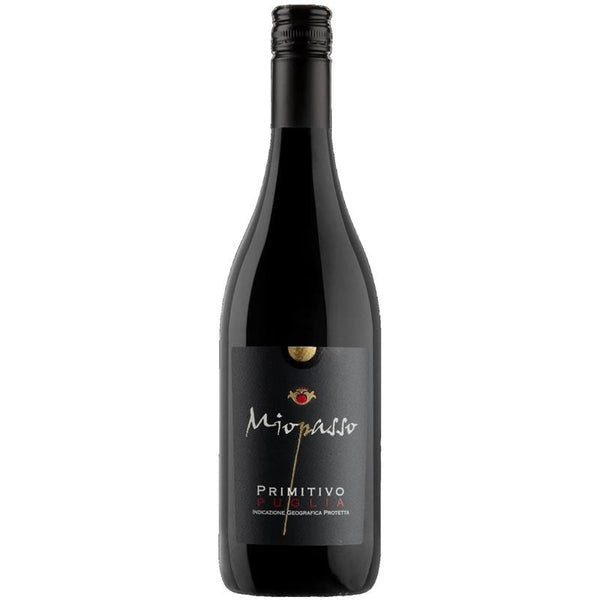
The Wine People - Miopasso Primitivo 2023
A generous and indulgent Primitivo from Puglia, combining ripe fruit and spices in a velvety texture.
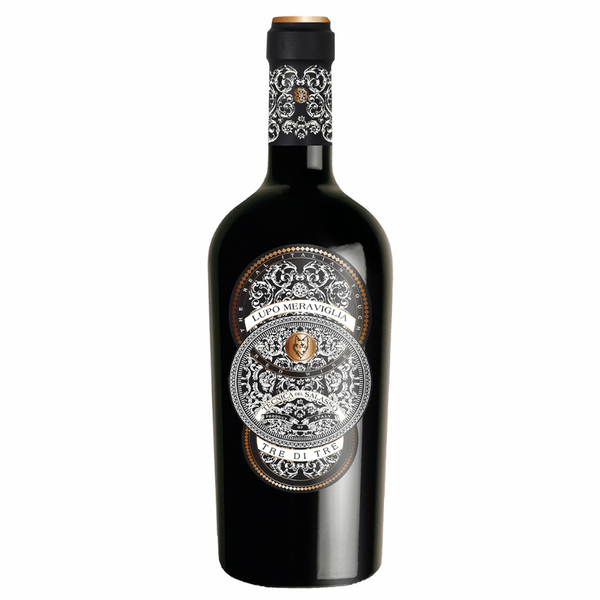
Botter - Lupo Meraviglia Tre Di Tre 2021
A rich and tasty wine, made using an ancestral method from the Puglia region
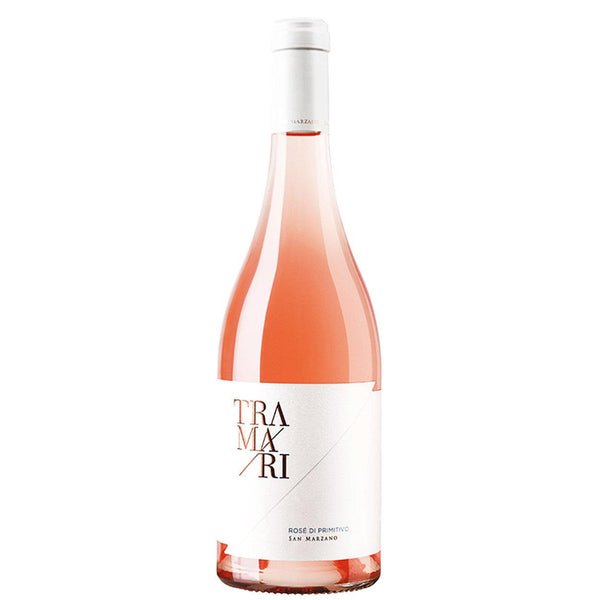
San Marzano - Tramari Rosé di Primitivo 2022
An elegant rosé made from Primitivo, a grape variety from the Puglia region
The names of Primitivo, and what they mean
Two mentions are enough to read a label. Puglia is the regional indication, broad and flexible. Manduria is the historical area of the grape variety, with older vines and lower yields. The price difference between the two is reflected in the glass.
| Denomination | Where | What it looks like | In our cellar |
|---|---|---|---|
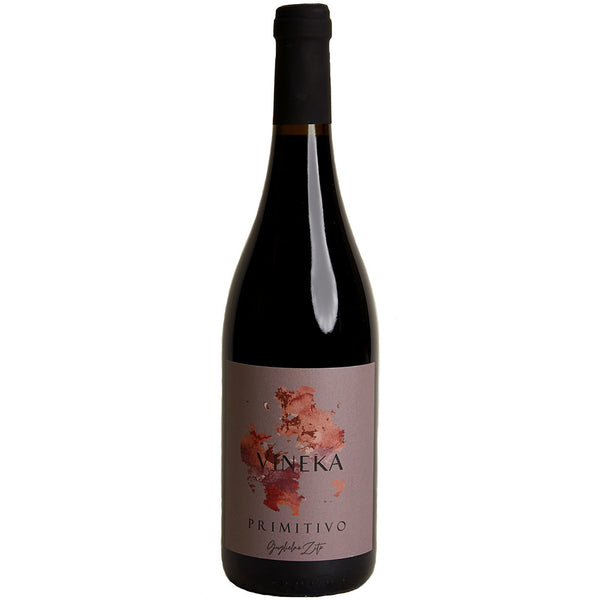
| Primitivo PGI Puglia regional | The entire region, with a high concentration of vineyards in Salento. | Forward fruit, integrated tannins, little oak. To drink within two to three years. | San Marzano 2024, €11.90. Vineka 2023, €12.90. |
| Primitivo di Manduria province of Taranto | Around Manduria, on red clays, limestones, and white stones. | Denser and more alcoholic: plum, dried fig, frequent oak aging. | San Marzano SUD 2022, €21.90 |
| Manduria Riserva prolonged rearing | Same area, but the vintage stays longer at the estate before being released for sale. | Tighter material, more prominent wood, a guard that extends for a few years. | Masseria Surani Dionysos 2019, €31.80 |
| Primitivo Rosé the same grape, in rosé | Salento, earlier harvest and very short skin maceration. | Raspberry, pomegranate, grapefruit. None of the power of red. | San Marzano Tramari 2022, sold out |
There is also a sweet version, Primitivo di Manduria Dolce Naturale, made from grapes dried on the vine. We do not currently offer it. The Tramari rosé is out of stock; it is featured here because it clearly shows the other side of the grape variety.
Primitivo, Zinfandel, Tribidrag: one grape, three names
The kinship was long suspected, then proven by genetic analysis. However, it does not make the wines interchangeable: the climate, vineyard management, and winemaking habits are enough to create two recognizable styles.
| Criterion | Primitivo, from Puglia | Zinfandel, in California |
|---|---|---|
| DNA | Analyses carried out in California have shown that Primitivo and Zinfandel are one and the same variety, tracing their origins to Croatian Tribidrag. | Identical, down to the gene. The differences come from the place and the human hand, never from the grape itself. |
| The name | Primitivo, from the Latin primativus: that which ripens first. | Zinfandel, a name that appeared in American nurseries in the 19th century. |
| The climate | Salento: Mediterranean warmth, tempered by the breezes of the Adriatic and Ionian Seas. | California: warm days, nights cooled by coastal fog. |
| The grapevine | Many bush vines and old vines, up to sixty years old around Manduria. | Mainly trellised, with highly sought-after old plots. |
| The style | Prune, fig, licorice. Round tannin, moderate acidity, warm finish. | More jammy, often more pronounced woody notes, sometimes a hint of residual sugar. |
| The entrance fee | €11.90 a bottle for an IGP Puglia from Salento. | Rarely on the same level: California produces little cheap wine. |
This page only covers the Italian side of the grape variety. American vintages are in another section of the shop.
Choose based on time
The tables give the theory. Here are the bottles, and only those that can be shipped today.
Discover the grape varietal
The San Marzano winery, founded in 1962 by nineteen winemakers from Salento. Ripe fruit, supple tannin, nothing to wait for.
San Marzano Primitivo Puglia 2024 · €11.90The other everyday bottle
Vineka, a winery founded in Salento in 2016, focuses on minimally constrained vines and understated winemaking. Available in cases of six, €77.40.
Vineka Primitivo 2023 · €12.90Understanding Manduria
Sixty-year-old vines near ancient olive groves, long maceration, four months in French oak barrels. The next level up.
San Marzano SUD 2022 · €21.90The prestige cuvée
Masseria Surani has created a Manduria Riserva here: tight texture, long aging. Decant one hour before serving.
Masseria Surani Dionysos 2019 · €31.80Six bottles at once
Manduria, province of Taranto, limestone and red clay. Sold in cases of six, or €12.30 per bottle.
Cantine Ermes Masseria delle Stelle 2023 · €73.80 per 6The entire San Marzano cellar
Two of the wines on this page come from this Salento cooperative. Here are its other wines available from us.
Our San Marzano tomatoesExpand to Puglia
The full regional section, beyond just primitivo.
Our Apulian winesSee all of Italy
Piedmont, Tuscany, Veneto, Sicily, Puglia: the complete Italian section.
Our Italian wines
The red from the South that we think is sweet, and isn't
Primitivo suffers from a persistent misunderstanding. Its ripeness is such that the fruit seems candied, the texture almost velvety, and many drinkers conclude that there is residual sugar in the bottle. In the vast majority of cases, there isn't: the wine is dry; it's the alcohol content and the roundness of the tannins that create this impression.
The misunderstanding also stems from the reputation of Southern Italian wines, which were long sold in bulk and vinified without precision. The vintages from Manduria have changed this: old vines, low yields, measured aging. The wine remains sun-drenched, but it now has a framework.
How do you choose
On digestibility above all else. A Primitivo that goes well beyond 15% without any acidity that would make it tiring after the second glass, whatever the name of the cuvée.
And on the use of oak: the barrel should round out the fruit, not cover it with vanilla and roasted notes.
The Wine Wanderer Team
What we are being asked about Primitivo
What is primitivo?
A red grape variety from southern Italy, grown mainly in Puglia and especially in Salento. Its name comes from its early ripening: it ripens before most of the neighbouring varieties. It produces colourful, ripe wines, with plum and fig notes, a round tannin and often a high alcohol content.
Are primitivo and zinfandel the same grape variety?
Yes. Genetic analysis has established that it is a single variety, originally named Tribidrag, in Croatia. The wines, however, are not always similar: California produces a jamier, woodier style, while Apulia yields a drier fruit with a warmer finish. This page only features Italian cuvées.
What does Primitivo di Manduria mean?
This is the historical name of the grape variety, around the city of Manduria, in the province of Taranto. The vines here are older, yields are lower, and the wines are more concentrated than a simple Primitivo IGP Puglia. Our San Marzano SUD 2022, at €21.90, is a good example.
Is Primitivo a sweet wine?
No, unless explicitly stated on the label. The very ripe fruit and the roundness of the tannins give this impression, but the fermentation goes all the way and the wine is dry. The only truly sweet version is Primitivo di Manduria Dolce Naturale, produced from dried grapes, which we do not offer.
What alcohol content can I expect?
Most often between 13.5 and 15%, sometimes more for Manduria cuvées. This is the trade-off for grapes that ripen quickly in a hot climate. So serve it chilled, never at room temperature: two degrees less in the glass are enough to lighten the sensation of alcohol.
Should it be decanted, and at what temperature should it be served?
Around 16 °C for entry-level wines, 17 °C for a Manduria. The Riserva benefits from an hour in a decanter, allowing the oak to mellow. The others don't need it: they are made to be opened and drunk.
What to serve with a Primitivo?
It loves fat and spices: lamb, grilled beef, roasted eggplant and vegetables, spicy cuisine, dishes with sun-dried tomatoes. For cheeses, prefer aged pressed cheeses. A Manduria stands up to game, which a simple Puglia will not.
How long does a bottle last?
Two to three years for a Primitivo IGP Puglia, which is made for its fruit. Five to eight years for a Manduria, more so for a riserva like the Dionysos 2019. The grape is not a wine for long aging: it reaches its peak before the fruit fades.