
Cabernet Franc: ett blommigt, elegant rött vin med lite tanniner
29 flaskor där Cabernet Franc kommer till uttryck, från 8,50 € till 399 €A red that smells of violet and raspberry rather than jammy blackcurrant, that is served cool and does not scrape the gums: that is the signature of Cabernet Franc. The father of Cabernet Sauvignon, Merlot and Carménère, it ripens earlier than its offspring and gives finer, more floral, less tannic wines.
The selection gathered here mixes single-variety Cabernet Francs, mainly from the Loire and South America, with blends in which it plays only a supporting role. The two tables that follow tell you which is which.
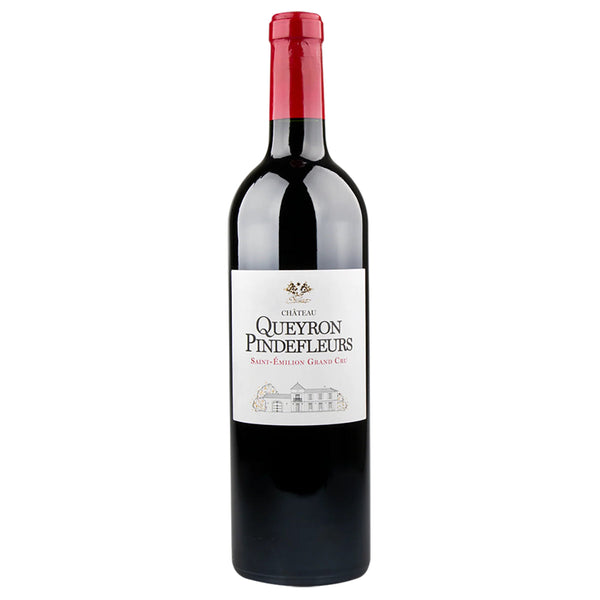
Château Queyron Pindefleurs - Saint-Emilion Grand Cru 2018
Right Bank Merlot: black fruit and leather, with the structure of a Saint-Émilion built for ageing.
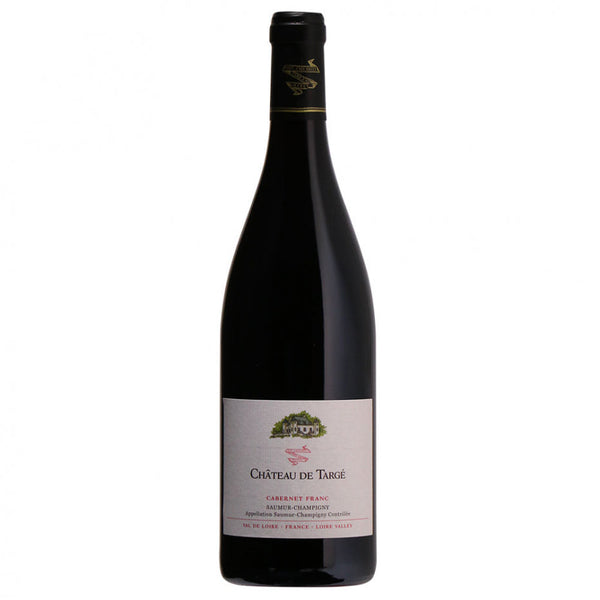
Château de Targé - Saumur-Champigny Red 2019
Blackcurrant, blackberry and green pepper: Saumur Cabernet Franc in its structured style.
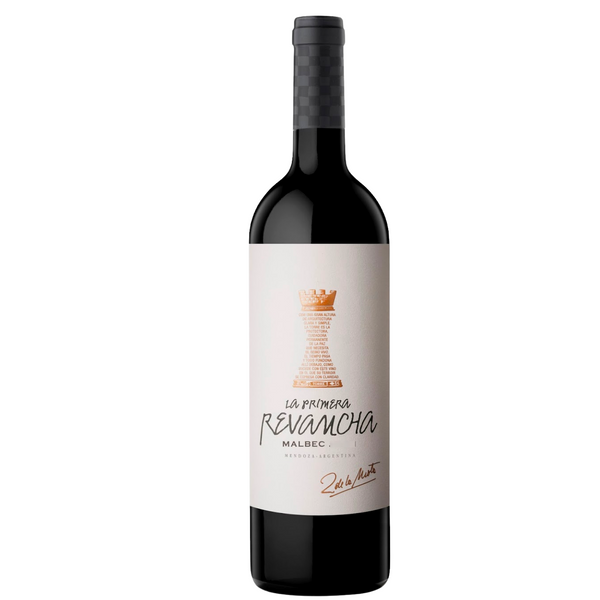
Revancha - Primera Revancha Malbec 2016
A Malbec with velvet tannins, from the best plots of the estate
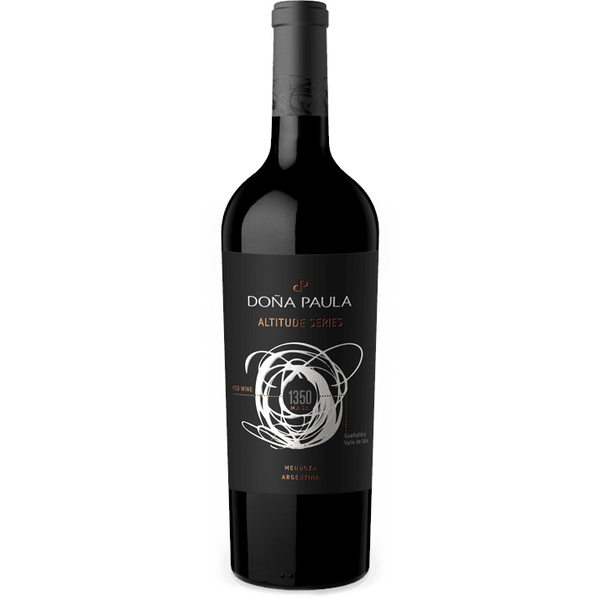
Dona Paula - Altitude Series 1350 2019
Malbec, Cabernet Franc and Casavecchia form a complex trio within the famous Gualtallary terroir
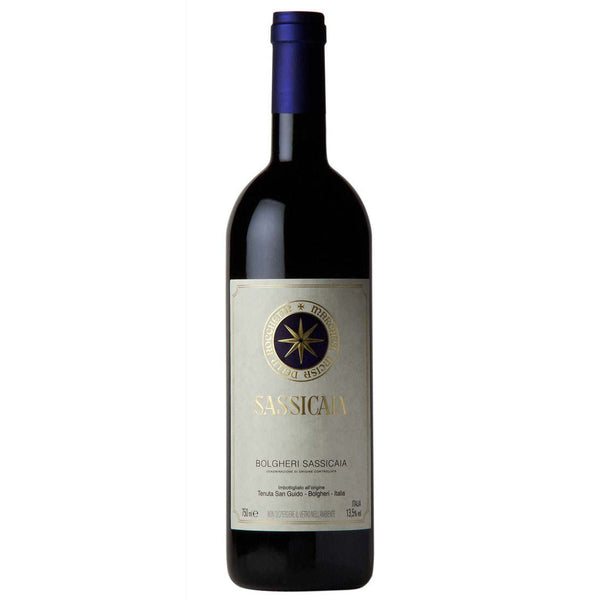
Tenuta San Guido - Sassicaia 2022
One of the most exceptional wine creations of the century
Vad varje vinområde gör med Cabernet Franc
Cabernet Franc ripens about two weeks before Cabernet Sauvignon. This earliness explains almost everything: it allows it to succeed in cool climates, where its offspring stays green, and it forces it to seek altitude or sea breezes when it heads for the sun.
| Origine | Vad platsen ger den | Vinets stil | Ingångspris |
|---|---|---|---|
| LoireBourgueil, Saumur-Champigny | Tuffeau, Atlantic freshness and ripeness only just reached in good years. | Lätt till medelfylligt rött, hallon och viol, fina tanniner, serveras svalt. | 17 € |
| BordeauxSaint-Émilion, högra stranden | Kall lera och kalksten, där den kompletterar Merlot utan att någonsin dominera. | Lagringsdugligt rött, blyerts och mörk frukt, rak struktur. | 33,40 € |
| ArgentinaMendoza, Valle de Uco | Höjden räddar syran, temperaturskillnaderna ger färg och doft. | A dense but fresh red, violet and pepper, often backed up by Malbec. | 21 € |
| ChileLimarí, Centraldalen | Cold influence of the Pacific and the Andes, a long, dry, bright season. | Moget och rent rött, svarta vinbär och mild paprika, mjuka tanniner, låga priser. | 9,90 € |
| SydafrikaStellenbosch, Swartland | Gamla jordar, brisar från False Bay och en tradition av Bordeauxblandningar i Kaplandet. | Strukturerat rött med mörk frukt, rökig ton och tydlig syra. | 15,90 € |
| ItalienBolgheri, Veneto | Tuscan and Venetian warmth, where it is behind the Cabernets of the Tyrrhenian coast. | Fylligt rött, färska örter och kanderad frukt, från vin på torkade druvor till cru classé. | 27,90 € |
| USAKalifornien, Finger Lakes | Two opposite climates: Californian heat and the cold of New York's lakes. | Fylligt rött med fatkaraktär på ena sidan, rent och stramt på den andra. | 44,80 € |
| AustralienClare Valley, Coonawarra | Terra rossa och svala nätter, där den ger stöd åt Cabernet Sauvignon och Malbec. | A straight red, mint and eucalyptus, firm tannins but without heaviness. | 34 € |
| BrasilienSerra Gaúcha | A humid southern vineyard, where its early ripening is an advantage over late-ripening varieties. | Mjukt rött, fina gröna toner och syrlig röd frukt, drickes ungt. | 13,40 € |
What sets it apart from neighbouring reds
It is filed among Bordeaux's secondary grape varieties, which is a matter of misplaced perspective: it is the parent. Three of the world's most widely planted reds descend directly from it, and the comparison comes down to ripening date and texture, never to quality.
| Druva | What they have in common | What sets them apart | Välj när |
|---|---|---|---|
| Cabernet sauvignonDess direkta avkomma | Born of its cross with Sauvignon Blanc: same blackcurrant, same graphite. | Senare mognad, tjockare skal, mer tanniner, kräver varmt klimat. | You want a structure that lasts ten years. |
| MerlotDruvans andra barn | Samma förälder, samma terroirer på högra stranden, de har alltid blandats. | Köttigare, rundare, mindre syra, med mogen snarare än blommig frukt. | You are looking for immediate softness, without nervousness. |
| MalbecDen argentinska följeslagaren | They are blended almost systematically in Mendoza, with the Franc bringing the perfume. | Inget släktskap: mörkare färg, sammetslena tanniner, tydligt kompotterad frukt. | You are serving grilled meat and prefer volume to tension. |
| CarménèreKusinen som återfanns i Chile | Härstammar också från Cabernet Franc och har kvar paprikan och den rökiga tonen. | Mognar mycket senare, fetare textur, mer påtagliga gröna toner. | You actually like that green pepper side and you cook spicy food. |
Here it is rarely alone in the bottle: many labels show it alongside Malbec, Cabernet Sauvignon or Merlot. The single-variety versions can be recognised by the cuvée name, from Bourgueil, Tuscany, the mountains of Mendoza or Brazil.
Från paprika till viol, en fråga om mognad
Two scents sum up the grape. Green pepper, tomato leaf, sometimes boxwood: these are pyrazines, very present when the grapes have not finished ripening. Then violet, crushed raspberry and that dry pencil-lead smell, which come with ripeness. A successful wine keeps a trace of the first register without being trapped in it.
Serve it between 15 and 16 °C for wines from the Loire and Brazil, 16–17 °C for high-altitude bottles and Bordeaux blends. Half an hour in a decanter is enough for young wines: it disperses the green notes and opens up the fruit.
What it likes on the plate
The lighter versions go with rillettes, roast poultry, fresh goat's cheese or grilled peppers: the green notes in the wine echo those in the dish. The denser versions, from Argentina, South Africa or Tuscany, call for rare beef, a leg of lamb or feathered game. Avoid very spicy food with the most tannic bottles.
Teamet på Le Baroudeur du Vin
Vanliga frågor om Cabernet Franc
Vilken flaska ska man börja med om man inte känner till druvan?
Choose one from the Loire: these bottles are all available individually and they show the grape without make-up. A Saint-Nicolas-de-Bourgueil at €17 or a Saumur-Champigny at €18.80 gives you the exact register: raspberry, violet and fine tannins. You will then know whether you want to move up in density, towards Argentina or the Cape.
Vilken budget behöver man?
Prices start at €15.90 for a South African blend sold by the bottle, and the Loire starts at €17. Most of the section sits between €20 and €50, which covers Argentine high-altitude cuvées and Italian crus. Beyond that, you are paying for rarity: Sassicaia from Bolgheri is listed at €399.
Behöver man karaffera en Cabernet Franc?
For a young wine, yes; half an hour is enough. Decanting removes reduction and softens the green pepper note that sometimes dominates when the bottle is first opened. For a bottle more than ten years old, simply open it an hour beforehand and pour gently: the structure is delicate, and brutal aeration tires it instead of waking it up.
Hur länge kan den lagras?
It depends on the style. A light Bourgueil or Saumur-Champigny is drunk within five years, peaking at around three. The tannic versions – Saint-Émilion, Stellenbosch blends, Argentine high-altitude Cabernets – last ten to fifteen years. The great Tuscan crus go well beyond that, provided they are stored lying down somewhere cool and dark.
Varför doftar den ibland grön paprika?
These are pyrazines, molecules found in the grape skins and broken down by ripeness and sun. They come through when the grapes were picked early, when yields were high or when the vintage lacked warmth. In moderate amounts, this note is very much part of the grape's identity.
Ren eller i blandning, vad är skillnaden?
On its own, it gives an aromatic, medium-coloured wine with lively acidity and fine tannins. In a blend, it provides the aromatic backbone: a few per cent is enough to bring violet and freshness to a more massive Malbec or Cabernet Sauvignon. A large share of the bottles gathered here fall into this second category.
Varför säljs vissa flaskor bara i paket eller låda?
When the single bottle has sold out, the packaging still in stock at the producer takes over: lots of 2 or 3 bottles, or cases of 6. The price per bottle is the same or lower. The product page shows the formats actually available, so check it before confirming your basket.
Vilken temperatur ska den serveras vid?
Between 15 and 16 °C for wines from the Loire, Brazil and lighter cuvées: any warmer and the alcohol takes over and the floral scent disappears. Go up to 16–17 °C for Bordeaux, South African and Argentine blends, which need a little warmth to relax their tannins.
Which dishes should you pair it with?
The lighter cuvées get on well with charcuterie, roast poultry, fresh goat's cheese and above all grilled vegetables, especially peppers and aubergines. The structured cuvées want rare red meat, a rib-eye steak, a leg of lamb or feathered game. The grape also goes very well with a slightly spicy vegetarian dish, which is rare among reds.