
South African wine: from the Swartland to the ocean
169 bottles, from €9.50The Cape has been pressing wine since 1659, but the country you taste today is less than thirty years old. It took the end of apartheid, the return of export markets and a generation of winemakers who went looking for forgotten old plots for the vineyards to finally find their style.
A Swartland Chenin, a Hemel-en-Aarde Pinot Noir and a Stellenbosch Bordeaux blend have almost nothing in common, apart from two oceans and a mountain range. The regions table shows what is planted where, and what it gives in the glass.
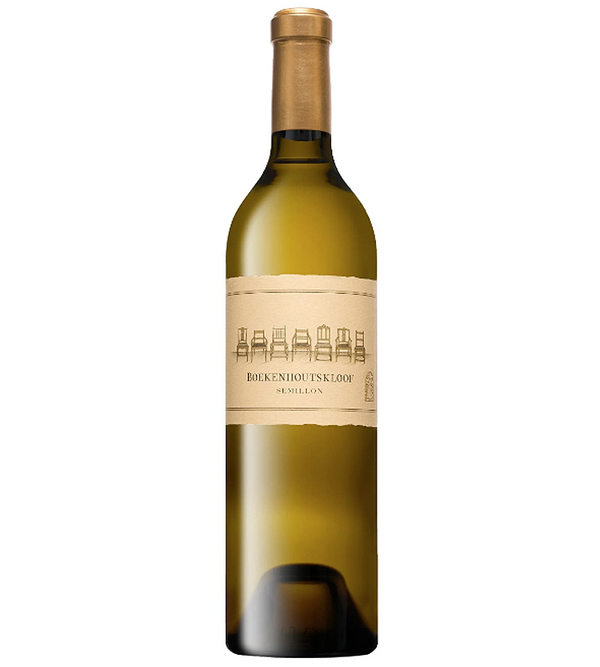
Boekenhoutskloof - Semillon 2021
A South African Sémillon of terroir, ample and precise, where maritime freshness and aromatic complexity subtly intertwine.
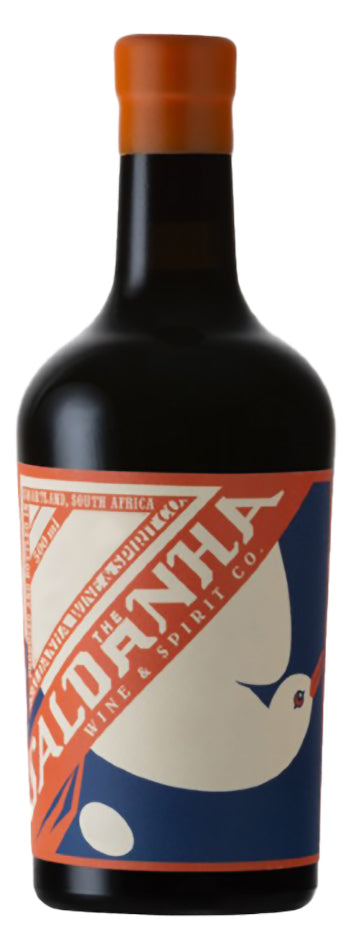
A.A. Badenhorst - Cape Port 2024
A fortified wine from Swartland that is generous, spicy and velvety, combining aromatic intensity and controlled freshness.

Storm - Ignis Pinot Noir 2023
A precise and elegant South African Pinot Noir, carried by the maritime freshness and depth of its terroir in Hemel-en-Aarde.
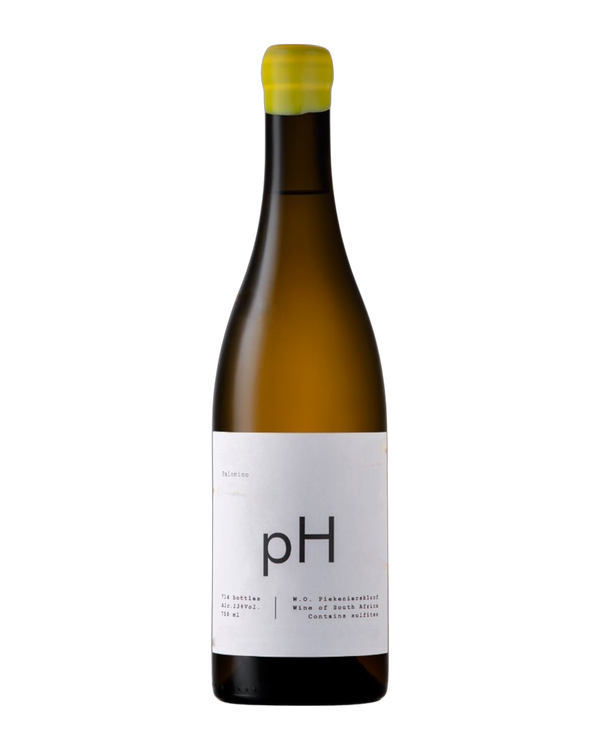
Vino pH - Palomino Piekenierskloof 2022
A high-altitude South African palomino, saline and precise, which subtly reveals the unique character of Piekenierskloof.
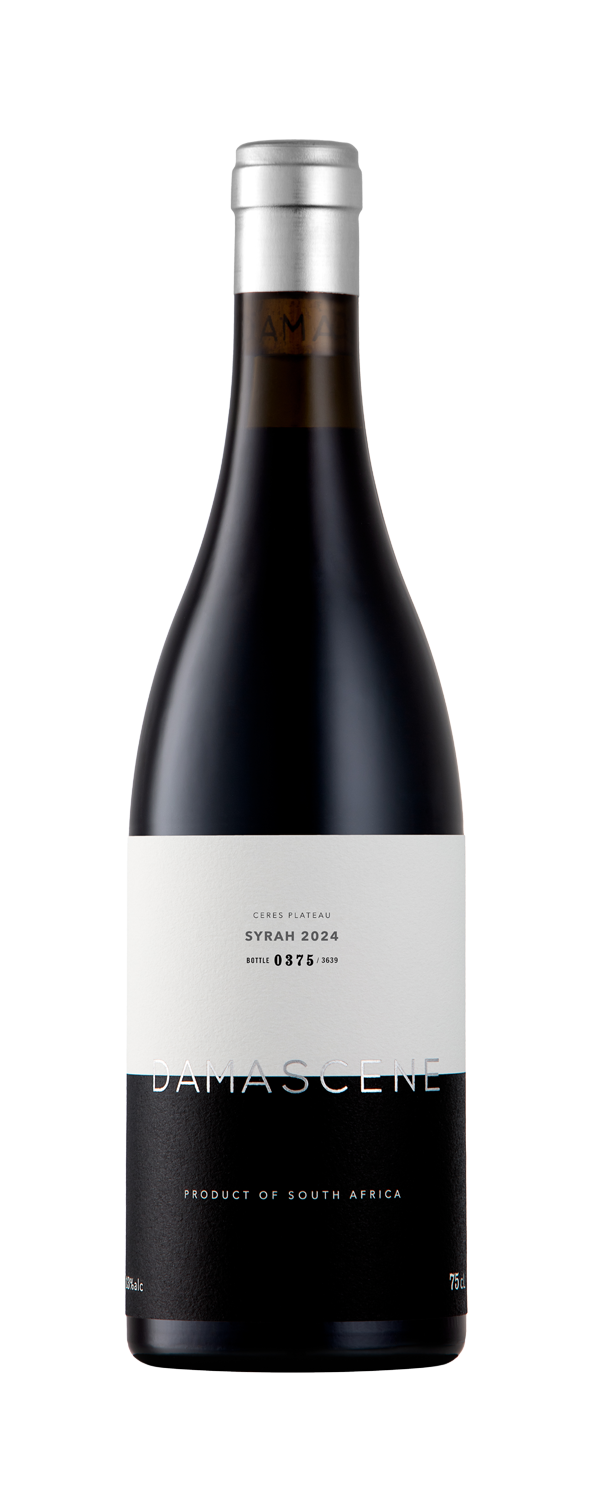
Damascene - Syrah Ceres Plateau 2022
A precise and fresh high-altitude South African Syrah that combines aromatic intensity with a fine texture.
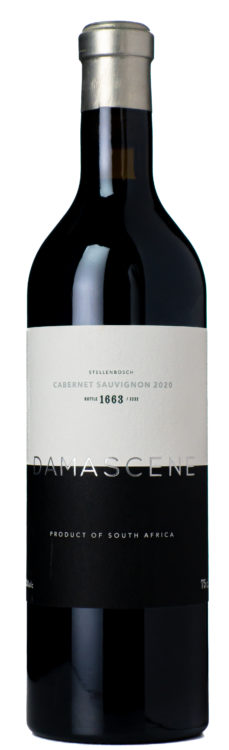
Damascene - Cabernet Sauvignon Stellenbosch 2021
A precise and elegant Stellenbosch Cabernet Sauvignon, where the freshness of the granite terroir meets the depth of the fruit.

Damascene - Semillon 2022
A precise and saline South African Semillon, where freshness meets the depth of the coastal terroir.
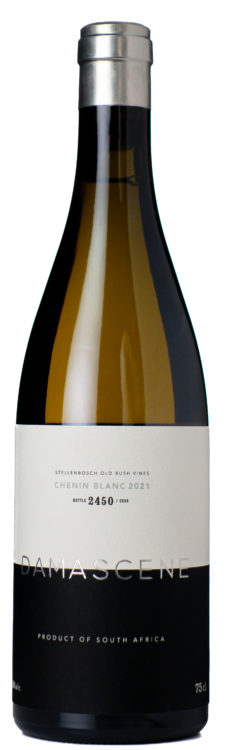
Damascene - Chenin Blanc Stellenbosch 2022
A precise and vibrant Chenin Blanc from Stellenbosch, where the richness of the fruit meets a saline freshness and a beautiful depth of terroir.
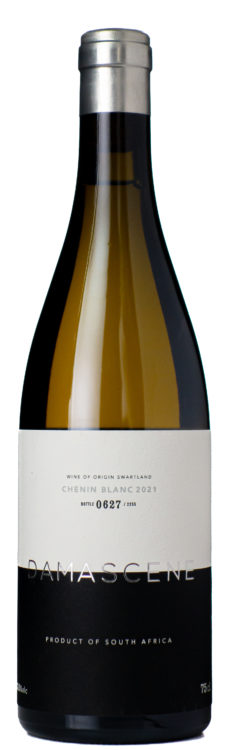
Damascene - Chenin Blanc Swartland 2022
A precise and saline Chenin Blanc from old vines in Swartland, where freshness meets remarkable depth.

Stark-Conde - The Field Blend 2023
A blend of Rhône and Portuguese grape varieties that combines freshness, texture and aromatic complexity.

Stark-Conde - Three Pines Syrah 2018
A high-altitude Syrah combining aromatic depth, freshness and elegance, emblematic of the Jonkershoek valley.
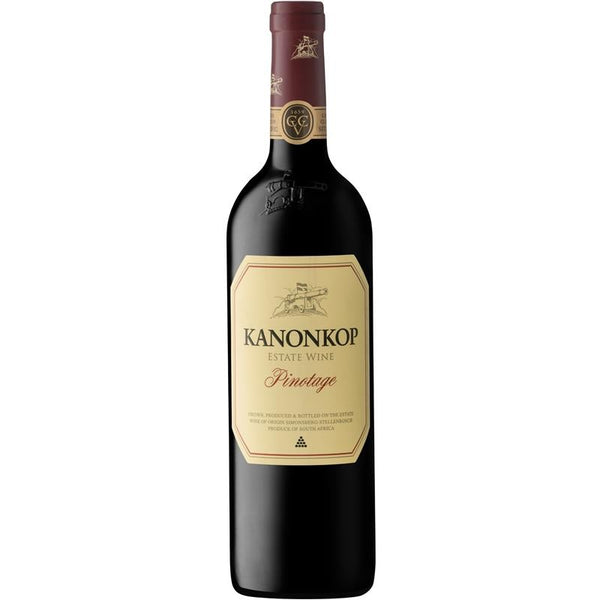
Kanonkop Wine Estate - Estate Cellar Release Pinotage 2015
A deep and structured Pinotage from Stellenbosch, combining aromatic intensity and elegant texture.

Kanonkop Wine Estate - Black Label Pinotage 2022
A powerful and precise Pinotage of the terroir, which intensely expresses the signature of Simonsberg.
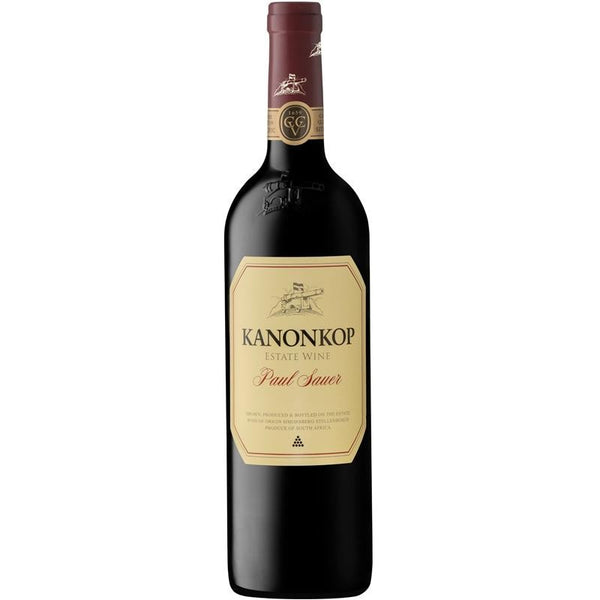
Kanonkop Wine Estate - Paul Sauer 2021
A great Bordeaux blend from Simonsberg, combining aromatic depth, precision and elegant texture.

Kanonkop Wine Estate - Estate Pinotage 2023
A deep and structured Pinotage that accurately expresses the personality of Simonsberg.

Colmant Cap Classique - Blanc de Blanc
A classic pure Chardonnay from Cap, combining maritime freshness, fine bubbles and elegant brioche complexity.

Colmant Cap Classique - Brut Reserve
A precise and elegant Cap Classique from Franschhoek, combining freshness, fine bubbles and aromatic complexity.

Bouchard Finlayson - Crocodile's Lair Chardonnay 2023
A South African chardonnay from a cool climate, precise and elegant, where the purity of the fruit meets the finesse of the wood.
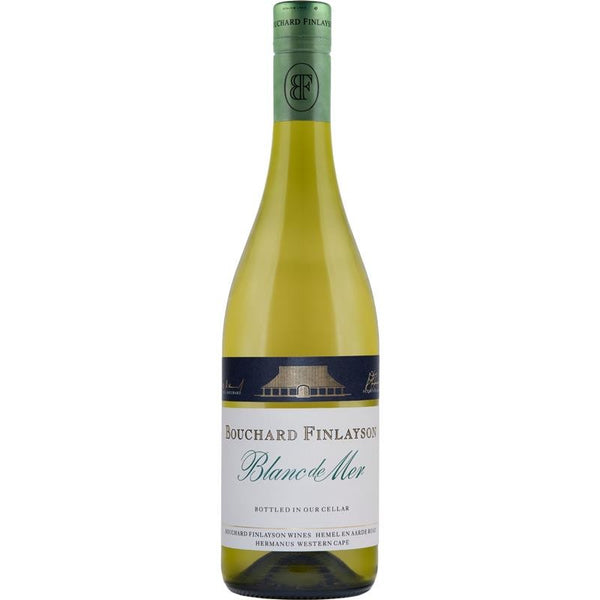
Bouchard Finlayson - Blanc de Mer 2024
A maritime and chiseled white wine, where oceanic freshness meets a generous and precise aromatic profile.
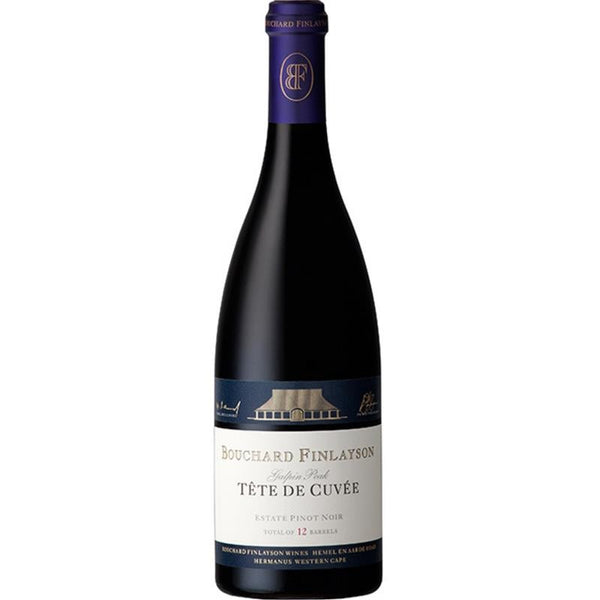
Bouchard Finlayson - Tete de Cuvée Pinot Noir 2021
A South African Pinot Noir from a cool climate, combining aromatic finesse, silky texture and great elegance on the palate.
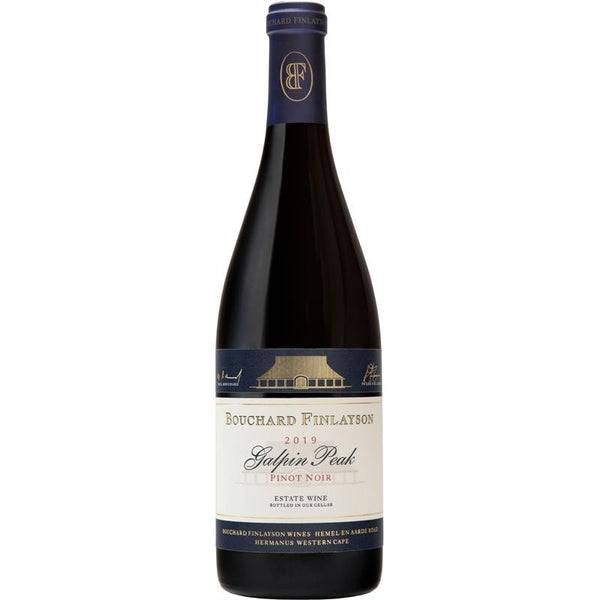
Bouchard Finlayson - Galpin Peak Pinot Noir 2021
A South African Pinot Noir from a cool climate, combining aromatic finesse, balance and depth of flavor.

Bouchard Finlayson - Missionvale Chardonnay 2022
A precise and elegant South African coastal Chardonnay, where maritime freshness meets the richness of controlled aging.

Beeslaar - Beeslaar Pinotage 2021
A deep and structured Pinotage that accurately reveals the elegance of Simonsberg-Stellenbosch.

Beaumont Family Wines - Jackal's River Pinotage 2021
A Pinotage from Bot River that is both precise and delicious, where maritime freshness meets a full and spicy texture.
Where to start
Each leads directly to its selection.
Cape Chenin Blanc
The most widely planted grape variety in the country, often on old, unirrigated vines. It ranges from bone-dry to sweet without ever losing its acidity.
The signature grape varietyPinotage, crossed locally
Born in 1925 from Pinot Noir and Cinsaut, it is not grown in quantity anywhere else. Long rustic, it is now made with far greater precision.
Exclusive to the countryThe old vines of the Swartland
Eben Sadie led the way in the late 1990s: dry farming, bush vines, granite and schist. Two emblematic blends and six single-plot wines.
The Sadie FamilyPinot Noirs from the ocean
In Hemel-en-Aarde, the Atlantic blows a few kilometres from the vines. This is where South African Pinot Noir comes into its own, at alcohol levels you would think were Burgundian.
Heaven and EarthConstantia, the founding vineyard
Planted in 1685 on the slopes of Table Mountain, it supplied 18th-century Europe with its most sought-after sweet wine. Grand Constance is still made there.
Since 1685Blends of plots
Chris and Suzaan Alheit seek out forgotten rows of Chenin from one end of the Western Cape to the other, then bring them together in a single wine.
Alheit VineyardsThe whites, where the Cape is strongest
Chenin, Chardonnay, Sauvignon and Sémillon. This is the colour that brought international critics back, and the cheapest to taste.
Nearly one bottle in twoStay under €20
The section starts at €9.50. This is the vineyard where the gap between what you pay and what you drink remains the widest in the whole cellar.
A quarter of the radius
Where vines grow in the Cape
The entire vineyard lies in the Western Cape, wedged between two oceans and a mountain range. Over a hundred and fifty kilometres, you go from a windy, cool climate to Mediterranean summers, and that explains the difference in style from one bottle to the next.
| Region | Estates in our cellar | King grape variety | What it means in the glass |
|---|---|---|---|
| Stellenbosch Behind Cape Town, at the foot of the Simonsberg | Kanonkop, Glenelly, Hartenberg, Stark-Conde, Jordan, Scions of Sinai | Cabernet Sauvignon | The historic and most classic heart of the country. Firm Bordeaux blends, upright Cabernets, old-vine Pinotages: these are the Cape's wines for ageing. |
| Swartland To the north, around Malmesbury and the Paardeberg | The Sadie Family, David & Nadia, A.A. Badenhorst, Porseleinberg | Chenin Blanc | Bush vines, grown without a drop of irrigation on granite and schist. Peppery reds without make-up, taut and saline Chenins. |
| Hemel-en-Aarde and Walker Bay To the south, a stone's throw from the Atlantic | Hamilton Russell, Creation, Bouchard Finlayson, Crystallum, Storm, Beaumont | Pinot Noir | Sea fog and clay soils give elegant Pinots and taut Chardonnays, at moderate alcohol levels. It is the coolest region in our cellar. |
| Constance On the slopes of Table Mountain | Groot Constantia, Buitenverwachting | Sauvignon Blanc | The oldest vineyard in the country, cooled by the south-easterly wind. Lively whites, and the sweet Muscat wine that made its name throughout Europe. |
| Paarl, Wellington and Franschhoek The hinterland, warmer and more sheltered | Diemersfontein, Joostenberg, Boekenhoutskloof, Wildeberg, Colmant | Syrah | Dry summers that give generous, fleshy reds. Franschhoek is also where our Cap Classique sparkling wines come from, made as in Champagne. |
| Elgin, Tulbagh and Piekenierskloof The cool pockets of the interior, up to a thousand metres | Paul Cluver, Rijk's, Lourens Family, Savage Wines | Cinsault | Here the freshness comes from the relief rather than the sea. Dry Rieslings, light Cinsaults to serve cool and peppery, low-alcohol Syrahs. |
The region appears on the label under the WO abbreviation, from the broadest to the most precise. The Producer filter at the top of the page remains the quickest way to find a particular house.
What the label says
Unlike European bottles, those from the Cape state the grape variety before the origin. It is the first thing to read, and the most reliable way to guess what is in the glass.
| Grape variety | What it looks like | Favourite regions | What you need to know | In the catalog |
|---|---|---|---|---|
| Chenin BlancSteen, on old labels | Quince, yellow apple, and an acidity that holds everything together | Swartland, Stellenbosch | South Africa grows more of it than France. Many of these plots are over thirty-five years old, which explains the concentration at such low prices. | 37 |
| Pinotage | Blackberry, plum and a smoky note | Stellenbosch, Wellington | Crossed in 1925 at Stellenbosch University from Pinot Noir and Cinsaut. The best come from bush vines planted in the 1950s. | 17 |
| SyrahShiraz on some labels | Pepper, black olive, black fruit without heaviness | Swartland, Paarl | Two schools coexist: the warm, jammy version from Wellington, and the Swartland one, peppery and low in alcohol, closer to the northern Rhône. | 21 |
| Chardonnay | Citrus, hazelnut, measured oak | Hemel-en-Aarde, Elgin | This is the white where the gap with Burgundy narrows most, for a fraction of the price. The best grow on clay soils close to the sea. | 20 |
| Pinot Noir | Cherry, forest floor, fine tannins | Hemel-en-Aarde, Elgin | The grape variety cannot stand heat: it only succeeds a few kilometres from the ocean or at altitude. That is why it remains rare and expensive. | 15 |
| Cabernet SauvignonOn its own or in a Bordeaux blend | Blackcurrant, cedar, firm tannins | Stellenbosch, Simonsberg | Blending with Merlot, Cabernet Franc and Petit Verdot is Stellenbosch's speciality. These are the bottles that age best in the country. | 8 |
| Cinsault | Strawberry, grenadine, very little tannin | Swartland, Piekenierskloof | The leading red grape variety in the 1960s, then grubbed up, and replanted over the past ten years. It gives light reds served at around fourteen degrees. | 6 |
Sémillon, Grenache, Mourvèdre and Muscat complete the list on a few bottles. One wine in twelve here is labelled organic.
At this level of quality, no vineyard costs so little
A bottle from the Cape costs two to three times less than a Burgundy or Bordeaux of comparable standing. That is not a sales pitch; it is what blind tasters have been finding for some fifteen years. It is also why this is the largest section in our cellar outside Europe.
We built the selection around independent houses rather than volume brands, and around some fifty estates rather than complete coverage of the country. The Swartland and Hemel-en-Aarde carry a lot of weight, Stellenbosch provides the wines for ageing, and we would rather own this imbalance than pad out the range.
Reading a South African label
WO, for Wine of Origin, guarantees the stated origin. The designation goes from general to precise: Western Cape, then the region, then the district such as Stellenbosch, then the ward.
Estate Wine means the grapes were grown and vinified on the property, with no outside purchases.
Cap Classique refers to sparkling wines made by second fermentation in the bottle, using the traditional method.
Old Vine Certified is a seal reserved for plots over thirty-five years old, with the planting year printed on it.
The Wine Wanderer Team
What people ask us about Cape wines
What are South Africa's great wines?
Four names come up time and again: Kanonkop's Paul Sauer and Black Label Pinotage in Stellenbosch, the Columella and Palladius from The Sadie Family in the Swartland, the Pinot Noir from Hamilton Russell in Hemel-en-Aarde, and the sweet wine of Constantia. These are the bottles where the country plays at world level, between €80 and €260 in our shop.
What is Pinotage?
A red grape variety created in 1925 at Stellenbosch University by Abraham Perold, by crossing Pinot Noir and Cinsaut. It is not grown in quantity anywhere else. Its reputation suffered from the industrial versions of the 1990s and their paint-like note; today's bottles, from old bush vines, are a different world.
Does a Cape Chenin resemble a Vouvray?
Same grape variety, two climates. The Cape gives riper wines, with quince and yellow fruit, and acidity that stays high thanks to the age of the vines and early harvests. The Loire plays more on green apple and tension. The best Swartland Chenins stand up to the comparison, often at half the price.
Why is the Swartland talked about so much?
Because a generation of winemakers changed how the country is understood there from the late 1990s. Eben Sadie first, then David & Nadia, Badenhorst and Porseleinberg: unirrigated bush vines, granite and schist, fermentations with no added yeast. The result is saline Chenins and peppery Syrahs, at much lower alcohol levels than you would expect from a warm region.
Which South African wine should I serve with a barbecue?
The braai is the national meal and Pinotage was made for it: its smoky note echoes that of the grilled meat. A Swartland Syrah works just as well, especially with lamb. For wood-fired fish or grilled vegetables, an old-vine Chenin holds up to the smoke better than a neutral white.
How much should I spend on a good South African wine?
The section starts at €9.50 and half the bottles stay under thirty-seven euros. Between €15 and €25 is probably the best value for pleasure in the whole cellar. Above seventy euros, you enter the world of Sadie, Kanonkop and Hamilton Russell, up to €264 for the Black Label.
Are Cape Pinot Noirs as good as Burgundy's?
In terms of finesse, the best get there, in Hemel-en-Aarde and Elgin, where sea air and altitude keep alcohol levels moderate. The difference lies mainly in the age of the vines and centuries of observing the plots. Yet at forty or fifty euros, a Crystallum offers what can no longer be found at that price in the Côte de Nuits.
What is Vin de Constance?
A sweet Muscat wine made in Constantia since the 18th century, from grapes dried on the vine and with no added alcohol. It was served at the French court, Jane Austen mentions it, and Napoleon had it sent to Saint Helena. Two estates in our cellar still make it, under the names Grand Constance and Vin de Constantia.
Do South African wines age well?
Stellenbosch Bordeaux blends and the great Pinotages easily keep for fifteen to twenty years. Almost all old-vine Chenins benefit from five years' wait, and the best go well beyond that. Conversely, entry-level whites and light Cinsaults are made to be drunk within two years.
What do WO, Estate and Old Vine mean on the label?
WO stands for Wine of Origin: the system introduced in 1973, which guarantees the stated origin, vintage and grape variety. Estate Wine indicates that the grapes come from the property and were vinified there. Old Vine Certified is a more recent seal, reserved for plots over thirty-five years old, with the planting year shown on the bottle.