
Sweet red wine: red wines that retain sugar
7 sweet red wines, from €38.00A sweet red retains sugar after fermentation, either because the grapes have dried on racks, or because fermentation has been stopped by adding alcohol. This is not a fruity red: here the sugar is real and measurable, not an aromatic impression.
This is by far our narrowest section, with only 7 cuvées. It includes three Italian wines, three Greek, and one South African, ranging from €38 to €140. This is a post-meal category, not a table wine category.

Sottimano - Maté Brachetto 2024
A bright, floral and fragrant wine.
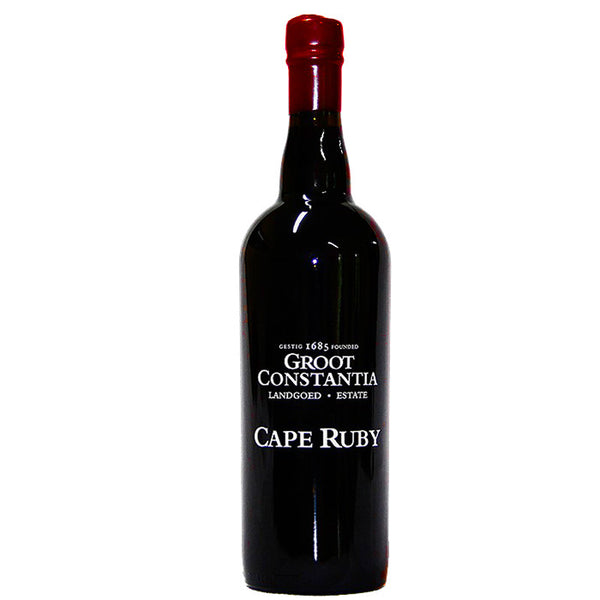
Groot Constantia - Cape Ruby 2021
A superb fortified wine from the Cape, made in the style of Vintage Port
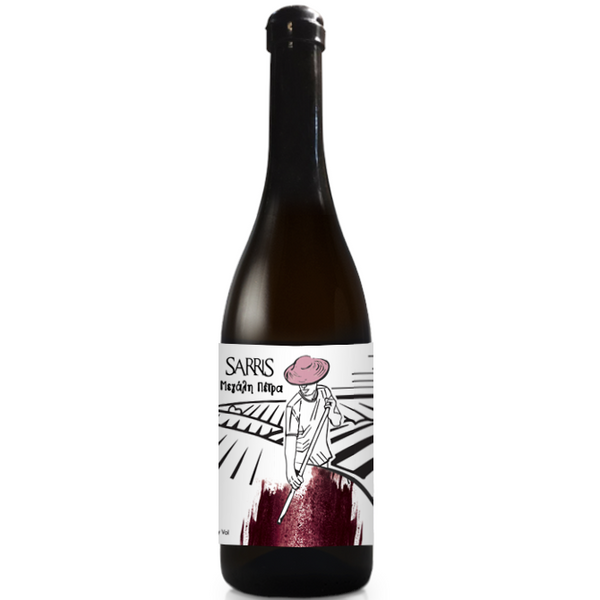
Panos Sarris - Megali Petra 2023
A magnificent expression of Mavrodaphne
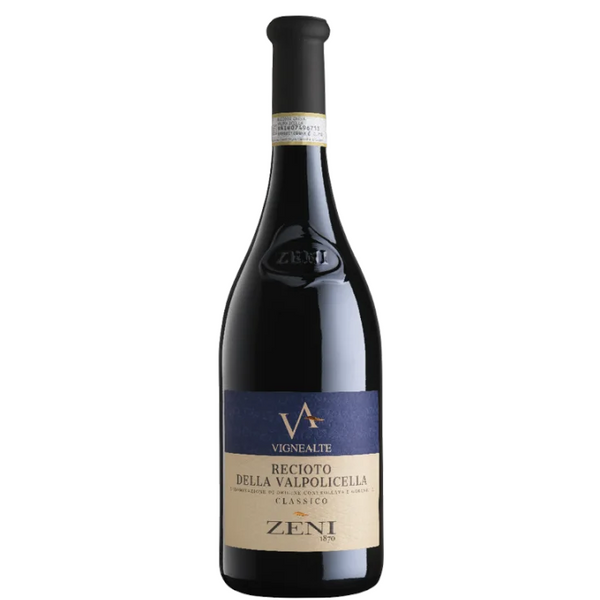
Zeni - Recioto della Valpolicella Classico "Vigne Alte" 2022
A Recioto della Valpolicella combining freshness and aromatic concentration
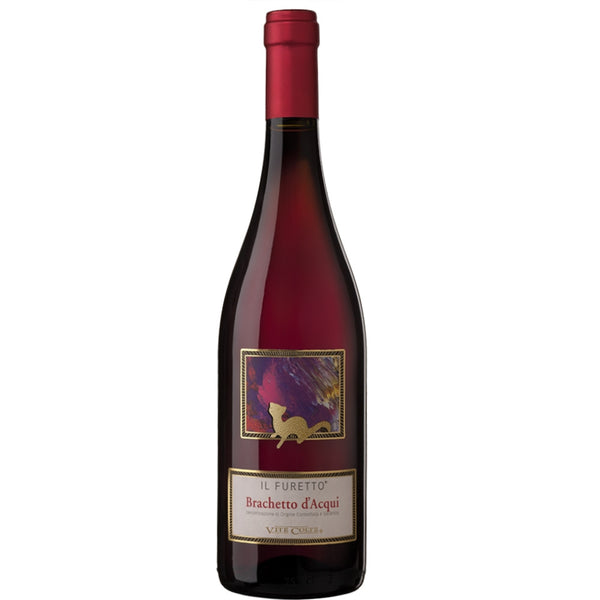
Vite Colte - Brachetto d'Acqui "Il Furetto"
Rouge, pétillant, doucement sucré, tout en fraise sauvage et pétales de violette.
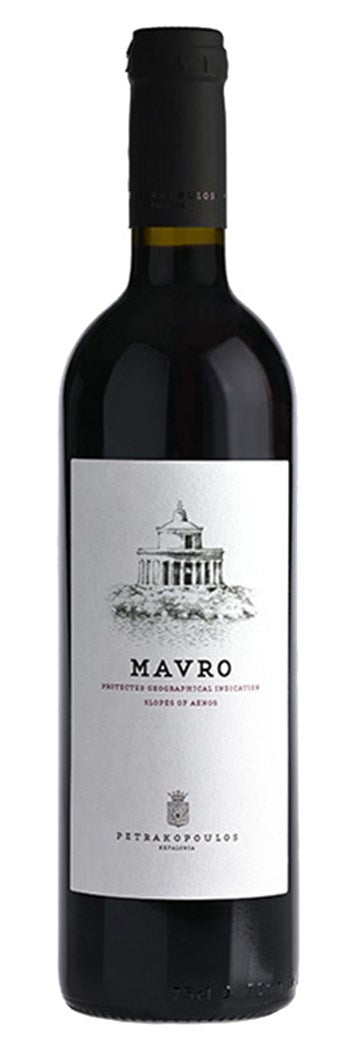
Petrakopoulos - Mavro 2021
An island red from Cephalonia that combines maritime freshness, ripe fruit and fine tannins.

Petrakopoulos - Mov 2019
A red from Cephalonia that combines Mediterranean depth, island freshness and elegant texture.
Three ways to make a soft red
The residual sugar is not obtained in the same way depending on the region, and the resulting taste is completely different.
| Method | What she gives | Where is it practiced | The time | At our place, starting from |
|---|---|---|---|---|
| Grape drying The grapes are dried on racks, and the sugar concentrates before fermentation. | Recioto della Valpolicella, Veneto | Candied black fruit, brandied cherry, a lingering acidity. | End of meal, dark chocolate | €55.00Zeni Recioto della Valpolicella |
| Alcohol fortification We stop the fermentation, the sugar remains and the alcohol content increases. | Constantia, South Africa | Plum, cocoa, a pronounced alcoholic warmth. | After dinner, alone or with a blue cheese | €38.00Groot Constantia Cape Ruby |
| Mildly effervescent Short fermentation, retained sugar, light fizz. | Brachetto d'Acqui, Piedmont | Rose, raspberry, very little alcohol. | Red berry dessert | €43.50Vite Colte Brachetto d'Acqui |
If you're looking for a red that's simply rich and not sweet, you should head to fruity reds: this is the most common confusion in this section.
Three bottles to get into the profile
The charts provide the theory. Here are three bottles available today, at three price points.
Admission price
Cape Port, fortified with spirit in the Constantia tradition. Plum, cocoa, a warm length.
Groot Constantia Cape Ruby · €38.00The lightest
Brachetto d'Acqui, slightly sparkling and low in alcohol. Rose and raspberry, with a red fruit dessert.
Vite Colte Brachetto d'Acqui · €43.50Large format
Recioto della Valpolicella, dried grapes. Cherry in brandy and an acidity that prevents heaviness.
Zeni Recioto della Valpolicella · €55.00
A department we assume to be small
Seven bottles is not many, and that's deliberate. Poorly made sweet red is heavy and flat: it needs an acidity that carries the sugar, otherwise the wine is cloying. Few regions succeed at this, and those that do sell it expensively because yields are low.
We prefer three well-represented methods over twenty interchangeable cuvées. If you're looking for a simply supple red without marked tannins, this is not the section for you.
The pitfall to avoid
Many customers ask for a "sweet red", meaning a red without tannins. These are two different things: sweetness and structure. Our article on sweet red wines without tannins disentangles the two.
The Wine Wanderer Team
What we're asked about soft red
Sweet red and fruity red, what's the difference?
Sweet reds actually contain unfermented sugar. Fruity reds are dry: it's the intensity of ripe fruit that gives an impression of sweetness. See fruity reds.
Why so few bottles?
Because successful sweet red is rare. It requires an acidity capable of carrying the sugar, otherwise the wine is heavy. We prefer seven accurate cuvées to twenty approximate ones.
When should I serve it?
At the end of a meal, with a chocolate or red berry dessert, or on its own after dinner. It is not a table wine.
At what temperature?
Between 12 and 14 °C, cooler than a dry red. Served warm, the sugar dominates and the wine appears syrupy.
I'm looking for a red wine without tannins, is this the place?
Not necessarily. Tannin-free doesn't mean sweet. Instead, check out light-bodied reds, where the structure is subtle but the wine remains dry.