
Italian Wine: From Piedmont to Sicily
271 bottles, from €8.60No other country boasts as many indigenous grape varieties, nor as many appellations that are unique. It is also, by far, the most represented vineyard in our country.
A Nebbiolo from the Langhe, a Sangiovese from Montalcino, and a Nerello from the slopes of Etna are nothing alike, even though they are all red and all Italian. The regional chart tells you what to drink where, and how it tastes in the glass.

Francesco Clerico - Langhe Nebbiolo 2021

Francesco Clerico - Barolo Bussia 2019
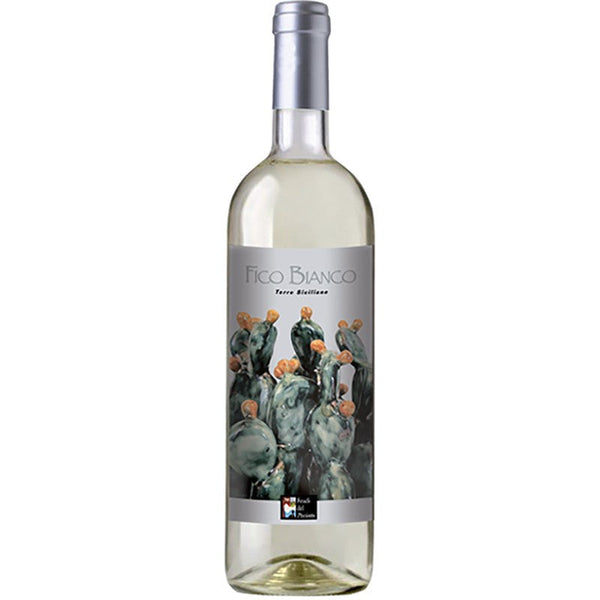
Feudi Del Pisciotto - Fico Bianco 2022


Elena Walch - Pinot Noir Ludwig 2023

Elena Walch - Pinot Noir Aton 2018

Elena Walch - Pinot Grigio Castel Ringberg 2023

Elena Walch - Merlot Riserva Kastelaz 2019

Elena Walch - Lagrein 2025

Elena Walch - MMXVI fair 2021

Elena Walch - Kalterersee Classico Superiore Per Sé 2023

Elena Walch - Gewürztraminer 2024

Ceretto - Barolo Prapò 2020
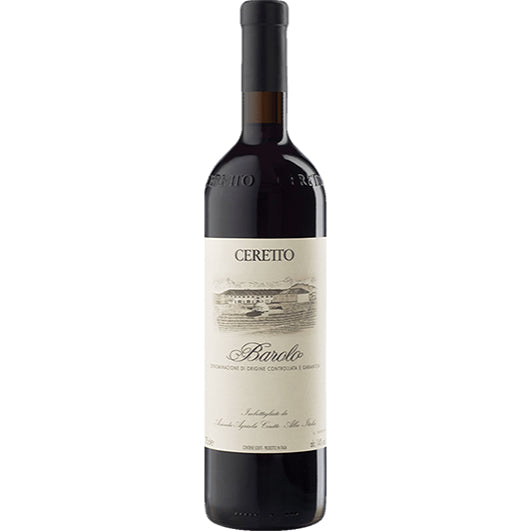
Ceretto - Barolo 2020

Ceretto - Barbaresco Asili 2019
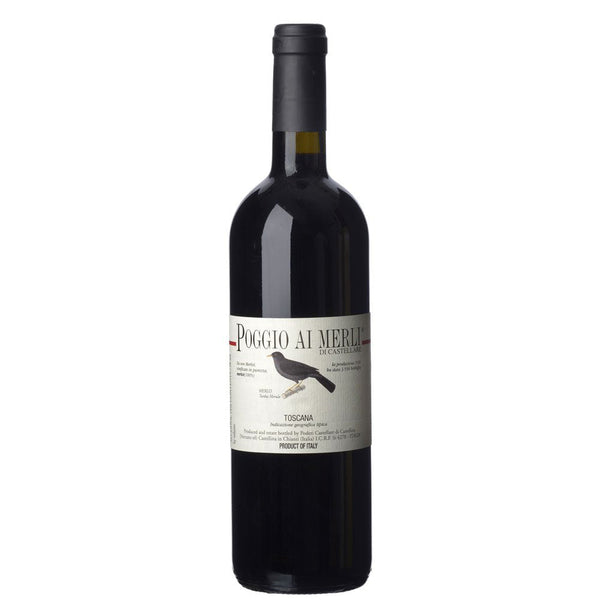
Castellare Di Castellina - Poggio Ai Merli Merlot 2019
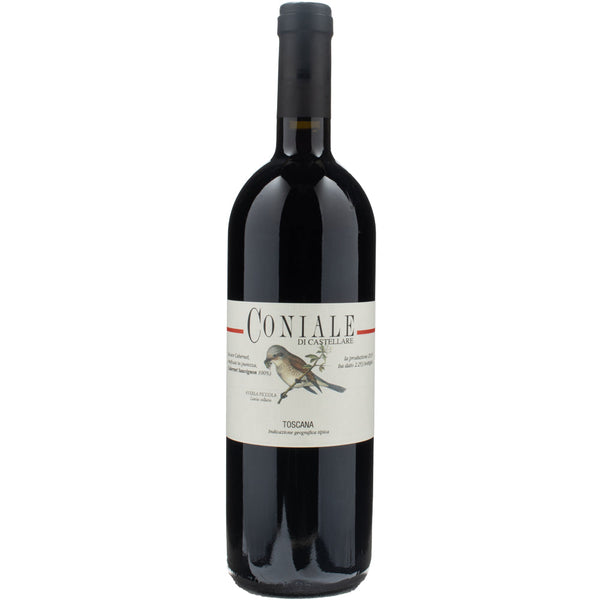
Castellare Di Castellina - Coniale Cabernet Sauvignon 2020
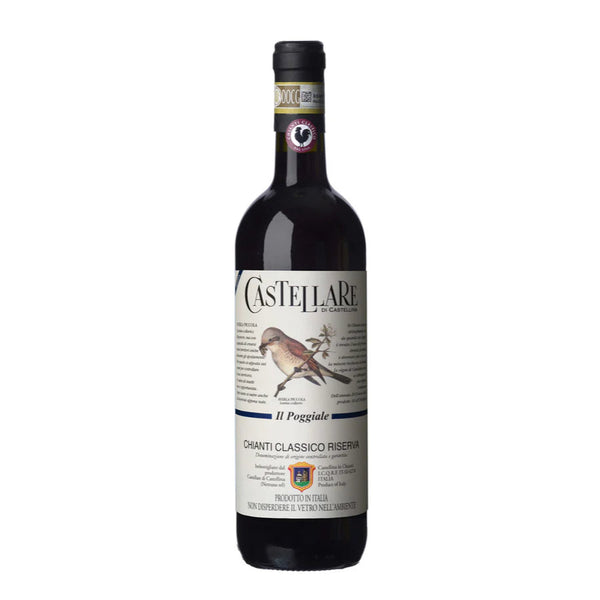
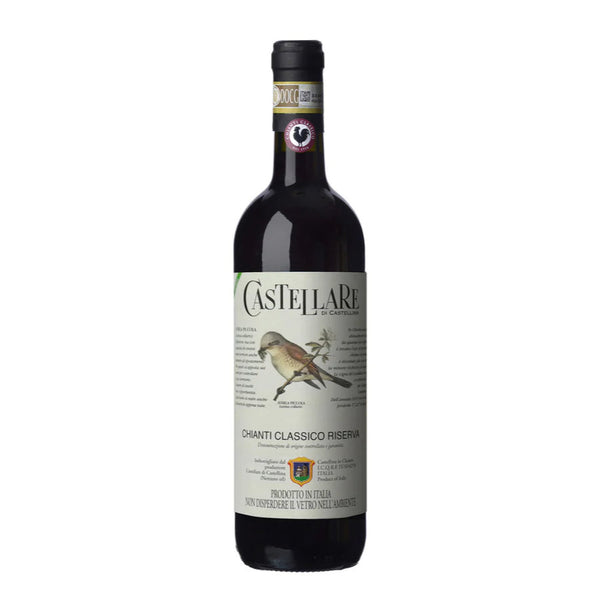
Castellare Di Castellina - Chianti Classico Riserva 2021
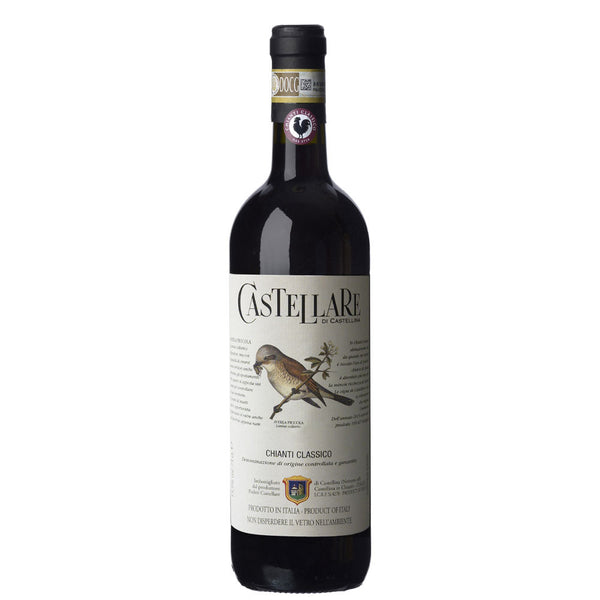
Castellare Di Castellina - Chianti Classico 2022
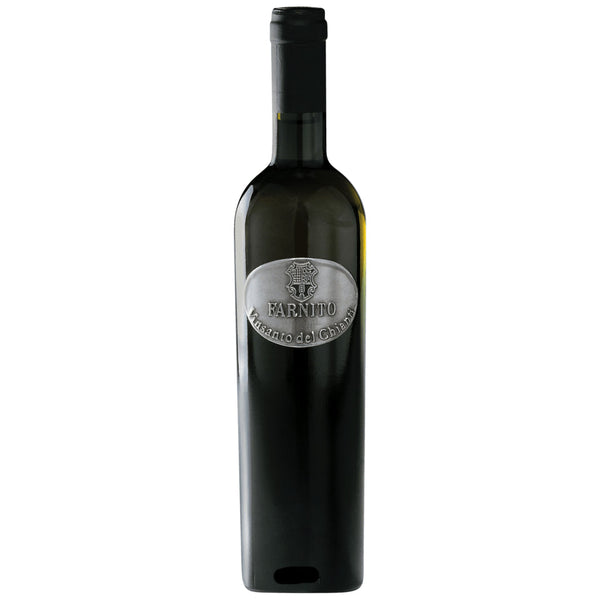
Carpineto - Farnito Vin Santo
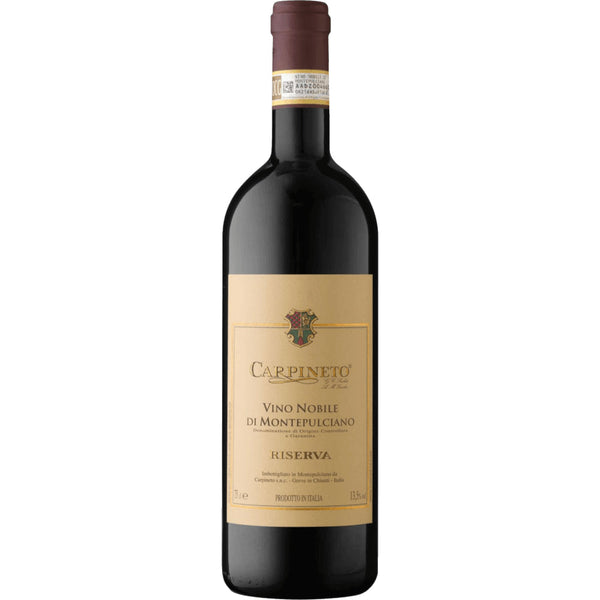
Carpineto - Vino Nobile Di Montepulciano Riserva 2018
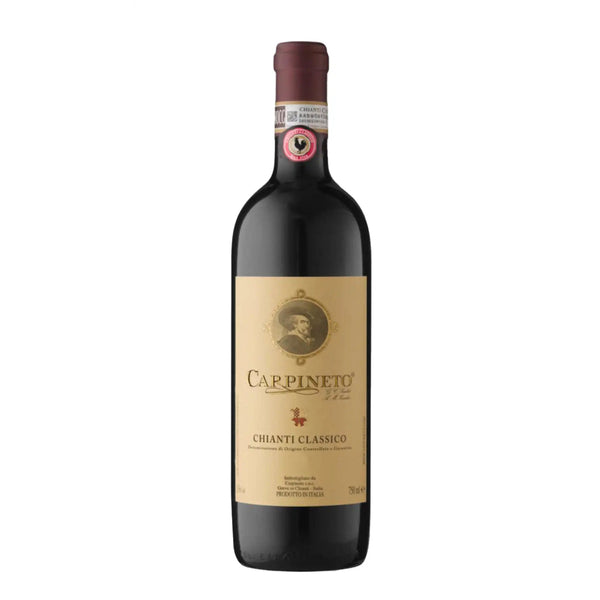
Carpineto - Chianti Classico Riserva 2020
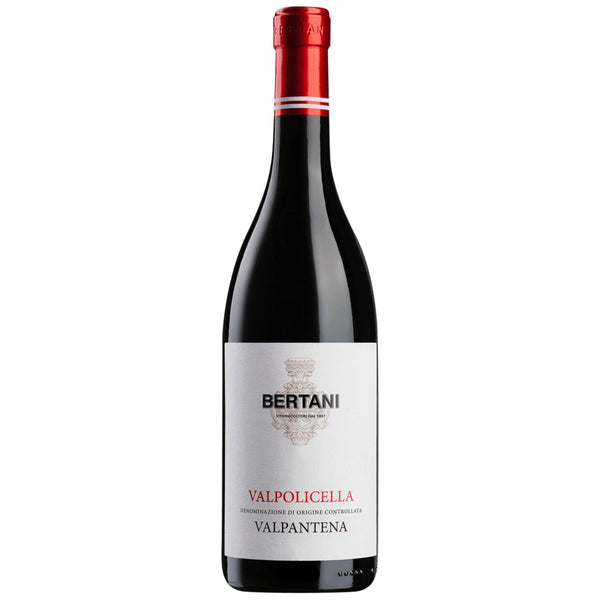
Bertani - Valpolicella Valpantena 2023
Where to start
Each leads directly to its selection.
Nebbiolo from the Langhe
Barolo, Barbaresco, Roero, and Langhe. The most demanding grape variety in the country, and the most well-stocked in our cellar.
The great cellar-worthy redsTuscan Sangiovese
Chianti, Brunello di Montalcino, Nobile di Montepulciano. Sour cherry and firm tannins, made for the table.
TuscanyEtna wines
On an active volcano, up to nine hundred meters, nerello yields light, mineral reds that are often mistaken for Burgundies.
EtnaThe reds of the heel
Primitivo di Manduria and Salice Salentino: candied black fruit, mellow tannins, generous alcohol content. The best value for money in the country.
ApuliaThe Sparkling Wines of Veneto
Valdobbiadene and Asolo Prosecco, Charmat method. Direct fruit, light bubbles, ready to serve without a second thought.
ProseccoChianti: From Everyday to Grand Cru
Four mentions on the same label, and a twenty-fold price difference between the everyday bottle and the Gran Selezione.
TuscanyAmarone and its dried grapes
Three months on racks before pressing: the power comes from that, not the sugar. The country's most concentrated dry wine.
VenetoStay under €20
Prices start at €8.60. It is in the South, in Sicily and Puglia, that the gap between price and pleasure is widest.
A quarter of the radius
Six regions, six ways to make red wine
An Italian label indicates an appellation, never a grape variety. Knowing what is planted where is therefore the only way to guess what's in the bottle.
| Region | Appellations in the cellar | King grape variety | What it looks like in the glass |
|---|---|---|---|
| PiedmontNorth-west, at the foot of the Alps | Barolo, Barbaresco, Langhe, Roero, Gavi, Barbera d'Alba, Moscato d'Asti | Nebbiolo | Massive tannins under a pale color, with aromas of rose and tar. These are wines that require and reward cellaring. |
| VenetoNortheast, around Verona | Amarone, Valpolicella, Ripasso, Recioto, Soave, Prosecco | Corvina | The widest power gap in the country: from eleven-degree Prosecco to sixteen-degree Amarone made from dried grapes. |
| TuscanyCenter, Siena and Florence Hills | Chianti, Brunello di Montalcino, Nobile di Montepulciano, Bolgheri | Sangiovese | Sour cherry, firm tannins, an acidity that calls for food. It's the Italian table wine par excellence, and it ages beautifully. |
| SicilyThe island, and the slopes of Etna | Etna Rosso, Etna Bianco, Nero d'Avola | Nerello Mascalese | The altitude and volcanic ash yield pale, taut, and smoky reds, which many mistake for Burgundies in blind tastings. |
| ApuliaThe heel of the boot | Primitivo di Manduria, Salice Salentino, Negroamaro | Primitivo | Candied dark fruit, mellow tannins, high alcohol, and a low price. This is where you get the most bang for your buck. |
| Campania and Basilicata South continental, volcanic soils | Taurasi, Aglianico del Vulture | Aglianico | The austere side of the South: tight tannins, smoky notes, vibrant acidity despite the heat. It is sometimes called the nebbiolo of the South. |
Piedmont and Veneto carry the most weight for us; this is a deliberate choice rather than an attempt to cover the entire country.
Which bottle for which table
Italian cuisine is acidic and salty before being rich. This explains why its wines are so vibrant: they were made for it.
| The dish | What's needed in response | Denominations | Why it works |
|---|---|---|---|
| Pizza, tomato and mozzarella | A bright, unwooded red | Chianti, Valpolicella | The acidity of the tomato overwhelms soft wines. You need a wine at least as acidic to stand up to it. |
| Lasagna, ragù, slow-cooked meats | A fleshy, structured red | Primitivo, Nobile di Montepulciano | A slow-simmered sauce is rich in fat and sugar: it requires substance to stand up to it, not subtlety. |
| Truffle, game, red meat | A great red for cellaring | Barolo, Barbaresco, Taurasi | Nebbiolo and white truffle come from the same corner of Piedmont, and the pairing has been cultivated there for centuries. |
| Risotto, grilled fish | A dry and taut white | Soave, Gavi, Etna Bianco | The richness of butter and Parmesan needs acidity so that it doesn't overwhelm the palate after just three bites. |
| Charcuterie, antipasti | A light red or a sparkling | Dolcetto, Barbera, Prosecco | Salt and fat call for freshness. A powerful wine would overshadow appetizers that are already very flavorful. |
| Aged Parmesan, Pecorino | A concentrated red, or a wine made from raisined grapes | Amarone, Recioto | A very mature cheese overwhelms average wines. Amarone has the concentration and candied fruit needed to stand up to it. |
| Panna cotta, fruit tart | A little tipsy | Moscato d'Asti, Brachetto d'Acqui | Seven degrees of alcohol and a natural sugar: the dessert remains the focus, the wine accompanies it without overpowering it. |
The pairings for each bottle are listed on its product page, and the food pairing filter includes them in the grid.
We put the money into the nebbiolo, and it shows
Among our Italian wines, nearly one in six is a Nebbiolo. This imbalance is intentional: it is the grape variety that interests us the most, one where a difference of two hundred meters in altitude or two years of aging changes everything, and where we know the winemakers best.
The same logic explains the prominence of Veneto, with Quintarelli in Valpolicella, and Sicily, ever since Etna became a serious terroir again. Elsewhere, we are lighter, and we prefer to acknowledge that than to fill space with bulk references.
Reading an Italian label
DOCG is the most restrictive level, followed by DOC. IGT is more flexible, and covers everything from ordinary wine to the best Tuscan wines.
Riserva requires longer aging than the basic appellation, often one or two years more.
Classico refers to the historical heart of a region, the area delimited before successive expansions.
The Baroudeur du Vin Team
What we're asked about transalpine wines
What are the great Italian wines?
Four names are widely recognized: Barolo and Barbaresco in Piedmont, both made from Nebbiolo, Brunello di Montalcino in Tuscany, and Amarone della Valpolicella in Veneto. These are the appellations where Italy competes with the world's greatest wines, and where prices reflect that.
Barolo or Barbaresco, what's the difference?
The same grape, Nebbiolo, from two neighboring communes in the Langhe. Barbaresco grows closer to the river, ripens earlier, and ages two years before being sold; it is more supple and opens up faster. Barolo waits three years, on more varied soils, and produces more massive wines that often require a decade.
What is Amarone?
A red wine from Veneto made with dried grapes: the bunches are left to dry for three to four months on racks before being pressed. The water evaporates, the sugar concentrates, and the finished wine often boasts fifteen to sixteen degrees of alcohol. The result is a very rich wine, with notes of candied cherry and cocoa, which is best enjoyed at the end of a meal rather than with food.
Chianti and Brunello, what's the difference?
Both come from Tuscany and are based on Sangiovese. Chianti can blend it with other grape varieties and is drunk young. Brunello di Montalcino only allows pure Sangiovese, ages for five years before release, and costs three to five times more.
Which Italian wine to serve with pizza or tomato-based pasta?
A bright red, low-oak wine: Chianti, Valpolicella or Barbera. Tomatoes are very acidic and make any less acidic wine seem flabby. This is also why a great Barolo pairs poorly with pizza: it's too tannic for a dish that primarily requires freshness.
What's a good budget for Italian wine?
The selection starts at €8.60, and half the bottles are under €35. Between €15 and €25, Sicily and Puglia offer the best value for money. Beyond €60, you enter the realm of renowned Barolo, Barbaresco, and Brunello estates, up to over a thousand euros for Quintarelli Amarone.
What are Etna wines like?
These are among the most interesting reds in the country today. The vines grow between four hundred and one thousand meters on volcanic ash, often ungrafted, and the Nerello Mascalese grape produces pale, taut, and smoky wines. Many tasters confuse them with Burgundies in blind tastings.
Are there any good Italian white wines?
Yes, and they are largely underestimated. Veneto Soave, made from Garganega, ages remarkably well; Piedmontese Gavi, made from Cortese, is a seafood white; Etna Bianco, made from Carricante, plays on mineral tension. Our department has about fifty of them, representing a fifth of the Italian offering.
Which Italian wines age the best?
First, Barolo and Barbaresco, which often need ten years to open up and can last thirty. Brunello di Montalcino and Amarone follow, lasting fifteen to twenty years. Conversely, a Prosecco, Moscato d'Asti, or a simple Valpolicella should be drunk within two years: their appeal lies in their fruit, which fades over time.
What do DOCG, DOC, and IGT mean?
These are the appellation levels. DOCG is the most restrictive, DOC comes just after, and IGT allows the most freedom to the winemaker. Be careful not to jump to conclusions: some of Tuscany's most expensive wines are simply classified as IGT, because their producers wanted to use grape varieties that the appellation prohibited.