
Pinot Gris: the same grape, two styles of wine
6 bottles, from delle Venezie Grigio to South Tyrol Pinot GrisTwo labels, two wines, and yet a single grape: that is the knot at the heart of this section. Picked early and vinified in stainless-steel tank, it gives the Italian pinot grigio, light, lemony, made for the aperitif and seafood starters. Picked ripe in Alsace or in Germany, it gives a broad, almost rich white, able to stand up to a dish in sauce.
Between the two, the mountain vineyards of Alto Adige and Friuli trace a third way: the freshness of the north with the density of a gastronomic wine.
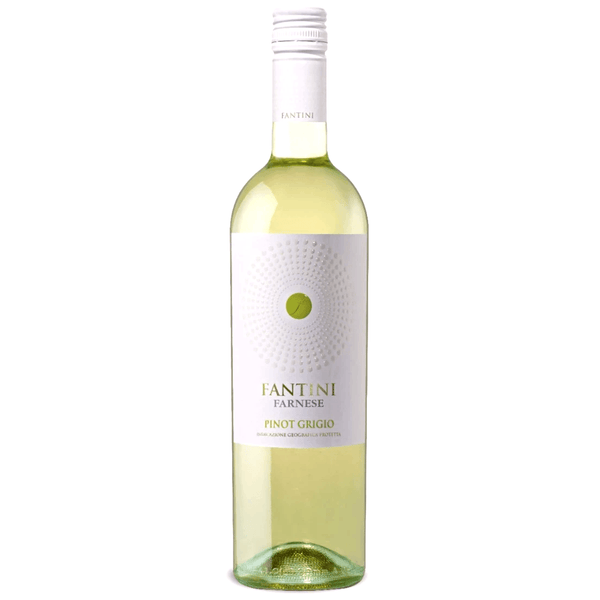
Fantini - Pinot Grigio 2023
A fresh and delicious Pinot Grigio that will delight your aperitifs!
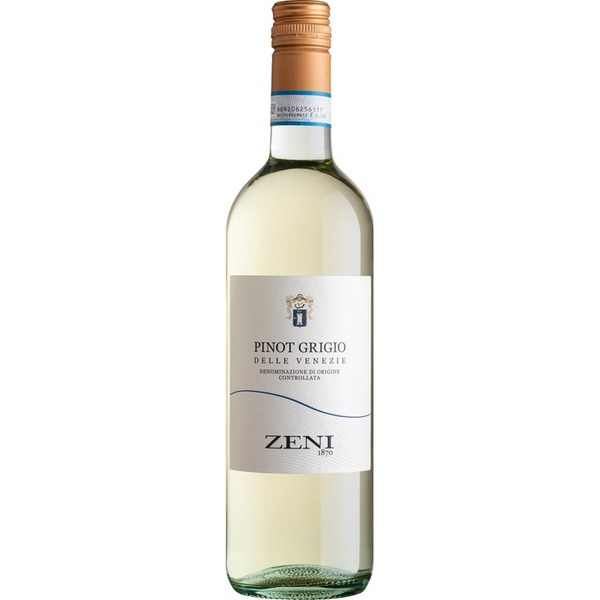
Zeni - Pinot Grigio delle Venezie 2024
A fresh and mineral Pinot Grigio

Elena Walch - Pinot Grigio Castel Ringberg 2023
Pear, apple and white flowers, a Pinot Grigio tightened by its Alpine minerality.
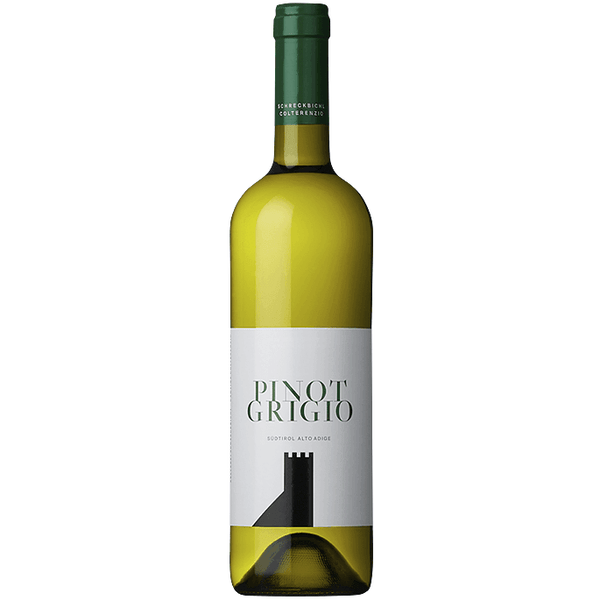
Colterenzio - Classic Pinot Grigio 2018
A Pinot Gris from the far north of Italy, round, fresh and elegant!
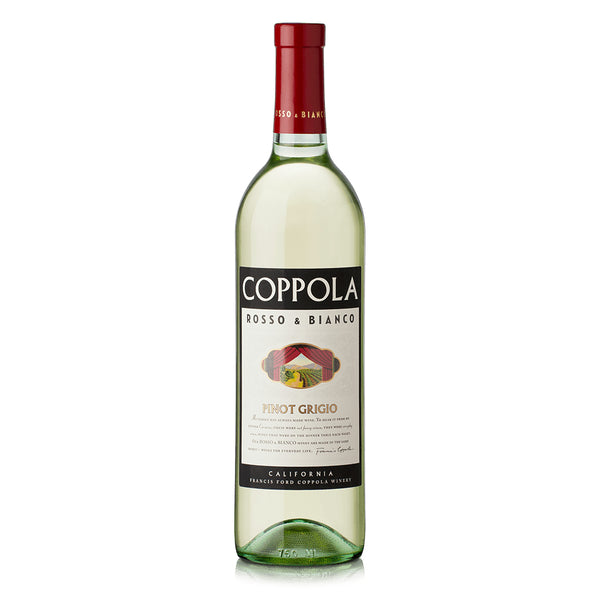
Francis Ford Coppola - Rosso & Bianco Pinot Grigio 2018
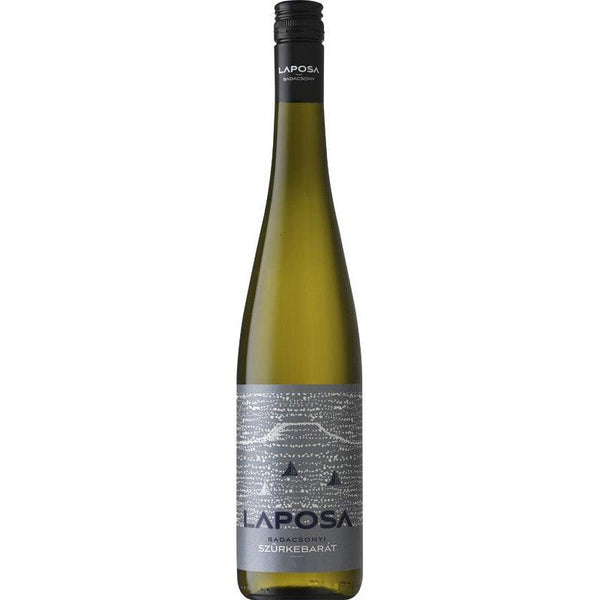
Laposa - Szurkebarat 2018
A wine full of freshness from the surroundings of the Hungarian Lake Balaton
The styles of the grape variety around the world
The same plant travels from Friuli to the Mosel and changes face according to the latitude, the altitude and the moment of picking. The name on the label already gives a good idea of the wine waiting for you.
| Country and region | The name on the label | The style in the glass | A reference in our range |
|---|---|---|---|
| Veneto and delle VenezieItaly, the plain between the Alps and the Adriatic | Pinot grigio | Pale colour, lemon, green pear, light palate and clean finish | Zeni Pinot Grigio delle Venezie€10.90 per bottle, sold individually |
| Alto Adige and South TyrolItaly, Alpine slopes up to six hundred metres | Pinot grigio | Ripe pear, white flowers, dense substance and mineral backbone | Elena Walch Castel Ringberg€34.50 per bottle, sold individually |
| Friuli, Collio and IsonzoItaly, marly hills near the Adriatic | Pinot grigio, ramato when macerated | Almond, citrus zest, broad texture, sometimes a coppery colour | Italian winesThe country's section |
| Abruzzo and central ItalyItaly, hills facing the Adriatic | Pinot grigio | Peach, grapefruit, indulgent roundness, supple palate | Fantini Pinot Grigio€9.45 per bottle, sold individually |
| AlsaceFrance, plain sheltered by the Vosges | Pinot Gris | Quince, honey, smoke, ample substance, sometimes a touch of residual sugar | French winesThe country's section |
| Baden and the PfalzGermany, slopes of the Rhine Valley | Grauburgunder, Ruländer when it stays sweet | Pear, hazelnut, full palate, restrained acidity | German winesThe country's section |
| Styria and BurgenlandAustria, cool slopes of the south-east | Grauburgunder | Yellow apple, fresh herbs, a saline, straight finish | Austrian winesThe country's section |
| Marlborough and Central OtagoNew Zealand, islands open to the ocean | Pinot gris, often off-dry | Nashi pear, sweet spice, unctuous texture | New Zealand winesThe country's section |
Italy carries the bulk of this section: the Veneto for the lively style of the plain, the rest of the Italian wines for the mountain versions. The rich side of the grape variety is found among the French wines and the German wines.
Serving temperature and pairings by style
The livelier the bottle, the more it likes the cold. The broader it is, the more it asks for a few degrees more to deliver its aromas. That is the only setting to remember with this grape variety.
| The style of the bottle | Temperature | The dish that answers it |
|---|---|---|
| Lowland Grigio, as an aperitif | Eight to nine degrees | Breadsticks, green olives, taramasalata, vegetable crisps, hummus |
| Lowland Grigio, seafood starters | Nine to ten degrees | Oysters, brown shrimp, sea bream carpaccio, ceviche |
| Mountain Grigio from South Tyrol | Ten to eleven degrees | Roast cod, sole meunière, asparagus risotto |
| Mountain Grigio, vegetable dishes | Ten degrees | Burrata, grilled courgettes, herb tart, pesto |
| Dry Alsace Pinot Gris | Eleven to twelve degrees | Chicken in cream, veal with mushrooms, choucroute |
| German Grauburgunder | Eleven degrees | Roast salmon, pork with apples, celeriac gratin |
| Off-dry or sweet version | Ten degrees | Vegetable curry with coconut milk, foie gras, Munster |
| Macerated version, coppery colour | 12 to 13 °C | Dry-cured charcuterie, chicken tagine, saffron dishes |
Serve the Fantini Pinot Grigio, at €9.45 per bottle, at around nine degrees with an aperitif platter, and let Elena Walch's Castel Ringberg, at €34.50 per bottle, rise to eleven degrees with roast fish. The sweet side of the grape can be found in the sweet wine section.
A bottle for every mood
From the aperitif staple under ten euros to the slopes of South Tyrol.
Setting the benchmark for under ten euros
Abruzzo, fermentation in stainless-steel tank then a few months on fine lees. Peach, grapefruit and lime, a round palate that goes straight to the aperitif.
Fantini Pinot Grigio 2023 · €9.45 per bottle, sold individuallyStocking up for the sunny days
Limestone soils of the Veneto, hand harvesting, first pressing fermented in stainless-steel tank. The quintessential lively, mineral Grigio, also available in a pack of three.
Zeni Pinot Grigio delle Venezie 2024 · €10.90 per bottle, or €10.35 per bottle in a pack of threeTaste the Alpine version of the grape
Castel Ringberg vineyard, in the south of South Tyrol, harvested at full ripeness. Pear, apple and white flowers, tautened by a mountain minerality.
Elena Walch Pinot Grigio Castel Ringberg 2023 · €34.50 per bottle, sold individuallyExplore the cradle of Grigio
The plain between the Alps and the Adriatic, home of the lively, lemony style. The logical starting point for grasping the Italian version of this grape.
The Veneto sectionHeading up to the northern slopes
Alto Adige, Trentino and Friuli give whites far denser than those of the plain. The full Italian section, from Alpine whites to the reds of Piedmont.
The Italy sectionDiscover Grauburgunder
Germany makes this grape dry on the slopes of the Rhine. Broad material, discreet hazelnut, a bottle cut out for dishes in sauce.
The Germany sectionMove on to the most fragrant neighbour
Another pink-skinned grape, another aromatic register: rose, lychee and sweet spices. The natural companion to Pinot Gris on an Alsace table.
The grape variety pageLook for the sweet side
Vendanges tardives and sélections de grains nobles show what this grape gives when it stays on the vine for a long time. Candied quince, honey, dried apricot.
The sweet wines section
Why a grey grape gives such different wines
Everything is decided in the vineyard, then at the press. In the Veneto, picking starts early, while the acidity is still high and the alcohol modest: direct pressing, fermentation in stainless-steel tank, early bottling. The wine comes out pale and taut, on lemon and green pear. In Alsace and in Baden, the bunches wait several weeks longer. The sugar rises, the skin gives up its aromas of quince, honey and smoke, and the ageing readily goes through a large oak vat (foudre). The palate thickens, the alcohol climbs, and a little residual sugar sometimes rounds off the finish.
The skin of the grape, greyish pink rather than green, opens a third path: left in contact with the juice for a few days, it tints the wine copper, the colour of onion skin. That is the line taken by the ramato of Friuli, forerunners of the orange wines.
How do you choose
We taste every cuvée before listing it, and two things matter on this grape variety. First, how the acidity holds: a flabby grigio soon falls into sugary water, and we leave it aside. Then the precision of the fruit, pear, green apple, fresh citrus, rather than a candied roundness. On the Alsace and German versions, we look at the balance between the richness and a finish that has to stay clean.
The Wine Wanderer Team
What we are asked about Pinot Gris
Pinot gris and pinot grigio, are they the same grape variety?
Same grape, two traditions. Italy writes pinot grigio, France pinot gris, and Germany speaks of grauburgunder for the dry version and ruländer for the sweet one. Austria and Switzerland also use grauburgunder, Hungary says szürkebarát, Slovenia sivi pinot. In Burgundy, the old texts name it pinot beurot, and the Loire Valley knew it as malvoisie.
What distinguishes an Italian Grigio from an Alsace Gris in taste?
The harvest date is everything. Lowland Grigio is picked early: pale colour, a nose of lemon and green pear, light palate, clean finish, modest alcohol. Alsace Gris waits for full ripeness: golden colour, notes of quince, honey and smoke, broad substance, sometimes a touch of residual sugar that rounds out the finish.
Why are some bottles sold in packs or by the case?
Estates readily ship their cuvées in full cases, and keeping that format lets us hold the price as tight as possible. The price shown is still the price of one bottle, with the sales format right next to it. The Zeni Pinot Grigio delle Venezie can be bought singly at €10.90, or at €10.35 a bottle in packs of three.
Why do some Pinot Gris have a coppery colour?
The skin of this grape tends towards greyish pink, almost mauve, which visually brings it close to a red variety. Left in contact with the juice for a few days, it releases its pigments and gives a coppery wine, the colour of onion skin. Friuli calls these bottles ramato; today they sit in the family of orange wines, macerated on their skins.
Does this grape variety give dry or sweet wines?
Both registers exist. Italy vinifies it dry in almost every case, and Germany does the same under the name grauburgunder. Alsace often leaves a few grams of sugar, sometimes a great deal on the vendanges tardives and the sélections de grains nobles. Taste a dry version first to grasp the grape, then move on to the sweet wines section.
At what temperature should it be served?
Allow 8–9 °C for an aperitif grigio: the cold tightens the citrus and makes the palate lively. Go up to 10 or 11 °C for a mountain grigio, whose material needs a little warmth to open. The Alsace and German versions, broader, are at their best at around 11–12 °C.
How long does a bottle last?
A grigio from the plain is drunk within its first two years, while the fruit is still crunchy. The mountain cuvées, such as Elena Walch's Castel Ringberg, hold one to five years and gain in roundness. The rich Alsace pinots gris readily run beyond a decade and turn towards candied quince. A cool, dark cellar is all it takes.
Which dishes suit it best?
The lively register calls for the sea: oysters, brown shrimp, sea bream carpaccio, fried fish, ceviche. The mountain register stands up to a roast fish, an asparagus risotto, a burrata. The rich versions from Alsace and Baden go with poultry in cream, veal with mushrooms, a choucroute, and work wonders on a Munster or a long-aged Comté.
Which bottle should I start with?
Start with a grigio from the plain at around ten euros to set the aperitif benchmark, then a high-altitude grigio to feel the Alpine density: those two glasses already tell the essentials. The Italian wines section carries the tasting further, and riesling offers the most telling point of comparison.