
Merlot: the supple grape variety that has risen again
39 bottles, from Chianti to Napa Valley and StellenboschA red that gives itself straight away: ripe fruit, melted tannins, a broad, velvety palate, that is the promise of this thin-skinned, early grape, one we happily open young. That easiness long cost it dear, in the days of mass plantings and interchangeable cuvées.
The great vineyards have since taken it back in hand. Coastal Tuscany gives it classed-growth prices, Napa Valley its opulent version, Stellenbosch and Catalonia their sun-drenched firmness, Chile and Patagonia their freshness. Each origin tells another idea of the same grape.

Groot Constantia - Lady of Abundance 2021
An astonishing blend with flavors of black fruits and spices

Groot Constantia - Gouverneurs Reserve Red 2019
A sophisticated Bordeaux blend with complexity worthy of a great vintage
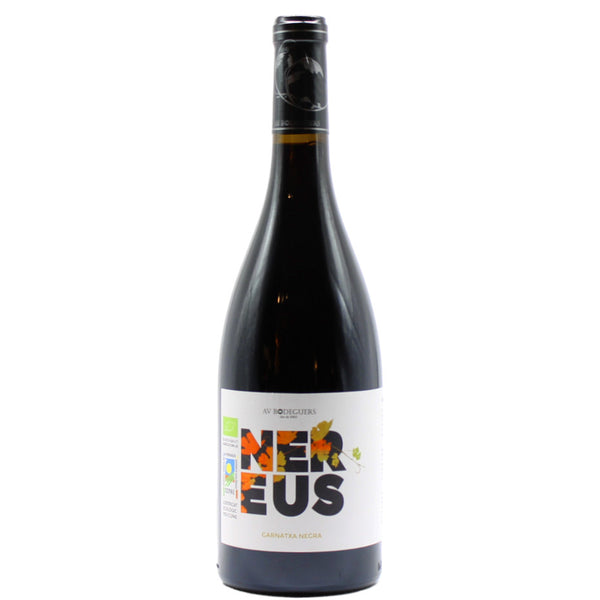
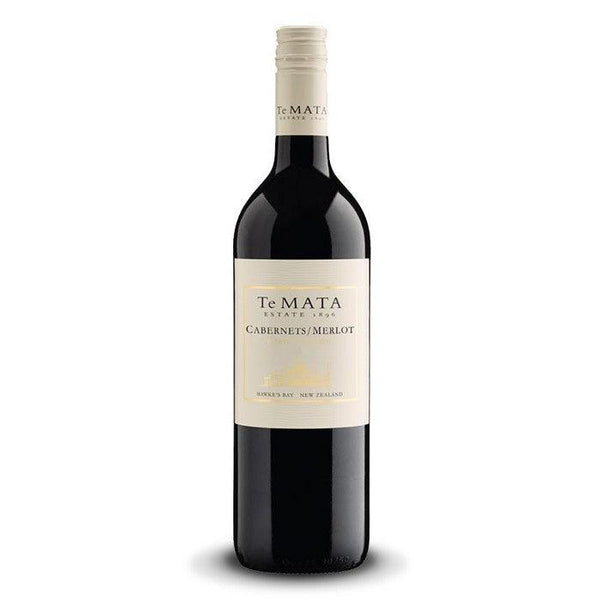
Te Mata Estate - Merlot Cabernets 2020
Aromatic complexity and voluptuousness come together in this beautiful full-bodied wine from New Zealand.

Koerner - Leko Rouge 2021
A completely atypical blend, combining finesse and complexity.
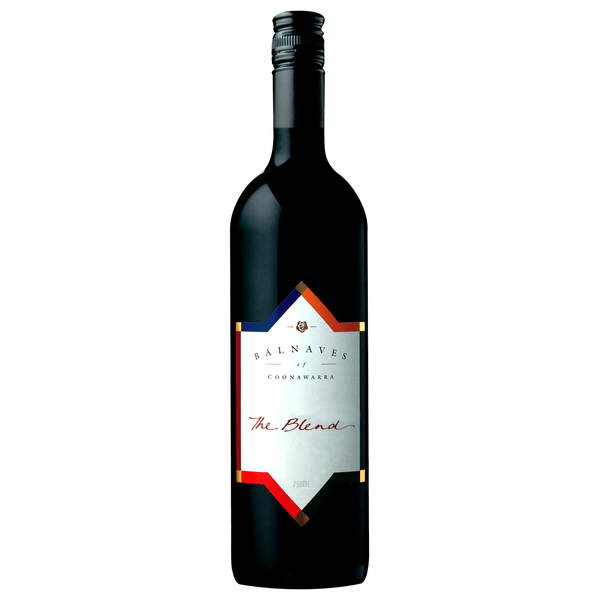
Balnaves - The Blend - Coonawarra 2020
A Bordeaux-style blend of great complexity!

Château Sainte Michelle - Merlot 2022
Ripe cherry, cocoa and coffee: a velvety Merlot made for the everyday table.
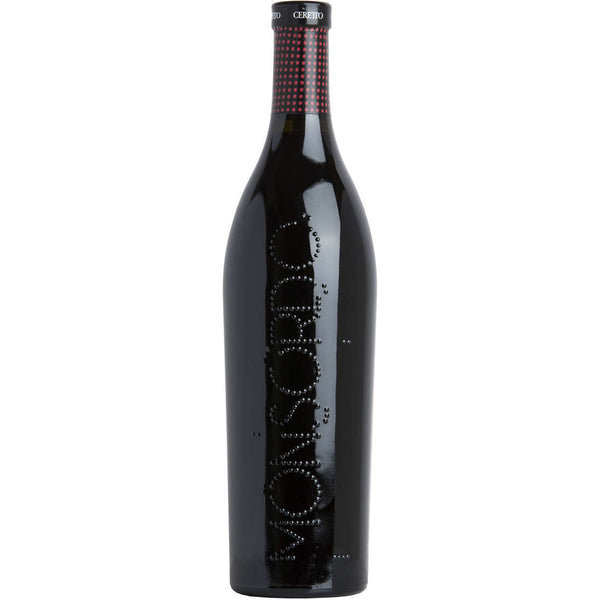
Ceretto - Langhe Rosso Mosordo 2022
Three international grape varieties united in the heart of the Langhe, with deep black fruit.
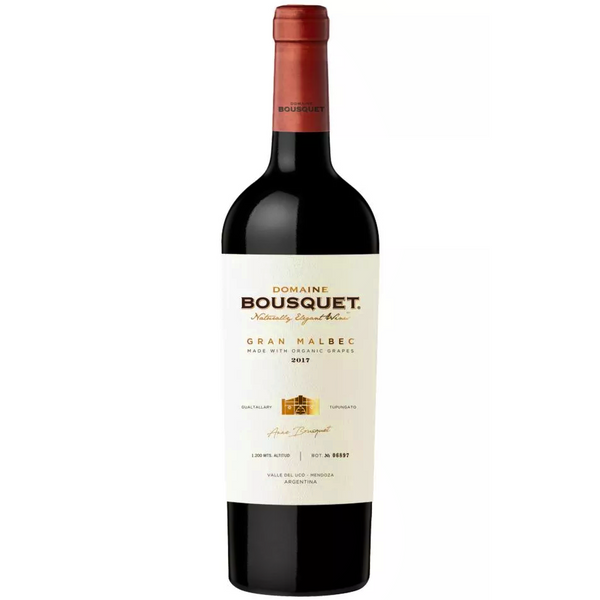
Bousquet - Gran Malbec 2020
An assembled Malbec, dense and complex, from the Gualtallary highlands
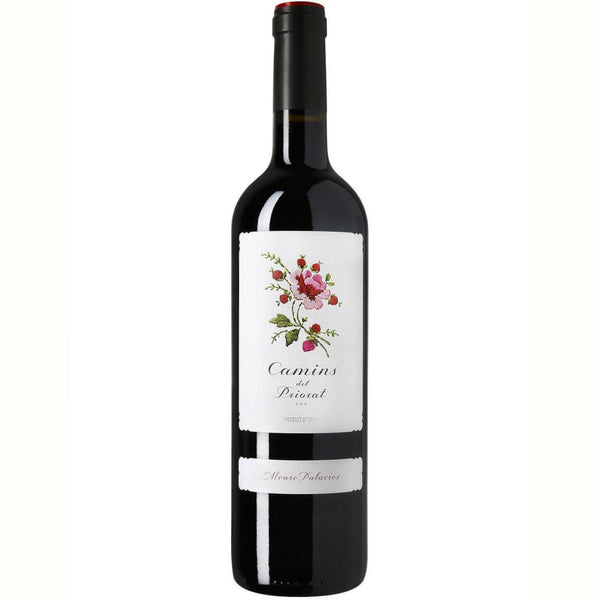
Álvaro Palacios - Camins del Priorat 2023
A sophisticated blend made by Álvaro Palacios, surely the most talented winemaker in Spain.
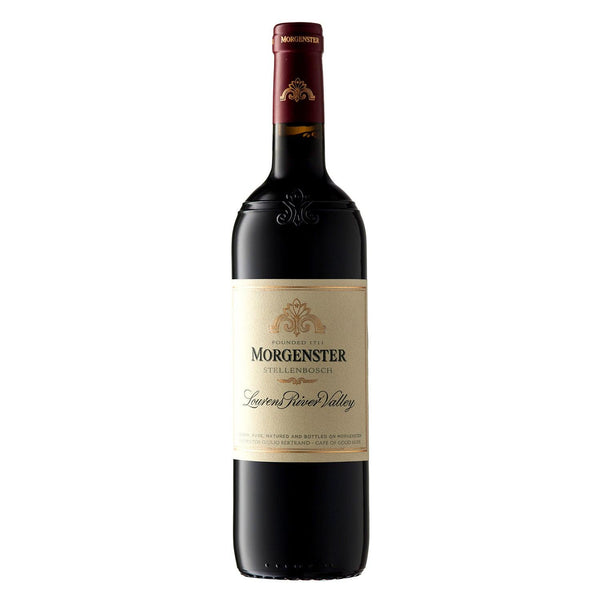
Morgenster - Lourens River Valley 2013
A sophisticated Bordeaux blend, resulting from a cooperation with the famous Château Cheval Blanc!

Bruno Landauer - Merlot Ruster Spätlese 2023
A soft, indulgent Merlot in which the richness of black fruit is balanced by freshness, offering an appealing expression of the Rust terroir.
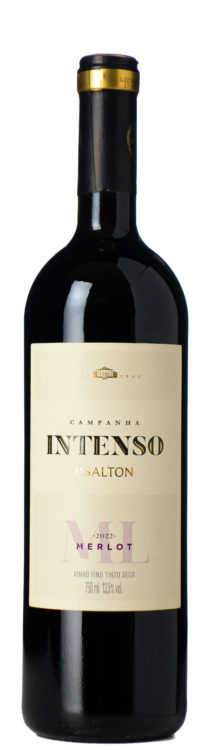
Vinicola Salton - Intenso Merlot 2022
A supple and fruity Brazilian Merlot, carried by the freshness of the Serra Gaúcha.

Castello Di Ama - L'Apparita 2019
A high-altitude Tuscan Merlot, combining aromatic depth, velvety texture, and great aging potential.
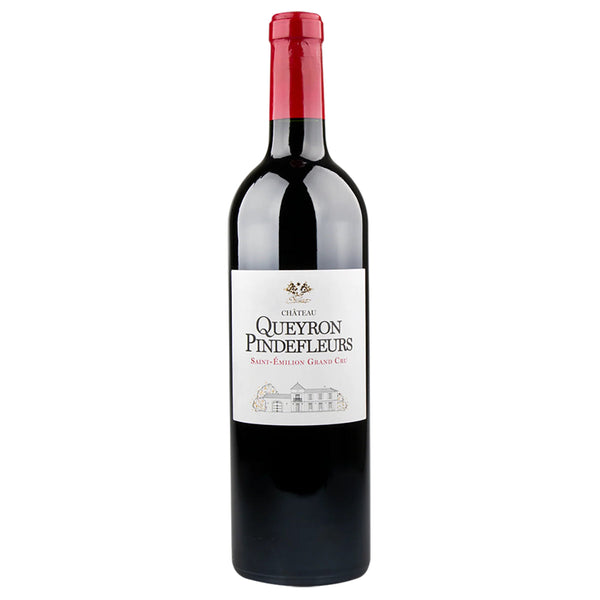
Château Queyron Pindefleurs - Saint-Émilion Grand Cru 2018
Right Bank Merlot: black fruit and leather, with the structure of a Saint-Émilion built for ageing.

Duckhorn - Merlot 2022
The Merlot that made Duckhorn's reputation, plum, chocolate and leather in the background.
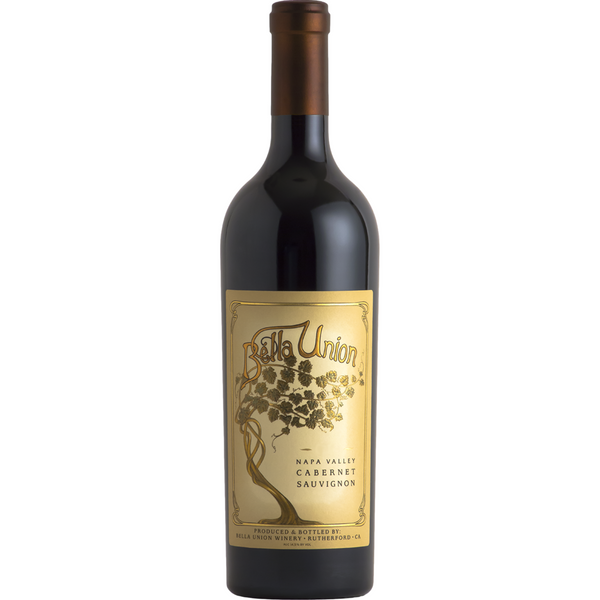
Bella Union - Cabernet Sauvignon 2018
The union of 2 extraordinary Cabernet Sauvignon vineyards, this is the first wine made by Belle Union.
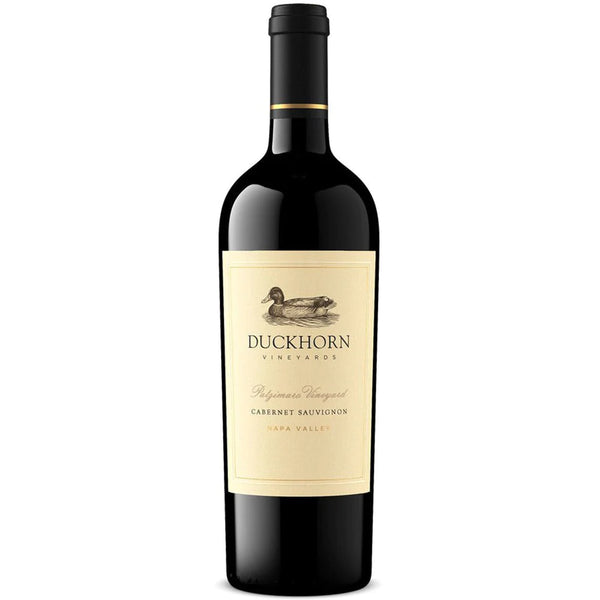
Duckhorn - Cabernet Sauvignon 2020
One of the benchmark Cabernet Sauvignons in Napa Valley

Duckhorn - Merlot “Three Palms” 2019
One of the most famous Merlots in Napa Valley

Harlan Estate - Harlan 2021
A deep, finely chiselled expression of the Napa Valley hills.

Valdivieso - Caballo Loco n° 19 NV
A great Chilean blend shaped by time. Deep, silky and uniquely complex.

Tapanappa - Whalebone Vineyard 2020
A great Australian red of freshness and precision. The finesse of Cabernet on the limestone of Wrattonbully.

Santa Rita - 120 Reserva Especial Merlot 2019
Cherry, plum and cocoa: a round Merlot with silky tannins that is effortless to drink.
The great terroirs of Merlot
This grape buds early, ripens early and asks for cool soils that hold water, clay and limestone first among them. It changes face as soon as the climate warms: the table follows that dial, from the hills of Chianti to the bright gravels of California.
| Country or region | Climate and soil | The style in the glass | A bottle from the section |
|---|---|---|---|
| Bolgheri and the MaremmaCoastal Tuscany, Italy | Maritime, regular sea breezes, sands, clays and pebbles | Ripe black fruit, velvety texture, saline freshness on the finish | Dario di Vaira Clarice 2022€30 per bottle, by the case of 6 |
| Chianti ClassicoTuscan hills, Italy | Altitude, cool nights, clay-limestone rich in galestro | Deep, powdery tannin, truffled register, very long ageing potential | Castello di Ama L'Apparita 2019€350 per bottle, sold individually |
| Napa ValleyCalifornia, United States | Hot and bright, gravels and poor, well-drained soils | Candied plum, cocoa, broad flesh, generous alcohol | Duckhorn Merlot 2022€73.20 per bottle, sold individually |
| Columbia ValleyWashington State, United States | Sheltered continental, dry summers, distinctly cold nights | Black cherry, cocoa, supple tannin on a fresh background | Château Sainte Michelle Merlot 2022€21.90 per bottle, sold individually |
| StellenboschSouth Africa | Nearby ocean, weathered granite and sandstone, ventilated slopes | Blackcurrant, cedar, the firm structure of a Bordeaux blend | Morgenster Lourens River Valley 2013€29 per bottle, by the case of 6 |
| Empordà and CataloniaSpain | Mediterranean, tramontane wind, slate and schist | Plum, black pepper, dense and sun-drenched substance | AV Bodeguers Nereus Seleccio 2019€22 per bottle, individually |
| Aconcagua ValleyChili | Semi-arid, high-altitude vines, clay, sand and rock | Crunchy cherry, supple palate, gentle entry price | In Situ VSE Classic Merlot 2022€8.91 per bottle, sold individually |
| Chubut, PatagoniaArgentina | Cold and windy, gravels, sands and limestone deposits | Taut fruit, clean acidity, fine and straight tannin | Otronia Rugiente Merlot 2019€33.80 per bottle, by the case of 6 |
| Bordeaux Right BankSaint-Émilion and Pomerol, France | Temperate oceanic, cold clays over limestone | Plum, truffle, round flesh held by a firm backbone | Château Queyron Pindefleurs 2018€33.40 per bottle, sold individually |
The Italian share forms the heart of this selection: the Italian wines pillar places Tuscany back on the country's map, and the Bolgheri page details the Tyrrhenian coast, where this grape variety reaches its highest prices. The name stays the same everywhere, which makes labels easy to read from one continent to another.
From green pepper to prune, the ripeness scale
Thin skin and early ripeness: the picking window is narrow, and a few days are enough to shift the wine from one register to another. That is the first thing to grasp before buying, well before the vintage or the colour of the label.
| Harvest stage | What the nose tells you | The palate | Dinner's ready |
|---|---|---|---|
| Early harvest, cool vintage | Green pepper, blackcurrant leaf, mint | Light, lively acidity, discreet tannin | Charcuterie, stuffed tomatoes, warm lentils |
| Classic harvest, temperate climate | Raspberry, fresh plum, violet | Supple, fruity, clean finish | Roast poultry, veal, vegetable gratins |
| Full ripeness, the point of balance | Black cherry, ripe plum, cocoa | Round, broad flesh, integrated tannin | Duck breast, slow-cooked lamb, mushrooms |
| Pushed ripeness, warm climate | Prune, fig, chocolate, vanilla from the ageing | Dense, generous, alcohol clearly present | Rib of beef, spicy stew, pressed cheeses |
| Old Right Bank bottle | Truffle, undergrowth, leather, blond tobacco | Silky, tannin melted by the years | Game birds, veal sweetbreads, morels |
| Late harvest, residual sugar | Candied grape, honey, orange peel | Sweet, lifted by a clear acidity | Dark chocolate, fig tart, mild blue cheeses |
A simple guide for buying: a green note signals an early harvest or a cool year, prune a ripeness pushed further. Between the two sits black cherry, the balance most growers aim for. The versions with residual sugar are also filed under our dessert wines.
A bottle for every mood
Eight ways in, from the midweek glass to the cellar bottle.
Tasting the grape variety for under ten euros
Aconcagua Valley, high-altitude vines and stainless-steel tanks: black cherry, raspberry and a supple palate. The most direct glass for setting the benchmark.
In Situ VSE Classic Merlot 2022 · €8.91 per bottle, sold individuallyA Cape blend at a measured price
Shiraz, Merlot and Pinotage brought together at the oldest estate in South Africa, with twelve months' ageing in French oak barrels.
Groot Constantia Lady of Abundance 2021 · €17.91 per bottle, sold individuallyThe Right Bank benchmark
Saint-Émilion Grand Cru led by Merlot, completed by Cabernet Franc and Cabernet Sauvignon, aged in oak barrels for the cellar.
Château Queyron Pindefleurs Saint-Émilion Grand Cru 2018 · €33.40 per bottle, individuallyMerlot from the Tuscan coast
Bolgheri, sea breezes and pebbly soils, a single-variety cuvée made in stainless steel. Mediterranean ripeness and maritime freshness in the same glass.
Dario di Vaira Clarice 2022 · €30 per bottle, by the case of 6Californian opulence
The estate that made this grape a noble variety in Napa Valley: plum, chocolate and leather, broad substance and integrated tannin.
Duckhorn Merlot 2022 · €73.20 per bottle, sold individuallyA bottle for special occasions
An amphitheatre-shaped vineyard in Gaiole in Chianti, clay-limestone rich in galestro, long ageing in French barrels. The Italian summit of the grape.
Castello di Ama L'Apparita 2019 · €350 per bottle, sold individuallyEnd the meal on a sweet wine
The slopes of Rust on the shores of Lake Neusiedl, late harvest and arrested fermentation: candied grape, honey and an acidity that stays upright.
Bruno Landauer Merlot Ruster Spätlese 2023 · €17.90 per bottle, sold individuallyCarry on in Italy
Tuscany, Piedmont and Trentino together: the country that has pushed this grape furthest upmarket, as a single-variety cuvée and in blends.
Country section · Wines of Italy
Bordeaux blend or single-variety cuvée
This grape first served as a binder. On the Right Bank, it brings the flesh and the roundness that Cabernet Franc and Cabernet Sauvignon leave wanting: it ripens earlier, gives melted tannins and rounds out the whole. The same role is found in Stellenbosch, in Coonawarra or in Hawke's Bay, wherever the Bordeaux model has been transplanted.
The nineties changed things by setting it apart. Planted on a very large scale for its suppleness, it gave a great many interchangeable wines, and its reputation suffered for it. Rehabilitation came from the vineyards that treated it as the main grape variety, with tight yields: Tuscany, Napa Valley, Trentino.
How do you choose
We taste every cuvée before listing it, and we look at two things with this grape variety: the clarity of the fruit in the mid-palate and the hold of the finish. A wine that fades just after the attack does not make the cut, however fine the label. Then comes the balance between ripeness and freshness, which decides the style.
The Wine Wanderer Team
What we are asked about Merlot
Does Merlot go by another name from one country to the next?
The word stays the same almost everywhere, from Tuscany to Chile by way of the Cape. The old Bordeaux registers listed it under the names Merlau, Bigney or Crabutet, and Hungary long called it Médoc Noir. Swiss Ticino has made it its speciality under its usual name. So simply look for Merlot on the label.
What distinguishes an Italian Merlot from a Californian Merlot?
Climate moves the dial. Tuscany keeps a saline acidity and a powdery tannin, even on very ripe wines, thanks to the sea breezes and the cool nights at altitude. Napa Valley pushes ripeness further: stewed plum, chocolate, broad matter and generous alcohol. The first goes with the table, the second impresses in the glass.
Why are these bottles often sold in sets or by the case?
The estates we follow ship their cuvées by full cases, and keeping that packaging lets us hold the price as tight as possible. The price shown remains that of the bottle, and the sales format sits right beside it. Many cuvées can also be bought as single bottles, such as the In Situ VSE Classic Merlot 2022 at €8.91 a bottle.
Merlot or Cabernet Sauvignon: which one to choose?
The first ripens earlier, its skin is thinner and its tannin suppler: the palate seems round from its youth. The second brings a tight structure, blacker fruit and a firm finish that calls for time. For a meal right now, take the Merlot; the Cabernet Sauvignon selection gathers the other school.
How long does a Merlot keep?
A supple cuvée from a cool climate is drunk within three to five years, on the fruit. A Merlot of terroir, from the Right Bank, Bolgheri or Napa Valley, asks for five years in the cellar and often holds fifteen, sometimes longer in the great years. Bottles given long ageing in oak barrels always gain from the wait.
At what temperature should these wines be served?
Reckon on 16–17 °C for a young, fruity cuvée, 17–18 °C for a wine for the cellar. Beyond that, the alcohol takes over and the fruit closes up. An hour in a decanter opens young, dense bottles; for an old Right Bank bottle, a pass through the decanter at the moment of serving is enough.
Which dishes go with a Merlot?
The suppleness of its tannin opens up wide ground: roast poultry, veal, duck breast, lamb, slow-cooked stews, mushrooms and truffle. The sun-drenched versions stand up to a rib of beef or a well-spiced dish. Hard pressed cheeses, Comté or aged Cantal, answer it better than the blue-veined ones.
Are there medium-sweet Merlots?
Yes, when a late harvest keeps part of the natural sugar. The slopes of Rust, on the shore of Lake Neusiedl in Austria, give a fine example under the Spätlese Prädikat. The wine keeps the flesh of the grape variety and lifts it with a frank acidity. The other sweet bottles are filed under our dessert wines.
Which bottle should I start with?
Start with a single-variety cuvée at around ten euros to set the benchmark for fruit, then a Right Bank blend to feel what Cabernet Franc adds in freshness and relief. Those two glasses are enough to understand the grape variety. The Italian wines selection then offers the finest scale of styles.