
Argentinian Malbec: styles, terroirs and prices
74 bottles of Malbec, from €9.50 to €286A dark red with ripe black fruit, supple on the attack and without rough edges: that is what most wine lovers expect from this grape variety, and what it delivered for twenty years. It is no longer the only answer. By moving up from the irrigated plains to the terraces of the Uco Valley and then to the vineyards of Salta, producers have found more upright wines, with tight rather than enveloping tannins.
This page sets these styles side by side, region by region, and compares them with those of Cahors, the variety's other homeland.

Matías Riccitelli - Republica del Malbec 2020
An exceptional wine, elegant and precise with round and silky tannins
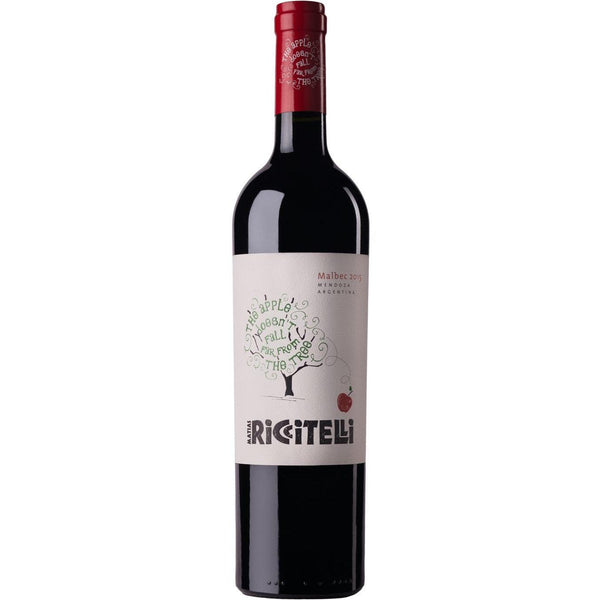
Matías Riccitelli - The Apple doesn't fall far from the tree Malbec 2021
A full-bodied and intensely aromatic wine, made by a Malbec master!
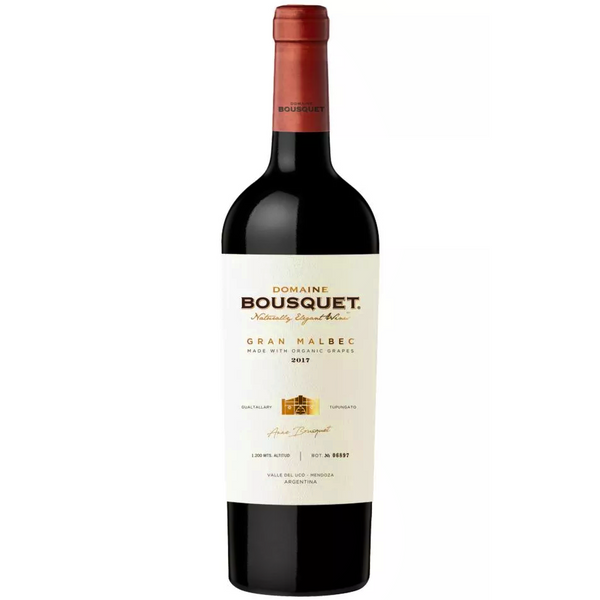
Bousquet - Gran Malbec 2020
An assembled Malbec, dense and complex, from the Gualtallary highlands

E's Vino - Ello Malbec de Ánfora 2022
A top-class Malbec, vinified using traditional methods in amphorae, combining aromatic intensity and refined structure.
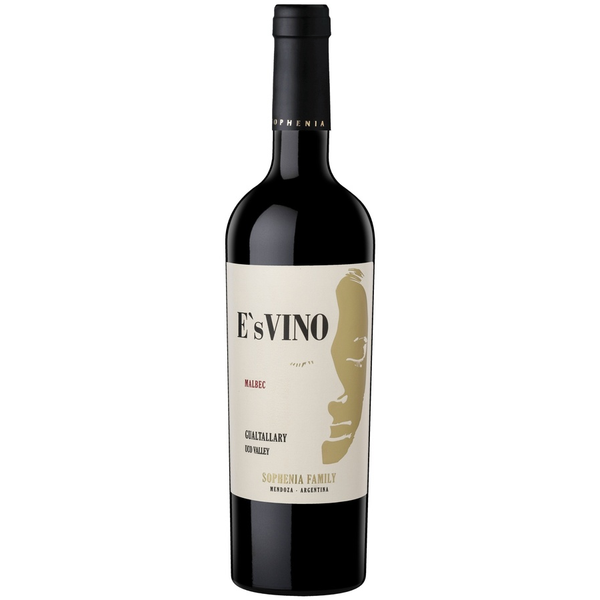
E's Vino - Malbec 2024
An elegant Malbec, from the high-altitude terroirs of Gualtallary, combining intensity, structure and minerality.
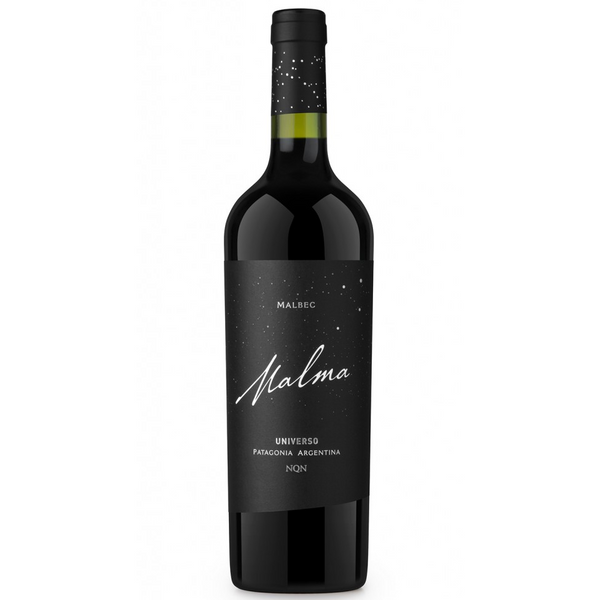
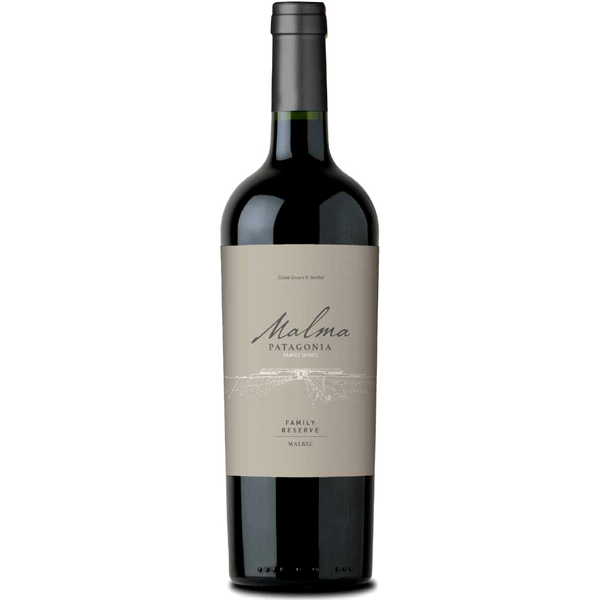
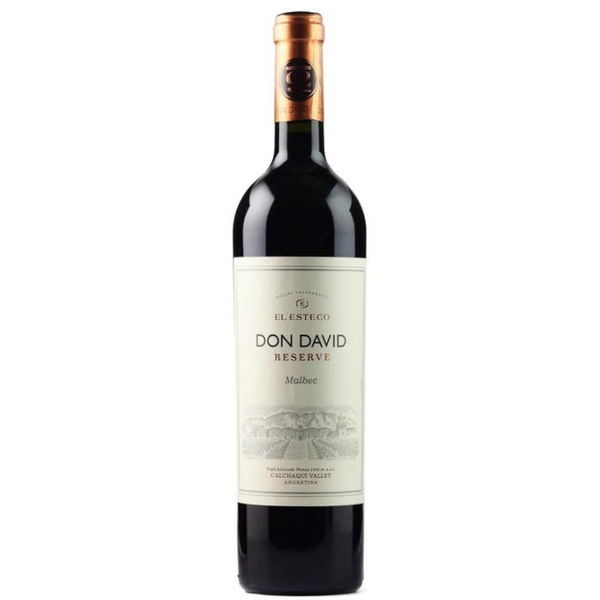
El Esteco - Don David Reserve Malbec 2020
An intense Malbec from the Cafayate valley perched 1800 meters above sea level

Doña Paula - Estate Bue Edition 2022
An astonishing blend of Pinot Noir, Malbec and Bonarda

Caelum - Blend Icono 2020
An exceptional blended wine, combining power, complexity and balance

Doña Paula - Los Cardos Malbec 2022
A beautiful representation of Argentinian Malbec

Bousquet - Virgen Malbec 2021
No added sulphites and no time in barrique: Malbec laid bare, full of fruit.
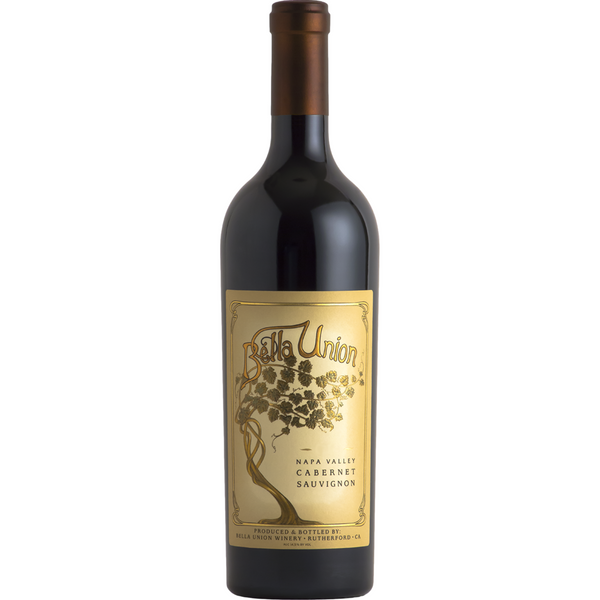
Bella Union - Cabernet Sauvignon 2018
The union of 2 extraordinary Cabernet Sauvignon vineyards, this is the first wine made by Belle Union.
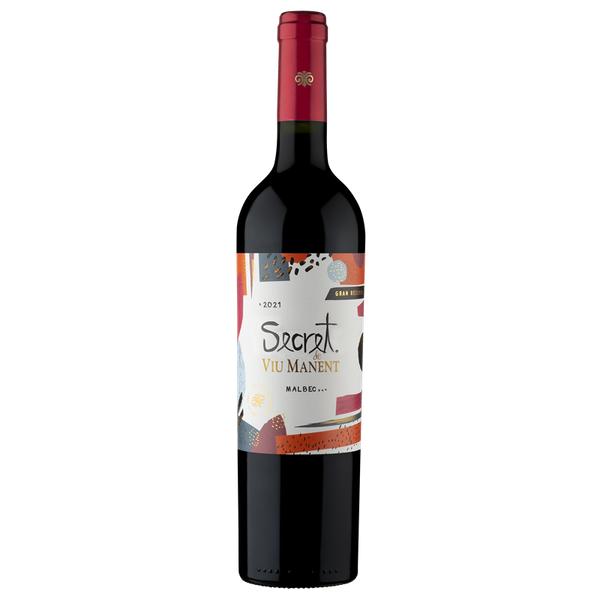
Viu Manent - Secret Malbec 2022
A delicious, fresh Chilean Malbec, where intense fruit meets a mineral structure.
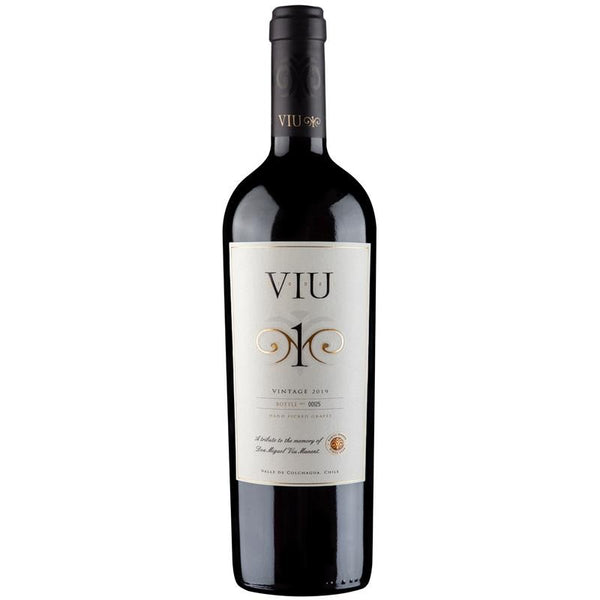
Viu Manent - Viu 1 Malbec 2021
A deep, energetic Chilean Malbec, born from century-old vines in Colchagua.
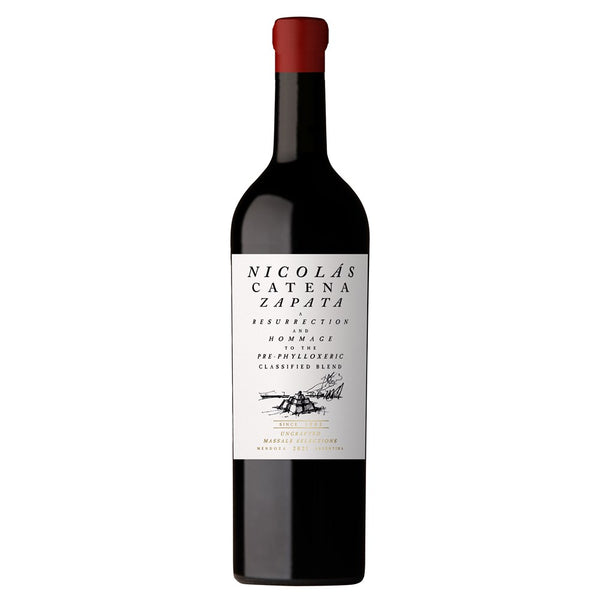
Catena Zapata - Nicolas 2021
A great mountain blend, precise and deep. Andean freshness in the service of a Bordeaux-style structure.

Catena - Malbec 2023
A high-altitude Malbec, deep and precise, between generous black fruit and mineral freshness.

Catena - Alta Malbec 2021
A deep, nuanced high-altitude Malbec. Mineral freshness balances its generous black-fruit structure.

Diemersfontein - Carpe Diem Malbec 2019
Malbec from Wellington, blackberry and violet carried by a generous structure.

Bousquet - Malbec Reserve 2023
Bousquet's reserve Malbec, blackberry and cocoa on a velvet of tannins.
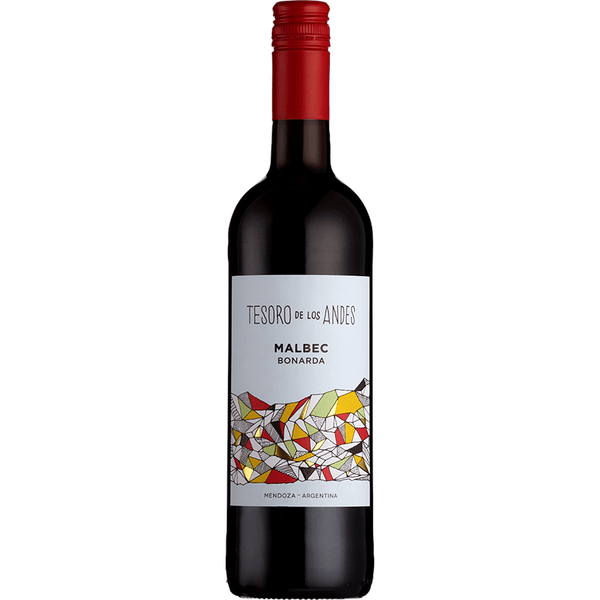
Diego Sinatra & Guillaume Letang - Tesoro de los Andes 2021
A generous blend of Malbec and Bonarda

La Rural - Rutini Apartado Gran Malbec 2018
A dense and complex Malbec from a selection of 3 exceptional terroirs
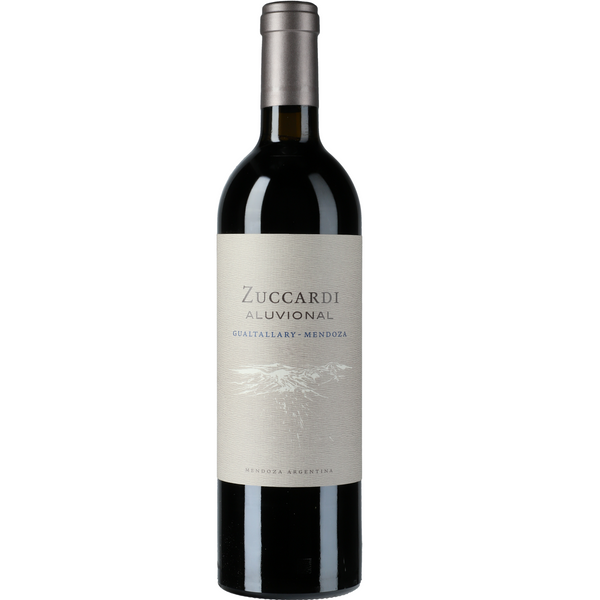
Zuccardi - Aluvional Gualtallary Malbec 2017
A single-plot Malbec from one of the most beautiful microclimates in Mendoza
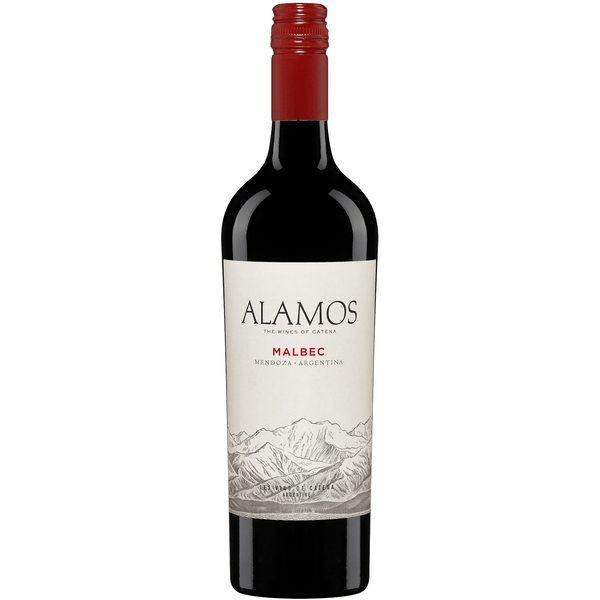
Alamos - Malbec 2020
A high-altitude, round and tasty Malbec with very good value for money!
What altitude changes in the glass
Argentina's vineyards stretch over more than fifteen hundred kilometres from north to south, but Malbec plays out above all on a vertical axis. The higher the plot, the wider the gap between day and night: the skins thicken, acidity is retained, and the wine gains in tension what it loses in roundness.
| Region | Altitude | Malbec style | Admission fee |
|---|---|---|---|
| Mendoza, the provinceThe province section | 600 to 1,600 m, from the Maipú foothills to the Andean terraces | The bulk of the range: from fruity weekday reds to the country's most expensive single-plot wines | €9.50 |
| Luján de CuyoThe historic cradle | 800 to 1,100 m, on the alluvial soils of the Mendoza river | The classic: blackberry, violet, full flesh, velvety tannin, oak often proudly on show | €9.90 |
| Uco ValleyTupungato, Gualtallary, Altamira | 900 to 1,600 m, pebbles and pockets of limestone at the foot of the Andes | The taut register: fresh black fruit, floral note, marked acidity, fine tannin | €11.90 |
| Salta, Valles CalchaquíesCafayate and the high valley | 1,500 to 2,000 m, and up to 3,000 m for the highest estates | Dense colour, spice and pepper, candied fruit but high acidity, firm tannins | €15.50 |
| Patagonia, Neuquén and Río NegroThe south of the wine region | Only 200 to 400 m, but on the 39th parallel south | Little altitude, plenty of wind and cool nights: a slender silhouette, dry tannin | €25 |
Some of these entry-level wines are only available in packs of three or cases of six; the format is specified on each product page. The section also includes a few Malbecs from Chile, South Africa, California and Australia, a minority compared with the Argentine wines.
Argentina and Cahors: what separates the two schools
The grape variety comes from south-west France, where it is called Côt or Auxerrois, and it was planted in Mendoza in the mid-19th century by a French agronomist. A hundred and seventy years later, the two regions do not make the same wine from it. The table works as a reading guide, not as a description of specific cuvées.
| The criterion | In Argentina | In Cahors |
|---|---|---|
| Climate | Continental and desert-like, less than 250 mm of rain a year in Mendoza, irrigation from Andean snowmelt | Oceanic with a continental tinge, around 700 mm of rain, far more uneven vintages |
| Altitude | From 200 m in Patagonia to over 2,000 m in the north, the day-night temperature range brings freshness | From 100 to 350 m, from the Lot terraces to the causse: the freshness comes from the climate |
| Soils | Andean alluvium, sand and pebbles, with veins of limestone in the Uco Valley | Gravel and rounded pebbles on the terraces, clay-limestone and hard rock on the plateau |
| Name of the variety | Malbec everywhere, on the label and in conversation, and almost always on its own in the bottle | Côt or Auxerrois in the vineyard, Malbec on the label, with Merlot or Tannat in the blendReading an appellation |
| Ageing | New barriques dominant in the 2000s, a return to foudres, concrete and amphorae since | Measured oak for the terrace cuvées, tanks for the fruit-driven wines, barriques for the top of the range |
| Tannins | Ripe and rounded: the thick skin gives the colour, the grain stays supple even when young | Firmer and more austere in the early years, with a liquorice bitterness on the finish |
| Ageing | Three to five years for entry-level wines, ten to fifteen for high-altitude single-plot wines | At least five years for a serious cuvée, fifteen to twenty for the best terraces |
| Dinner's ready | Wood-fired grilled beef, lamb, empanadas, pressed cheeses | Duck confit, cassoulet, duck breast with ceps, aged Rocamadour, truffled dishes |
A Cahors is never a pure Malbec in the Argentine sense: the appellation allows a share of Merlot and Tannat. The Argentine bottles in this section, on the other hand, are almost all single-varietal, apart from a few blends with Cabernet Franc or Cabernet Sauvignon.
How Malbec changed its silhouette
In the early 2000s, the wine sent abroad met a specific demand: opaque colour, jammy fruit, vanilla from new oak, a good fourteen and a half degrees. The irrigated, generous vineyards on the plains lent themselves to it. The success was worldwide, and the grape variety still carries that reputation for thick reds.
The turning point came from the mountains. By planting higher, on the stony terraces of the Uco Valley, producers gained a wider day-night temperature range, and with it acidity and thinner skins. Early harvest, gentle extraction, discreet oak: the Argentine vineyards now offer both schools.
Three pointers on the label
The altitude in metres, often printed under the name of the cuvée, announces the style before the first sip. The name of a finca or paraje signals a single plot rather than a blend of areas. Vintage matters less than in France: the dry Andean climate smooths out the differences from one year to the next.
The Wine Wanderer Team
What we are asked about Malbec
Which Malbec to choose when discovering the grape?
A wine from Luján de Cuyo or the Mendoza plain, between €10 and €15 a bottle. These are the roundest, the fruitiest, the ones that ask the least attention at the table. The entry price in this section is €9.50. Save the high-altitude cuvées for later; they are less immediate.
Which Argentinian Malbec can age, and for how long?
Those bearing a plot name and costing over thirty euros. Ten to fifteen years suits them well, longer for the great wines of Gualtallary, such as Catena Zapata's Adrianna cuvées, the most expensive of which reaches €286. The entry-level wines are drunk within three to five years, while the fruit is to the fore.
At what temperature should it be served, and should it be decanted?
At 16–17 °C, never at the temperature of a heated room: above 18 °C, the alcohol takes over and the fruit disappears. A young, structured wine benefits from half an hour in a decanter. The high-altitude cuvées open up slowly; give them an hour. An entry-level bottle can be served straight away.
Which dishes should you serve an Argentinian Malbec with?
With grilled red meat above all: rib of beef, flank steak, lamb, with or without chimichurri. Empanadas, slow-cooked lentils and grilled aubergines work just as well. Pressed cheeses suit it better than soft cheeses. Avoid fish, which the wine's weight overwhelms: with a spicy dish, Torrontés takes over.
How much should I spend on a good bottle?
The section starts at €9.50 and goes up to €286, with a median close to €27. Between €20 and €35, you will find wines from identified plots, harvested earlier and aged with restraint: this is where the value for money is clearest. Below €15, aim for immediate pleasure.
Uco Valley or Luján de Cuyo: what is the difference?
A matter of altitude and soil. Luján de Cuyo, between 800 and 1,100 metres, gives fleshy wines with blackberry and violet and velvety tannins. The Uco Valley rises to 1,600 metres on limestone ground: fresher fruit, tighter grain.
Do all these bottles come from Argentina?
No. Argentina supplies the vast majority of this section, but the variety is planted elsewhere too: a few bottles come from Chile, South Africa, California and Australia. The origin is shown on each product page. To see only the Argentine wines, go to wines from Argentina, and to the red wine section to widen your search.
Is Malbec still a very oaky wine?
Much less than twenty years ago. New barriques dominated the export cuvées of the 2000s, with that taste of vanilla and mocha recognisable on the nose. Producers have returned to foudres, concrete tanks and sometimes amphorae, to let the fruit and the soil come through.
Can these wines be bought by the bottle?
Not all of them. Some of this section is only available in packs of three or cases of six, with the available format shown on the product page before you add it to your basket. The prices shown here are per bottle. If in doubt, write to us via the contact page.