
Torrontés: the Argentine white that fools the nose
10 Argentine Torrontés, from €11.50 to €58A nose of rose, jasmine and Muscat grapes, then a dry, taut palate: Torrontés is disconcerting at first sip. This white grape variety was born locally, from a natural cross between Muscat of Alexandria and Criolla Chica, the vine that Spanish settlers had planted there. It grows almost nowhere else.
Its heartland lies in the Valles Calchaquíes, around Cafayate, where plots climb above 1,600 metres. Altitude preserves the acidity that the sun would take away lower down. Here you will find dry versions, blends and late-harvest wines.
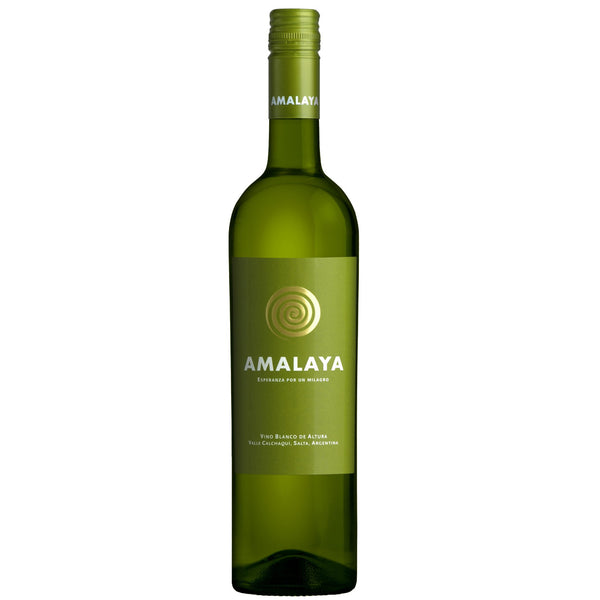
Amalaya - Amalaya Torrontés & Riesling 2023
An aromatic Torrontés, subtly blended with the freshness of Riesling
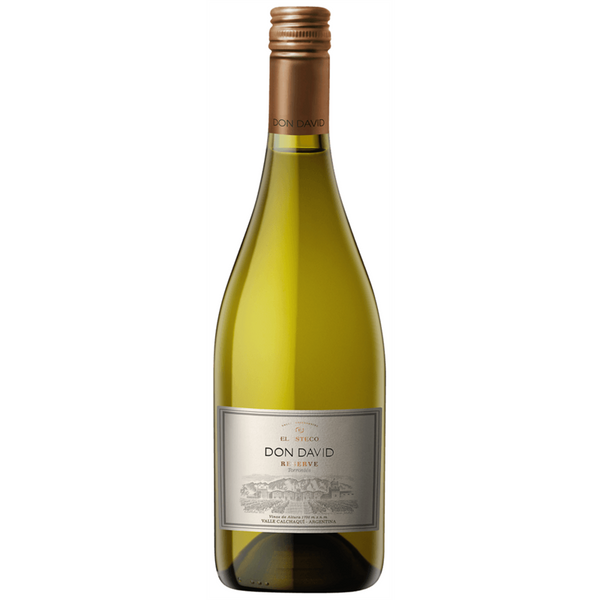
El Esteco - Don David Reserve Torrontés 2022
A fresh and aromatic Torrontés, from vines perched at an altitude of 1800 meters.
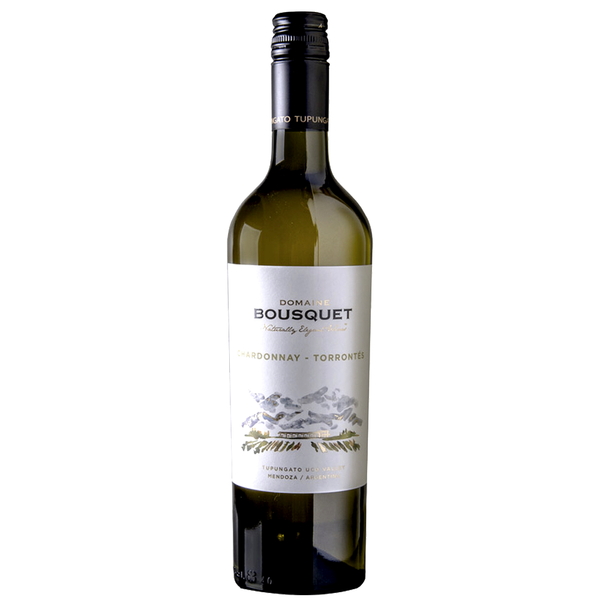
Bousquet - Chardonnay/Torrontés 2023
A fresh and aromatic white wine from the heights of Mendoza

Etchart - Torrontés 2024
High altitude grape variety that grows only in Argentina, exuberant with fruit and freshness!
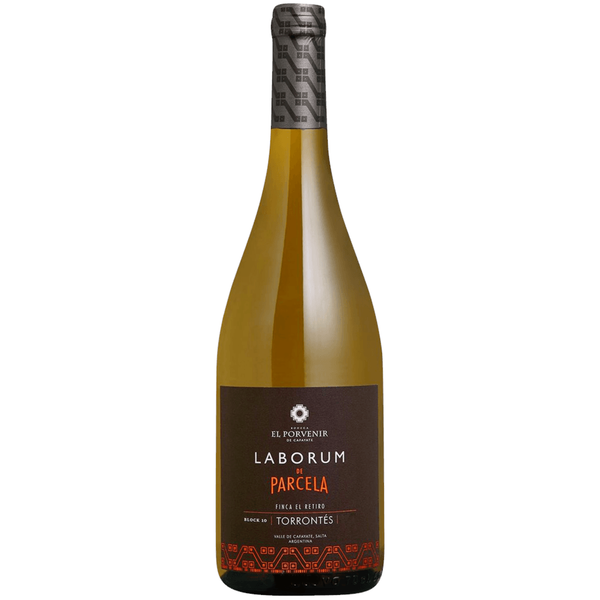
El Porvenir - Torrontés Laborum de Parcela 2023
An intense and mineral wine, expressing all the typicality of Torrontés
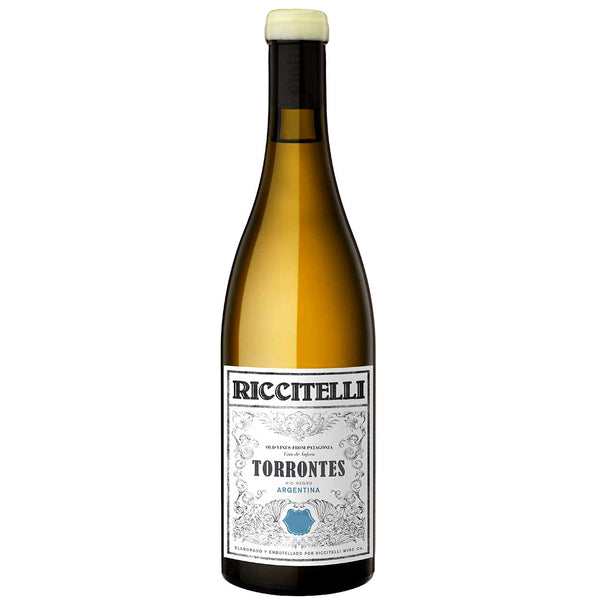
Matías Riccitelli - Old Vine From Patagonia Torrontés 2024
A high-end Patagonian wine, made from old Torrontes vines
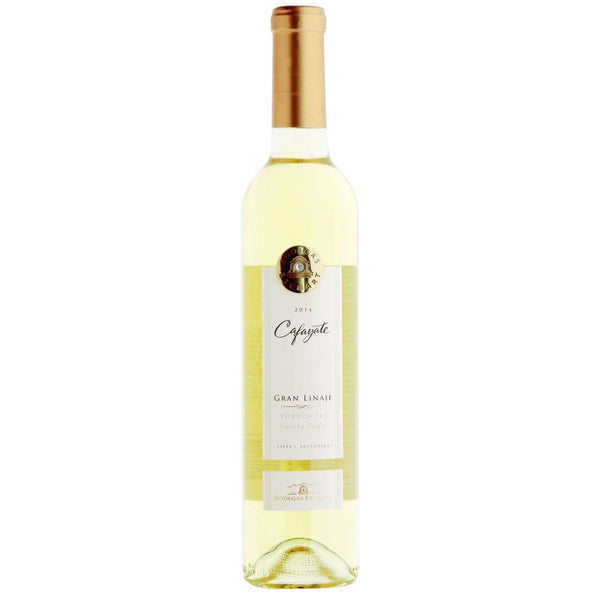
Etchart - Cosecha Tardia Torrontés 2024
Late-harvest Torrontés, lychee and honey, for dessert or spicy food.

Santa Julia - La Oveja Torrontés Natural 2021
A Torrontés worked without added sulfur and without chemical inputs
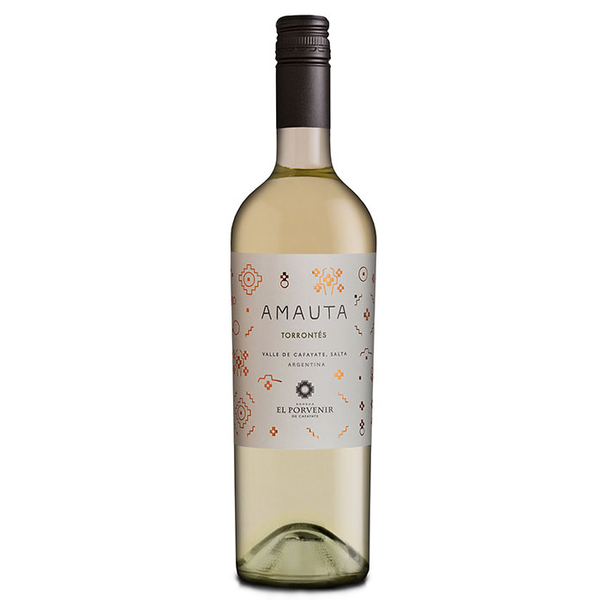
El Porvenir - Amauta Torrontés 2024
A round and balanced wine, expressing the typicality of Tannat
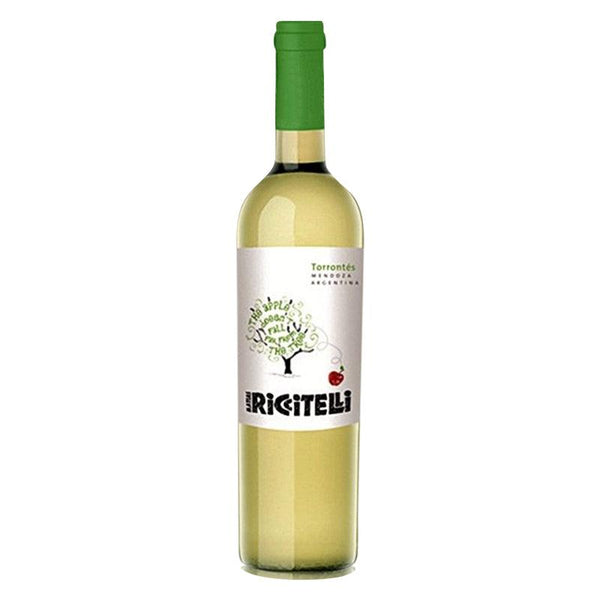
Matías Riccitelli - The Apple doesn't fall far from the tree - Torrontés 2022
A Torrontés full of minerality and complex on citrus fruits.
Three Torrontés, only one in the bottles
Three distinct varieties hide under one name, plus the two vines they descend from. The one you drink is almost always Riojano.
| The grape variety | Its origin | Where it grows | What it gives in the glass |
|---|---|---|---|
| Torrontés Riojano | A natural cross between Muscat of Alexandria and Criolla Chica | Salta and the Valles CalchaquíesAlso La Rioja and Río Negro | The most fragrant of the three: rose, zest, lychee, a dry, nervy palate. This is the one on the labels. |
| Torrontés Sanjuanino | Same pair of parents, but a variety quite distinct from Riojano | Mainly San Juan, a little in La Rioja, lower and warmer | A discreet nose, broad palate, subdued acidity. It ends up as bulk wine or in entry-level blends. |
| Torrontés Mendocino | The third offspring of the same pair, the most rustic strain | Mendoza and Río NegroSmall plantings, rarely labelled as such | The least aromatic, greener, with a frank bitterness. Rarely bottled under its own name. |
| Muscat of Alexandria | An ancient Mediterranean grape variety, spread by Spain through its colonies | On both sides of the Andes, from Chile to ArgentinaAlso Spain and Portugal | It provides the perfume: rose, jasmine, orange blossom. It makes you think of a sweet wine. |
| Criolla Chica | Also called Listán Prieto or País, arrived from Spain in the sixteenth century | Mendoza, San Juan and the Andean foothills, as far as central Chile | It tempers the perfume and gives the flesh. Fermentation runs to completion: the wine ends up dry. |
Back labels rarely mention the variety. On a wine from Salta, the word Torrontés means Riojano in almost every case.
Serving, pairing, avoiding disappointment
This white disappoints when drunk carelessly and shines with two or three adjustments. Here are the points that really make a difference.
| The topic | What you need to know | What it changes when buying |
|---|---|---|
| Serving temperature | Between 8 and 10 °C. Too cold and the perfume closes up; too warm and the alcohol and bitterness take over. | Take the bottle out of the fridge a good quarter of an hour before sitting down to eat. |
| Age of the wine | The floral freshness fades within two to three years. Everyday cuvées are drunk from the latest vintage. | Check the vintage before buying Only old vines and single-plot wines can take a few years in the cellar |
| Dry or sweet | Almost all of the grape variety is made dry. Only late harvests, picked overripe, retain sugar. | The words Cosecha Tardía announce a sweet wine, best kept for dessert. Without them, expect a dry wine. |
| Spicy food | The perfume stands up to chilli, ginger and coriander, and the bitter finish cleanses the palate. | The go-to choice for a Thai curry, dim sum, a ceviche or Peruvian food, where an oaked white collapses. |
| Blends | Blended with Chardonnay or Riesling, it loses a little of its Muscat character and gains body or edge. | A more crowd-pleasing way inSee also Chardonnay whites |
| Budget | Everyday cuvées start at €11.50, single-plot wines from Salta are around €35, and the Patagonian old vine reaches €58. | Above €30, you are paying for a plot and for ageing, not just the name of the grape variety. |
| The nose trap | The Muscat nose promises a sweet wine, but the palate arrives dry with a bitter finish. Almost all disappointments come from this. | Plan it for the aperitif or the table, never for dessert, unless it is a late harvest. |
An opened bottle keeps for two days in the fridge, well stoppered: the perfume fades first, the acid tension remains.
The only grape variety the country did not import
The Malbec grape comes from Cahors, Cabernet from Bordeaux, Chardonnay from Burgundy. Torrontés, on the other hand, never crossed an ocean: it was born in the colonial vineyards, from a Muscat and a Criolla that crossed on their own. It is the only variety that Argentina can claim entirely as its own.
For a long time it was harvested overripe and made without care, which gave heavy, bitter whites. The current generation picks earlier, presses gently and lets the freshness speak. The cuvées from the Valles Calchaquíes and the old vines of Río Negro show what this grape can do when it is taken seriously.
Why altitude matters
Around Cafayate, the vines grow between 1,600 and 2,000 metres. By day, the sun ripens the grapes and builds the aromas; at night, the temperature drops by some fifteen degrees and the vine stops using up its acidity. This temperature swing explains the rare combination of an exuberant fragrance and a taut palate.
The Wine Wanderer Team
What we are asked about Torrontés
Is Torrontés a dry or a sweet wine?
It is dry in almost every case, despite a very floral, Muscat-like nose that suggests otherwise. The impression of sweetness comes from the aromas, not from residual sugar. Only cuvées labelled Cosecha Tardía, made from overripe grapes, give a genuinely sweet wine, intended for dessert.
Where does the Torrontés grape come from?
It was born in Argentina, from a natural cross between Muscat of Alexandria and Criolla Chica, the vine brought by Spanish settlers in the sixteenth century. There is no trace of it in Europe before this encounter. Its quality heartland is the Valles Calchaquíes, around Cafayate, in the province of Salta.
At what temperature should it be served?
At 8–10 °C. Any colder and the chill locks in the fragrance, leaving only an anonymous white. Any warmer and the alcohol and the bitterness on the finish come to the fore. Take the bottle out of the fridge a quarter of an hour before serving, and put it back to chill between glasses if the room is warm.
What dishes should I serve with Torrontés?
It is one of the few whites that can stand up to spice: Thai curry, dim sum, mild Indian food, Peruvian ceviche, fresh herb salads. It also works as an aperitif, with shellfish, grilled vegetables or a fresh goat's cheese. Avoid dishes in creamy sauces, which clash with its bitter finish.
What is the difference between Riojano, Sanjuanino and Mendocino?
They are three varieties from the same parents. Riojano is the most fragrant and accounts for almost all exported bottles. Sanjuanino, grown lower down and in warmer conditions, gives more neutral wines. Mendocino, a rustic variety, is used in blends. On the shelf, you are almost always buying Riojano.
Can a Torrontés be cellared?
Everyday cuvées are drunk young, from the latest vintage: their floral fragrance fades within two to three years. Single-plot and old-vine wines, more concentrated and higher in acidity, keep for three to five years and gain in complexity what they lose in exuberance.
What budget should you allow for a good bottle?
Serious entry-level bottles start at €11.50 and are more than enough for an aperitif or a spicy dish. At around €15, you move up a notch in precision. Above €30, you are paying for an identified plot, low yields and careful ageing, up to €58 for the Patagonian old vine.
Torrontés or Sauvignon Blanc: which to choose?
Both are dry and lively, but the former plays on flowers and Muscat while Sauvignon plays on citrus and green notes. With spicy food, the Argentine wine works better. With oysters or a warm goat's cheese salad, Sauvignon stays ahead. Both can be found in the white wine section.
Are there organic or natural Torrontés wines?
Yes, several cuvées in the selection are certified organic, notably in Salta and in the Uco Valley. You will also find natural winemaking, with no added inputs or filtration, a trend well established in Argentina. This is stated on the product page of each bottle concerned.
Which bottle should I start with to discover the grape variety?
Start with a dry Torrontés from Salta at around €15, served at 9 °C with a spicy dish: it is the most straightforward expression of the grape variety. Once you have the style in mind, compare it with an old vine from Patagonia, which is tauter, or with a blend that softens the Muscat character.