
Chianti: one name, four designations, and a twenty-fold difference
From everyday wine to Gaiole cru wines, starting from €15.50Chianti is the best-known Italian red, and probably the most misunderstood. The word covers a large part of central Tuscany, seven sub-zones, and a neighboring appellation that bears almost the same name, Chianti Classico. Hence the impression of confusion when looking at a label.
In our cellar, the first bottle is €15.50 and the last is €350. The difference is not a whim: it is reflected in the mention on the label, in the origin of the grapes and in the aging time required before sale. The following table puts these four steps in order.
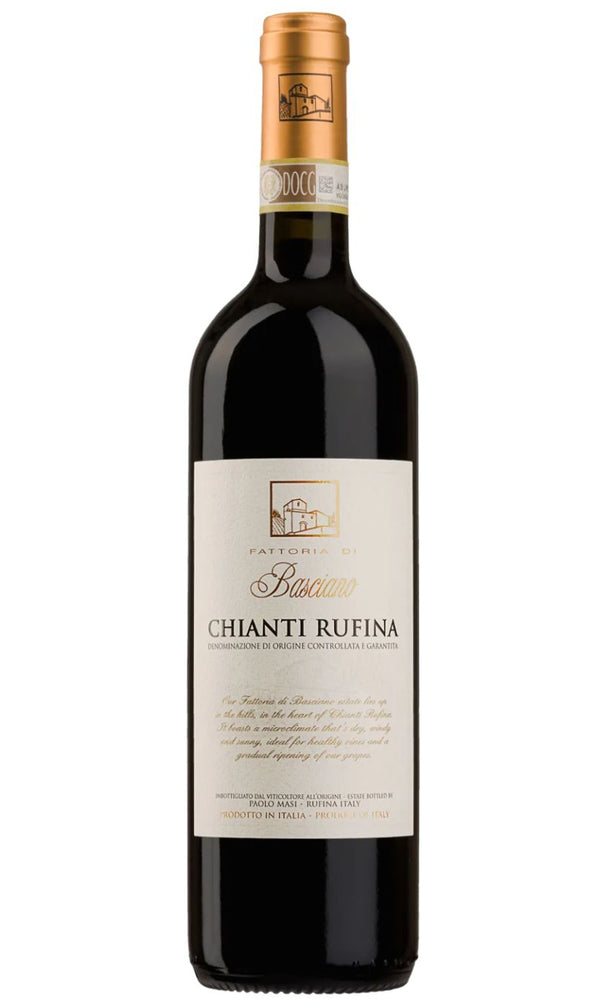
Fattoria di Basciano - Chianti Rufina 2024
A full-bodied Chianti combining complexity and freshness
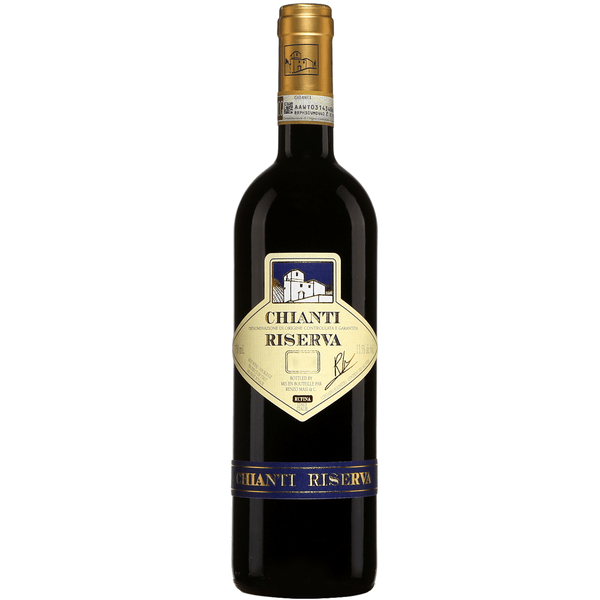
Renzo Masi - Chianti Riserva 2022
A magnificent Chianti with nuances of spices and wild fruits.
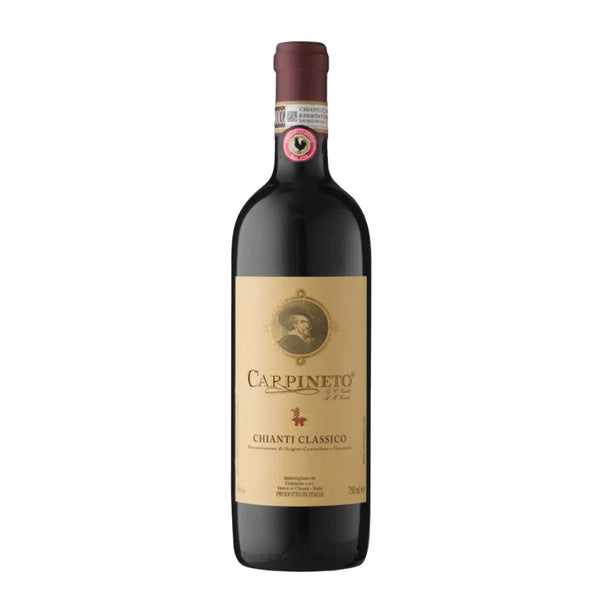
Carpineto - Chianti Classico Riserva 2020
A Chianti Classico for ageing, ripe cherry, leather and blond tobacco.
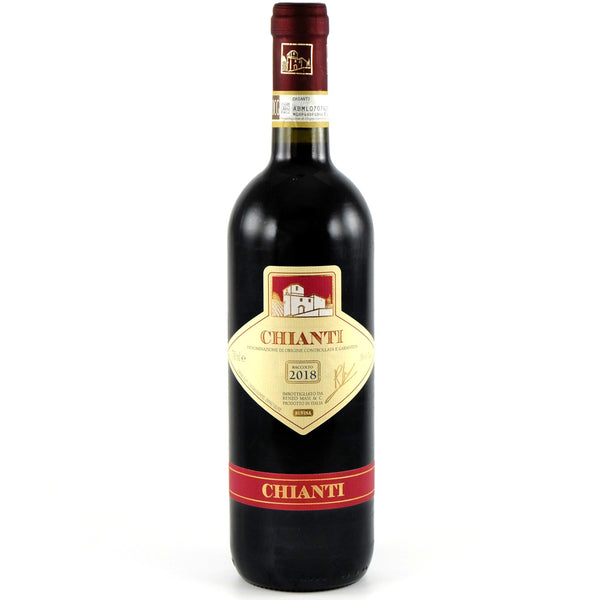
Renzo Masi - Chianti 2024
A Chianti with charming and refined aromas.
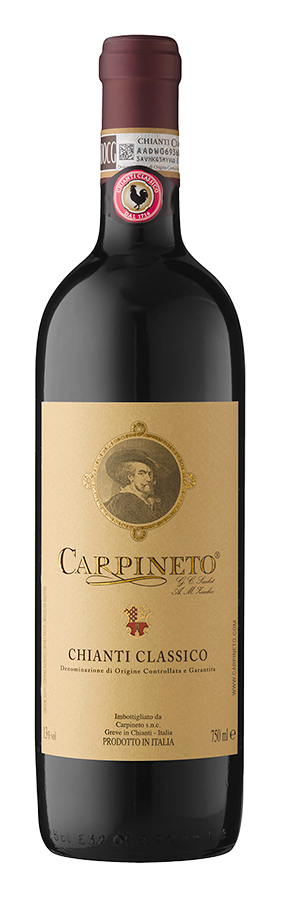
Carpineto - Chianti Classico 2024
A vinous, floral Chianti Classico with notes of violet, velvety, sapid and well structured.

Renzo Masi - Chianti DOCG Fiasco 2024
Chianti in its straw-covered fiasco: an indulgent, crunchy, floral Tuscan red made for the table.

Monteraponi - Chianti 2022
A high-altitude Chianti Classico, straight and vibrant. The finesse of Sangiovese carried by a mineral structure.

Monteraponi - Baron Ugo 2019
A great high-altitude red, all earthy finesse and energy. Chianti at its most ethereal.

Monteraponi - Il Campitello 2021
A deep, racy cru from Radda in Chianti. High-altitude freshness meets the power of old vines.
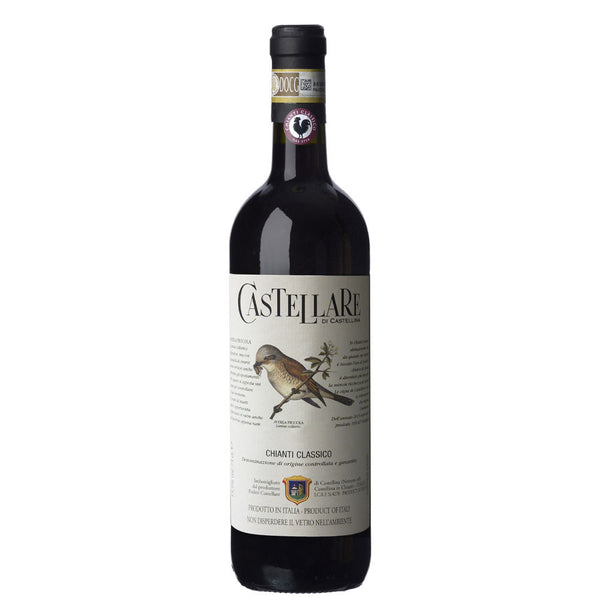
Castellare Di Castellina - Chianti Classico 2024
Cherry, undergrowth and integrated tannins, a straight, easy-drinking Chianti Classico.
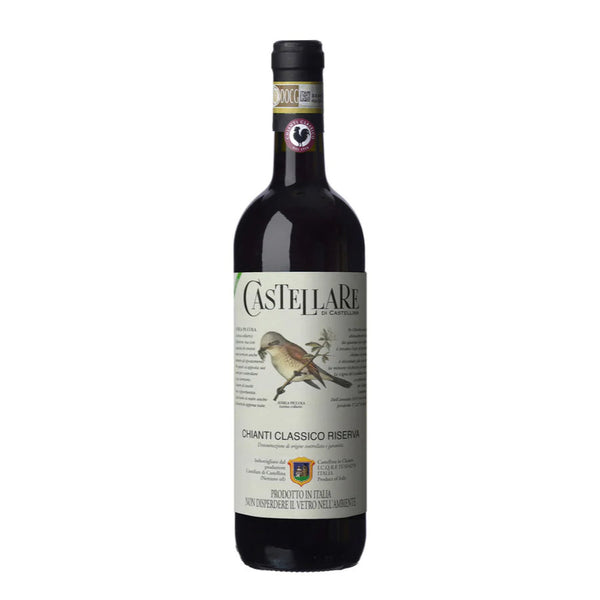
Castellare Di Castellina - Chianti Classico Riserva 2022
A mineral Riserva, black fruit and flint, made for the cellar.
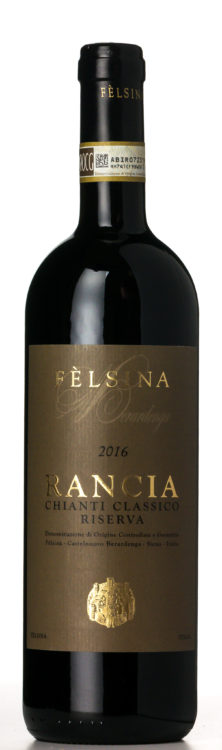
Felsina - Rancia Chianti Classico 2021
A great Sangiovese from the terroir, combining depth, precision and Tuscan energy.
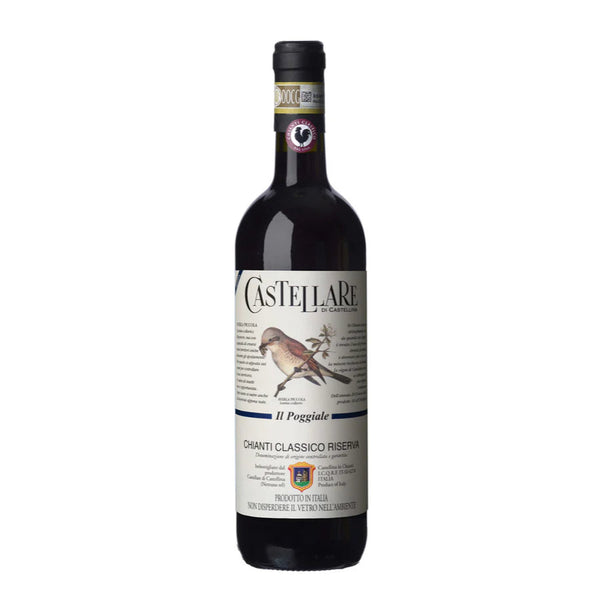
Castellare Di Castellina - Chianti Classico Riserva Il Poggiale 2022
Pure Sangiovese from a single plot, raspberry, violet and firm tannins.
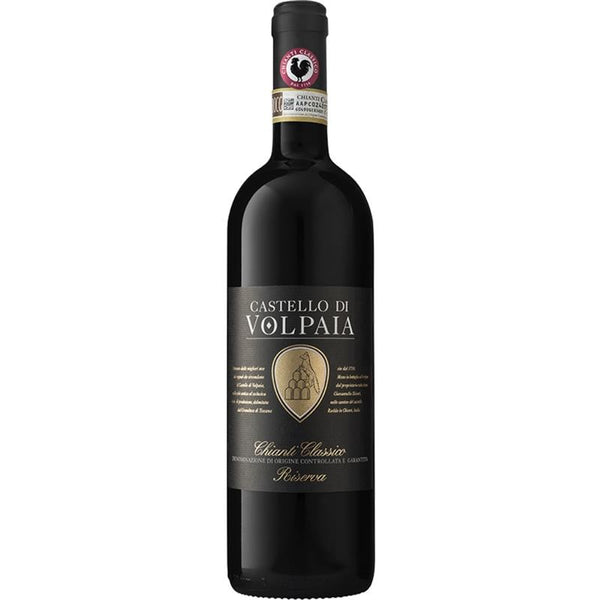
Castello di Volpaia - Chianti Classico Riserva DOCG 2021
A refined expression of Radda in Chianti, combining high-altitude freshness, aromatic depth and elegant tannins.
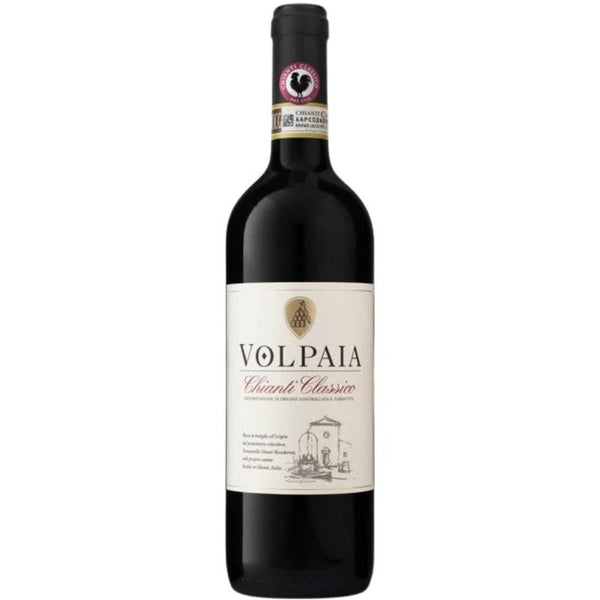
Castello di Volpaia - Chianti Classico DOCG 2022
A Chianti Classico combining freshness, finesse and depth, faithful to the terroir of Radda in Chianti.
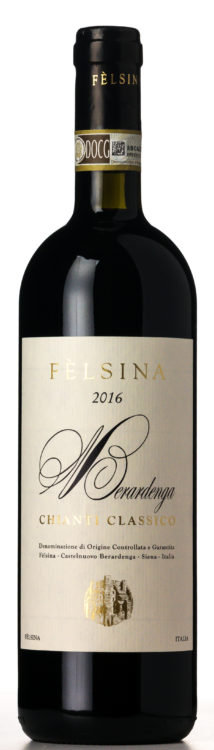
Felsina - Berardenga Chianti Classico 2022
A precise and energetic Chianti Classico from Berardenga, where the Sangiovese clearly expresses the depth and freshness of the Tuscan terroir.
The four mentions, and what each one truly entails
Riserva and Gran Selezione are not medals awarded by a jury. They are obligations regarding aging and origin, stipulated in the specifications. An unmentioned Chianti Classico can very well surpass a neighboring Riserva, and this happens.
| The mention | What is imposed | What it changes in the glass | In our cellar |
|---|---|---|---|
| Chianti DOCG the wide area | Sangiovese predominant, 70% minimum. Seven sub-zones can be added to the name, including Rufina and Colli Senesi. | Clean red fruit, lively acidity, discreet tannins. A table wine, to be drunk within three or four years. | Renzo Masi 2022, €15.50 |
| Chianti and its sub-zone Rufina, Colli Senesi | A delimited area within the Chianti DOCG, with tighter yields. | La Rufina, east of Florence, comes from a higher altitude: the wine there gains tension and a little ageability. | Fattoria di Basciano Chianti Rufina 2023, €18.50 |
| Chianti Classico DOCG the black rooster | A distinct appellation since 1996, from the historical birthplace between Florence and Siena. Sangiovese at 80% minimum. | More depth, less immediate fruit, a noble bitterness on the finish. The wine is starting to demand two or three years. | Castellare di Castellina 2022, €28.30 |
| Reservation a duration, not a grade | Aged for a minimum of twenty-four months before release, including three months in bottle for Classico. | The tannin has already softened on opening, the wood integrated. This is the stage where the wine becomes a food wine. | Carpineto Chianti Classico Riserva 2020, €31 |
| Grand Selection the Clasico summit | A minimum of thirty months of aging, and grapes exclusively from the estate's own vines. Often from a single plot. | A dense texture and tight tannic grain, which call for ten years in the cellar or a generous decanting. | Castello di Ama, Vigneto Bellavista 2019, €350 |
Several Chianti Classico wines are arriving in full lots: Castello di Volpaia Riserva 2021 at €147 for 3, and Fèlsina Rancia 2021 at €156 for 2. The price displayed is for the lot.
Pair the right bottle with the dish
Sangiovese has high acidity and tannins that are a bit rough when it's on its own. It's a grape varietal made for meals, not for aperitifs: the rule is simple, the fattier or longer-cooking the dish, the higher you go in the previous chart.
| The dish | The appropriate statement | Why it works | In our cellar |
|---|---|---|---|
| Cold cuts, pizza, tomato pasta | A young Chianti DOCG, served at around 16 °C. | The acidity of the Sangiovese cuts through the tomato and cleanses the palate between bites. | Renzo Masi 2022, €15.50 |
| Roasted poultry, grilled vegetables | A sub-zone in altitude, Rufina. | Enough freshness not to overpower a white fish, enough tension to hold up to grilling. | Fattoria di Basciano Chianti Rufina 2023, €18.50 |
| Steak, rib of beef, lamb | A Chianti Classico, with or without a designation. | The tannin finally finds the fat it needs. This is the original pairing, the one for which this wine exists. | Castellare di Castellina 2022, €28.30 |
| Game, beef stew, wild boar | A Riserva, aged for at least twenty-four months. | The tannins, softened by aging, can support a slow-cooked sauce without becoming astringent. | Carpineto Chianti Classico Riserva 2020, €31 |
| Aged pecorino, parmesan | A single-vineyard wine, with great length. | The cheese's saltiness brings out the notes of undergrowth and rind imparted by long aging. | Castellare Il Poggiale 2021, €63.20 |
| Cantucci, almond tart | Vin Santo, the other Chianti Classico tradition. | Grapes dried on racks, then aged in small barrels. Sweet, but held by an acidity that prevents heaviness. | Fèlsina Vin Santo 2015, €120 for 2 |
Vin Santo is served chilled, around 12°C, and can be kept for several weeks in the refrigerator once opened.
A bottle for every occasion
The tables give the theory. Here are the bottles, and only those that can be shipped today.
A first chianti
The appellation's entry point, in the Rufina area. Straightforward fruit, nothing complicated, good from tonight.
Renzo Masi 2022 · €15.50Understanding Rufina
The smallest sub-zone, to the east of Florence, and the highest in altitude. A taut Chianti that stays fresh for two days once opened.
Fattoria di Basciano 2023 · €18.50Enough to last the winter
A Riserva sold by the case, designed for the everyday cellar rather than for special occasions.
Volpetto Chianti Riserva 2020 · €93.60 per 6Switch to the Classico
Castellina, in the heart of the historic cradle. A journey where wine gains depth without losing its freshness.
Castellare di Castellina 2022 · €28.30A Riserva without breaking the bank
Two years of aging behind it, tannins already softened. The bottle to place on the table with red meat without a second thought.
Carpineto 2020 · €31One vintage, one single plot
Il Poggiale, Castellare's premium selection. Long aging, tight grain, ten years of cellar potential.
Castellare Il Poggiale 2021 · €63.20The Rancia vineyard
Former monastic farm in Castelnuovo Berardenga, galestro soils. One of the deepest expressions of Tuscan Sangiovese.
Fèlsina Rancia 2021 · €156 for 2The top of the range
Gaiole in Chianti, a high-altitude plot vinified separately. The pinnacle of what the appellation can produce, and its price.
Castello di Ama Bellavista 2019 · €350Go down towards Montalcino
The same grape, further south, with five years of mandatory aging before sale. Aging becomes a different matter there.
Our Brunello wines, starting from €29.70
One word on the label, twenty times the price difference
Between Renzo Masi at €15.50 and Castello di Ama's Vigneto Bellavista at €350, there's the same grape variety, the same region, and almost the same word on the label. It's no wonder the buyer wonders where the money goes.
It goes into three things, and nowhere else: the exact place the grapes come from, the quantity allowed to be harvested, and the time the wine is aged before being sold. A Chianti at €15.50 does an excellent job with a pasta dish, and paying twenty times more wouldn't make it better in that context. A single-vineyard wine plays a different game: it demands a meal, a large glass, and often ten years of patience.
How do you choose
On tension above all else. Sangiovese offers cherry and high acidity, and a Chianti that loses this acidity under new wood loses its appeal, whatever its price.
And on range consistency: when an estate succeeds with its entry-level wines, its high-end cuvées almost always deliver on their promises.
The Wine Maverick Team
What we're being asked about Chianti
Chianti and Chianti Classico, what's the difference?
These have been two distinct appellations since 1996, not two levels of the same hierarchy. Chianti Classico corresponds to the historic heartland, between Florence and Siena, with a minimum of 80% Sangiovese. Chianti DOCG covers a much wider area around this core, with a minimum of 70% Sangiovese and more generous yields. Classico is more expensive and ages better, while Chianti is drunk sooner.
What does Gran Selezione mean?
This is the most demanding mention in Chianti Classico. It requires a minimum of thirty months of aging and grapes exclusively from the estate's own vineyards, most often from an identified plot. This is not a judgment of quality but a specification: the mention guarantees origin and duration, not the pleasure you will have in the glass.
Why a Chianti at €15.50 and another at €350?
Because the word covers both a thirst-quenching wine produced in volume and individual plots vinified separately into a few thousand bottles. The difference lies in the origin of the grapes, the yield per hectare, and the aging time. For a pasta dish, the €15.50 bottle does the trick. The single-plot wine is reserved for a special meal and for ten years of cellaring.
What is the black rooster on the capsule for?
The Gallo Nero is the seal of the Chianti Classico consortium. It appears on all bottles of this appellation and only on these. It's the quickest way to identify it on the shelf: if the black rooster isn't there, you don't have a Chianti Classico in your hands, even if the word Chianti is written in large letters.
At what temperature should I serve a Chianti?
Around 16°C for a young Chianti, which means half an hour in the fridge before serving in a heated apartment. Served too warm, the wine appears flabby and the alcohol stands out. For a Riserva or a single-vineyard cuvée, go up to 17°C and use a large glass.
How long does Chianti last?
Three to four years for a Chianti DOCG, that's its natural window. A Chianti Classico easily lasts eight years, a Riserva ten years, and a single-vineyard cuvée even longer. If you're looking for a Sangiovese built to last twenty years, you should look towards Brunello di Montalcino.
What to serve with Chianti?
Everything Tuscan and a bit fatty: cured meats, tomato pasta, bistecca, lamb, aged pecorino. The acidity of Sangiovese is made to cut through fat, it's even its raison d'être. Avoid delicate fish and sweet dishes, where the tannin becomes metallic.
Chianti or Brunello, which one to start with?
Chianti, without hesitation. Same grape variety, but it's drunk young and costs half as much at the entry level. Brunello requires five years of aging before even being put on sale, then even more patience. Once Sangiovese is mastered here, our Brunello section explains the rest, including its younger sibling, Rosso di Montalcino.