
Chardonnay: oak changes everything, from Chile to Meursault
153 bottles, from €8.50 to €295.00This range brings together bottles from eleven countries, from €8.50 to €295.00, with a median of €31.80. France and the United States supply the largest share, ahead of Argentina, South Africa, Australia, Chile and New Zealand. Spain, Italy, Austria and Slovenia complete the list with a few bottles. It is an affordable range: the vast majority of bottles stay under €40.00.
Only one question really matters before buying, and it is not the country: has the grape been through oak? The same variety gives a lemony, razor-sharp white when it ferments in tank, and a broad, buttery white marked by toast when it ferments in barrel. The first table sorts the range on this criterion, the second tells you what this choice changes on the plate. Our shop's white Burgundies, from €19.90 to €188.00, are only one chapter of the story.
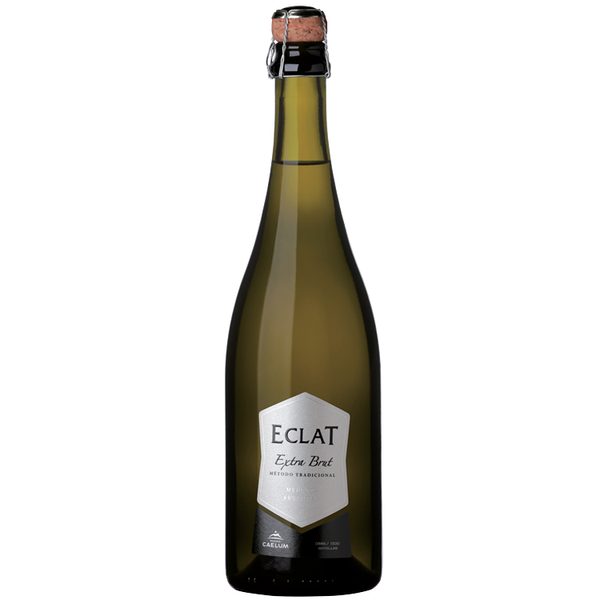
Caelum - Eclat Extra Brut- 2017
A refined high-altitude sparkling wine, combining freshness, complexity and elegance in an ethereal harmony
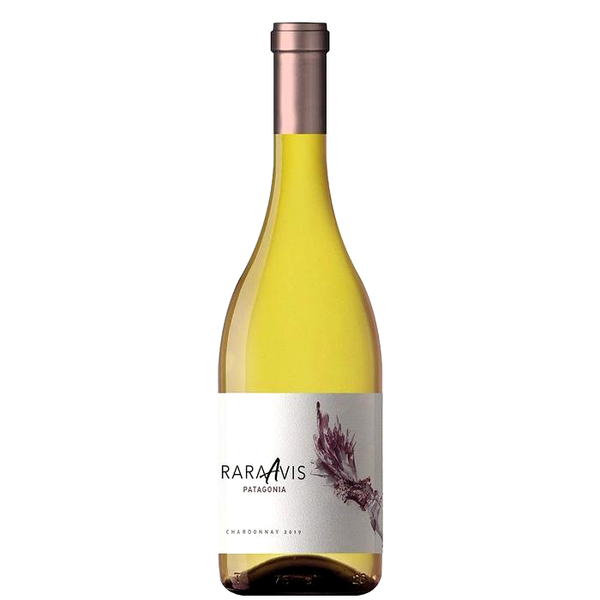
Malma - Rara Avis Chardonnay 2021
The high-end Chardonnay, from ungrafted vines, offering all the complexity of the Patagonian terroir
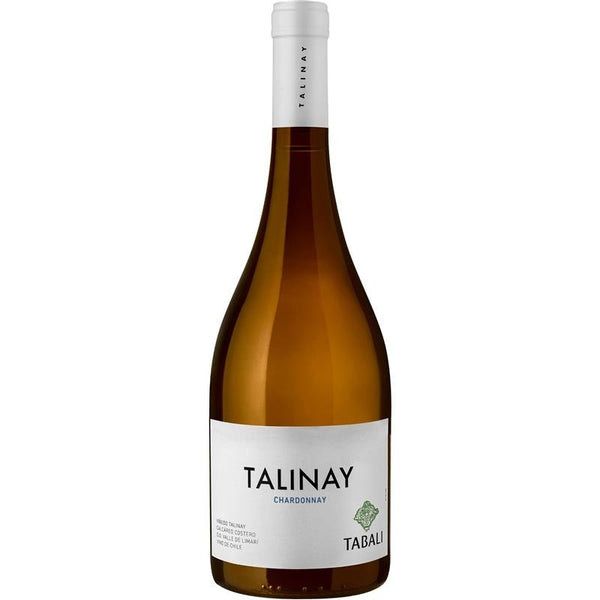
Tabalí - Talinay Chardonnay 2022
A Chardonnay that is both vibrant and smooth

Glenelly Estate - Estate Reserve Chardonnay 2022
Stellenbosch Chardonnay fermented in 500-litre barrels, quince and lime zest.
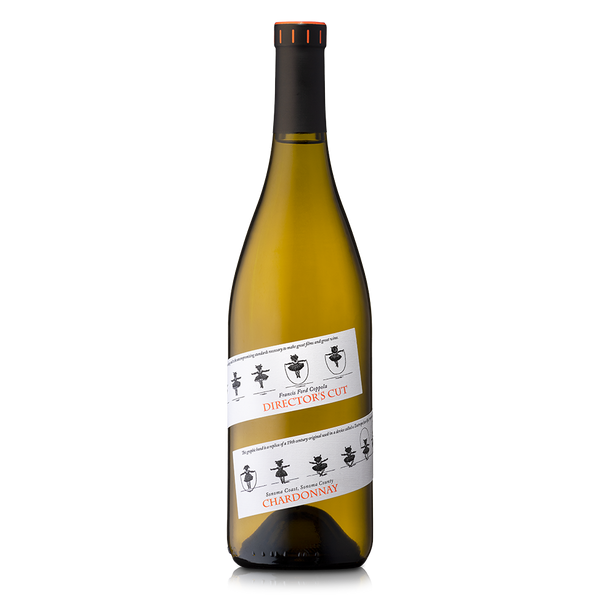
Francis Ford Coppola - Director's Cut Chardonnay 2021
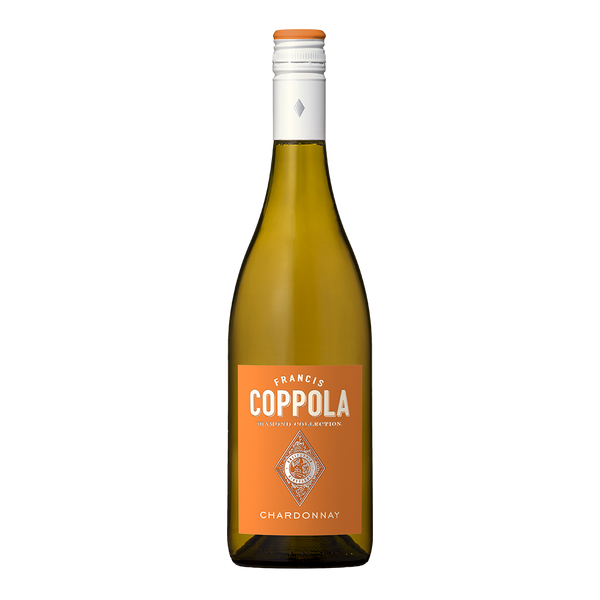
Francis Ford Coppola - Diamond Collection Chardonnay 2022
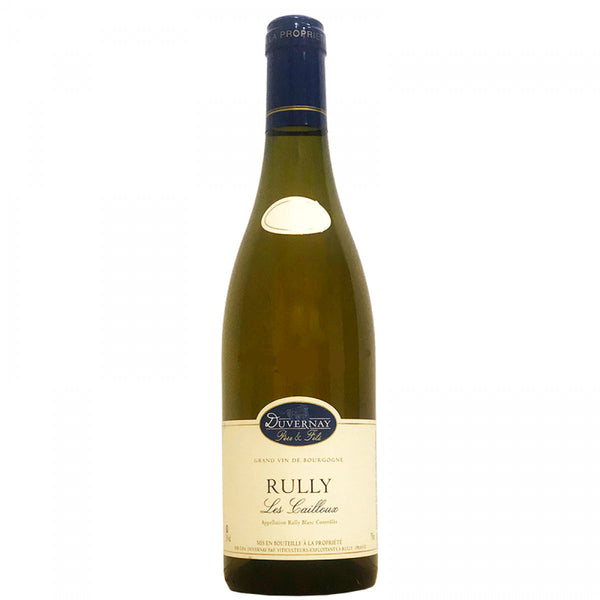
Duvernay - Rully Les Cailloux Blanc 2023
Lemon, green apple, pebbly minerality: a straight, flavoursome Chardonnay.
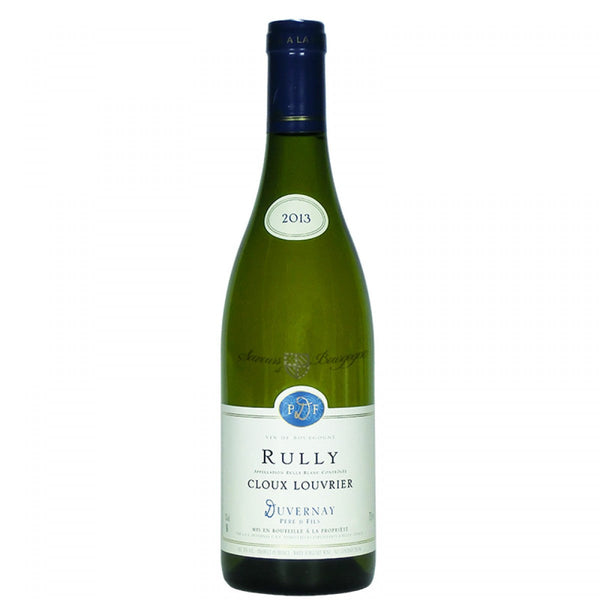
Duvernay - Rully Cloux Louvrier Blanc 2023
Apple, pear and white flowers on a silky texture, this Rully plays on freshness.
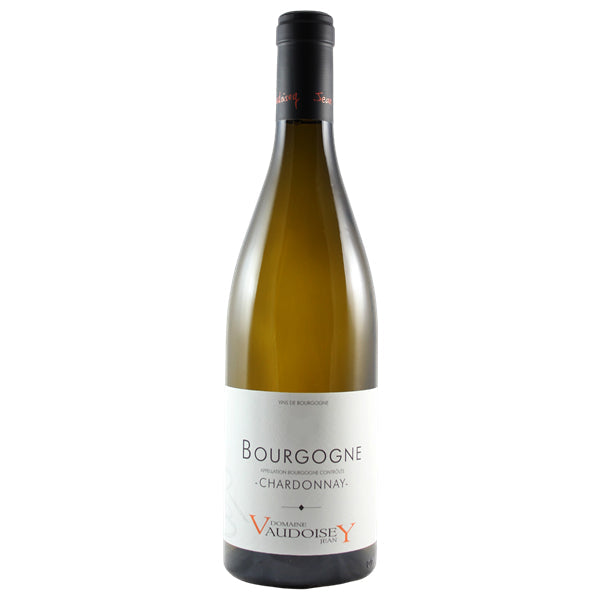
Domaine Vaudoisey - Bourgogne Chardonnay 2022
Apple, pear and brioche, a round white Bourgogne kept straight by its mineral freshness.
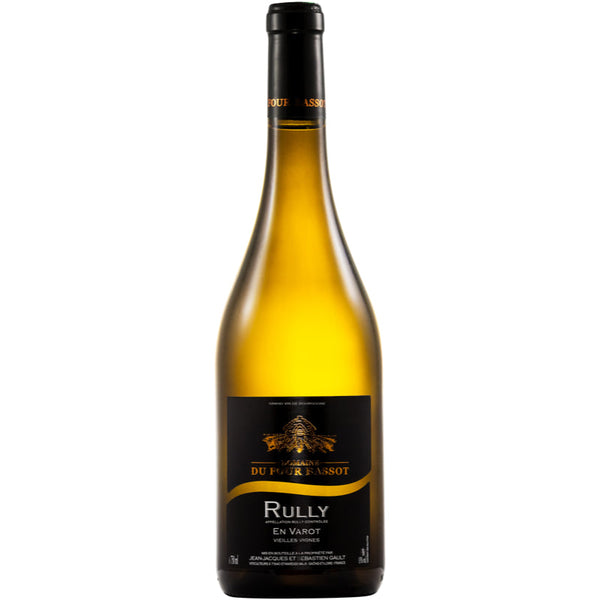
Domaine du Four Bassot - Rully En Varot Blanc 2023
A white Rully, round on the palate, straightened by limestone on the finish.
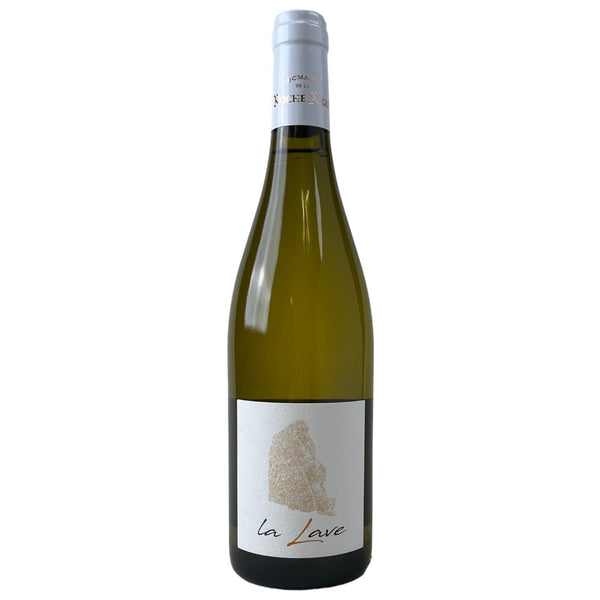
Domaine de la Roche Aiguë - Hautes-Côtes de Beaune La Lave Blanc 2022
Lemon and flint in a white from the Hautes-Côtes, cut from pure freshness.
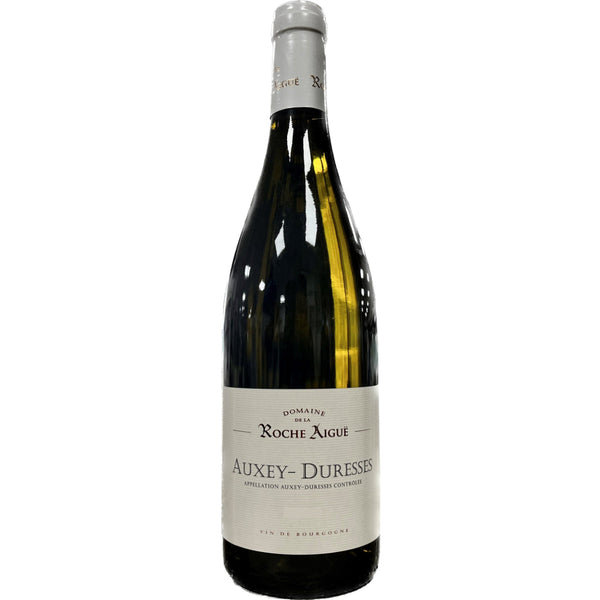
Domaine de la Roche Aiguë - Auxey-Duresses Blanc 2022
Auxey-Duresses in white, a straight Chardonnay that improves in the cellar.
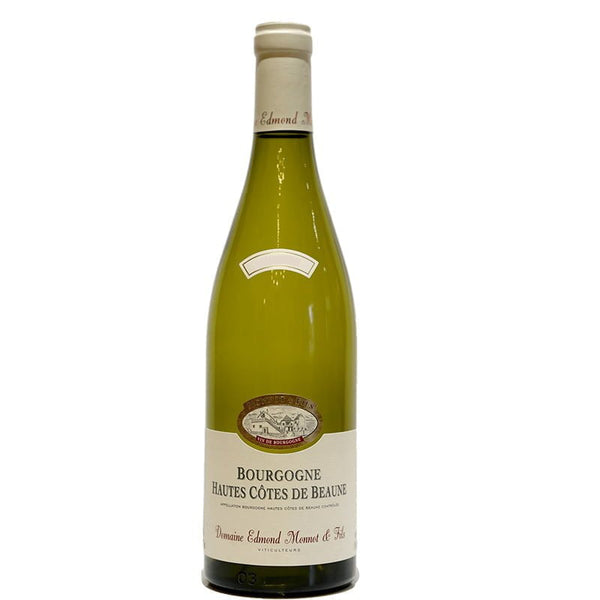
Domaine Edmond Monnot - Bourgogne Hautes-Côtes de Beaune Blanc 2022
A Hautes-Côtes Chardonnay that puts freshness before oak.
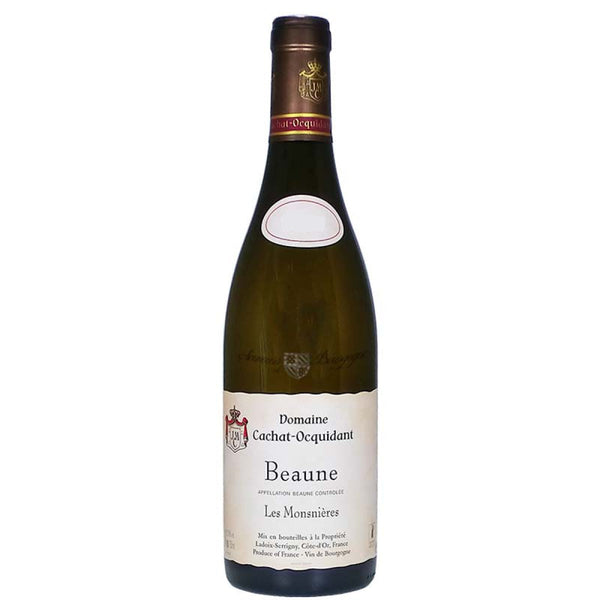
Domaine Cachat-Ocquidant - Beaune Mosnières Blanc 2024
Peach and honeysuckle on a round palate: white Beaune just as we like it.
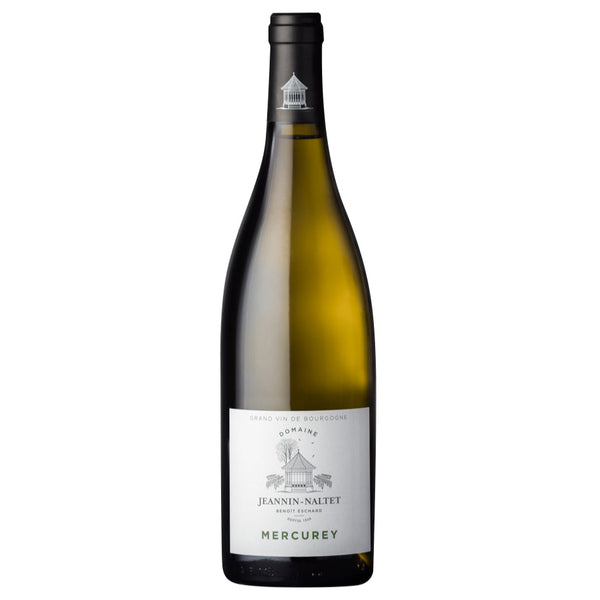
Domaine Jeannin-Naltet - Mercurey Blanc 2022
A stony white Mercurey, with pear and the toastiness of the barrel in perfect balance.
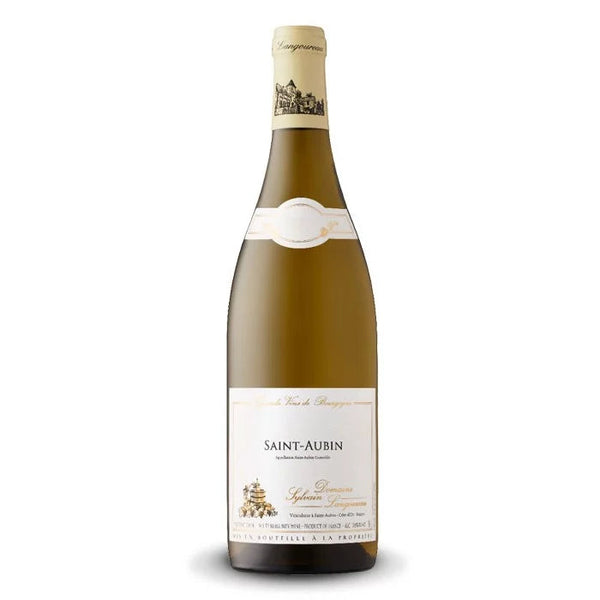
Sylvain Langoureau - Saint Aubin Blanc 2022
White flowers and hazelnut, a mineral Saint-Aubin that stays lively to the very end.

Domaine Dubois - Bourgogne Hautes-Côtes de Nuits Blanc 2022
Pear and apple on a lively palate: Hautes-Côtes Chardonnay with no frills.

Santa Rita - 120 Reserva Especial Chardonnay 2019
Green apple and brioche, a creamy Chardonnay kept straight by its acidity.

Clos De La Paix - Chardonnay 2022
Chardonnay from the southern Cape, citrus and white flowers on a taut minerality.
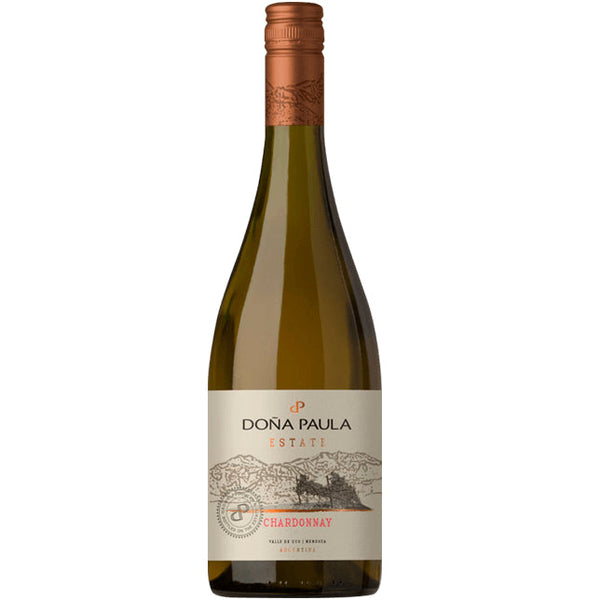
Doña Paula - Estate Chardonnay 2018
High-altitude Chardonnay from Mendoza, pear and brioche on a taut acidity.

Creation - Chardonnay 2020
Chardonnay from Hemel-en-Aarde, green apple and brioche carried by a fine minerality.

Shafer - Chardonnay Red Shoulder Ranch 2022
A Chardonnay of rare elegance and captivating complexity...
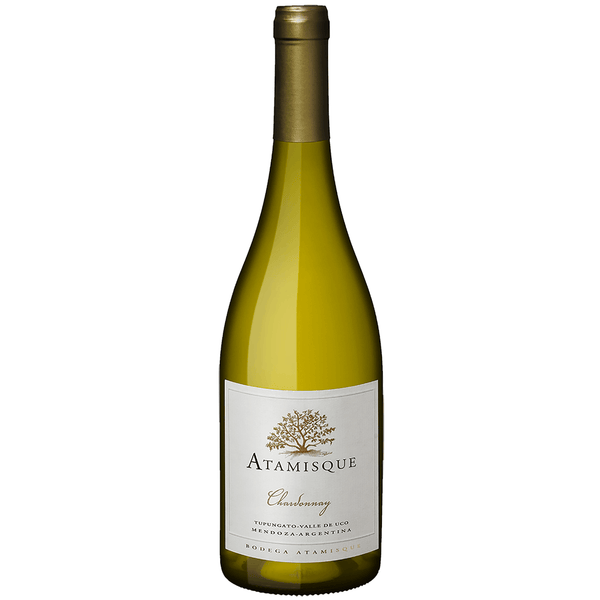
Atamisque - Atamisque Chardonnay 2023
A first-class Argentinian Chardonnay from high altitude vineyards!
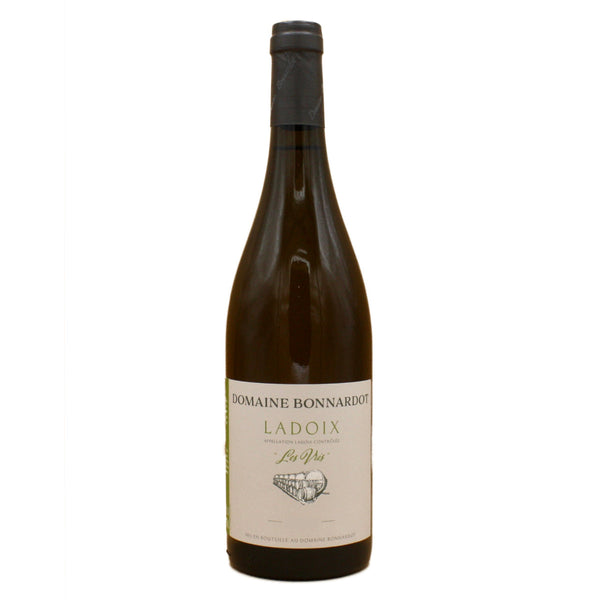
Domaine Bonnardot - Ladoix Les Vris Blanc 2022
A white Ladoix that puts chalk and lemon ahead of the oak.
Four ways of ageing, from stainless-steel tank to new barrique
Chardonnay does not have an aroma as distinctive as Sauvignon or Gewurztraminer. It takes on the flavour of whatever is done to it, and above all of the vessel in which it ferments and is aged. A stainless-steel tank keeps the lemon, the green apple and the tension. A barrel, especially a new one, brings vanilla, butter, toast and a broader palate. Between the two, most winemakers strike a balance. Here are the four regimes found on the wine pages of our shop, with what they cost here.
| Ageing | What it means in the glass | Price range noted | Benchmark bottle, sold individually |
|---|---|---|---|
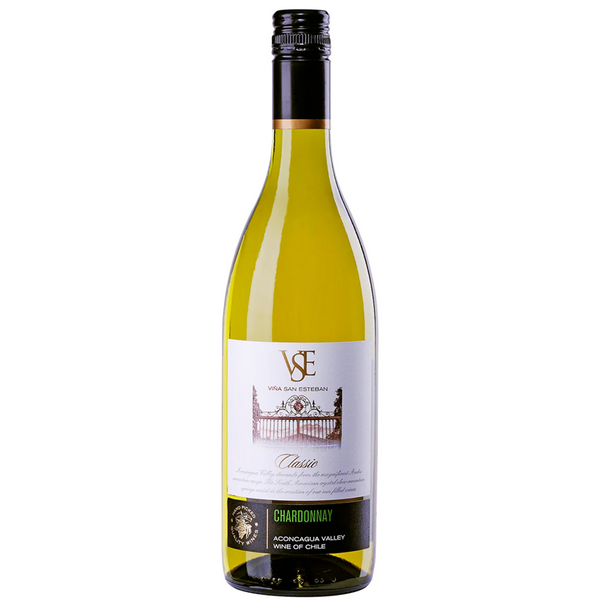
| Stainless-steel tank, no oak Fermentation and ageing in the same neutral vessel | Lemon, green apple, white flowers, a saline finish. Straight and nervy, with no toasty note. | €9.90 to €16.80 | In Situ VSE Classic 2023, €9.90 |
| Part of the wine in barrel The rest stays in tank, and the lots are blended before bottling | The fruit stays in charge, the oak rounds out the palate and adds a touch of hazelnut on the finish. | €16.50 to €19.90 | Domaine Bonnardot Hautes-Côtes de Nuits Blanc 2024, €19.90 |
| Fermented in barrique, used oak Native yeasts, ageing on fine lees, bâtonnage | Creamy, long texture, with no dominant vanilla. The barrel gives richness and structure, not a taste of wood. | €23.00 to €122.00 | Catena Zapata Adrianna White Bones 2023, €122.00 |
| Barrel with a proportion of new oak Proportion of new barrels stated, long ageing | Vanilla, butter, toast and almond, on a broad palate. This is the style that made the grape famous. | €150.00 to €295.00 | Cullen Kevin John 2023, €150.00 |
Three labels show their hand with the word Unoaked, between €11.90 and €16.80. For all the others, the product page tells you the vessel, and the price says nothing about it: the Chilean In Situ at €9.90 is fermented entirely in tank, the Argentinian Adrianna White Bones at €122.00 is made mainly in previously used barrels, and the Sine Qua Non Distenta I, at the very top of the range, spent 23 months in 64% new French oak. Oaked does not mean expensive, and expensive does not mean oaked.
Six doors into a worldwide range
Five countries supply most of the range, and each has its own price level, availability by the bottle and dominant style. The sixth door is the budget one, for tasting the grape variety for under twenty euros.
Burgundy whites
From the Hautes-Côtes to Meursault, from €19.90 to €188.00. This is by far the best-served area for buying by the bottle: almost every wine can be bought individually.
Almost all sold individuallyUnited States
From the Columbia Valley to Napa and the Dundee Hills, from €16.50 to €295.00, with a median of €46.00. This is the most expensive country in the range: it dominates the €80.00-and-over bracket.
Individually or in packsSouth Africa
Twenty bottles from €10.90 to €71.80, median €29.70. Nine of them come from the coastal Hemel-en-Aarde valley, seven from Stellenbosch.
Individually or in packsHigh-altitude Argentina
Twenty-one bottles from €11.90 to €122.00, median €25.00. The vineyards of the Uco Valley climb to 1,200 metres at Bousquet and to 1,450 metres at Catena Zapata's Adrianna vineyard.
Individually or in packsAustralia
Nineteen bottles from €11.50 to €150.00, median €33.00, from Tyrrell's in the Hunter Valley to Margaret River. Note that only three can be bought individually.
Mostly in packsThe section under 20 euros
Thirty-one bottles, ten of them available by the bottle. Chile and Argentina supply thirteen between them, and all three labels bearing the word Unoaked are found here.
Under €20.00
What oak changes on the plate
A tank-aged Chardonnay and a barrel-aged Chardonnay are not served with the same dishes, even when they come from the same country and the same vintage. The first brings acidity and salinity; it cuts through richness and copes with briny flavours. The second brings volume, a creamy texture and toasty notes; it calls for cooking or a sauce of the same weight. Picking the wrong side spoils the dish as much as the bottle.
| The dish | The style to go for | Why | Where to look |
|---|---|---|---|
| Oysters, prawns, shellfish platterRaw, briny, no sauce | Stainless-steel tank, no oak | Brine and toast clash. You need acidity and a saline finish, nothing else. | Common pairing in this range |
| Roast white fish, sole meunièreButter, cream, citrus | Part of the wine in barrel | The sauce needs a little roundness, but the acidity must remain to cleanse the palate between mouthfuls. | Common pairing in this range |
| Grilled salmon, seared tuna, smoked fishOily flesh, high-heat cooking | Barrique, used oak | The richness of the fish absorbs the volume of the wine, and the smoky notes echo the cooking. | Common pairing in this range |
| Roast poultry, veal in cream sauceSlow-cooked dish, emulsified sauce | Barrique, new oak acceptable | This is the only ground where a rich white beats a light red, because it stands up to the sauce without tannin. | Common pairing in this range |
| Comté, Beaufort, aged tommePressed cheese, long maturation | Used barrel, on a wine a few years old | The salt and nutty character of the cheese seek out the toasted almond aromas left by the oak. | Common pairing in this range |
Our shop also stocks six Chardonnay sparkling wines, blanc de blancs and traditional-method wines, from €21.90 to €48.00. Only one is sold by the bottle, the Caelum Eclat Extra Brut at €25.00. They handle the aperitif and fried food, while the tank-aged and barrel-aged wines share the rest of the meal.
The real divide is not the origin
People buy Chardonnay by looking at the country first, as if a Burgundy and a Californian were two fundamentally different things. In our cellar, that is not what separates the bottles. A tank-aged Chilean and an unoaked South African are much more alike than a tank-aged Chilean and a barrique-aged Chilean. Tabalí's Talinay Caliza, born 12 km from the Pacific on old porous limestone, ferments in used French oak barrels, and its product sheet speaks of a mineral verticality worthy of the great white Burgundies. The vessel counts for more than the border.
Second idea to correct: the buttery, vanilla-laden Chardonnay that made the grape's reputation, and then its bad reputation, is now in the minority. The product sheets that detail their ageing almost all lean towards restraint: stainless-steel tank only, used barrels, or just a fraction of the volume aged in wood. When a proportion of new oak is mentioned, it stays small: 5% of the barrel-aged portion at Seresin, a fifth of the blend at Shadow Point. Outright new oak only really dominates at the very top, at Cullen at €150.00 and at Sine Qua Non.
The consequence is practical. For a taut white to drink within two years, everything happens under €20.00, where the choice is wide, with bottles sold individually from Chile, Argentina or Australia. For a Chardonnay to go with a meal, with richness and length, the €20.00 to €40.00 bracket is the best stocked in the section, and it is where Burgundy is easiest to buy, since almost all its whites are sold by the bottle. Above €80.00, the choice narrows and becomes mostly American: you are paying for a signature as much as for the ageing.
To check before you pay
The vessel before the country: the product page specifies whether the wine was aged in tank, used barrels or new barriques. This is the information that changes what is in the glass the most.
Buying by the bottle: only part of the section. Burgundy is by far the best served, ahead of Argentina and then South Africa; New Zealand is sold in lots.
Price does not tell you the style: a Chardonnay at €9.90 can be a pure tank wine, and a Chardonnay at €122.00 a wine from used barrels. These are two different approaches, not two levels in the range.
The Wine Wanderer Team
What we are asked most often
How can you tell whether a Chardonnay has been aged in oak?
Three labels in the section say so themselves with the word Unoaked, between €11.90 and €16.80. For the others, the product page gives the vessel: stainless-steel tank for a wine without oak; barrel, barrique, foudre, bâtonnage and fine lees for an oak-aged wine. When the words new oak appear, they are almost always accompanied by a percentage.
Which bottle to start with to be on the safe side?
Two Chileans sold by the bottle make good starting points: the Santa Rita 120 Reserva Especial at €9.40 and the In Situ VSE Classic at €9.90, the latter fermented in stainless-steel tanks at low temperature, at 850 metres above sea level in the Aconcagua Valley. Both show the grape without oak, which is the best way to find out afterwards whether you like oak.
Are all bottles sold individually?
Part of the section can be bought by the bottle, the rest in lots. Availability varies greatly from one country to another: Burgundy whites are almost all sold by the bottle, Argentina offers about half, South Africa and Australia a handful, and New Zealand is sold in lots. The price shown on the product page always tells you what it covers.
What separates a white Burgundy from a New World Chardonnay?
Climate first: cooler in Burgundy, which gives more acidic, tauter wines at the same ripeness. Then price, and in our cellar it does not go the way you might think: the Chilean median is €13.90, the Argentine median €25.00, the Burgundy median €32.50 and the American median €46.00. Here, a Chardonnay from California costs more than a village Burgundy.
Are there any great whites from the Côte de Beaune?
Yes, and all sold by the bottle. The Meursault Les Clous du Domaine de la Roche Aiguë is €66.00, the Saint-Aubin 1er Cru Le Champlot de Sylvain Langoureau at €59.90, and the top of the French range is a 2013 Meursault-Charmes 1er Cru from the Hospice de Beaune, at €188.00. The rest of the area can be found in our collection Côte de Beaune.
Does Chardonnay age well?
It depends entirely on the ageing. A tank-aged wine, lively and fruity, is drunk within two to three years of the harvest and has nothing to gain from waiting. A barrel-fermented wine, with its lees and bâtonnage, commonly lasts five to ten years and gains in complexity. The section offers an example with the 2013 Meursault-Charmes from the Hospice de Beaune, still on sale today.
Are there any Chardonnay sparkling wines in this section?
Six, between €21.90 and €48.00, blanc de blancs made by the traditional method: two South African Cap Classiques, two Argentine sparkling wines and two Australian ones. Only one is available by the bottle, the Caelum Eclat Extra Brut at €25.00. For French bubbles made from the same grape, take a look at our collection Champagne.
At what temperature should Chardonnay be served?
A tank-aged wine is served cool, at around 10 °C, which brings out its tension and saline finish. A barrique-aged wine is served two to three degrees warmer; otherwise the cold shuts down the hazelnut and toast aromas and leaves only the bitterness of the oak. A bottle taken out of the fridge at 6 °C shows almost nothing: better to leave it on the table for twenty minutes.
Are all these bottles pure Chardonnay?
No, a few are blends in which Chardonnay dominates or plays a major role. The Bousquet Chardonnay Torrontés combines two grape varieties, San Marzano's Edda Bianco adds Moscatello Selvatico and Fiano, the Paso Primero Blanco mixes Gewurztraminer, Chardonnay and Riesling, and Bodegas Tobía's Daimon White brings together five. Each wine's product page gives the exact composition.
What budget should you aim for to get a good Chardonnay?
The median price in this range is €31.80, and the best-stocked bracket runs from €20.00 to €40.00. That is where you will find most of the food wines, ripe enough to stand up to a sauce without tipping into oak. Below €20.00, the range offers easy-drinking, rather lively Chardonnay. Above €80.00, the choice narrows, and the price gap owes more to rarity than to style. The rest of our white wine range lets you compare with other grape varieties.