
Carménère : le cépage bordelais devenu chilien
21 bouteilles, carménère chilien de 9,40 € à 108 €A fleshy red with cooked black fruit and smooth tannins, a touch of pepper and sometimes a hint of green pepper: that is the signature of Carménère. The grape comes from the Médoc, where phylloxera wiped it out at the end of the 19th century. It was found alive in 1994 in Chilean vineyards, where it had been harvested for a hundred and thirty years by growers who thought they were picking Merlot.
This page brings together our cellar's Carménère cuvées, valley by valley, with what really changes from one bottle to the next: the ripeness of the grapes.
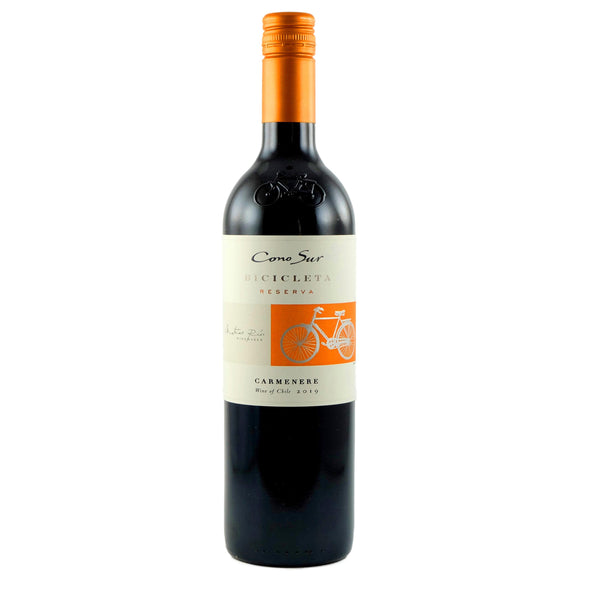
Cono Sur - Bicicleta Carménère 2023
A delicious and velvety Carménère which presents aromas of red fruits perfectly combined with spicy notes.

J.Bouchon Family Wines - Block Series Carmenère 2020
An authentic, complex and elegant Carmenère

Tarapaca - Carménère 2024
The emblematic grape variety of Chile in a light and expressive cuvée at the same time.
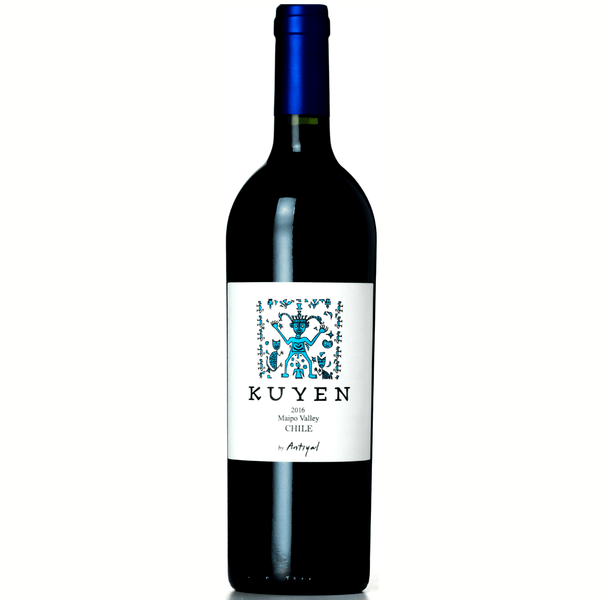
Antiyal - Kuyen 2019
A lunar and complex vintage, produced using the precepts of biodynamics.
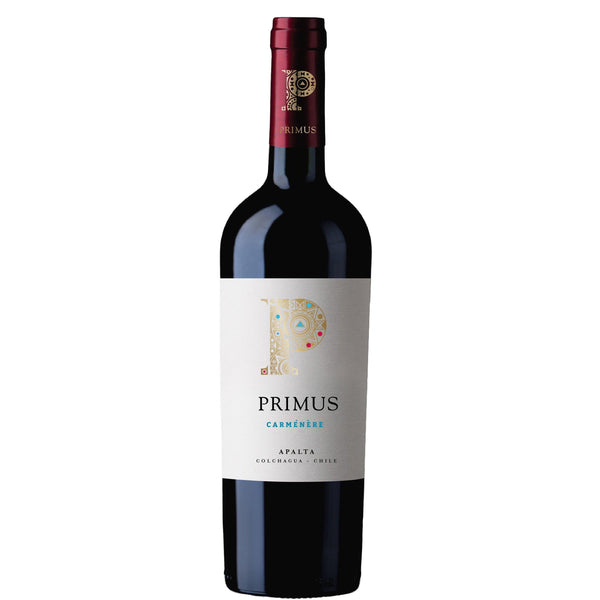
Primus - Carménère 2022
A complex and harmonious Carménère with notes of spices and very ripe fruit.

Tarapacá - Gran Reserva Organic 2024
An organic blended wine with multiple aromatic facets
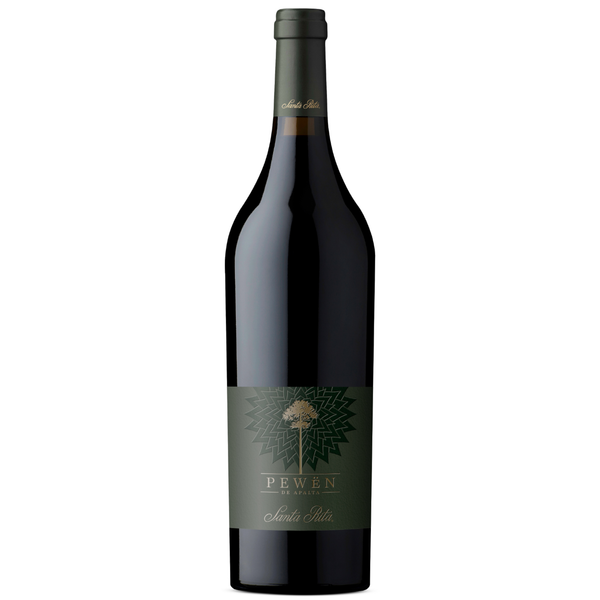
Santa Rita - Pewen Carmenere 2020
The noble and intense expression of Chilean Carménère

Antiyal - Pura Fé Carménère 2023
A completely mastered Carménère, both creamy and very digestible
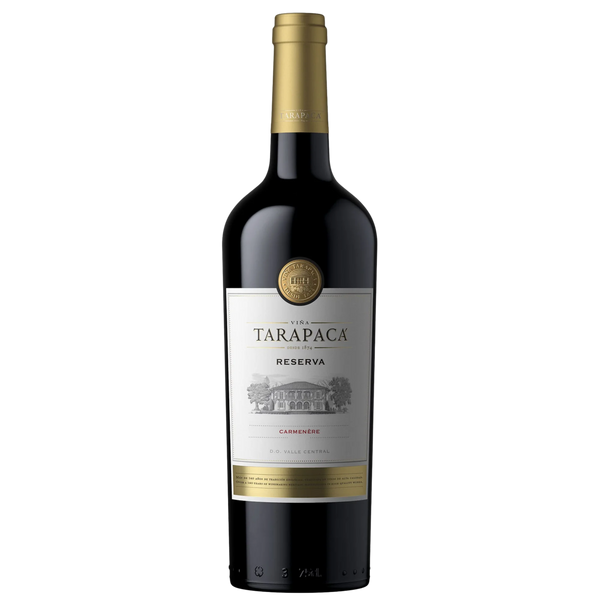
Tarapaca - Carménère Reserva 2022
The emblematic grape variety of Chile in a vintage that is both fleshy and intense.
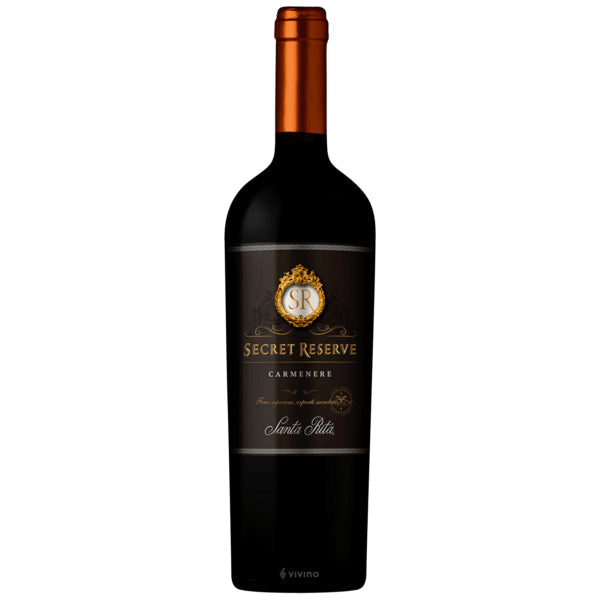
Santa Rita - Secret Reserve Carmenere 2022
Plum, blackberry and roasted coffee: a deep Carménère with polished tannins.
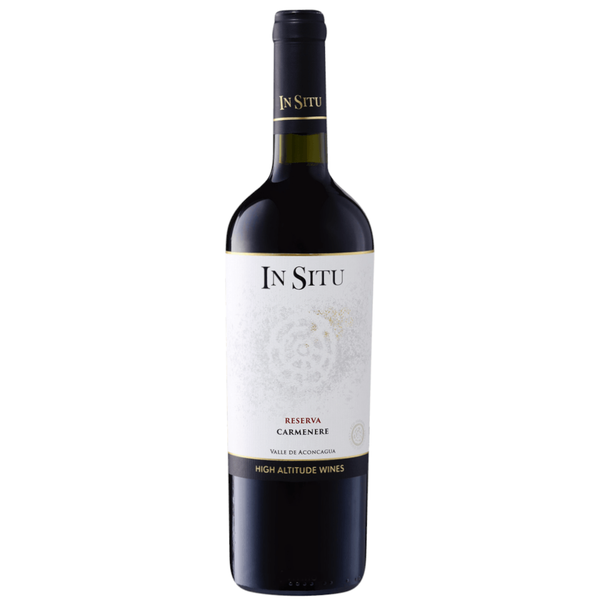
In Situ - Carmenère Reserva 2021
A typical Chardonnay from Aconcagua

Antiyal - Escorial 2020
The quintessence of Carménère, expressed by a master of Chilean viticulture.
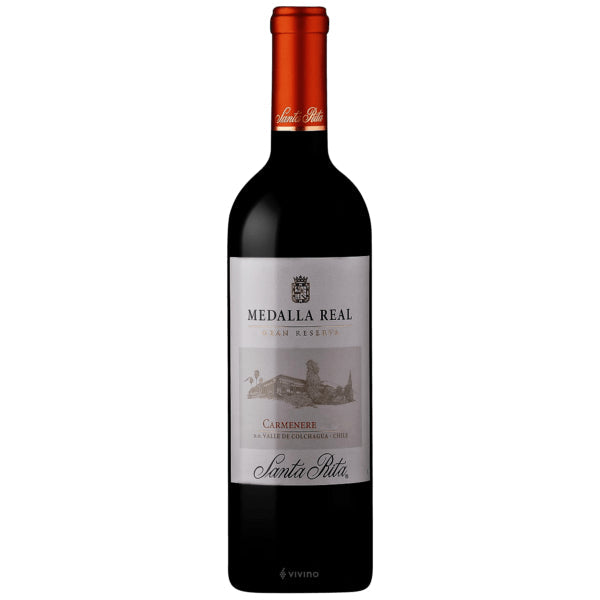
Santa Rita - Medalla Real Carmenere 2022
A velvety Carménère, blackberry and black pepper, with the herbaceous touch that is the grape's signature.

Tarapacá - Gran Reserva Carménère 2023
A round and spicy Carménère influenced by the proximity of the Maipo River

Errazuriz - Kai 2019
A high-precision Chilean Carmenère, where the depth of fruit meets the elegance of the Andes.
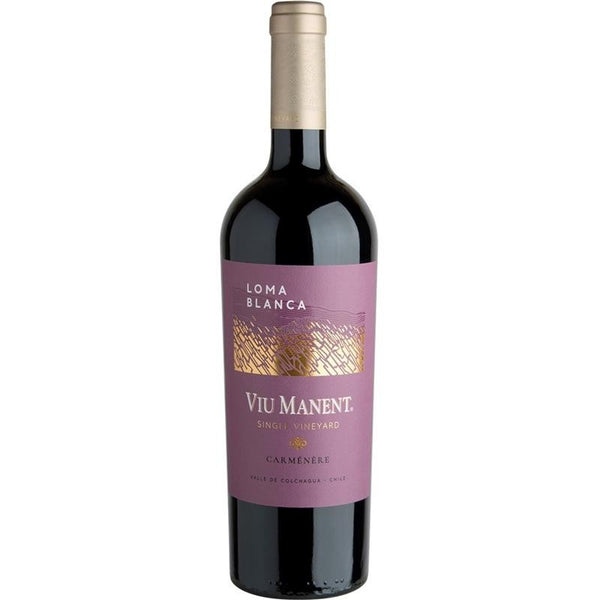
Viu Manent - Single Vineyard Loma Blanca Carmenere 2022
A precise and harmonious Carmenère from Colchagua, combining ripe fruit, sweet spices and a silky texture.
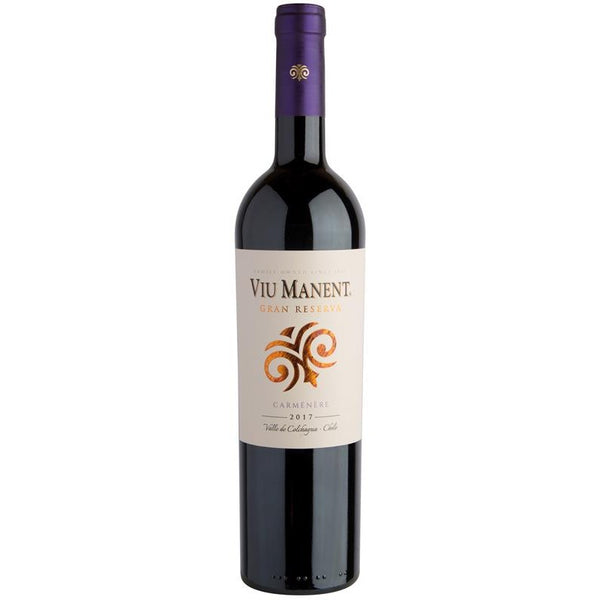
Viu Manent - Gran Reserva Carmenere 2022
A Carmenère from Colchagua combining ripe fruit, spices and velvety texture, true to the style of Viu Manent.
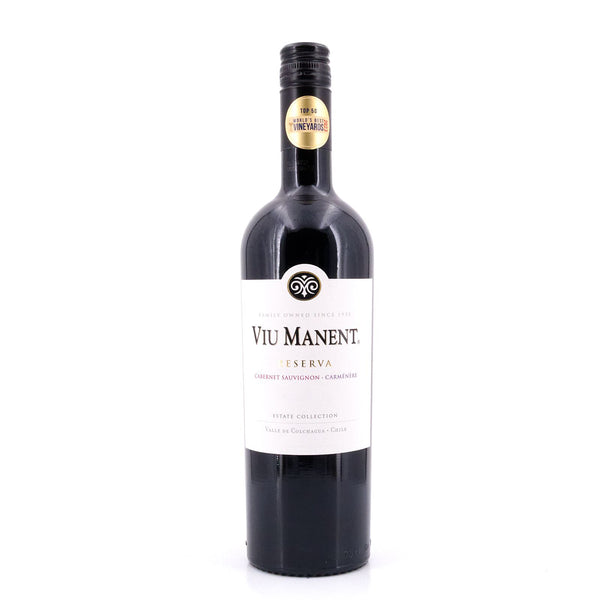
Viu Manent - Estate Reserve Carmenère 2022
An approachable and expressive Carmenère from Colchagua, combining ripe fruit, sweet spices and a supple mouthfeel.
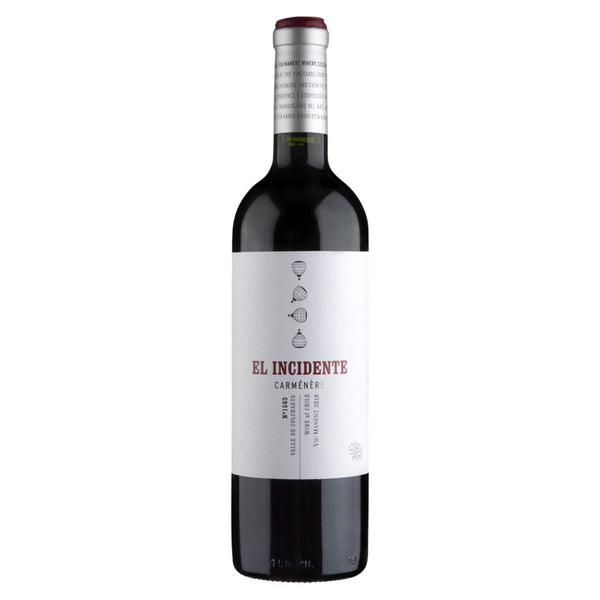
Viu Manent - El Incidente Carmenère 2019
A Carmenère from Colchagua that is both intense and precise, where the depth of the fruit is combined with a beautiful freshness.
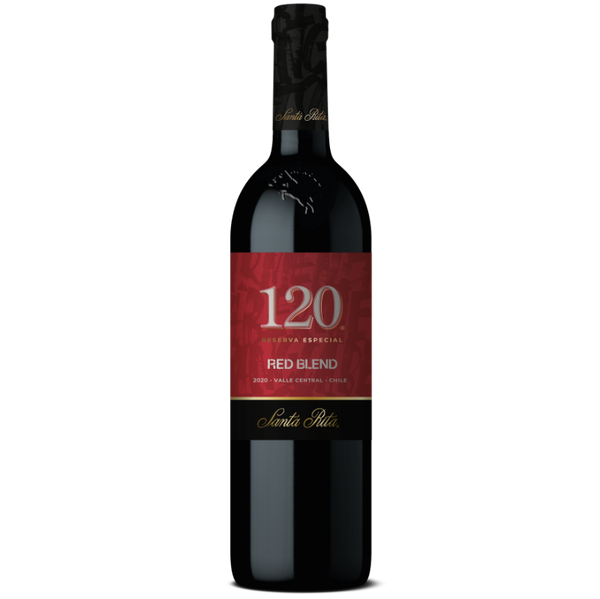
Santa Rita - 120 Special Reserve Red Blend 2022
Cassis, mûre et grains de café, un assemblage souple élevé quelques mois sous bois.
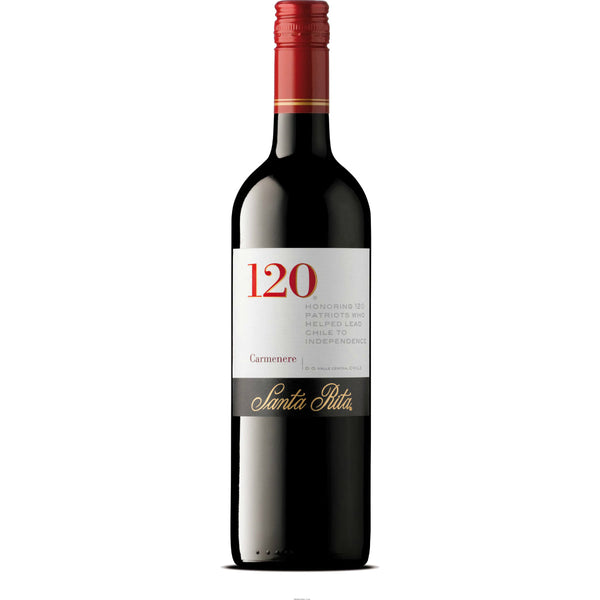
Santa Rita - 120 Carmenere 2019
Chilean Carménère in its supple style: blackcurrant, black pepper and cocoa.
Où pousse le carménère au Chili, et ce que chaque vallée lui donne
The grape is the same everywhere. What changes is the heat received, the coolness of the nights and the harvest date, and therefore the amount of truly ripe fruit in the glass.
| Vallée | Ce que le lieu lui apporte | Style du vin | Prix d'entrée |
|---|---|---|---|
| Colchaguaet le secteur d'Apalta | Vallée large ouverte sur le Pacifique, chaude le jour, ventée la nuit. Le raisin mûrit sans se dessécher. | Le carménère le plus charnu : fruit noir confit, poivre doux, tanin fondu. | 11,80 € Viu Manent, Estate Reserva |
| MaipoIsla de Maipo, Maipo Alto | The Santiago valley, backed by the Andes. The cold air that flows down from the peaks at night preserves the acidity. | Straighter and fresher, often backed up by Cabernet in blends. | 13,90 € Tarapacá, Carménère Reserva |
| Mauleautour de Mingre | The south of the Central Valley, more humid, on poor, ancient granite soils. | A taut, less sun-drenched Carménère, with a noble bitterness and a hint of liquorice. | 22 € J. Bouchon, Block Series |
| AconcaguaPanquehue, colline Paidahuen | Between the ocean and the cordillera, north of Santiago. Parcels at around 940 metres lengthen the growing season. | Deux visages : un rouge de soif à petit prix, et la cuvée de garde du rayon. | 13,90 € In Situ, Carménère Reserva |
Many labels stop at the words Central Valley, which on its own covers Maipo, Cachapoal, Colchagua and Maule. The cool or older valleys, Casablanca and Leyda, Limarí and Elqui or Itata, are devoted to other grape varieties.
Carménère compared with the grapes it is likened to
It is readily placed alongside Merlot or Cabernet, as much out of labelling habit as of taste. Here is what really separates them in the glass.
| Cépage | Ce qui le rapproche du carménère | Ce qui l'en distingue | À choisir quand |
|---|---|---|---|
| MerlotBordeaux et Chili | Même famille bordelaise, même rondeur. Ils ont poussé mêlés au Chili pendant un siècle. | Le merlot mûrit trois semaines plus tôt et reste plus sage. Le carménère va plus loin, plus épicé. | You want a supple red with no rough edges. |
| Cabernet sauvignonle partenaire d'assemblage | Its neighbour in the old parcels, it shares its structure and blackcurrant flavour. | Its tannins are tighter, its finish more austere. Carménère keeps a supple mid-palate. | You are serving rare red meat. |
| Cabernet franc l'autre cépage à pyrazines | Same green note when ripeness is lacking, same fine tannins when it is there. | Il reste élancé et floral. Le carménère va vers le fruit noir cuit. | You are looking for tension more than flesh. |
| Malbecon the other side of the Andes | Deux cépages français effacés par le phylloxéra, sauvés par un pays neuf. | High-altitude Malbec plays on violet and blue fruit. Carménère is darker and spicier. | You are firing up the grill.Compare with Argentina |
Carménère is also drunk in blends: two cuvées pair it with Cabernet Franc and Cabernet Sauvignon, another with Malbec and Syrah. Our Chilean section brings them together.
Un cépage qu'il faut acheter mûr
Carménère ripens two to three weeks after Merlot. Picked too early, it gives a green, hard wine marked by green pepper. Picked at the right moment, it becomes one of the silkiest reds on the continent. That is where the whole difference lies, far more than in the name of the estate.
So we arrange the cuvées by valley rather than by price. An entry-level Colchagua , where the grapes calmly finish ripening, often holds up better than a pricier bottle from a cool year. Taste a bottle at around €15 and you will soon know whether the style speaks to you.
Le repère à la dégustation
Versez, et cherchez d'abord l'odeur. Un carménère mûr sent la mûre, le poivre noir et le cacao. S'il sent le poivron ou le haricot vert, le raisin n'était pas prêt : aérez-le vingt minutes, servez-le plus frais, et sortez un plat relevé qui prendra le végétal à revers. C'est la marque du cépage, pas un défaut.
L'équipe du Baroudeur du Vin
Ce qu'on nous demande sur le carménère
Is Carménère the same thing as Merlot?
No, but the confusion lasted more than a century. The vines brought over from Bordeaux in the 19th century mixed the two grape varieties, and Chile harvested the lot under the name Merlot. In 1994, the ampelographer Jean-Michel Boursiquot identified Carménère in a vineyard in Maipo. The country recognised it as a distinct variety in 1998.
Pourquoi mon carménère a-t-il un goût de poivron vert ?
Because the grapes have not finished ripening. Carménère concentrates pyrazines, the same molecules found in green peppers, and it is the heat at the end of the season that makes them disappear. In a cool vintage, they remain. Decanting and a spicy dish clearly soften this note.
Which bottle should you choose to discover the grape?
Trois cuvées se vendent à la bouteille et suffisent à comprendre le style. Le Santa Rita 120 Carménère ouvre le rayon à 9,40 €, souple et fruité. Le Tarapacá Carménère 2024, à 11,90 €, joue la fraîcheur du Maipo. L'In Situ Carménère Reserva, à 13,90 €, montre ce qu'apporte l'altitude d'Aconcagua.
À quelle température le servir, faut-il le carafer ?
Between 15 and 17 °C, never at room temperature: above that, the alcohol stands out and the fruit flattens. Entry-level cuvées can be drunk as soon as they are opened. Wines for ageing benefit from an hour in a decanter. With a wine marked by green notes, aeration is really useful.
Which dishes go with a Carménère?
It loves slow cooking and sweet spices: lamb with cumin, braised beef, chilli con carne, vegetable tagine. Pepper and chilli echo its aromas. It also handles grilled vegetables and pressed cheeses. Avoid delicate fish, which its black fruit overwhelms.
Le carménère se garde-t-il en cave ?
The entry-level cuvées are made to be drunk within three years. The single-parcel selections last much longer: Errazuriz's Kai 2019 at €108, Viu Manent's El Incidente 2019 at €68 and Antiyal's Escorial 2020 at €75 can take ten years in the cellar.
Are all the bottles on this page Chilean?
The vast majority, yes: Chile accounts for most of the world's plantings. The grape is still permitted in Bordeaux blends, however, and it survives in north-eastern Italy, where it was long mistaken for Cabernet Franc. The origin is shown on each product page and in the Country filter.
Why are some cuvées only offered in sixes?
Because the single-bottle format has sold out, or because the producer only delivers full cases. This is the case for a good part of the section, notably with Viu Manent and Tarapacá. The available format appears in the selector on the product page, and our shipping terms are set out separately.
Qu'est-ce qui sépare une bouteille à 10 € d'une autre à 100 € ?
The age of the vines, the yield and patience at harvest time. A broadly blended cuvée gives a pleasant, direct wine. A single-parcel selection such as Santa Rita's Pewen at €56 or Errazuriz's Kai at €108 comes from a few hectares harvested late, with long ageing.
What are the Reserva and Gran Reserva labels worth?
Far less than a European appellation. In Chile, these words mostly reflect each house's internal hierarchy, with no binding specifications. Rely instead on the parcel, the valley and the estate. Our page on appellations explains what these terms cover.