
Wines from the Aconcagua Valley, from the Pacific to the Andes
10 bottles from Aconcagua, from €9.90 to €128Two opposing styles coexist here: dense Cabernets built for ten years in the cellar, and taut whites harvested a few kilometres from the Pacific. This transverse valley runs down from the Andes and heads due west to the ocean. That journey is enough to change everything: the heat, the humidity of the air, the nature of the soil.
Our shop follows this divide. Errázuriz's great cuvées for ageing come from Panquehue, the everyday wines grow at altitude at the foot of the cordillera, and a few bottles bear the Aconcagua Costa designation, that of the seaside.

Errázuriz - Kai 2019
A high-precision Chilean Carmenère, where the depth of fruit meets the elegance of the Andes.

Errázuriz - La Cumbre 2019
A Chilean Syrah from the Aconcagua Valley, deep and structured, combining aromatic intensity with elegance on the palate.

Errázuriz - Don Maximiano 2020
A big Chilean red from the Aconcagua Valley, combining depth, finesse, and remarkable length.

Errázuriz - Max 2023
A precise and structured Chilean Cabernet Sauvignon, combining coastal freshness with the concentration of the Aconcagua terroir.

Errázuriz - Aconcagua Costa Chardonnay 2022
A precise and saline Chilean coastal Chardonnay, where ocean freshness meets beautiful aromatic depth.

Errázuriz - Aconcagua Costa pinot noir 2022
A Chilean coastal Pinot Noir combining maritime freshness, aromatic finesse, and elegance on the palate.
Three areas in a single valley
The valley starts in the Andes and reaches the Pacific by cutting through the coastal range. This corridor lets sea air far inland, and the temperature drops the closer you get to the ocean. Add altitude on the foothill slopes, and three positions give three very different wines.
| Sector | Climate and soils | Grape varieties | What it means in the glass |
|---|---|---|---|
| Aconcagua Costa About ten kilometres from the Pacific | Fog in the morning, cold wind in the afternoon. Schist, metamorphic rock, clays and poor sands. | Chardonnay and Pinot NoirSauvignon Blanc too | Frank acidity, light body, a saline and citrus register rather than candied fruit. |
| Panquehue, valley floor Historic heart of the wine region | Hot, dry Mediterranean climate, rare rainfall. Deep alluvial soils mixing gravels, sands and clays. | Cabernet SauvignonMerlot and Carménère | Ripe black fruit, ample tannins, generous alcohol. Reds that are enjoyable as soon as they are opened. |
| Panquehue slopes Slopes of the Don Maximiano vineyard | The same heat, but stony slopes, severe drainage and low yields. | Cabernet Sauvignon and CarménèreSyrah on the upper slopes | Concentration, tight tannins, substance that needs time. The home of the cuvées for ageing. |
| Andean foothills Paidahuen hill, 850 to 940 metres | Cool nights coming down from the cordillera, wide temperature swings. Poor, very rocky soils, fast drainage. | CarménèreChardonnay and Merlot | Slow ripening, clean fruit and retained acidity. More freshness than the valley floor. |
The Chilean system overlays three strips on the valleys: Costa, Entre Cordilleras and Andes. Aconcagua crosses all three, hence very different wines under the same name. The same mechanism applies in Casablanca and Leyda, which are coastal by nature.
Everyday bottle or cellar red
The range falls into two blocks, with no real grey area. Below €30, wines ready to drink, fermented in tank or with discreet oak. Above €100, Errázuriz's flagship cuvées, aged in new French oak, which call for cellaring and a decanter.
| The wine | What you will find | Price range | When to open it |
|---|---|---|---|
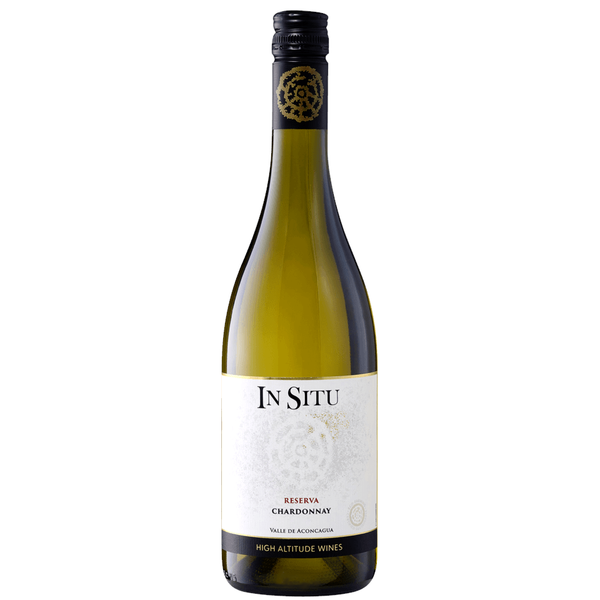
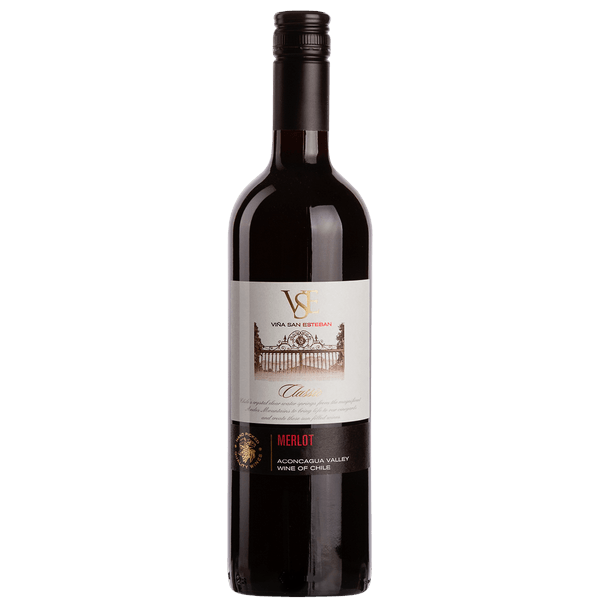
| In Situ VSE Classic Merlot Andean foothills, stainless-steel tank | Black cherry, raspberry, aromatic herbs. No oak, the fruit is left on its own. | €9.90 | Straight away, with white meat or grilled vegetables. |
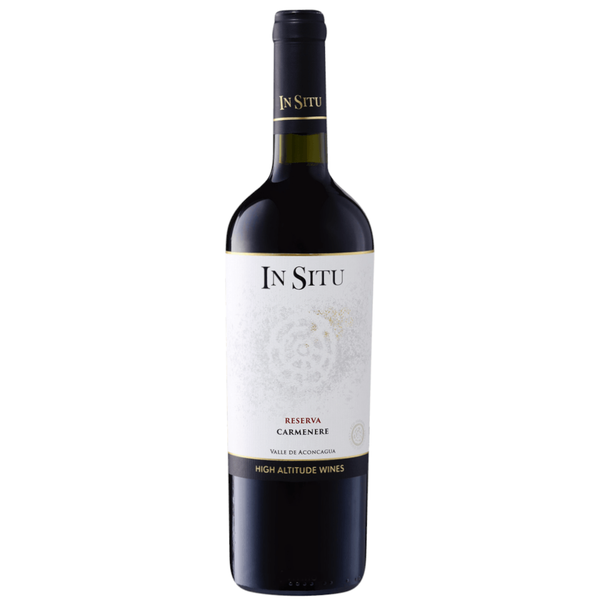
| In Situ Carmenère Reserva Paidahuen, twelve months in barrique | Blackberry, plum, blackcurrant, eucalyptus and pepper. Reused oak, so it stays in the background. | €13.90 | Within two to three years, with a slow-cooked dish. |
| Errázuriz Max Cabernet Sauvignon from Panquehue | Blackcurrant and graphite, tannins shaped by measured oak ageing. | €23.20 per bottle, €139.20 for a case of six | Three to eight years. The sector's first serious step up. |
| Errázuriz Aconcagua Costa Pinot noir Seaside plots | Morello cherry, forest floor, lively acidity. A Chilean Pinot Noir that does not chase power. | €24.40 per bottle, €146.40 for a case of six | Two to five years, served slightly chilled. |
| Errázuriz Aconcagua Costa Chardonnay Granite and schist soils | Fermented in French oak barrels, limited new oak. Tension, citrus, a saline finish. | €25.60 per bottle, €153.60 for a case of six | Three to six years, at around 11 °C, with fish. |
| Errázuriz Kai Carménère from the Don Maximiano vineyard | Carménère from stony alluvial soils, aged in mostly new French oak. | €108 | Ten years or more. Decant well ahead of serving. |
| Errázuriz La Cumbre Syrah from well-drained slopes | Concentrated, structured Syrah, black olive, violet, fine, tight tannins. | €112 | Eight to fifteen years, with game or red meat. |
| Errázuriz Don Maximiano Founding vineyard, hillside plots | The house's flagship wine, a blend dominated by Cabernet Sauvignon. | €128 | Up to fifteen years of ageing potential. A bottle for a special occasion. |
How the same wine region yields both power and tension
Errázuriz has been planting in Panquehue since 1870, some sixty kilometres from the ocean. There, the coastal range acts as a screen: the sea air arrives weakened, summers are dry and hot, and water comes from snowmelt. Cabernet ripens fully here, giving thick tannins and wines that improve for a long time. This is the historic model of the great Chilean red.
From the 2000s onwards, the house went to plant at the other end of the valley, right by the Pacific. Same name of origin on the label, but fog in the morning, cold wind in the afternoon, schist instead of gravel. Cabernet would not ripen there. Chardonnay and Pinot Noir would.
What it changes when buying
A red from Panquehue belongs in the cellar and often needs a decanter. A white or a Pinot Noir from Aconcagua Costa is drunk within its first five years, cool but not ice-cold, at around 11 degrees. Two buying logics for a single origin: one is for keeping, the other for opening. The budget follows the same divide.
The Wine Wanderer Team
What we are asked about Aconcagua
Where exactly is the Aconcagua Valley?
North of Santiago, in the Valparaíso region. The Aconcagua river flows down from the Andes and reaches the Pacific after about a hundred kilometres, crossing the coastal range. The vineyards follow this corridor, from Los Andes in the east to the coastal hills. It is the northernmost of the major red wine areas of Chile.
What does the Aconcagua Costa designation mean?
The vines in the western part of the valley, around ten kilometres from the Pacific. Morning fog and the cold afternoon wind delay ripening there by several weeks. Chardonnay, Pinot Noir and Sauvignon Blanc are planted there, never the Bordeaux varieties of the warm part.
Which bottle should I start with?
Without spending much, the In Situ Carmenère Reserva at €13.90 comes from the high slopes and already shows the valley's black fruit and freshness. One step up, Errázuriz Max, a Cabernet Sauvignon from Panquehue at €23.20 a bottle, gives the measure of the reds from the warm part.
How long do the region's great reds keep?
Errázuriz's flagship cuvées are built for ageing. Don Maximiano at €128, La Cumbre at €112 and Kai at €108 are best opened between eight and fifteen years after the harvest, longer in a cool cellar. Before five years, the tannins remain firm and the oak dominates.
Should these wines be decanted?
Yes for the cuvées for ageing: an hour in a decanter is enough to open up a Panquehue Cabernet that is still tight in its youth. The entry-level reds and the coastal Pinot Noir do not need it; serving at around 15 degrees suits them better.
Which dishes should you serve with an Aconcagua red?
A Cabernet from the warm part calls for seared red meat, a leg of lamb or a hard cheese. Carménère also copes with spicy dishes: its notes of ripe pepper and sweet spices stand up to chilli. The coastal Pinot Noir will go with roast poultry.
Are there any interesting whites in this valley?
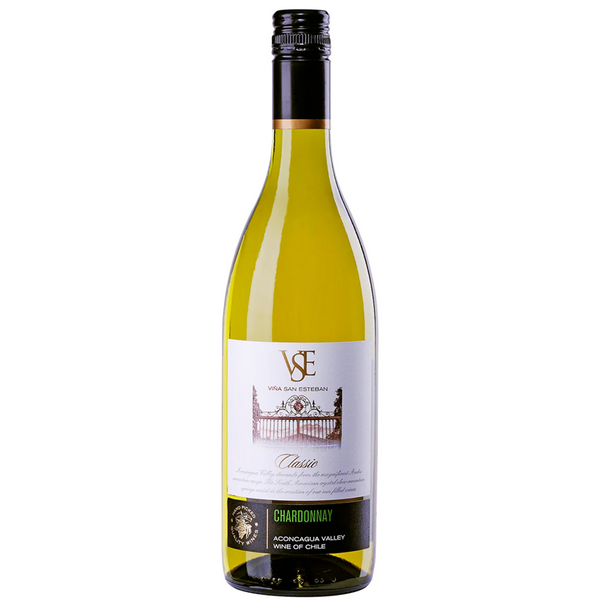
Two kinds. In Situ's high-altitude Chardonnays, at €9.90 and €13.90, play on ripe fruit with the acidity preserved by cool nights. Errázuriz's Aconcagua Costa Chardonnay, at €25.60 a bottle, comes from the coast and relies on tension. The other Chardonnays in our shop make for a comparison.
Aconcagua or Central Valley: what is the difference?
The Central Valley groups together the areas south of Santiago and supplies the bulk of Chile's volume, notably in Colchagua. Aconcagua is further north, drier, narrower, and concentrated on a small number of estates. Its reds are on average more structured and sit higher in price.
Why are some wines offered in cases of six?
When the single bottle is sold out at the supplier, the case is sometimes still available. This is the case for Errázuriz Max at €139.20 for six, and for the two Aconcagua Costa cuvées at €146.40 and €153.60. Each product page shows the formats that can actually be ordered at the time of your visit.
Which estates make up this section?
Two houses account for most of it. Errázuriz, established in Panquehue since 1870, makes the cuvées for ageing and the seaside wines. In Situ farms the slopes of the Paidahuen hill, between 850 and 940 metres, in a more accessible register. The estate directory lists the producers in our shop.