
Wines of Brazil, the fresh reds of the Serra Gaúcha
Tannat, Cabernet Franc and Merlot from the Serra GaúchaLooking for an out-of-the-ordinary red for a barbecue or an evening with friends? Brazil has a few surprises in store. In the far south of the country, the state of Rio Grande do Sul produces most of Brazil's wine, on hills planted by Italian immigrants at the end of the 19th century.
The climate there is humid and mild, the nights cool: the reds stay light in alcohol, supple and fruity. We have chosen three cuvées from Vinícola Salton, from €13.40 a bottle.
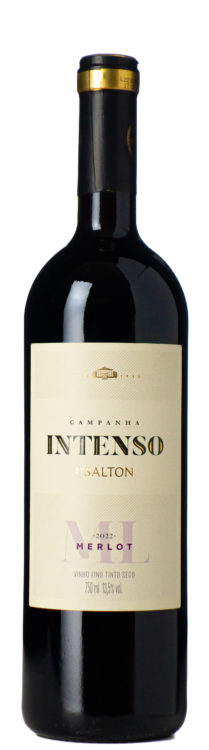
Vinicola Salton - Intenso Merlot 2023
A supple and fruity Brazilian Merlot, carried by the freshness of the Serra Gaúcha.

Vinicola Salton - Classic Cabernet Sauvignon
A fresh, fruity Brazilian Cabernet Sauvignon with touches of cherry, blackcurrant and pepper.
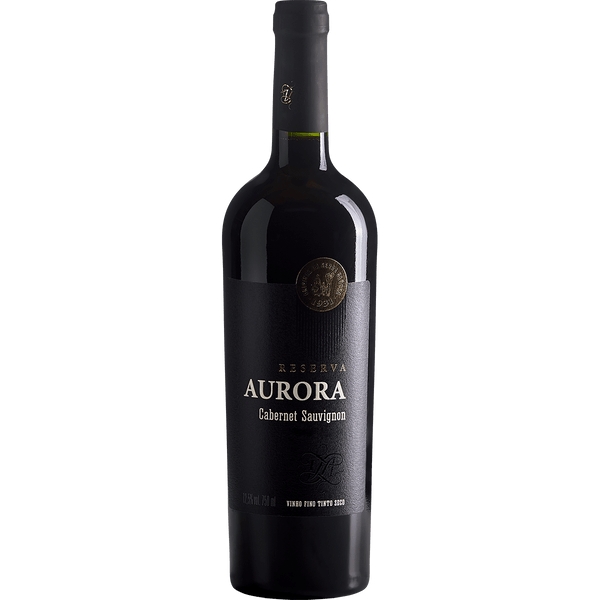
Vinicola Aurora - Cabernet Sauvignon Reserve 2017
A lovely vintage for lovers of power with a balanced and persistent profile on the palate.
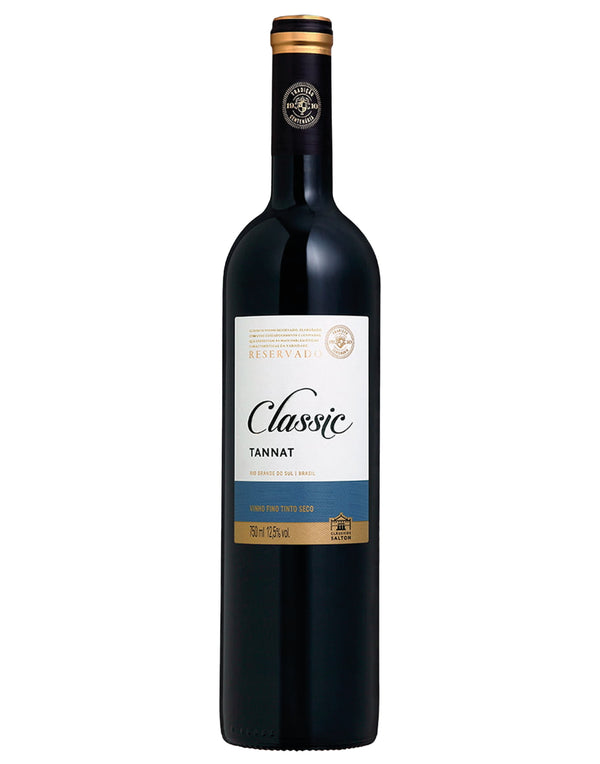
Vinicola Salton - Classic Tannat
An approachable and structured Brazilian Tannat, combining ripe black fruits, freshness and supple tannins to accompany grilled meats.
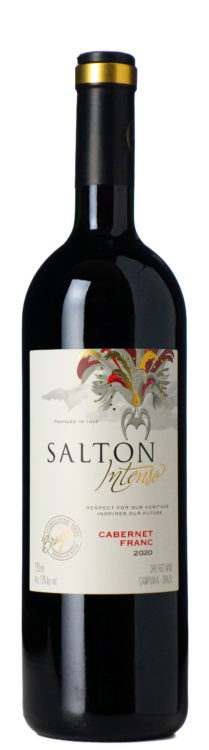
Vinicola Salton - Intenso Cabernet Franc 2020
A balanced Brazilian Cabernet Franc, combining freshness, fruit and suppleness for a convivial tasting.
Three reds from Vinícola Salton, side by side
Same winery, same Serra Gaúcha terroir, three grape varieties and three temperaments.
| Classic Tannat | Intenso Cabernet Franc 2020 | Intenso Merlot 2022 |
|---|---|---|
| Structured and approachable | Balanced and fresh | Supple and fruity |
| Blackberry, plum, violet, liquorice | Red and black fruit, violet, pepper | Black cherry, plum, vanilla, sweet pepper |
| In tank, on fine lees | In tank and barrel | In tank, part in oak barrels |
| 12,5 % | 12,5 % | 12,5 % |
| 16 à 17 °C | 15 à 16 °C | 15 à 16 °C |
| Within five years | Within five years | Within five years |
| 13,40 € by the case of 6 | 13,40 € by the case of 6 | 18,80 € by the case of 6 |
Vinícola Salton is one of the oldest wineries in the country, founded in the early 20th century by a family of Italian immigrants in Bento Gonçalves, in the heart of the Serra Gaúcha.
Where vines grow in Brazil
From the cool south to the tropical north-east, wine-growing Brazil covers very different climates.
| Region | Where | What they make there |
|---|---|---|
| Serra Gaúcha | Hills of Rio Grande do Sul, between 600 and 800 m | The cradle of Brazilian wine: light reds, whites and sparkling wines |
| Vale dos Vinhedos | In the heart of the Serra Gaúcha, near Bento Gonçalves | The country's first appellation of origin, for Merlot and sparkling wines |
| Campanha Gaúcha | Southern plains, on the border with Uruguay | A drier climate, riper reds: Tannat, Cabernet, Merlot |
| Serra Catarinense | Plateaus of Santa Catarina, above 900 m | High-altitude wines, fresh and taut |
| Vale do São Francisco | Nordeste, in the tropical zone | A curiosity: thanks to irrigation, two harvests a year |
Rio Grande do Sul's neighbour, Uruguay shares its climate and its flagship grape, Tannat: discover its wines.
A bottle for every mood
Start with the dish, the bottle follows.
For grilled picanha
Ripe black fruit, present but supple tannins: the Tannat made for churrasco, lamb chops and feijoada.
Salton Classic Tannat, €13.40 a bottle, by the case of 6A fresh, convivial red
Fruit, violet and a hint of pepper: a balanced Cabernet Franc for empanadas, lasagne or risotto.
Salton Intenso Cabernet Franc 2020, €13.40 a bottle, by the case of 6A wonderfully supple Merlot
Black cherry, plum and a touch of vanilla, a velvety texture: perfect with roast chicken or pizza.
Salton Intenso Merlot 2022, €18.80 a bottle, by the case of 6The Uruguayan neighbour
Same Atlantic climate, same love of Tannat: the reds of Uruguay extend your discovery of Rio Grande do Sul.
All our Tannats
Tannat, born in South West France, is the grape with the firmest tannins. All its versions in our cellar.
Cabernet Franc elsewhere
A fresh, fragrant grape that travels very well in South America. All its versions in our cellar.
Further afield in South America
Malbec from Mendoza, Torrontés from Salta: the high-altitude wines of neighbouring Argentina.
A wine-making Brazil to discover
Brazil brings to mind coffee and caipirinhas rather than wine. Yet the country has been making wine for more than a century, and the Serra Gaúcha still bears the imprint of the families who came from Italy: small plots, pergola-trained vines, family wineries that have become major houses.
We chose Salton for the precision of its reds. They have the freshness of a humid climate and the moderate alcohol that goes with it. These are table wines, made for grilled meat and everyday dishes, at prices that leave room for curiosity.
Why such light reds?
The Serra Gaúcha gets a lot of rain, and its summers are mild. The grapes ripen slowly and keep their acidity. The result: reds at around 12.5% alcohol, with clean fruit and supple tannins, far from the sun-drenched profile often attributed to South America.
The Wine Wanderer Team
What people ask us about Brazilian wines
Does Brazil really produce wine?
Yes, and it has for a long time. Brazil is among the main producers in South America, behind Argentina and Chile. Most of the wine comes from the state of Rio Grande do Sul, in the far south of the country, where Italian immigrants planted vines from 1875 onwards. The country is also renowned for its sparkling wines.
Where are Brazil's vineyards?
Mainly in the south: the Serra Gaúcha, with the Vale dos Vinhedos, the Campanha Gaúcha on the Uruguayan border and the high-altitude plateaus of Santa Catarina. More surprisingly, the São Francisco valley, in the tropical north-east, produces grapes twice a year thanks to irrigation. The regions table sums them up.
What style are Brazilian red wines?
Rather light and fresh. The humid climate of the Serra Gaúcha produces reds at around 12.5% alcohol, with clean fruit and supple tannins. They are closer to the reds of southern Europe than to the sun-drenched wines of Argentina or Australia. Our three reds from Salton follow this profile.
What is the Vale dos Vinhedos?
The “valley of vineyards” is a small area of the Serra Gaúcha, between Bento Gonçalves, Garibaldi and Monte Belo do Sul. It was the first region in Brazil to obtain a protected geographical indication. It is known for its Merlot and sparkling wines, and is home to a large share of the country's wineries.
Who is Vinícola Salton?
One of the oldest wineries in Brazil, founded in the early 20th century by a family of Italian immigrants in Bento Gonçalves. It produces reds, whites and sparkling wines in the Serra Gaúcha. We offer three of its reds: the Classic Tannat, the Intenso Cabernet Franc and the Intenso Merlot.
Which wine to serve with churrasco or picanha?
A red with some structure, one that stands up to the richness of grilled meat. Salton's Classic Tannat is the natural choice: black fruit, liquorice and present tannins. For a lighter barbecue, with chicken skewers or grilled vegetables, the Intenso Merlot is more supple. See also our wines for beef.
Brazilian Tannat or Uruguayan Tannat?
How long can a Brazilian wine be kept?
Our three Brazilian reds are best drunk within five years, to enjoy their fruit. Store them lying down, away from light, between 12 and 14 °C. Serve them lightly chilled, between 15 and 17 °C: twenty minutes in the fridge is enough in summer.