
Casablanca, San Antonio and Leyda: coastal Chile
6 bottles from the seaside valleys, from €9.90 to €35Sauvignons that smell of grapefruit and sea spray, Chardonnays tautened by chalk, light Pinot Noirs: this is what vines planted less than twenty kilometres from the Pacific give. The Humboldt Current carries cold Antarctic water up along the coast, cools the air and brings in a mist that only lifts late in the morning.
Three valleys share this climate, Casablanca to the north, San Antonio further south, and Leyda, the band of hills closest to the water. The rest of the country is in our wines of Chile range.
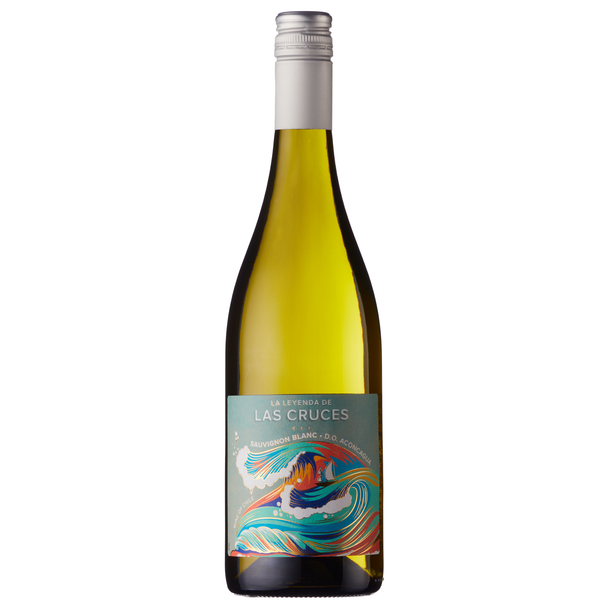
Matetic & Guillaume Letang - Las Cruces Sauvignon Blanc 2022
A crisp and intense Sauvignon Blanc, from the cool terroirs of Chile

Garcés Silva - Amayna Pinot Noir 2022
A Pinot that embodies the elegance of Chile's coastal terroirs, combining freshness and precision.
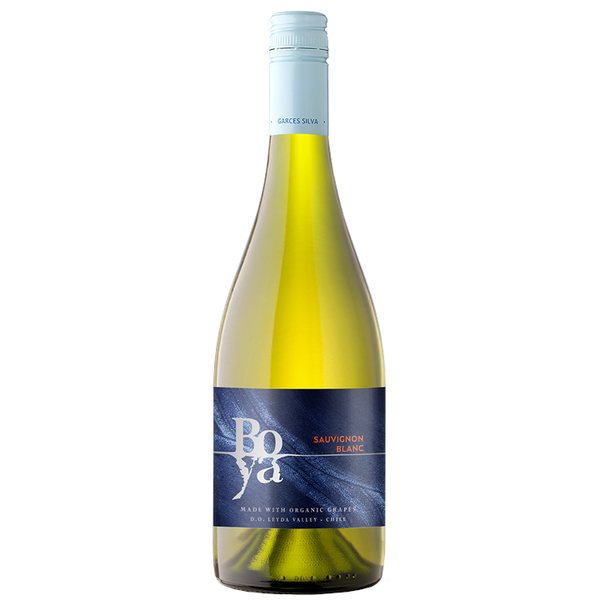
Garcés Silva - Bo-Ya Sauvignon Blanc 2023
A taut Sauvignon Blanc, with aromas of citrus and sea spray.

Boutinot - El Infernillo Pinot Noir 2021
A Pinot noir from northern Chile, made with finesse and freshness
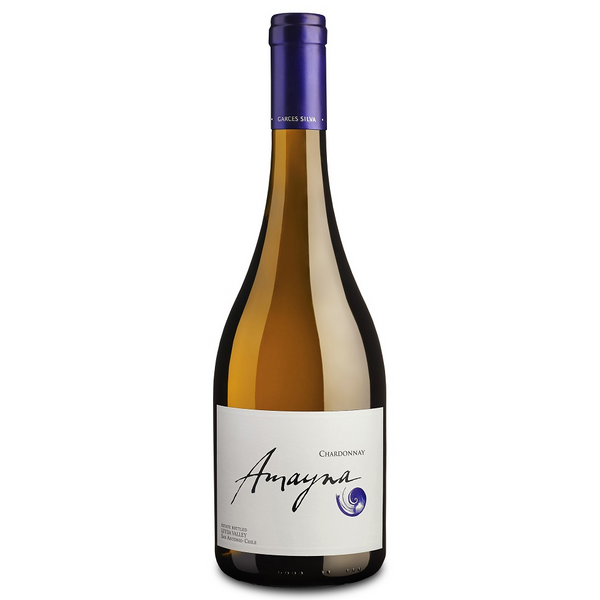
Garcés Silva - Amayna Chardonnay 2022
A magnificent, precise and elegant Chardonnay, with hints of citrus and sea spray.
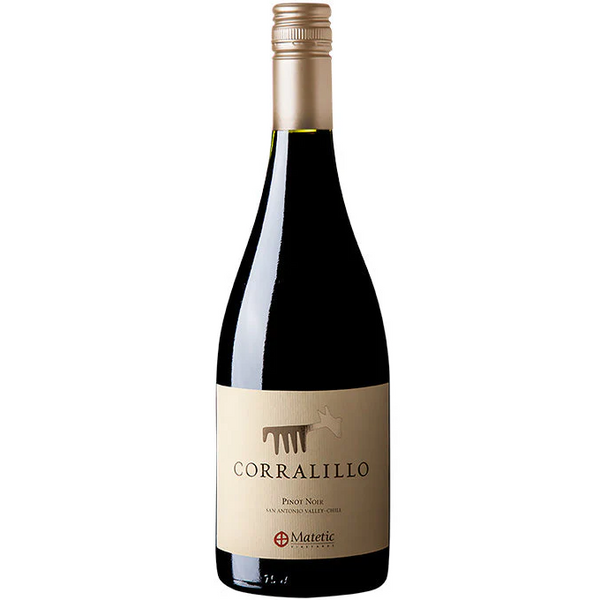
Matetic - Pinot Noir Corallilo 2023
A beautiful Pinot Noir influenced by the freshness of the Pacific Ocean
Three coastal valleys, and what sets them apart
The three names often appear together on back labels, yet they do not cover the same ground. The last two rows serve as a benchmark: they show what becomes of the same grape variety as you move away from the coast.
| Valley | Distance from the ocean and soils | Grape varieties | What it means in the glass |
|---|---|---|---|
| Casablanca | 18 to 30 km from the ocean, clay and sand over decomposed granite, frost-prone valley floors in spring | Chardonnay, Pinot Noir, Sauvignon Blanc | Ripe fruit, round texture, acidity that holds right to the end |
| San Antonio | 8 to 20 km, decomposed granite mixed with clay and limestone, hills open to the wind | Sauvignon Blanc, Pinot Noir, Chardonnay, Syrah | Straighter and more saline, fine tannins, a briny finish |
| Leyda | 10 to 14 km, poor and very free-draining gravel, sand and granite | Sauvignon Blanc, Chardonnay, Pinot Noir | Tension, citrus and chalk, a finish of sea spray |
| El Rosario | About ten kilometres, granite and sandy soils, morning mists every day | Pinot Noir, Sauvignon Blanc, Syrah | Supple, velvety texture, a smoky note, well-present acidity |
| Aconcagua CostaThe northern benchmark | 12 to 18 km, clay and schist, the coastal edge of a valley best known for its reds | Chardonnay, Pinot Noir, Sauvignon Blanc | The same freshness, slightly broader, sunnier fruit |
| Central ValleyThe contrast, inland | 80 to 120 km, deep alluvium, heat trapped between the two mountain ranges | Cabernet Sauvignon, Carménère, Merlot | Full-bodied reds, candied black fruit, rounded tannins |
These valleys do not appear in any of the shop's filters: their name is given in the description of each cuvée. For the inland reds, see Colchagua. For other cool terroirs, Limarí and Elqui to the north, Itata to the south.
Taut whites and cool-climate Pinots: a user's guide
Price follows a simple logic here: the more precisely the plot is identified and the longer the ageing, the higher the price of the bottle. Between the two extremes, the grape variety does not change and neither does the freshness.
| The style | What you smell | Price range | What to serve it with |
|---|---|---|---|
| Straight Sauvignon BlancNo oak ageing | Lime, pomelo, fresh herbs and a distinct saline edge | €9.90 to €14.90 | Oysters, ceviche, fresh goat's cheese |
| Sauvignon Blanc aged on the lees | Mango, green apple, iodine, a chiselled texture with a little richness | €23.90 | Grilled fish, octopus, leek tart |
| Fresh ChardonnayShort oak ageing | Pear, pineapple, quince, nectarine and a touch of discreet toasted oak | €13.90 | Roast poultry, spring risotto, soft cheese |
| Single-site Chardonnay, twelve months on fine lees | Yuzu, chalk, toasted cashew, oyster shell | €32 | Lobster, veal sweetbreads, roast John Dory |
| Fruity Pinot NoirTo drink young | Red cherry, raspberry, cranberry, sweet spices | €14.90 to €19.90 | Roast poultry, charcuterie, grilled vegetables |
| Single-plot Pinot Noir, whole-bunch fermentation | Raspberry, rose petal, white pepper, a smoky note | €27.90 to €32 | Duck, seared tuna, pan-fried mushrooms |
| Seaside SyrahCool climate, northern style | Blueberry, blackberry, smoked bacon, violet, white pepper and liquorice | €35 | Lamb, game birds, oven-roasted aubergine |
Watch the format: the Veramonte wines and Ritual's Pinot Noir are only offered in cases of six bottles, whereas the Matetic and Garcés Silva wines can be bought by the bottle. The product page shows the formats actually in stock. To broaden your search, see the whites and the reds in our catalogue.
What the Humboldt Current does to the vines
The Humboldt Current carries cold Antarctic water up along the Chilean coast. The air passing over it cools, picks up moisture, then enters the west-facing valleys as mist. It lingers until mid-morning, before giving way to a breeze that blows until evening.
The result shows in the glass. The grapes ripen two to three weeks later than inland, the acidity is not burnt off and alcohol levels stay moderate. This is the condition for Pinot Noir and Sauvignon Blanc to give something other than jammy fruit, and it is precisely what these valleys came looking for by settling so close to the water.
Mist rather than rain
It hardly rains here at all during the growing season. The water comes from the mist and from irrigation, not from the sky. This dry air limits vine diseases and makes organic farming less risky than elsewhere, which explains the number of certified estates along this coastal strip.
The Wine Wanderer Team
What we are asked about these coastal valleys
What is the difference between Casablanca, San Antonio and Leyda?
Casablanca is the largest and most inland of the three, with valley floors prone to spring frosts. San Antonio, further south, hugs the coast and takes the full force of the wind. Leyda is a delimited zone within San Antonio, on hills ten kilometres from the water.
Is Leyda an appellation in its own right?
Leyda is a recognised denomination of origin, but it lies within the San Antonio Valley. Labels play on both names: some mention Leyda alone, others San Antonio, others both one after the other. Seeing both names on the same bottle is therefore normal.
Why are these wines less powerful than other Chilean wines?
The Humboldt Current and the morning mist delay ripening by two to three weeks. The grapes keep their acidity and accumulate less sugar, and therefore less alcohol. The inland vines, backing onto the Andes, get much more sun and give markedly denser reds.
Which wine from this coast should you serve with oysters?
A Sauvignon Blanc with no oak ageing, served well chilled. The Las Cruces from Matetic and Guillaume Letang, at €9.90, plays on pink grapefruit and lime. The Bo-Ya from Garcés Silva, at €14.90, comes from Leyda and adds a saline bitterness; it will also stand up to a ceviche.
Does Chilean Pinot Noir resemble Burgundy?
It shares its grape variety and cool climate, not its soil or its ageing tradition. Here, decomposed granite and clay give clean fruit, frank acidity and fine tannins, with ageing in used barrels. Expect to pay from €14.90 to €32 in our Pinot Noir range.
At what temperature should these bottles be served?
The whites need 10 to 12 °C, no lower: too cold, and the salinity and texture disappear. Chardonnays aged on the lees even gain from rising to 12 or 13 °C. The Pinot Noirs are served between 14 and 16 °C, lightly chilled. Any warmer and the alcohol stands out and the finesse of the fruit fades.
Are these wines for laying down?
The Sauvignon Blancs are drunk within three years; their appeal lies in their tension and primary aromas. Chardonnays aged on fine lees, such as Garcés Silva's Amayna at €32, keep for five to eight years. The single-vineyard Pinot Noirs keep for five to ten years.
Can you find organic wine on this Chilean coast?
Yes, and more so than elsewhere in the country. The dry air limits fungal diseases, which makes conversion less risky. Veramonte and Ritual are farmed organically, with native yeasts and sheep to keep the rows tidy. Matetic works biodynamically on its El Rosario plots.
What budget should you plan to discover these valleys?
The entry point is around ten euros, with a Sauvignon Blanc at €9.90. Between €14 and €20, you have the first Pinot Noirs and the Chardonnays. Above €27, you move on to the single-vineyard cuvées, Matetic's Corallilo at €27.90 and the Amaynas at €32.
What if I prefer fleshy reds?
Look inland. Carménère, the country's signature grape variety, gives fleshy, spicy reds around Colchagua and the Central Valley. Our Carménère range brings together this grape variety from all origins, and our wines of Chile hub gives an overview of the country.