
Barbaresco: the great Nebbiolo that opens earlier
From village to cru, starting from €31.20Same grape varietal as Barolo, same Langhe hills, a few kilometers further north. Barbaresco is aged for a shorter period before sale, and that's pretty much all that separates them on paper. In the glass, this results in a wine that can be approached sooner, without losing any of Nebbiolo's finesse.
The appellation covers four communes and is primarily defined by its crus. Our cellar stocks nine of them, named on the label, including five neighboring plots from the same winemaker. The table of communes below explains what each contributes, and which to choose depending on what you're looking for.


Ceretto - Barbaresco Asili 2019
Asili, the silkiest of crus: rose, raspberry and star anise.
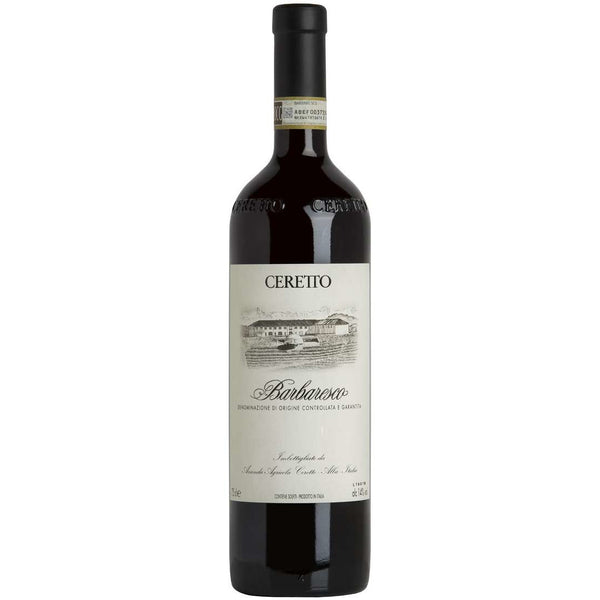
Ceretto - Barbaresco 2023
Nebbiolo in its elegant style: fresh red fruit and forest-floor notes.
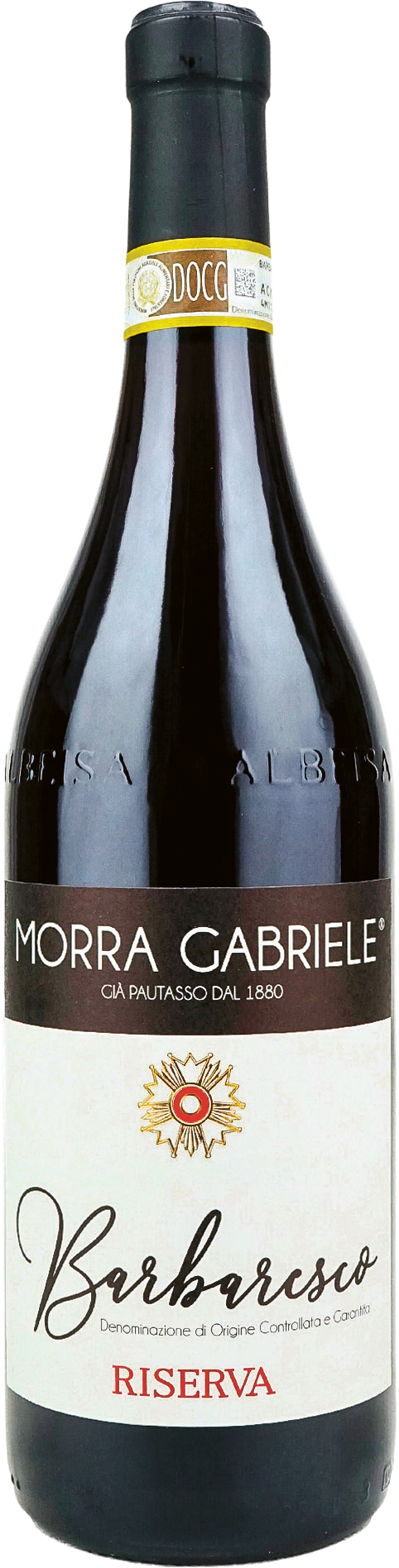
Morra Gabriele - Barbaresco DOCG Riserva 2019
A rare Riserva, born from the finest Nebbiolo of Barbaresco and aged three years in large casks.

Gaja - Barbaresco Costa Russi 2020
A single-vineyard Barbaresco that combines aromatic finesse, precise structure, and great aging potential.

Sottimano - Fausoni Barbaresco 2020
A precise and elegant Barbaresco of terroir, where the finesse of Nebbiolo meets the depth of the Fausoni cru.
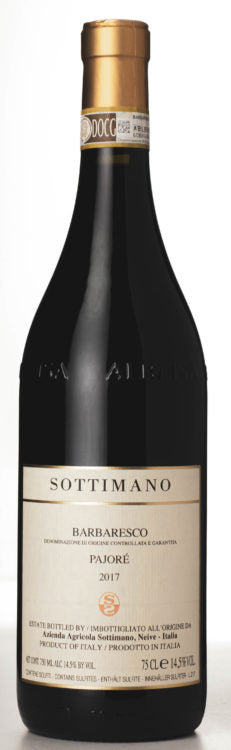
Sottimano - Pajoré Barbaresco 2020
A precise and profound Barbaresco vintage, combining the aromatic finesse of Nebbiolo with a slender and persistent structure.
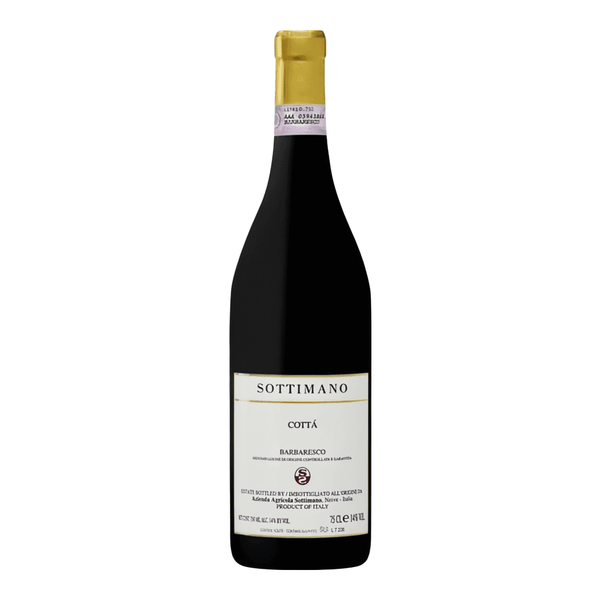
Sottimano - Cottà Barbaresco 2020
A vintage Barbaresco combining aromatic finesse, precise structure and depth typical of the great hills of Neive.
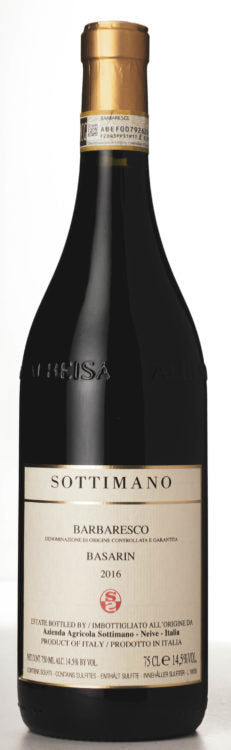
Sottimano - Basarin Barbaresco 2020
A precise and elegant Barbaresco from Neive, where the finesse of Nebbiolo meets the depth of the Basarin cru.
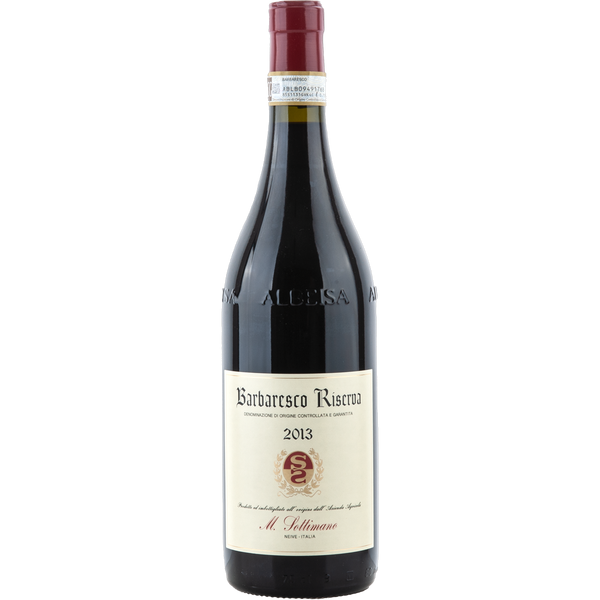
Sottimano - Reserve Barbaresco 2016
A Barbaresco of the terroir, precise and profound, where the finesse of Nebbiolo meets the power of the Neive hills.

La Spinetta - Barbaresco Bordini 2022
A precise and elegant single-vineyard Barbaresco, where the finesse of Nebbiolo meets the depth of the Neive terroir.
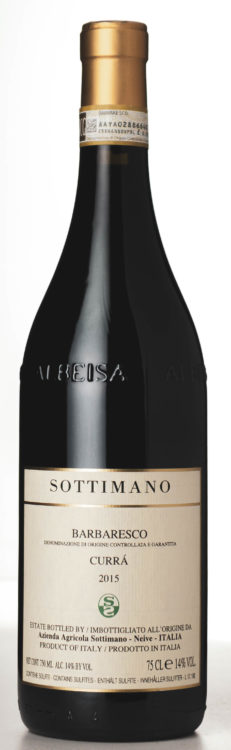
Sottimano - Curra Barbaresco 2019
A precise and elegant vintage Barbaresco, which intensely expresses the racy character of the Nebbiolo from Neive.
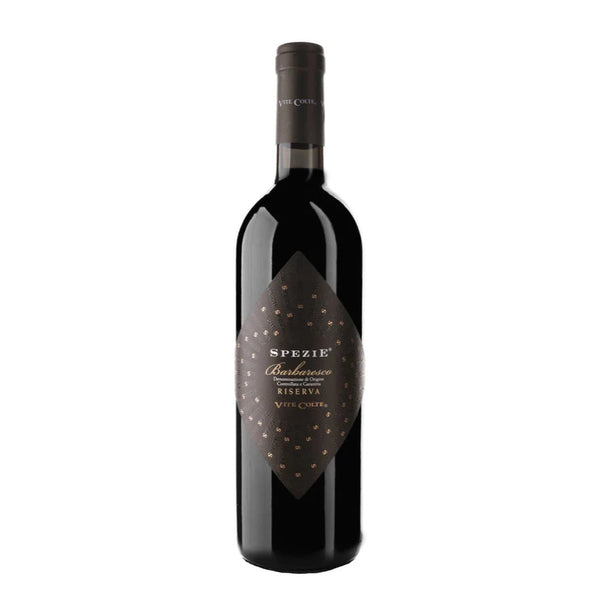
Vite Colte - Barbaresco Riserva Spezie 2015
A Barbaresco Riserva from great vintages: spice, ripe cherry and powerful tannins.

Vite Colte - Barbaresco La Casa in Collina 2021
An elegant Barbaresco, rose and cherry, whose refined tannins call for the table.
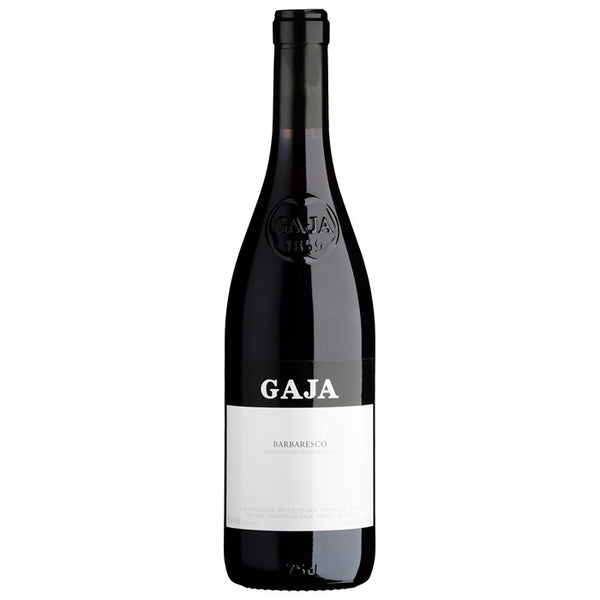
Gaja - Barbaresco 2020
The four municipalities, and what each changes in the glass
The appellation is based on a vineyard about three times smaller than that of Barolo, and on only four communes. What distinguishes them is mainly the altitude and the proximity of the Tanaro, which tempers the lowest slopes.
| Municipality | What sets her apart | The style | In our cellar |
|---|---|---|---|
| Barbaresco the closest to the Tanaro | Hillsides tempered by the river, where the grapes ripen a little earlier. | The most aromatic and balanced, with a silky length. | Morra Gabriele 2020, Ceretto Asili 2019, Gaja Costa Russi 2020 |
| Neive the largest | The east face, the most extensive of the four. | The most structured and tannic, the one that requires the most aging. | Sottimano Cottà, Currà, Basarin and Fausoni, La Spinetta Bordini |
| Treiso the highest | The appellation's highest, and therefore coolest, altitudes. | The finest and most slender, more about fragrance than power. | Sottimano Pajoré 2020 |
| San Rocco Seno d'Elvio Alba hamlet | The smallest of the four, attached to the commune of Alba. | Almost never claimed alone on a label. | No vintage available at the moment |
The 2021 Ceretto blends grapes from Neive and Treiso: it is the only wine from the winery to explicitly feature two communes.
Barbaresco or Barolo: two brothers, not two ranks
Same grape variety, same Langhe, a few kilometers apart. What distinguishes them is the size of the vineyard, the climate, and especially the mandatory aging period before sale.
| Criterion | Barbaresco | Barolo |
|---|---|---|
| Grape variety | Nebbiolo, exclusively. | Nebbiolo, exclusively. |
| Area | Four communes to the northeast of Alba, on hillsides near the Tanaro. | Eleven communes south of Alba, a significantly larger vineyard. |
| Minimal livestock farming | 26 months, including 9 in the wood. | 38 months, 18 of which in wood. |
| Mention Riserva | 50 months of aging. | 62 months of aging. |
| The style | A little more supple and approachable young, without sacrificing any finesse. | More tannic, takes longer to open, often has a longer aging potential. |
| At our place | From €31.20. | From €39.90, in the Barolo section. |
Barolos have their own section: see our barolos.
A bottle for every intention
The charts provide the theory. Here are the bottles, and only those that can be shipped today.
A first barbaresco
The smoothest entry into the appellation, without the intimidating tannins of the Grands Crus.
Vite Colte La Casa in Collina 2020 · €31.20A budget-friendly riserva
Fifty months of regulatory aging and a 2015 vintage already in place, for less than 50€.
Vite Colte Riserva Spezie 2015 · €49.80The best value at this price
Sixty-year-old vines on Montestefano and Ovello, farmed biodynamically, at an estate with tiny volumes.
Morra Gabriele 2020 · €52Understand Neive
The structured side of the appellation, in a light-handed version. Also available in 2017.
Sottimano Cottà 2020 · €99Understanding Treiso
The other side: higher, cooler, all perfume. The same winemaker, to compare on equal terms.
Sottimano Pajoré 2020 · €102A historic vintage
Asili, one of Barbaresco commune's most sought-after crus, from a winery that has made it their signature.
Ceretto Asili 2019 · €272The collector's bottle
Costa Russi, a historic cru of the house that introduced the appellation to the entire world.
Gaja Costa Russi 2020 · €866Move to Barolo
The same Nebbiolo, longer aging, superior cellaring. A category of its own.
Our Barolo wines, from €39.90See all of Italy
Piedmont, Tuscany, Veneto, Sicily: the entire Italian section.
Our Italian Wines
They say it's softer than its neighbor, but it's mainly more direct.
Barbaresco has a reputation as a younger, lighter version of its neighboring wine. This reputation is based on a single factor: twelve fewer months of mandatory aging. For a wine that ages for thirty years, this is a minor difference, and it tells us nothing about what is actually in the glass.
What you find there is the same Nebbiolo, the same faded rose, the same cherry and tar, with tannins that develop more quickly. Finesse is not the issue: the crus of Neive and Treiso are among the most highly-regarded terroirs in Piedmont, and some of the most sought-after Italian wines come from them.
How do you choose
By cru, above all. Here, the name of the parcel says more than the vintage, and that's where the difference between two bottles from the same winemaker lies.
And with restraint: a cuvée drowned in new oak loses exactly what we're looking for.
The Wine Wanderer Team
What we're being asked about Barbaresco
Which grape variety is used in Barbaresco?
Nebbiolo, and Nebbiolo alone. The appellation requires 100%. Everything that distinguishes two bottles therefore comes from the cru, the vintage and the hand of the winemaker, never from the blend.
What's the difference between a Barbaresco and a Barolo?
The same grape variety and the same hills, a few kilometers apart. Barbaresco is aged for a minimum of 26 months, 9 of which are in wood, compared to 38 and 18 for its neighbor, from a vineyard that is about three times smaller and slightly more temperate. The result is a slightly softer and more accessible wine when young, without compromising on finesse. Our Barolo cuvées have their own section.
Should you decant a Barbaresco?
One hour in a decanter is enough for a wine under ten years old, whereas its counterpart often requires two. Beyond twenty years, opt for delicate serving and a large glass: decanting could deplete it.
How long can Barbaresco be kept?
Eight to ten years are enough for appellation wines, fifteen years or more for Neive crus and riserva wines. Our fact sheets indicate the potential of each bottle. There's no need to wait: Nebbiolo is precisely the kind of great wine that can be opened young without rushing it.
What does the name of the cru mean on the label?
This is an additional geographical mention, the Piedmontese equivalent of a "lieu-dit" (named locality). Asili, Pajoré, Cottà, Currà, or Basarin designate delimited plots, and their names can only appear if all the grapes come from them. On this appellation, this is the most useful information on the label.
What does the "Riserva" designation mean?
It indicates a longer aging period, 50 months instead of 26. This is a duration requirement, not a quality classification: a wine without a mention can perfectly surpass a riserva. Above all, it signifies a wine that the estate has deemed capable of aging.
What to serve with Barbaresco?
Braised red meats, feathered game, lamb, porcini mushroom risotto, and aged Piedmontese cheeses. A little less tannic than its neighbor, it also pairs well with simpler dishes, roasted poultry or pasta with meat. Serve at around 17°C.
What are the municipalities of Barbaresco?
Four: Barbaresco, Neive, Treiso, and San Rocco Seno d'Elvio, the latter being a hamlet attached to the municipality of Alba. The first produces the most aromatic wines, Neive the most structured, and Treiso the finest. The table above details what each contributes.