
Syrah and Shiraz: two styles from one and the same grape
78 bottles, from Barossa Shiraz to Swartland SyrahBlack pepper, violet, dark fruit flesh held by a straight acidity: that is the signature you find from one continent to the next. Yet the same grape changes face according to the heat it receives, to the point of carrying two names on the label.
The range follows that great divide. On one side the northern style, tight, floral, peppery, which you meet in Swartland, in Washington State or on the Chilean coast. On the other the Shiraz style, ripe and generous, from the Barossa to McLaren Vale, with oak as its signature. Between the two, a whole range of prices, from the midweek red to the collector's bottle.
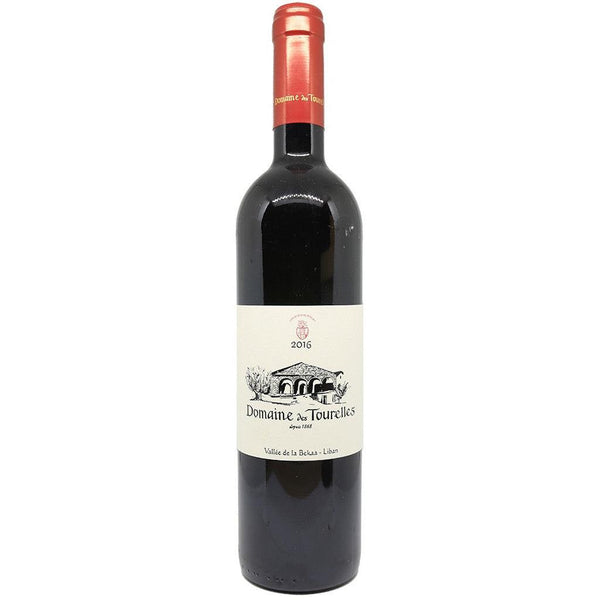
Domaine des Tourelles - Rouge 2022
A high-altitude red of great character, coming from one of the founding areas of Lebanese viticulture.

Gaia - Notios Red 2019
A unique wine made from the indigenous Agiorgitiko grape variety and a hint of Syrah. Roundness and spices are there!

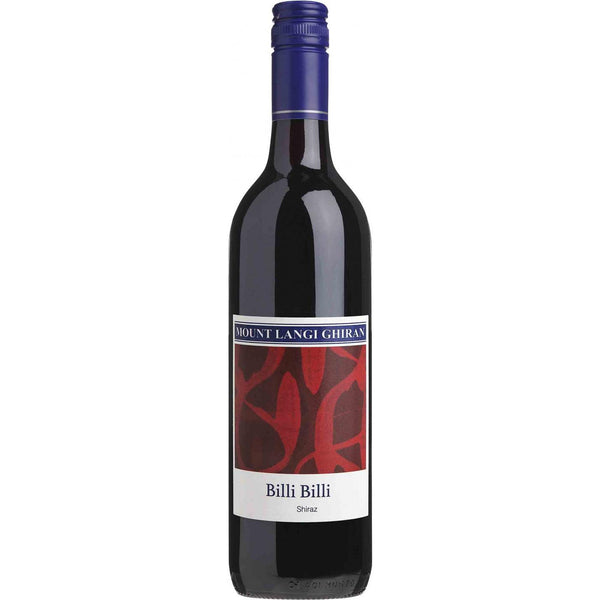
Mount Langi Ghiran - Billi Billi 2022
A beautiful Syrah from Australia, rich in spices and very drinkable!

Dorrance - Cuvée Ameena 2022
A vintage worthy of the great wines of the Northern Rhône!
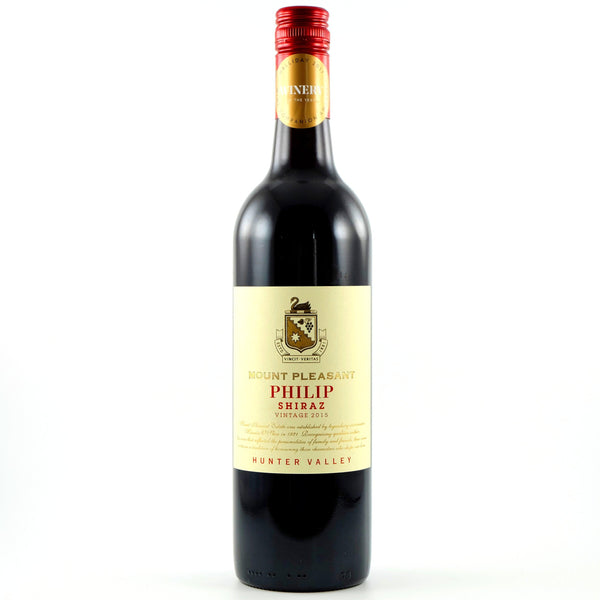
Mount Pleasant - Philip 2015
A Syravistant cuvée with beautiful aromatic power from the Hunter Valley.
The great terroirs of Syrah
This grape variety needs heat to ripen its tannins and cool nights to keep its perfume. Each region tips the balance one way or the other, and the taste of the wine follows that balance.
| Country and region | Climate and soil | The wine's profile | A bottle from the section |
|---|---|---|---|
| Swartland, South AfricaSchist and granite, old dry-farmed vines | Warm Mediterranean, Atlantic breezes, poor rock | Pepper, tight black fruit, fine tannin, whole-bunch vinification | Porseleinberg Syrah 2021€99.90 per bottle, sold individually |
| Stellenbosch, South AfricaGranite slopes of the Simonsberg | Nearby ocean, cool nights, decomposed granite | Ripe fruit framed by lively acidity, discreet ageing | Glenelly Glass Collection Syrah 2021€16.80 per bottle, by the case of 6 |
| Barossa Valley, AustraliaCentury-old vines on deep red soils | Hot and dry, rare rainfall, very deep rooting | Dense Shiraz, plum, cocoa, unapologetic oak | Rockford Basket Press Shiraz 2019€105 per bottle, sold individually |
| McLaren Vale, AustraliaGulf St Vincent, sands and limestone | Hot, tempered by the afternoon sea breeze | Suppler than the Barossa, blue fruit, salty finish | Bondar Violet Hour Shiraz 2021€24.90 per bottle, by the case of 6 |
| Washington State, United StatesColumbia Valley, basalt and loess | Continental, sheltered from the rain by the Cascades | Black olive, cherry, a profile close to the northern Rhône | Tenet Syrah The Pundit 2020€33 per bottle, in a pack of 3 |
| Central Coast, CaliforniaCoastal hills open to the Pacific | Foggy mornings, bright, dry days | Extreme concentration, velvety texture, long ageing | Sine Qua Non Distenta III Syrah 2021€380 per bottle, sold individually |
| Coastal valleys, ChileAconcagua and Colchagua, alluvial gravels | The Pacific close by, the cold Humboldt Current | Fresh black fruit, pepper, firm, straight tannin | Errázuriz La Cumbre 2019€112 per bottle, sold individually |
| Salta and Mendoza, ArgentinaAndean vines above a thousand metres | Semi-arid, cold nights, poor, free-draining soils | Violet, vibrant fruit, acidity held by altitude | El Porvenir Pequeñas Fermentaciones GSM 2022€22.50 per bottle, individually |
The map carries on elsewhere: the Swiss Valais draws haute-couture alpine reds from it, Catalonia blends it with Grenache and Carignan around Priorat, in Spain, the Lebanese Bekaa pairs it with Cinsault, and Martinborough signs a fine version in New Zealand.
Temperature, decanting and when to open
One and the same grape variety, two ways of showing it at the table. The taut style gains from being served cool and fairly young, the ripe style asks for volume in the glass and a little patience.
| The style of the bottle | Temperature and decanting | When to open it | The dish that matches it |
|---|---|---|---|
| Everyday fruity Shiraz | 14 to 15 °C, serve straight away | Within its first three years | Burger, grilled sausages, chorizo pizza |
| Peppery cool-climate Syrah | 15 to 16 °C, half an hour in a decanter | Between three and eight years | Duck breast, herb-crusted lamb, ratatouille |
| Cape Syrah vinified with whole bunches | 16 °C, one hour in a decanter | Between five and ten years | Leg of lamb, apricot tagine, stuffed peppers |
| Ripe Barossa Shiraz | 16 to 17 °C, one hour in a decanter | Between five and fifteen years | Rib of beef, smoky barbecue, glazed meats |
| Rhône-style blend, Grenache and Mourvèdre | 16 °C, a light decanting | Between three and ten years | Daube, slow-cooked dishes, sheep's milk cheeses |
| High-altitude Andean Syrah | 15 to 16 °C, half an hour in a decanter | Between five and twelve years | Empanadas, grilled beef with chimichurri |
| A great bottle for ageing | 17 °C, two hours in a decanter | Beyond ten years | Game birds, roast squab, black truffle |
Served too warm, this family of wines loses its peppery perfume and lets the alcohol step in front: a quarter of an hour somewhere cool before the meal is enough to restore the balance. The supplest bottles join our fruity reds, the firmest ones our tannic reds.
A bottle for every mood
Eight ways in, from the midweek red to the bottle you keep for years.
Taste the Australian style for a small price
Grapes picked at night in Murray Darling, ripe red fruit and a rounded palate. The simplest way to set your Shiraz benchmark.
Pete's Pure Shiraz 2021 · €11.90 per bottle, sold individuallyFilling the cellar for the week
Blackberry, pepper and smoke, a firmly built Chilean Syrah that keeps its freshness. The everyday red for the grill or a slow-cooked dish.
Santa Rita 120 Reserva Especial Syrah 2022 · €9.90 per bottle, by the case of 6Understand McLaren Vale in one glass
A benchmark Shiraz for the region, blue fruit, liquorice and supple tannin. The Australian classic to pour with grilled meat.
D'Arenberg The Footbolt 2020 · €18.50 per bottle, by the case of 6Take a single bottle from the Cape
Whole-bunch pressed and aged for a year in 500-litre barrels, at the country's oldest estate. Fine structure, spicy perfume.
Groot Constantia Shiraz 2021 · €25.90 per bottle, sold individuallyFind the northern Rhône in the Cape
Twenty-four months' ageing in 500-litre barrels, native yeasts, bottled unfiltered. Morello cherry, liquorice and pepper, integrated tannins.
Dorrance Cuvée Ameena 2022 · €31.50 per bottle, sold individuallyA Rhône native born in Washington State
A project run by two Rhône growers on soils that recall Saint-Joseph. Partial whole-bunch fermentation, black olive and cherry.
Tenet Syrah The Pundit 2020 · €33 per bottle, in a pack of 3The Swartland benchmark
Slate and granite, old dry-farmed vines, whole bunches and large oak vats (foudres). A bottle built for fifteen years in the cellar.
Porseleinberg Syrah 2021 · €99.90 per bottle, sold individuallyFollow the Swartland trail
Dark earth, dry-farmed vines and gentle winemaking: the region that put South Africa back on the world map for this grape variety.
Section page · Swartland
Why the same grape makes two wines
The peppery note comes from a molecule, rotundone, which forms in the skin when the nights stay cool late in ripening. In a temperate climate it leads the glass. Under a stronger sun the berry gains sugar and flesh, the rotundone fades and candied fruit takes its place: that is the first divide, set by the thermometer.
The second comes down to the grower's hand. A harvest kept with its stems brings tension, a floral perfume and a finer frame. Ageing in new barrels, often American oak, adds the vanilla and coconut associated with the Shiraz style. Between these two gestures lies the whole palette of the range.
How do you choose
We taste every cuvée before listing it, and with this grape variety we look at two things: the clarity of the pepper and the fruit on the attack, then the way the tannin ends the palate. A wine whose oak smothers the fruit stays in the cloakroom, however handsome the label. Style comes next, from the midweek red to the bottle for keeping.
The Wine Wanderer Team
What we are asked about Syrah
Are Syrah and Shiraz the same grape variety?
Yes, one and the same variety, born in the Rhône Valley. The name follows the country: Australia and South Africa say Shiraz, while France, Chile, Argentina and Switzerland write Syrah. Some estates play on both words to signal a style, Shiraz for a ripe and generous wine, Syrah for a tighter one.
How can you tell a Cape Syrah from an Australian Shiraz by taste?
Swartland and Stellenbosch give tight black fruit, pepper, a fine frame and restrained alcohol at around 13.5%. Barossa and McLaren Vale offer a broader palate, plum and cocoa, with the mark of oak and more volume. The first calls for roast lamb, the second for a rib of beef.
Why are these wines often sold in sets or by the case?
The estates we follow ship their cuvées in full cases, and keeping that packaging is what lets us hold the price down. The price shown is always the price per bottle, with the sales format given right beside it. Several cuvées remain available as single bottles, such as the Groot Constantia Shiraz 2021 at €25.90 a bottle.
At what temperature should these bottles be served?
Allow 15–16 °C for a peppery cool-climate Syrah, 16–17 °C for a ripe Barossa Shiraz, 14–15 °C for an everyday fruity red. A heated room quickly climbs above 20 °C: a quarter of an hour somewhere cool before serving gives the wine back its perfume and its freshness.
Should you decant a Syrah?
Young concentrated cuvées gain from an hour in a decanter: the air rounds the tannin and releases the fruit. Bottles more than ten years old call for gentleness instead, simply pulling the cork half an hour earlier is enough, or a quick pass through a decanter to leave the sediment at the bottom of the bottle.
How long do these wines keep?
A fruity entry-level Shiraz is drunk within its first three years, when the fruit is at its clearest. A terroir cuvée holds for five to ten years, and the great bottles of Swartland, the Barossa or the Californian coast go beyond fifteen years in a cool cellar, at around 12 °C.
What does whole-bunch vinification mean?
The grower keeps the stem, that small green frame carrying the berries, instead of removing it before fermentation. It brings freshness, a floral and peppery perfume, a more slender frame. Swartland and Washington State have made it a style marker, just like the northern Rhône that inspires them.
Which dishes go with this grape variety?
The peppery style loves herb-crusted lamb, duck breast, sun-ripened vegetables and sheep's cheeses. The ripe style stands up to the barbecue, glazed meats, chilli and spicy dishes. For a great bottle for keeping, aim for feathered game, roast pigeon or a truffled dish.
Are Petite Sirah and Syrah the same thing?
Two distinct grape varieties. Petite Sirah, also called Durif, was born in France from a cross between Syrah and Peloursin. It gives deeply coloured, tannic and rustic wines, above all in California, where it often serves as backbone in a blend. Our range meets it in just that way, as a small complementary share.
Which bottle should I start with?
Take a fruity red at around €10 to set the benchmark, then a terroir cuvée at around €30: those two glasses already tell you the whole gap in style. To go further, the Wines of South Africa page covers the Cape, and Wines of Australia opens the door to the Barossa.