
Mendoza wines: altitude, sub-regions and styles
83 bottles from the province, from €9.40 to €330Almost all exported Argentine wine comes from a single province, and almost everything there hinges on one factor: the height at which the vines are planted. Between the riverside vineyards and the plateaus of Tupungato lie eight hundred metres of elevation, around ten degrees of difference at night, and wines that no longer have much in common.
This page acts as a signpost. It locates each area, explains what altitude, meltwater and the Zonda wind do to the grapes, then points you to the section that matches the style you are looking for.
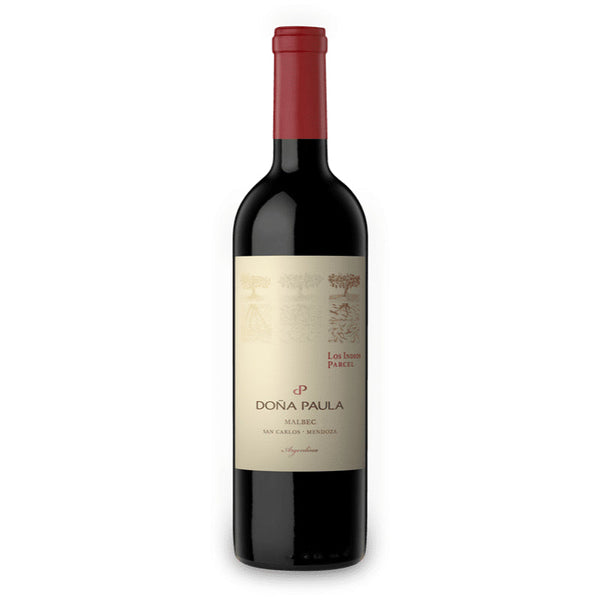
Doña Paula - Los Indios Malbec 2018
Cool-climate Malbec from El Cepillo, pepper and violet on a firm frame.

Doña Paula - Los Cardos Red Blend 2018
Three grape varieties, a round, spicy Argentinian red that slips down easily at the table.
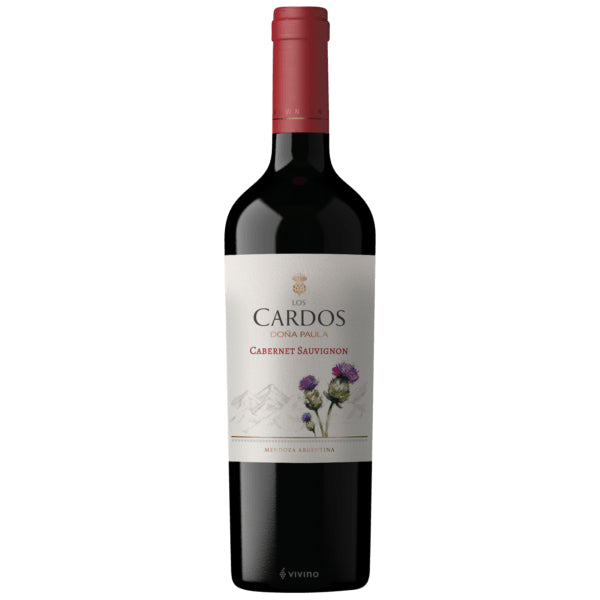
Doña Paula - Los Cardos Cabernet Sauvignon 2021
Blackcurrant and pepper, a straightforward Argentinian Cabernet that needs no waiting.
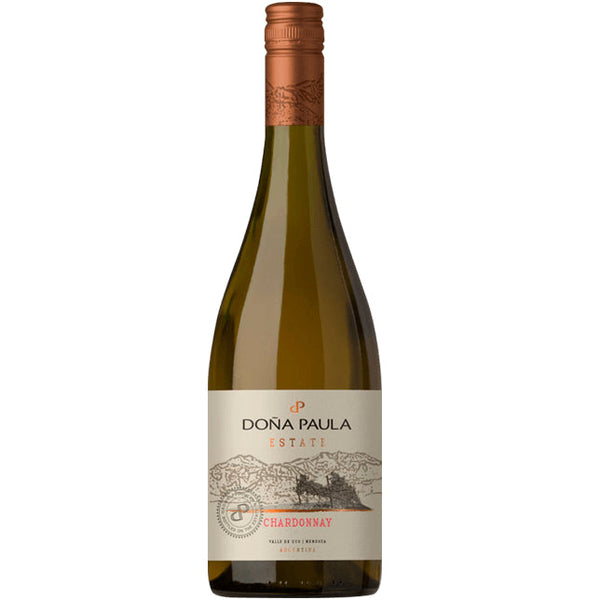
Doña Paula - Estate Chardonnay 2018
High-altitude Chardonnay from Mendoza, pear and brioche on a taut acidity.
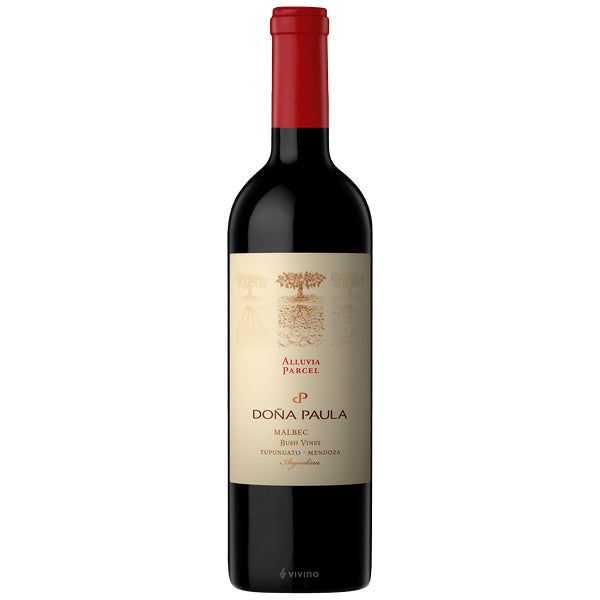
Doña Paula - Alluvia Malbec 2018
A single-parcel Malbec from the Uco Valley: dense, floral and built to last.
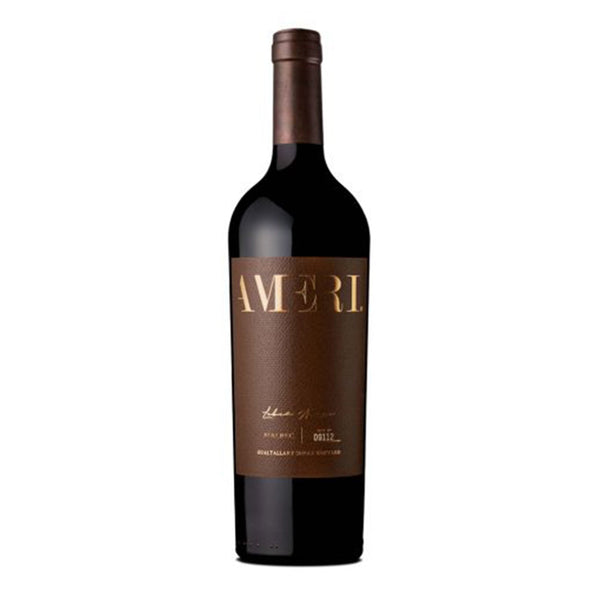
Bousquet - Ameri Malbec 2019
Bousquet's great organic cuvée: a high-altitude Malbec built to be cellared.
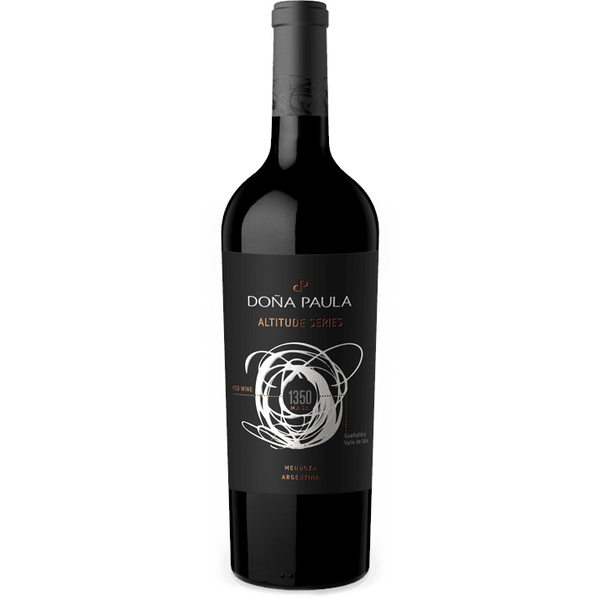
Doña Paula - Altitude Series 1350 2019
Malbec, Cabernet Franc and Casavecchia form a complex trio within the famous Gualtallary terroir
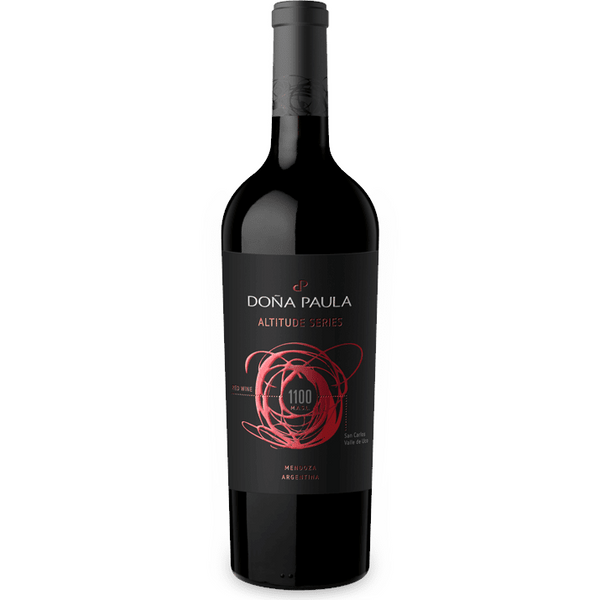
Doña Paula - Altitude Series 1100 2019
Malbec, Cabernet Sauvignon and Syrah come together to create this complex and balanced cuvée
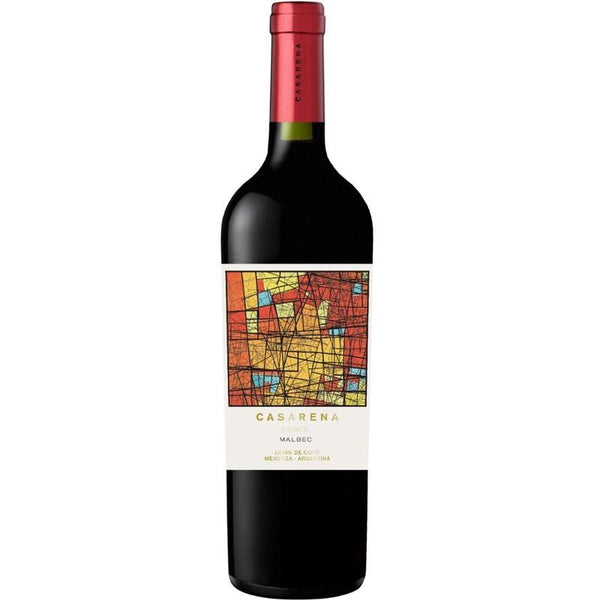
Casarena - Winemaker's Selection Malbec 2024
An intense Argentinian Malbec, combining power, elegance and aromatic depth

Riglos - Gran Cabernet Sauvignon 2014
A high-altitude Cabernet Sauvignon, powerful and precise, revealing the freshness and depth of the Gualtallary terroir.
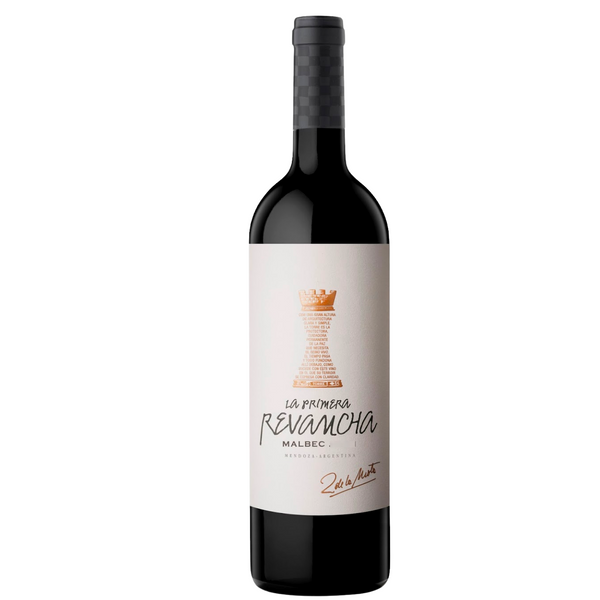
Revancha - Primera Revancha Malbec 2016
A Malbec with velvet tannins, from the best plots of the estate
Sub-regions: soils, altitudes and grape varieties
The province stretches three hundred kilometres from north to south, but it is the vertical axis that decides everything. Moving up towards the cordillera, the temperature drops by half a degree every hundred metres, the soils shift from deep silt to limestone pebbles, and the same grape variety produces two unrelated wines.
| Sub-region | Altitude and soils | Grape varieties | What it changes in the glass |
|---|---|---|---|
| Valle de UcoTupungato, San Carlos, Gualtallary, Altamira | 1,000 to 1,700 m, stony alluvium and pockets of limestone, poor soils | Malbec, Chardonnay, Pinot Noir, Cabernet Franc | Fine, tight tannin, high natural acidity, taut rather than jammy red fruit, saline finishes |
| Luján de CuyoUgarteche, Agrelo, Perdriel, Vistalba | 900 to 1,100 m, deep clay-limestone on the alluvial fan of the Río Mendoza | Historic Malbec, Cabernet Sauvignon, Fiano | More flesh and roundness, coated tannin, ripe black fruit, barrel ageing better absorbed |
| Maipú | 700 to 900 m, sandy and silty soils, close to the river and the city | Malbec, Torrontés, Bonarda | Supple, aromatic wines, ready early. The cradle of the vineyard, but barely represented in our selection |
| San Rafael | 450 to 800 m, the south of the province, terraces of the Diamante and the Atuel | Chenin, Malbec, Bonarda | A windier climate more exposed to hail, straight, tangy wines. An area not currently in the section |
| East Mendoza | 600 to 750 m, irrigated plain of Rivadavia and Santa Rosa, deep, fertile soils | Bonarda, Criolla, volume Malbec | The province's breadbasket: high yields, light wines, rarely exported under their own name |
The two areas that account for most of our selection have their own sections: Valle de Uco and Luján de Cuyo. To look beyond the province, see Salta and Patagonia, or head back to our section on Argentina.
Altitude, level by level
Height does not act on its own; it acts through the cold of the night and the radiation of the day. At 1,400 m, the thermometer drops by fifteen degrees between afternoon and dawn: the plant stops burning its acids, the skins thicken, and the tannins ripen without the sugar running away.
| Altitude | What happens in the vineyard | What you find in the glass | Examples in our cellar |
|---|---|---|---|
| 600 to 800 m | Strong summer heat, fast ripening, acidity drops and harvest comes early | Ripe fruit, supple tannin, an easy-drinking wine, alcohol quickly high | Barely present here: our first bottle, the Turno de Noche, already grows higher up, €9.90 |
| 900 to 1,100 m | Luján de Cuyo and upper Maipú, a fifteen-degree difference between day and night | Ripe black fruit, coated tannin, round substance that handles oak well | Caelum Terroir Cabernet Sauvignon, €14.90. Doña Paula Estate Black Edition, 1,050 m, €15.50 |
| 1,100 to 1,400 m | The heart of the Valle de Uco, cold nights, a growing cycle three weeks longer | Higher acidity, straight tannin, red fruit and a saline sensation | Doña Paula Altitude Series 1100 and 1350, €24 each. Bousquet Gran Malbec, €24.90 |
| Above 1,500 m | Upper Gualtallary and La Carrera, spring frost, low yields, intense ultraviolet light | Tension, lively acidity, restrained alcohol, a cool-climate profile | Riccitelli Viñedos de Montaña Chardonnay, La Carrera, 1,700 m, €46. Adrianna White Bones, €122 |
A grape variety always reads through its altitude: a Malbec from 1,000 m and a Malbec from 1,400 m are nothing alike. The same gap applies to Chardonnay and Pinot Noir.
The water does not fall from the sky; it comes down from the Andes
The province gets around two hundred millimetres of rain a year, a semi-desert regime. Without the cordillera, there would not be a single vine. The whole vineyard lives on snowmelt, captured in the Río Mendoza, the Tunuyán and the Diamante, then distributed through a network of canals inherited from the Huarpe people.
Each parcel has a water right attached to its title deed, counted in hours of irrigation. Newer estates have replaced flood irrigation with drip irrigation: poor, steep soils can be planted, and water stress is managed rather than simply endured.
The Zonda, the wind that decides the harvest
From August to November, a wind comes down from the cordillera, compressing and warming as it goes: thirty-five degrees, ten per cent humidity, violent gusts. It scorches young shoots and jeopardises flowering when it arrives at the wrong moment. The rest of the year, this dry air is a blessing, keeping almost all vine diseases at bay.
The Wine Wanderer Team
What we are asked about Mendoza
What is the difference between a Malbec from the Valle de Uco and a Malbec from Luján de Cuyo?
It comes down to altitude and soil. Luján de Cuyo, at around 1,000 m on deep clay-limestone, gives a fleshy Malbec with coated tannin. The Valle de Uco, between 1,100 and 1,700 m on pebbles and limestone, tightens the tannin, keeps the acidity and steers the wine towards red fruit and a saline finish.
At what budget does an interesting Mendoza wine start?
The first worthwhile step is around €10, with Caselles & Guillaume Letang's Turno de Noche at €9.90 or Doña Paula's Los Cardos Malbec at €9.50. Between €20 and €30, the single-parcel cuvées of the Valle de Uco. Above €100, Catena Zapata's Adrianna vineyards.
Why are Mendoza's vineyards irrigated?
Because barely two hundred millimetres of rain fall each year, a semi-desert regime. The water comes from Andean snowmelt, captured in the rivers and then distributed through a network of canals several centuries old. Each parcel has a water right attached to its title deed, now delivered by drip irrigation.
What is the Zonda wind?
A foehn-type wind that crosses the cordillera, compresses as it loses altitude and arrives hot and very dry over the vineyards, sometimes at thirty-five degrees with ten per cent humidity. It damages flowering when it blows in the southern spring, but the dry air it brings greatly limits downy and powdery mildew.
What does the day-night temperature range actually do?
By day, the sun builds sugars and ripens the tannins. At night, the cold slows the plant's respiration, so it stops consuming its own acids. A difference of around fifteen degrees between afternoon and dawn produces grapes that are both ripe and acidic, hence the freshness of wines that are nonetheless very sunny.
Does Mendoza produce anything other than Malbec?
Very much so. In our selection, Cabernet Sauvignon comes just behind Malbec, followed by Chardonnay and Pinot Noir, which is very much at home on the heights of the Valle de Uco. You will also find Cabernet Franc, Fiano, Bonarda and a little Torrontés.
Are these wines for laying down?
The entry-level cuvées are drunk within three years, for their fruit. The reservas from Luján de Cuyo last five to ten years thanks to their concentration. The high-altitude Malbecs of the Valle de Uco, more acidic and more tannic, need two to three years in the cellar before opening up, then evolve over a decade.
At what temperature should a Mendoza Malbec be served?
Between sixteen and seventeen degrees, slightly cooler than people instinctively serve them. Above eighteen, the alcohol stands out and the fruit flattens. The whites from Gualtallary are served at around eleven degrees, but they benefit from warming up in the glass. Half an hour in a decanter helps young vintages.
Can I order a single bottle?
It depends on the cuvée. Part of the section is sold individually in 750 ml, the rest goes in sets of two or three or in cases of six, sometimes in magnum. The format on offer and its price are shown on the product page, and the contact page lets you check before ordering.