
Gaja, the house that brought Piedmont into the modern era
12 bottles from the house, from Langhe to the Barbaresco cruWhere should you start with this house, and why is the price gap so wide from one label to the next? The answer comes down to one word: the parcel. A Langhe blend draws on several terroirs and opens young; a cru comes from a single hillside of Barbaresco, harvested at tiny yields, and asks for ten years in the cellar.
The family has also spread out: Bolgheri and the Maremma on the Tuscan coast, Montalcino for Sangiovese, Etna for the volcanic wines. The range follows that map, from a coastal red to open tonight to a Nebbiolo for the cellar.
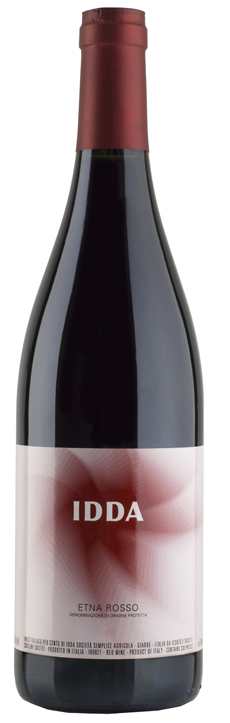
Gaja - Etna IDDA rosso 2021
A precise and elegant Sicilian volcanic red, where the freshness of the altitude meets the depth of Nerello Mascalese.
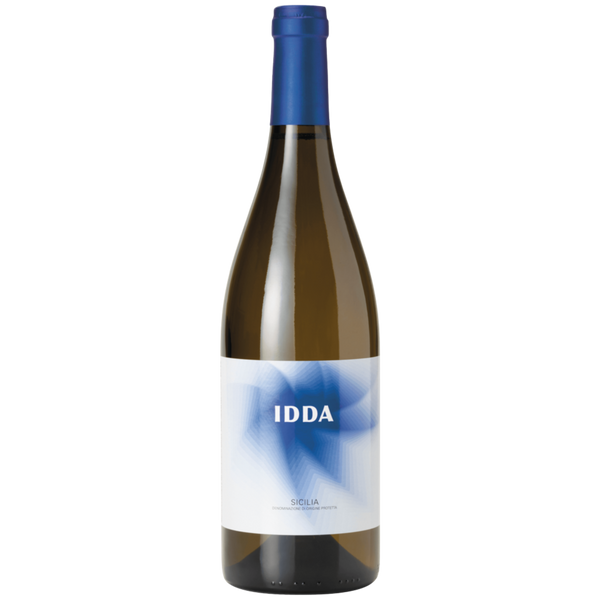
Gaja - Etna IDDA bianco 2022
A precise and saline volcanic white, where the purity of Carricante meets the freshness of Etna's high altitudes.

Gaja - Pieve Santa Restituta Sugarille 2018
A single-plot Brunello with dark depth and classy length. The power of Sangiovese, carried by remarkable freshness.
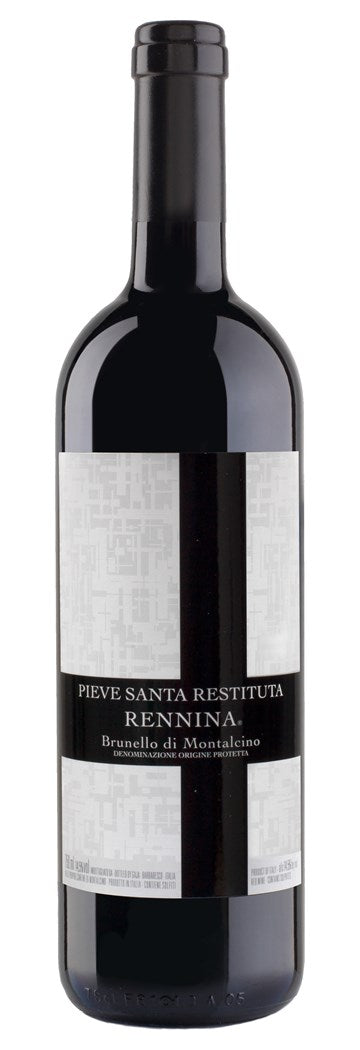
Gaja - Pieve Santa Restituta Rennina 2018
A Brunello of terroir, precise and profound, where the elegance of Sangiovese meets the power of Montalcino.

Gaja - Barbaresco Costa Russi 2020
A single-vineyard Barbaresco that combines aromatic finesse, precise structure, and great aging potential.

Gaja - Ca'Marcanda Promis 2021
A modern and harmonious Tuscan red, combining gourmet fruit, spice, and coastal freshness.

Gaja - Ca'Marcanda 2020
A great Tuscan red from the coast, combining depth, elegance and aromatic precision.
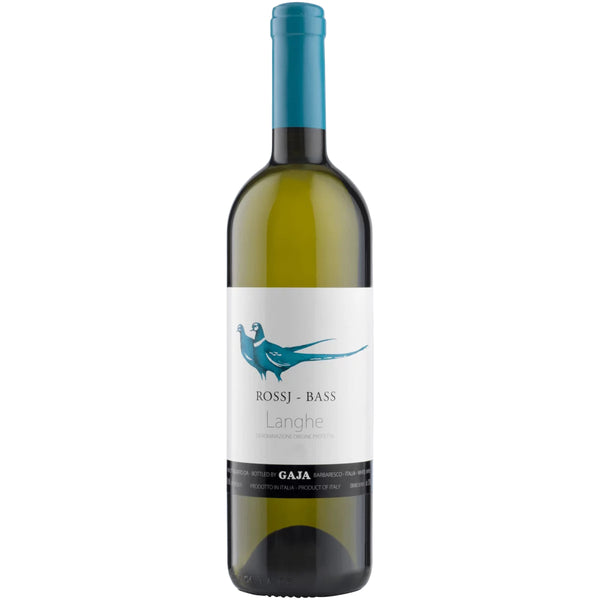
Gaja - Rossj-Bass Langhe DOC 2022
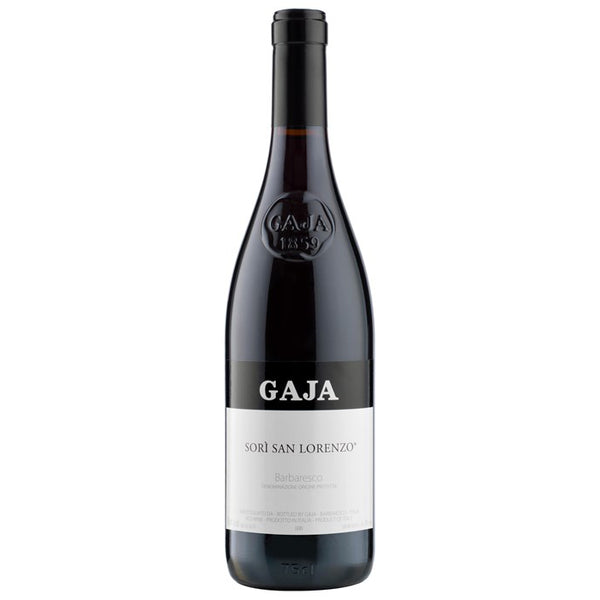
Gaja - Sori San Lorenzo 2020
A great single-plot Barbaresco, deep and classy. The finesse of Nebbiolo meets a remarkable structure for ageing.

Gaja - Sito Moresco Langhe DOP 2021
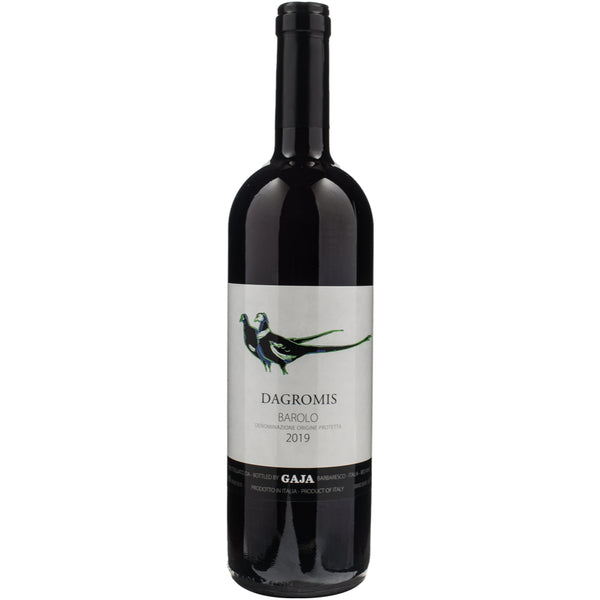
Gaja - Dagromis Barolo 2019
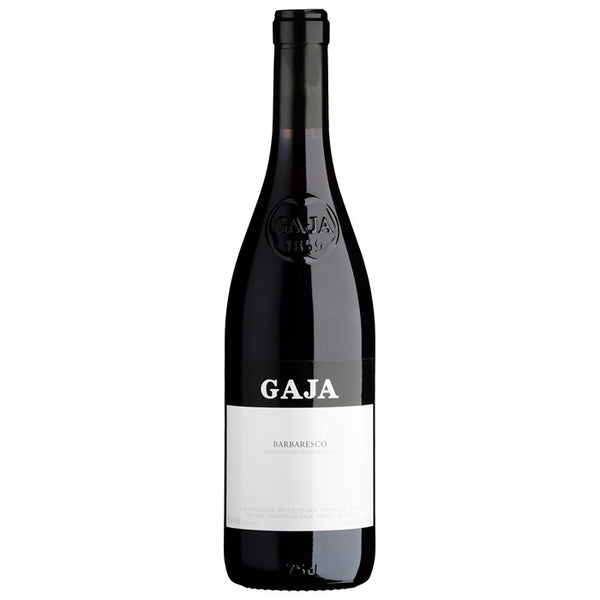
Gaja - Barbaresco 2020
The wines of the house and what they give in the glass
Four families live side by side here: the Nebbiolos of Piedmont, born on the marls of the Langhe; the white of the Langhe, made from Chardonnay; the Tuscan reds of Bolgheri and Montalcino; the volcanic wines of Etna. The price follows the size of the parcel and the rarity of the bottle far more than the vintage.
| Vintage | Appellation and grape variety | In the glass | Price per bottle |
|---|---|---|---|
| Ca'Marcanda Promis 2021See the product page | Tuscany, Bolgheri coast Merlot, Syrah, Sangiovese | Ripe black fruit, sweet spices, supple tannins, immediate pleasure | €67 per bottle, in packs of 2 |
| Etna IDDA bianco 2022See the product page | Sicily, the slopes of Etna carricante | Taut citrus, volcanic smoke, a saline, straight finish | €69 per bottle, in packs of 2 |
| Etna IDDA rosso 2021See the product page | Sicily, the slopes of Etna Nerello Mascalese | Pale cherry, dried flowers, fine tannins, a very airy bearing | €69 per bottle, in packs of 2 |
| Rossj-Bass Langhe DOC 2022See the product page | Langhe, Piedmont chardonnay | Pear, hazelnut, discreet barrel ageing, creamy palate | €110 per bottle, individually |
| Pieve Santa Restituta Rennina 2018See the product page | Brunello di Montalcino, Tuscany sangiovese | Black cherry, leather, liquorice, tight tannins made for ageing | €268 per bottle, individually |
| Ca'Marcanda 2020See the product page | Bolgheri, Tuscany Merlot and the Cabernets | Blackcurrant, graphite, a broad, integrated palate, quiet depth | €278 per bottle, individually |
| Barbaresco Costa Russi 2020See the product page | Barbaresco, Piedmont nebbiolo | Faded rose, tar, cherry, lace-like tannins, a very long finish | €866 per bottle, individually |
The price shown is always the price of the bottle, including when the cuvée is sold in packs of two. To place these wines among their neighbours, open the Barbaresco range, the Barolo one or the entry-level appellations of the Langhe.
From Barbaresco to Tuscany, the decisions that count
One family, five generations, and a handful of decisions that changed the way Nebbiolo is worked. They also explain why the labels of the house carry different wording depending on the period.
| Milestone | What is at stake | The trace today |
|---|---|---|
| 1859 | Giovanni Gaja founds the house in the centre of the village of Barbaresco. | The headquarters are still there, a few steps from the most sought-after hillsides in the commune. |
| 1961 | Angelo Gaja takes over and imposes low yields, green harvesting and strict sorting. | The concentration and the clarity that make the signature of the house's reds. |
| The nineteen-sixties and seventies | Bottling under the name of the estate, the arrival of the French barrique, the birth of the Sorì San Lorenzo, Sorì Tildìn and Costa Russi crus. | Barbaresco Costa Russi 2020See the product page |
| The nineteen-eighties | Cabernet Sauvignon planted in Barbaresco, under the name Darmagi. | Proof that a Bordeaux grape variety also ripens on the marls of the Langhe. |
| The nineteen-nineties | Course set for Tuscany, Montalcino for Sangiovese and then Bolgheri on the coast; the three crus leave the Barbaresco appellation for the Langhe name. | Ca'Marcanda 2020See the product page |
| The twenty-tens | The crus regain the Barbaresco appellation, and the house settles on Etna with IDDA. | Etna IDDA rosso 2021See the product page |
The wording on the labels follows this history: the same hillside carried the Langhe Nebbiolo name before becoming Barbaresco again. Each has its own range, Langhe and Barbaresco, and the grape variety has its own, Nebbiolo.
A bottle for every occasion
From the first Tuscan approach to a Barbaresco cru, here is where to start with this house.
Getting to know the house
The Tuscan introduction: Merlot, Syrah and Sangiovese grown facing the sea, ripe fruit and supple tannins, to open tonight.
Gaja Ca'Marcanda Promis 2021 · €67 per bottle, in packs of 2Taste a volcanic red
Nerello Mascalese from the heights of Etna: pale cherry, dried flowers, fine tannins. An airy red with character, to be served lightly chilled.
Gaja Etna IDDA rosso 2021 · €69 per bottle, in packs of 2Opening with shellfish
Pure Carricante, born on ash and pumice at high altitude: taut citrus, smoke, a saline finish cut out for seafood.
Gaja Etna IDDA bianco 2022 · €69 per bottle, in packs of 2The white of the Langhe
Chardonnay aged in barrel with restraint, named after the younger daughter of the family: pear, hazelnut, a creamy and long palate.
Gaja Rossj-Bass Langhe DOC 2022 · €110 per bottle, individuallyMove on to Montalcino Sangiovese
A Brunello from breezy hillsides: black cherry, leather, liquorice and tight tannins. The bottle for a great meal or a long wait.
Gaja Pieve Santa Restituta Rennina 2018 · €268 per bottle, individuallyGive a great Tuscan
Merlot and Cabernets on the stones of Bolgheri: blackcurrant, graphite, a broad and melted palate that will cross a decade in the cellar.
Gaja Ca'Marcanda 2020 · €278 per bottle, individuallyGo up to the Barbaresco cru
A single south-facing hillside, pure Nebbiolo: faded rose, tar, cherry and lace-like tannins. The cellar bottle par excellence.
Gaja Barbaresco Costa Russi 2020 · €866 per bottle, individuallyComparing with the whole appellation
This range gathers the neighbours in the village, other houses and other hillsides, enough to place Gaja's style within its home appellation.
Section page · Barbaresco
Why a cru costs so much more than a Langhe
The difference is there in the vineyard. A Langhe blend draws on several parcels: the grower balances, rounds off, harvests enough to fill cases in quantity, and the price stays affordable. A cru comes from a single hillside, sometimes from a few ares, farmed at deliberately low yields. Sorì San Lorenzo covers just nine ares of clay-limestone marl, at two hundred and sixty metres of altitude, on the edge of the village.
Patience does the rest. These Nebbiolos pass through barrel and then through larger casks, and still come out closed. A Langhe is drunk within five years, a cru asks for ten and gives them back a hundredfold. Between the two, the range offers several steps, Tuscan as well as Sicilian, to recognise the hand of the house before moving up a notch.
How do you choose
We taste every cuvée before listing it. With this house, we look for two things: the freshness behind the substance, and tannins that stay legible despite the ageing. We deliberately keep several price levels, because the choice depends as much on the occasion in mind as on the budget. Tell us the occasion and we will answer with a precise bottle.
The Wine Wanderer Team
What we are asked about Gaja
Which cuvée should you start with at Gaja?
The Ca'Marcanda Promis 2021 offers the most direct way in: Merlot, Syrah and Sangiovese from the Tuscan coast, ripe fruit and supple tannins, at €67 a bottle, in packs of 2. To stay in Piedmont, the Rossj-Bass Langhe DOC 2022 shows the style of the house in white, at €110 a bottle, sold singly.
Why does a single-vineyard cru cost so much?
Three reasons add up. Surface area first: a cru sits on a single hillside, sometimes a few ares, whereas a Langhe blends several parcels. Then the yield, deliberately low, with green harvesting and strict sorting. Finally the ageing, in barrel and then in larger casks, which ties the wine up for years before bottling. The Barbaresco Costa Russi 2020 comes out at €866 a bottle, sold singly.
What does Sorì mean on a label?
Sorì is the Piedmontese dialect word for a south-facing slope, the one where the snow melts first. These hillsides ripen Nebbiolo earlier and more completely than cool exposures. Angelo Gaja turned them into cuvées in their own right, Sorì San Lorenzo, Sorì Tildìn and Costa Russi, vinified and bottled parcel by parcel, in the manner of the Burgundian climats.
What is the difference between Barbaresco and Barolo?
The same grape variety, Nebbiolo, and two neighbouring communes in the Langhe. Barbaresco, closer to the river Tanaro, ripens a little earlier: the wines gain in perfume and in fineness of tannin, and open up sooner. Barolo, higher and later, gives wines that are more massive and slower to give themselves up. The two ranges can be visited side by side, Barbaresco and Barolo.
Why do some vintages carry the Langhe designation?
From the mid-nineteen-nineties, the house chose to present its three crus under the regional Langhe appellation rather than under Barbaresco, in order to claim the parcel ahead of the appellation. The wines regained the Barbaresco name in the twenty-tens. The hillside remains the same: only the label changes. The Langhe range gathers these regional appellations.
How long should these bottles be kept?
Allow five to ten years for the Ca'Marcanda Promis and the two Etna cuvées, which are already enjoyable now. Move up to ten years and well beyond for the Brunello Rennina, the Ca'Marcanda and the Barbaresco Costa Russi, built for the cellar. Lay the bottles down at 10–14 °C, away from light and vibration.
Should a Nebbiolo from this house be decanted?
Yes, as long as the bottle is young. An hour in a decanter softens the tannins and releases the rose, the tar and the cherry. Serve Nebbiolo at around 16–18 °C, in a large glass. The whites of the Langhe and of Etna prefer 10–12 °C, taken out of the fridge a quarter of an hour before serving.
What should you put on the table with these wines?
A Barbaresco calls for game birds, braised beef, a ceps risotto or grated white truffle. Brunello di Montalcino likes lamb and grilled meats. The reds of Bolgheri go with a rib of beef and matured cheeses. The Carricante of Etna, for its part, sits perfectly with shellfish and grilled fish.
Some bottles are sold in packs: why?
A few cuvées in this range are sold in packs of two bottles, such as the Ca'Marcanda Promis and the two Etna wines. The price shown on the product page is still the price of the bottle, with the sales format right beside it. The other cuvées of the house, from the Rossj-Bass to the Costa Russi, are bought singly.
Are the Tuscan cuvées a match for those from Piedmont?
They play in another register. Bolgheri gives seaside reds, Merlot and Cabernets on stones, with a broad and melted palate. Montalcino brings Sangiovese, straighter, cherry and liquorice. Piedmont remains the ground of Nebbiolo, perfumed and tannic. The Bolgheri and Tuscany ranges carry the visit further.