
Barolo: eleven communes, one grape
From village wine to cru, starting from €39.90Barolo is made from a single grape variety, Nebbiolo, in eleven communes of the Langhe. Light in color, high in tannin, with an unyielding acidity: it is a wine that confounds at first sip and then never lets go.
What separates two bottles here is almost never the grape variety or the vintage; it's the commune and the soil. The table of communes below explains why a Serralunga and a La Morra are not alike, and which one to choose depending on what you're looking for.
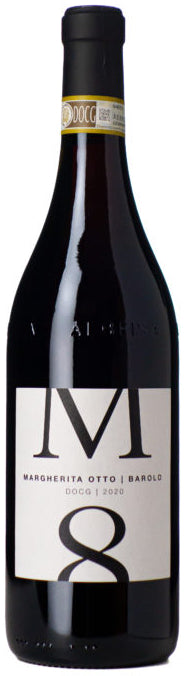
Margherita Otto - Barolo Nebbiolo 2021
A terroir-driven Barolo, precise and deeply nuanced. The finesse of Nebbiolo meets a structure built for ageing.

Borgogno - Barolo 2021
A classic Barolo, precise and deeply rooted in its terroirs. The finesse of Nebbiolo meets lovely tannic energy.

Schiavenza - Broglio Riserva Barolo 2015
A deep and structured Barolo from Serralunga d'Alba, which precisely expresses the nobility of Nebbiolo and the personality of the Broglio vintage.

Schiavenza - Prapo Barolo 2018
A vintage Barolo that is both deep and precise, where the power of Serralunga meets a long-lasting elegance.
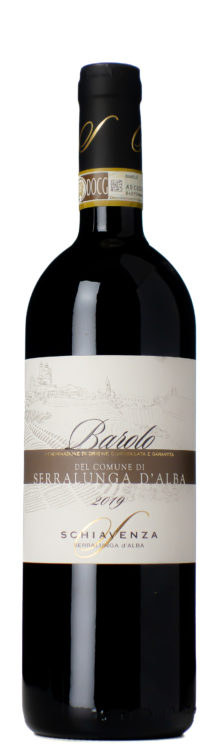
Schiavenza - Barolo Serralunga d'Alba 2021
A Barolo from Serralunga d'Alba that is deep, structured and precise, faithfully expressing the nobility of Nebbiolo and the strength of its terroir.
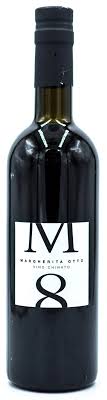
Margherita Otto - Barolo Chinato
A refined, artisanal Barolo Chinato, where the depth of Nebbiolo meets the complexity of spices in a long and warm finish.

460 Casina Bric - Barolo Bricco Delle Viole 2016
A single-plot Barolo from the highest altitudes of Barolo
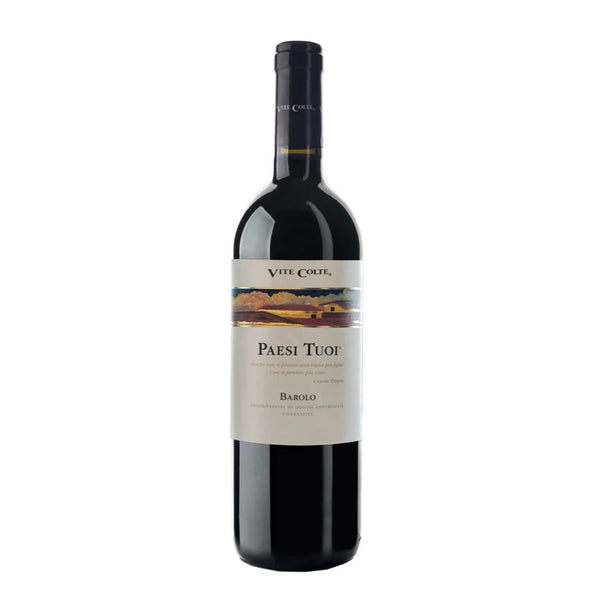
Vite Colte - Barolo Paesi Tuoi 2021
A straight, fragrant Barolo: cherry, rose and aniseed on tight-knit tannins.
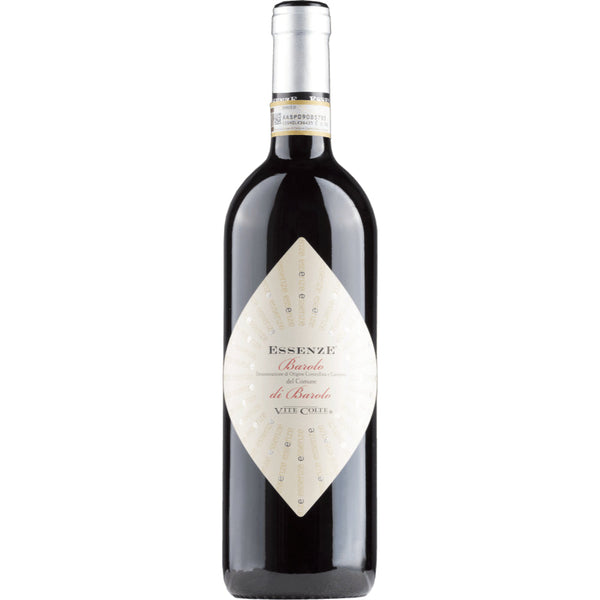
Vite Colte - Barolo del Comune di Barolo Essenze 2018
A Barolo born in the historic village itself: raspberry, violet and liquorice.
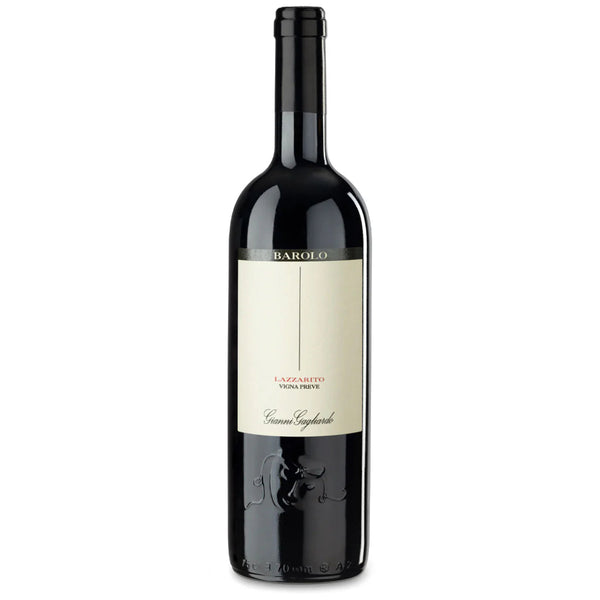
Gianni Gagliardo - Barolo Lazzarito Vigna Preve 2020
Lazzarito at its peak, a Barolo dense in tannins that demands a great deal of patience.
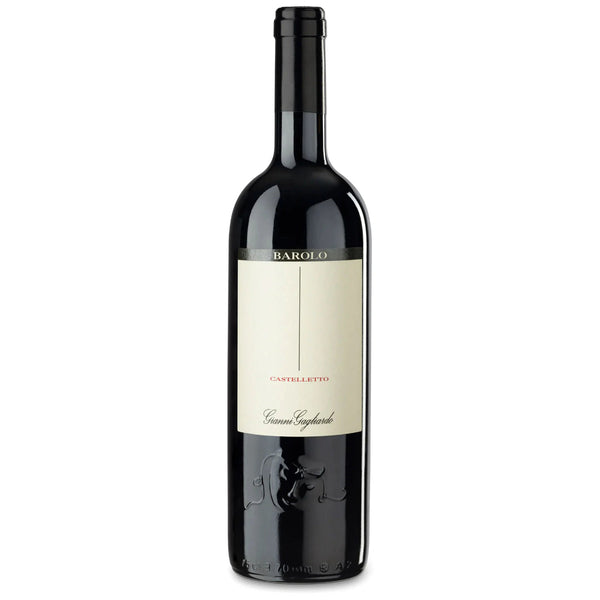
Gianni Gagliardo - Barolo Castelletto 2020
Castelletto gives a dense Barolo, dried rose and leather, built for long ageing.

Francesco Clerico - Barolo Bussia 2019
Bussia in all its rigour: a tannic, floral Nebbiolo to be cellared for a long time.

Ceretto - Barolo Prapò 2020
The Prapò cru in vertical mode: menthol and liquorice on iron-like tannins.
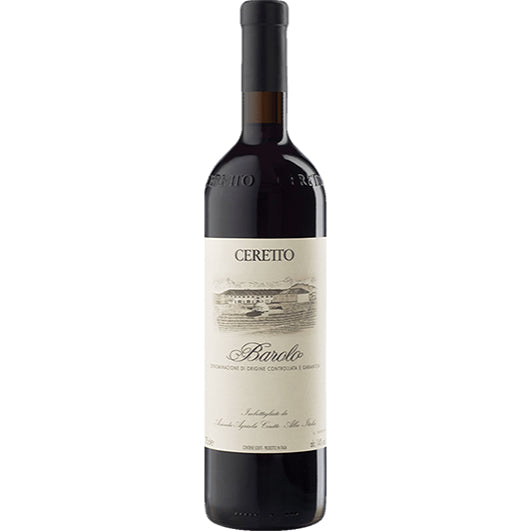
Ceretto - Barolo 2020
Tobacco, truffle and dried rose: a classic Barolo that calls for patience.
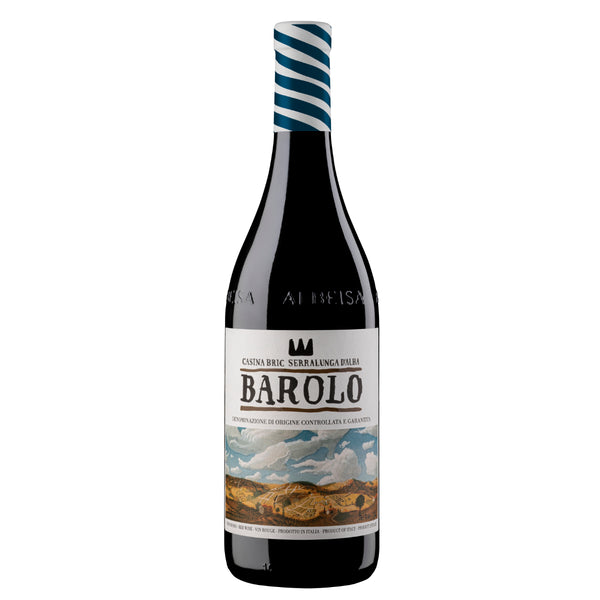
460 Casina Bric - Barolo 2017
An intense Barolo deeply imbued with its high altitude terroir
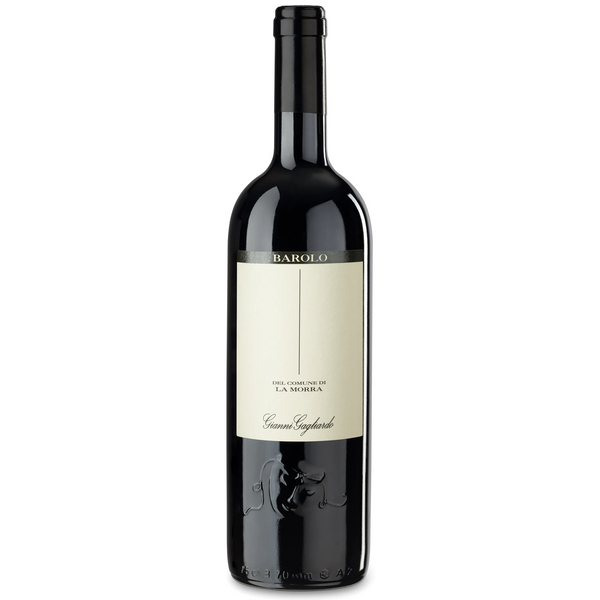
Gianni Gagliardo - Barolo La Morra 2019
La Morra at its finest: refined tannins and a long finish.
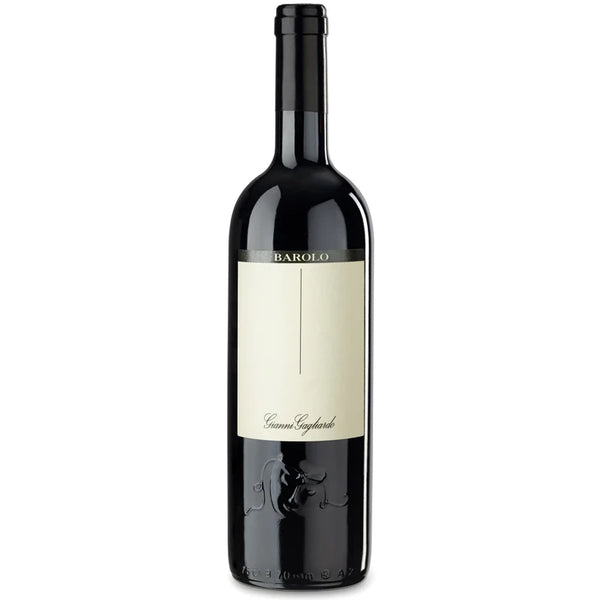
Gianni Gagliardo - Barolo 2019
Five villages blended into a firm, floral Barolo that is already harmonious.
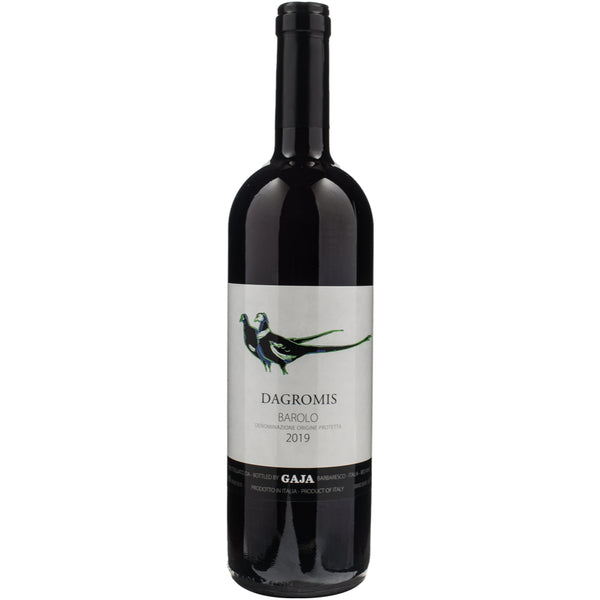
Gaja - Dagromis Barolo 2019
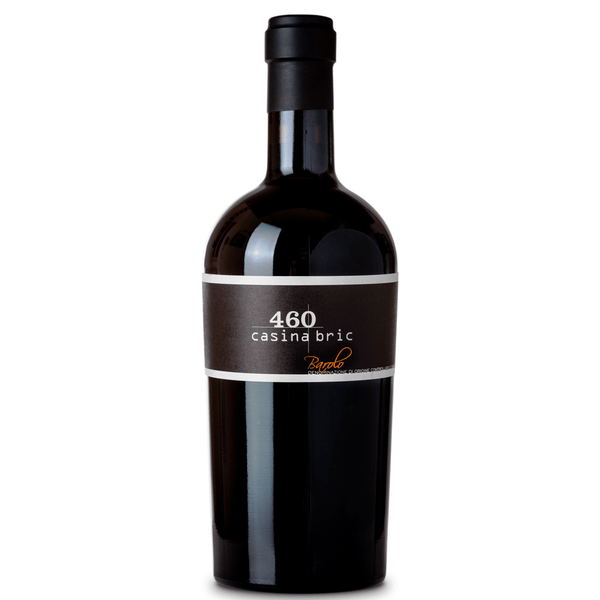
460 Casina Bric - Barolo Comune di Barolo 2014
A powerful Barolo deeply imbued with its high altitude terroir
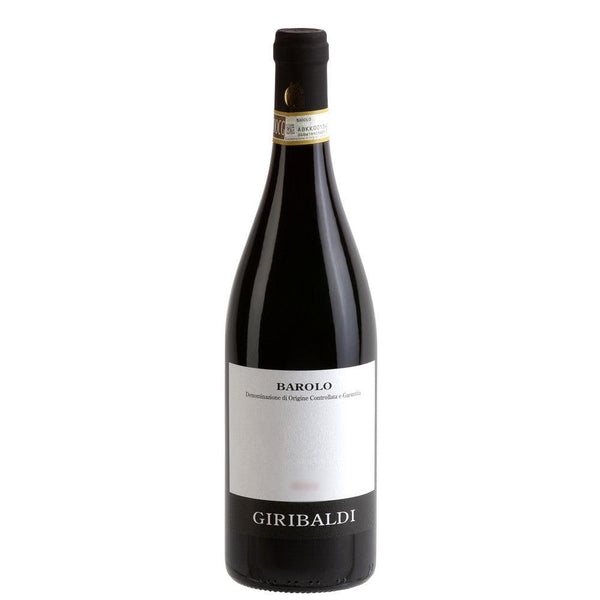
The five major municipalities, and what the soil changes there
The dividing line runs roughly through the middle of the appellation. To the west, softer marls produce aromatic wines that open early. To the east, more compact soils yield wines that are initially closed and built for aging.
| Municipality | Dominant soil | The style | In our cellar |
|---|---|---|---|
| La Morra west | Tortonian marls, softer. | The most fragrant and affordable young wine. Rose, cherry, a silky texture from the very first sip. | Gagliardo Barolo La Morra 2019 |
| Barolo west | Tortonian marls, with high-altitude plots. | The balance between aroma and structure. The high altitudes give it a remarkable freshness. | 460 Casina Bric, Bricco delle Viole 2016 |
| Monforte d'Alba is | Serravallian formations, compact. | Powerful, full-bodied, with a dense texture that requires time or a generous decanter. | Clerico Bussia 2019, Gagliardo Castelletto 2020 |
| Serralunga d'Alba is | Poorest and most calcareous soils. | The most austere young wine, the longest to open, and often the one that ages the best. | Schiavenza Serralunga 2021, Ceretto Prapo 2020 |
Castiglione Falletto, the fifth historic commune, sits at the hinge between the two formations. We do not currently offer a vintage from this commune.
Barolo or Barbaresco: two brothers, not two opposing styles
Same grape variety, same Langhe, a few kilometers apart. What distinguishes them is the climate, the size of the vineyard, and especially the aging period required before sale.
| Criterion | Barolo | Barbaresco |
|---|---|---|
| Grape variety | Nebbiolo, exclusively. | Nebbiolo, exclusively. |
| Area | Eleven communes south of Alba, a significantly larger vineyard. | Four communes north-east of Alba, on hills closer to the Tanaro river. |
| Minimal livestock farming | 38 months, 18 of which in wood. | 26 months, 9 of which were in wood. |
| Mention Riserva | 62 months of aging. | 50 months old. |
| The style | More tannic, slower to open, often better aging potential. | A little more supple and approachable young, without sacrificing any of its finesse. |
| At our place | From €39.90. | From €31.20, in the Barbaresco section. |
Barbaresco wines have their own section here: see our Barbaresco wines.
A bottle for every intention
The tables give the theory. Here are the bottles, and only those that can be shipped today.
A first barolo
The smoothest entry into the appellation, without the intimidating tannin of the grand crus.
Vite Colte Your Countries 2020 · €39.90The best value at this price
A 2017 already open, from high-altitude vines, with the substance of a wine twice its price.
460 Casina Bric Barolo 2017 · €45A high-altitude vintage
Bricco delle Viole, one of the highest plots in the municipality of Barolo. Freshness and perfume.
460 Casina Bric 2016 · €65Understanding La Morra
The perfumed side of the appellation, silky now. The best place to grasp how the soil changes.
Gagliardo La Morra 2019 · €76Understanding Serralunga
The other slope: austere, limestone, built for the decade. Available in a pack of two.
Schiavenza Serralunga 2021 · €102 for 2Switch to barbaresco
The same Nebbiolo, shorter aging, a more immediate approach. A separate ray of sunshine.
Our Barbaresco, from €31.20After the meal
Barolo Chinato, that wine flavored with cinchona bark and spices. A Piedmontese digestif, not a table Barolo.
Margherita Otto · €139.60 for 2See all of Italy
Piedmont, Tuscany, Veneto, Sicily: the entire Italian section.
Our Italian Wines
Barolo shouldn't be judged by the first glass, nor by the first year
This is the wine that most often disappoints upon opening. Little color, a discreet nose, and a tannic structure that dries the mouth before delivering anything. Many people conclude that it's not for them and drop the subject.
You have to give it what it asks for: a decanter and two hours, or ten years in the cellar. Then the nose opens up to faded rose, cherry, tar, leather, and the tannins start to support the wine instead of blocking it. It is one of the rare red wines where waiting changes everything, and not just a little.
How do you choose
It's about balance, never just power. A Barolo that only offers tannin and oak will not go the distance, regardless of the cru name on the label.
And about terroir readability: you should be able to recognize the commune in the glass.
The Baroudeur du Vin team
What we're asked about Barolo
Which grape variety goes into a Barolo?
Nebbiolo, and Nebbiolo alone. The appellation mandates 100% Nebbiolo, which is rare for a great red wine. Therefore, everything that distinguishes two Barolos comes from the soil, the exposure, the vintage, and the winemaker's touch, never from the blend.
What's the difference between a Barolo and a Barbaresco?
The same grape variety and the same hills, just a few kilometers apart. Barbaresco is aged for a minimum of 26 months compared to 38 for Barolo, on a smaller and slightly more temperate vineyard. The result is a wine that is slightly softer and more approachable when young, without compromising on finesse. Our cuvées are grouped in the barbaresco section.
Should I decant a Barolo?
Yes, except for very old vintages. Allow one to two hours in a decanter for wines less than ten years old: the tannins will soften and the nose will open up beautifully. For bottles twenty years or older, prefer a delicate service and a large glass; decanting could exhaust them.
How long should I keep a Barolo?
Ten years is a comfortable minimum for village wines, fifteen to twenty for crus from eastern communes. Our fact sheets indicate the potential of each bottle. There's no obligation to wait: a decanted Barolo drinks very well young; it simply tells a different story.
Does the municipality listed on the label change anything?
A lot. La Morra and Barolo, to the west, produce fragrant wines that open early. Monforte d'Alba and Serralunga d'Alba, to the east, produce more closed, more tannic, and longer-aging wines. This is the most useful distinction to remember, even before the name of the cru.
What does the Riserva designation mean?
It indicates a longer aging period, 62 months instead of 38. This is a duration requirement, not a quality classification: a barolo without the mention can perfectly surpass a riserva. It mainly signifies a vintage that the winery deemed capable of aging.
What should I serve with a Barolo?
Tannins require fatty foods with flavour: braised red meats, game, lamb, porcini mushroom risotto, and aged Piedmontese cheeses. Serve at around 17°C, never at room temperature in the old sense of the word.
What is Barolo Chinato?
A Barolo flavored with cinchona bark and a blend of spices, fortified and sweetened. It is a traditional Piedmontese digestif, served alone or with dark chocolate, and not a table wine. Our Margherita Otto is an artisanal version of it.