
Chile's Central Valley: Maipo, Colchagua, Maule
46 bottles from Maipo to Maule, from €8.50A Carménère for under fifteen euros, a Cabernet for ageing, a Carignan from old unirrigated vines: most of the Chilean bottles you come across are born on the same strip of land, south of Santiago, between the Coastal Range and the first Andean foothills. Five basins make it up, each with its own climate and cellar habits.
This page is a signpost: the overview of the country is in our wines of Chile range. Here, we look at what separates Maipo from Maule, and what the terms printed on the back label are worth.
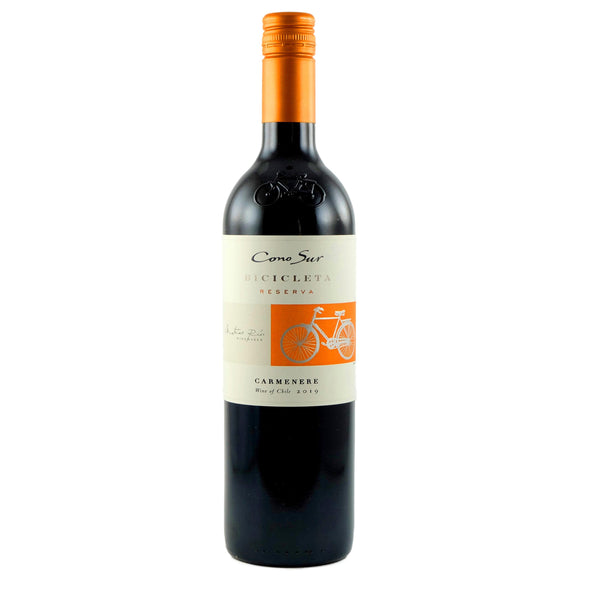
Cono Sur - Bicicleta Carménère 2023
A delicious and velvety Carménère which presents aromas of red fruits perfectly combined with spicy notes.
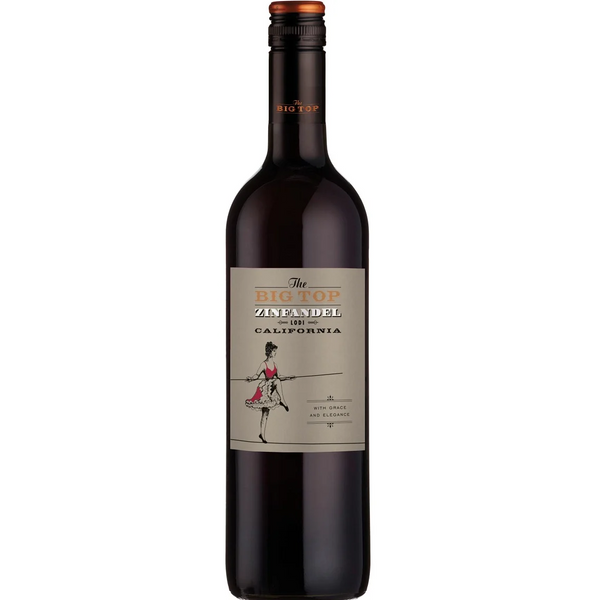
Kautz Family - The Big Top Zinfandel 2023
A charming and spicy Californian zinfandel

J.Bouchon Family Wines - Block Series Carmenère 2020
An authentic, complex and elegant Carmenère

Tarapacá - Carménère 2024
The emblematic grape variety of Chile in a light and expressive cuvée at the same time.
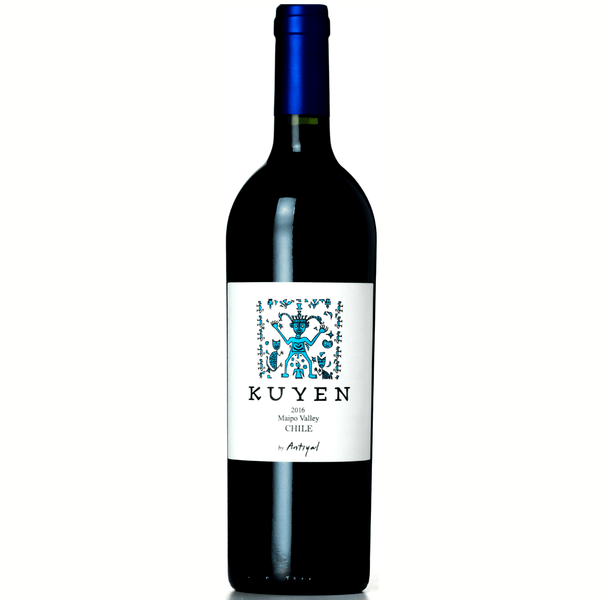
Antiyal - Kuyen 2019
A lunar and complex vintage, produced using the precepts of biodynamics.

Cono Sur - Bicicleta Pinot Noir 2022
Specialist in Pinot Noir, the "Cono Sur" estate offers us a drinkable vintage of their own!
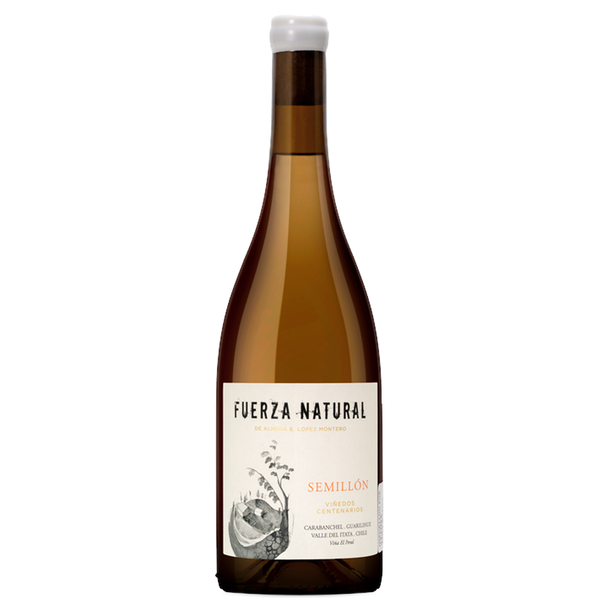
Fuerza Natural - Sémillon 2021
A fresh and vibrant Sémillon from southern Chile, aged in century-old amphorae

Tarapacá - Gran Reserva Organic 2024
An organic blended wine with multiple aromatic facets
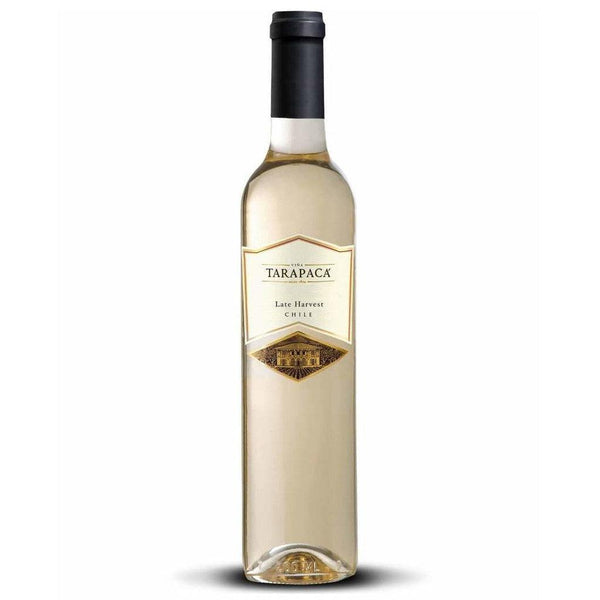
Tarapacá - Late Harvest 2022
A very nice late harvest from a blend of 5 white grape varieties!
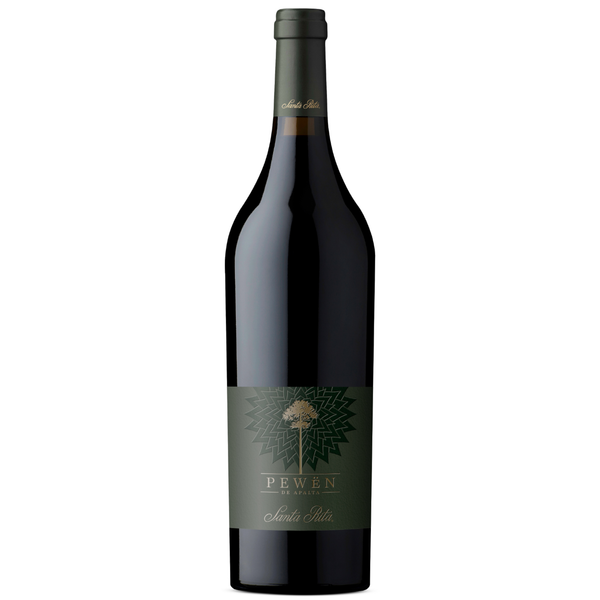
Santa Rita - Pewen Carmenere 2020
The noble and intense expression of Chilean Carménère
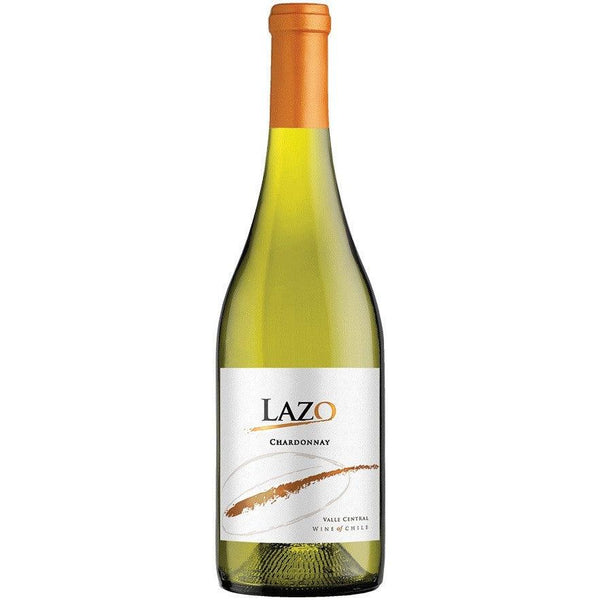
Undurraga - Lazo Chardonnay 2024
An exotic, charming and easy-drinking Chardonnay!
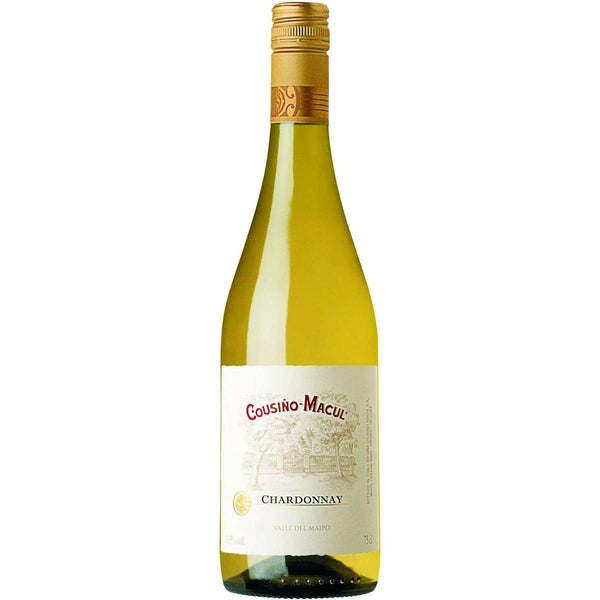
Cousiño Macul - Chardonnay 2017
A Chardonnay from one of the oldest estates in Chile combining roundness, freshness and expression.

Antiyal - Pura Fé Carménère 2023
A completely mastered Carménère, both creamy and very digestible
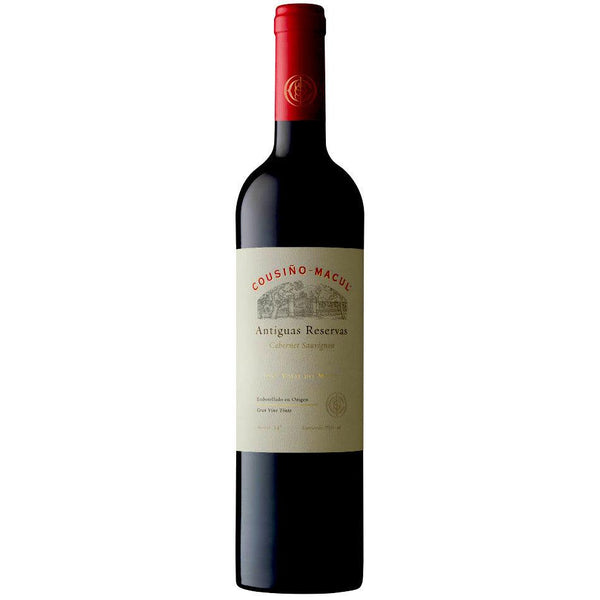
Cousiño Macul - Antiguas Reservas Cabernet Sauvignon 2018
An elegant Chilean Cabernet Sauvignon with intense notes of black fruits and spices.
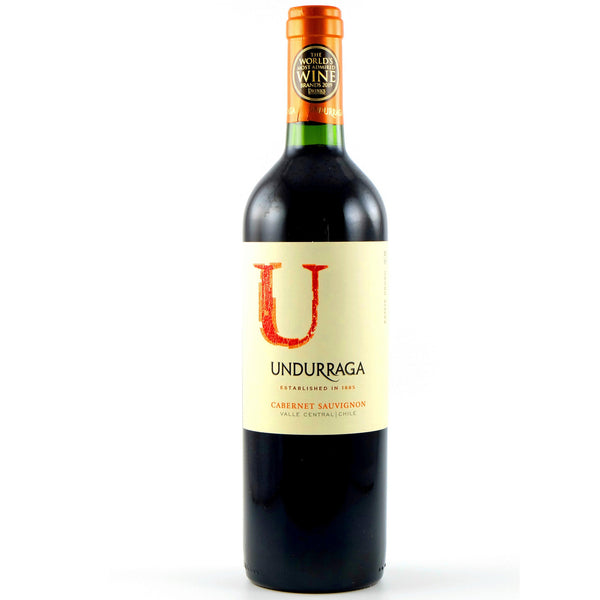
Undurraga - Cabernet Sauvignon 2024
A very pretty Cabernet Sauvignon typical of Chile!
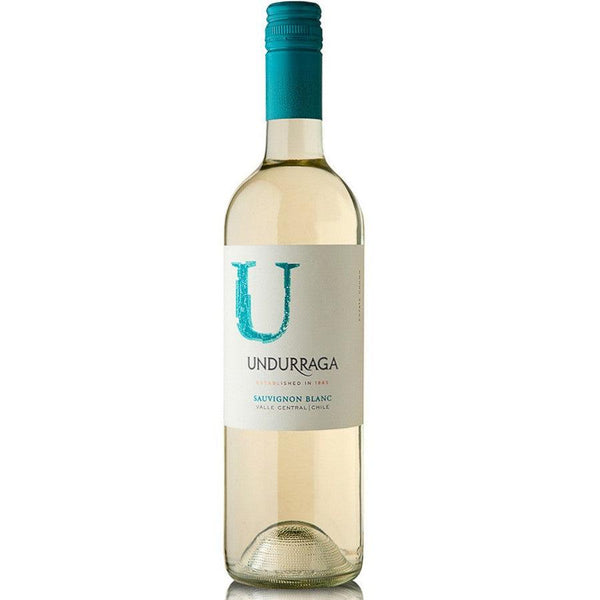
Undurraga - Sauvignon Blanc 2019
A fresh and crisp white wine ideal for your summer aperitifs or around a seafood platter!
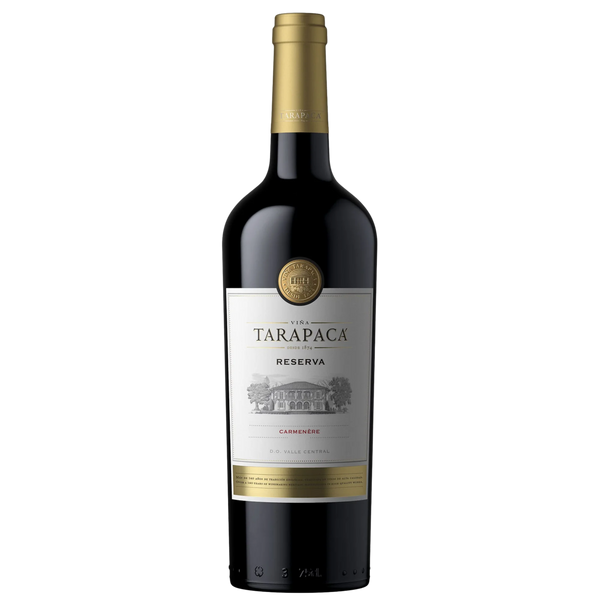
Tarapacá - Carménère Reserva 2022
The emblematic grape variety of Chile in a vintage that is both fleshy and intense.

Antiyal - Escorial 2020
The quintessence of Carménère, expressed by a master of Chilean viticulture.

Tarapacá - Gran Reserva Carménère 2023
A round and spicy Carménère influenced by the proximity of the Maipo River
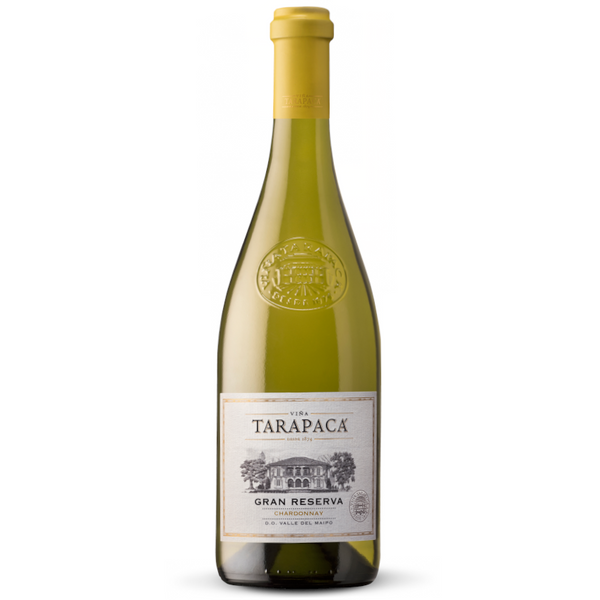
Tarapacá - Gran Reserva Chardonnay 2022
A Chardonnay produced 12km from the Pacific Ocean
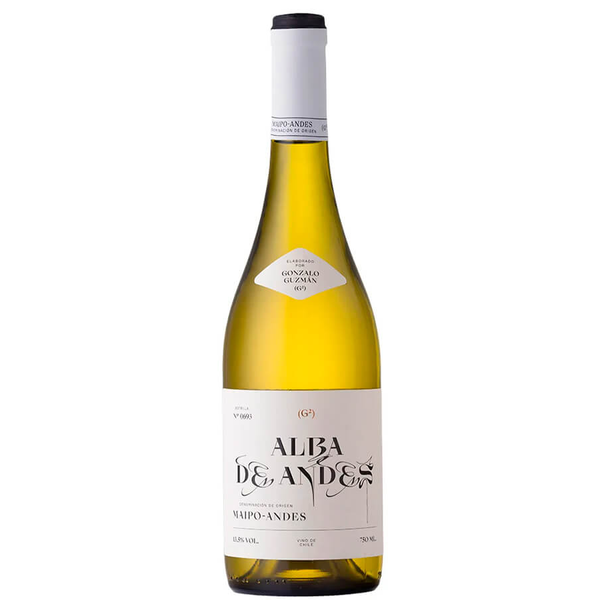
Gonzalo Guzmán - Alba de Los Andes Albariño 2022
A finely crafted Albarino, with lemony, vegetal and mineral flavors.

Kautz Family - Burlesque Zinfandel 2020
A charming and spicy Californian zinfandel

Matetic & Guillaume Letang - Sierra Grande Pinot Noir 2020
A delicate and elegant Pinot Noir with flavors of wild ripe fruit
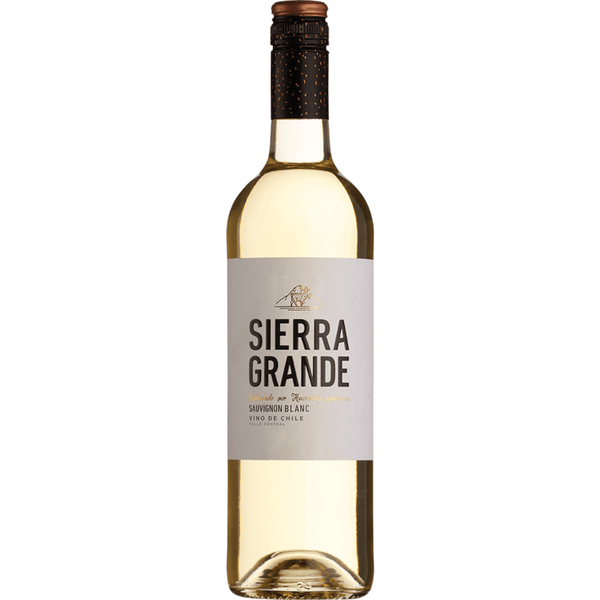
Matetic & Guillaume Letang - Sierra Grande Sauvignon Blanc 2021
A Sauvignon Blanc expressing the vibrant fruit of Chile's Central Valley combined with the elegance of its mountain terroir.
What separates Maipo from Maule
The basins follow one another over nearly three hundred kilometres. From north to south, rainfall increases, summers become milder and old ungrafted vines become more numerous.
| Sub-valley | Location and soils | Grape varieties | What it changes in the glass |
|---|---|---|---|
| Maipo | Around Santiago, from the stony Andean foothills to the alluvium of the plain | Cabernet Sauvignon, Carménère | The country's most upright Cabernet, a minty note, ripe bell pepper and firm tannins |
| Rapel | An umbrella name covering Cachapoal and Colchagua, often the only one on the label | Reds from Bordeaux varieties | A blend from both basins, rarely the sign of an identified plot |
| Cachapoal | Northern half of Rapel, backing onto the Andes, clay-gravel soils and hot summers | Carménère, Cabernet, Syrah | Full, round reds, easy ripening, lower acidity than in Maipo |
| ColchaguaSee the section | Southern half of Rapel, opened to the ocean by the Tinguiririca gap | Carménère, Malbec, Cabernet | The highest density of cuvées for ageing, from Apalta to single-plot selections |
| Curicó | Wide plain between the two mountain ranges, deep soils, irrigated vineyards | Sauvignon Blanc, Chardonnay, Cabernet | The volume register: clean, supple whites and everyday reds |
| Maule | The largest and southernmost, generous rainfall, old dry-farmed vines | Carignan, País, Carménère | Taut reds, lively acidity, noble bitterness in the unirrigated Carignans |
On our labels, the detail often stops at the first level: Antiyal's Kuyen (€38) and Cousiño Macul's Antiguas Reservas (€15.90) bear only the Central Valley designation, even though both houses have their vineyards in Maipo. Gonzalo Guzmán's Vontade (€32) and De Martino's Vigno (€44.20), on the other hand, name their basin.
What Chilean label terms are really worth
Two families of terms coexist on the country's bottles: quality designations, inherited from an old decree, and the three transverse zones created in 2012 to finally say something about climate. None of them matches what a European buyer imagines.
| Please mention | What it commits to | What it does not guarantee | Benchmark in our catalogue |
|---|---|---|---|
| Reserva | Half a degree of alcohol more than the legal minimum, oak ageing optional | Neither time in barrel, nor yield, nor plot origin | Tarapacá Carménère Reserva 2022, €13.90 |
| Reserva Especial | The same alcohol threshold, but this time oak ageing is compulsory | A tier above Gran Reserva, despite what the adjective suggests | Santa Rita 120 Reserva Especial Syrah 2022, €9.90 |
| Gran Reserva | A full degree above the minimum, oak required, grape selection stated | The number of months in barrique, which the law does not set | Tarapacá Gran Reserva Carménère 2023, €21.90 |
| Gran Añada | Nothing regulatory: a house formula meaning a great year | No threshold of alcohol, ageing or sorting behind the word | None of our Chilean cuvées displays it: judge the producer |
| Costa | At least 85% of grapes from a zone under Pacific influence | The actual distance from the ocean, which varies fivefold | Errázuriz Aconcagua Costa Chardonnay 2022, €25.60 |
| Entre Cordilleras | Vines from the central plain, caught between the Coastal Range and the Andes | Not a rank below the other two zones, simply a position | The backbone of this section, rarely printed on the label |
| Andes | The Andean foothills, altitude and a wide swing between day and night temperatures | A stated altitude, which the term never specifies | Viu Manent Gran Reserva Carmenère 2022, €16.80 |
A grape variety or vintage statement guarantees at least 75% of the contents in Chile, 85% for export. The three zones run across the valleys: the same basin name can therefore cover both seaside wines and mountain wines.
The label that doesn't go down to the plot
Many of the bottles in this range stop at the broadest designation. This is not an oversight. The big houses blend grapes from Curicó, Maule and Rapel to maintain an identical style from one year to the next: the only origin they can then claim is the one that encompasses everything.
Undurraga's Lazo Chardonnay (€8.50) and Cono Sur's Bicicleta Carménère (€11.50) follow this logic; their promise is consistency, not place. Others keep the habit out of commercial tradition, even though their vineyards are all in one piece.
What the price then tells you
When the only designation is Central Valley, the price becomes your best clue. Below fifteen euros, expect a blend from the irrigated plains, designed for consistency. Above thirty, like Antiyal's Escorial (€75), you are almost always dealing with an estate wine whose owner did not see the need to be more specific.
The Wine Wanderer Team
What we are asked about the Central Valley
What is Chile's Central Valley?
It is the large wine region stretching south of Santiago, between the Coastal Range and the Andes. It brings together four appellations: Maipo, Rapel (itself split between Cachapoal and Colchagua), Curicó and Maule. It supplies most of the country's production, and almost all the Chilean wines sold in supermarkets.
Maipo or Colchagua for a Cabernet Sauvignon?
Maipo gives straighter Cabernets that are more austere in their youth, with the minty note that made its reputation. Colchagua, warmer and more open to the ocean, produces fleshier, more immediate wines. Both profiles sit side by side in our Cabernet Sauvignon range, alongside Bordeaux and Australian wines.
Is Gran Reserva a step above Reserva?
On paper, yes: Gran Reserva requires a higher minimum alcohol level and oak ageing, whereas Reserva leaves the barrel optional. But the law sets neither the length of ageing nor the yield, so the real difference depends entirely on the house. Compare prices and producers before the label terms.
Why do so many labels not specify the sub-valley?
Because the wine blends grapes from several basins. As soon as the plots cross an appellation boundary, only the all-encompassing designation can be used. That is the rule of the game for volume cuvées, built to offer the same taste every year. A broad origin is therefore not a flaw; it is an admission of blending.
What to choose under fifteen euros?
Undurraga's Lazo Chardonnay opens the range at €8.50, Tarapacá's Carménère sits at €11.90 and Cousiño Macul's Chardonnay at €12.50. These are wines from the irrigated plains, made to be drunk within the year. For an extra step up in concentration, aim instead for the cuvées between twenty and thirty euros.
Does Carménère always come from the Central Valley?
Almost always. The grape variety, rediscovered in Chile in 1994 in plots planted as Merlot, needs heat and a long end of season: the inland basins offer it this better than the coast. Our Carménère range brings these bottles together, from entry level to cuvées for ageing.
What is special about the wines of Maule?
Maule has kept old vines farmed without irrigation, often bush-trained, planted with Carignan and País. They give tauter, more acidic reds than the Chilean average. De Martino's Vigno (€44.20) and Masintin's Carignan Truquilemu (€35.40) illustrate this style.
Should you favour the coastal valleys for whites?
For Sauvignons and taut Chardonnays, yes: the cold Pacific air preserves acidity, and that is the domain of Casablanca and Leyda. Whites from the inland basins play a different card, rounder and sunnier, often at gentler prices. Both styles have their place at the table, depending on the dish and the season.
Can these wines be bought by the bottle?
It depends on the cuvée. Part of the Chilean range is only offered in cases of six or packs of two or three bottles, while other wines remain available individually. The product page shows the formats actually in stock, and our delivery page details the shipping conditions.