
Hamilton Russell : trois étiquettes d'une même maison de Hemel-en-Aarde
6 bouteilles, de 23 € à 65 €The estate is set in the Hemel-en-Aarde valley, just behind the old fishing village of Hermanus. It is one of the southernmost vineyards in Africa and one of the closest to the sea: Tim Hamilton Russell planted here in the late 1970s, looking for precisely the southernmost point closest to the ocean that the law of the time allowed him. His son Anthony took over. What sets the property apart is its soils, a stony clay rich in shale, which gives taut wines in a country known for its heat.
The collection has six bottles, but three different labels. Hamilton Russell Vineyards makes the Pinot Noir and the Chardonnay, the two wines by which the house is judged. Southern Right offers a Sauvignon Blanc and a Pinotage at a much more accessible price. Ashbourne, the most confidential of the three, produces a white blend and a Pinotage at €65. The tables below first list the six wines and their prices, then what each name covers.

Hamilton Russell - Pinot noir 2023
A long-lasting Pinot noir with complex and refined notes

Hamilton Russell - Chardonnay 2023
An exceptional, long-lasting Chardonnay, among the best in the country
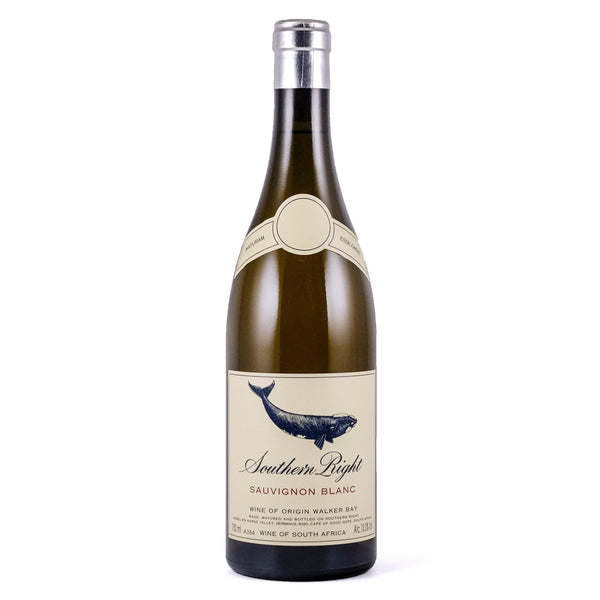
Southern Right - Sauvignon Blanc 2025
A pure, straight and mineral Sauvignon Blanc with astonishing complexity.

Southern Right - Pinotage 2022
An intense and complex Pinotage, grown on the shores of the Atlantic Ocean
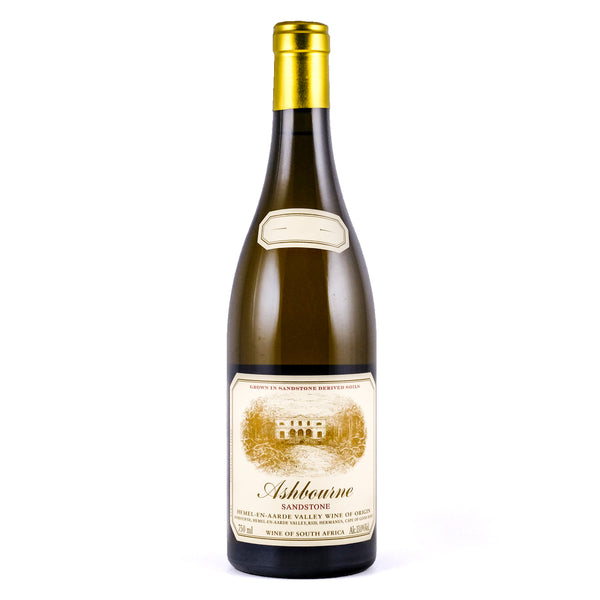
Ashbourne - Sandstone 2024
An innovative white blend that captures the most beautiful expression of the soils of the Hemel-en-Aarde valley
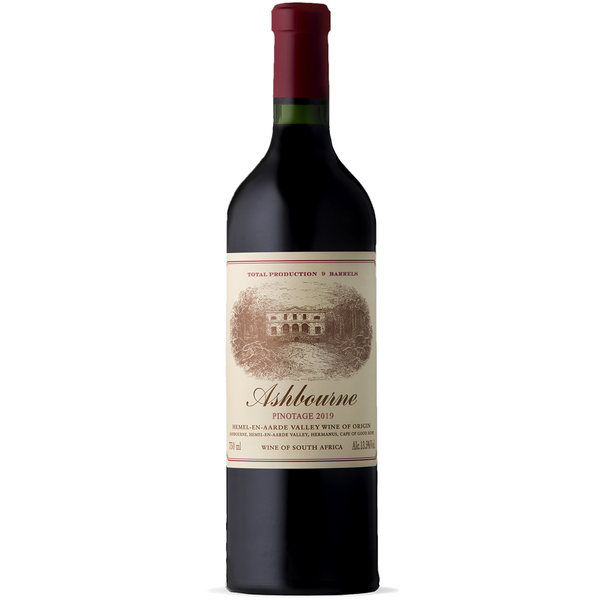
Ashbourne - Pinotage 2021
Probably one of the greatest Pinotage from South Africa
Which bottle to start the range with
Trois étiquettes, trois budgets, six vins. Voici ce que chacun apporte, du sauvignon blanc à 23 € au pinotage d'Ashbourne à 65 €.
Entrer par le sauvignon blanc
Le vin le moins cher de la maison, et le plus direct : pamplemousse, citron vert, groseille à maquereau, finale saline. Vignes à trois kilomètres de l'Atlantique.
Southern Right 2025 · 23 €Un blanc d'assemblage sur grès
Sauvignon blanc, chardonnay et sémillon fermentés en œufs de céramique et en amphores. Zeste d'agrume, herbes sèches, pierre à fusil.
Ashbourne Sandstone 2024 · 24 €The everyday Pinotage
Mûre, prune noire, réglisse, poivre écrasé. Texture vivante et acidité juteuse : c'est le pinotage qu'on ouvre sans occasion.
Southern Right 2022 · 32 €Le chardonnay de la maison
Fermenté et élevé en fûts de chêne français, neuf mois. Fleur d'acacia, pomme verte, marmelade d'agrumes, poire. Un blanc de repas complet.
Hamilton Russell 2023 · 49,90 €Le pinot noir de tête
Stony soils, rich in clay and shale. Wild strawberry, raspberry, juniper, forest floor, mushroom. Ten months in French oak barrels.
Hamilton Russell 2023 · 55 €Le pinotage pris au sérieux
A very low-yielding vineyard, ten months in 400-litre barrels then six months in foudre. Blueberry, blackcurrant, dried rose, cocoa.
Ashbourne 2021 · 65 €Stay in the valley
The other Hemel-en-Aarde estates we follow, with the same cool maritime climate.
Our Hemel-en-Aarde sectionSuivre le pinotage ailleurs
South Africa's own red grape variety, from table wine to wine for ageing. Two of the six bottles on this page are made from it.
Our Pinotage section
Six bouteilles, de 23 € à 65 €
Le tableau se lit du plus cher au moins cher. La deuxième colonne indique l'étiquette : c'est elle qui explique l'écart de prix, pas la qualité du travail, identique d'un vin à l'autre.
| Cuvée | Étiquette | Le vin | Prix |
|---|---|---|---|
| Ashbourne Pinotage2021 | Ashbourne | Red. Pure Pinotage, hand-harvested, very low-yielding vineyard on stony, clay-rich soils. Fermented in stainless-steel tanks, ten months in 400-litre French oak barrels, six months in a 2,000-litre foudre. | 65 € |
| Hamilton Russell Pinot noir2023 | Hamilton Russell Vineyards | Red. Pinot Noir on stony soils rich in clay and shale. Ten months in first- to fourth-fill French oak barrels, then blending of the lots. | 55 € |
| Hamilton Russell Chardonnay2023 | Hamilton Russell Vineyards | White. Very low yields, grapes destemmed, pressed and fermented in French oak barrels. Nine months of ageing on the same principle of blending barrels. | 49,90 € |
| Southern Right Pinotage2022 | Southern Right | Red. Pure Pinotage, vines close to the Atlantic Ocean in the Hemel-en-Aarde valley, within Walker Bay. Ten months in first- to third-fill French oak barrels. | 32 € |
| Ashbourne Sandstone2024 | Ashbourne | White. Sauvignon Blanc, Chardonnay and Sémillon on soils derived from quartzitic sandstone. Fermented and aged for five months in ceramic eggs and amphorae, then blending of the lots. | 24 € |
| Southern Right Sauvignon blanc2025 | Southern Right | White. Long ripening cycle thanks to the cool maritime climate, three kilometres from the South Atlantic. Dry wine, very pure fruit, lingering salinity on the finish. | 23 € |
The prices shown are for the vintage currently in stock. There are two Pinotages in the range, at €32 and €65: they are not meant for the same occasion, and the next table explains why.
Ce que chaque étiquette veut dire
Three names appear on the bottles on this page, and they are often confused. It is indeed the same family and the same vineyard, but with three distinct intentions: the flagship wine, the table wine, the rare wine.
| Étiquette | What it is | Le vignoble | Ce qu'on y cherche |
|---|---|---|---|
| Hamilton Russell Vineyards Le vin de tête | The estate label, the one by which the house is judged. It produces only Pinot Noir and Chardonnay, with organic and biodynamic practices in the vineyard. | Hemel-en-Aarde valley, behind the old fishing village of Hermanus. Stony soils, clay rich in shale. One of the southernmost vineyards in Africa and one of the closest to the sea. | A cool-climate Pinot Noir and Chardonnay, in a style close to Burgundy. Here the estate makes one of the finest whites of its kind in the southern hemisphere. |
| Southern Right Le vin de table | The second label, designed for the table. The wines are named after the southern right whales that frequent the bay, and every bottle sold contributes to their conservation. | Vines three kilometres from the South Atlantic, in the Hemel-en-Aarde valley within Walker Bay. Cool maritime conditions, slow ripening, very pure fruit. | A Sauvignon Blanc and a Pinotage at a modest price. This is the way into the house, and the best value for money of the six bottles. |
| Ashbourne Le vin rare | Founded in 1996 by Anthony Hamilton Russell. The name comes from Lord Ashbourne, his great-great-grandfather, Lord Chancellor of Ireland in the late 1800s. | On the eastern boundary of the Hamilton Russell vineyards. A very low-yielding vineyard on stony, clay soils for the red, quartzitic sandstone for the white. | La part confidentielle de la maison. Depuis sa première sortie en 2001, le pinotage d'Ashbourne a changé la lecture du cépage rouge sud-africain. |
A second label is not a declassified wine. Southern Right comes from its own plots, with its own stylistic logic: the difference lies in the wine's ambition, not in the care taken.
Une seconde étiquette n'est pas un sous-vin
Faced with a range under three names, the reflex is to go straight to the most expensive. Here, that is a mistake. The Southern Right Sauvignon Blanc at €23 and the Hamilton Russell Pinot Noir at €55 are not comparable: the first plays on tension and immediate fruit, the second seeks complexity and ageing potential. Both succeed in their own register.
What the property brings that is rare is its location. Stony clay rich in shale, an ocean a few kilometres away, winds that lengthen ripening. In a hot country, this corner of Hemel-en-Aarde produces wines that keep their acidity without needing to correct it. That holds for all six bottles, whatever the label.
À savoir avant de commander
Pinot Noir is served cool. Around 15 °C, no more. Above that, the alcohol takes over and the forest-floor notes disappear.
The two Pinotages play different roles. Southern Right for an everyday meal, Ashbourne for a fine cut of meat and an unhurried table.
The Sandstone is made in small quantities. Fermented in ceramic eggs and amphorae, it is the most unusual white in the house, and the least reproducible from one vintage to the next.
L'équipe du Baroudeur du Vin
Ce qu'on nous demande sur la maison Hamilton Russell
Who are Hamilton Russell Vineyards?
An estate in the Hemel-en-Aarde valley in South Africa, planted in the late 1970s by Tim Hamilton Russell and later taken over by his son Anthony. It is one of the southernmost vineyards in Africa and one of the closest to the sea. Under this name, the house produces only Pinot Noir and Chardonnay.
Quelle différence entre Hamilton Russell, Southern Right et Ashbourne ?
Three labels from the same house. Hamilton Russell Vineyards makes the two flagship wines, the Pinot Noir and the Chardonnay. Southern Right is the second label, in Sauvignon Blanc and Pinotage, at a more accessible price. Ashbourne, founded in 1996 by Anthony Hamilton Russell, is the most confidential: a white blend and a top-end Pinotage. The labels table explains what each one covers.
Où se trouve la vallée de Hemel-en-Aarde ?
South of Cape Town, just behind Hermanus, a former fishing village on the Walker Bay coast. The name means "heaven and earth" in Afrikaans. The proximity of the ocean creates cool maritime conditions, with a longer ripening cycle than in the rest of South Africa's vineyards. Our other bottles from this area are in the Hemel-en-Aarde section.
What is special about the estate's soils?
They are stony clays, rich in shale, which is unusual in South Africa. The Pinot Noir grows on these clay and stony soils; the Ashbourne white, by contrast, comes from soils derived from quartzitic sandstone. This difference in material shows directly in the glass, as texture in the red and saline tension in the white.
Par quelle bouteille commencer ?
With the Southern Right Sauvignon blanc at €23 if you want to understand the ocean's effect on a dry white. With the Southern Right Pinotage at €32 if you prefer a red. Both give you the house style without committing the budget of the flagship wines.
Why two Pinotages at such different prices?
Because they are not aiming at the same thing. The Southern Right at €32 is lively, spicy, cut out for an everyday meal. The Ashbourne at €65 comes from a very low-yielding vineyard and spends ten months in 400-litre French oak barrels, then six months in a 2,000-litre foudre. It is a wine for ageing, in a classic, refined style that has changed people's minds about the grape variety.
Qu'est-ce que la cuvée Sandstone ?
Le blanc d'Ashbourne, à 24 €. Un assemblage de sauvignon blanc, de chardonnay et de sémillon issu de sols dérivés de grès quartzitique, fermenté et élevé cinq mois en œufs de céramique et en amphores. Zeste d'agrume, herbes sèches, groseille à maquereau, poire, poivre blanc, pierre à fusil. C'est une petite production.
Pourquoi Southern Right porte-t-il un nom de baleine ?
The southern right whale frequents the cool bay near the vineyards. The estate lies three kilometres from the South Atlantic and gives a share of every bottle sold to the conservation of the species.
Are these wines organically farmed?
The estate highlights organic and biodynamic practices in the vineyard, to obtain the best possible grape quality. Harvesting is by hand at Ashbourne, with sorting on arrival. The certified bottles in our cellar are gathered in the organic wine section.
À quelle température servir ces vins ?
The Pinot Noir at around 15 °C, the Pinotage at 15–16 °C: above that, the warmth in the glass blurs the fruit and brings out the alcohol. The whites at 10–12 °C, the Chardonnay closer to 12 °C to let the texture from barrel ageing come through. Both Pinotages benefit from being opened half an hour before serving.