
Argentine wine: Andean altitude in the glass
137 bottles, from €9.40 to €330, median €28People often come here looking for a fleshy, reasonably priced Malbec. This section offers some, but above all it tells another story: a vineyard that climbs. From 600 metres in the Andean piedmont to over 3,000 metres in the north-west, the vines gain in freshness what the sun gives them in power, and the wines gain an acidity that carries their substance.
Mendoza supplies most of the choice, Salta the most aromatic whites and Patagonia the finest reds. The tables below will help you find your way.
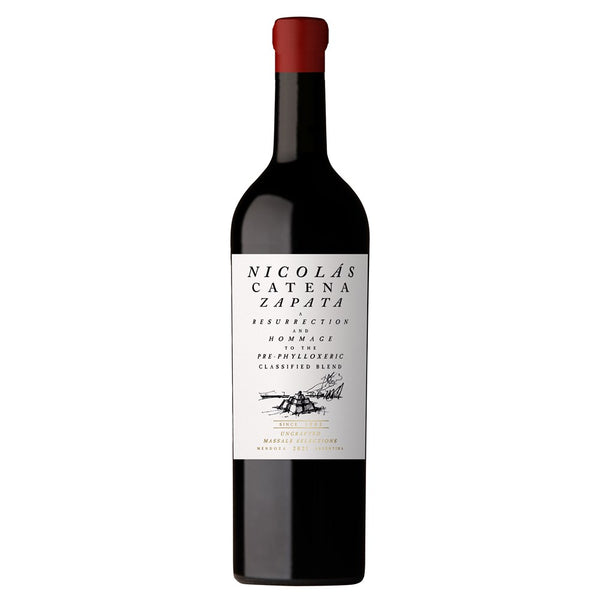
Catena Zapata - Nicolas 2021
A great mountain blend, precise and deep. Andean freshness in the service of a Bordeaux-style structure.

Catena - Malbec 2023
A high-altitude Malbec, deep and precise, between generous black fruit and mineral freshness.

Catena - Alta Malbec 2021
A deep, nuanced high-altitude Malbec. Mineral freshness balances its generous black-fruit structure.
Altos las Hormigas - Malbec Reserva 2020
A terroir Malbec, precise and vibrant. Limestone freshness frames deep fruit.
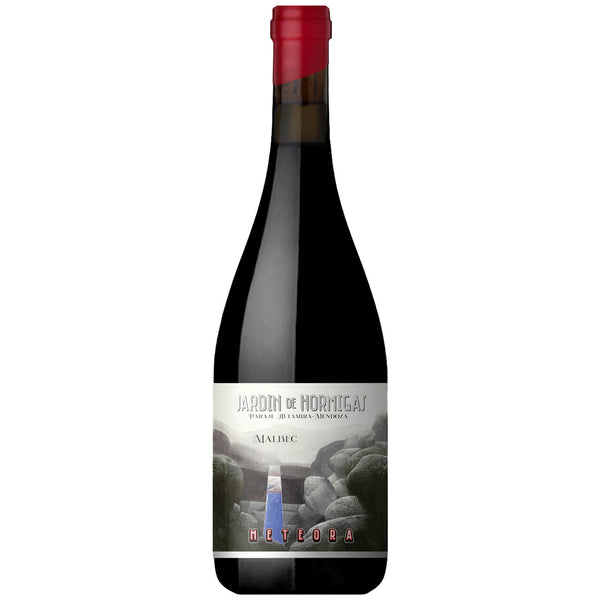
Jardin de Hormigas - Meteora 2021
A vibrant, taut and mineral high-altitude Malbec. The purity of Altamira in a precise, deep style.

Catena Zapata - Nicasia 2020
A high-altitude Malbec from Catena Zapata, combining aromatic intensity, Andean freshness, and textural depth.

Catena Zapata - Adrianna River 2022
A high-altitude Malbec, precise and profound, that brilliantly expresses the unique minerality of the Adrianna vineyard.

Catena Zapata - Adrianna Mundus Bacillus Terrae 2021
A high-altitude Malbec, with rare mineral precision, that finely expresses the uniqueness of the Adrianna vineyard.

Catena Zapata - Adrianna Fortuna Terrae 2022
A high-altitude Malbec of great finesse, where Andean freshness meets the depth of Gualtallary's limestone soils.

Catena Zapata - Adrianna White Stones 2023
A great Argentinian high-altitude Chardonnay, precise, mineral, and with remarkable tension.

Catena Zapata - Adrianna White Bones 2023
A great high-altitude Argentinian Chardonnay, taut, mineral, and deeply marked by its Gualtallary limestone terroir.

Catena - Alta Cabernet Sauvigon 2019
An Argentinian high-altitude Cabernet, combining aromatic intensity, Andean freshness, and an elegant structure.

Altos las Hormigas - Malbec Terroir Valle de Uco 2022
A precise and juicy high-altitude Malbec, where the freshness of the Uco Valley enhances the expression of the limestone terroir.

Altos las Hormigas - Malbec Terroir Lujan de Cuyo 2022
A precise and vibrant terroir Malbec, where Andean freshness enhances the purity of the fruit.

El Porvenir - Tannat Laborum de Parcela 2022
A wine that embodies the power of high-altitude Tannat, combining intensity, structure, and depth
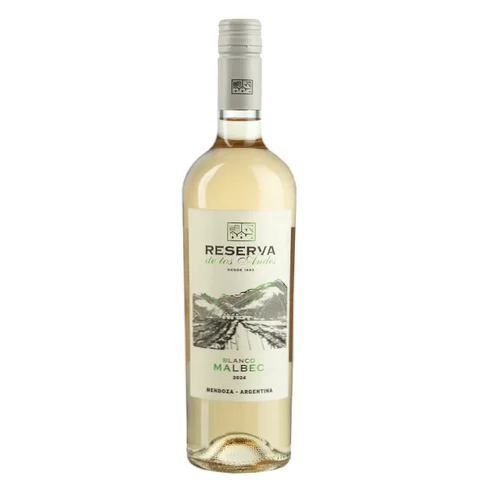
Reserva de Los Andes - Malbec Blanco 2025
A white-vinified Malbec that makes this wine unique and original

Riglos - Gran Cabernet Sauvignon 2014
A high-altitude Cabernet Sauvignon, powerful and precise, revealing the freshness and depth of the Gualtallary terroir.
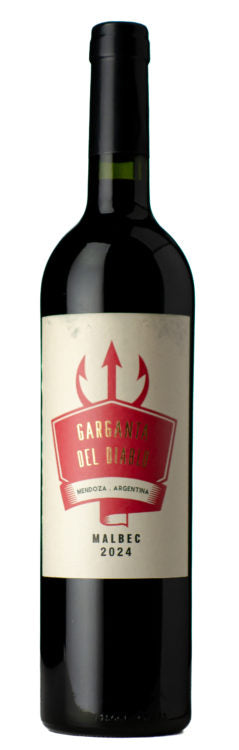
Garganta del Diablo - Malbec 2024
A high-altitude Argentinian Malbec, combining intense fruit, Andean freshness and silky tannins.

E's Vino - Ello Malbec de Ánfora 2022
A top-class Malbec, vinified using traditional methods in amphorae, combining aromatic intensity and refined structure.

E's Vino - Histeria Sauvignon Blanc de Ánfora 2021
An Argentinian high-altitude Sauvignon Blanc, aged in amphorae, combining aromatic intensity, freshness and depth
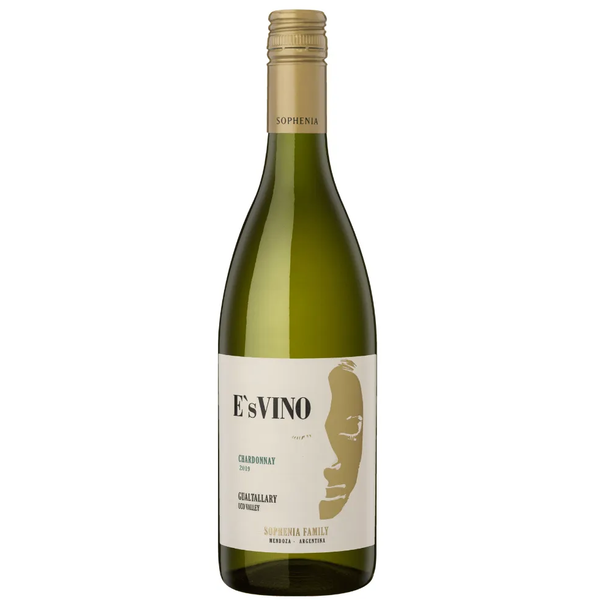
E's Vino - Chardonnay 2024
A Chardonnay from the high-altitude terroirs of Gualtallary, combining tension and minerality
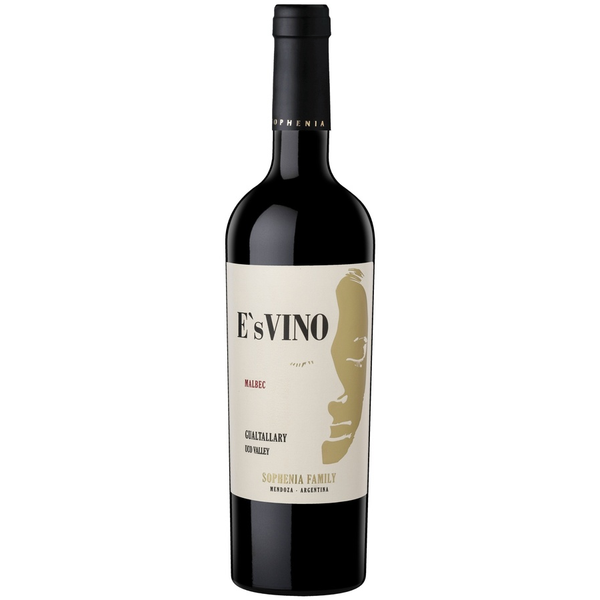
E's Vino - Malbec 2024
An elegant Malbec, from the high-altitude terroirs of Gualtallary, combining intensity, structure and minerality.
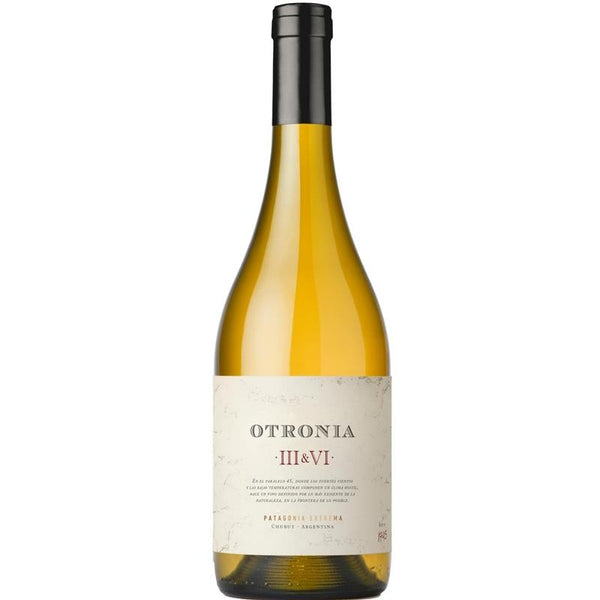
Otronia - Block III & VI Chardonnay 2019
A high-latitude Patagonian Chardonnay, taut and precise, where extreme freshness meets a remarkable saline depth.
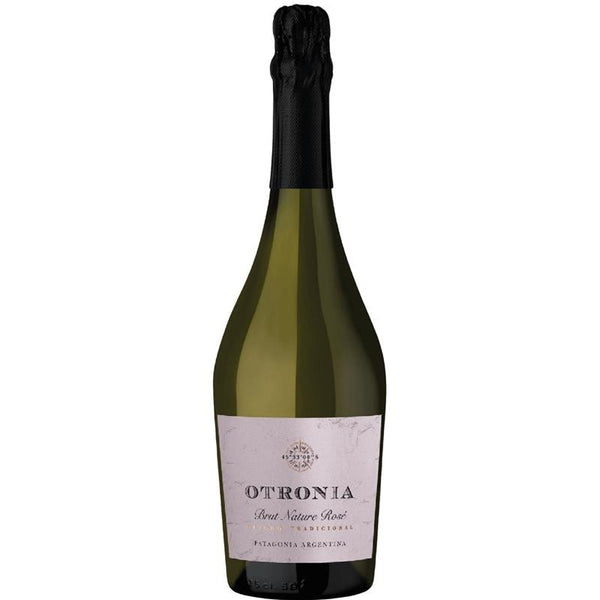
Otronia - Brut Nature Rosé
A sparkling Patagonian rosé of great freshness, where the precision of Pinot Noir meets the energy of the southern climate.
Ways into the section
Mendoza
The province that supplies most of the selection, from entry-level plain wines to the high parcels of Uco. A single Andean piedmont, irrigated by snowmelt.
The heart of the vineyardValle de Uco
The best-stocked area in the section, and the highest in Mendoza. Cold nights, pebbly soils, taut wines, from entry-level Malbecs to the most expensive bottles.
From €10.50 to €330Luján de Cuyo
The country's first delimited area, planted with old Malbec vines between 900 and 1,100 metres. Rounder, warmer reds than those of the Valle de Uco.
Birthplace of MalbecSalta and Cafayate
The far north-west and its Valles Calchaquíes, where vines climb beyond 3,000 metres. Floral Torrontés and thick reds born under a fierce sun.
The highest vineyardPatagonia
The great wine-growing south, from the 39th to the 45th parallel: Neuquén, Río Negro and Chubut. Constant wind, short summers, old Malbecs and fine Pinot Noirs.
Neuquén, Río Negro, ChubutMalbec
The red that made the country's reputation: plum, violet, velvety tannins. About half of the Argentine selection, in every style and price bracket.
The king of grapesTorrontés
Dry despite its scent of rose and lychee, it almost always comes from the heights of Salta. A white for aperitifs and spicy food, to be served well chilled.
From €10.90Under €20
The section from the bottom up: estate Malbecs, whites from Mendoza, a few Bonardas. Many of these wines are sold in sets, enough to fill a case without breaking the bank.
From €9.40
From Mendoza to the far south, what altitude changes
Altitude is the common thread of Argentine winemaking. Higher up, the vines receive more intense radiation, which thickens the skins and deepens the colour, and colder nights, which preserve acidity. At the same latitude, a few hundred metres of elevation change a wine more than a change of grape variety.
| Region | Where it is and what the climate is like | Grape varieties that thrive there | What it means in the glass |
|---|---|---|---|
| Mendozathe mother province | Andean piedmont between 800 and 1,500 metres, a desert irrigated by snowmelt. | Malbec, Cabernet Sauvignon, Chardonnay | The bulk of the choice, from everyday wine under €10 to single-parcel cuvées. |
| Valle de Ucothe best-stocked area | The highest part of Mendoza, 1,000 to 1,600 metres, cold nights, pebbly soils. | Malbec, Pinot Noir, Chardonnay, Cabernet Franc | Tension and clean fruit, from €10.50 to the most expensive bottles in the section. |
| Luján de Cuyobirthplace of Malbec | The country's first delimited zone, 900 to 1,100 metres, many old vines. | Mostly Malbec, Cabernet Sauvignon | Rounder and warmer than the Uco, from €9.90 to €59.90. |
| Salta and the Valles Calchaquíesthe highest vineyard | The far north-west, 1,700 to over 3,000 metres, scorching sun and icy nights. | Torrontés, Malbec, Tannat | Very aromatic floral whites, thick, deeply coloured reds, from €14.50 to €79. |
| PatagoniaNeuquén, Río Negro, Chubut | Much lower in altitude but from the 39th to the 45th parallel south, with constant wind. | Pinot Noir, old Malbec, Chardonnay | The finest reds in the country, rarely under €16.50. |
Region is not among the filters on this page, which cover colour, price, format and producer. The pages in the first column take their place.
What each grape variety needs on the plate
The Argentine reflex is the asado: meat grilled over a wood fire, salt, nothing else. The country's reds suit it well because altitude leaves them acidity beneath the flesh. But our selection goes further than the grill.
| The wine | What it brings to the glass | What to serve it with |
|---|---|---|
| Malbecthe backbone of the section | Plum and violet, velvety tannin, deep colour, generous alcohol. | Grilled beef, lamb, pressed cheeses. |
| Cabernet Sauvignonthe serious supporting role | Blackcurrant, tobacco leaf, straight, slightly austere tannin. | Rib-eye steak, roast leg of lamb, grilled vegetables. |
| Cabernet Franc the step up in range | Raspberry, ripe pepper, pronounced acidity, a slender palate. | White meats, stuffed peppers, fine charcuterie. |
| Pinot Noirthe signature of the south | Cherry, undergrowth, fine tannin; the Patagonian style dominates. | Duck, mushrooms, oily fish. |
| Bonarda | Juicy black fruit, discreet tannins, to drink young. | Slow-cooked dishes, pizza, grilled sausages. |
| Chardonnayfrom high altitude or the 45th parallel | Taut citrus, saline palate, oak usually discreet. | Poultry in a cream sauce, shellfish, soft cheeses. |
| Torrontésthe signature white | Rose and muscat on the nose, dry, lively palate. | Aperitif, spicy food, white fish with lemon. |
Serve the reds at around 16 °C: any warmer and the alcohol takes over from the fruit. The whites show best at around 10 °C, slightly less cold for barrel-aged Chardonnays.
Who makes these bottles, and at what price level
Two houses dominate the section: Matías Riccitelli, who works Mendoza as much as the old Malbec of Río Negro, and Doña Paula, whose range runs from entry-level wines up to parcels in Uco. Next come Atamisque and Bousquet in Uco, El Porvenir in Salta, Caelum in Luján de Cuyo, Malma in Neuquén and Otronia, on the 45th parallel south. All of them feature on our estates page.
The top comes down to a handful of bottles: the Adrianna parcel cuvées from Catena Zapata, including Mundus Bacillus Terrae at €286, and Domaine Nico's Le Paradis Pinot Noir at €330. Between these extremes and the €9.40 at the entry level, the median is €28.
Format before price
Only a minority of wines can be bought by the single bottle: most of the section is sold in lots of 2, lots of 3 or cases of 6, with two magnums for large gatherings. The price shown follows the chosen format, so it does not always correspond to a single bottle. The selector on the product page shows what is actually available.
The Wine Wanderer Team
What people ask us about Argentine wines
Which Argentinian wine should I start with?
A Mendoza Malbec at €15–25 gives the measure of the country: ripe black fruit, supple tannins and enough freshness to stand up to a barbecue. For a white, choose a Torrontés from Salta, dry despite its floral nose. These two bottles are enough to grasp the gap between the north and the Andean piedmont.
Why is altitude always mentioned when talking about Argentina?
Because the vineyards range from 600 metres to over 3,000 metres in the Valles Calchaquíes, a span unique on this scale. At altitude, the radiation thickens the skins and concentrates the colour, while the cold nights preserve acidity. Hence powerful wines that remain easy to drink, with a lively backbone beneath the flesh.
Does Argentinian Malbec resemble Malbec from Cahors?
No. The grape does indeed come from South-West France, but the Andean sun and the temperature range between day and night give it riper fruit, more velvety tannins and a deeper colour. Cahors remains more austere, more marked by limestone. Argentine Malbec is also drunk younger.
What is Torrontés?
It is the country's emblematic white, born of a cross between Muscat of Alexandria and Criolla Chica. The nose suggests rose and lychee, but the palate stays dry and fresh, especially when the vines grow high up, around Cafayate. Torrontés is served chilled, as an aperitif or with spicy food.
Can I buy a single bottle?
Only for some of the wines. Most of the selection is sold in lots of 2, lots of 3 or cases of 6, and a few cuvées are also available in magnum. The format selector on the product page shows what is available and at what price. Check it before confirming your basket.
What budget should you allow for a good Malbec?
The median for the section is €28 a bottle, and entry-level prices start at €9.40. Between €15 and €25, you will find well-made estate Malbecs, whether barrel-aged or not. Above €50, you are paying for specific parcels, old vines and low yields.
Do these wines keep for a long time?
The entry-level wines are drunk within three to five years; that is what they are made for. Single-parcel Malbecs, high-altitude Cabernet Francs and Catena Zapata's great Chardonnays last ten years and sometimes longer. Each product page gives an ageing window, which is more reliable than a general rule.
Mendoza or Patagonia, what is the difference?
Are there organic wines in this selection?
Yes. Several estates in this section are certified, including Otronia in Chubut, El Porvenir in the Valles Calchaquíes, Malma in Neuquén and E's Vino in Mendoza. The dry, windy climate of the Andes limits vine diseases: organic farming is simpler there than in Europe.