
Limarí, Elqui and the valleys of northern Chile
10 wines from Chile's far north, from €14 to €79.90 per bottleFour hundred kilometres north of Santiago, vines ought to stop: it hardly rains any more and the desert begins. They survive thanks to two things: the cold mist from the Pacific that Chileans call camanchaca, and the altitude of the Andean valleys, which brings night temperatures below ten degrees.
Here you will find taut Chardonnays and Pinot Noirs, born on a limestone that is extremely rare in Chile, a canyon Syrah and granite-grown reds farmed up to 2,200 metres.
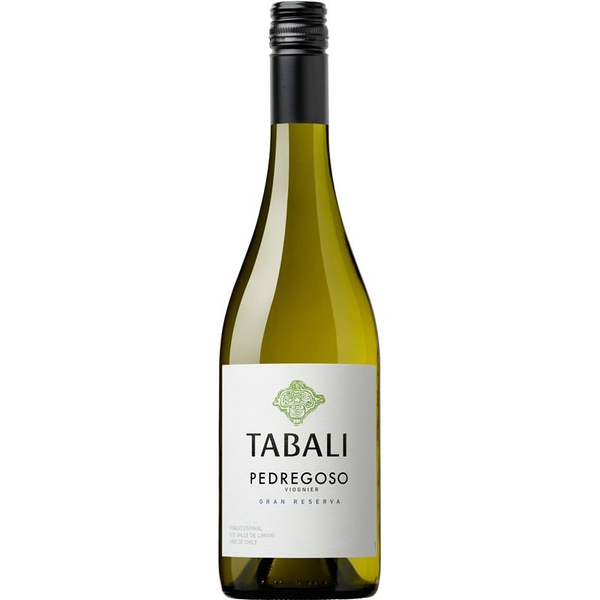
Tabalí - Pedregoso Gran Reserva Viognier 2022
An aromatic and mineral Viognier
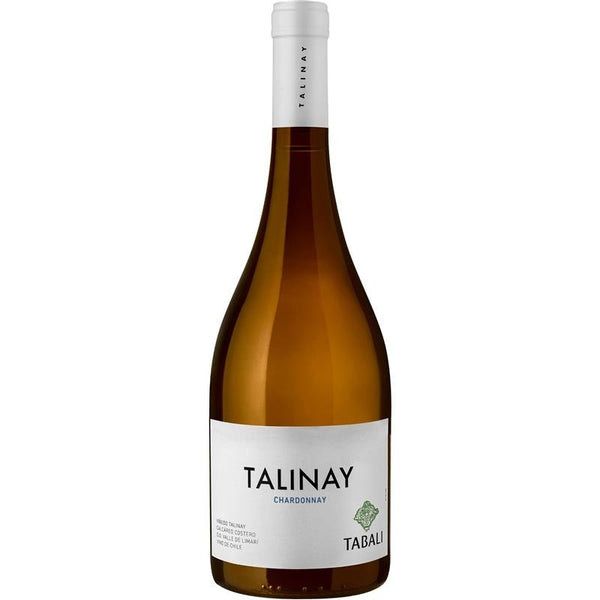
Tabalí - Talinay Chardonnay 2022
A Chardonnay that is both vibrant and smooth
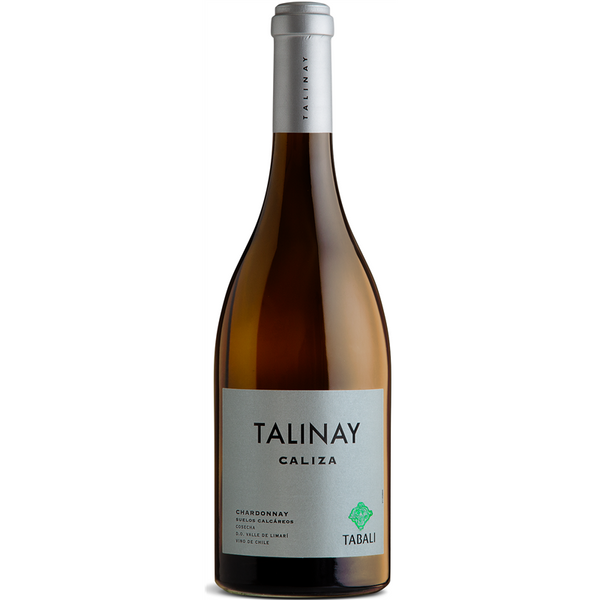
Tabalí - Talinay Caliza Chardonnay 2022
A Chardonnay with refreshing acidity and persistent minerality
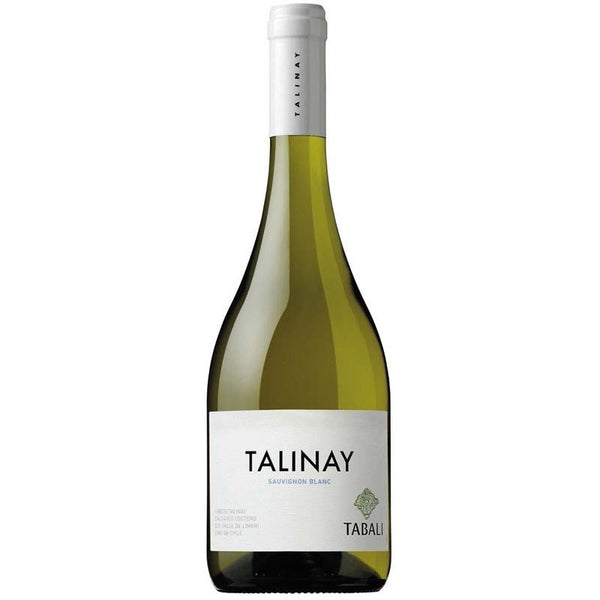
Tabalí - Talinay - Sauvignon Blanc 2021
An elegant and mineral Sauvignon Blanc, with aromas of spring flowers and citrus fruits

De Alcohuaz - GRUS 2020
A Chilean high-altitude red with vibrant freshness, where Andean power meets the elegance of great granitic terroirs.

De Alcohuaz - RHU 2018
A precise and vibrant high-altitude Andean red, where the freshness of the cordillera meets the depth of dark fruit.

Tabalí - Ventas Blancas Malbec Cabernet Franc 2018
Very elegant, expressive and unique wine
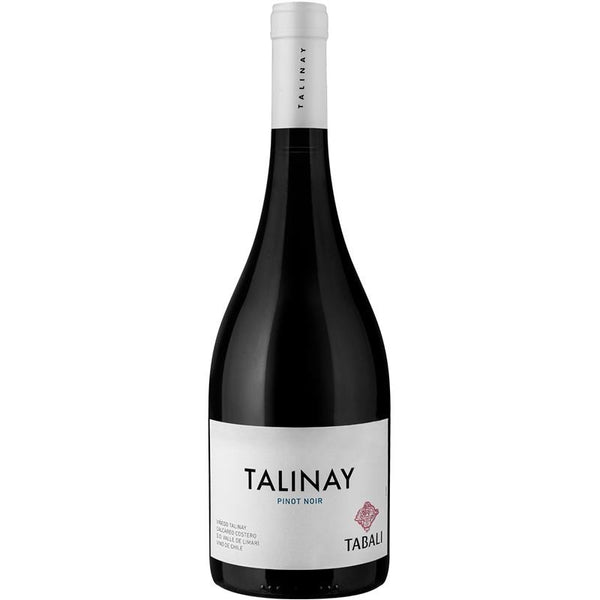
Tabalí - Talinay Pinot Noir 2021
A pure and mineral expression of Pinot Noir, planted on the coastal part of Chile

Reta - Quebrada Chalinga 2022
A taut and deep Chilean coastal canyon Syrah, where granite freshness meets sun-drenched maturity.

De Alcohuaz - Tococo 2020
A high-altitude red with a pure and vibrant profile, where Andean freshness meets the depth of País.
Four valleys between the Pacific and the Andes
They share the northernmost fringe of Chilean wine country, plus a fifth where the vine is already no more than an oasis curiosity.
| Valley | What makes the vine possible | Grape varieties | What it means in the glass |
|---|---|---|---|
| Coastal Limarí Talinay, Espinal, 12 km from the ocean | The camanchaca rolls in every morning and delays ripening, over limestone from an ancient marine terrace pushed up to the surface | ChardonnaySauvignon Blanc, Pinot Noir | Straight, saline whites with a chalky finish, cool-climate Pinots |
| Andean Limarí the Río Hurtado site | Plots perched between 1,600 and 1,922 metres, irrigated by glacial meltwater, with very cold nights | Malbec Syrah, Cabernet Franc | Dense but vertical reds, graphite and pepper, concentration without heaviness |
| Elqui around the village of Alcohuaz | Terraces of decomposed granite between 1,700 and 2,200 metres, and nights that sharply cut the heat of the day | País and blended reds | Crunchy black fruit, violet, pepper, lively acidity and a silky texture |
| Choapa the Quebrada Chalinga canyon | A narrow gorge wedged between the cordillera and the sea, poor granite soils mixed with stones and sand, cool breezes every day | Syrah | Taut Syrah, black pepper and dried herbs, a saline, mouth-watering finish |
None of these names appears in the site's filters: for Chile, only the Central Valley is listed there.
What altitude and limestone change
Four factors explain almost everything you will smell in these glasses, and the fifth explains the prices.
| The factor | What it does to the vine | What you find in the glass |
|---|---|---|
| The camanchaca | The cold fog of the Humboldt Current covers the vines until mid-morning and drops the temperature by several degrees | Slow ripening, preserved acidity, citrus and flowers rather than candied fruit |
| The limestone of Talinay | A very porous marine terrace comes to the surface and drains quickly, so the roots go down in search of water instead of finding it near the surface | The saline tension and chalky finish of the Chardonnays, a chalky texture in the Pinot |
| Altitude, 1,600 to 2,200 m | Days of extreme brightness and cold nights: the contrast thickens the skins without ever cooking the grapes | Dense colour, fine tannins, freshness intact despite the power, violet and pepper |
| The granite of Elqui and Choapa | A poor, decomposed rock mixed with sand, which naturally limits yields without the winemaker stepping in | Straight fruit, no heaviness, a noble bitterness on the finish and that stony sensation |
| The price | Tiny plots, sometimes less than a hectare, harvested by hand, in valleys where water comes at a high price | From €14 for the coastal Viognier to €79.90 for the Talinay Pinot, with a median of €36 |
The same logic as at altitude on the Argentinian side, where vines also climb very high: see our wines of Argentina.
A wine region that hinges on a fog
We could have ignored this corner of the map: three estates, around ten wines, and valleys whose names nobody knows. We keep them because they tell a story that the rest of Chile's vineyards does not. Here, vines were not planted where it was easy, but where mist and a cold night made it possible.
The result is whites with nothing sun-baked about them, high-altitude reds that remain easy to drink, and winemakers who age their wines in concrete and large oak vats rather than new oak. This is the least predictable Chile on our list.
The key fact
Limestone is almost impossible to find in Chile's vineyards, which are dominated by volcanic, granitic and alluvial soils. Talinay, an ancient marine terrace raised up twelve kilometres from the Pacific, is the exception. It is this rock, not the grape variety, that gives Limarí Chardonnays their Burgundian bearing.
The Wine Wanderer Team
What we are asked about northern Chile
Where exactly are Limarí and Elqui?
They are Chile's two northernmost wine valleys, in the Coquimbo region, between four hundred and five hundred kilometres north of Santiago. Limarí opens onto the Pacific around Ovalle, while Elqui climbs towards the cordillera as far as the village of Alcohuaz. Beyond lies the Atacama Desert, where vines only survive in a few irrigated oases.
What is the camanchaca?
It is the cold fog that the Humboldt Current pushes inland from the Pacific. It envelops the vines for part of the morning, drops the temperature by several degrees and slows the ripening of the grapes. Without it, these valleys at a desert latitude would only produce heavy, alcoholic wines.
Why is Limarí limestone so rare in Chile?
The vast majority of Chilean soils are volcanic, granitic or alluvial. At Talinay, an ancient marine terrace comes to the surface as very porous limestone, twelve kilometres from the ocean, in the heart of a biosphere reserve. It is one of the country's very few limestone vineyards, and the reason its whites are compared with the great wines of Burgundy.
Which bottle should I start with?
The Viognier from the coastal part of Limarí opens the selection at €14, grown on an alluvial terrace with clay on the surface and limestone underneath, irrigated by meltwater from Andean glaciers. To understand what limestone does, move on to the Talinay Chardonnay at €26, aged for ten months on the lees in French oak barrels.
What is the Talinay vineyard?
It is the coolest plot in Limarí, planted twelve kilometres from the Pacific on fractured limestone of marine origin. It yields a Sauvignon Blanc at €25.90, a Chardonnay at €26, a Pinot Noir at €29.90, and two top cuvées: Caliza, from 0.7 hectares, at €52, and Pai, at €79.90.
How high do the vines go here?
Very high. At the Andean site of Río Hurtado, upstream of Limarí, the plots that produce the flagship Malbec are at 1,600 metres and those for the Syrah at 1,922 metres. In the upper Elqui Valley, around the village of Alcohuaz, the granite terraces are stepped between 1,700 and 2,200 metres.
How does it differ from a Chardonnay from Casablanca or Leyda?
The freshness comes from the same ocean, but not the soil. The valleys of Casablanca and Leyda lie on granitic and clay soils, which give round, aromatic whites. Limarí's limestone adds saline tension and a chalky finish. Compare them in our Chardonnay range.
What is the most expensive wine in this range?
The Roca Madre Malbec, born at 1,600 metres at the Río Hurtado site and aged for eighteen months in French oak barrels, at €72 a bottle. Its case of six, at €414, is the highest price in our entire Chilean selection. The Payen Syrah, harvested at 1,922 metres, follows at €63.
Are these wines sold by the bottle or in packs?
Both, depending on the cuvée and current stock. Each product page offers the 75 cl bottle, sometimes a pack of two or three, sometimes a case of six. When the single-bottle format does not appear, it means it is sold out and only the pack is still available. Shipping details are on the delivery page.
How long can you keep them?
The Talinay whites, taut and aged on the lees, benefit from three to five years' wait and keep beyond that. The high-altitude reds, aged in concrete and foudre at De Alcohuaz or eighteen months in barrel at Tabalí, can be drunk now for their fruit but will keep for eight to ten years in the cellar. Serve them at around 15 °C.