
Itata, Bío Bío, Malleco: Chile's southern wine country
7 bottles from southern Chile, from €23.80 to €49.80Vines planted in the 16th century, never grafted, free-standing bush vines farmed without a drop of irrigation: this is what you find between Chillán and Traiguén, seven hundred kilometres south of Santiago. For a long time this wine region served as a reservoir of everyday wine while the big houses invested in the centre of the country. A handful of winemakers have returned to seek out País, Cinsault and Sémillon on decomposed granite.
Our shop keeps a few bottles, bought from those who make wine from these plots without any make-up.
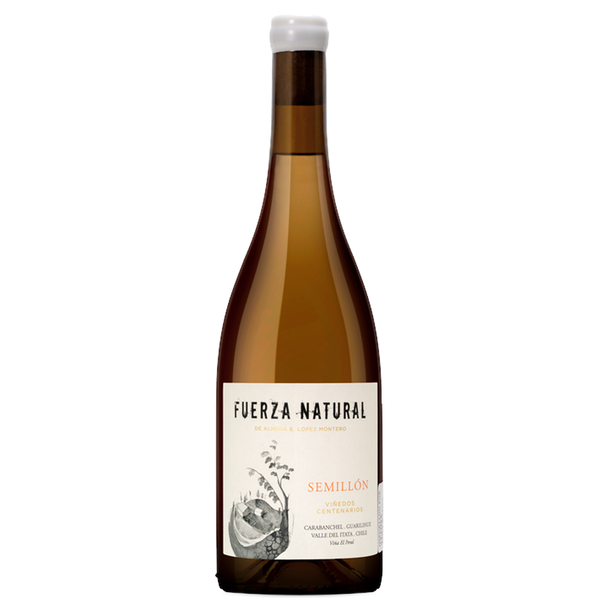
Fuerza Natural - Sémillon 2021
A fresh and vibrant Sémillon from southern Chile, aged in century-old amphorae

Fuerza Natural - Cinsault 2021
A fresh and vibrant Cinsault, from century-old vines in southern Chile

Baettig - Los Parientes Pinot Noir 2023
A Pinot Noir from one of the southernmost regions of Chile
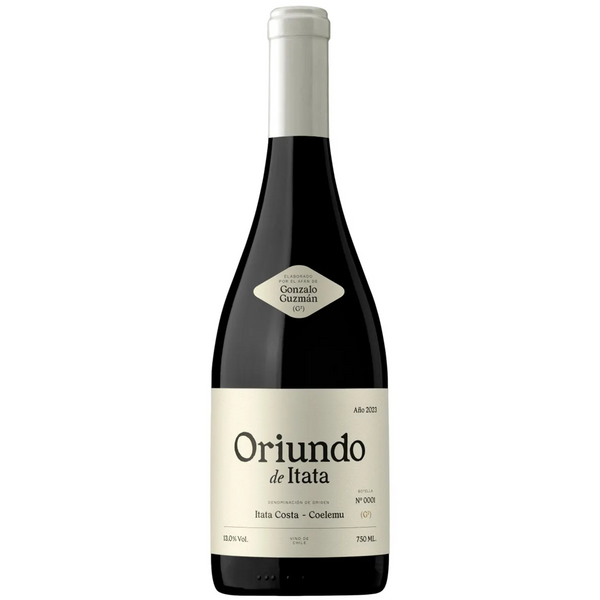
Gonzalo Guzmán - Cinsault Oriundo de Itata 2023
A juicy and vibrant Cinsault, reflecting the terroir of Itata
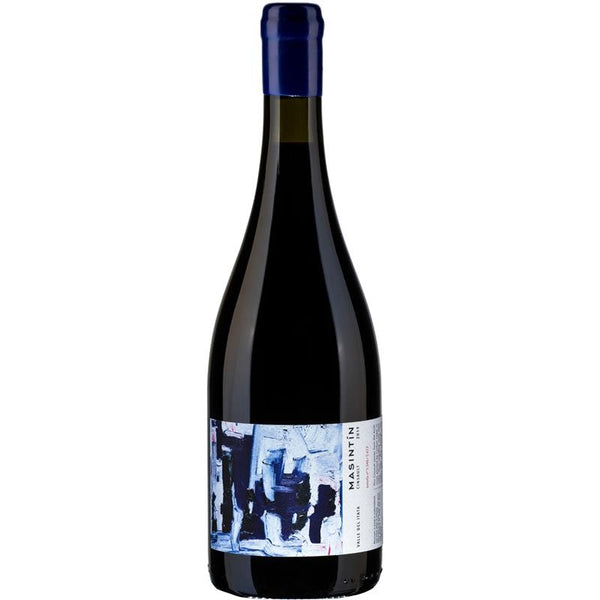
Masintin - Cinsault Los Castanos 2020
A juicy and digestible Chilean Cinsault, carried by the freshness of Itata and old varietal vines.

De Martino - Las Olvidadas 2021
A Chilean red from old vines that combines freshness, finesse, and the authenticity of Itata's forgotten grape varieties.

De Martino - Viejas Tinajas 2021
A pure and digestible Chilean Cinsault, aged in amphorae, highlighting the freshness and authenticity of the Itata Valley.
What changes between Itata and Malleco
Three appellations share the south of Chile's vineyards. All receive much more rain than the Central Valley, which makes irrigation unnecessary and ripening later. The soil does the rest: weathered granite on the hills of Itata, river sands in Bío Bío, red volcanic clays in Malleco.
| Area | Climate and soils | Historic grape varieties | What it means in the glass |
|---|---|---|---|
| Upper Itata, Guarilihue and Portezuelo | Hills of decomposed granite, the maicillo, 1,000 to 1,200 mm of rain, no irrigation | País, Cinsault, Muscat of Alexandria | Pale, taut reds, modest alcohol, fine tannin, a slightly bitter, mineral finish |
| Coelemu, lower Itata | Granite sands near the river, Pacific fogs about thirty kilometres away | Cinsault, PaísSee the Cinsault section | Crunchy red fruit, high acidity, to serve cool; this is the register of the Oriundo de Itata |
| Malleco, Traiguén commune | Red volcanic clays over trumao, 38° South, frequent spring frosts | Chardonnay and Pinot NoirSee the Pinot Noir section | Straight acidity and tangy red fruit: this is the territory of Baettig's Los Parientes, at €38 |
| Maule, the immediate neighbour to the north | Clays and granite of the Coastal Range, dry summers, old dry-farmed bush vines | Carignan, País, Sémillon | Fleshier, more tannic reds, the structured counterpoint to the Itata cuvées |
Take care when reading the labels: several of these wines bear two origins, the plot and the place where the wine was made. One of our Sémillons is thus linked to both Itata and Maule.
The grape varieties Chile had forgotten
The country is known for its Bordeaux varieties and its Carménère, but its actual grape mix was long quite different. Five varieties make up the heritage of the south and of Maule. Three are on our list today; the prices below are those of the bottles actually in stock.
| Grape variety | Its history in Chile | What it gives | Price range |
|---|---|---|---|
| País | The Listán Prieto of the Spanish missionaries, planted from the 16th century, the country's most widely grown grape variety until the 1990s | Pale colour, high acidity, red fruit and orange peel, very little tannin | €36 to €49.80 |
| CinsaultSee the Cinsault section | Arrived in Itata in the mid-20th century to give colour and volume to País-based pipeños | Grenadine and white pepper, light body, drinks chilled like a Gamay | €24 to €32 |
| Carignan | Encouraged in Maule after the 1939 earthquake, to lift the acidity and colour of the area's reds | The most serious of the lot: firm tannin, black fruit, ten years of ageing with ease | €35.40 to €44.20 |
| Muscat of Alexandria | País's companion in Itata since colonial times, long distilled or sold in bulk rather than bottled | Floral, spicy whites, often macerated on the skins by today's winemakers | No cuvée in stock |
| Sémillon | It accounted for a large share of Chilean whites in the 1950s, before being pulled up in favour of Chardonnay | Wax, chamomile, a broad, salty texture, to drink with fish in sauce | €23.80 to €24 |
Some of these cuvées are only offered in cases of six or packs of three. The Cinsaults from Fuerza Natural and Gonzalo Guzmán, and the Sémillon from Fuerza Natural, can be bought by the bottle.
What the south says about the rest of the country
The Chile known in France was built elsewhere, in the Central Valley and on the coast, with grafted vines, drip irrigation and an eye on export. This model has produced reliable, affordable wines, and it still accounts for most of our Chilean range.
The south tells the story of what came before. These vines survived because no one found it worthwhile to pull them up. The cuvées they produce are lighter, more acidic, sometimes a little wild. They do not replace a Carménère for ageing; they are drunk differently, at the table rather than from a tasting glass.
What an Itata vineyard looks like
No rows, no wires, no pipes. Isolated vines pruned into a head, two metres apart, sending their roots alone into crumbly granite. Yields rarely exceed thirty hectolitres per hectare, compared with far more on the irrigated plains of the centre. Everything is picked by hand, often by families, on plots of one or two hectares.
The Wine Wanderer Team
What we are asked about southern Chile
Where exactly is the Itata wine region?
In the Ñuble region, around Chillán and Coelemu, about four hundred kilometres south of Santiago and some thirty kilometres from the Pacific. Bío Bío extends it to the south, then Malleco in Araucanía, as far as the 38th parallel. It is the rainiest and coolest part of Chile's vineyards.
What is País?
It is the Chilean name for Listán Prieto, a black grape variety originally from Castile, the same as California's Mission and Argentina's Criolla. It gives a light-coloured wine, low in tannin, very fresh, with tangy red fruit. We offer two interpretations of it, one from Itata and one from high altitude in Elqui.
What is an Itata Cinsault like?
A light, fragrant red, at around twelve per cent, with grenadine, cherry and white pepper, discreet tannin and plenty of acidity. It is served between fourteen and sixteen degrees, like an easy-drinking Gamay. Our bottles in this style range from €24 to €32 each.
Why are these vines not grafted?
Phylloxera has never reached Chile's vineyards, protected by the Atacama Desert to the north, the Andes to the east and the ocean to the west. The vines therefore live on their own roots, sometimes for more than a century. This is a rare situation in the world, and it partly explains the depth of these wines.
How many wines from the south do you offer?
Southern Chile is a small-volume wine region, and our selection reflects it: a few cuvées chosen one by one. Prices range from €23.80 to €49.80 a bottle. Bío Bío is not represented at present. The rest of our Chilean offering is on the wines of Chile page.
Are these bottles available individually?
Not all of them. Several cuvées from the area are only sold in cases of six or packs of three, for lack of sufficient stock by the bottle. Product pages show the available format before you add it to your basket. If in doubt about a particular cuvée, use the contact page.
What is the difference from a Central Valley wine?
Everything, or almost. The centre gives ripe, structured reds, often aged in oak, built on Cabernet and Carménère. The south gives lighter, more acidic, less alcoholic wines from old bush-trained grape varieties. Compare with the Central Valley page to see the difference in style.
Can these wines be kept for several years?
The Cinsaults and Países are drunk within three to five years, when they are at their liveliest. The Carignans from Maule, more tannic, easily keep for ten years. The Sémillons gain from two or three years in bottle before opening up. Nothing here requires long cellaring.