
Amarone: the power comes from the drying room, not sugar
Ten vintages, from €27.90 to €1072Amarone grows on the same hills as Valpolicella, north of Verona, with the same blend of Corvina and Rondinella grapes. Everything happens after the harvest, in a ventilated loft: the grape bunches spend three to four months there on racks and lose 30 to 40% of their weight before being pressed.
These withered grapes produce a very rich must, which is fermented until dry. All the sugar is converted into alcohol: the result is a dry wine of 15 to 16%, dense, with a bitter finish, not to be confused with Recioto which remains sweet. The table below follows the grape step by step, from harvest to sale.
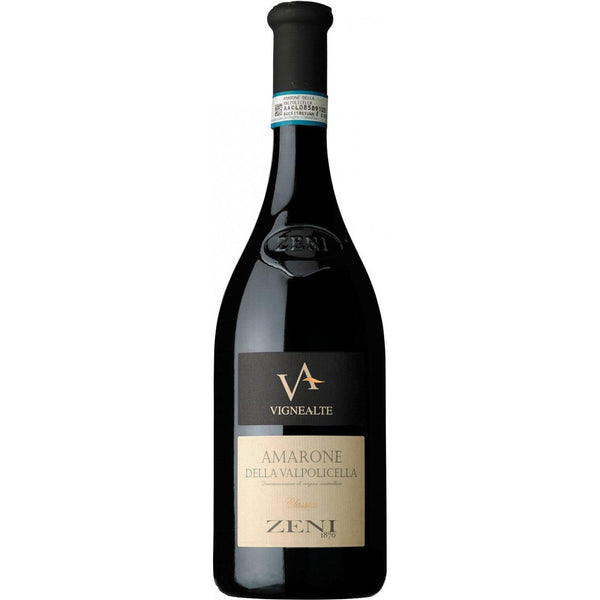
Zeni - Amarone della Valpolicella Classico "Vigne Alte" 2019
A haute couture Amarone with a seductive and intense aromatic palette
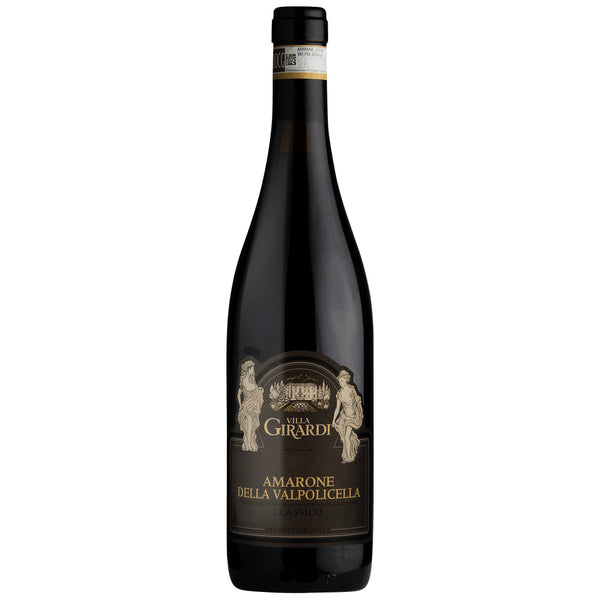
Villa Girardi - Amarone Della Valpolicella Classico 2013
Amarone 2013 from dried grapes, macerated plum, cocoa and opulent flesh.

Giuseppe Quintarelli - Amarone della Valpolicella Tre Terre 2013
An Amarone of great depth, combining power, aromatic complexity, and elegant texture.

Giuseppe Quintarelli - Amarone della Valpolicella Classico 2018
An Amarone della Valpolicella Classica of remarkable depth, combining richness, aromatic complexity, and balance on the palate.
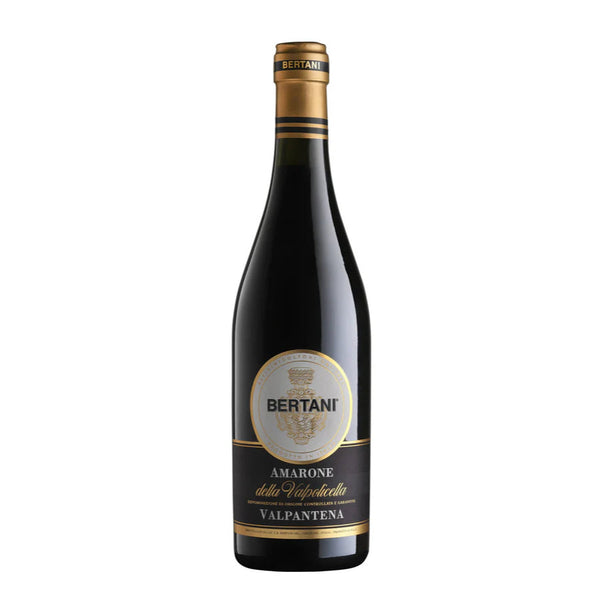
Bertani - Amarone Valpantena 2021
Appassimento in its velvety style: candied black fruit and gentle spices.
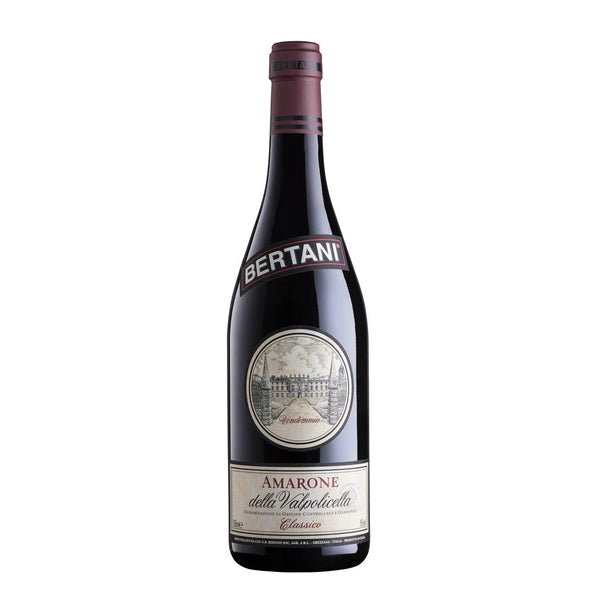
Bertani - Amarone Classico 2016
The intensity of a great wine, heir to a centuries-old tradition.
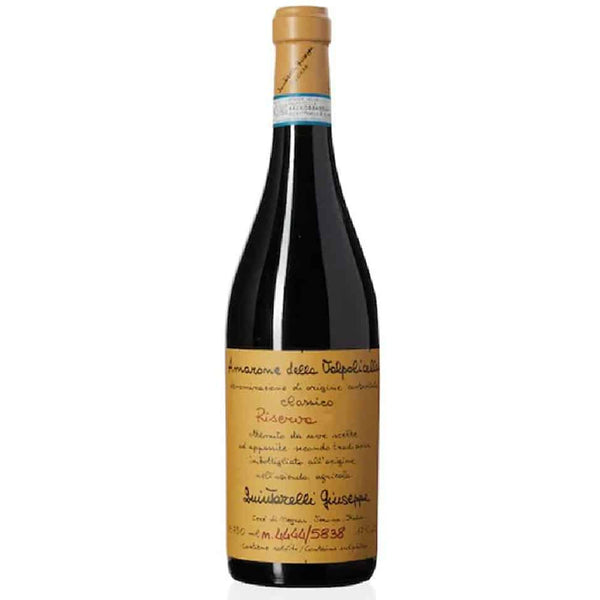
Giuseppe Quintarelli - Amarone della Valpolicella classico Riserva 2015
An Amarone of great depth, where the richness of the fruit combines with a rare elegance and an impressive length.
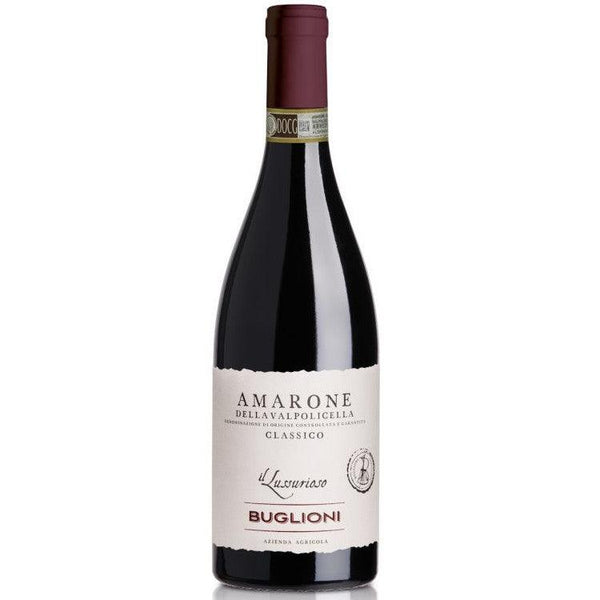
Buglioni - Il Lussurioso - Amarone della Valpolicella Classico 2020
A high-class Amarone with intense and persistent notes of ripe black fruits, dried fruits and spices.
From drying racks to press: what three months of drying changes
No other great Italian red relies so much on what happens after the harvest. Between the September harvest and the January press, the grapes spend the winter drying, and it is this timing that makes the wine.
| The step | What's happening | What that changes in the glass |
|---|---|---|
| The grape harvest September | Hand-harvested, bunch by bunch. Only intact bunches go to the drying racks; any damaged berry is removed. | There's no recovering from a failed sort: rot can take over the entire tray in a matter of days. |
| Racking October | The bunches are placed in a single layer, on racks or in wooden crates, in a ventilated room. | Air circulates around each berry. This is the only way to dry them without mold. |
| Grape drying three to four months | The water slowly evaporates and the grape loses 30 to 40% of its weight. | Sugars, acids, and tannins concentrate together. The fruit transforms from fresh to dried: prune, fig, black cherry. |
| Pressing January | The shriveled berries are pressed in the middle of winter, on a very rich must. | Fermentation begins cold and lasts several weeks. |
| Fermentation carried to completion | All the sugar is converted into alcohol, without voluntary interruption. | A dry wine despite the concentration, often between 15 and 16%. This is where it diverges from recioto. |
| Livestock farming two years minimum | Most often in large oak barrels, four years for a riserva. | The tannin softens, the wood integrates. The bottles arrive ready to drink. |
These durations are those announced by our estates: Buglioni estimates three to four months of drying on racks for 30 to 40% of the weight lost, Zeni announces at least three months. For more on the grape itself and the four wines it produces, see our Corvina page.
From €27.90 to €1072: what this difference covers
This is the appellation where the price range is most surprising. It doesn't cover four levels of quality, but four different situations, which it's best to be aware of before making a choice.
| The landing | What the prize pays for | In our cellar |
|---|---|---|
| Under €50 off-appellation | The same drying process, carried out outside Valpolicella and with other grape varieties. The gesture is there, the label is not. | Montecrocetta Argione 2015€38 |
| €55 to €70 domain amarone | The designation, the complete drying process, and the two years of mandatory aging. These are the minimum requirements for a true Amarone della Valpolicella. | Zeni Vigne Alte 2019, Villa Girardi 2013, Bertani Valpantena 2021from €55 to €68 |
| Around €200 the historic vintage | A selection of plots and an already old vintage, which time has opened before you. The 2015 is the only one at this level. | Bertani Amarone Classico 2015€212 |
| €468 and above Giuseppe Quintarelli | A Negrar estate that has achieved cult status, tiny volumes, years of praise before release. The price is as much for resale as it is at the winery. | Classico 2018, Riserva 2015, Tre Terre 2013from €468 to €1072 |
The Buglioni Il Lussurioso 2020, momentarily unavailable, is on the second tier. There's no need to go higher: the Zeni 2019 at €55 gives a fair idea of what the drying process brings.
A bottle for every intention
The charts provide the theory. Here are the bottles, and only those that can be shipped today.
A first Amarone
The best entry into the appellation: dried on racks, dry and dense wine, without excessive oak. Decant it for an hour.
Zeni Vigne Alte 2019 · €55The way into the appellation
An Amarone Classico from Vigne Alte, in the hills of Valpolicella. Black cherry, cocoa and a dense palate, without the price inflation of the big names.
Zeni Amarone Classico Vigne Alte · €48Drying without the label
Cabernet Franc and Cabernet Sauvignon dried for a month and a half in crates, from volcanic soil. The Amarone method, not its name.
Montecrocetta Argione 2015 · €38A vintage that's already mature
A 2013 from the heart of the Classico zone. Nothing to wait for: the tannins are melted, the fruit has turned to prunelle and leather.
Villa Girardi Classico 2013 · €59.80The neighboring valley
Valpantena, to the east of the historic area, produces wines that are a little more straightforward. It is also the youngest vintage on the shelf.
Bertani Valpantena 2021 · €68The great Veronese house
A mature 2015, with nothing left to wait for. The best way to measure what aging brings here.
Bertani Amarone Classico 2015 · €212Entering Quintarelli's world
The most affordable of the three amarones from the Negrar estate. Long macerations, aging in foudres, limited production.
Quintarelli Classico 2018 · €468The same vineyard, without drying
Classico, Superiore, Ripasso: the Valpolicella scale starts at €14.90 and shows where Amarone comes from.
Our valpolicellaThe grape, before processing
Corvina, Corvinone, Rondinella: what the Veronese blend brings, and the four wines it produces.
Our Corvina section
Drying doesn't excuse everything.
A raisined grape almost certainly yields sugar, alcohol, and body. That is precisely the trap. Many Amarone wines settle for this easy approach and arrive in the glass like warm jam, with a layer of new oak on top. The wine impresses for ten minutes, then becomes tiring before the end of the meal.
What we are looking for is more difficult to achieve: an acidity that holds its own under fifteen degrees, a lingering bitterness that refreshes the palate, and fruit that is still identifiable beyond the prune. The vintages in our section that meet these specifications are not the most expensive.
How do you choose
Freshness before power. An Amarone that only offers alcohol will not last three glasses, no matter the name of the estate.
And the cleanliness of the appassimento: a well-executed drying process yields fig and dried fruit, never a taste of grapes left forgotten in the attic.
The Wine Wanderer Team
What we're asked about Amarone
What is appassimento?
The drying of the grapes before fermentation. The bunches harvested in September are laid in a single layer on racks, in a ventilated room, and remain there for three to four months. They lose 30 to 40% of their weight. In January, shriveled grapes, much richer than fresh grapes, are pressed, and this is where all the concentration of amarone comes from.
Is Amarone a sweet wine?
No, and that's precisely its appeal. Fermentation is carried out to completion: all the sugar concentrated by drying is converted into alcohol, resulting in a dry wine of 15 to 16%. Its name, moreover, comes from the bitterness of its finish. A sweet version exists, the recioto, whose fermentation is stopped midway.
What's the difference between this and a Valpolicella or a Ripasso?
The vineyard and the grape are the same. Valpolicella is vinified from fresh grapes, without drying. Ripasso is a Valpolicella that has been re-fermented on the pomace of an already decanted Amarone: it thus gains a little alcohol and dried fruit notes. Amarone, on the other hand, is made from dried grapes. The first three steps of this scale are detailed in our Valpolicella section.
Why do prices range from €27.90 to €1072?
Three factors combine. First, the designation: our two Montecrocetta wines are dried outside the Valpolicella region and from other grape varieties, hence their prices of €27.90 and €43. Second, the yield: the grapes lose nearly half their weight before pressing, and the winery ages the wine two years longer than an ordinary red. Finally, scarcity: Giuseppe Quintarelli's three cuvées, ranging from €468 to €1072, are sought after far beyond their production cost. A designated Amarone starts at €55 here.
How long can we keep it?
Fifteen to twenty years without difficulty for an estate bottle, more for a riserva. However, the appellation already requires two years of aging, four for a riserva: these wines are released ready to drink, unlike a young Barolo. Our 2013 from Villa Girardi and the 2015 from Bertani can be served tonight.
Should it be decanted, and at what temperature should it be served?
An hour in a decanter for a vintage less than ten years old, much less for an older bottle. Serve at around 17 °C, no more: beyond that, the fifteen degrees take over completely and the wine appears heavy. A wide glass helps a lot.
What should I serve it with?
Dishes that go the distance: braised beef, game, pork cheek, Amarone risotto, and well-aged pressed cheeses. Avoid aperitifs and light starters; it overpowers them. In Veneto, it is also drunk on its own at the end of a meal, with a piece of Monte Veronese.
Classico, Valpantena, Riserva: what do these terms mean?
Classico refers to the historical area, the five municipalities northwest of Verona. Valpantena is the neighboring valley to the east, authorized to include its name on the label: this is the case for Bertani 2021. Riserva requires four years of aging instead of two. These are indications of place and duration, not a quality classification.