
Spanish wine: from Rioja to the bodegas of Jerez
189 bottles, from fino to PrioratA red for ageing to go with roast lamb, a saline white for shellfish, an old sherry to end the meal: the country offers all three, at every price, with grape varieties that are truly its own.
Tempranillo from Rioja and Ribera del Duero, Garnacha from the slate of Priorat, Albariño from Atlantic Galicia and Palomino from Jerez make for four distinct worlds. The table of regions tells you what is drunk where, and what it tastes like in the glass.
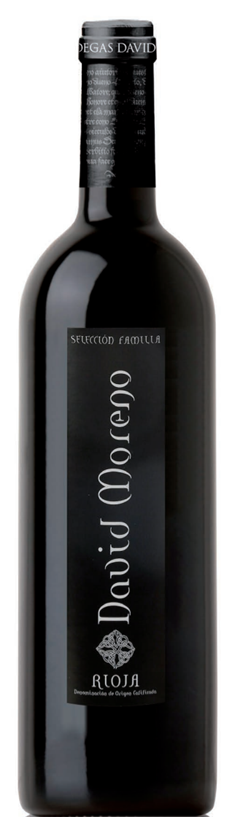
David Moreno - Rioja Crianza 2021
A Crianza from old high-altitude vines, indulgent and silky, polished by twelve months in American oak.
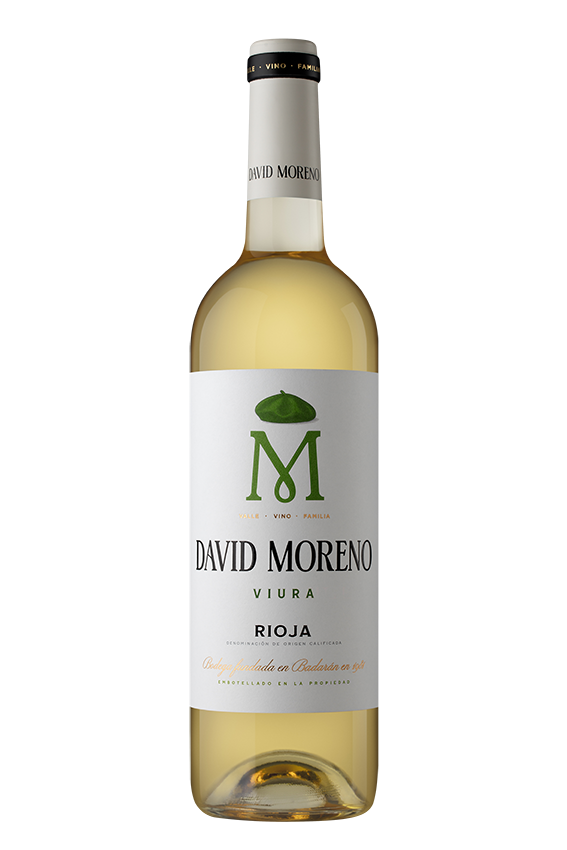
David Moreno - Rioja Blanco 2022
A Viura from old high-altitude vines in the Najerilla, fresh and fruity, with a texture refined on the lees.

Pittacum - Pittacum Barrica DO Bierzo 2020
A Mencía from Bierzo made from very old mountain vines, juicy and floral, refined for eight months in barrel.

Terras Gauda - Albariño Abadia San Campo Rias Baixas DO 2024
An intense, vibrant Albariño from Rías Baixas, between grapefruit, pineapple and white fruit.
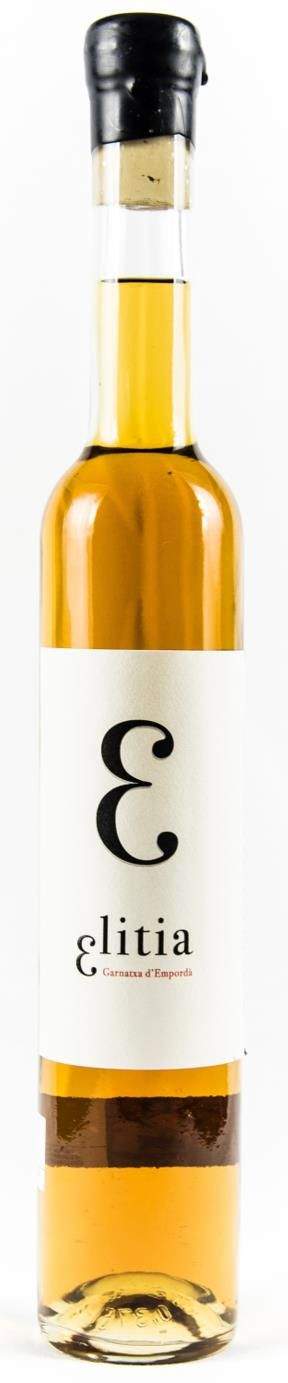
Av Bodeguers - Elitia White DO Emporda Solera
A fortified Garnacha Blanca from Empordà, aged in solera and demijohns, between walnut, honey and candied citrus.
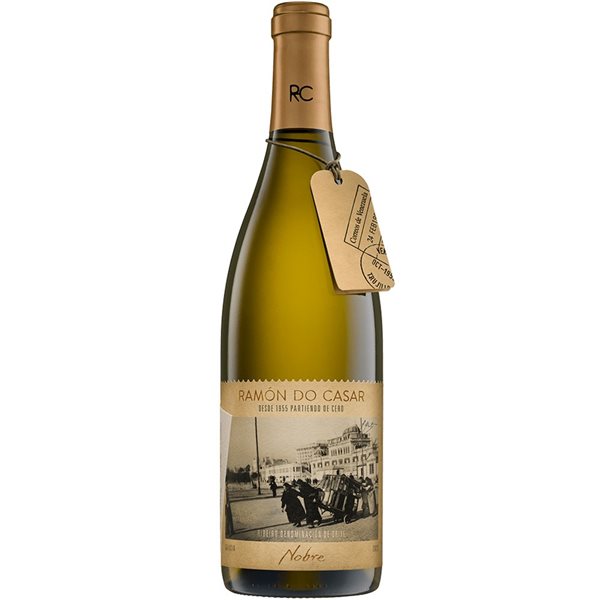
Ramon do Casar - Nobre
A great white from Ribeiro where the freshness of Treixadura meets the finesse of French oak.
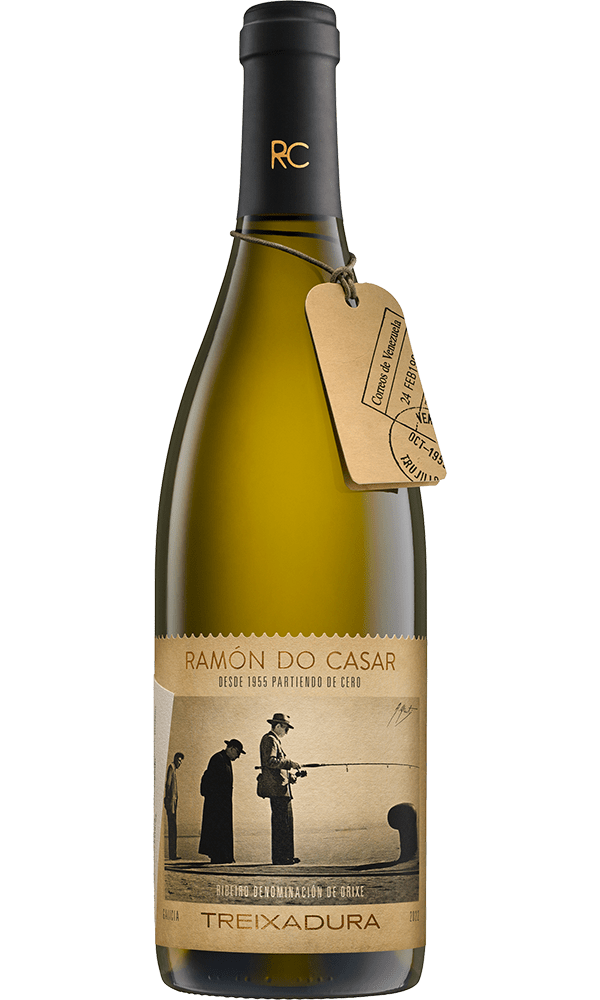
Ramon do Casar - Treixadura 2025
A fresh, finely chiselled Treixadura from Ribeiro, between citrus, flowers and fine herbs.
Noelia Bebelia - Preguiceiro
A fresh, singular Atlantic red, carried by Galicia's historic grape varieties.
Noelia Bebelia - Soberbioso 2023
A broad, taut Albariño from Soutomaior, shaped by the Atlantic and oak.
Noelia Bebelia - Albariño 2025
A precise, luminous Atlantic Albariño. The freshness of the Verdugo in the glass.
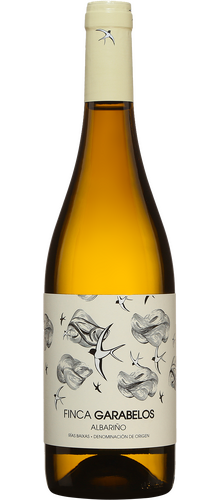
Notas Frutales - Finca Garabelos
A terroir Albariño, broad and precise. Galician freshness with lovely depth.
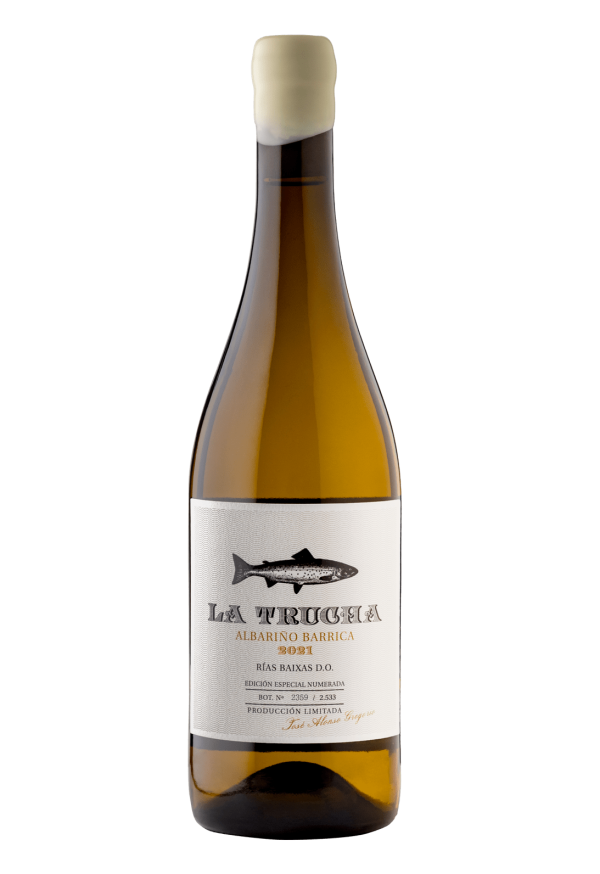
Notas Frutales - La Trucha Barrica
An Albariño with character, where Atlantic freshness meets the finesse of oak.
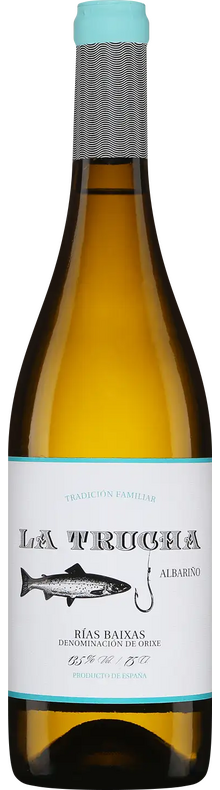
Notas Frutales - La Trucha
A fresh, saline Galician Albariño, carried by vibrant fruit. A natural partner for flavours of the sea.

Vinyes d’Olivardots - Vermell 2022
A red from Empordà, at once fruity, spicy and velvety. A fine Mediterranean expression carried by freshness.
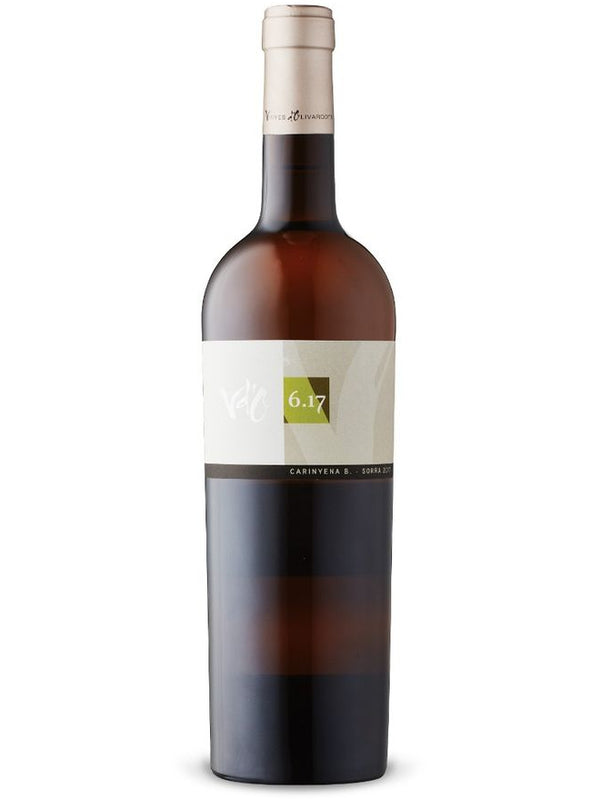
Vinyes d’Olivardots - Vd'O 6 Cariñena Blanca 2023
A great white from Empordà, rare and deeply mineral. Cariñena Blanca in a pure, finely chiselled reading.
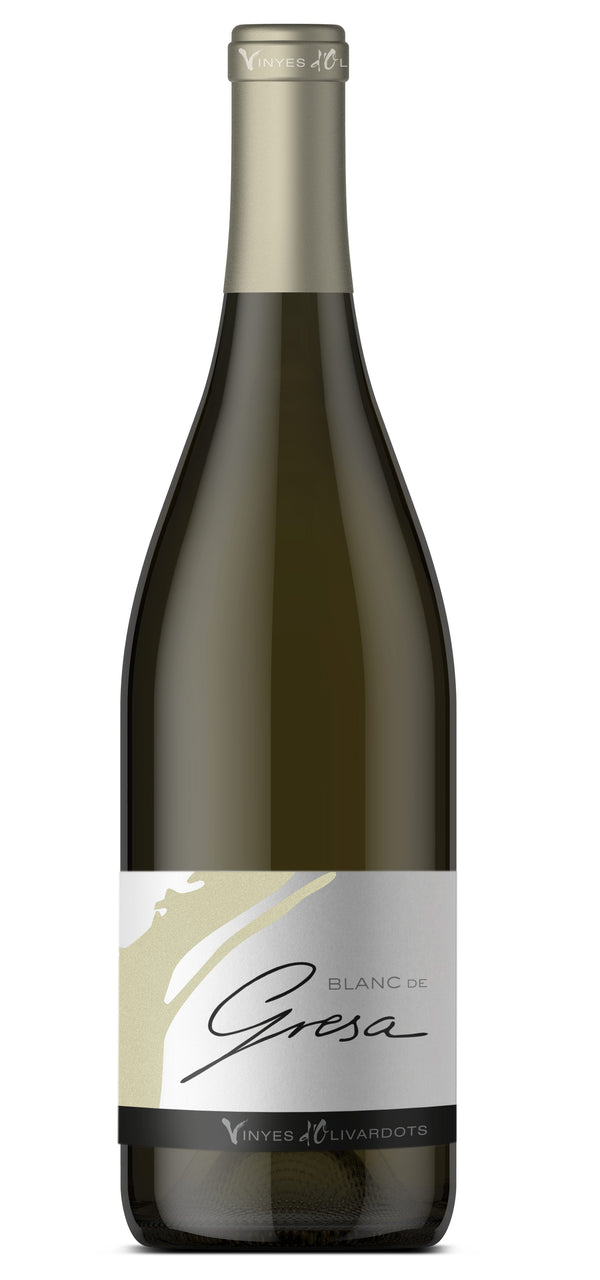
Vinyes d’Olivardots - Blanc de Gresa 2022
A broad, saline white from Empordà, where old vines meet Mediterranean brightness.
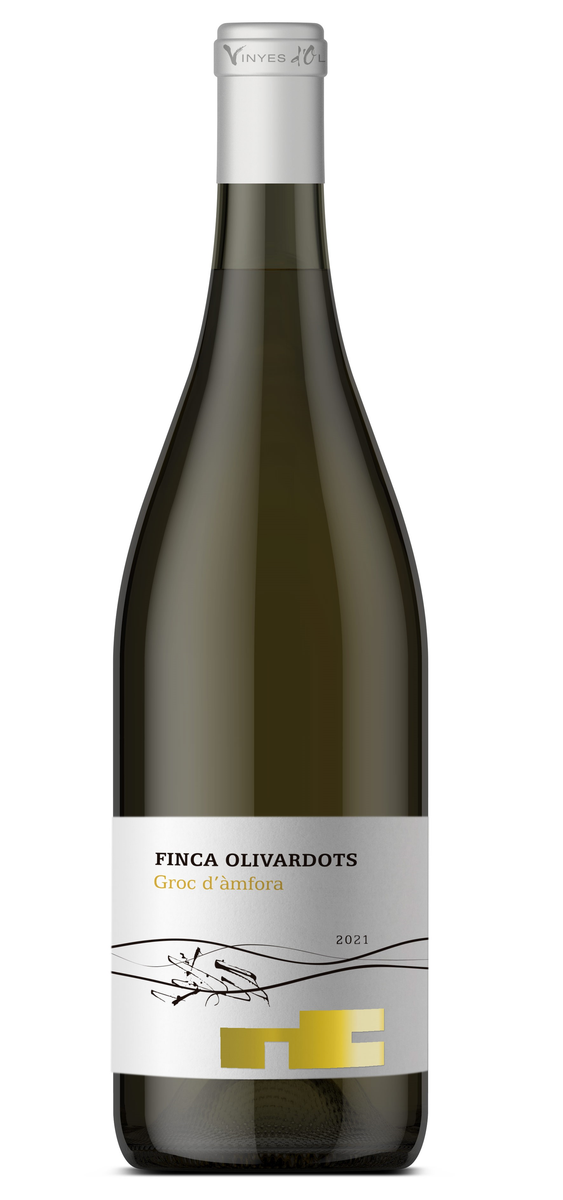
Vinyes d’Olivardots - Groc d’Amfora 2025
A white from Empordà with saline freshness, shaped by the amphora. A singular expression of Catalan grape varieties.
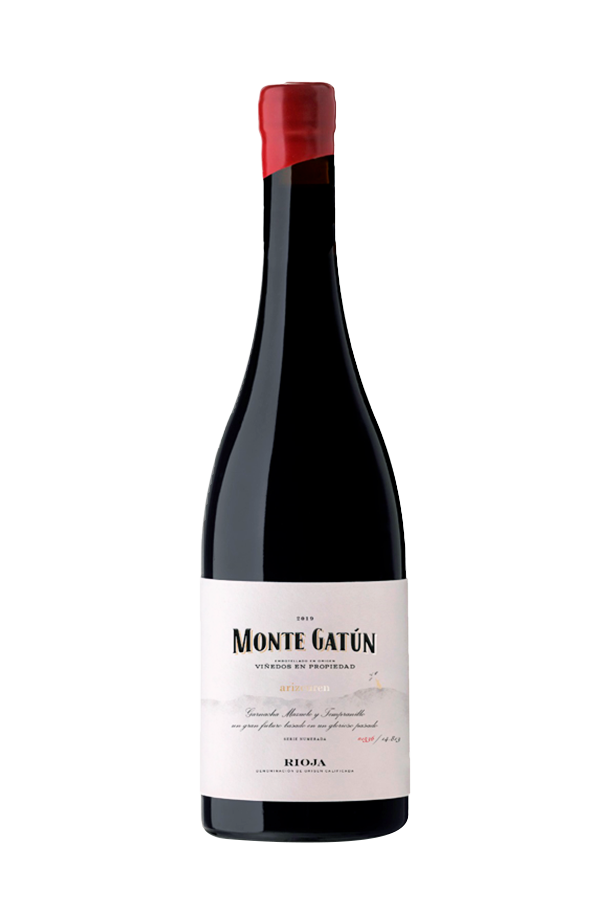
Arizcuren - Monte Gatún rouge 2023
A high-altitude Rioja Oriental, supple and fragrant. Bright fruit meets fine tannins.
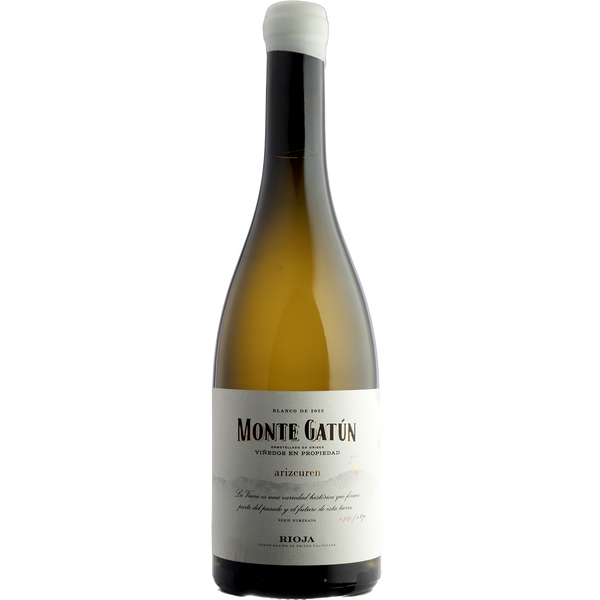
Arizcuren - Monte Gatún blanc 2024
A broad, fresh mountain Viura, carried by precise ageing.

Cuentaviñas - Tinto Fino 2019
An old-vine Tempranillo, deep and beautifully balanced. Ribera del Duero in a precise, fresh interpretation.

Cuentaviñas - Arriscado 2022
A terroir-driven white Rioja, taut and deeply mineral.

Cuentaviñas - Los Yelsones 2020
An intense, chalky single-plot Rioja. The finesse of Tempranillo meets a singular mineral freshness.
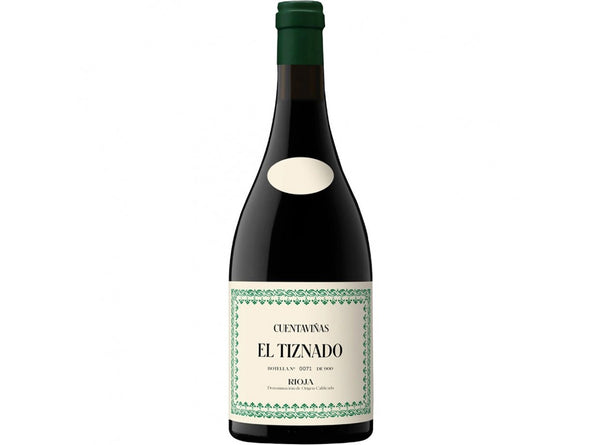
Cuentaviñas - El Tiznado 2020
A great single-plot Tempranillo, intense and mineral. Deep fruit meets a refined tannic structure.

Cuentaviñas - Alomado 2019
A single-plot Rioja with Atlantic freshness. Deep, precise and finely spiced.
Where to start
Each leads directly to its selection.
Rioja, classic and modern
From the Gran Reservas of La Rioja Alta and Murrieta to Artadi's single-site wines. The best-stocked appellation in our cellar.
RiojaThe great reds of Ribera
High-altitude Tinto Fino, from the weekday Crianza to the legends of the plateau: Vega Sicilia Único, Pingus, Dominio de Es in Soria.
Ribera del DueroPriorat and Montsant
Garnacha and Cariñena on slate, on steep terraces. Dense, mineral reds, and neighbouring Montsant to discover.
CataloniaSherry, from fino to PX
From fino to Pedro Ximénez, up to the thirty-year-old VORS of Bodegas Tradición. The country's most singular wine.
Jerez and MontillaThe whites of Galicia
Saline Albariño from Rías Baixas, made by Nanclares y Prieto, and the terraced vineyards of Ribeira Sacra. The Atlantic side.
Rías BaixasMencía, a red of freshness
The grape of Bierzo and Ribeira Sacra: red fruit, flowers, fine tannins. Often compared to Pinot Noir or Cabernet Franc.
BierzoThe Palacios family
Álvaro Palacios in Priorat, Palacios Remondo in Rioja Oriental, Descendientes de J. Palacios in Bierzo: three regions, the same rigour.
DomainStart with the lower prices
Monastrell from Jumilla, Rioja crianza, Mencía from Bierzo: the range sorted from cheapest to most expensive, so you can aim just right.
From €8.30 a bottle, by the case of 6
Eight regions, as many styles
A Spanish label names an appellation before a grape variety: knowing what is planted where helps you guess what is in the bottle.
| Region | Appellations in the cellar | King grape variety | What it means in the glass |
|---|---|---|---|
| RiojaUpper Ebro: Rioja Alta, Alavesa, Oriental | Rioja DOCa | Tempranillo, Garnacha | From classic reds aged in American oak to denser, modern single-site wines. White Viura ages very well. |
| Ribera del DueroCastilian plateau, over 750 m | Ribera del Duero, Soria, with Toro next door | Tinto Fino (Tempranillo) | Cold nights, scorching days: deep colour, black fruit, tight tannins. The quintessential red for ageing. |
| Priorat and MontsantCatalonia, llicorella slate | Priorat DOQ, Montsant | Garnacha, Cariñena | Terraces with tiny yields: concentrated, warm reds with a graphite touch. |
| Jerez and MontillaAndalusia, albariza soils | Jerez-Xérès-Sherry, Montilla-Moriles | Palomino, Pedro Ximénez | From dry, saline fino, aged under a veil of flor, to black, syrupy Pedro Ximénez. |
| GaliciaGreen, Atlantic Spain | Rías Baixas, Ribeira Sacra | Albariño, Mencía, Godello | Taut, saline whites near the ocean, fine and fresh reds on the terraces of the Sil. |
| Bierzo and RuedaNorth and west of Castile | Bierzo, Rueda | Mencía, Verdejo | Floral, easy-drinking Mencía; aromatic Verdejo, with grass and citrus. |
| Catalonia beyond Priorat Penedès, Conca de Barberà, Costers del Segre | Penedès, Corpinnat, Conca de Barberà | Xarel·lo, Cabernet Sauvignon | Recaredo's sparkling wines, long aged on the lees in stacked bottles, and Torres's reds. |
| Castile and the Levant Plateaus of the centre and south-east | Almansa, Jumilla, La Mancha, Sierra de Gredos | Monastrell, Garnacha, Bobal | Generous Monastrell reds, high-altitude Garnachas on the granite of Gredos. |
Rioja and Ribera del Duero carry the most weight in the cellar: a deliberate choice.
Which bottle for which table
Salty, smoky, often grilled cooking: fresh wines for tapas, wines with substance for roast meats.
| The dish | What's needed in response | Denominations | Why it works |
|---|---|---|---|
| Jamón ibérico | A dry, saline white | Fino, manzanilla | The salt and nutty fat of the ham find their echo in a well-chilled fino. |
| Chorizo, spicy charcuterie | A fruity, supple red | Garnacha, Monastrell | Smoked paprika calls for ripe fruit and smooth tannins. |
| Fried tapas, croquetas, calamari | Bubbles or a fino | Penedès, Jerez | Acidity and bubbles cut through the fat of fried food. |
| Seafood paella | A full-bodied white | White Rioja, Albariño | Saffron wants a white with substance, and the freshness of the shellfish. |
| Roast lamb, lechazo | A red for ageing | Ribera del Duero, Rioja Reserva | Barrel-aged Tempranillo answers the grilled meat of Castilian suckling lamb. |
| Aged Manchego | A ripe red or an oloroso | Rioja Reserva, oloroso | A dry, sharp sheep's cheese calls for aromas of leather, walnut and dried fruit. |
| Grilled Fish | A taut white with a sea-breeze tang | Rías Baixas, Txakoli | Albariño and Hondarrabi Zuri have the liveliness that delicate flesh needs. |
| Shellfish, Galician-style octopus | An Atlantic white | Rías Baixas, white Ribeira Sacra | Wines born facing the ocean share the salinity of the produce of the ría. |
Each product page gives its pairings, and the dish filter brings them into the grid.
The great reds first, and a real place for sherry
Our Spanish cellar leans clearly towards Rioja and the great reds of the Castilian plateau. That is deliberate: Tempranillo is the grape variety that best rewards ageing, and these two appellations bring together the houses that built the country's reputation, from La Rioja Alta to Vega Sicilia.
The other choice is sherry. It remains little known in France, yet a chilled fino or a thirty-year-old oloroso rank among the most complex wines there are, at modest prices given their age. We would rather champion these bottles than multiply volume reds.
Reading a Spanish label
DO is the designation of origin, DOCa (DOQ in Catalan) its higher level, reserved for Rioja and Priorat. Vino de Pago designates an estate classified in its own right.
Joven: wine sold young, fruit-driven. Crianza: two years of ageing, part of it in barrel. Reserva: three years. Gran Reserva: five years, two of them in barrel.
The Wine Wanderer Team
What people ask us about Spanish wines
What are the best Spanish wines?
A few names are widely agreed upon: Vega Sicilia Único and Pingus in Ribera del Duero, Álvaro Palacios's L'Ermita in Priorat, the Gran Reservas of La Rioja Alta and Artadi's single-site wines in Rioja. Add to these the old sherries, oloroso and palo cortado, on a par with the greatest wines in the world.
Rioja or Ribera del Duero: what's the difference?
Both are based on Tempranillo. Rioja, on the Ebro, often blends it with Garnacha and Graciano: suppler wines, marked by their ageing. Ribera del Duero, on a plateau above 750 metres, works it almost on its own: blacker colour, tighter tannins. Rioja can be enjoyed earlier.
What does Crianza mean on a bottle of Spanish wine?
It is an ageing term. A Crianza red has spent at least two years at the bodega, part of it in oak barrels. Above it come Reserva, three years, then Gran Reserva, five years including two in barrel. The term states the length of ageing: a good Crianza is better than a tired Reserva.
What is sherry and how should you drink it?
An Andalusian white wine made from Palomino and aged in a solera: tiers of barrels in which young wine refreshes the older wine. Fino and manzanilla, dry and saline, are served well chilled as an aperitif. Amontillado and oloroso go with cheeses and meats; Pedro Ximénez ends the meal. It's all on the Jerez page.
What budget for a good Spanish wine?
The range starts at €8.30 a bottle, by the case of 6, and at €11.90 per single bottle with David Moreno's Tinto Madurado from Rioja. Between €15 and €25, Rioja crianzas and Jumilla Monastrells offer the best value for enjoyment. At the top, Pingus 2022 reaches €1,400 a bottle. See the range by ascending price.
Are there good Spanish white wines?
Yes, and they are improving fast. Albariño from Rías Baixas is saline and taut, Godello from Ribeira Sacra fuller, Verdejo from Rueda aromatic. White Rioja, made from Viura, ages remarkably well. Penedès, with Recaredo, produces long-ageing sparkling wines, aged several years on the lees.
Which Spanish wines age best?
Rioja Gran Reservas first, sold ready to drink and able to last thirty years. The great reds of Ribera del Duero and Priorat often need ten years to open up. Old sherries keep for a very long time. A joven, a simple Albariño or a rosé should be drunk within two years.
Why are Vega Sicilia and Pingus so expensive?
Vega Sicilia is the historic bodega of Ribera del Duero: Único is released after around ten years of ageing, here from €450 a bottle. Pingus, founded in 1995 by Peter Sisseck, makes a few thousand bottles from old vines: €1,400 for the 2022. To get close to their style, Flor de Pingus costs €140 and Psi €45 a bottle, by the case of 3.